Stationery
5 Better Moleskine Alternatives: Pocket Notebooks With Superior Paper
Five pocket notebooks that keep the classic Moleskine format but offer better paper, tougher covers, and stronger value for fountain pen users.
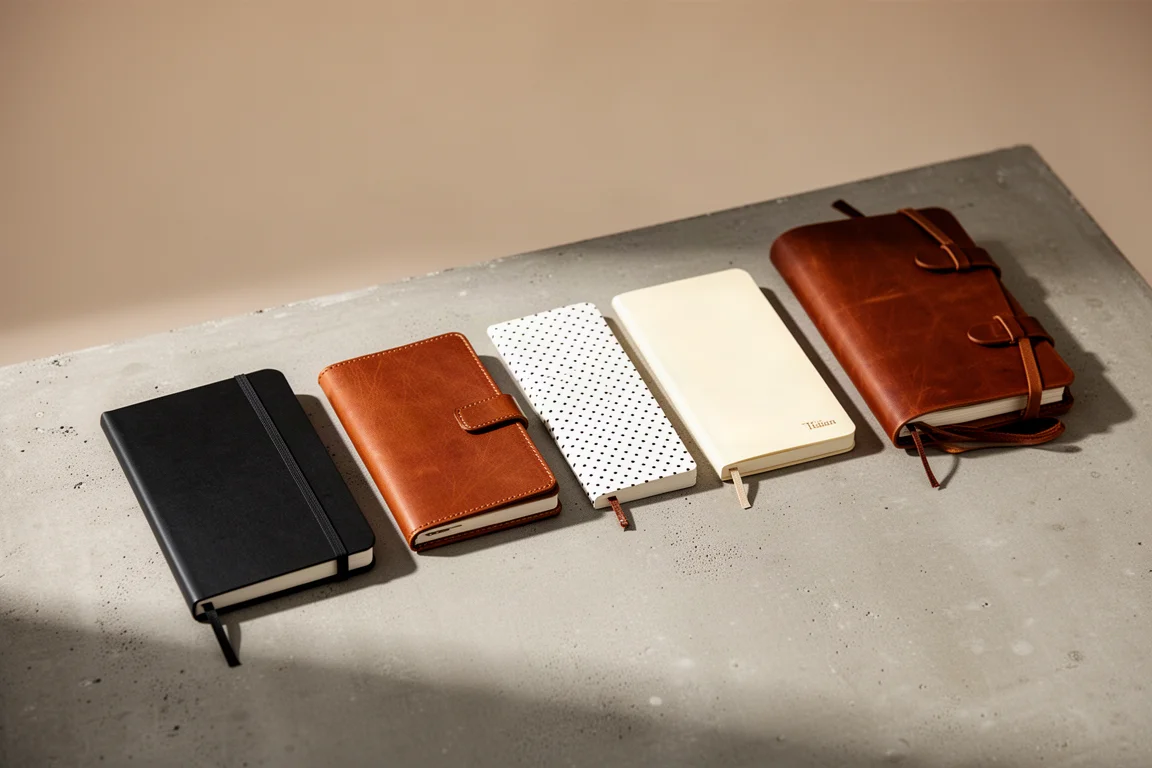
Introduction
Few stationery products carry as much romance as the Moleskine notebook. The brand’s own marketing presents it as the heir to the notebooks used by artists and thinkers over the past two centuries, and that story has sold millions of units. But the truth is a little more complicated, and once you look past the mythology, there are pocket notebooks on the market today with better paper, tougher builds, and lower prices.
The biggest practical problem with the classic Moleskine is how it handles wet ink. With a fountain pen, you get noticeable feathering and bleed-through, which makes writing far less enjoyable. If you love the idea of a historic pocket notebook paired with a classic writing instrument, that combination simply does not work well out of the box.
We compared five alternatives that keep the same basic shape, the same romantic appeal, and a similar or lower price than the Moleskine Classic, but with noticeably better paper. Here is how they stack up.
What Is a Moleskine Notebook, Really?
Traditionally, a moleskine notebook was a pocket-sized book of about 3.5 by 5 inches with a durable oilcloth black cover, kept closed with an elastic band, and containing an expandable back pocket for tickets, photos, and small finds. These utilitarian books appeared in Parisian stationery stores in the late 19th and early 20th centuries, made cheaply by various bookbinders, and were the everyday tools of struggling artists and writers.
The famous legacy is partly marketing. Hemingway, for example, wrote in blue-backed school exercise books, not moleskines. The original manufacturers dwindled away, and the last producer in Tours, France closed in 1986. A Milanese publisher later revived the format, trademarked the name, and built the modern brand on nostalgic advertising. Credit where it is due: the company did popularize a genuinely excellent pocket notebook design all over again.
As a benchmark, the Moleskine Classic Notebook costs around $22, offers 192 pages, a stiff paper cover, a good elastic band, and an expansive back pocket. It comes in countless themed editions. But the marketing claim that it works well with fountain pens does not hold up, and the paper is the weakest part of the package.
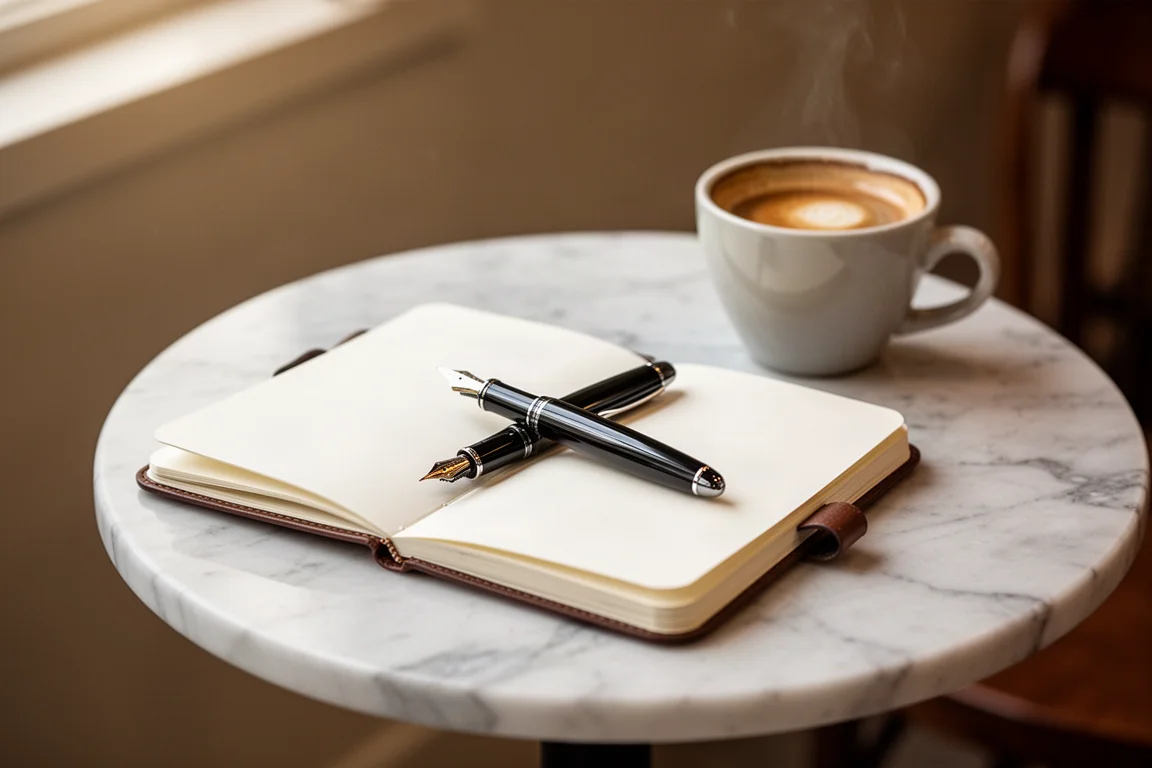
Every alternative below is easy to find, priced at or below that $22 mark, and built in the same spirit: portable, romantic, and inspirational to carry out into the world.
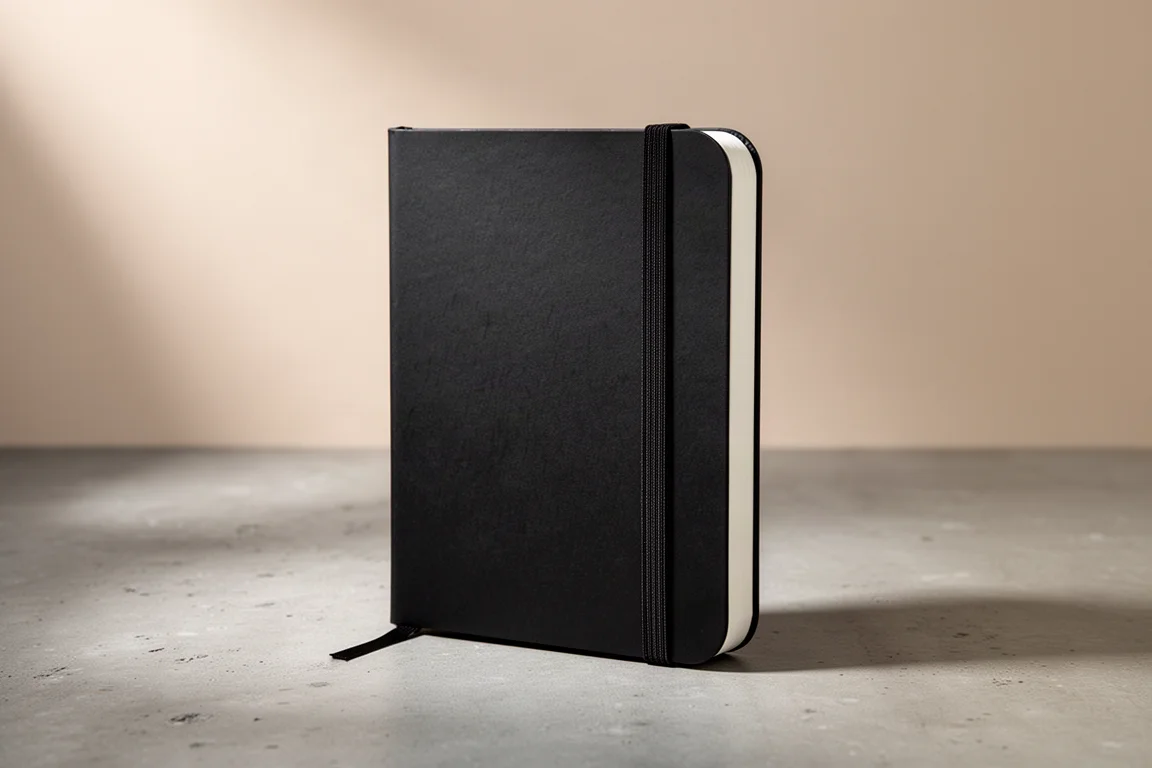
Paperage Lined Journal Pocket Notebook: The Budget Standout
The Paperage Lined Journal Pocket Notebook is cheap, easy to order, and surprisingly close to the Moleskine experience. It measures 3.6 by 5.6 inches, offers 160 pages, and the cover is a vegan leather that is hard and reportedly waterproof. Hand someone this notebook blindfolded and it would be difficult to tell it apart from a Moleskine, which is exactly the point.
The headline feature is the paper: 100 gsm, which is hefty for a notebook in this class. It is slightly off-white, gentle on the eyes, has a pleasant texture with a satisfying scribing sound, and shows ink colors well. Crucially, there is none of the bleed-through or feathering that plagues the Moleskine with wetter nibs.
It also lies very flat when writing, which matters more than you might think if you take notes standing up or write with the book in one hand. There are a couple of label stickers for the back pocket, a small but thoughtful touch. The best part is the price: $7.99 at the time of writing, made in China, and available in a rainbow of colors if you want to move beyond traditional black or brown.
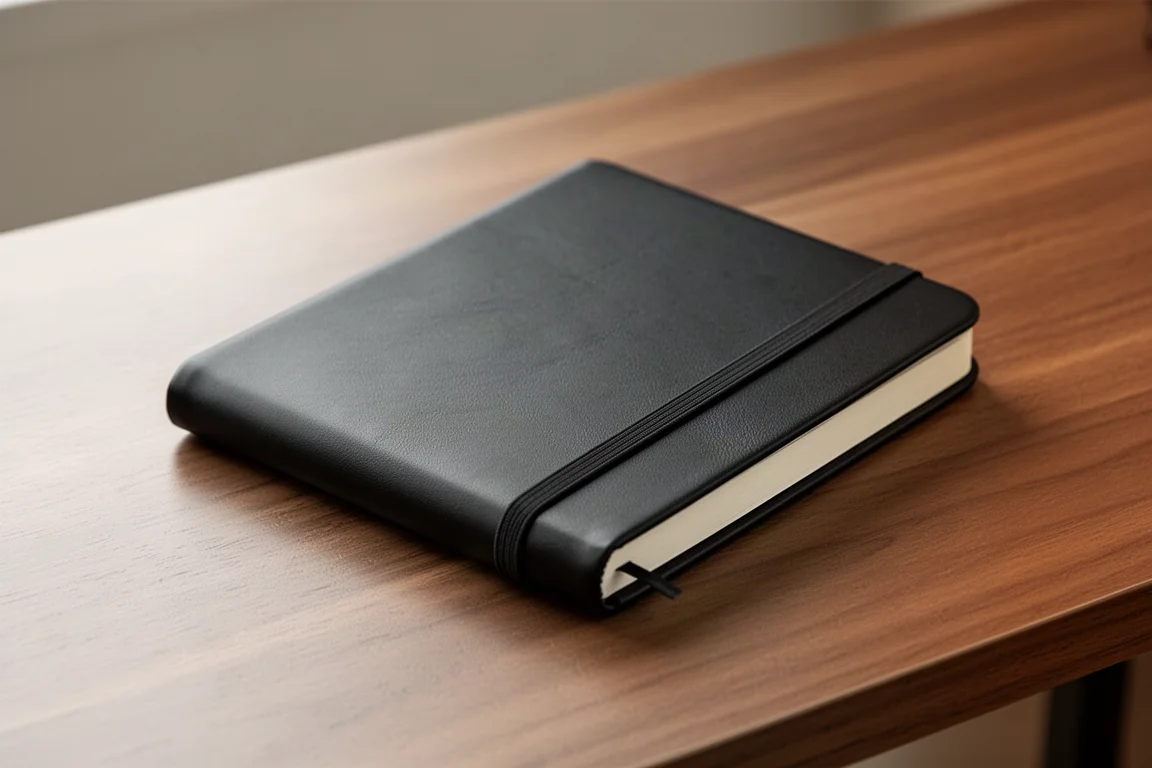
Eyes Borgar Pocket Notebook: The Field Companion
The Eyes Borgar Pocket Notebook measures 3.5 by 5.5 inches and comes as a two-pack of one brown and one black leather-covered notebook for about $10. What it lacks in an elegant name it makes up for with genuinely useful features.
The standouts include an elastic pen loop on the cover for carrying your pen with the notebook, a flap inside the front cover for tickets, stubs, and receipts, and a notably thick, heavy-duty back pocket that should hold up better than the pockets that tend to tear on well-used Moleskines. There is a place to write your name, two ribbon bookmarks, and several tear-off pages at the back, which is a surprisingly handy feature.
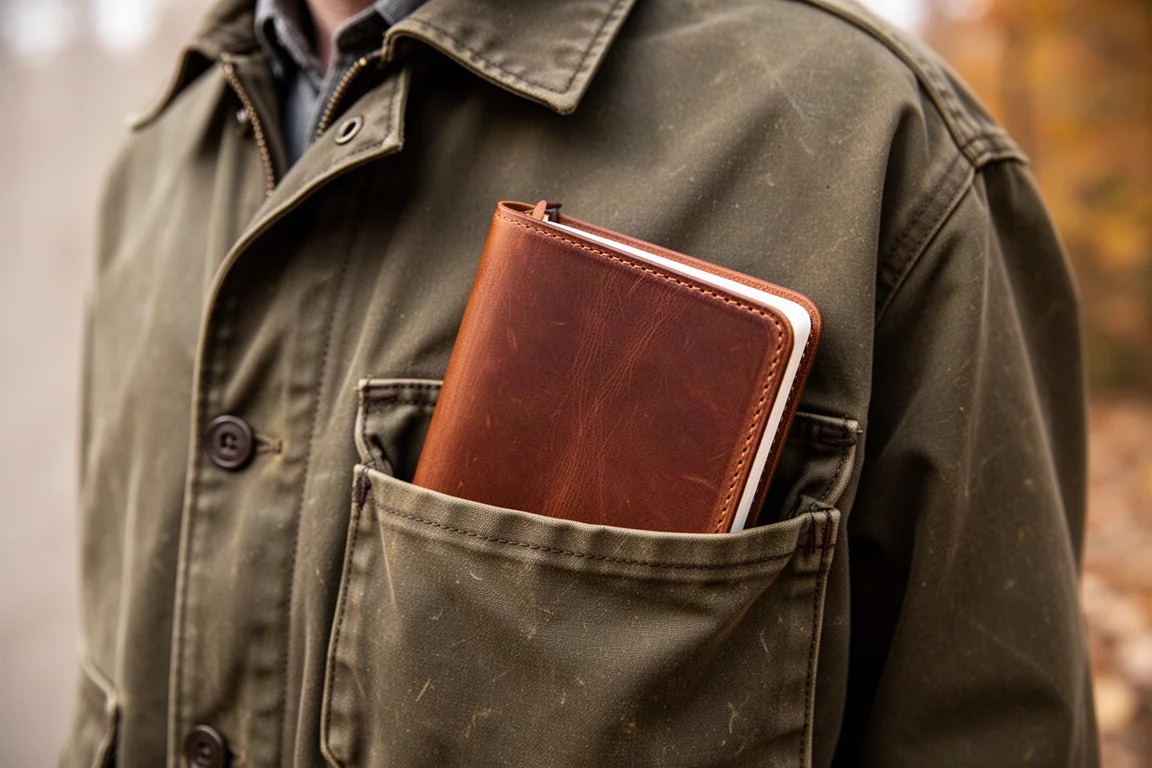
The leather cover has a tactile warmth and a bit of give, and it is the kind of cover that will take a beating and look fantastic while doing it. It arches to the shape of your body in a back pocket and collects every dent and scratch as part of its story. This is the safari journal of the group: the one for cargo pockets, field notes, and travel sketches.
Minor gripes are a printed date field at the top of each page that some will simply ignore, and a pen loop that is a bit too tight a hug for a very expensive pen. Neither is a dealbreaker at this price.
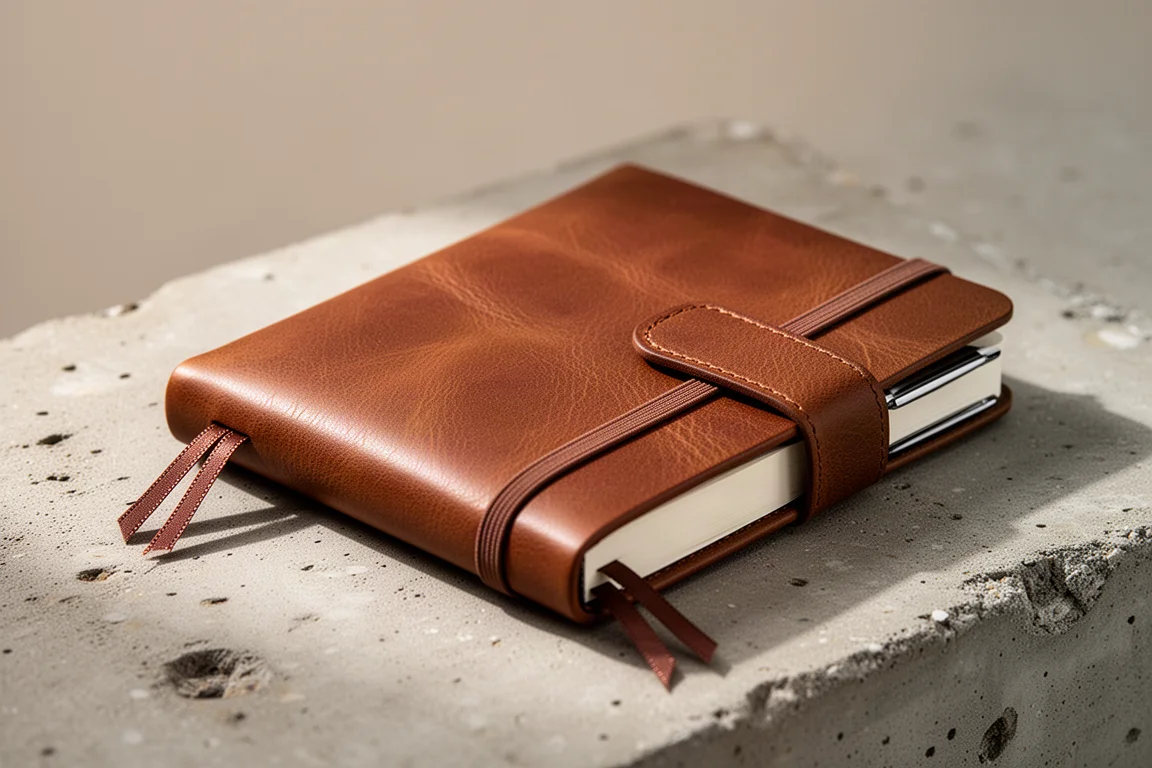
Mnemosyne Pocket Notebook: The Paper Champion
Mnemosyne, named after the Greek goddess of memory and mother of the muses, is one of the most respected paper producers around, and this pocket notebook is made in Japan with premium smooth Japanese paper. It measures about 3.7 by 5.7 inches, giving you slightly more space than a standard Moleskine, and offers 160 pages.
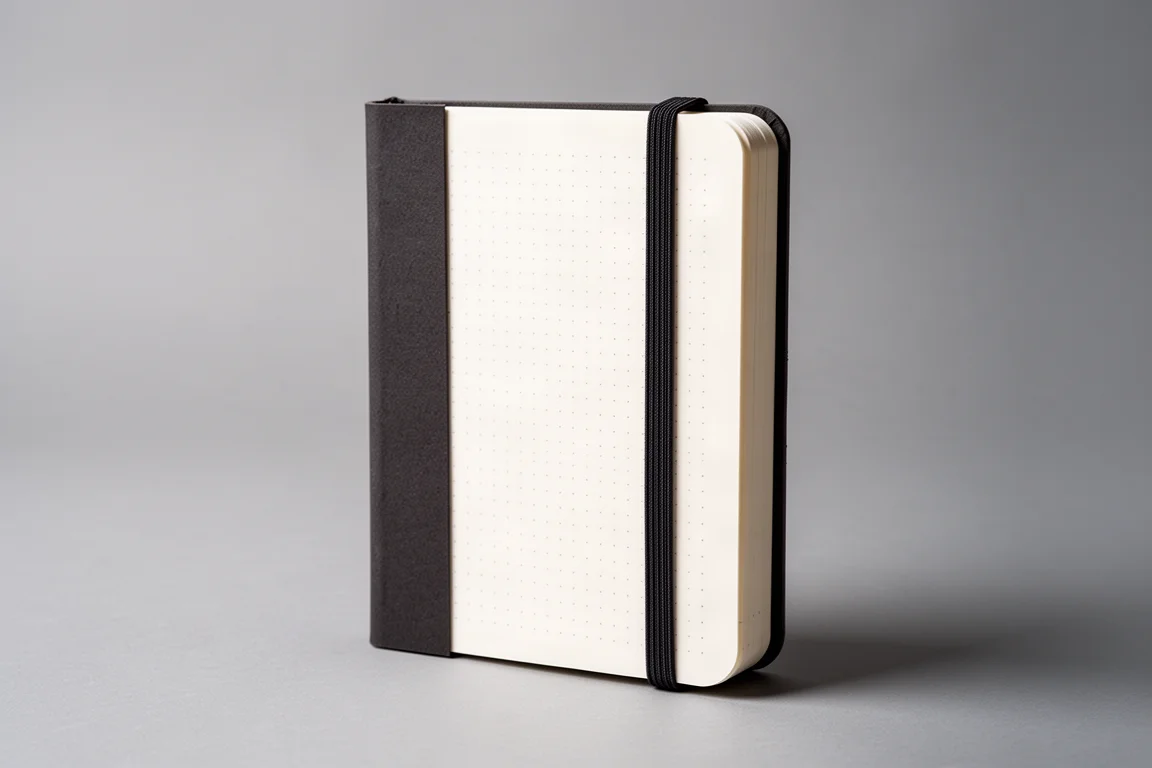
The version reviewed here is dotted, with dots spaced 5 mm apart, which works beautifully for writing vertically or horizontally, sketching measured layouts in the field, or practicing handwriting. A lined version is also available. The stiff cover, excellent elastic band, and expandable back pocket round out a very well-constructed package.
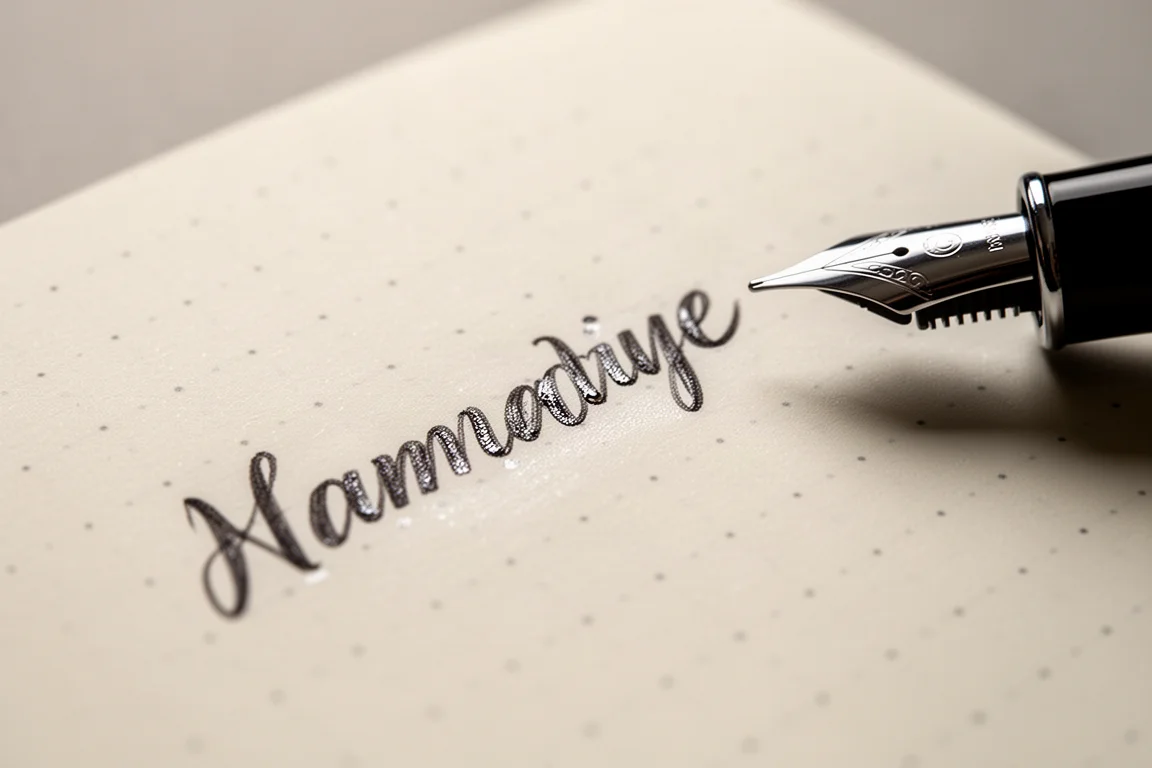
For fountain pen users who care about how their inks look on the page, this is where the Mnemosyne separates itself from everything else here. The paper shows the full expression of an ink, from shading to sheen, with none of the anxiety of watching your writing bleed through the page. There is simply no compromise when writing on it.
At $24, it is priced like a Moleskine but delivers clearly superior paper and construction. Of all the notebooks compared here, this one knocks it out of the park on paper quality, attention to detail, and build consistency, and it earns the top recommendation.
Fabriano Aspira Notebook: The Italian Heritage Pick
Fabriano has been producing paper products since 1264, a legacy so extraordinary it is a wonder the company does not lead with it in its marketing. The Aspira notebook calls itself “bella carta,” or beautiful paper, and at 85 gsm with a smooth finish and a very pleasant writing feel, the name fits.
The cover is tactile and feels like real leather, with “made in Italy” printed on the back. At roughly $8 or $9 on Amazon, it is an excellent value, though availability has become a bit tighter due to trade restrictions. They are still out there and still abundant enough to find.
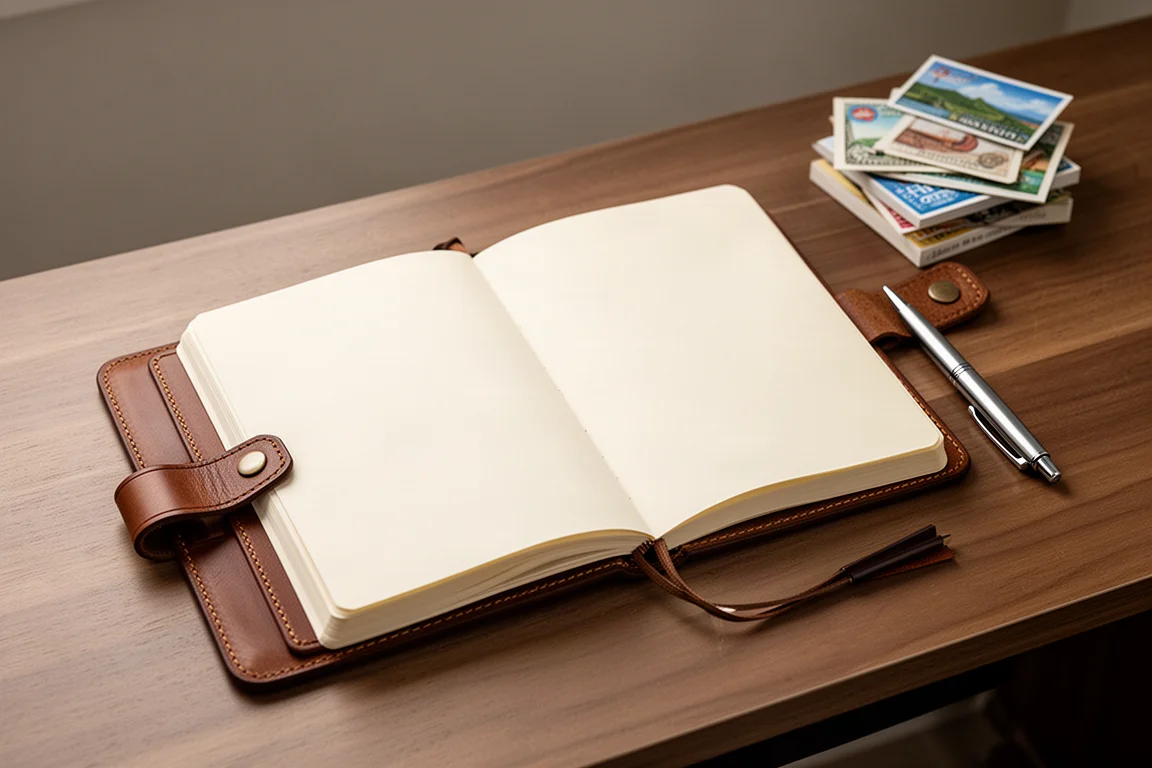
This one measures about 3.7 by 5.7 inches, sewn well enough to lay flat, with a ribbon bookmark and a functional if not especially robust expandable back pocket. The paper is the most ivory-toned of the group, leaning slightly yellow, which lends it a warmth that suits the Italian character of the notebook. The dimensions are near perfect for slipping into a pocket and carrying through piazzas, museums, and long walks.
These covers are tough. A unit that arrived dented was pressed flat with an iron and kept performing. The point of a pocket notebook is to wear it out, collect the scratches, and remember the adventures along the way. If Italian heritage and warm ivory pages appeal to you, the Fabriano is a lovely companion for your next trip.
Pentilik Traveler’s Notebook: More Room to Create
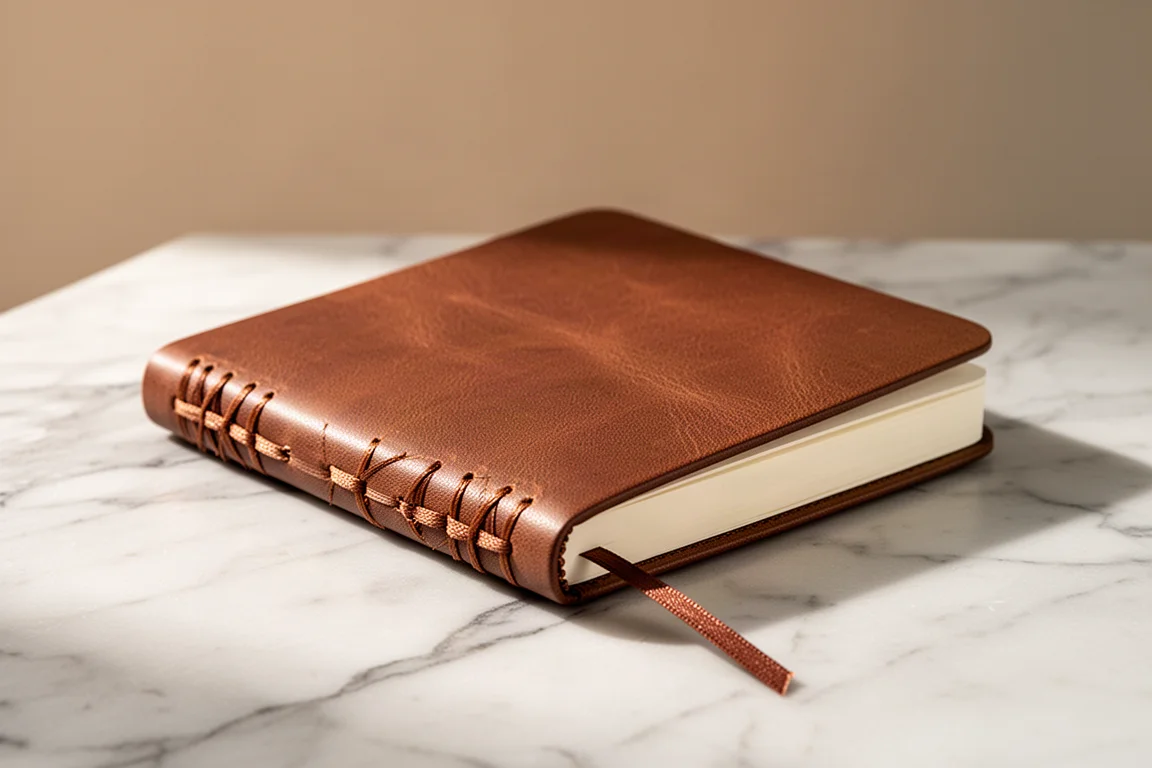
Sometimes you need more real estate, and that is where the Pentilik Traveler’s Notebook earns its place. It is larger than the others on this list, with 160 pages of thick, chunky, 120 gsm paper made in Malaysia that have a pleasant texture and a satisfying scribing sound.
The leather cover was made in Italy, a nice step up in materials, and it has a bit of give rather than stiffness, which actually suits a larger notebook that needs to slip back into a coat or back pocket. There is a back pocket on the rear cover that is not expandable but works fine for stickers and small mementos, and the pages are free of printed date lines or distractions.
Two minor flaws are worth knowing about: the elastic band feels a little flimsy, and the bookmark ribbon is oddly asymmetrical. More importantly, although 120 gsm sounds thick, this paper showed the most ghosting of the group when tested with a wet, high-flow fountain pen in medium. With drier pens or finer nibs it behaves well, but it is not as tight as the Mnemosyne paper. Even so, it remains far better than a Moleskine with fountain pen ink.
For about $10 from Amazon, you get a leather cover, generous page count, and lots of space for musings, drawings, and poetry. It looks like an artifact from a bygone era, and at this price it is a compelling value.
Buying Advice: Which One Should You Choose?
If paper quality is your priority and you use fountain pens, the Mnemosyne is the clear winner and the top pick overall. Its premium Japanese paper, careful construction, and consistent execution leave nothing to worry about, and at $24 it costs about the same as the Moleskine Classic it outperforms.
If budget comes first, the Paperage is almost unbeatable at $7.99, with thick 100 gsm paper and a true pocket-Moleskine feel. The Eyes Borgar two-pack is the pick for travelers and field users who want leather, a pen loop, and rugged durability. The Fabriano brings centuries of Italian papermaking heritage for around $9, and the Pentilik suits anyone who wants more room to write and sketch.
Every one of these is a stronger value than paying $22 for a Moleskine with paper that cannot show off a good pen or a good ink. Choose based on how and where you will actually use it.
Conclusion
The classic Moleskine format deserves its reputation as a design, and the modern brand deserves credit for reviving it. But the paper inside falls short for anyone who writes with a fountain pen, and the alternatives above prove you no longer have to accept that trade-off. Whether you prioritize price, durability, heritage, or pure paper performance, there is a superior pocket notebook here for the way you write.
Further reading
Related Reviews
Stationery
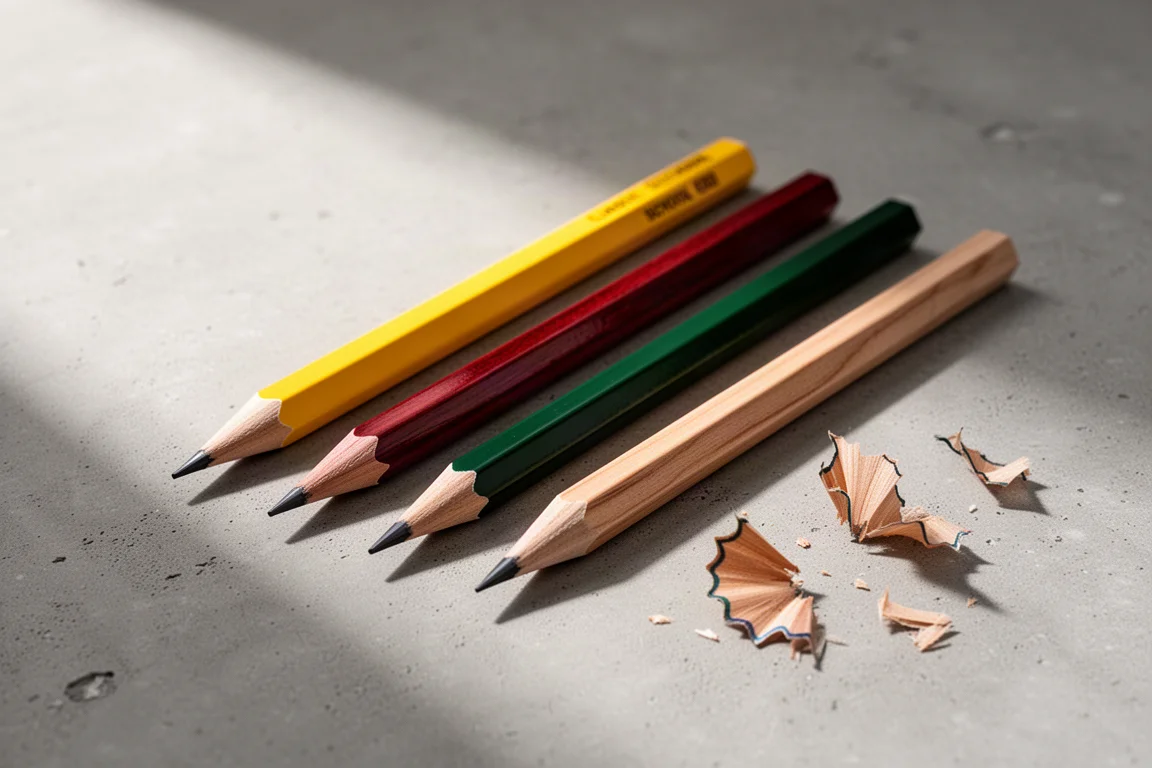
Musgrave Pencils Review: Four Classic Pencils from Tennessee's Last Pencil Factory
We put four Musgrave pencils to paper, from the classic Harvest to the Unigraph 1200 drawing pencil, to see what a century-old Tennessee workshop can still do.
Stationery
Fountain Pen Tiers Explained: From Starter Pens to Luxury Grails
A practical overview of the different levels of fountain pens and inks, from a sub-$20 starter setup to Italian piston fillers and retractable gold-nib everyday carries.
Stationery
HP Premium 32 lb Copy Paper Review: A Fountain Pen Friendly Everyday Printer Paper
A heavy, smooth 120 GSM copy paper that handles fountain pens far better than standard printer stock, with only minor trade-offs in shading and sheen.