Road Bikes
10 Modern Classic Road Bikes Worth Buying Secondhand
Ten lightweight rim-brake era road bikes that still deliver real performance, plus what to inspect before you buy used carbon.
Introduction
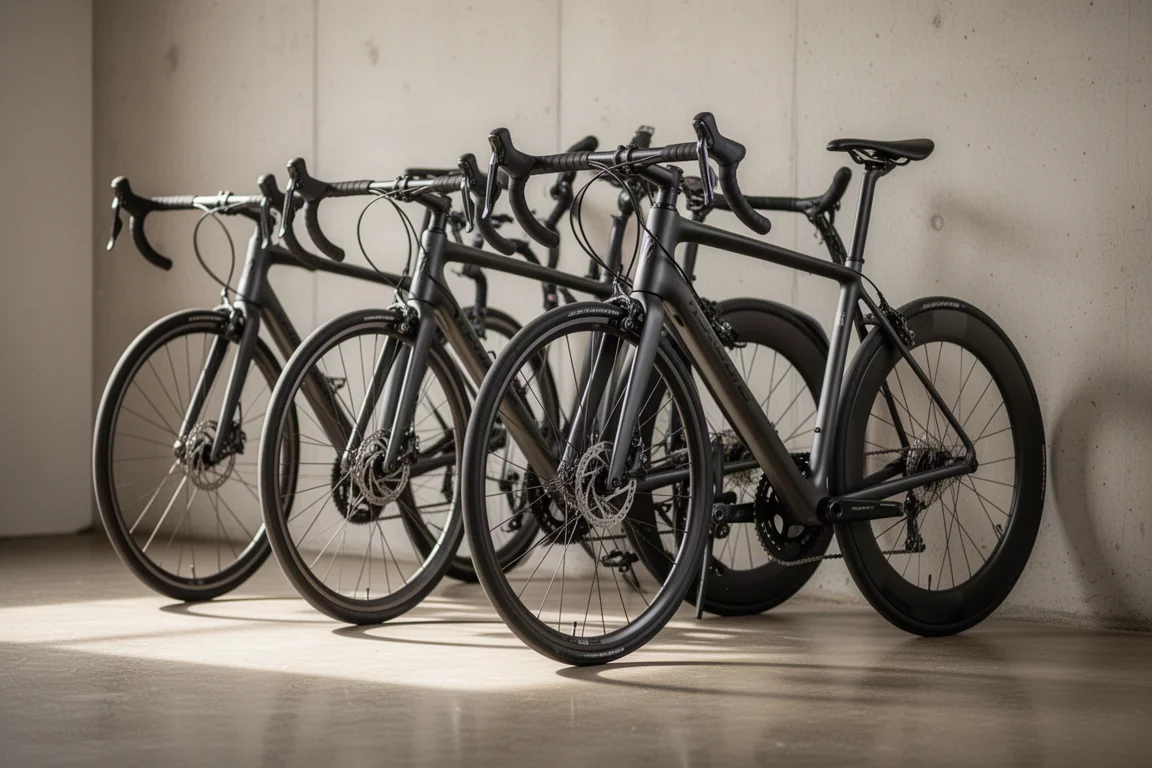
There is a sweet spot in the used road bike market that sits roughly between 2010 and 2020. Bikes from those years are light, stiff and quick, and a sub-7 kg build is entirely realistic. They were also designed before fully hidden cables, aggressive aerodynamic shaping and hydraulic disc brakes became the default, which makes them straightforward to live with and simple to service at home.
That combination is why a secondhand carbon road bike can be such good value. A used carbon frame with a Shimano Ultegra 11-speed groupset for around £400 is the kind of find that proves the point. This guide looks at ten modern classics from that era and what each one offers.
Why This Era of Road Bike Still Makes Sense
The case for this generation is practical as much as sentimental. Most of these bikes use mechanical shifting, external cable routing and rim brakes, so there are no batteries to charge and no hydraulic fluid to bleed. A home mechanic can change a stem, swap a handlebar or replace a cable without special tools or a workshop visit.
The performance argument holds up too. The gap between a well-maintained bike from this period and a brand new one is measured in small percentages rather than whole categories. You give up some aerodynamic efficiency and some tyre clearance, and in return you get a bike that is light, direct and easy to keep running.
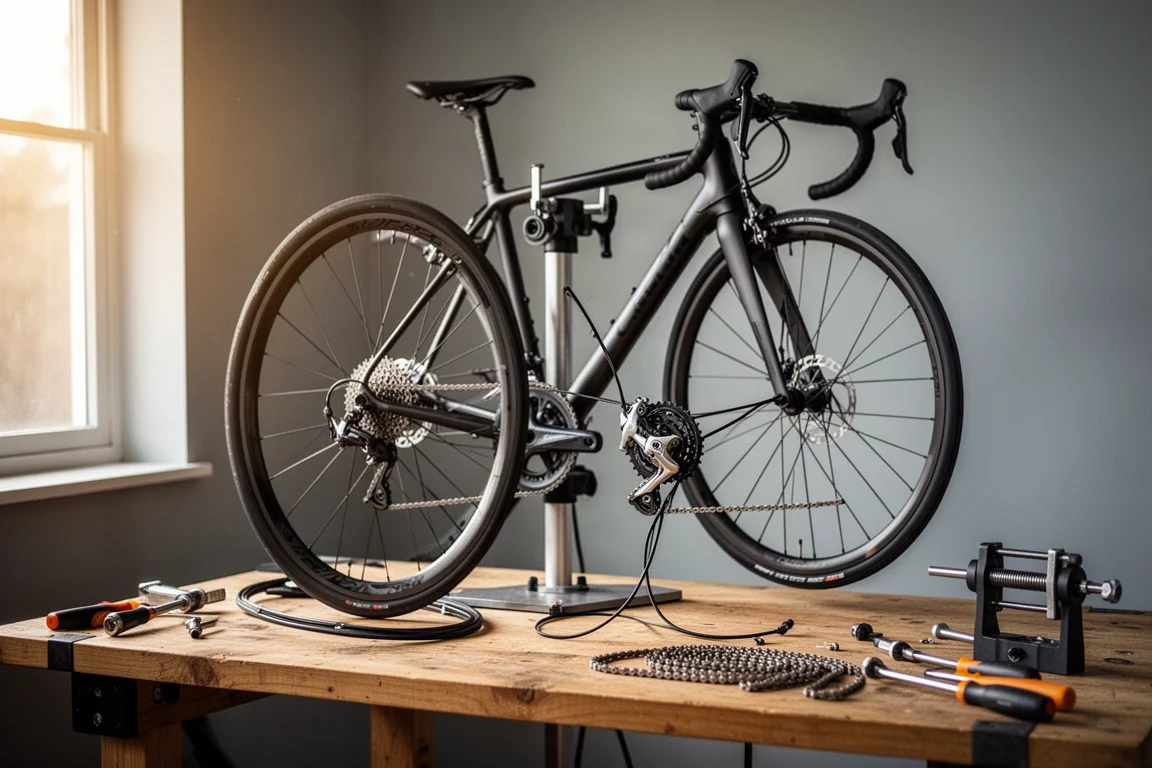
It is worth being clear about what this era does not give you. Tyre clearance varies by model: the endurance frames in this group accept around 30 mm to 32 mm, while the racier aerodynamic frames are happiest on 25 mm to 26 mm. If you want very wide tyres or the latest integrated cockpit, a newer bike will suit you better. If you want a fast, light road bike you can maintain yourself, this is a strong place to look.
Specialized S-Works Tarmac SL5
The SL5 is the last Tarmac generation to use the swoopy, bowed top tube shape, and it remains one of the better-looking race frames of the period. The S-Works version uses the high-grade carbon frame, and most secondhand examples are built with Shimano Ultegra mechanical 11-speed and rim brakes.
Deep-section carbon wheels are common on used listings, and prices vary widely with condition and specification. Examples have appeared from around £650 for a stealth black build in very good condition up to roughly £1,200 for a larger frame with deep-section wheels. Many listings sit at the larger end of the size range, so it pays to check the size before you get attached to a particular bike.
Because everything is mechanical and externally routed, a tired example is easy to bring back. A new chain, and possibly a cassette, is usually all a well-kept frame needs.
Specialized Tarmac SL6 Expert
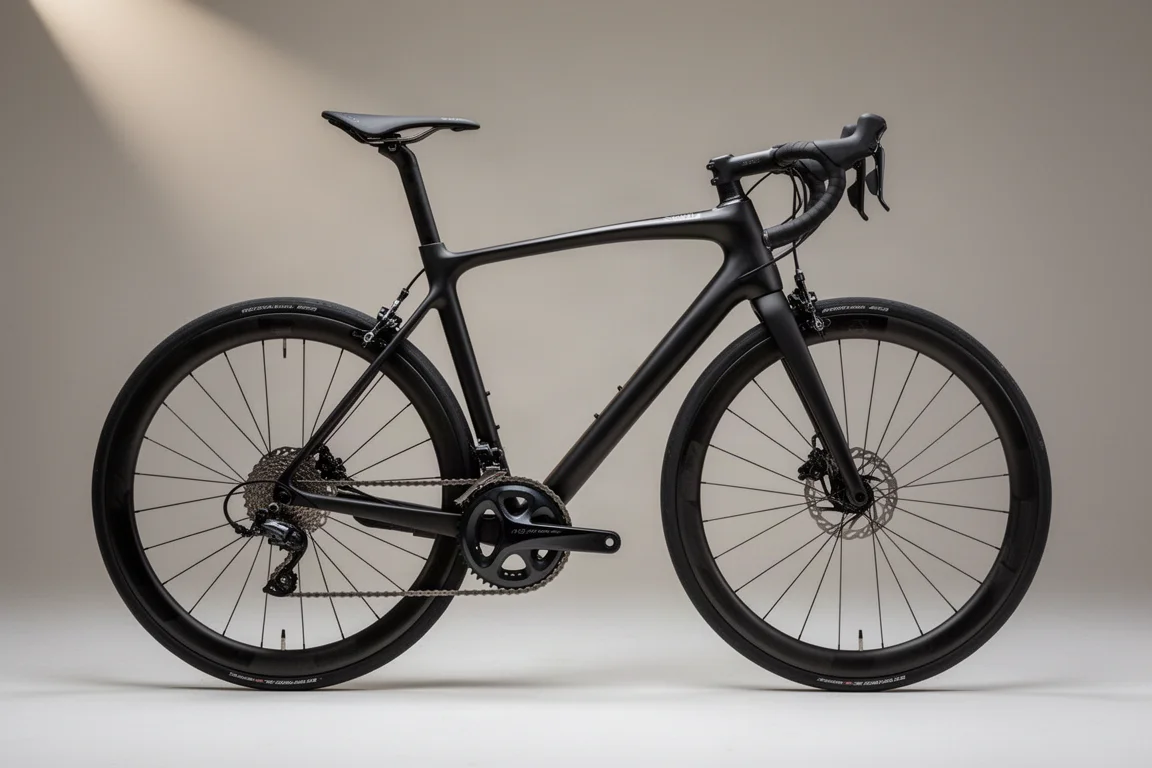
The SL6 gave the Tarmac an aerodynamic makeover and dropped rear stays, and it is a sharper-looking frame than the SL5 without being as aggressive as later generations. The Expert build pairs Ultegra 11-speed mechanical shifting with rim brakes and deep-section Roval wheels, and examples have appeared around £1,700.
Condition varies. Light scratches are normal on a bike of this age, and worn chainsets are common enough that it is worth budgeting for a replacement. A new chainset is not expensive, and a little attention to worn parts turns a used SL6 into a bike that looks and rides like something far newer.
Disc-brake versions of the same frame also show up with Ultegra 11-speed mechanical shifting and hydraulic disc brakes, which makes the SL6 one of the easier frames in this group to find in either brake format.
Specialized S-Works Venge
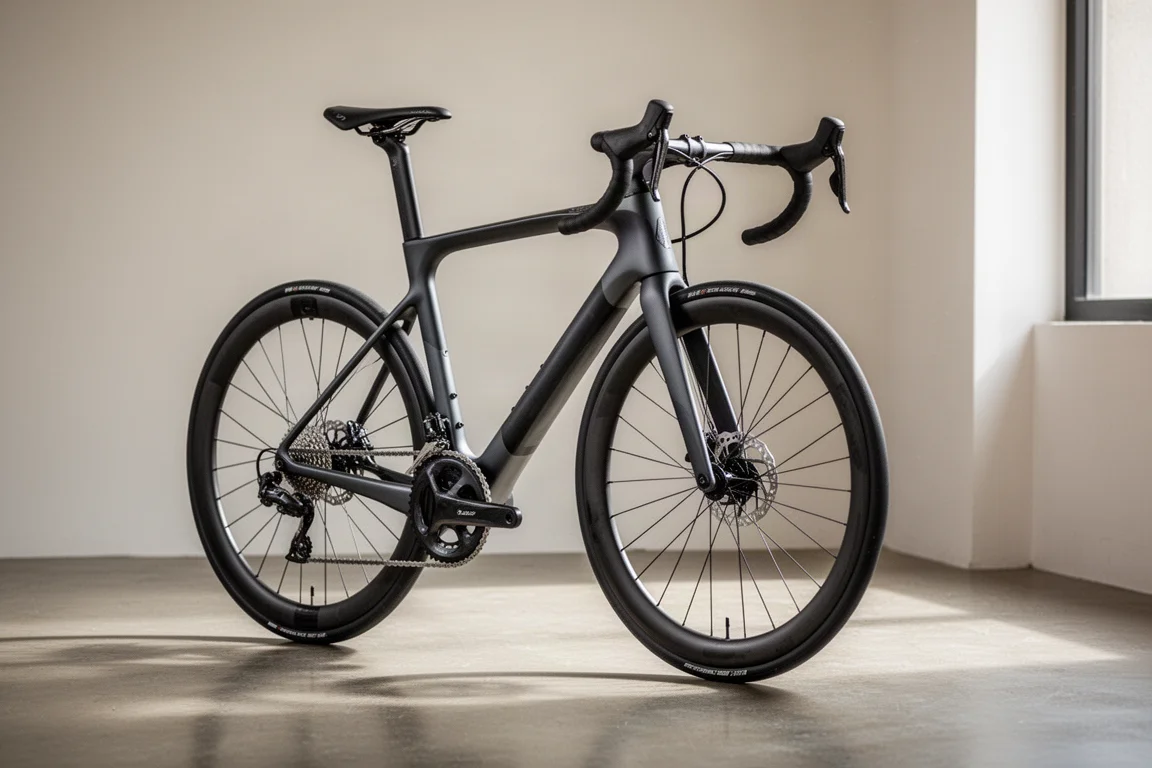
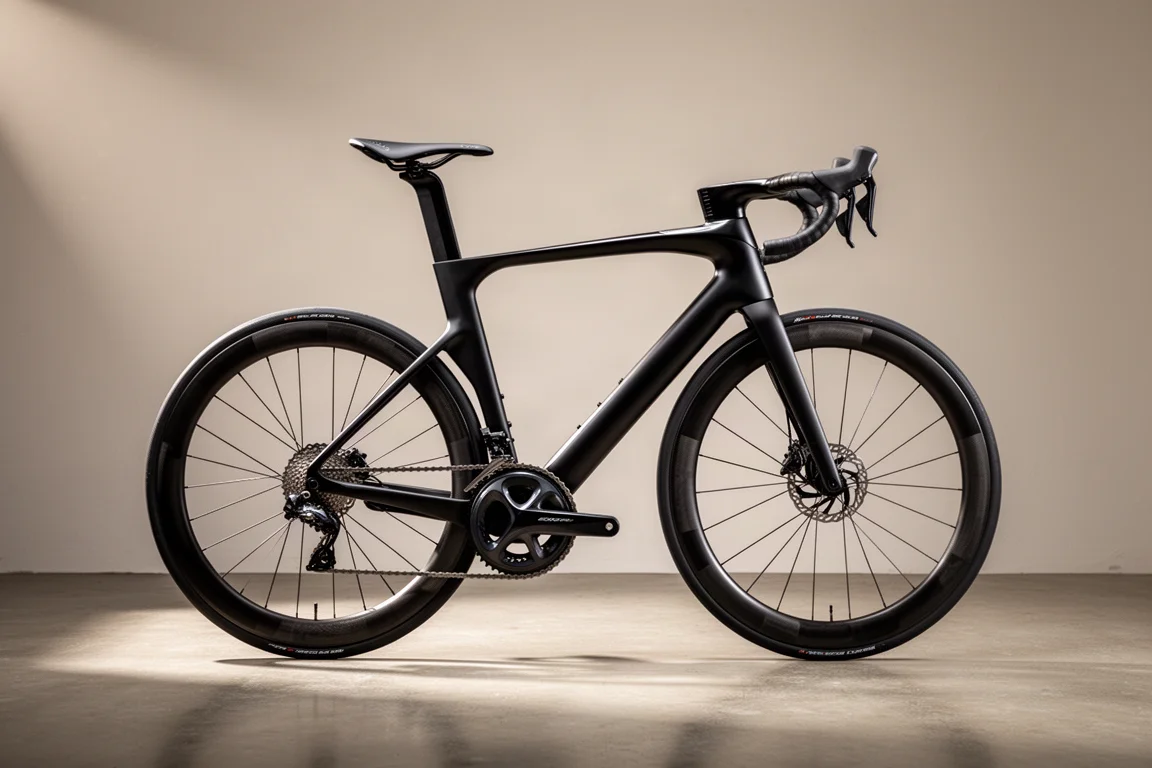
The last Venge generation is the one that disappeared when the Tarmac SL7 arrived, and that has kept demand, and prices, firm. The S-Works version uses a light high-grade carbon frame with a fully integrated aero cockpit, deep-section Roval wheels and, on some examples, an upgraded CeramicSpeed rear mech.
Expect to see asking prices around £3,000, with room to negotiate on a bike that has been listed for a while. Earlier frames from the same model line also appear at noticeably lower prices, often with SRAM Red and a good wheelset.
The main limitation is tyre clearance, which is narrow even by the standards of this era. If you are happy on slim rubber and want a dedicated aero race bike, few frames from this period look as purposeful.
Giant TCR Advanced Pro 0
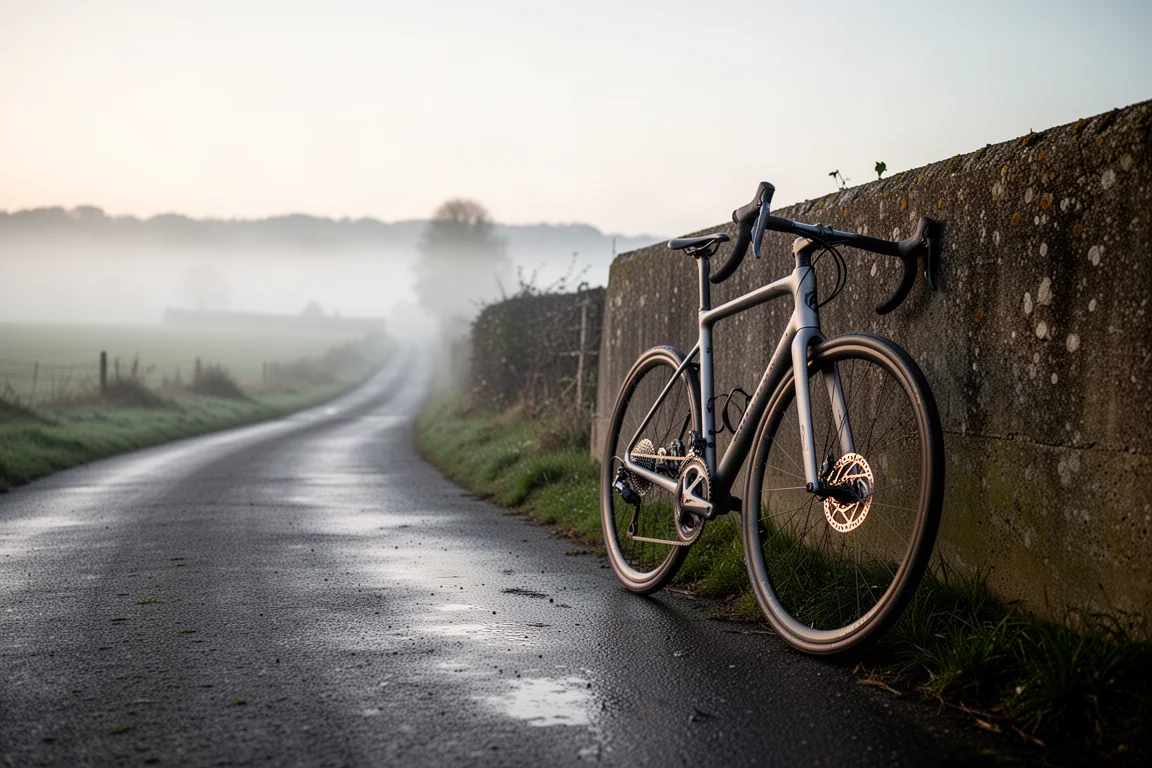
A 2019 TCR Advanced Pro 0 is one of the most complete packages in this group. It combines Ultegra Di2 electronic shifting with hydraulic disc brakes, Giant’s own SLR wheels and Pirelli tyres, and it was advertised well below its original £2,000 price.
That specification leaves little to upgrade immediately. The frame is not as light or as aerodynamic as the newest TCR, but it still rides well enough to race or to use for long sportive days, and there is plenty of scope for adding nicer parts later.
The one thing to weigh up is the electronic groupset. It shifts cleanly and needs little attention, but it does need charging, which is a change of habit if you are used to mechanical cables.
Giant TCR Advanced Pro 1
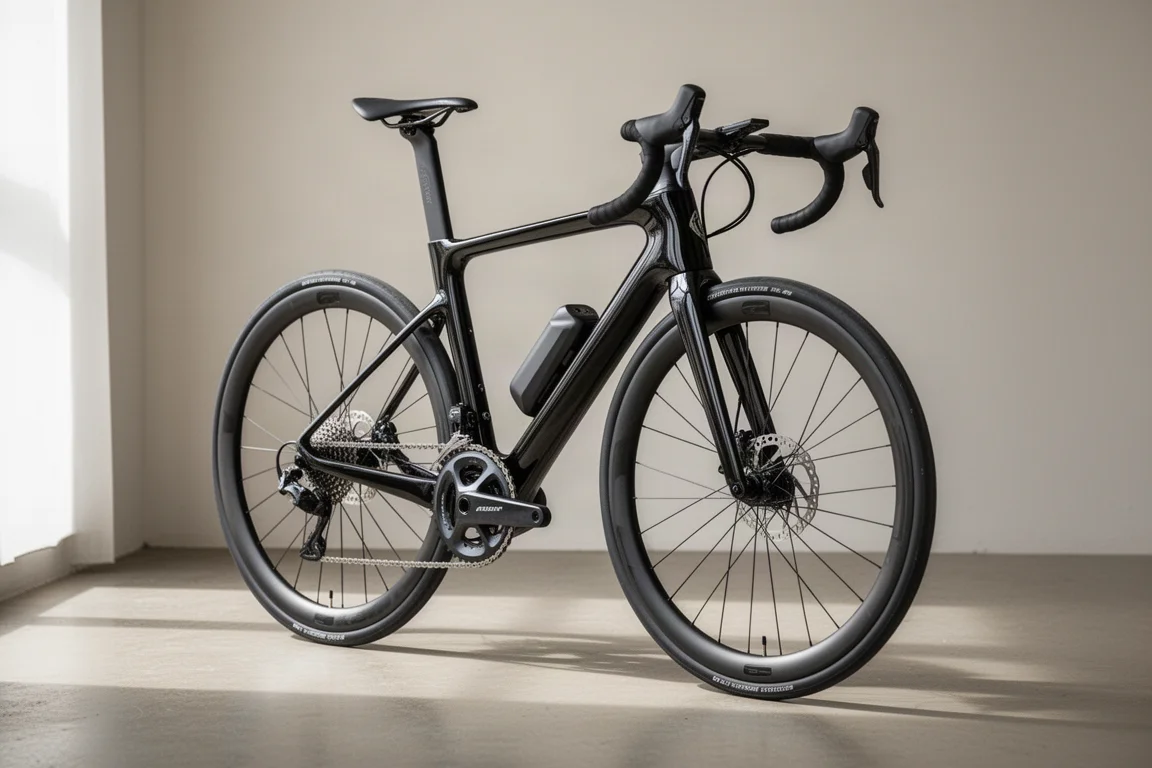
The rim-brake TCR Advanced Pro 1 is the simpler alternative. It runs Ultegra 11-speed with Hunt wheels and includes a power meter, and it has been listed around £1,500 with enough room to negotiate towards £1,300.
What makes this one stand out is the extras. A spare set of wheels for winter riding means the carbon hoops can be kept for better weather, and the power meter adds training value without an extra purchase.
If you prefer rim brakes and want a bike that is ready to ride rather than ready to rebuild, this is a sensible choice.
Canyon Ultimate CF SL
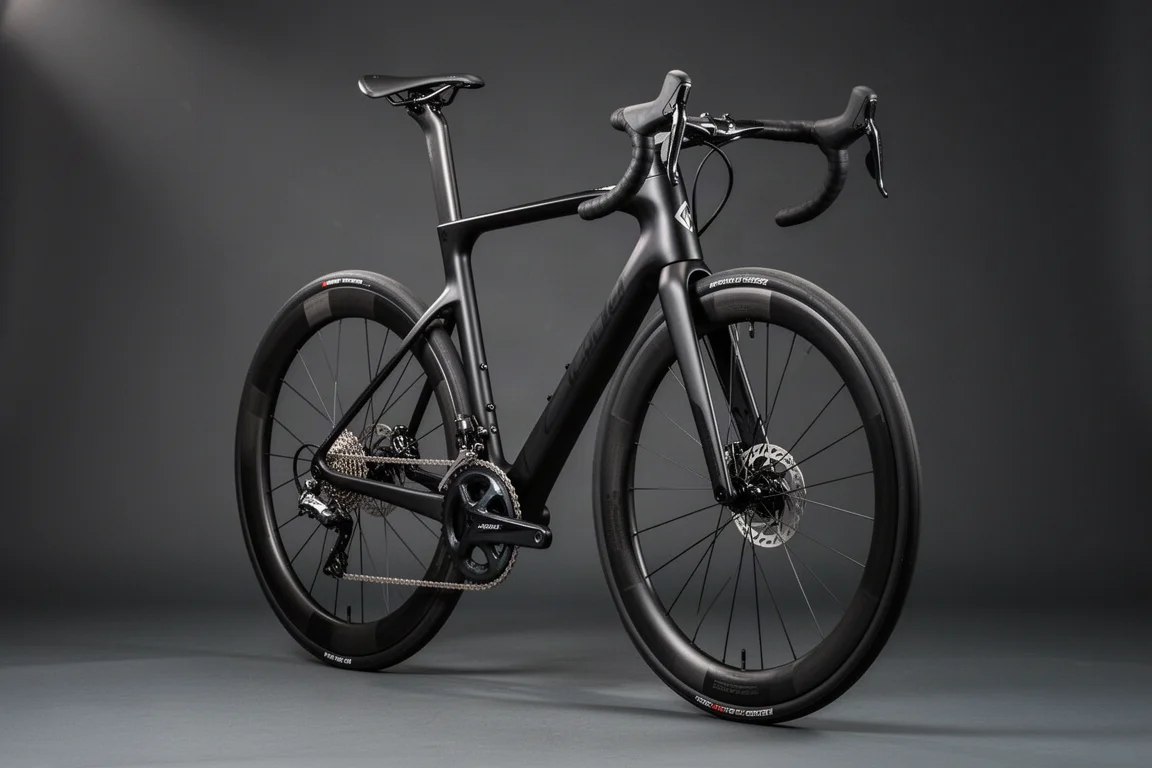
The Ultimate is Canyon’s climbing bike, and the CF SL uses the lower-grade carbon frame rather than the top-tier material. Even so, it is a light, lively road bike, and secondhand examples have appeared around £1,500 with rim brakes, Hunt carbon wheels and a 4iiii power meter.
One thing to check is the cockpit. Some examples are running a mixed setup, such as a different brand of stem paired with a different handlebar, which is worth budgeting for if you want the bike to match your position. Swapping those parts is cheap and simple on a frame with external routing.
The Ultegra 11-speed groupset is the same dependable mechanical setup found across this era, and it keeps running costs low.
Canyon Ultimate CF SLX
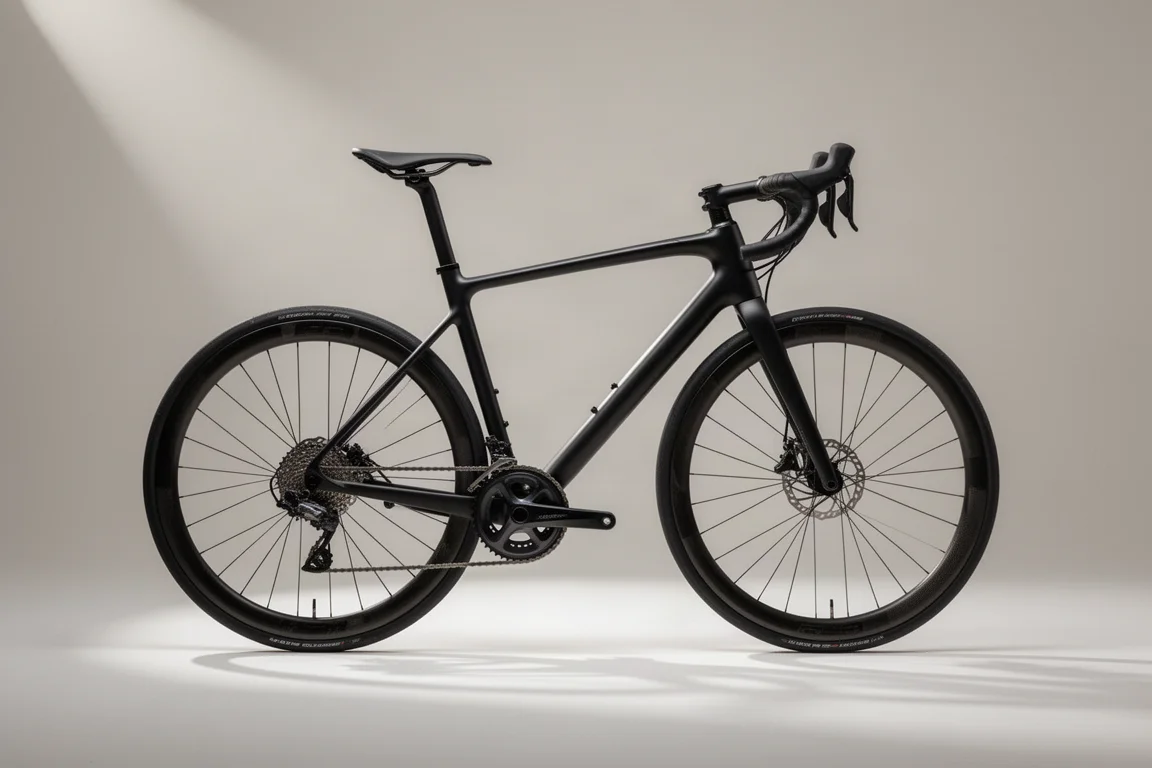
The CF SLX is the lighter Ultimate, and one example weighed in at 6.4 kg with 11-speed Shimano Dura-Ace Di2, rim brakes and Mavic Cosmic Pro Carbon SL tubular wheels, listed around £1,500.
That weight is remarkable for the money. It is lighter than most new disc-brake road bikes at a similar price, which makes it a compelling option for hill climb season or long days in the mountains.
Tubular tyres are the trade-off. They are light and feel fast, but a puncture at the roadside is a messy job, so it is worth having a plan for that or swapping to a clincher wheelset for everyday riding.
Canyon Aeroad CF SLX
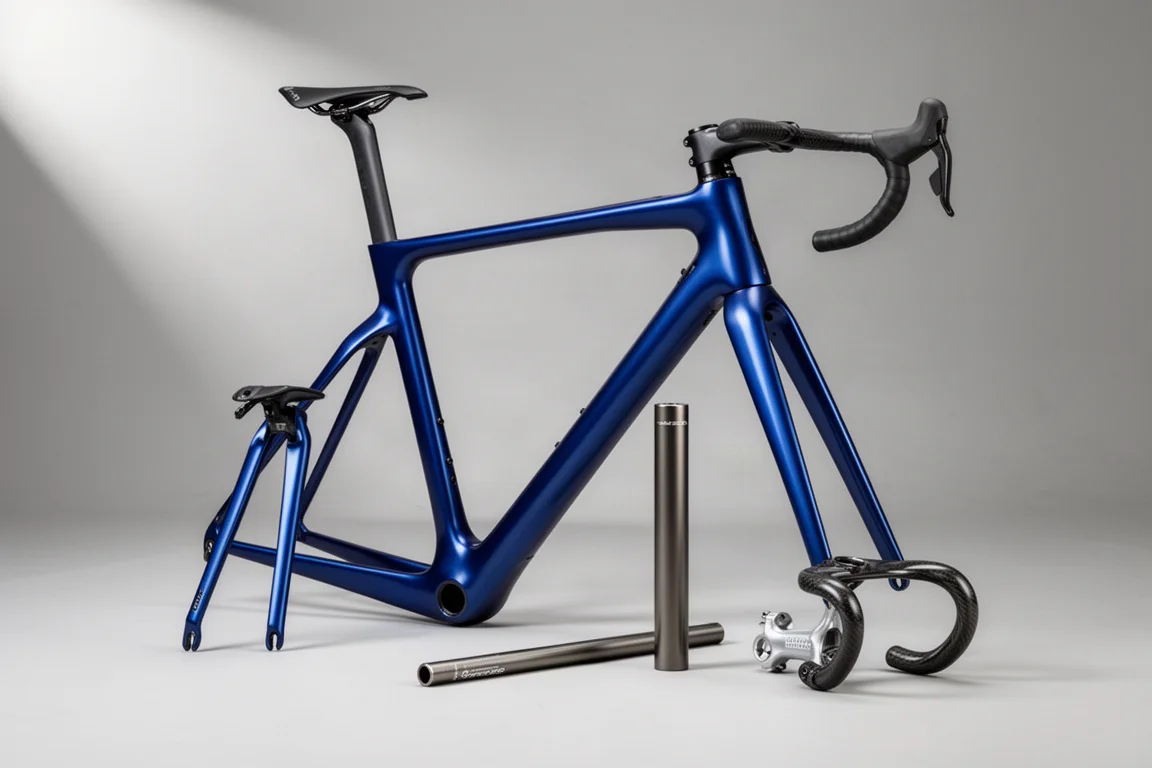
This generation of Aeroad is easy to spot. The seat tube hugs the rear wheel, cables run externally, and the bike uses a conventional stem and handlebar rather than an integrated cockpit. Visually it is not far from the current Aeroad, which says a lot about how well the shape has aged.
The CF SLX uses high-grade carbon, and typical builds pair it with Ultegra Di2 and a set of Zipp 303 or 404 wheels. External routing makes it far easier to change the cockpit or replace cables than on a fully integrated aero bike.
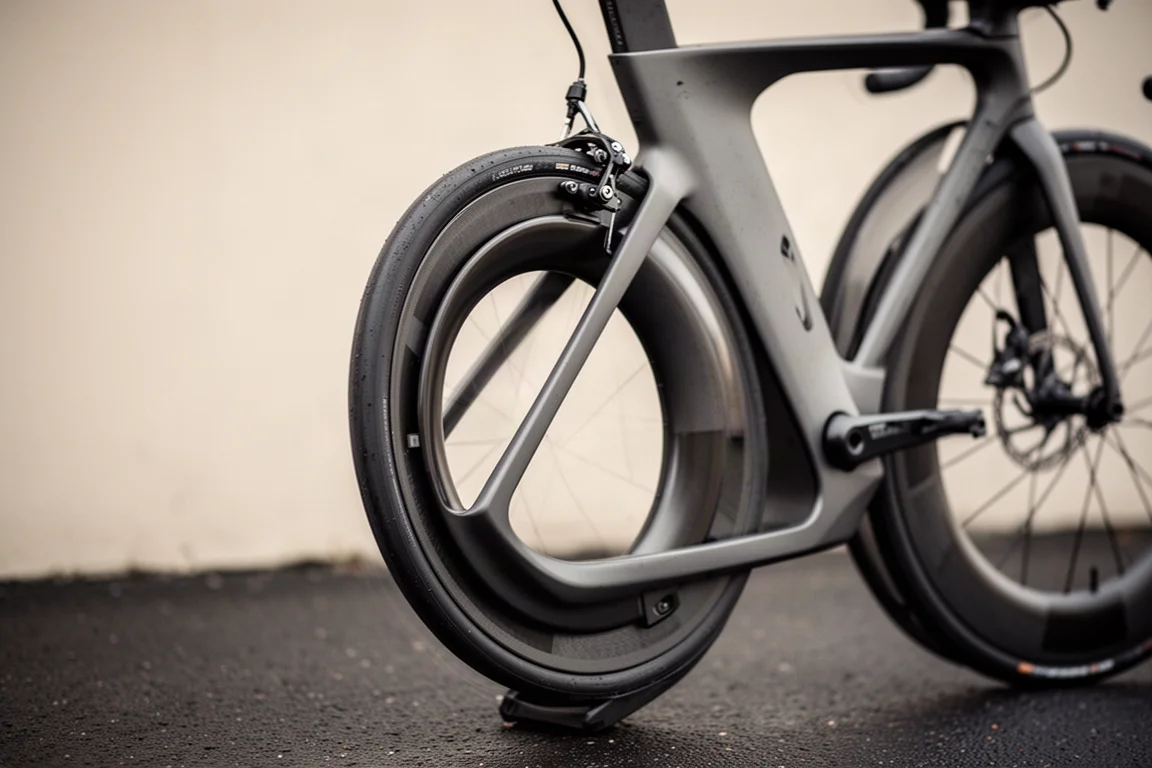
Tyre clearance is the limitation to accept. This generation is happiest on 25 mm or 26 mm rubber, so if you want wider tyres this is not the frame for you. On smooth roads it is fast, stable and rewarding.
Cannondale Synapse
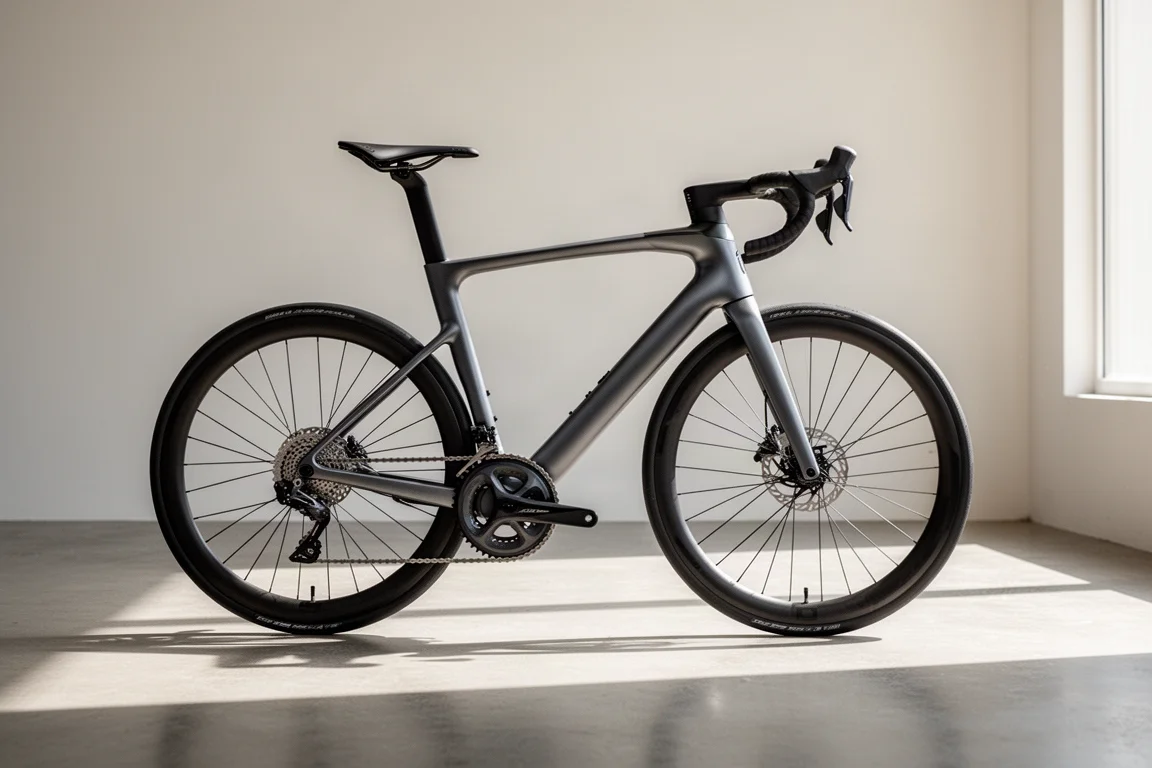
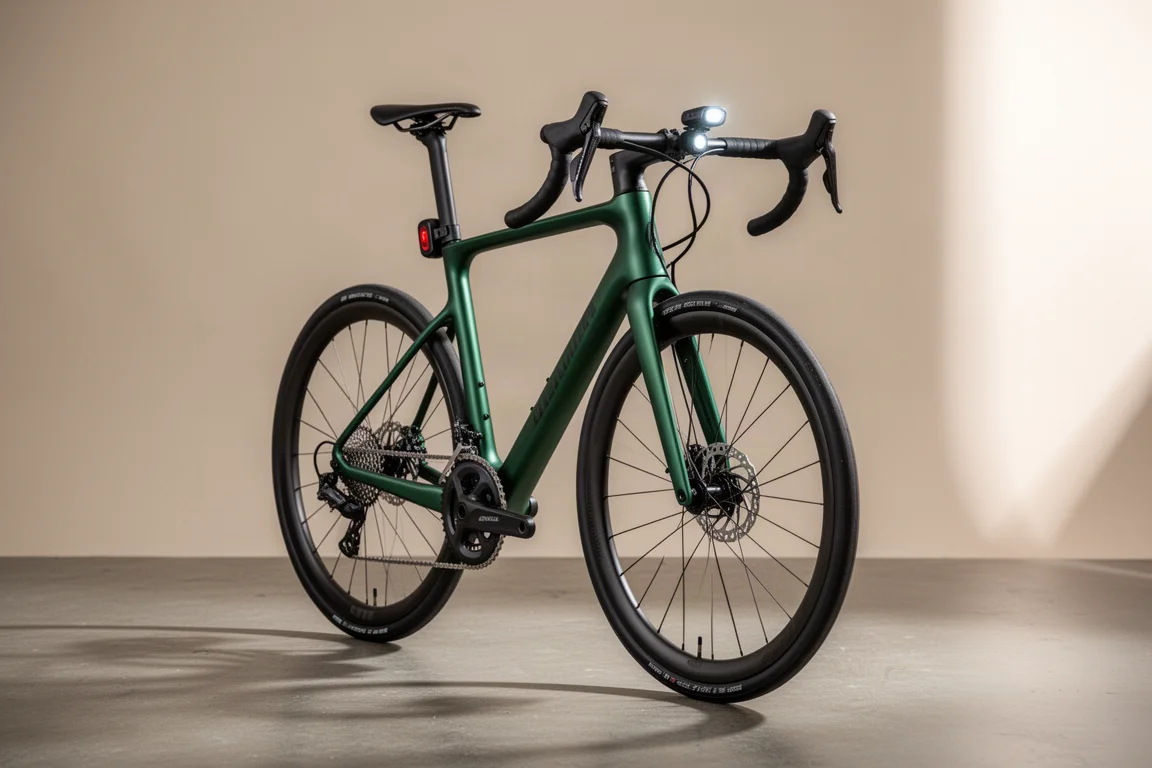
The Synapse is the endurance option here, and the previous generation remains a genuinely comfortable bike. The frame uses non-dropped rear stays, a taller head tube and a 25.4 mm seatpost, all of which add up to a ride that stays composed over long distances.
Disc-brake examples with Ultegra 11-speed mechanical shifting, external routing and a size 56 frame have appeared around £950, with room to negotiate towards £800. Higher-specification builds with Ultegra Di2 and upgraded Mavic wheels also turn up in the same frame generation.
Tyre clearance runs to around 30 mm or 32 mm, which is less than the 40 mm that modern endurance bikes offer but still enough for most riders. If you want a winter training bike or a comfortable all-day machine, this is one of the best value frames in this group.
Cannondale SuperSix Evo
The older SuperSix Evo is a proper race bike with slim tubes, a light frame and a stiff, direct feel. Some riders prefer it to the later, more aerodynamic version, and it has become one of the better used bargains of this era.
A size 54 example with carbon wheels, rim brakes, an Ultegra mechanical groupset and an FSA chainset appeared at around £725. Another size 54 came with Ultegra 11-speed mechanical shifting, rim brakes, Mavic Cosmic Elite wheels plus a Campagnolo rear wheel, and a recent service.
As with the other race frames here, tyre width is the main compromise. Frames in good condition with a fresh chain, cassette and tyres are the ones worth chasing.
What to Check Before You Buy a Used Carbon Road Bike
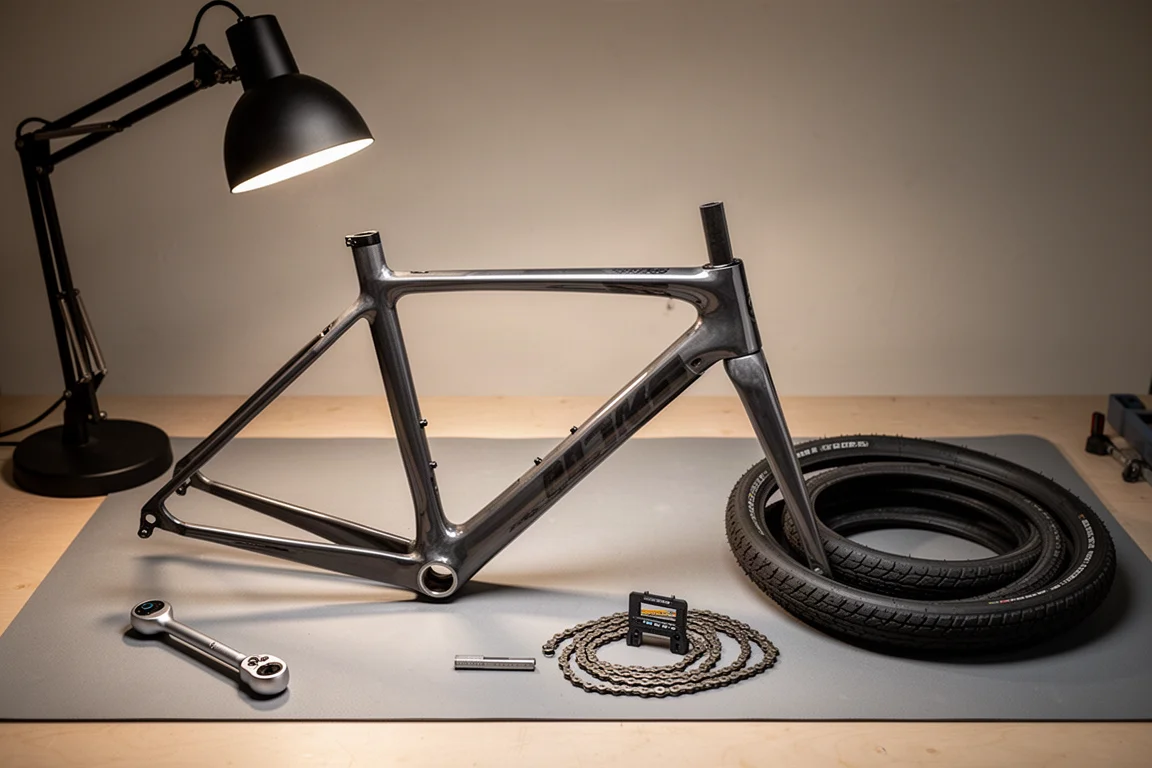
Buying secondhand carries risk, and carbon frames deserve a careful look. Inspect the frame for cracks, deep scratches and any sign of impact damage, particularly around the bottom bracket, head tube and seat cluster. Check the chain and cassette for wear, and ask how long the seller has owned the bike and why they are selling.
It also helps to confirm the sale is legitimate. Ask for the original purchase details where they exist, and be cautious about any listing that avoids questions about ownership or history.
Buying Advice
Set a budget that includes the bike and a service. Even a well-kept example usually needs a new chain, and often a cassette and tyres, so leaving room for those parts avoids unpleasant surprises. Doing the work yourself keeps costs down further, and this era of bike is unusually friendly to home mechanics.
Sizing matters more than specification on a used bike. Frames in this group turn up most often in larger sizes, so it is worth knowing your reach and stack requirements before you travel to view a bike. If a frame is the wrong size, no amount of good components will fix it.
Negotiation is normal. Listings that have been up for several weeks are often open to offers, and a polite, well-informed conversation about worn parts is usually more effective than a lowball figure.
Conclusion
This era of road bike still makes a great deal of sense. You get light weight, a stiff frame and a ride quality that has not been surpassed by much, along with mechanical shifting and rim brakes that you can maintain yourself. The trade-offs are tyre clearance, aerodynamic efficiency and the usual risks of buying used.
Choose a frame that fits, inspect it properly, and budget for a service and a few new parts. Do that and a modern classic from this period will deliver many happy miles for a fraction of the cost of a new bike.
Further reading
Related Reviews

Road Bikes
10 New Road Bikes Worth Watching: Aero, Titanium, Steel and Endurance Standouts
A practical roundup of 10 new road bikes, from aero flagships chasing single-watt gains to titanium, steel and endurance platforms built for real roads.
Road Bikes
2026 Tour de France Road Bikes: Six Race Machines Worth a Closer Look
Six race bikes from the 2026 Tour de France grid, reviewed for paint, silhouette, wheels and the specification details that matter to buyers.
Road Bikes
3T Strada Italia Review: A Radical Aero Road Bike That Rides Smooth
A made in Italy carbon aero road bike with a deep head tube, wide tire clearance and a genuinely comfortable ride. Here is what to know before buying.