Ski Boots
Best Mid-Volume Ski Boots: 8 Standout Picks Compared
Eight mid-volume ski boots compared for fit, flex, liner density, and technology, from soft and forgiving to the most precise options in the category.
Introduction
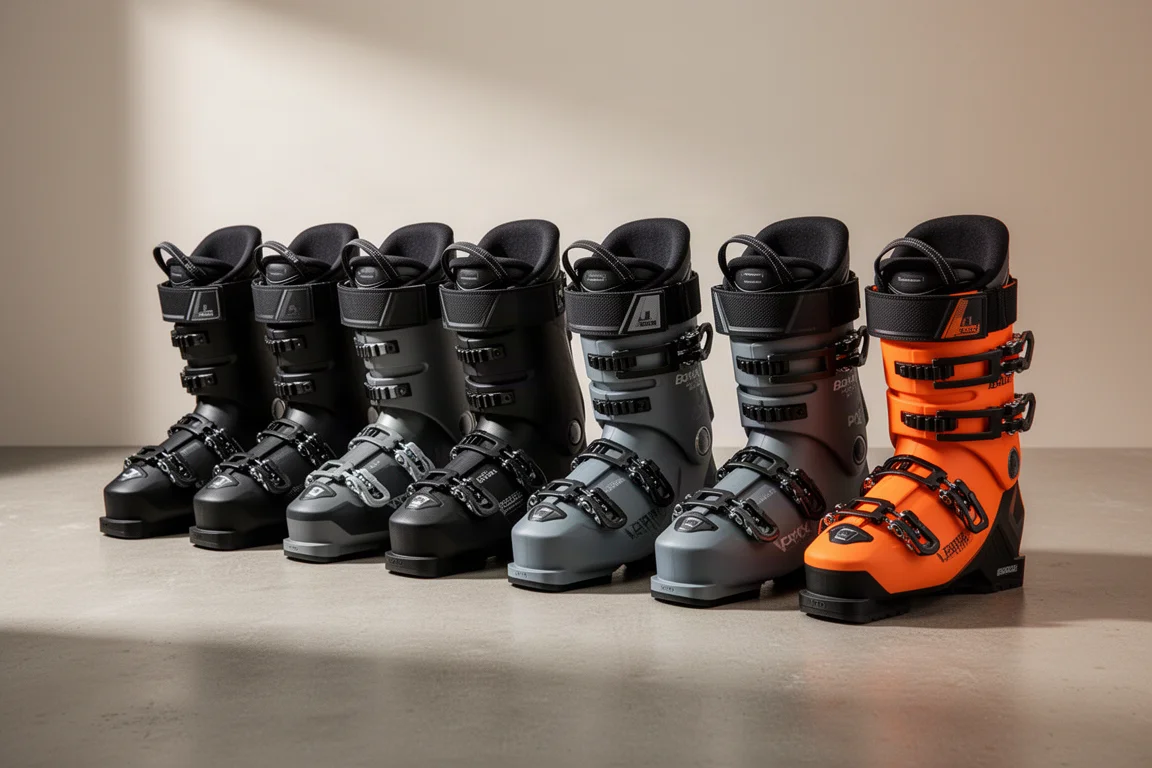
Mid-volume ski boots are the most popular fit category for a reason: they are built around average foot shapes that cover a huge share of skiers. But do not let the word “mid” fool you into thinking these are middle-of-the-road performers. On paper, all of the boots below share similar measurements. Where they differ is liner density, heel hold, instep shape, and flex character, and those differences are exactly what should guide your choice.
For this comparison we looked at a mix of mostly 130-flex boots with a couple of 120s, arranged conceptually from softer, more supple liners on the forgiving end to denser, more precise materials on the performance end.
What Mid-Volume Actually Means
All mid-volume boots target the same average foot shapes, so the real question is not whether a boot fits a mid-volume foot, but how it treats that foot. If you prefer a less intense, more forgiving feel, you will gravitate toward the softer liners. If you want compression around the foot and a solid heel pocket, you move toward the structured end of the spectrum.
A quick note on flex: plastics react to ambient temperature, so boots that feel soft in a warm shop can firm up dramatically at skiing temperature. Try boots on with that in mind, and remember that a mid-volume boot can be every bit as performance-oriented as a low-volume one.
Lange Shadow
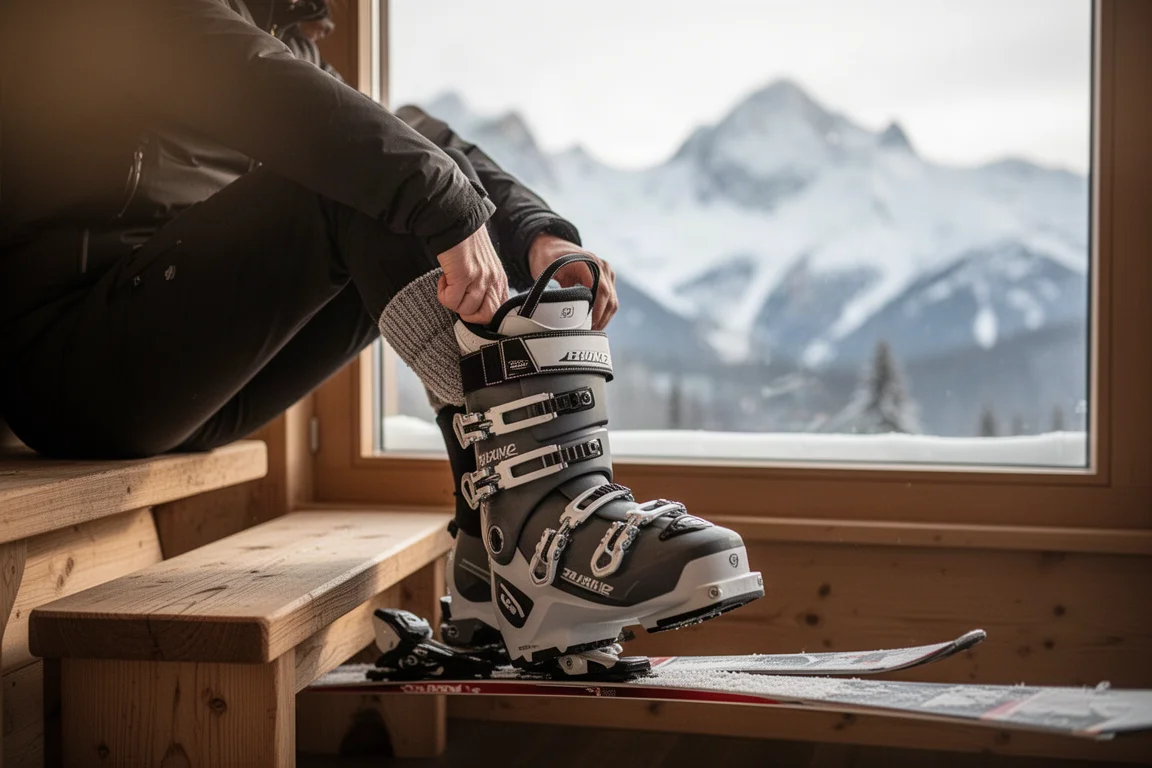
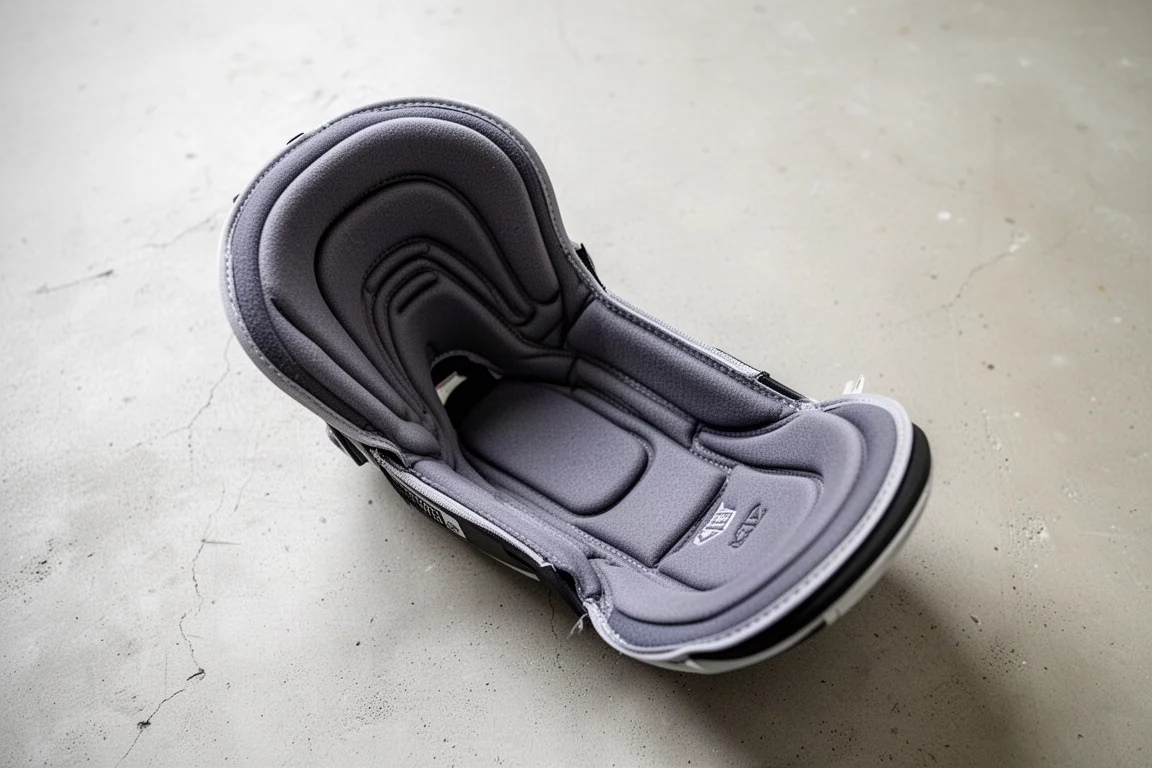
The Lange Shadow’s updates are all in the liner, which is now denser than previous versions. That makes the heel and midfoot firmer and the fit more precise on top of the foot than last year’s slightly generous version. Out of the box you may notice toe pressure and a heel that does not fully seat until you flex into the boot, plus slight pressure on the inside of the arch. All of that settles as you ski it.
The cuff is measured fairly precisely, so it wraps well for skiers without a lot of calf mass, though it is less accommodating for muscular calves. Lange’s suspension blade, a longer lever connecting the lower shell to the upper cuff, gives a smoother, more progressive flex with none of the harsh shin feel older Lange boots were known for. The 120 and 130 both drive skis well, even if they are not the stiffest boots here.
Salomon S/Pro Supra
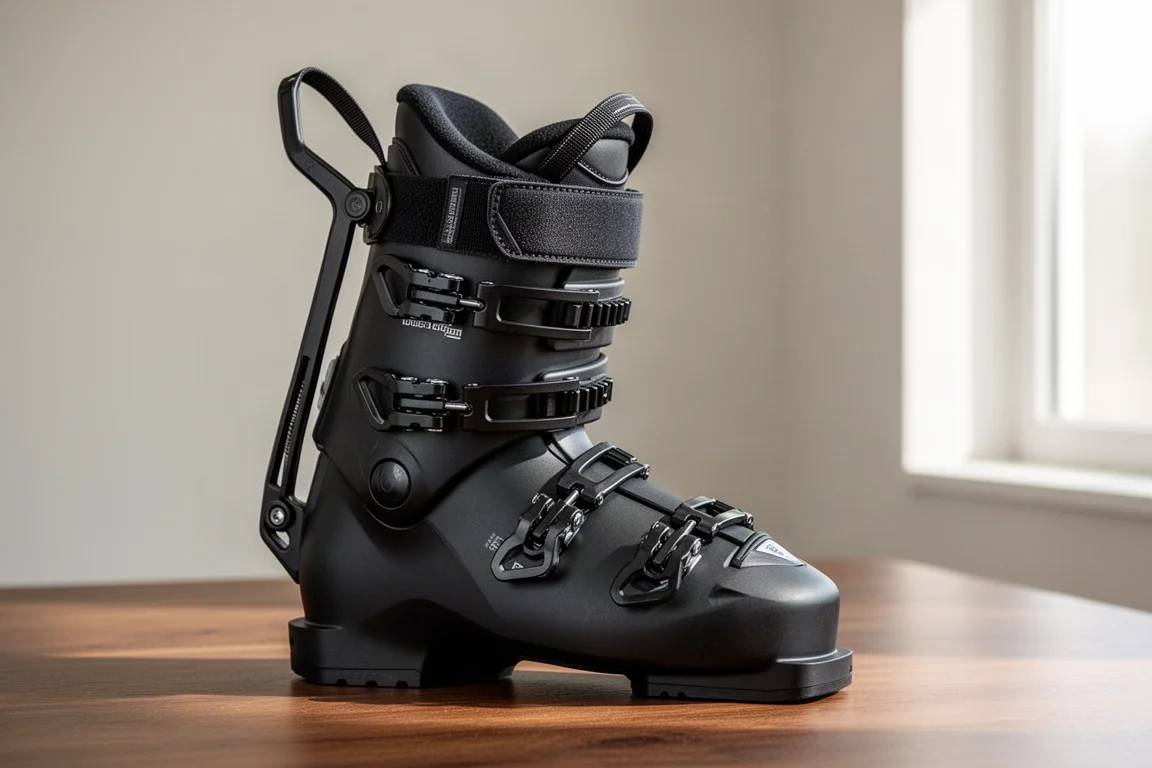
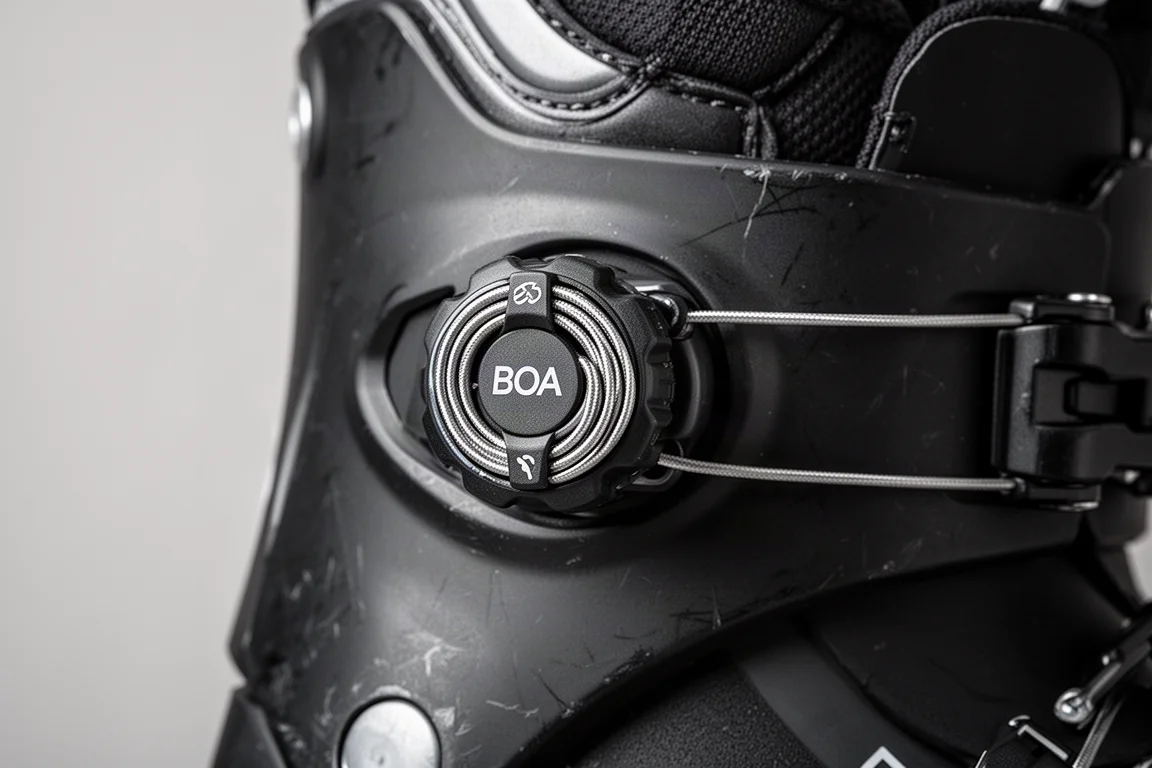
The big change on the S/Pro Supra is dual BOA, replacing last season’s single dial. Getting in and out takes slightly more effort if you do not undo the cables, but that is a minor point for a 120 or 130 flex skier. The liner stays supple but is a touch denser than the Shadow’s, with a firm feel down low in the heel that also takes flexing to settle into.
Salomon boots typically fit generously, so if the Shadow’s toe pressure was too much, the Supra’s more squared-off, softer toe box is a good answer. At room temperature it feels more solid than the Shadow, and the BOA lets you keep cranking for even compression around the whole foot. It also wraps small calves nicely. The heat-moldable liner and heat-moldable shell handle minor fit inconsistencies, and the 130 flex gets a cam-style elastic strap.
Head Caliber
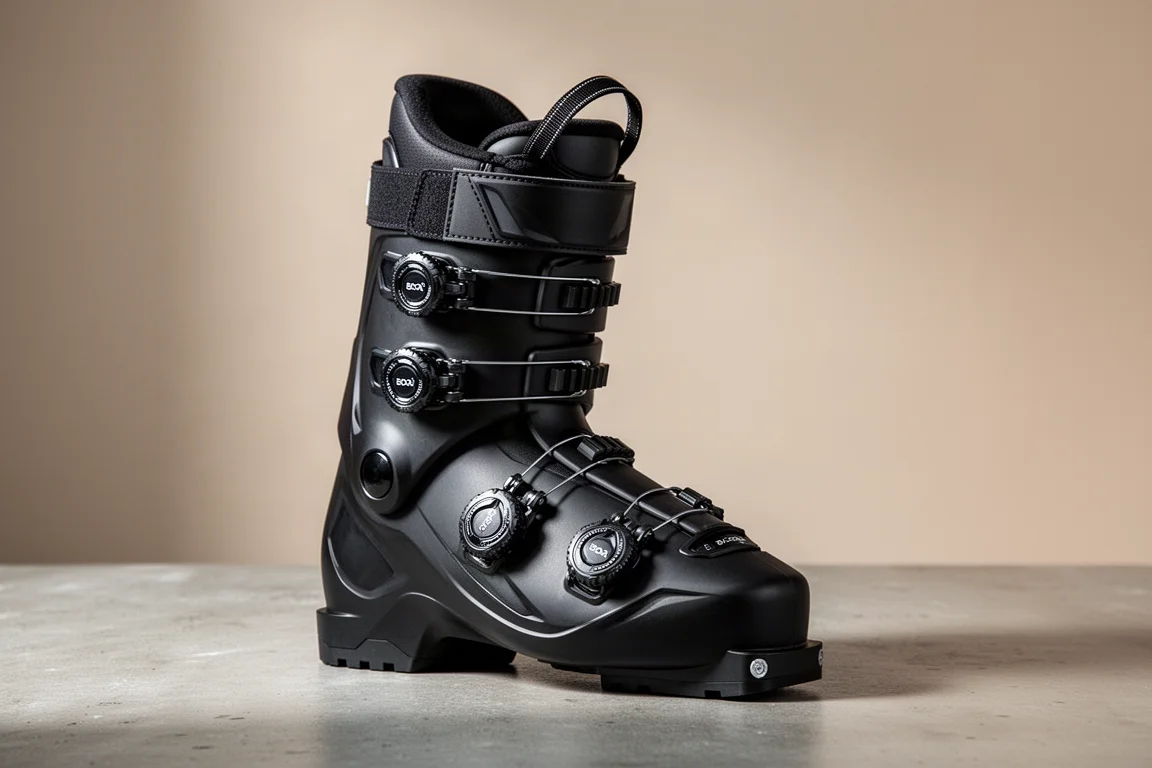
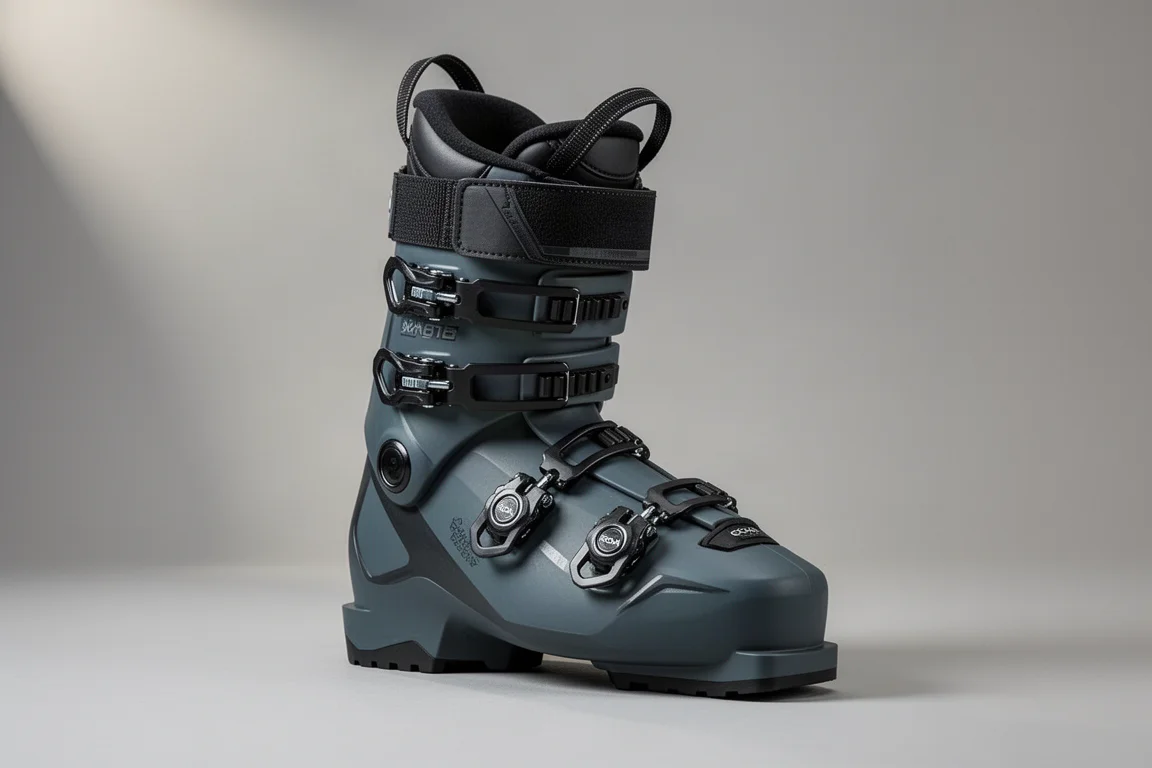
The Head Caliber is a completely new boot this season: new mold, new construction, new liner. It sits close to the Supra in character but a bit more precise, with only the length running slightly more generous, as Head boots often do. The liner is more structured in the heel, and you may notice a pinch at the Achilles when stepping in.
Through the midfoot and forefoot it is true to volume, a little more open at the big toe, and gentler on the pinky toe. Heel hold is more solid than the Shadow or Supra, though the inside of the arch and the area below the ankle bone feel more open. It is offered in a 130 and a 120 flex and, for now, only in a mid-volume fit. It feels heavier and more solid in the hand than the Supra or Lange, it skis well, and dual BOA fans will feel right at home.
Nordica Speedmachine
The Speedmachine shares fit traits with the Caliber, with a tighter Achilles and slightly narrower sides. Much of that Achilles pressure comes from external liner material and cork in the heel pocket, so the boot will not feel finished until the liner is molded. It is one of the more precise mid-volume boots across the instep, which makes it a poor match for tall insteps but a great fit for average-width feet with a lower bridge.
That low instep plus the snug Achilles produces a heel pocket that rivals low-volume boots. Like Nordica plastics generally, the shell reacts to ambient temperature: easy to get on at room temperature, roughly four times stiffer out in the cold. Length is more generous than the Lange and closer to the Salomon. It is a consistent favorite in this category for good reason, with dual BOA in the 130 and a BOA lower with buckle upper in the 120.
Fischer RC4 130 MV
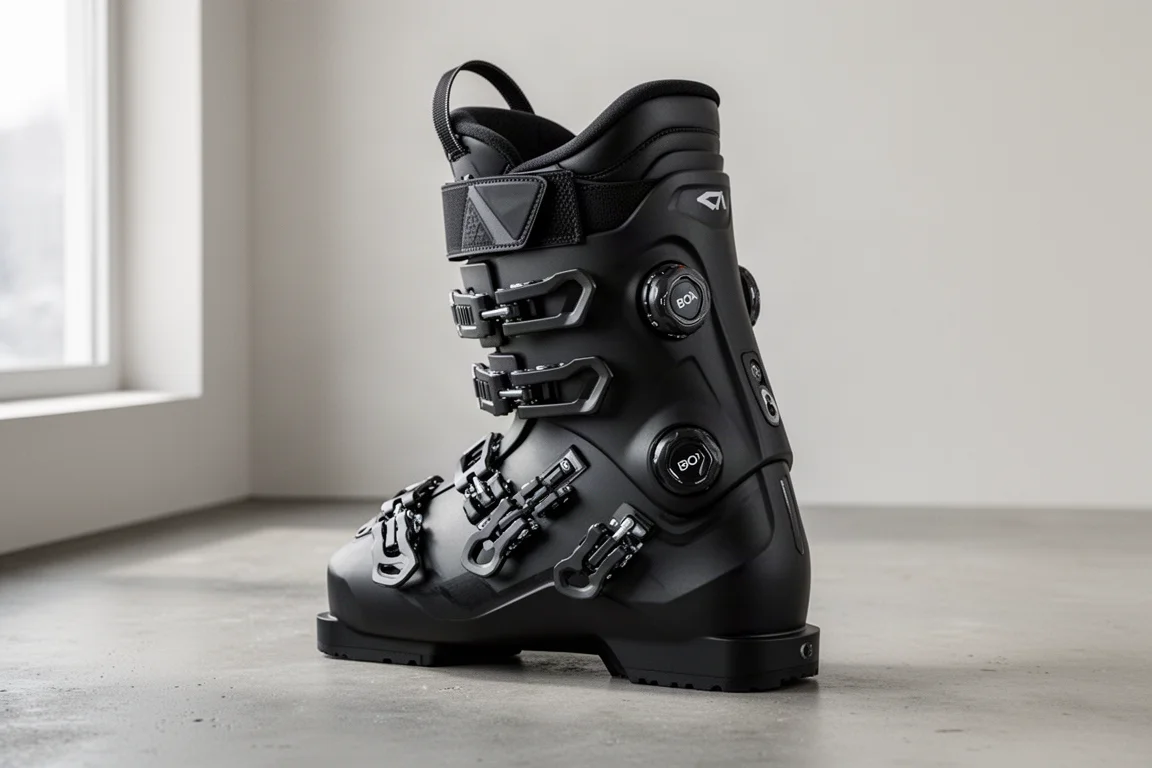
The Fischer RC4 130 MV has a much-improved liner with a structured heel and Achilles area, similar in feel to the Speedmachine, while staying softer and more supple in the toe box. It is one of the easiest 130-flex mid-volume boots to put on, with slight pressure sometimes showing up below the BOA dial on the sides of the foot after a full day.
At room temperature it flexes softer than it skis, and its more aggressive forward lean, around 17 degrees versus the 13 to 14 of the others, puts you in a more athletic stance. Fischer’s rearward stability is a genuine strength: the no-gap spine connecting lower shell and cuff keeps you forward and makes variable terrain easier to ski from the front. Vacuum Fit simply means the shell is heat moldable, so bony protrusions are easy to accommodate. It also runs a bit warmer than some rivals.
Tecnica Mach1
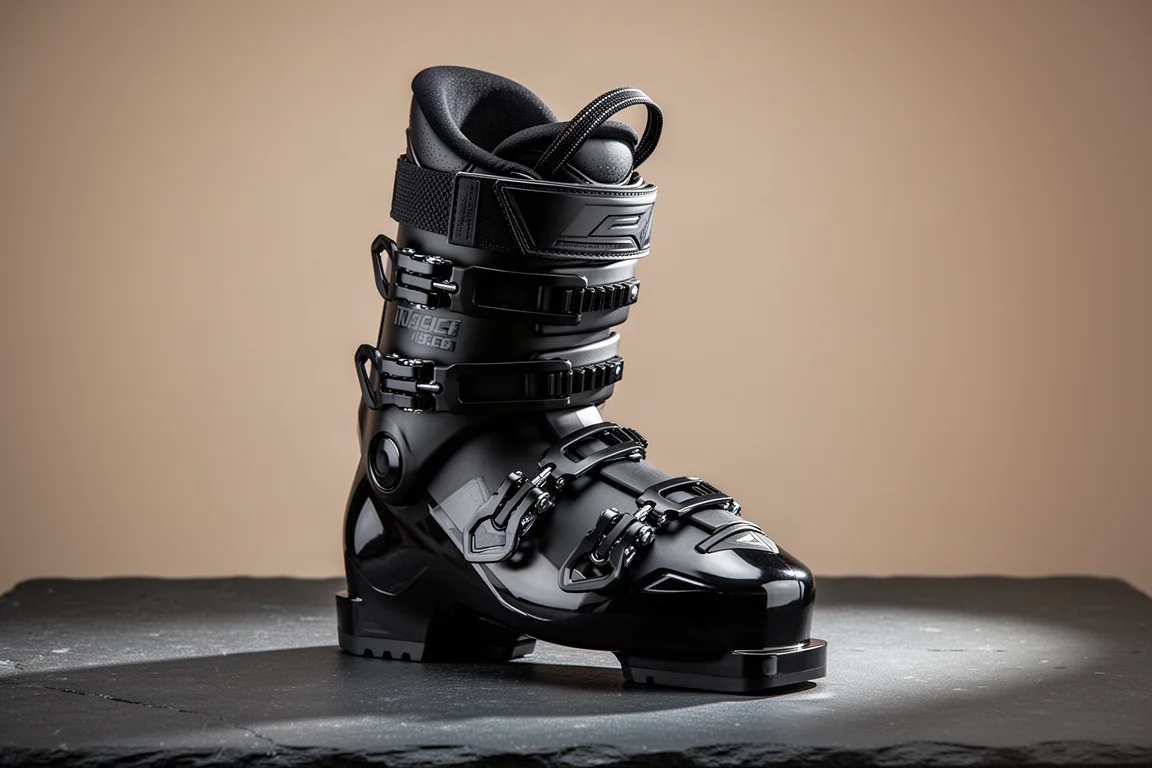
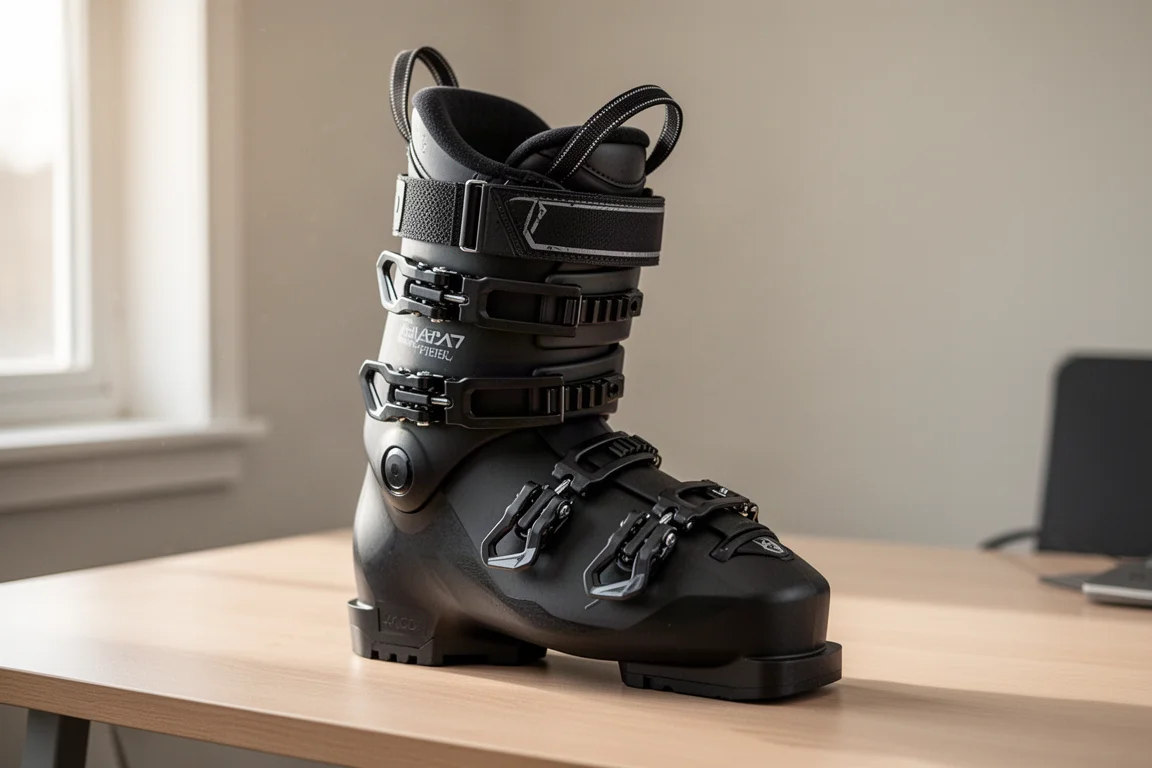
The Tecnica Mach1 is one of the most consistent, even-wrapping mid-volume boots out of the box, which is why it sits alongside the Speedmachine and Hawx Prime among the most popular models. The boxy toe box and snug top of the foot are the tightest areas; everything else is unobtrusive. It has a structured heel pocket, slightly less built-out than the Speedmachine, and can feel short out of the box.
The 130’s liner has a carbon upper and more grindable material, and Tecnica’s T-Drive cuff-to-shell connection uses the same longer-lever idea as the Lange Shadow for a progressive flex. The difference: the Mach1 is more powerful, with a more traditional boot feel that is slightly harsher on the shins but transfers power more cleanly and drives burlier skis with less effort. Easy to get on and off, with a cam strap in the 130.
Atomic Hawx Prime
The Hawx Prime is the most difficult mid-volume boot here to get into, because Atomic refuses to soften material across the instep in the name of performance. Once you are in, it lives on the most precise end of the mid-volume spectrum, especially in the 130 and 120, thanks to dense liner material and the Power Ankle Lock, a tight heel pocket that wraps firmly around the ankle bones. Newer liners are far more anatomical than before, with fewer odd pressure points before molding.
In length it is one of the shortest-fitting boots here, yet above the toes you get welcome vertical wiggle room. The tech list is strong: heat-moldable liner with a plastic membrane that adapts when heated, heat-moldable shell, and adjustable forward lean from 13 up to 17 degrees, which none of the other boots here offer. The removable cuff spoiler turns a 26.5 cuff into a 27, one of the most useful calf adjustments available, and it carries across flexes and the Magna line.
Armada AR1
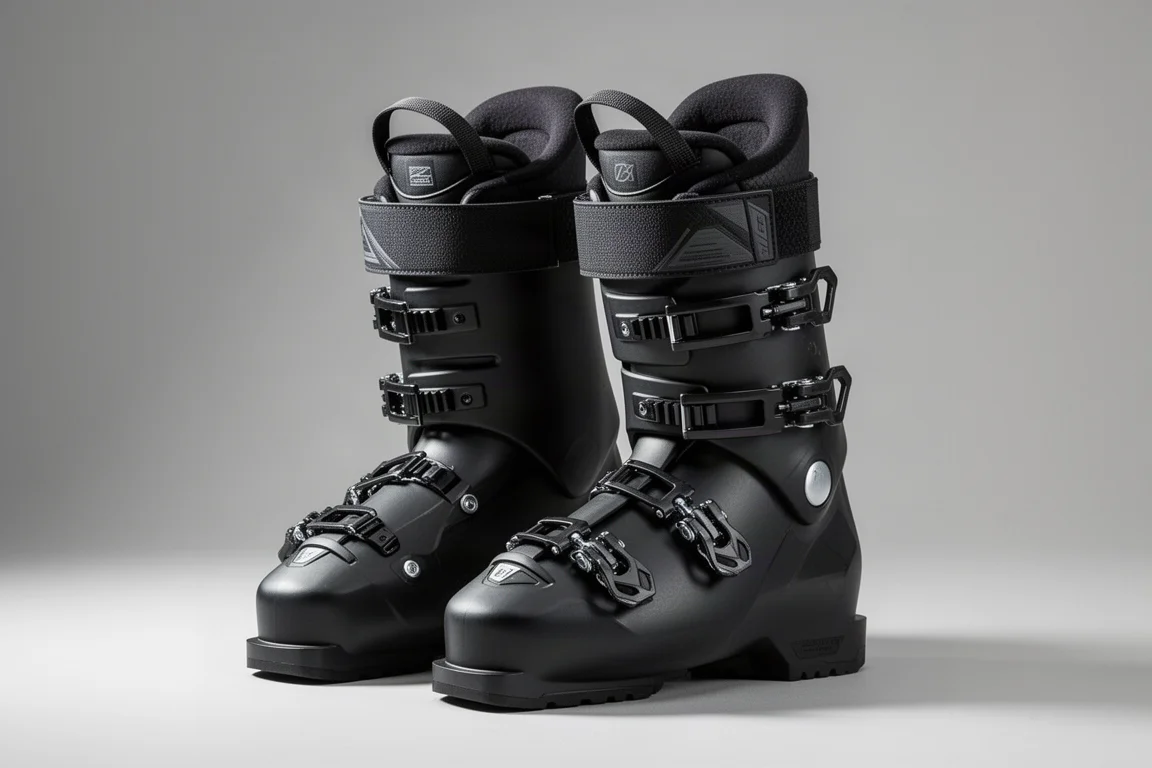
The Armada AR1 is brand new this season and the most different construction here: a three-piece boot with a pinned, stiffer spine and thicker materials at the rear, paired with a softer tongue plastic that keeps the flex progressive. Drawing on Armada’s freestyle park heritage, it delivers powerful, responsive performance without the brick-wall shin feel that plagues older three-piece designs. Compared to other three-piece boots, it fits better and skis better, performing the way a 130 should.
Fit sits closest to the Hawx Prime, slightly more precise across the instep and marginally firmer in the heel, with a middle slingshot buckle that locks the heel back. The heat-moldable shell and liner technology are very similar to Atomic’s. The 130 and 110 share the same liner, so fit is nearly identical, while the 120’s softer liner makes it feel more generous, closer to the Supra and Caliber. A pin in the toe of the 130 means you can tour with Shift-style hybrid bindings while keeping full downhill performance, no walk mode required.
How to Choose
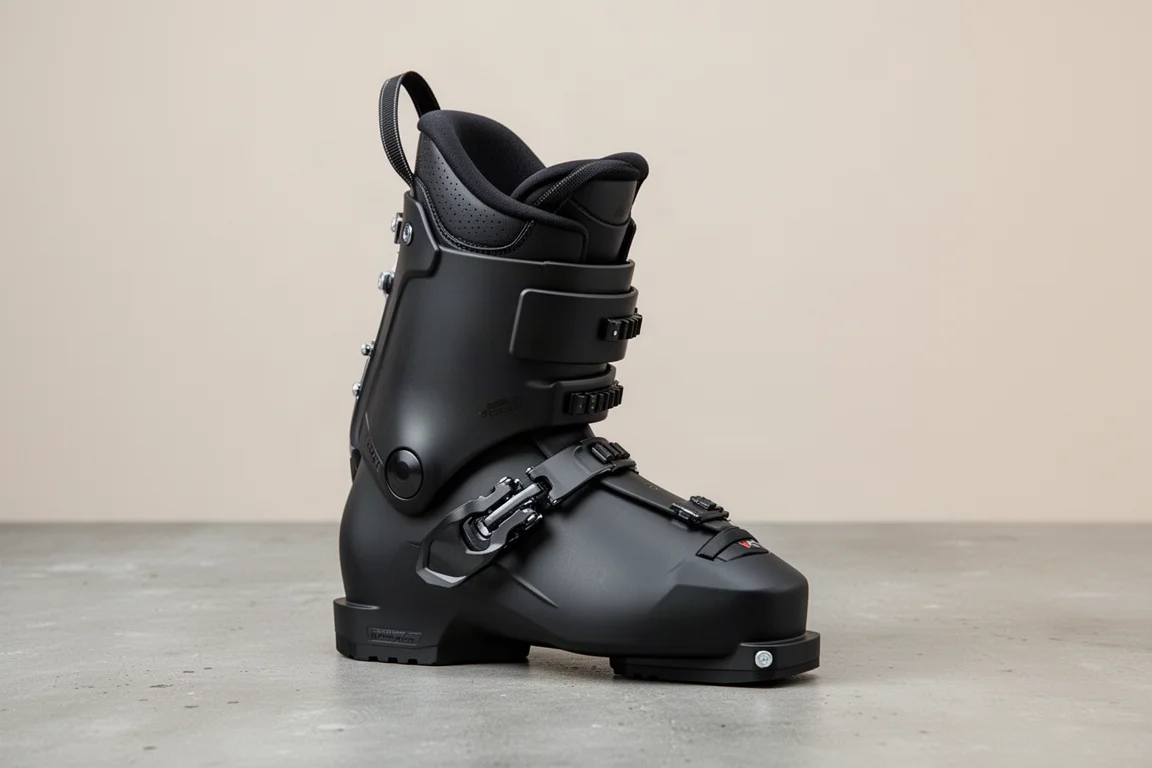
Start with your foot, not the flex number. If you want a softer, more forgiving liner, look at the Lange Shadow, Salomon S/Pro Supra, or Head Caliber. If you want more structure and a firmer heel pocket, work inward toward the Nordica Speedmachine, Fischer RC4 130 MV, Tecnica Mach1, Atomic Hawx Prime, and Armada AR1, in roughly increasing order of precision.
Other deciding factors: tall instep, avoid the Speedmachine; muscular calves, look at the Hawx Prime’s spoiler system; easy on-and-off, favor the Fischer and Mach1; adjustable forward lean, only the Hawx Prime offers it; touring capability without walk mode, the AR1’s pin-toe design is the answer. And because temperature affects how these boots feel in store versus on the hill, always try ski boots on before buying. You genuinely cannot go wrong with any of these once the fit matches your foot.
Conclusion
Mid-volume does not mean middle performance. Every boot in this group delivers the same performance ceiling as its low-volume siblings, just shaped for an average foot. Pick based on liner feel, heel hold, and instep height, and you will end up with a boot that fits your foot and drives your skis exactly the way you want.
Further reading
Related Reviews
Ski Boots
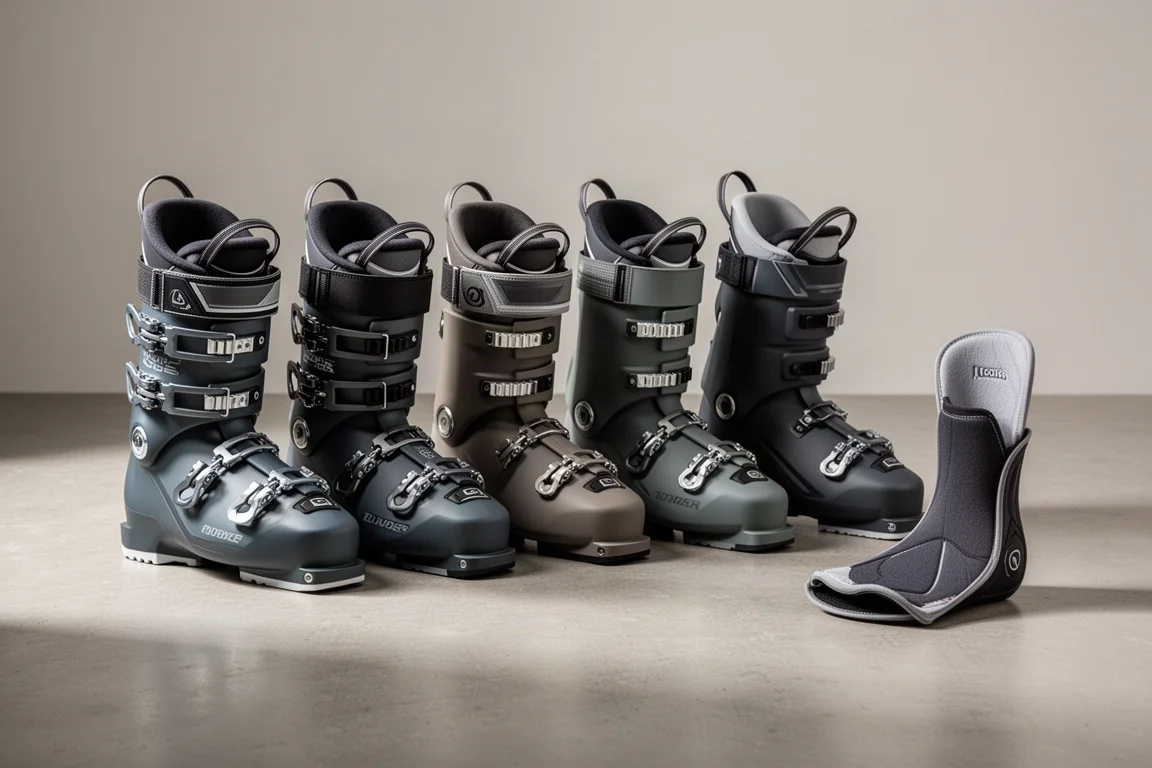
2027 Ski Boot Roundup: Six 130-Flex Boots Worth Knowing
Six 130-flex ski boots for 2027, plus a low-volume liner upgrade, compared on weight, fit, flex feel, and ease of use.
Ski Boots
Armada AR One Ski Boot Review: A Three-Piece Cabrio That Finally Gets It Right
Armada's first ski boot blends three-piece Cabrio design with Atomic engineering, a heat-moldable shell, and a 100mm last that fits better than any Cabrio before it.
Ski Boots
Armada AR1 Ski Boot Review: A Cabrio and Overlap Hybrid for Park and Freeride Skiers
Armada's first ski boot pairs a three-piece cabrio shell with overlap-style buckles and a cable-driven slingshot buckle. Here is where it shines, and what to weigh before buying.