Stationery
Best Mechanical Pencil Leads: The Community Top 4 Worth Trying
A community vote narrowed hundreds of combinations down to four standout leads, led by Pentel Ain in the classic 0.5mm HB pairing.
Introduction
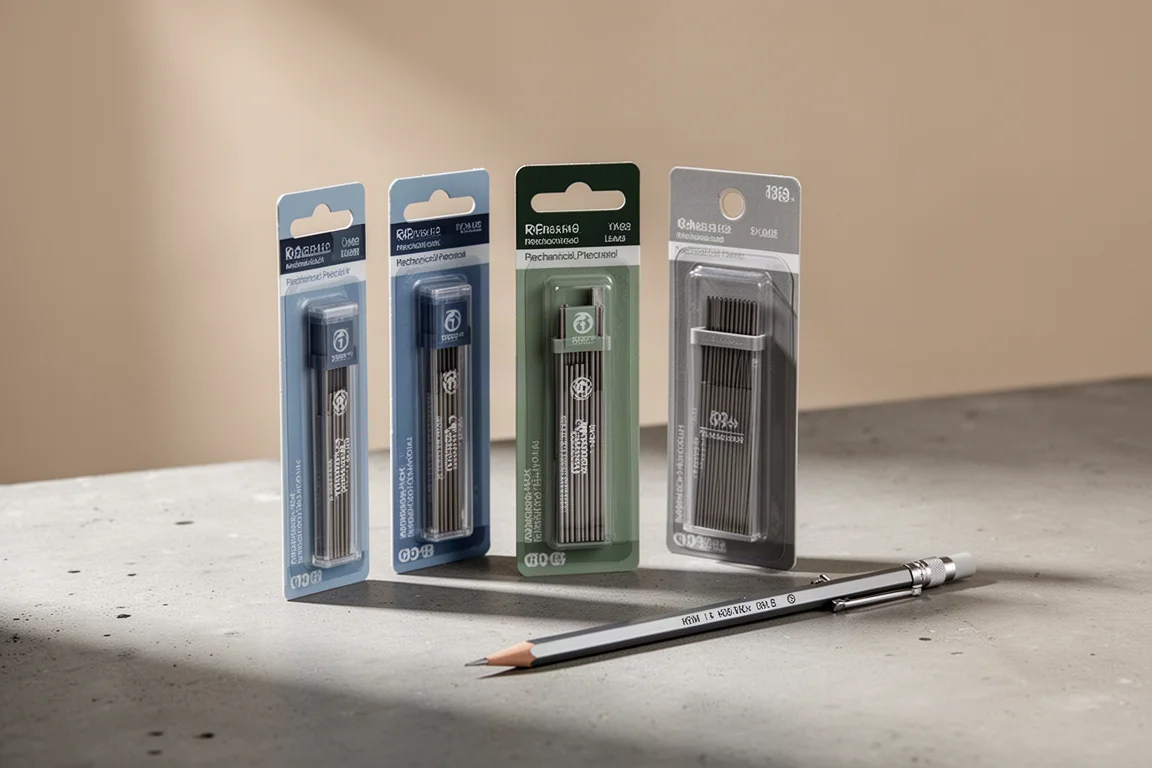
Mechanical pencil leads look interchangeable, but anyone who writes or sketches daily knows the difference is real: smoothness, darkness, breakage resistance, and how well a lead pairs with a particular pencil all change the experience. A recent community vote asked enthusiasts to submit their favorite lead and pencil combinations, and after tallying hundreds of entries, a clear hierarchy emerged. Pentel Ain dominated, but the results also confirmed the enduring popularity of classic pairings like the 0.5mm HB combination and Uni Hi-Uni’s buttery glide. Here is the community top 4, along with what makes each lead worth a place in your pencil case.
How the Ranking Was Built
Each vote specified a lead model, diameter, and hardness, plus the pencil it was used in. That detail matters because lead performance depends heavily on the pairing: a soft B lead in a retractable sleeve pencil writes very differently from the same lead in a fixed-tip drafting pencil. Votes without a valid hardness or diameter code were excluded, and the final ranking combined vote counts across every pencil pairing for the same lead.
1st Place: Pentel Ain 0.5mm HB
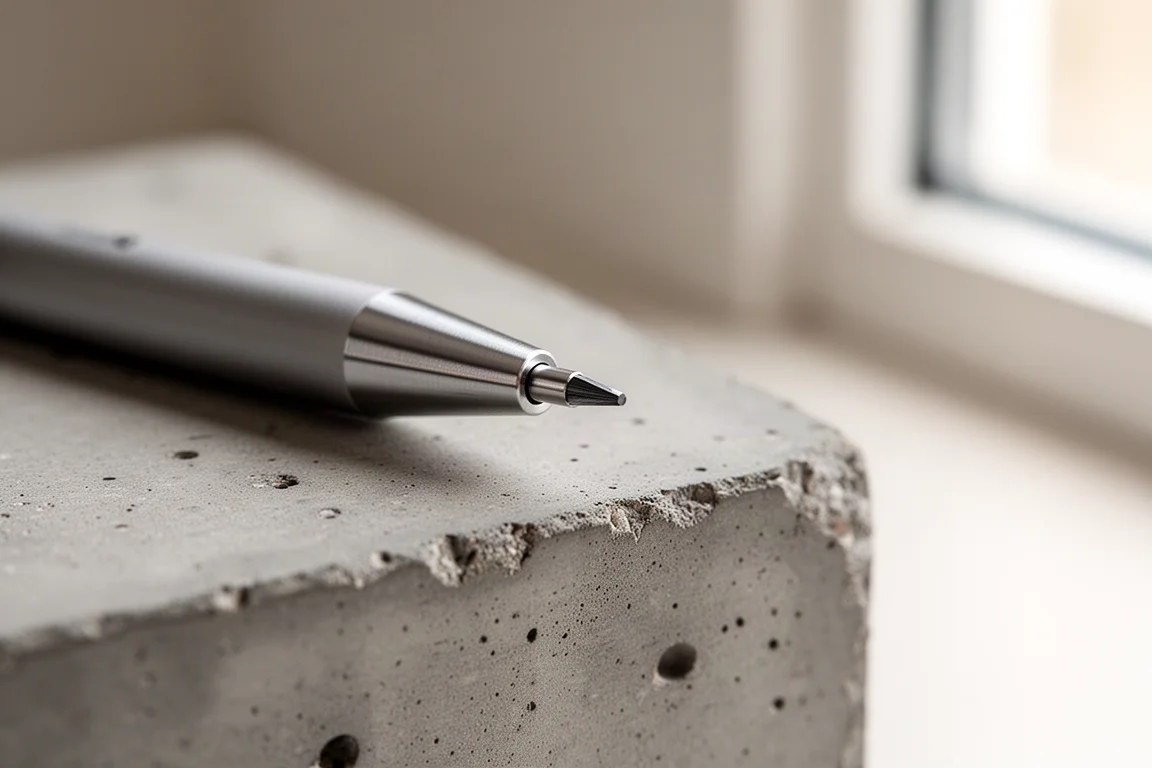
The runaway winner, and it was not close. Pentel Ain in 0.5mm HB took the top spot with 8 votes in the combined ranking, comfortably ahead of the pack. Multiple writers described the same experience: switching from Hi-Uni to Ain, trying it once, and never going back. The recurring praise is that it is remarkably smooth while staying impressively break-resistant, so you can write quickly without hovering over the lead.
One voter using it in a twist-erase precision pencil noted they now judge every pencil’s feel with Ain installed first. Another put it plainly: it is the kind of lead you can recommend to anyone. It may not have a dramatic personality, but it has no real weaknesses either, and that consistency is exactly why it topped the vote.
2nd Place: Pentel Ain Stein 0.5mm HB
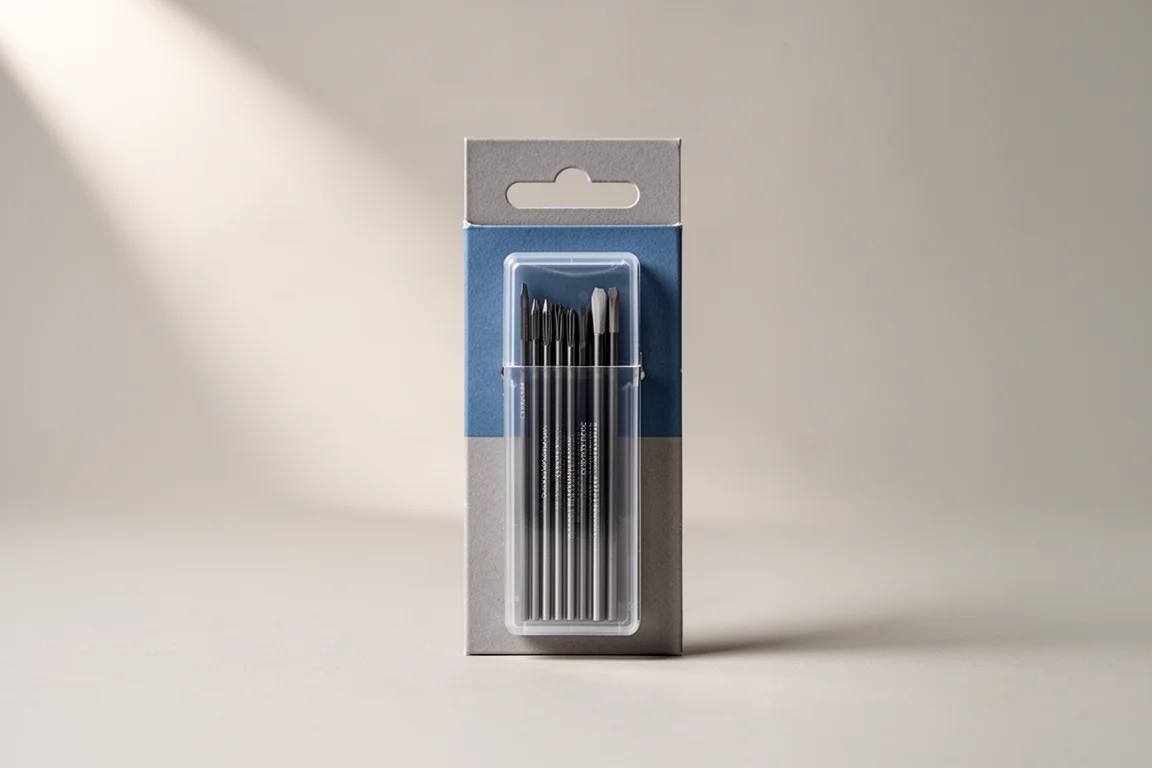
Ain Stein landed in second with 7 votes, and if anything its support was even broader across different pencils, showing up in drafting pencils, retractable models, and everything between. Voters highlighted a balanced character: a pleasant degree of smoothness mixed with just enough feedback to feel controlled, plus a solid, even darkness for HB.
It also proved versatile beyond the standard 0.5 HB. A 0.3mm 2B version impressed one writer using it in an OLEENS Nero, who was surprised that even with a lead-advancing system designed to reduce breakage, the lead still felt notably smooth and delivered a firm, dark line at such a thin diameter. If you want the Ain experience with a slightly different texture, Ain Stein is the natural alternative.
3rd Place: Pentel Ain 0.5mm B
The third spot goes to Pentel Ain again, this time in the softer B grade, with 4 votes. Writers who preferred B explained the trade-off clearly: the lead wears down faster and lays down a darker line, but the glide is hard to give up once you have experienced it. Several voters said they settle on Ain B after trying many alternatives, using it in everything from budget retractables to premium drafting pencils.
One interesting pattern: several voters said HB felt too hard for their writing pressure, forcing them to press harder than they wanted, so they moved down to B. If you find yourself bearing down to get a decent line from an HB, dropping one grade softer is often the better fix than changing pencils.
4th Place: Uni Hi-Uni 0.5mm B
Uni Hi-Uni in 0.5mm B closed out the top 4 with 3 votes. Hi-Uni is a long-standing favorite among stationery fans, and the comments explain why: it is famously smooth with a softer, blacker feel than most HB leads, and it resists breaking well even in thin diameters. One left-handed writer highlighted a practical benefit that gets less attention: the writing stays clean and does not smudge as easily, which matters enormously when your hand drags across the page during math problems.
Hi-Uni also earned strong support in the product-only ranking, where it took third place overall with 8 votes across all diameters and grades, including loyal users of the 0.3mm HB who praised its break resistance. That broad loyalty across grades is a good sign for anyone looking for a smooth, forgiving lead beyond the standard pairing.
Other Leads That Made the Cut
Beyond the main ranking, the product-only tally surfaced a few honorable mentions. Pentel Hi-Polymer took fourth in the product ranking and drew praise as an affordable, easy-writing lead with a firm HB character and slow wear, so it lasts a long time. Uni NanoDia picked up votes in both 0.5mm and 0.7mm 2B and F grades, described as neither too hard nor too soft, with a smooth, consistent feel that pairs nicely with 0.7mm pencils. The Staedtler Mars Micro Carbon in 0.3mm HB also earned a nod for its slim, practical packaging and tidy thin-line performance. Finally, the classic Mitsubishi Uni in 0.5mm HB and 3B picked up votes from writers who love its firm, satisfying feedback and iconic design.
Buying Advice
If you are starting from zero, the 0.5mm HB Ain is the safest possible choice: it won the vote by a wide margin and suits almost every pencil and writing style. If HB feels too hard under your hand, step down to Ain B. If you want a touch more texture and feedback while staying smooth, try Ain Stein. And if smoothness and smudge resistance for left-handed writing matter most, Hi-Uni in B is a proven pick. Since leads are inexpensive, the honest advice from the community is simple: buy two or three, load your favorite pencil, and compare. The differences are real, and testing them is half the fun.
Conclusion
The community’s verdict is unambiguous: Pentel Ain is the lead to beat, and its 0.5mm HB pairing is the default recommendation for almost anyone. Ain Stein and Hi-Uni give you smooth variations on that formula, while softer B grades reward lighter hands with a darker, silkier line. Whatever you choose, matching the lead to your pencil and your writing pressure matters as much as the lead itself, so treat these four as a starting point rather than a final answer.
Further reading
Related Reviews
Stationery
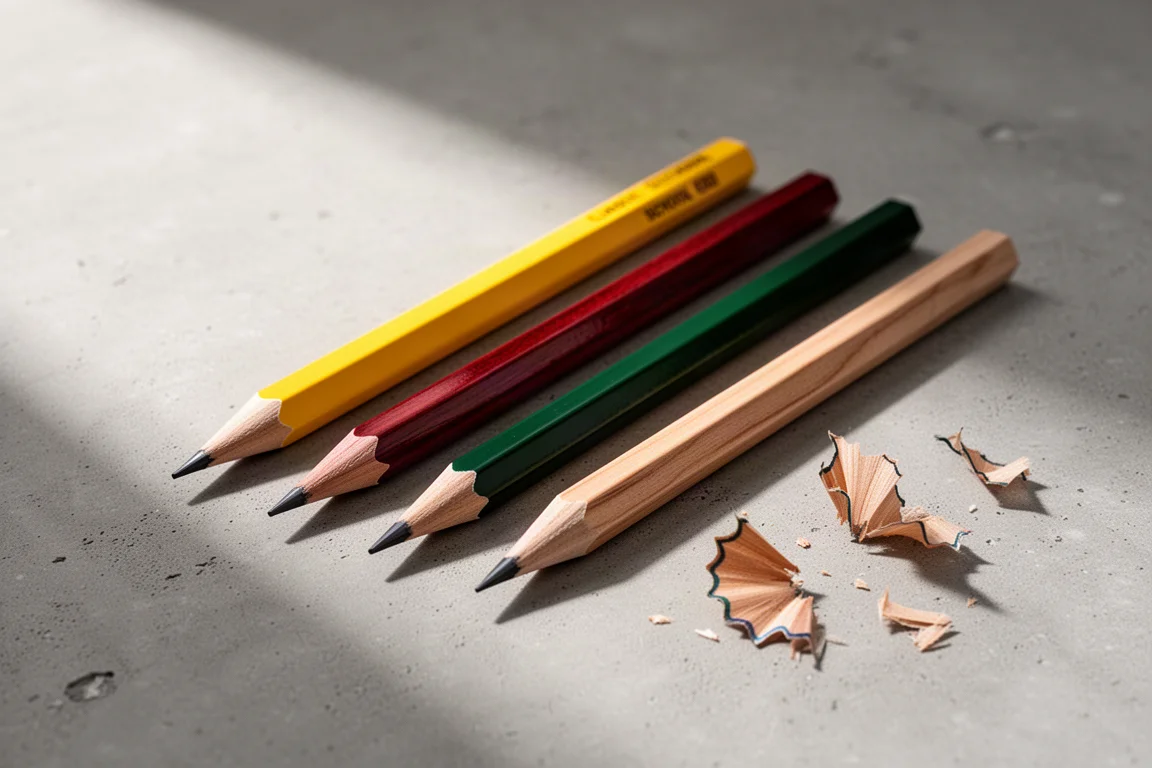
Musgrave Pencils Review: Four Classic Pencils from Tennessee's Last Pencil Factory
We put four Musgrave pencils to paper, from the classic Harvest to the Unigraph 1200 drawing pencil, to see what a century-old Tennessee workshop can still do.
Stationery
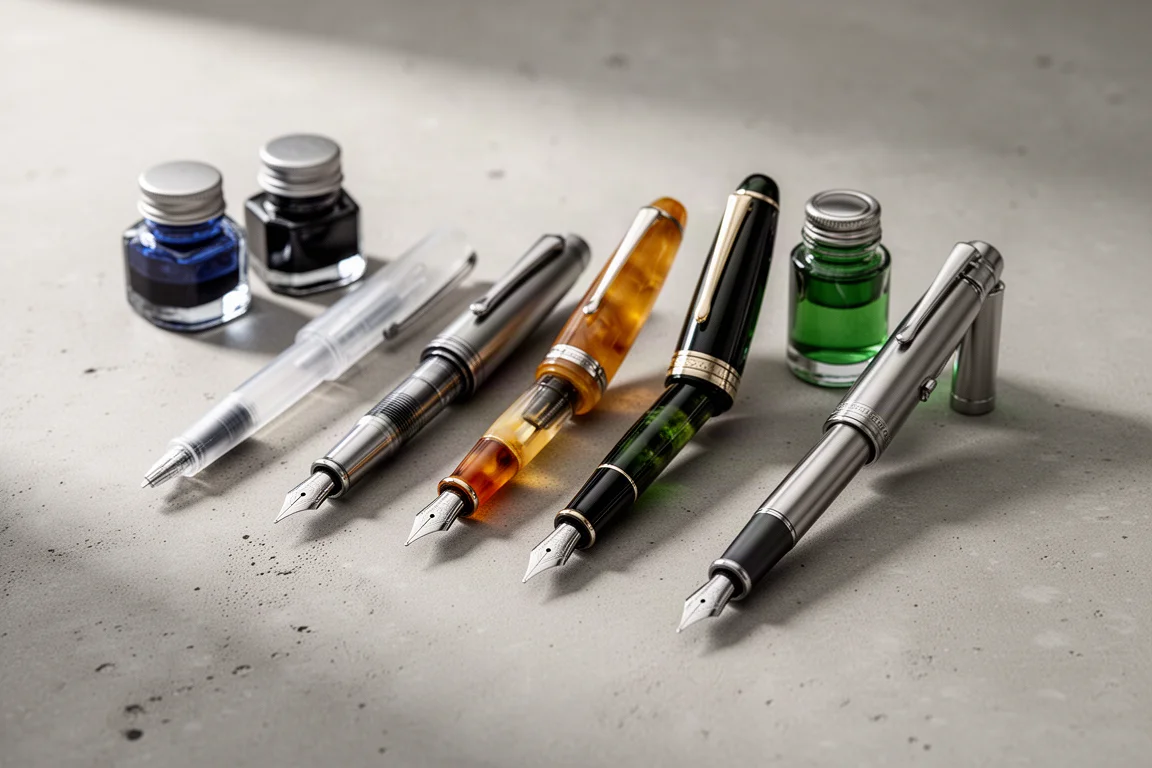
Fountain Pen Tiers Explained: From Starter Pens to Luxury Grails
A practical overview of the different levels of fountain pens and inks, from a sub-$20 starter setup to Italian piston fillers and retractable gold-nib everyday carries.
Stationery
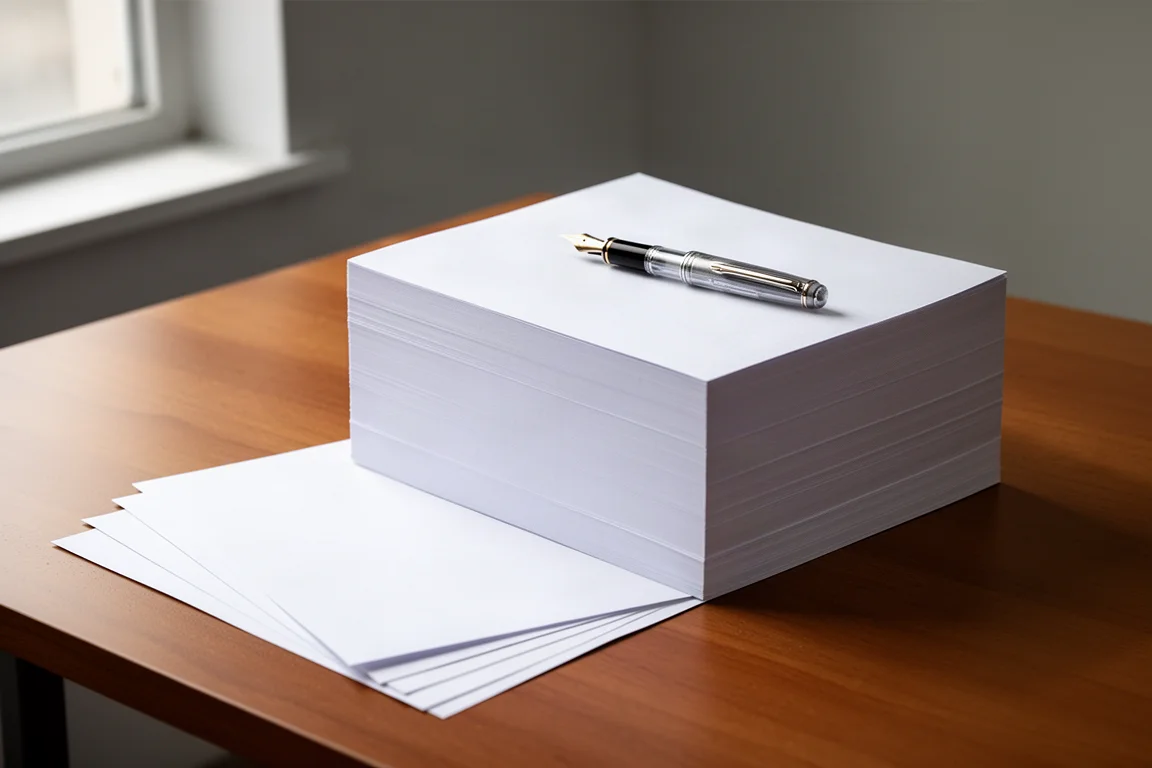
HP Premium 32 lb Copy Paper Review: A Fountain Pen Friendly Everyday Printer Paper
A heavy, smooth 120 GSM copy paper that handles fountain pens far better than standard printer stock, with only minor trade-offs in shading and sheen.