Road Bikes
Best Lightweight Road Bikes 2026: Five Fast Climbers Worth Considering
A practical roundup of five lightweight road bikes that balance low frame weight with aerodynamics, tyre clearance and everyday ride character.
Introduction
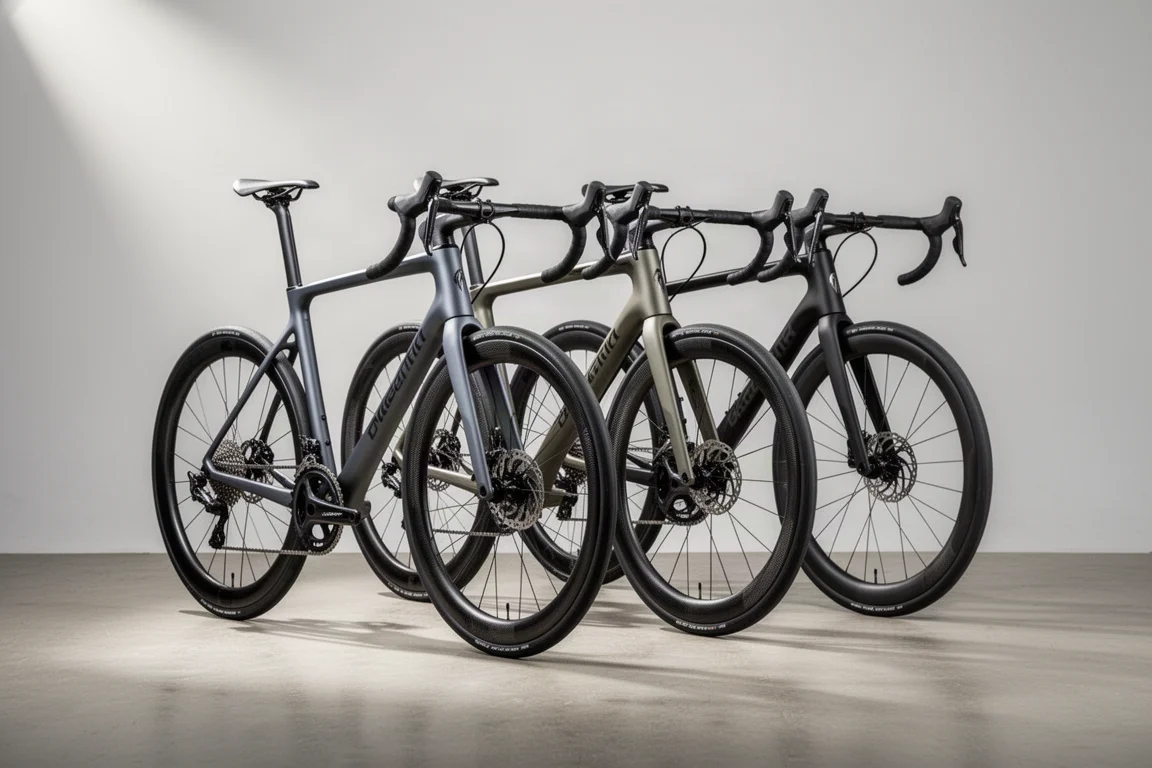
Lightweight road bikes are having a moment again. For years the industry pushed aerodynamics above almost everything else, and for plenty of riders the result was a bike that looked fast on paper but felt flat under acceleration. Weight is the one thing you feel immediately, every time the road tilts upward or you jump out of a corner.
There have always been exceptions. The Specialized Aethos made the case for a sub-6 kg bike with almost no aerodynamic concession, and more recently the Factor O2 VAM, the Orbea Orca and the Scott Addict RC have kept the low-weight conversation alive. Now BMC has redesigned the Teammachine SLR around exactly that idea.

The interesting part is that this new generation of lightweight bikes does not ask riders to choose between low weight and slippery tube shapes. Most of the bikes below pair a genuinely light frame with an integrated cockpit, aero-profiled tubing and disc brakes, which is a far more useful package than a pure climbing specialist.
What Matters in a Lightweight Road Bike
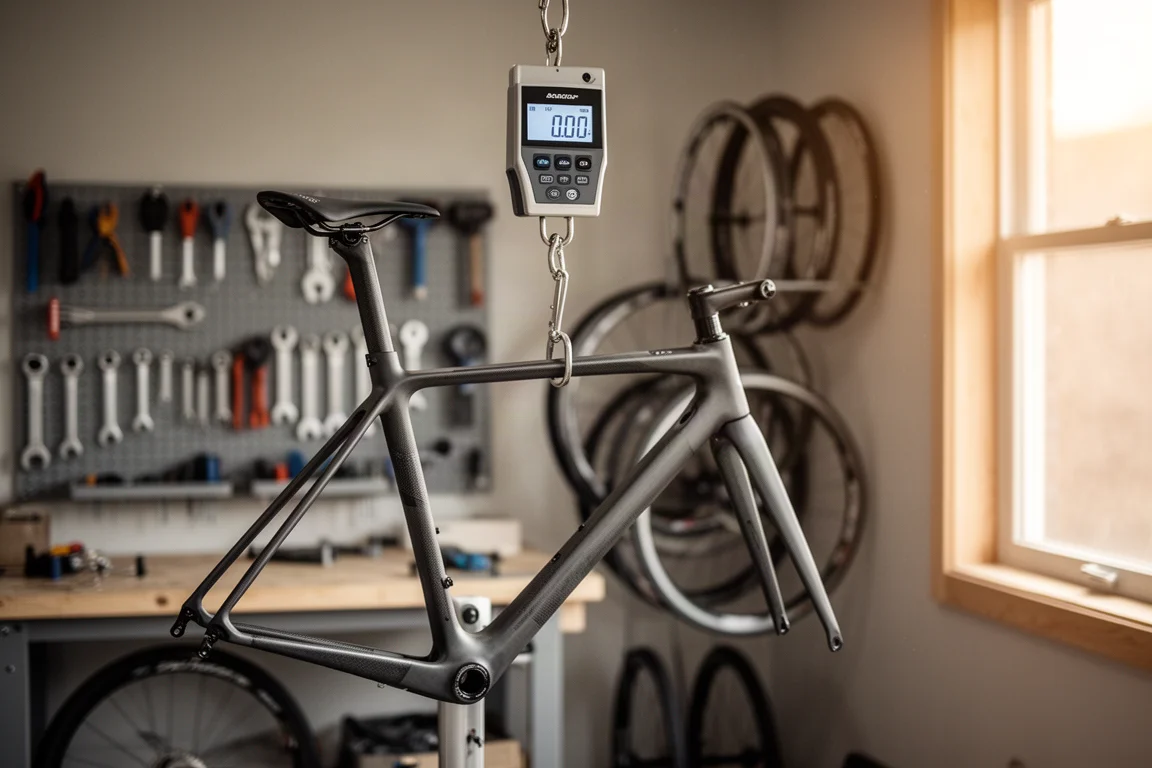
Three numbers do most of the work when you compare bikes in this category: frame weight, claimed complete-bike weight, and tyre clearance. Frame weight is the cleanest comparison because it is measured the same way across brands. Complete-bike weight is more useful in practice, but it depends heavily on the build kit, wheels and tyres, so a light frame paired with heavy wheels can end up heavier than a slightly heavier frame with good wheels.
Aerodynamics still matters, even here. The Aethos is the rare example of a bike designed purely around low weight, and it has found a large audience among riders who are not racing. Race-focused lightweight bikes take a different route: they keep aero tube profiles and integrated front ends and accept a small drag penalty in exchange for the weight saving.
Tyre clearance is the third number worth checking. The new Teammachine SLR moves from 30 mm to 32 mm, which lines up with the Specialized Tarmac and the Giant TCR. Wider is not universal yet: the Basso SV shows that a lightweight carbon aero race bike can be built around 35 mm clearance without hurting its handling agility or its low frame weight, even though it ships on 30 mm tyres. That is the direction plenty of riders would like this category to move.
BMC Teammachine SLR: A 700 g Frame and a 6.6 kg Claim
BMC’s headline change is straightforward. The Teammachine SLR frame drops from 865 g to 700 g in a size 54, a saving of 222 g from a frame that was not heavy to begin with. That puts it in genuinely super-light territory, in the same area as the Specialized S-Works Tarmac and not far off the classic superbikes of ten or fifteen years ago, though with modern tube profiles, integration and disc brakes added on top.
BMC claims a complete bike weight of 6.6 kg with a top-end build, which is below the UCI’s 6.8 kg race limit, and riders outside UCI rules could go lighter still. The claim that stands out most is stiffness: BMC says frame stiffness is unchanged from the previous bike and matches the Teammachine R, its aero race bike, so the lighter frame should sprint and corner the same way rather than feeling flexy.
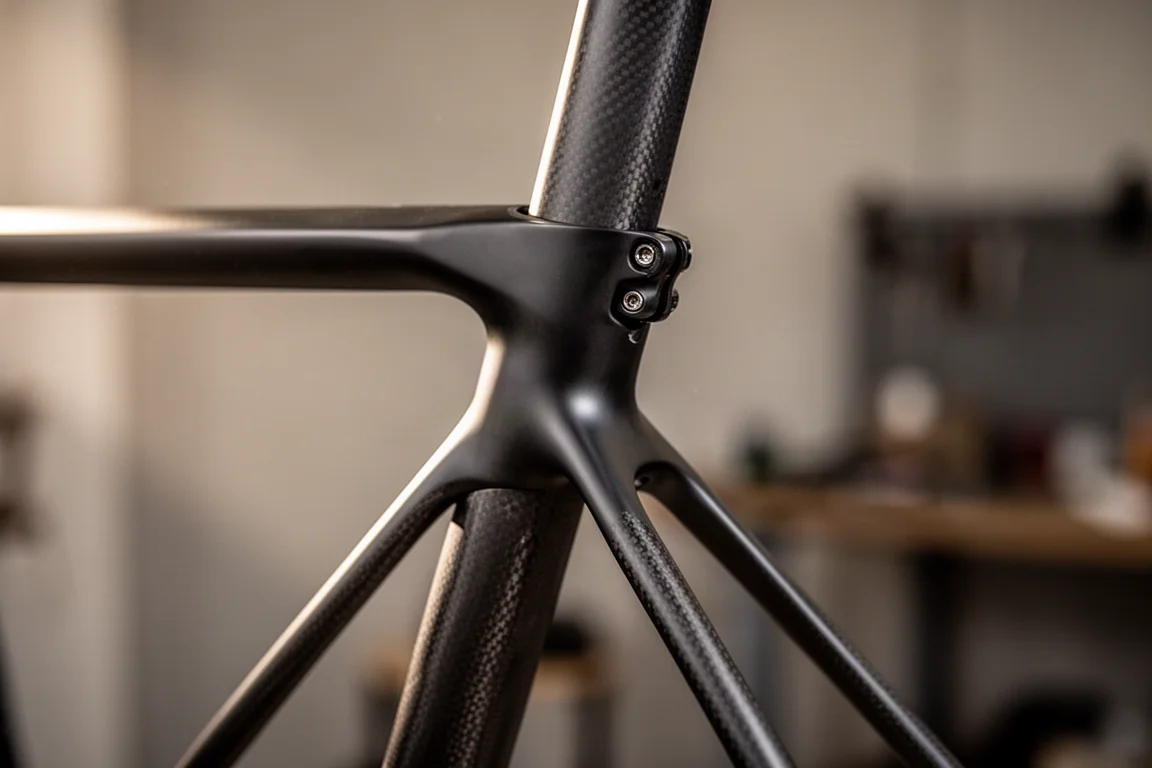
Aerodynamics has not been abandoned either. BMC claims the Teammachine SLR is only 4% slower than the Teammachine R in its own testing, and the full test detail has not been published, so it is worth treating that figure as a manufacturer claim rather than a settled result. Tyre clearance grows from 30 mm to 32 mm.
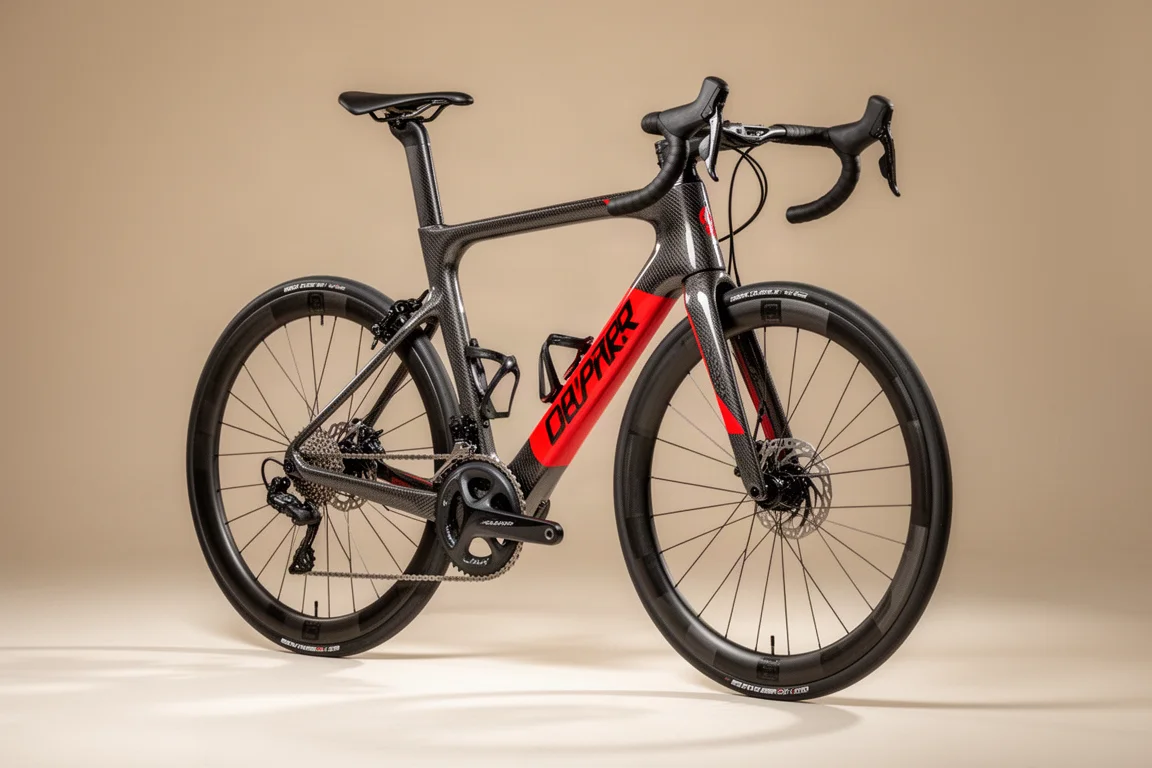
The range is small, with four models. The top build uses a SRAM Red AXS groupset, DT Swiss ARC 1100 wheels, Pirelli P Zero Race tyres and a Fizik Argo Vento R1 saddle at a claimed 6.6 kg and a price around 13,000 euro. The entry model runs Shimano Ultegra Di2, BMC’s own CR40 SL carbon wheels and the same Pirelli tyres, with a claimed 7.1 kg. That entry weight is unusually good for a base model in this category, where cheaper wheels often add a kilo.
Scott Addict RC: 5.8 kg at the Top of the Range
The Addict RC carries the most aggressive weight claim in this group. A no-compromise top build is quoted at 5.8 kg, which is as light as the Specialized Aethos and lighter than both the S-Works Tarmac and the Teammachine SLR.
What makes it interesting is that it is not a pure weight-weenie build. The Addict RC keeps full integration, a carbon cockpit and aero-profiled tube shapes, so it reads as an all-rounder rather than a dedicated climber. The likely trade-off is a small aerodynamic deficit against the Tarmac or the Teammachine SLR, though the gap is probably small enough that most riders would not notice it on real roads.
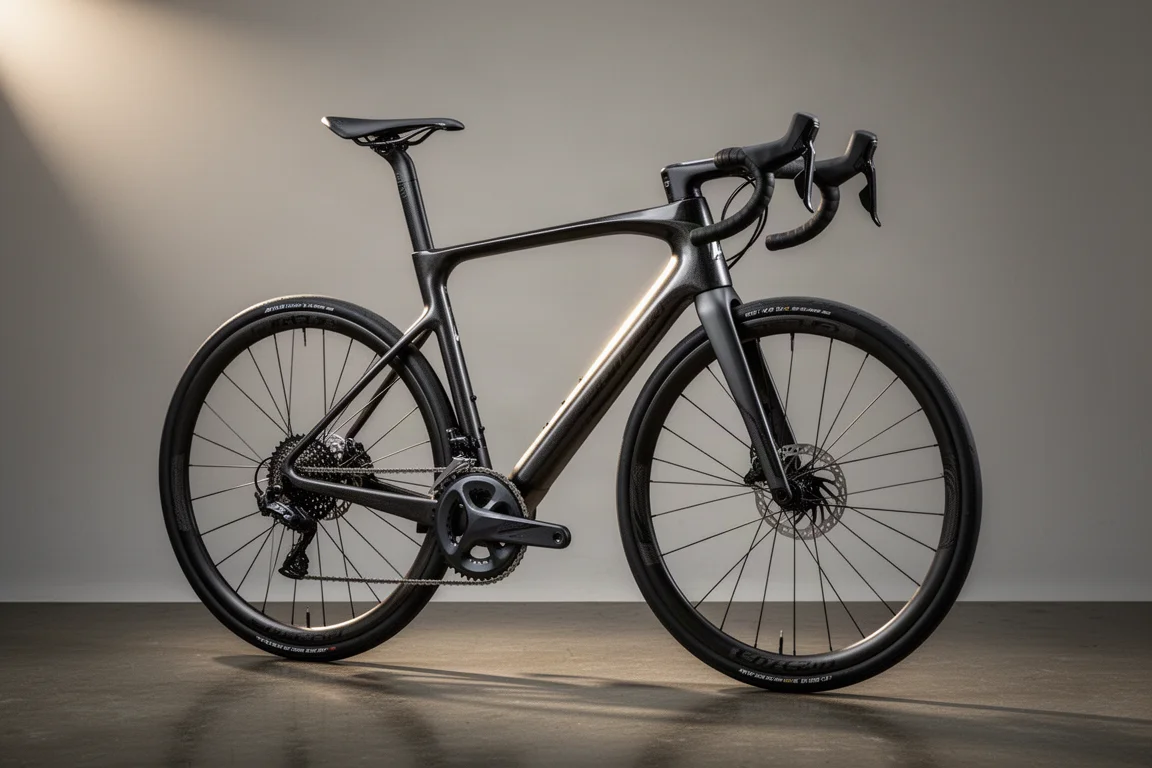
For anyone whose priority is the lowest possible number on the scale without giving up modern integration, this is the bike to look at first.
Factor O2 VAM: 6.5 kg With a Firm Front End
The O2 VAM is the established lightweight option here, at around 6.5 kg, with very slim rear stays and aero cues borrowed from the handlebar and the front-end tube profiling. On weight alone it sits right at the front of the category.
Ride character is where it divides opinion. The front end is very stiff while the rear is noticeably softer, which can feel disjointed, and the integrated seat mast makes travel and resale less convenient than a conventional seatpost. If you want the lightest possible frame and you are happy to work around a seat mast, it remains a strong option. If you want a more balanced feel, the BMC and the Giant are worth a closer look.
Giant TCR Advanced SL: 6.4 kg and a Seat Mast
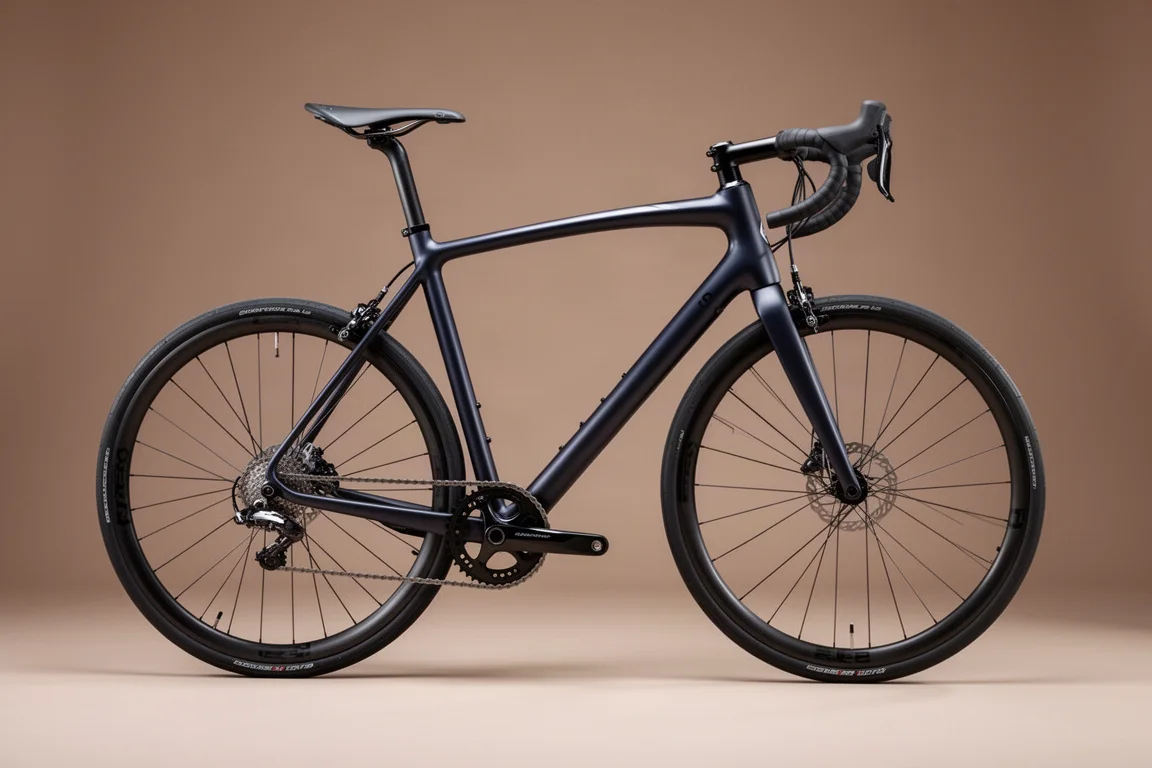
The range-topping TCR Advanced SL is quoted at 6.4 kg in its top build, using Giant’s own carbon wheels and a seat mast. That makes it one of the lightest complete bikes in this roundup.
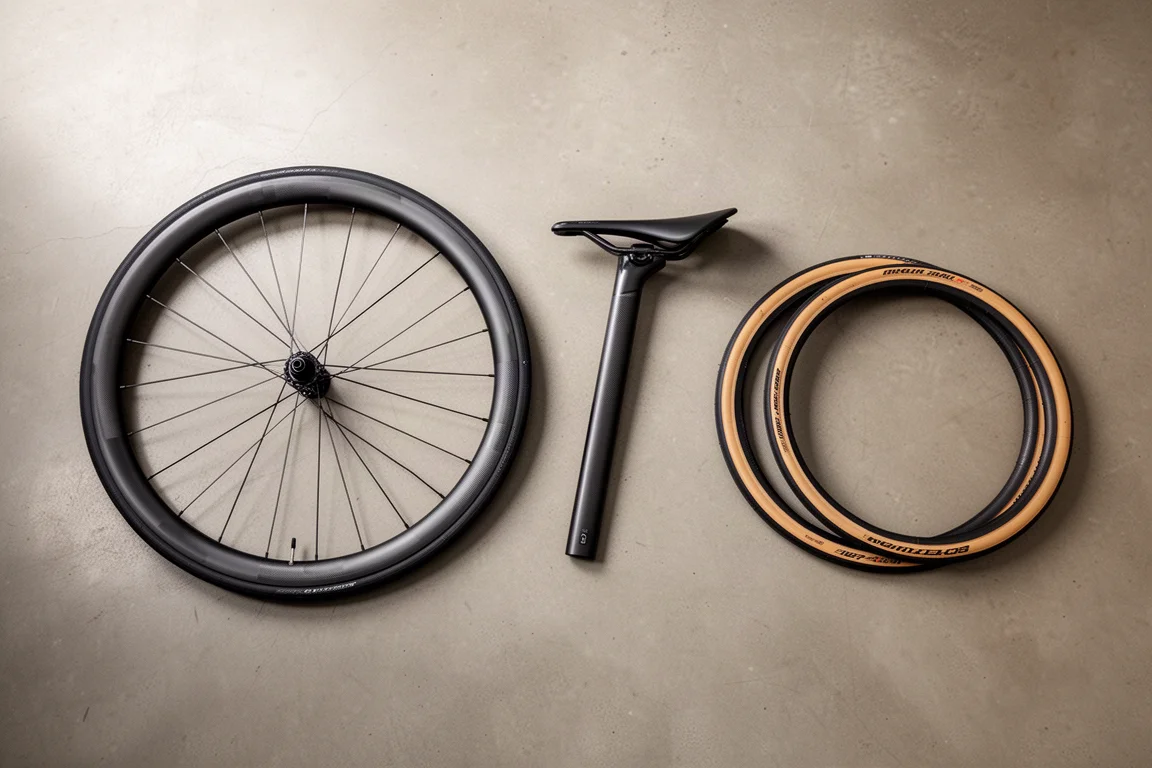
Its aerodynamic performance is the open question. It is probably not as slippery as the Teammachine SLR, and that gap matters most on flat, exposed roads rather than on a climb. If you are choosing on weight rather than drag figures, the TCR Advanced SL is a sensible shortlist entry, and the seat mast is the main practical compromise to weigh up.
Specialized S-Works Tarmac: The All-Round Benchmark
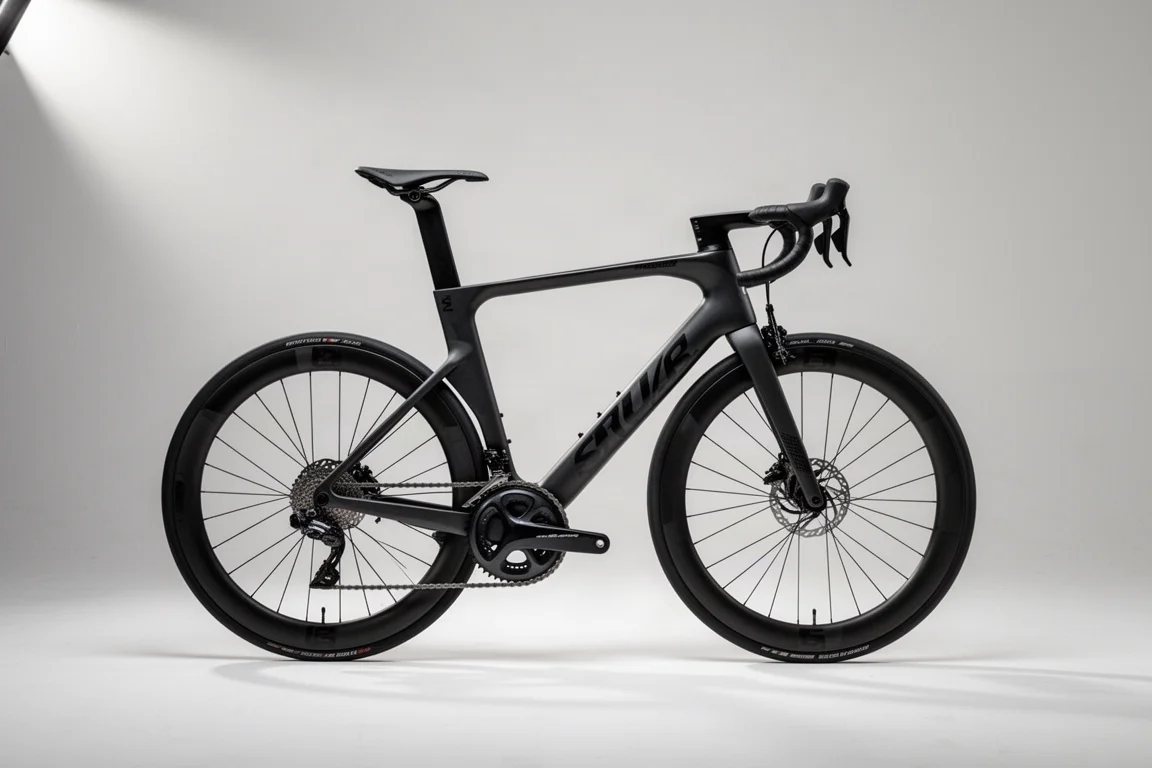
The S-Works Tarmac is the bike most of this category is measured against. At 6.8 to 6.9 kg it is not the lightest here, but it pairs that low weight with strong aerodynamic performance in independent testing and 32 mm tyre clearance, and it remains one of the most popular race bikes in the world.
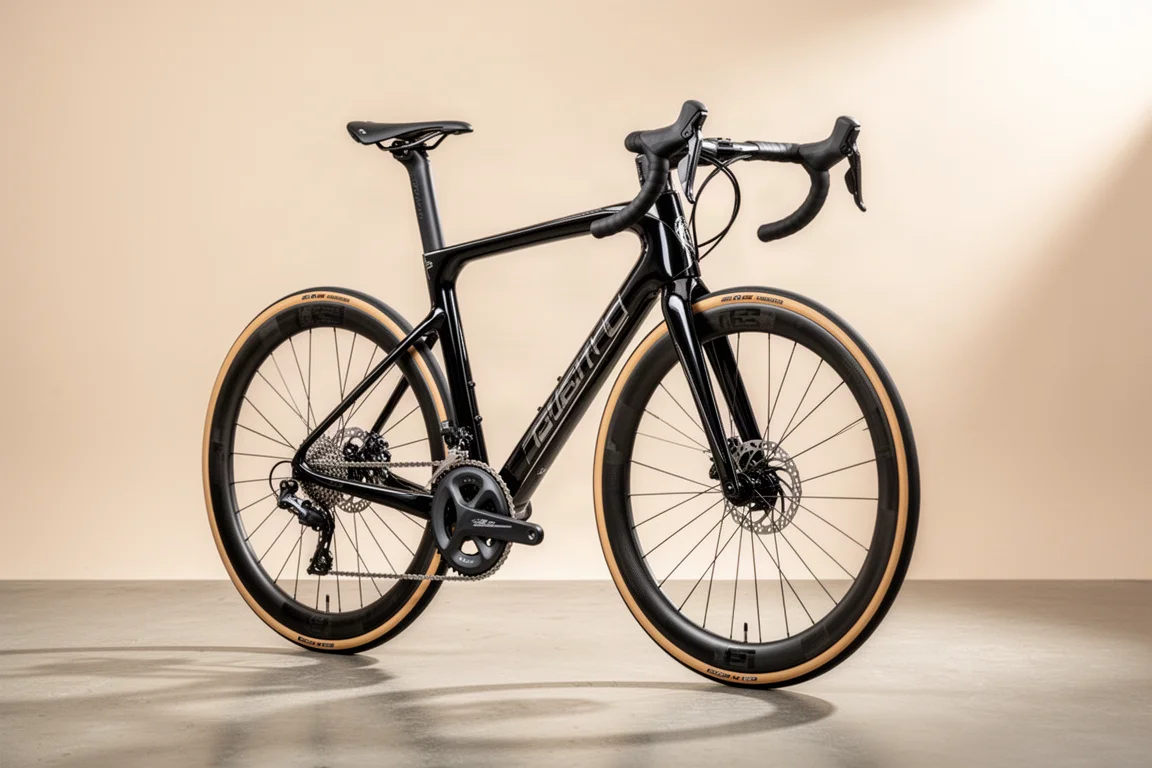
That combination is exactly why it is the reference point. The Addict RC and the new Teammachine SLR are the two bikes most likely to challenge it: both claim lower complete-bike weights, and both keep enough aero shaping to stay competitive on flatter ground. Whether they beat it in practice comes down to how much you value the last few hundred grams against aerodynamic performance you can measure with a power meter.
Buying Advice: Matching Weight to the Way You Ride
Start with frame weight, because it is the one figure you can compare fairly across brands, then look hard at the complete-bike weight of the exact build you can afford. Entry models in this category often carry heavier wheels, and the BMC Teammachine SLR shows how much difference that makes: its cheapest build is still claimed at 7.1 kg, which is impressive for a base model but not as light as the range-topper.
Think about how much aerodynamics is worth to you. If you ride mostly on climbs and rolling roads, weight is the more tangible benefit, and a bike like the Addict RC or the O2 VAM makes sense. If your riding is mixed and you spend time on the flat or into headwinds, a bike that keeps aero shaping, such as the Teammachine SLR or the S-Works Tarmac, is the safer all-round choice.
Finally, check the practical details. Tyre clearance of 32 mm is now the norm in this group, and the Basso SV proves that 35 mm is achievable on a lightweight aero race frame, so if wide tyres matter to you, be aware that not every bike here offers the same room. Seat masts on the O2 VAM and the TCR Advanced SL affect travel and fit adjustment, and integrated cockpits make bar and stem changes more involved. None of these are deal-breakers, but they are the things you live with long after the weight figure stops being exciting.
Conclusion
The lightweight road bike is in a better place than it has been for years. The BMC Teammachine SLR pairs a 700 g frame with stiffness claims carried over from its aero sibling, the Scott Addict RC pushes complete-bike weight down to 5.8 kg while keeping full integration, and the Giant TCR Advanced SL delivers 6.4 kg with a seat mast. The Factor O2 VAM remains a genuine 6.5 kg option with a firm front end and a seat mast to consider, and the Specialized S-Works Tarmac is still the all-round benchmark to beat. Match the bike to the roads you actually ride, and any of them will feel like a serious upgrade on the climbs.
Further reading
Related Reviews

Road Bikes
10 New Road Bikes Worth Watching: Aero, Titanium, Steel and Endurance Standouts
A practical roundup of 10 new road bikes, from aero flagships chasing single-watt gains to titanium, steel and endurance platforms built for real roads.
Road Bikes
2026 Tour de France Road Bikes: Six Race Machines Worth a Closer Look
Six race bikes from the 2026 Tour de France grid, reviewed for paint, silhouette, wheels and the specification details that matter to buyers.
Road Bikes
3T Strada Italia Review: A Radical Aero Road Bike That Rides Smooth
A made in Italy carbon aero road bike with a deep head tube, wide tire clearance and a genuinely comfortable ride. Here is what to know before buying.