Road Bikes
Best Lightweight Climbing Bikes: Five Featherweight Road Machines Compared
Five low-weight road bikes built for climbing, from the Factor O2 VAM and Orbea Orca to the Canyon Ultimate, Giant TCR and Cube Litening Air C68X SLT.
Introduction
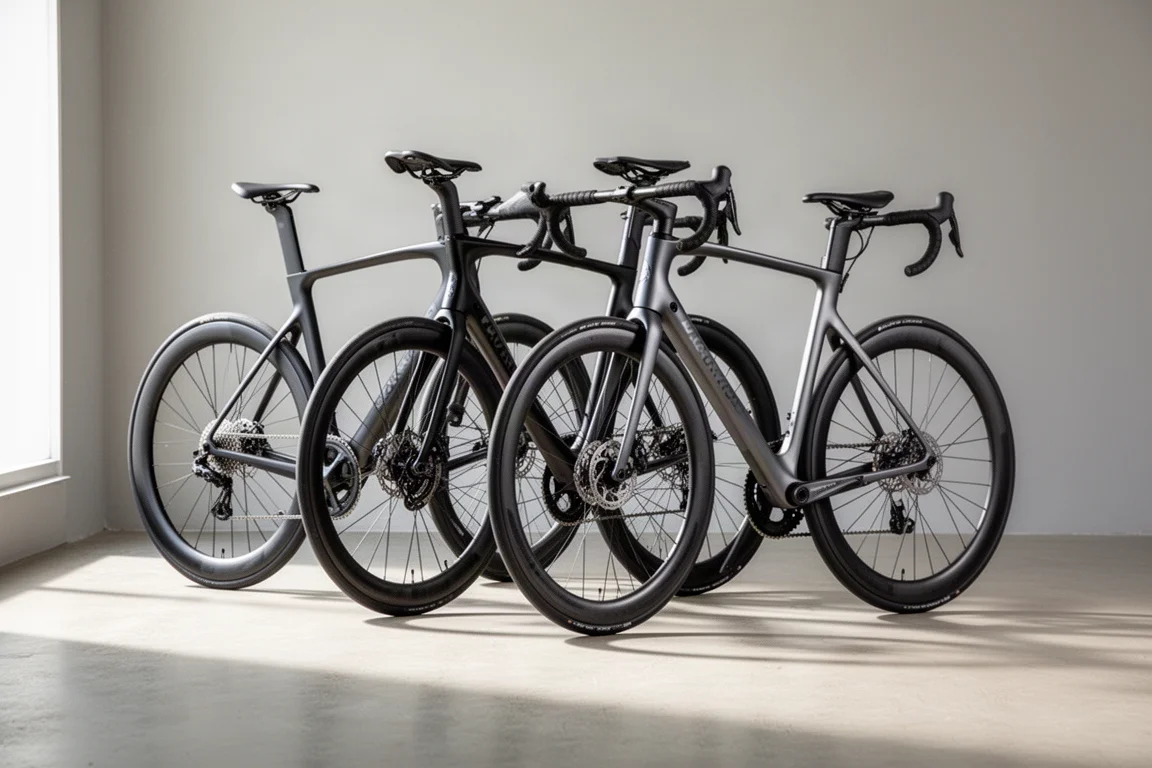
Lightweight climbing bikes occupy a narrow but appealing corner of road cycling. They trade some aerodynamic advantage for lower mass, sharper handling and a ride feel that rewards riders who spend their time going uphill rather than holding speed on the flat. The five bikes below are among the most interesting featherweight machines in this category, and each takes a slightly different route to a low frame weight.
Some chase the lowest possible build weight, others refine carbon layups and tube shapes to add stiffness without adding grams, and one pairs truncated aerofoil tubes with dropped seat stays to keep comfort in the mix.
What Makes a Lightweight Climbing Bike
Climbing bikes are defined less by a single number than by a set of priorities. Frame weight matters, but so does stiffness at the bottom bracket and head tube, because a bike that flexes under load wastes the power a rider puts through the pedals. The most successful designs balance a low frame weight with lateral stiffness and enough ride quality to stay comfortable on long ascents.

Carbon layup is where most of the work happens. Manufacturers blend different grades of fibre, reduce excess resin, cut the number of individual carbon pieces and refine the way tubes are joined. Small savings add up: paint, seatposts, wheels and tyres all contribute to the final build weight, which is why two bikes with similar frame weights can end up several hundred grams apart.
Aerodynamics has also crept into the category. Many modern climbing bikes now use tapered or truncated tube profiles to reduce drag without gaining much mass, though most brands keep a separate aero model for riders who prioritise flat-course speed.
Factor O2 VAM: Built to Break the Weight Limit
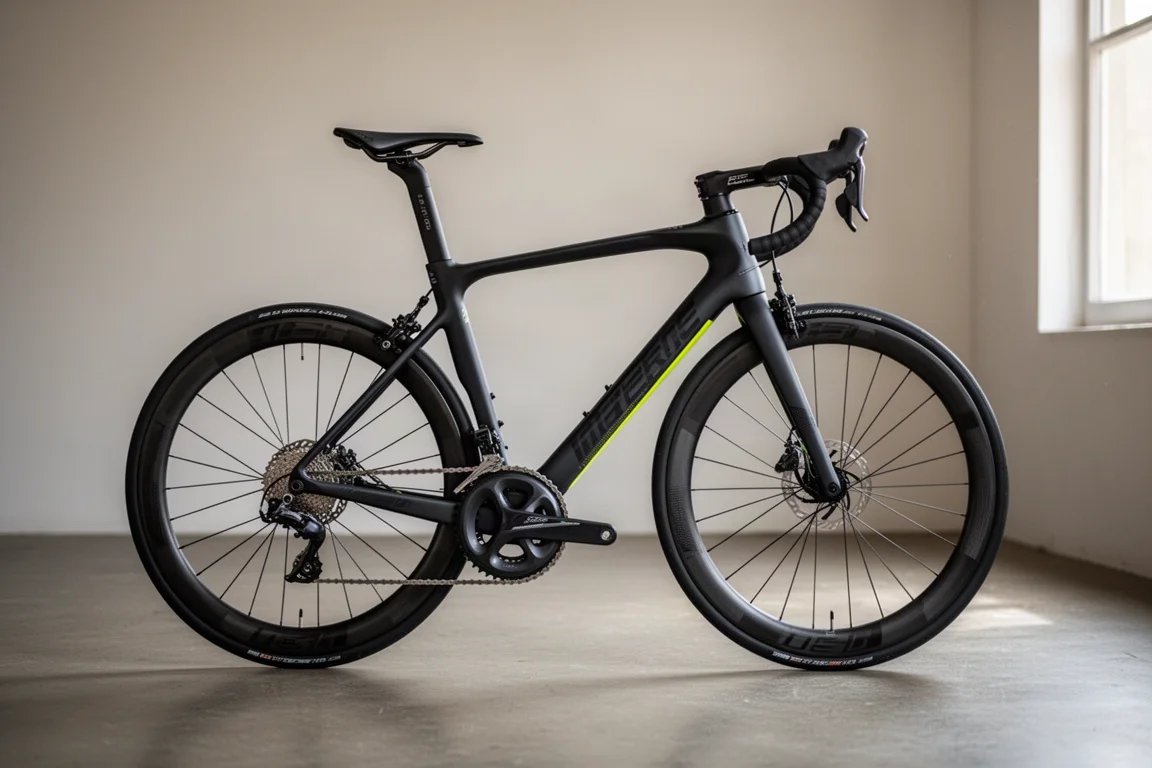
The O2 VAM is Factor’s lightest road platform, and it was designed to sit right at the edge of what racing rules allow. Factor claims a complete build weighs just 6.2 kg, which puts it below the UCI minimum weight limit of 6.8 kg. A painted size 54 cm frame is claimed at 730 g including the integrated seat mast.
Weight saving is only part of the story. The new bike brings heavily tapered aerofoil tube shapes and a move to an integrated seat mast, changes Factor says are intended to improve aerodynamics while cutting mass. The top tube tapers to just 10 mm at the seat post junction, a detail that is immediately visible on the frame.
Factor also claims the O2 VAM is faster than the version it replaces, with a quoted 12 watt saving at 48 km/h, and 35 percent stiffer. The frame is manufactured using a blend of T1000, pitch fibre and M60J carbon, while complete bikes are helped along by featherweight Black Inc 28/33 wheelsets.
Orbea Orca: Lightness Over All-Out Aero
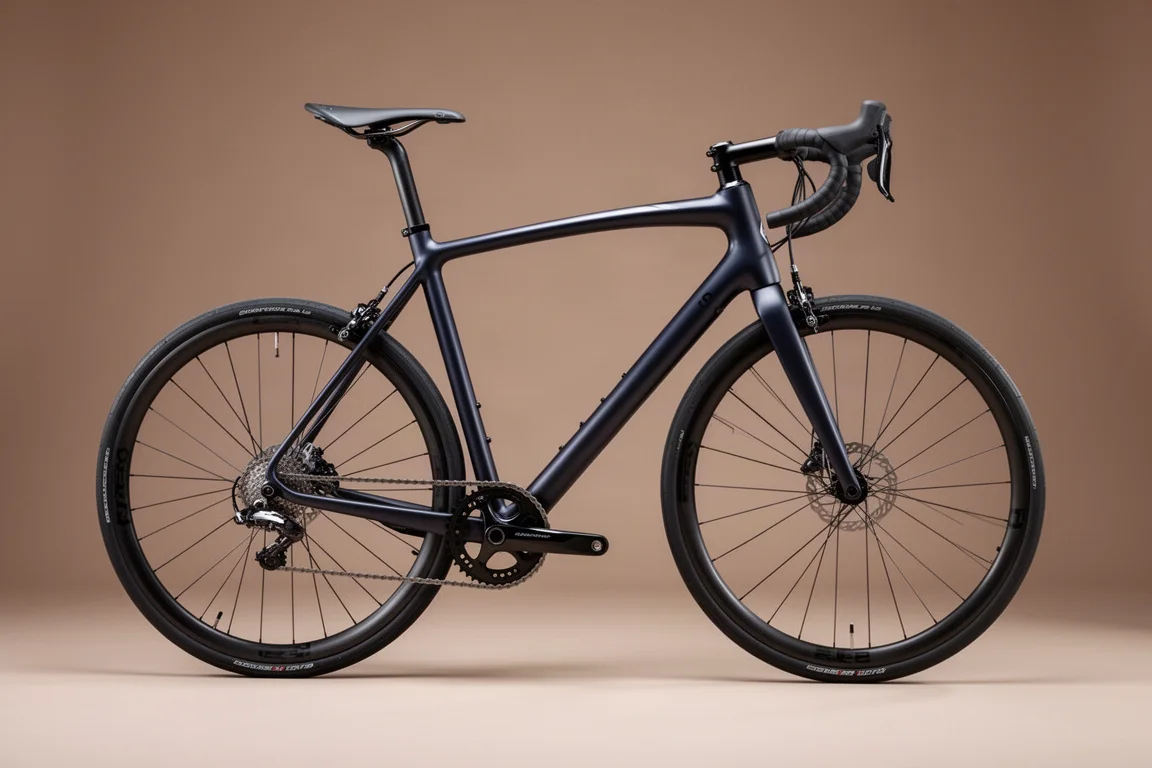
Orbea took a deliberately different route with the latest Orca. Where many brands now push their road race bikes towards a blend of aerodynamic efficiency and low weight, Orbea kept the Orca focused on low weight and handling, leaving the Orca Aero to cover riders who want maximum speed on flatter courses.
Now in its seventh generation, the Orca uses an OMX frame that is claimed to weigh 750 g in a size 53, with complete bikes weighing as little as 6.7 kg. The top-tier OMX frame is built from high modulus T1000 carbon, and Orbea says it saves 80 g compared with the previous model.
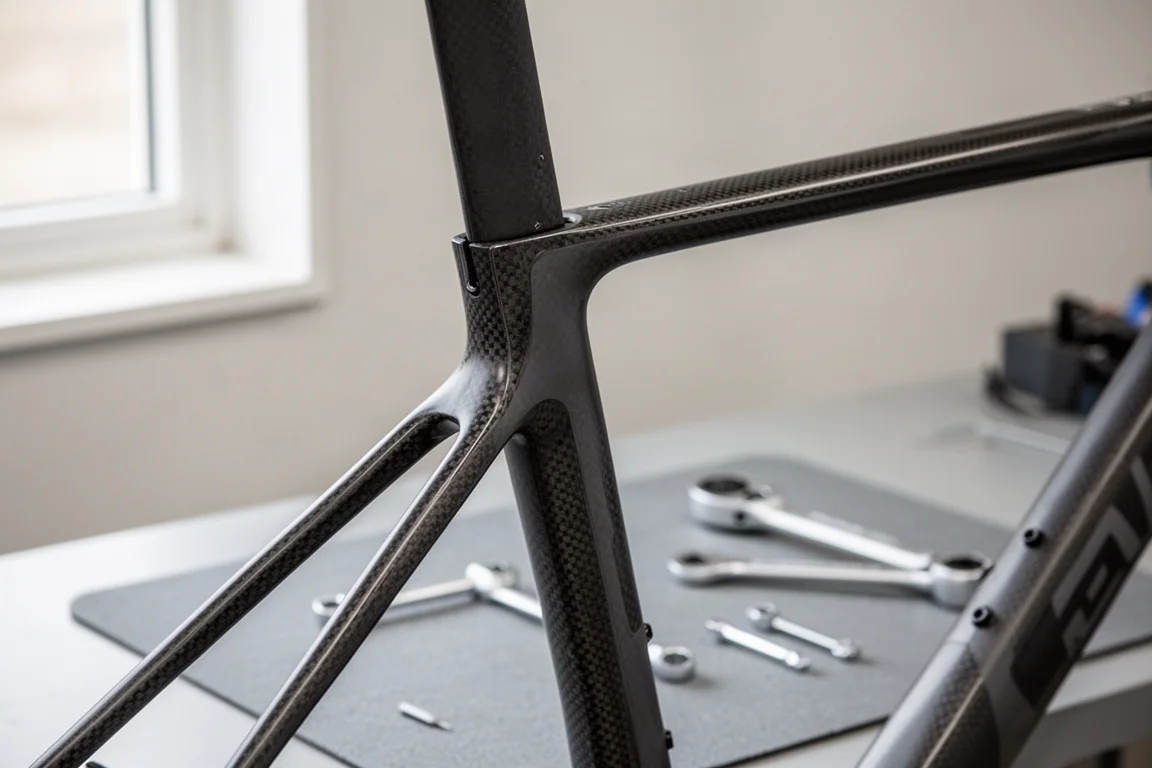
Those savings come from a reduction in aerofoil severity across the frame, a refined layup process, the removal of excess epoxy resin and a reduction in carbon overlap. Orbea says the new design uses 90 fewer carbon pieces than before. The entry point is also lower than some rivals, thanks to more affordable average builds, though the top-end bike remains a significant investment at around 12,000.
Canyon Ultimate: Aero Refinement Without the Weight Penalty
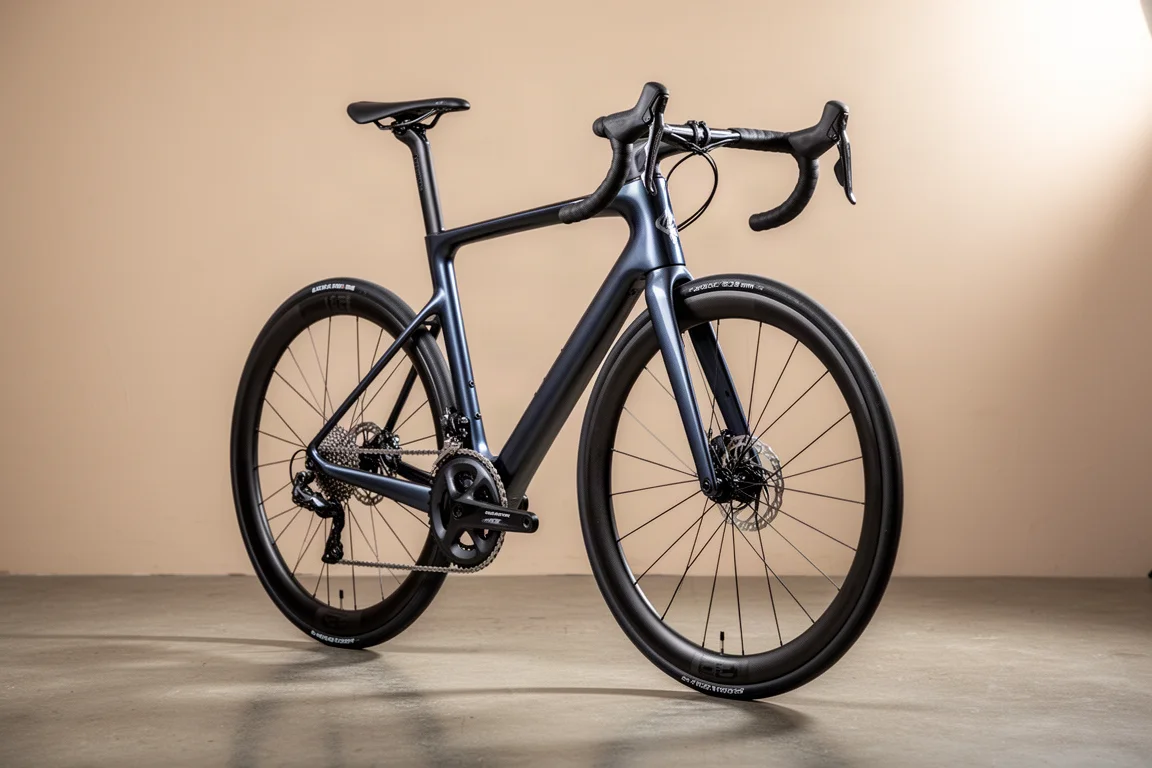
From the side, the latest Ultimate is easy to mistake for the model it replaces, but Canyon has made meaningful changes beneath the paint. The frame has been given an aerodynamic overhaul that is claimed to save 5 watts of drag at 45 km/h with a rider aboard, along with an integrated, width-adjustable cockpit.
Canyon also reworked the layup of each Ultimate frame, adding a total of 30 g of carbon reinforcement around the top tube junction, the seat tube and the bottom bracket area. The aim is greater lateral stiffness and better frameset reliability, and the claimed complete build weight is still just 6.2 kg.
That figure looks credible in practice, with a size large build weighing 6.3 kg, so medium and small sizes should meet the claim. Canyon reaches the number with specific lightweight components, including DT Swiss PRC 1100 Dicut Mon Chasseral RS wheels at a claimed 1,266 g per set with a 180 Ratchet EXP hub and SINC ceramic bearings. They are fitted with Schwalbe Pro One TT tyres in 25 mm front and 28 mm rear, a pairing that suits long mountain climbs well but is less suited to more general riding.
Giant TCR: Engineering Refinement at the Frame Level
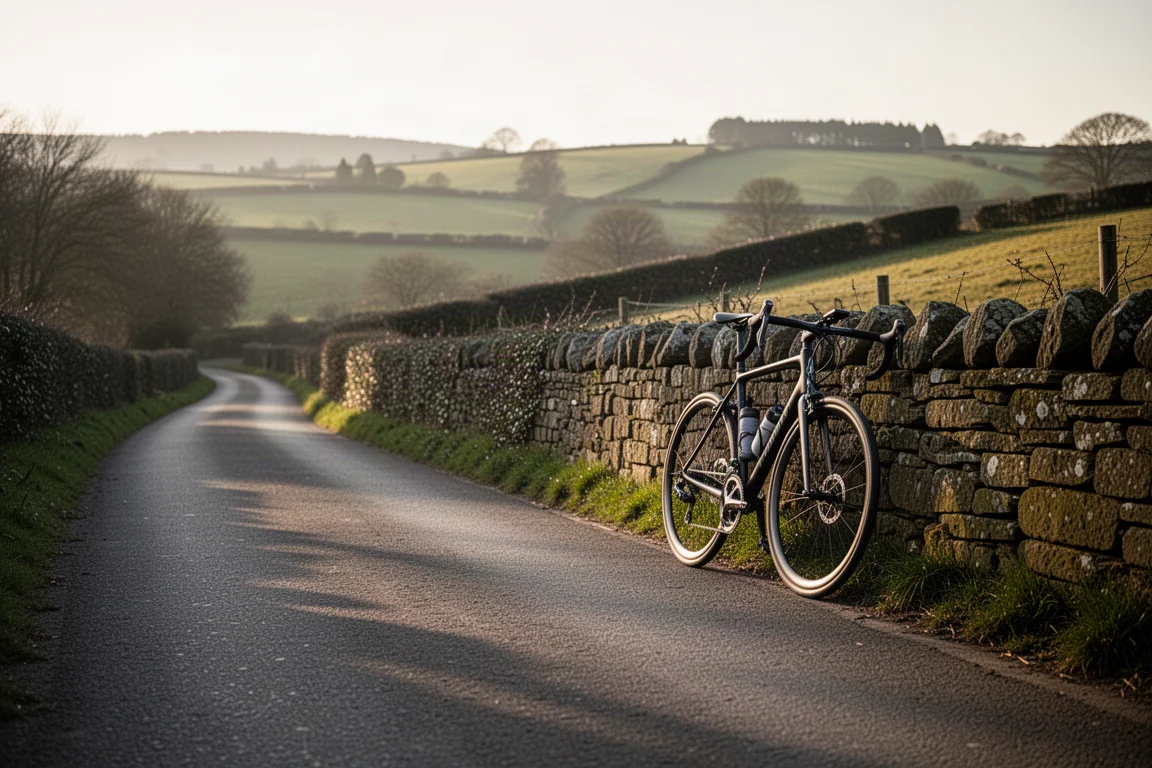
The TCR is one of the most recognisable lightweight race bikes, and its current form shows how much engineering sits behind a low frame weight. Giant refined its Advanced manufacturing processes to reach a claimed 765 g for the flagship Advanced SL Disc frame, weaving raw carbon fibre to its own specification to create the lightest raw pieces it had produced for a bike at that point.
The frame also introduced a carbon nanotube-infused resin, described as a microscopic polymer that acts like a miniature buttress to strengthen the layers of composite and improve impact resistance. The bonding material was infused with nanosized carbon fibre particles, which Giant says eliminates structural voids in the frame structure.
Weight saving extends beyond the layup. The Advanced SL 0 frame uses a Thinline paint process that is claimed to save 65 g over a standard seven-layer paint application on a medium frame, and a 3M adhesive protector is applied to the clamping section of the integrated seat post to keep strength and security intact.
The top tube is joined to the seat tube using a grafting process that combines filament winding and co-moulding, hand weaving the two tubes together before remoulding the area under heat and pressure for a stronger, lighter junction. The TCR has long been tipped for an update, and it remains one of the more compelling platforms in this group for riders who value proven engineering over novelty.
Cube Litening Air C68X SLT: Light, Fast and Comparatively Affordable
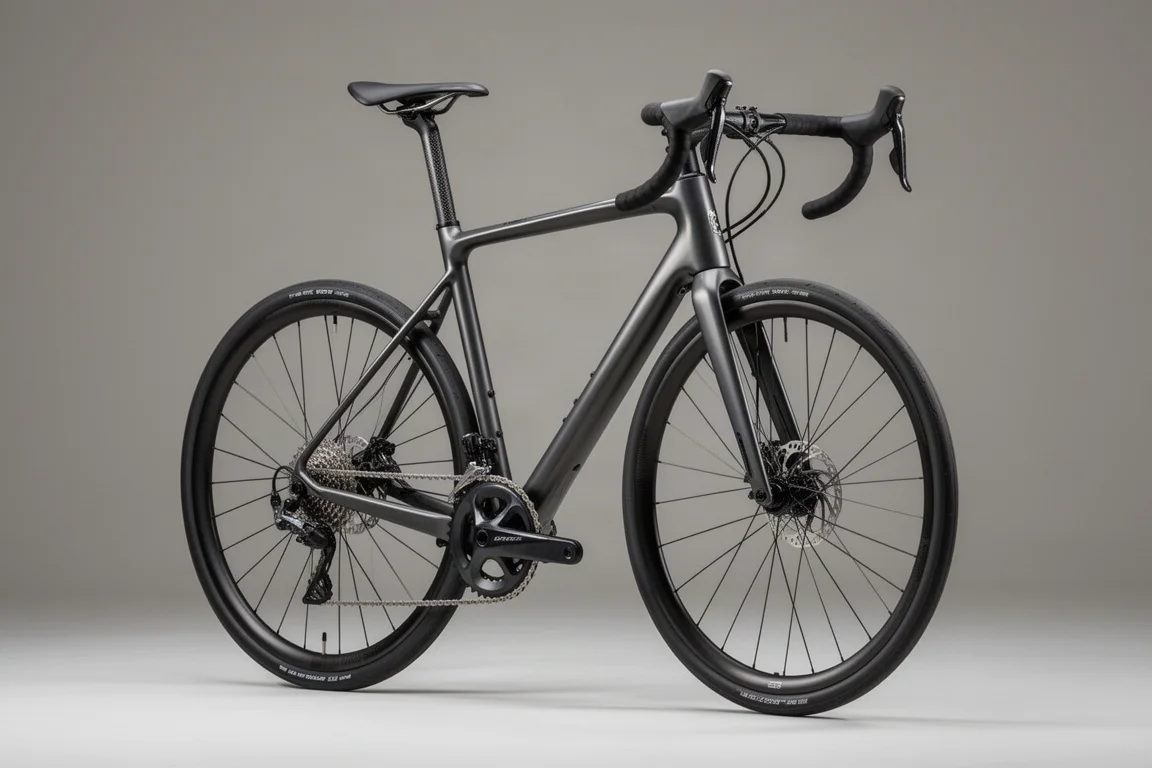
Cube took its time bringing the Litening Air C68X SLT to market, with the bike appearing at three Grand Tours over two years before full details arrived. The wait delivered a machine that builds to a claimed 6.6 kg, below the UCI minimum weight limit, thanks to the use of premium C68X carbon. Cube says a size 54 frame weighs 799 g and that a 6.6 kg racer can be built without difficulty.
Cube describes the Litening Air C68X as the lightest road bike in its history. The frame mixes slim truncated aerofoil tube shapes with dropped seat stays, a combination intended to balance aerodynamic performance, weight and comfort, and it uses an integrated handlebar up front.
Pricing is where the Cube stands apart from most of this group. Builds start at around 5,999 and rise to around 8,999 for the lightest and most expensive version, the C68X SLT, which makes the top-end machine noticeably cheaper than several other premium climbing bikes. For riders who want a very light race bike without the highest price tag in the category, that positioning is worth noting.
Buying Advice: Matching a Climbing Bike to Your Riding
The right climbing bike depends on what you want from it. If the goal is the lowest possible build weight, the Factor O2 VAM and the Cube Litening Air C68X SLT are the most aggressive options here, both designed around builds that dip below the racing weight limit. Riders who compete under UCI rules will need to add ballast or accept a heavier setup.
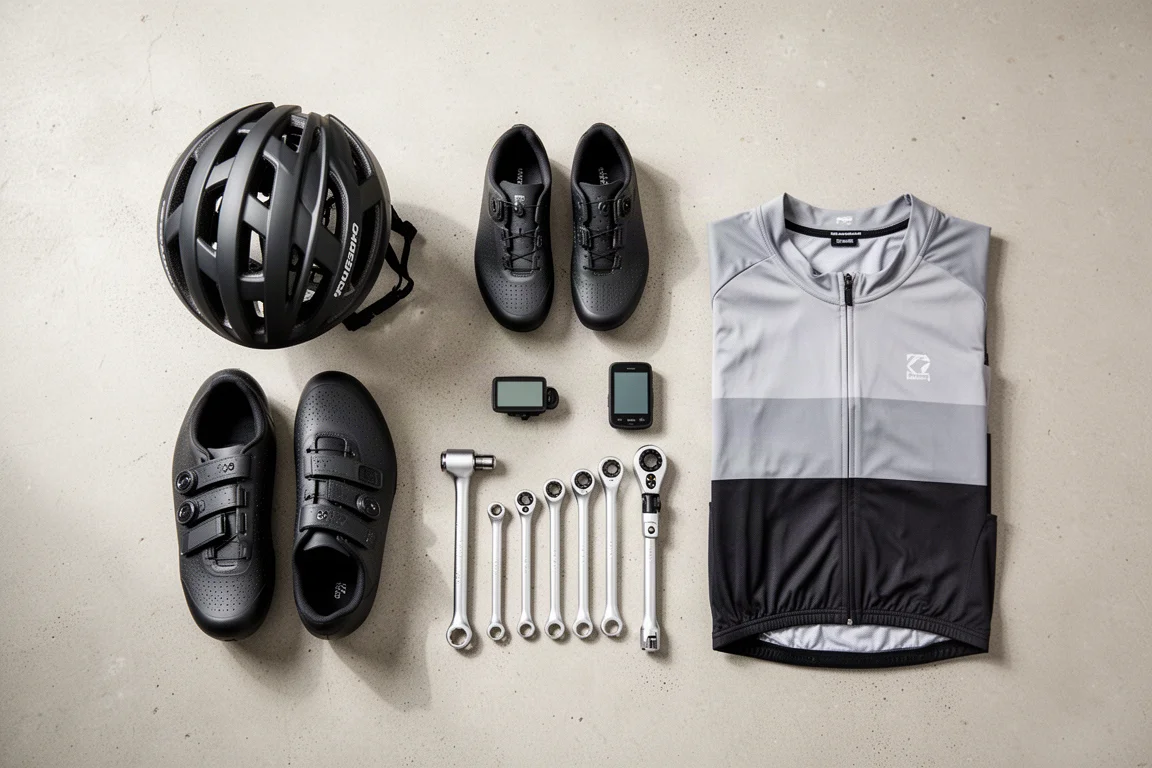
If ride quality and handling matter more than the last few grams, the Orbea Orca is the clearest example of a bike that prioritises feel over flat-course speed, with the Orca Aero covering the aerodynamic side of the range. The Canyon Ultimate sits between the two approaches, pairing a low claimed weight with a meaningful aero overhaul and a cockpit that adjusts in width.
The Giant TCR is the option for riders who value a long-established platform and the engineering detail behind it, from nanotube-infused resin to a paint process that trims grams. Whichever direction you choose, compare frame weights with build weights: wheels, tyres and finishing kit can shift the final figure considerably, and claimed weights usually refer to specific sizes and specific builds.
Conclusion
These five bikes show how varied the lightweight climbing category has become. The Factor O2 VAM and the Cube Litening Air C68X SLT chase outright low weight, the Orbea Orca commits to handling and ride quality, the Canyon Ultimate blends aero gains with a feathery build, and the Giant TCR highlights how much frame-level engineering goes into saving grams. Match the bike to the riding you actually do, and any of them will make climbing feel easier.
Further reading
Related Reviews

Road Bikes
10 New Road Bikes Worth Watching: Aero, Titanium, Steel and Endurance Standouts
A practical roundup of 10 new road bikes, from aero flagships chasing single-watt gains to titanium, steel and endurance platforms built for real roads.
Road Bikes
2026 Tour de France Road Bikes: Six Race Machines Worth a Closer Look
Six race bikes from the 2026 Tour de France grid, reviewed for paint, silhouette, wheels and the specification details that matter to buyers.
Road Bikes
3T Strada Italia Review: A Radical Aero Road Bike That Rides Smooth
A made in Italy carbon aero road bike with a deep head tube, wide tire clearance and a genuinely comfortable ride. Here is what to know before buying.