Laser Cutters
Best Laser Cutters 2026: Four Machines for Different Users
A practical guide to choosing the right laser cutter in 2026, based on your skill level and workflow rather than raw specs.
Introduction
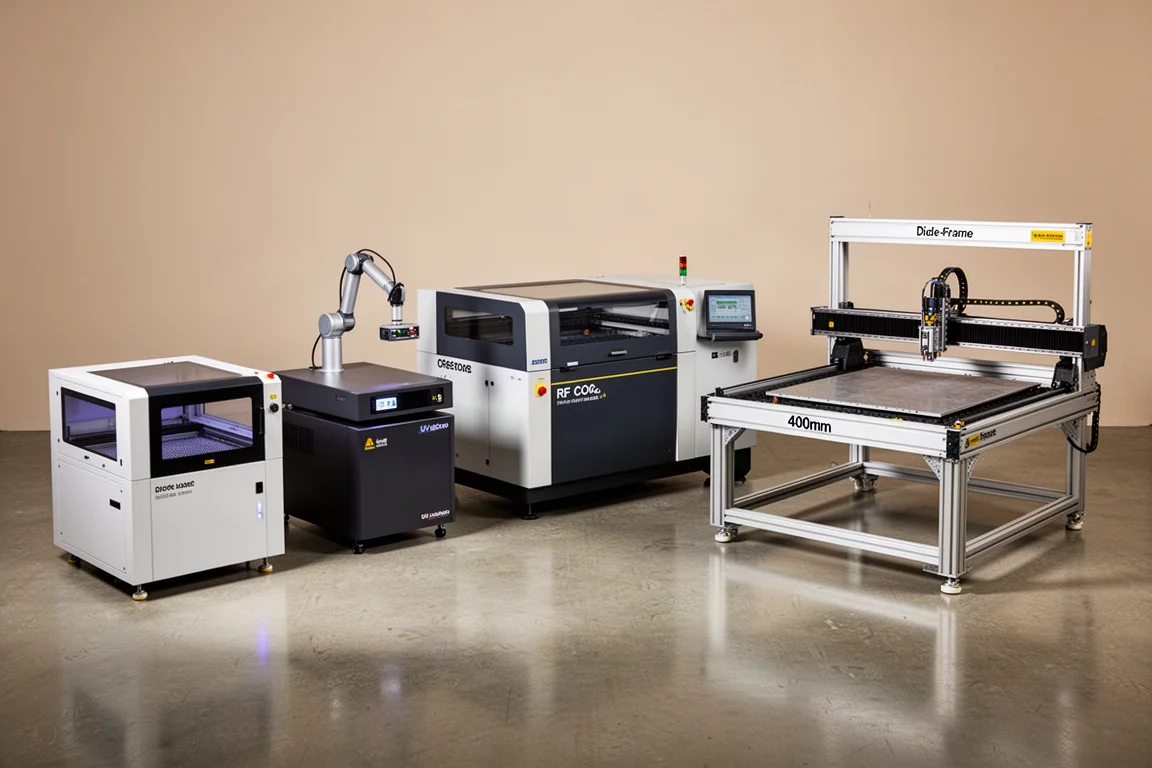
Most lasers marketed to beginners in small shops will cost you time, money, or both. Nobody tells you that until after you have bought one. The biggest mistake people make is not buying the wrong brand, but buying the wrong type of laser. There is no single best laser, only the best laser for your specific workflow and skill level.
This guide breaks down four machines by real users and real use cases: a beginner-friendly enclosed diode, a versatile UV galvo for small businesses, a reliable RF CO2 for professional shops, and a flexible open-frame diode for advanced hobbyists.
Best for Beginners: Algo Laser Pixie
If you are brand new to lasers, your biggest risk is not power or speed. It is safety, setup friction, and getting overwhelmed. For a true beginner, a class one enclosed diode laser is the safest starting point.
The Algo Laser Pixie is fully enclosed, which dramatically reduces safety risks. It has excellent built-in safety features, and the interface is approachable and fun. It does not even require a PC to get started, which matters more than most people want to admit.
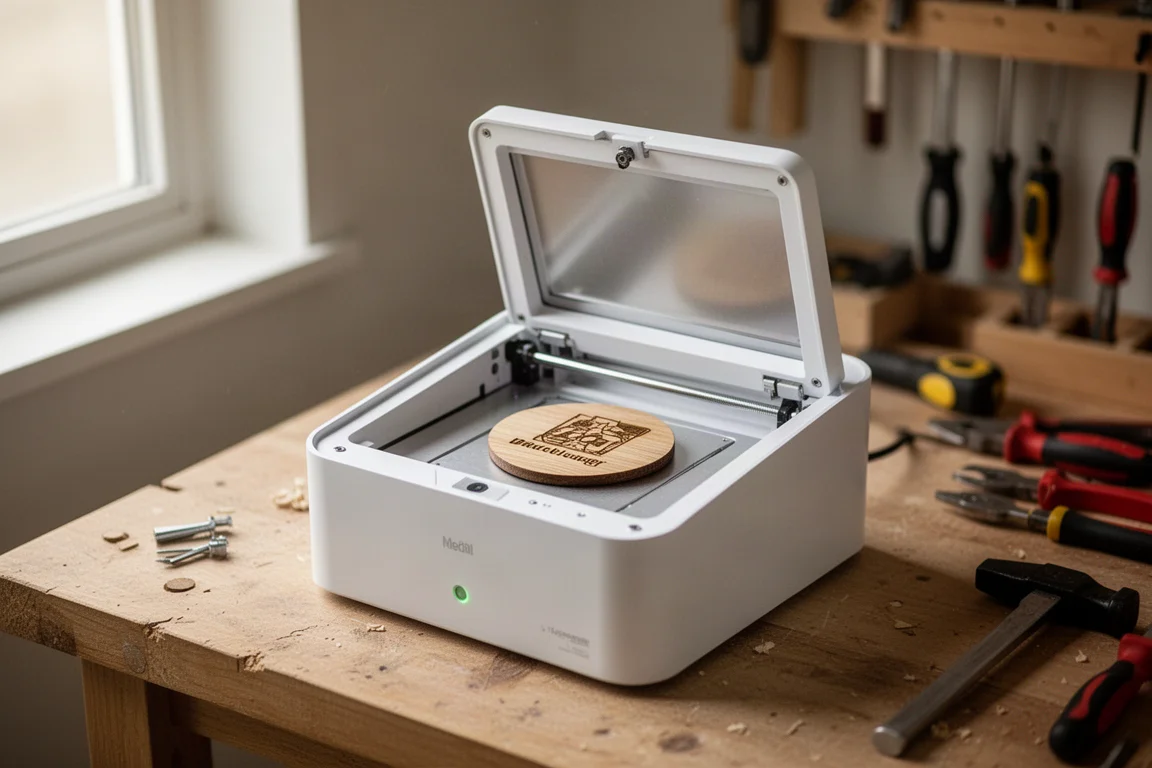
This is not the fastest laser, and it is not the most powerful laser. That is exactly why it is a good beginner laser. If your first experience feels like fighting software, firmware, alignment, and safety rules all at once, most people quit. The Pixie lowers the barrier to entry in a way that open frame diodes simply do not.
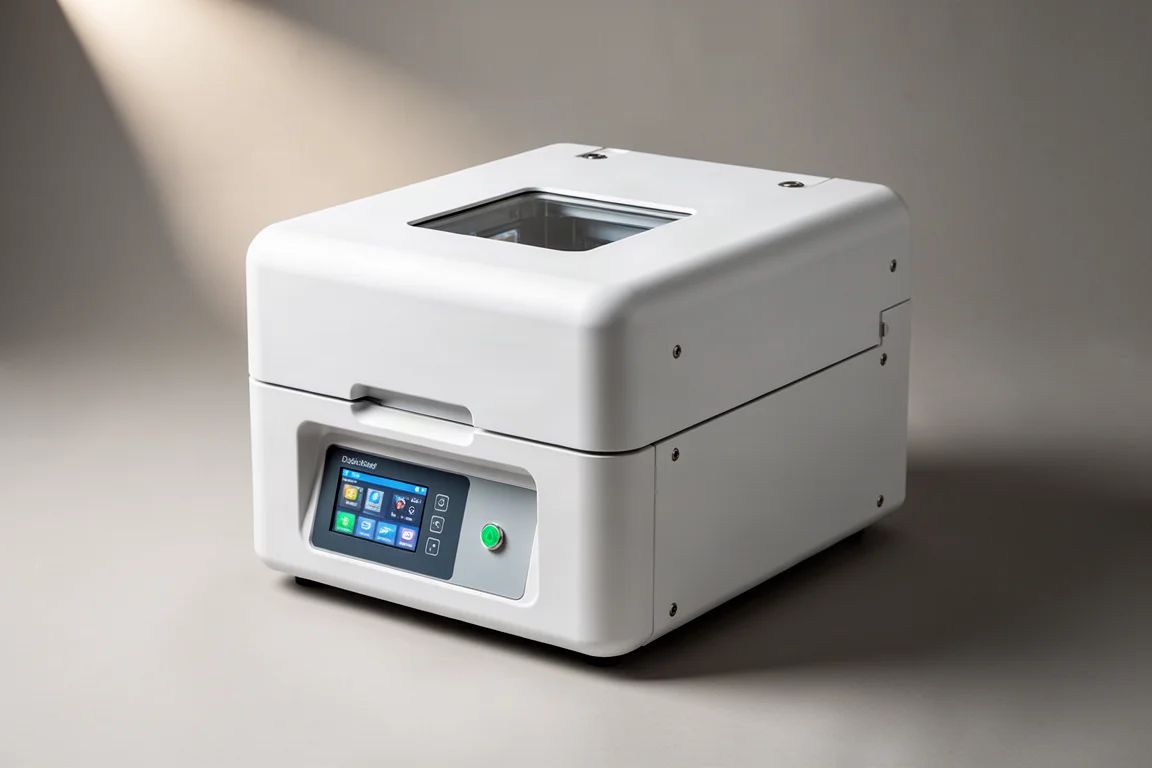
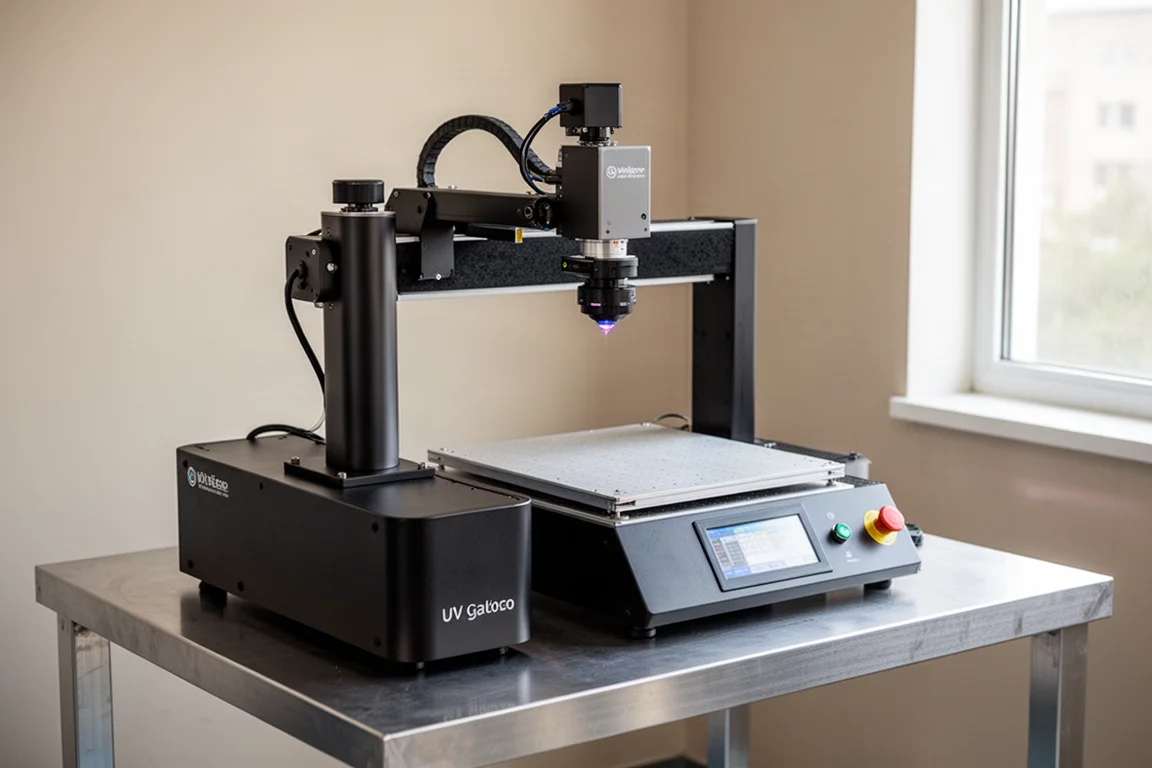
Best for Small Businesses: Comm Marker Omni 1
Once you move past learning and start thinking about selling things, the equation changes completely. If you are running an Etsy shop, a small online store, or any kind of side business, versatility matters more than anything else.
A lot of people make a costly mistake here by buying multiple machines to cover multiple materials. A UV galvo laser solves that problem. With a UV galvo, you can work with wood, leather, organics, plastics, coated metals, and even some bare metals using a single machine. That is a massive advantage for this role.
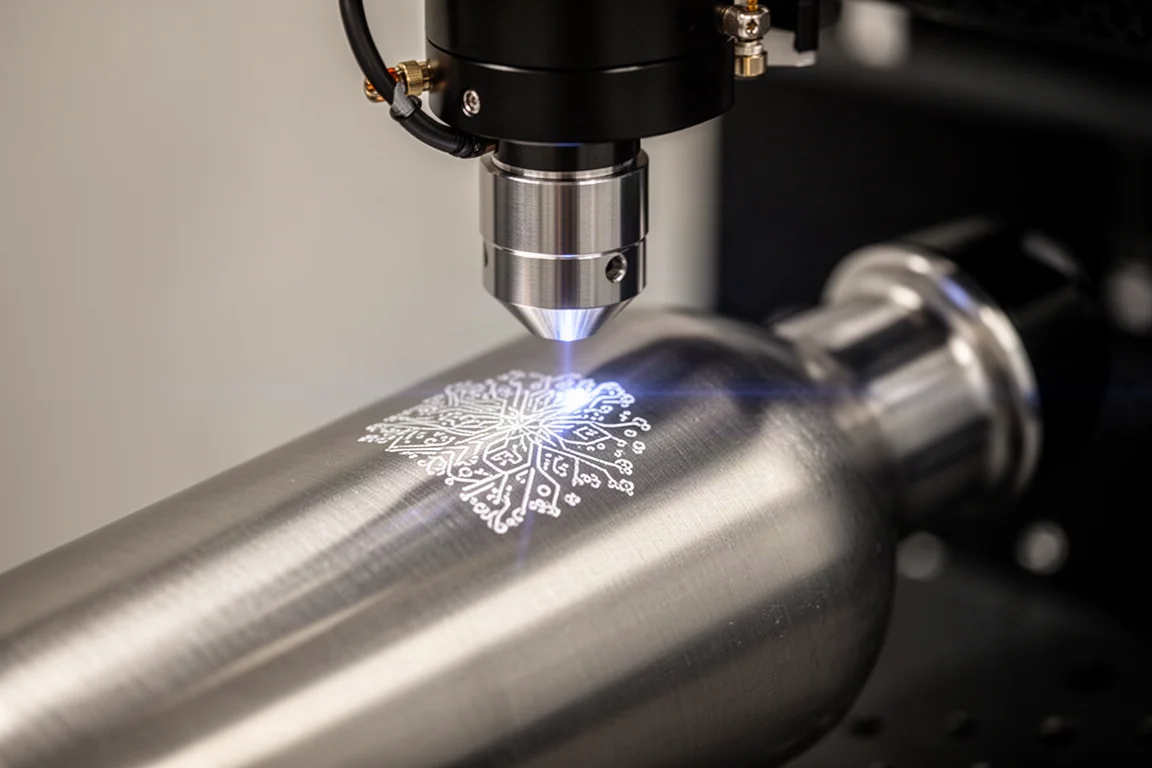
The Comm Marker Omni 1 is not a cutting machine. It is a marking and finishing machine. But if your business is about customization, branding, product finishing, and fast turnaround, this can replace several other machines and save you space, time, and a lot of workflow headaches.
Best for Professionals: Eon Laser Mirror Series
Once you stop experimenting and start filling orders consistently, reliability becomes everything. At the professional level, the question stops being “Can this laser do it?” and starts being “Can this laser do it all day, every day without surprises?”
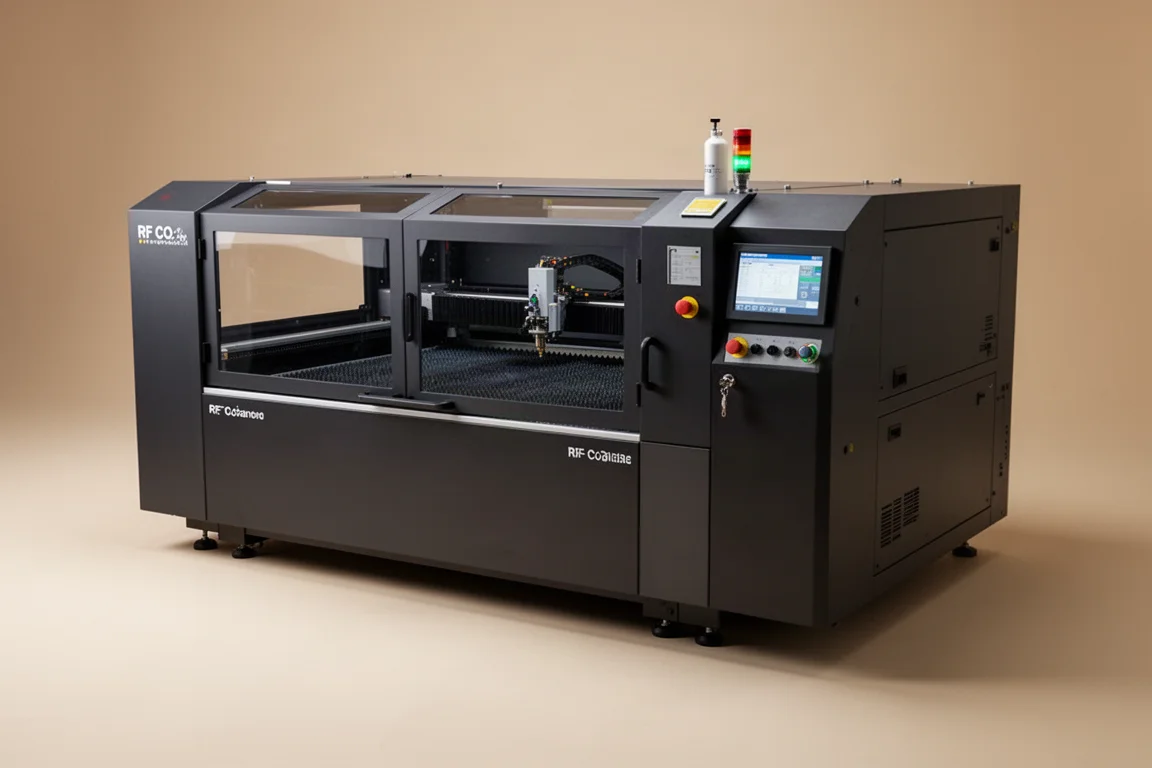
An RF CO2 laser gives you the power of CO2 with a refined beam, excellent optics, and an extremely consistent output. That matters for batch work, commercial jobs, and predictable turnaround times.
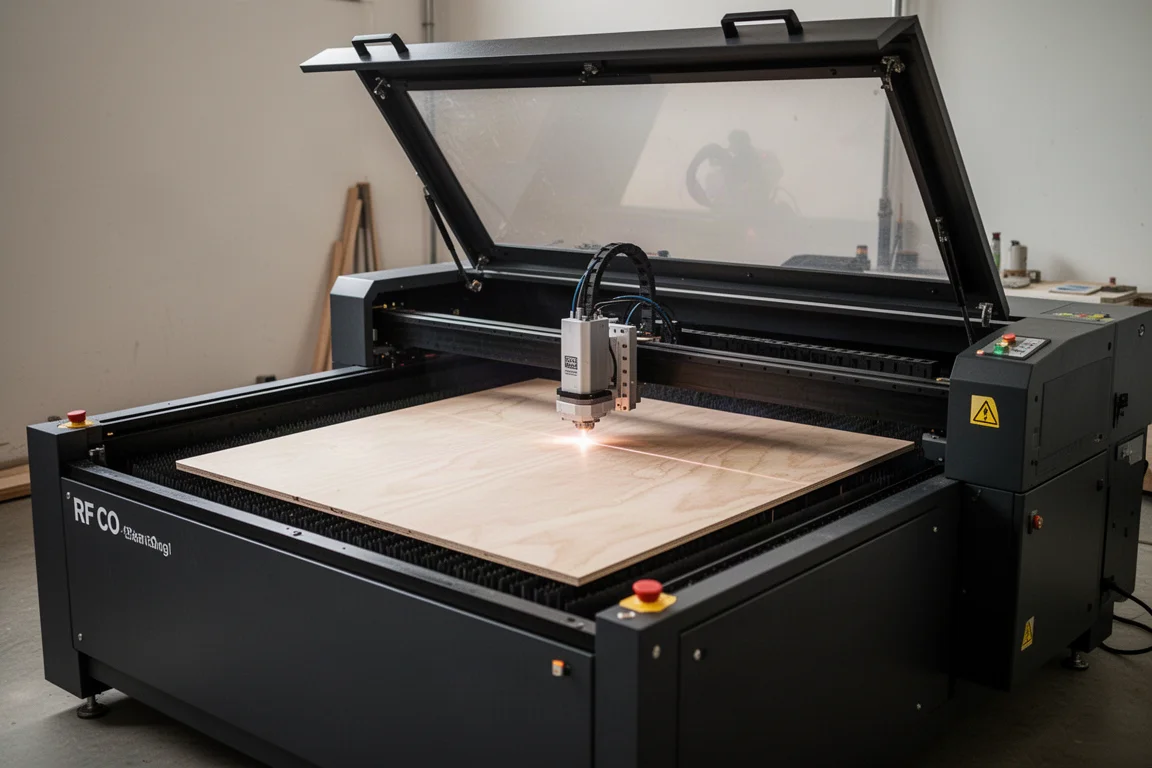
The Eon Laser Mirror series is a turnkey system. It is built for shops that do not want to tweak firmware, chase alignment issues, or wonder if today’s output will match yesterday’s. This is where buy once, cry once actually makes sense.
Best for Advanced Hobbyists: Orchure Laser Master 3
There is one more category worth considering. If you are an advanced hobbyist who enjoys tinkering, a large class 4 diode laser can still make a lot of sense.
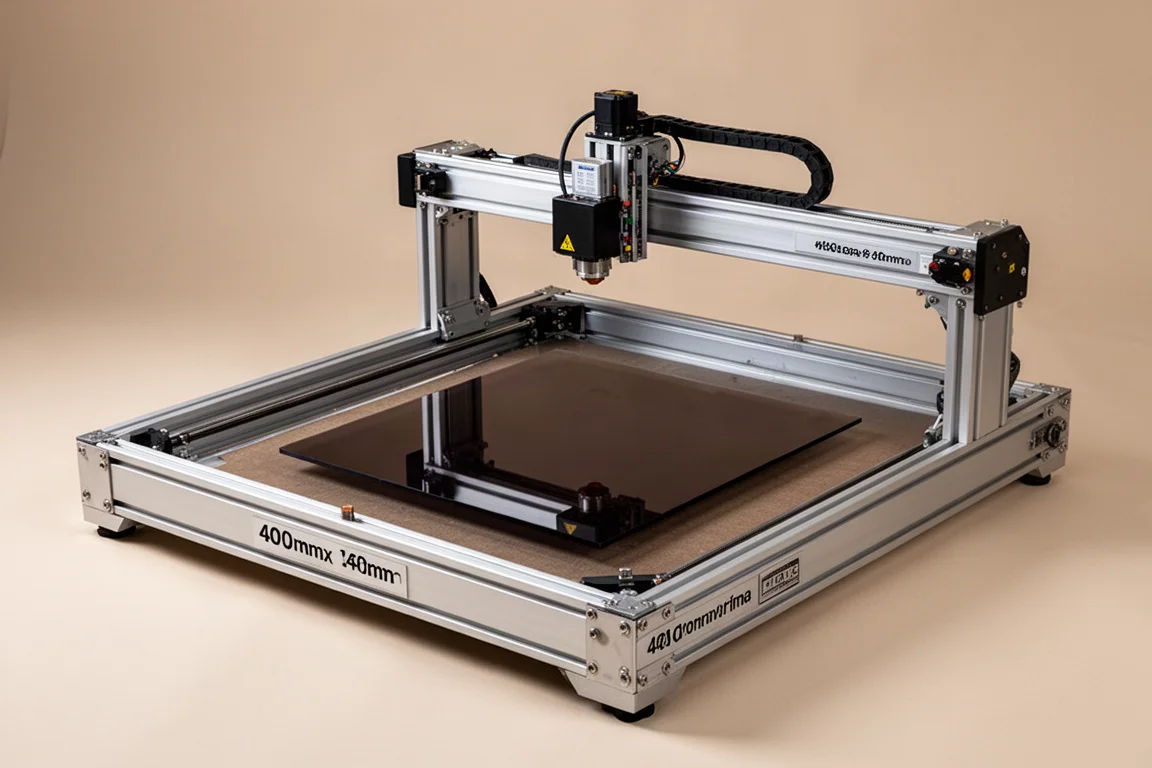
The Orchure Laser Master 3 gives you a large 400 millimeter by 400 millimeter work area, multiple diode modules including 455 nanometer and 1064 nanometer options, and compatibility with a wide range of materials. It is also relatively inexpensive for what it offers.
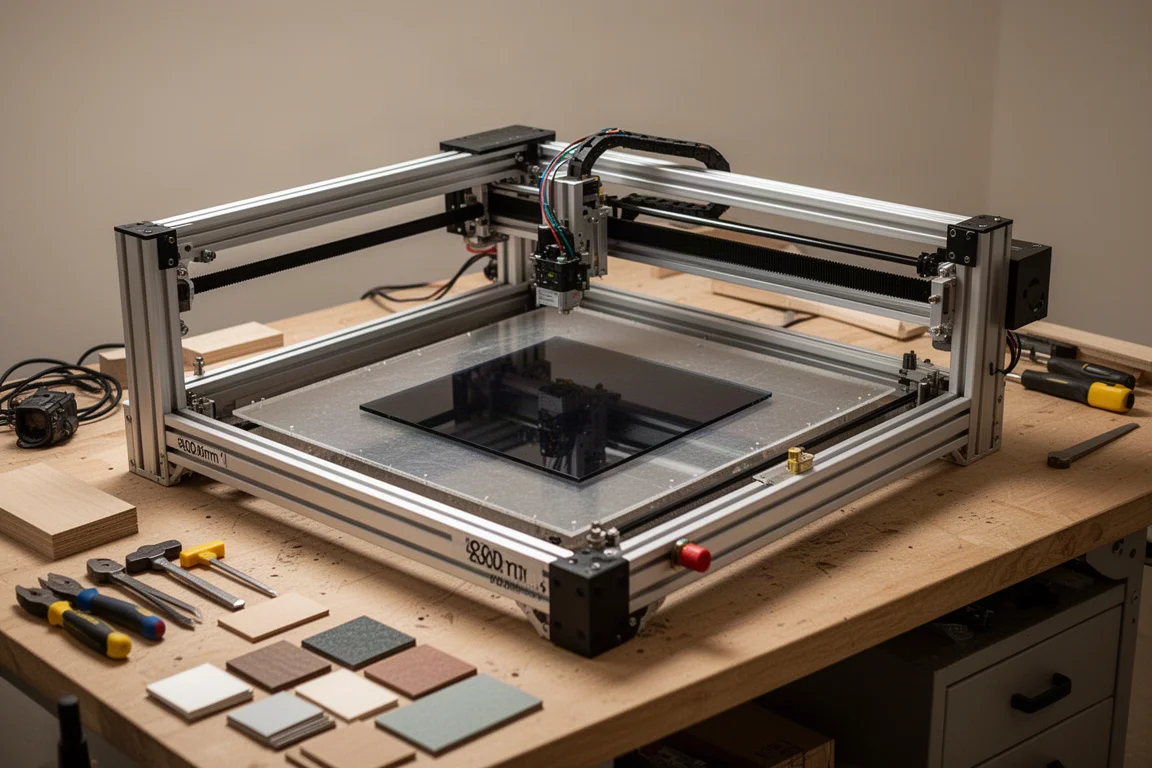
This is for people who already understand laser safety limitations and trade-offs. If you do, this is an extremely flexible platform for cutting, marking, and experimentation.
Overall Buying Advice
Notice something important about these four machines. None of them are trying to do everything. Each one makes sense because it knows who it is for. That is how you avoid wasting money.
If you are brand new, start with the enclosed safety of the Algo Laser Pixie. If you are building a small customization business, the versatility of the Comm Marker Omni 1 can replace multiple machines. If you are filling commercial orders, the reliability of the Eon Laser Mirror series is worth the investment. And if you are an advanced hobbyist who loves to tinker, the Orchure Laser Master 3 offers exceptional flexibility for the price.
Conclusion
Choosing the right laser in 2026 comes down to matching the machine to your actual workflow. The wrong type of laser will cost you time and money, no matter how good the specs look on paper. Think about what you are trying to make, not just which machine you are looking at, and you will avoid the most common and expensive mistakes.
Further reading
Related Reviews
Laser Cutters
xTool MetalFab and xTool P3: Two Laser Tools for Metal and Wood Projects
A look at two laser cutting tools that handle metal fabrication and wood cutting with precision, speed, and minimal cleanup.
Pickleball Paddles
2025 Paddle Awards: The Best Pickleball Paddles of the Year
A category-by-category breakdown of the best pickleball paddles of 2025, covering value, control, all-court, power, and paddle of the year.
Automotive Accessories
70mai Dash Cam Comparison: A200 vs A510 vs A810
Three dash cameras from 70mai across different price points reveal how resolution and sensor quality impact real-world footage clarity, especially for number plate visibility and low-light performance.