Stationery
Best Language Learning Stationery: 8 Tools That Make Studying Easier
From erasable multi pens to reusable whiteboard notebooks, eight Japanese stationery picks that help you study a new language smarter, not harder.
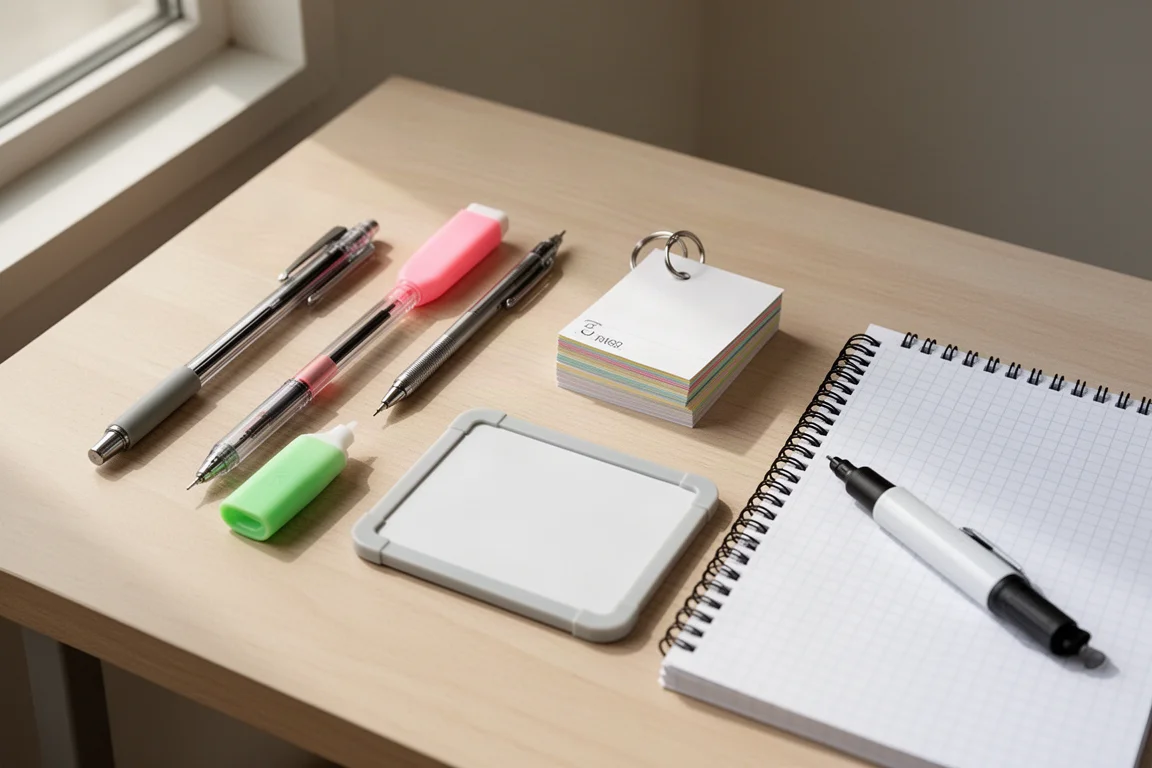
Introduction
Learning a language is equal parts difficult and rewarding, especially when you are juggling work, school, or everyday life. The right stationery will not make you fluent on its own, but it can make every study session smoother: catching spelling mistakes early, memorizing vocabulary faster, and keeping your notes organized enough that you actually want to revisit them. Here are eight tools that help you work smarter, not harder, when you finally find time to study.
Pens and Pencils for Writing in Any Language
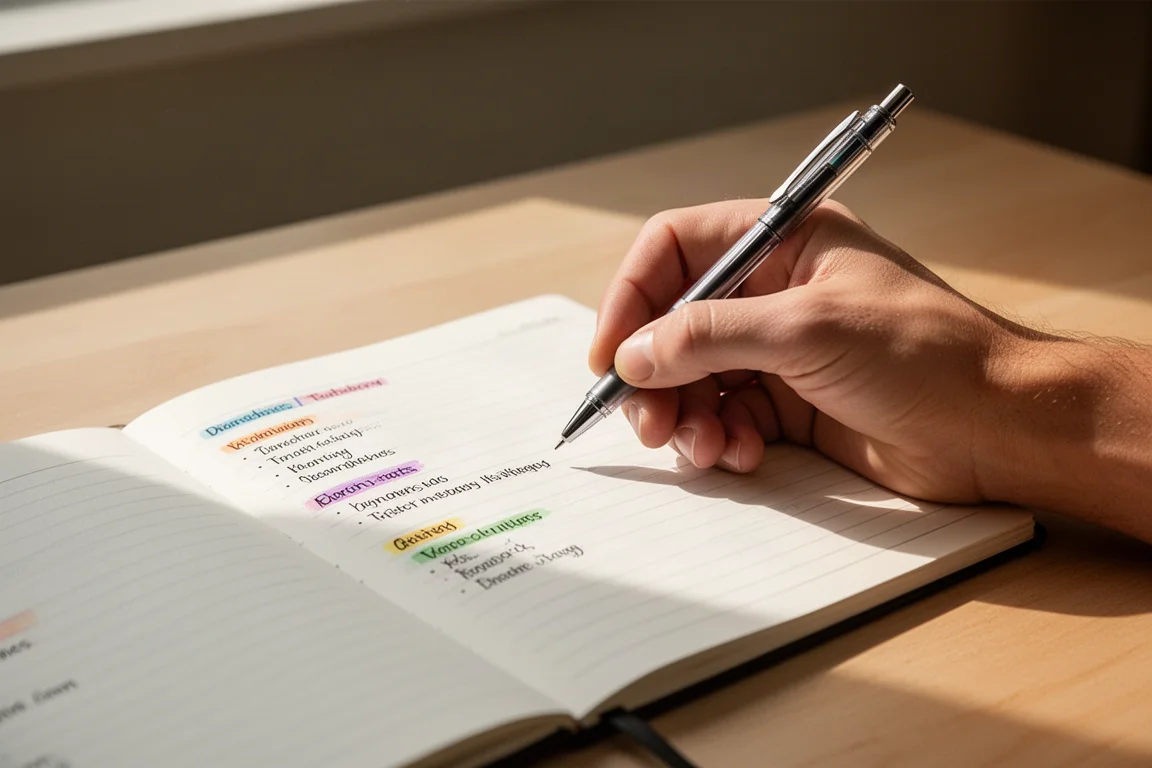
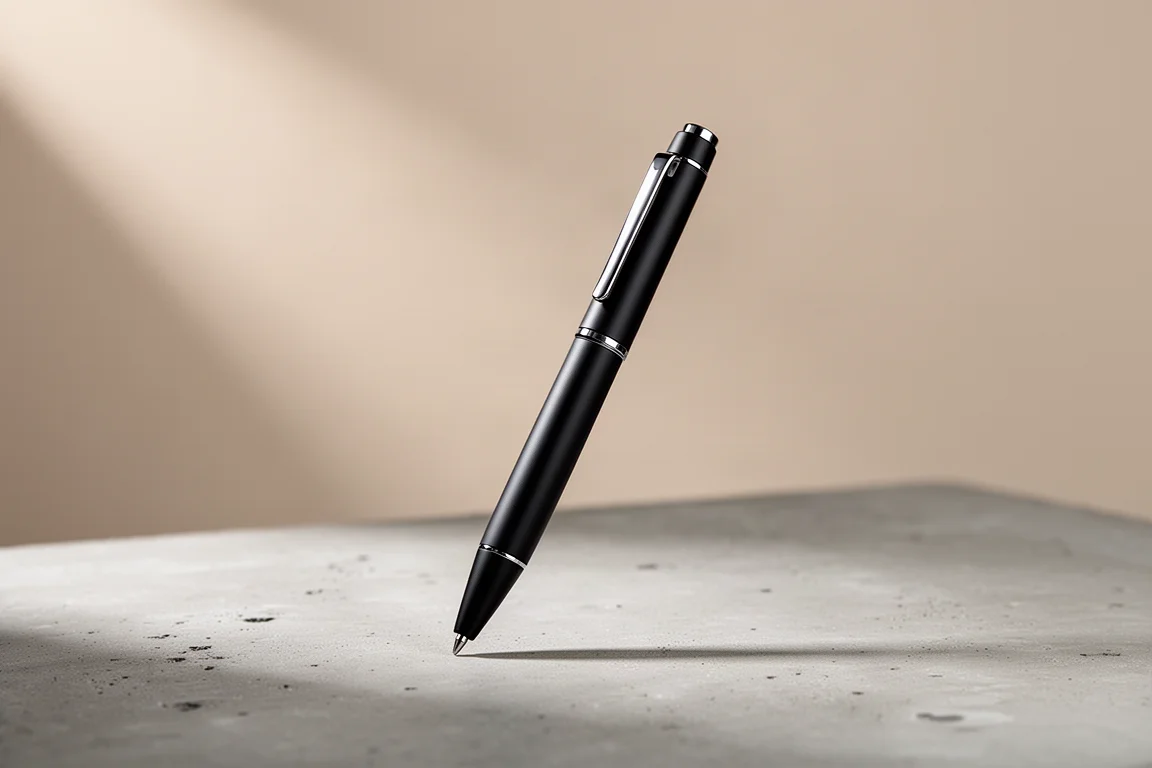
When you are learning a new language, you are bound to make spelling mistakes, and that is exactly where the Pilot FriXion Multi Pen earns its place. The rubber eraser creates friction, and the heat from that friction makes the thermosensitive ink turn clear, letting you rewrite over the erased section. Give the paper a couple of seconds to cool down first. Pens are available with up to four colors, depending on how much color coding you want to do. One word of warning: because the ink disappears with heat, never leave anything written with these pens in a hot car.
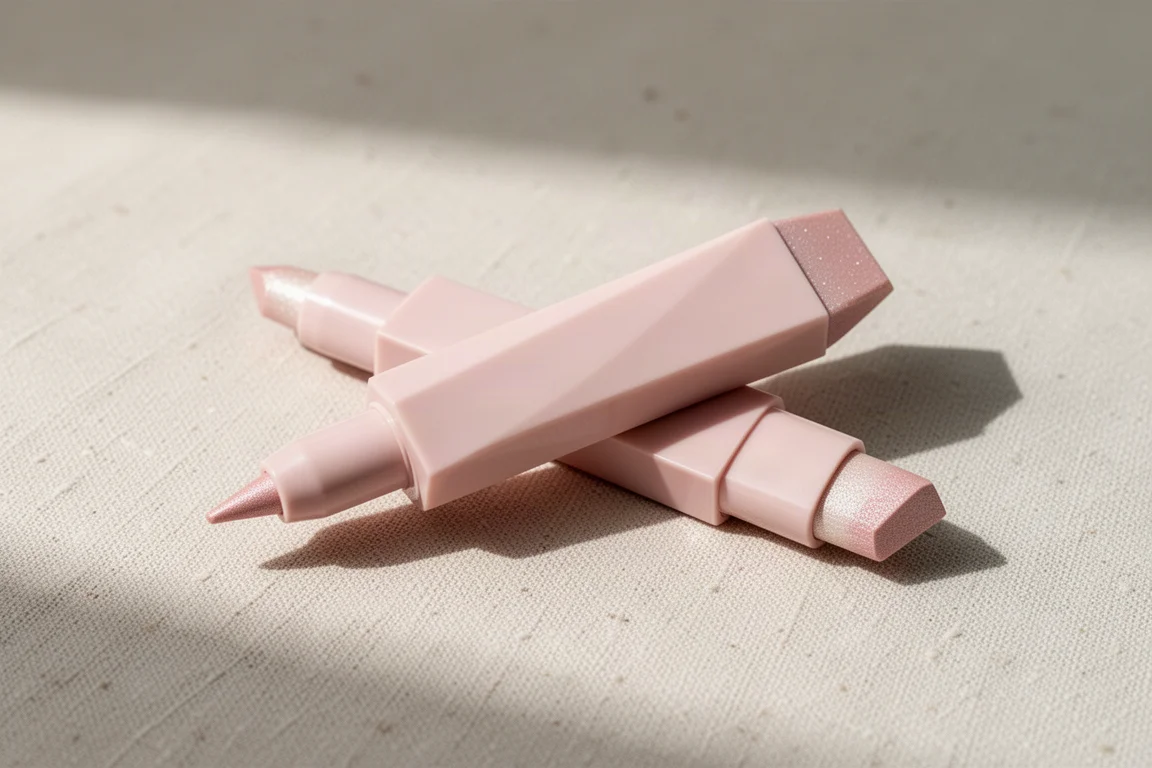
The Kokuyo Beetle Tip Highlighter lets you highlight three different ways depending on how you hold it. Use the 1 mm tip to underline, the 3 mm tip to highlight as normal, or both tips together to create double lines. With a single highlighter you can emphasize different kinds of text, such as example sentences, verb conjugations, and new words or topics.
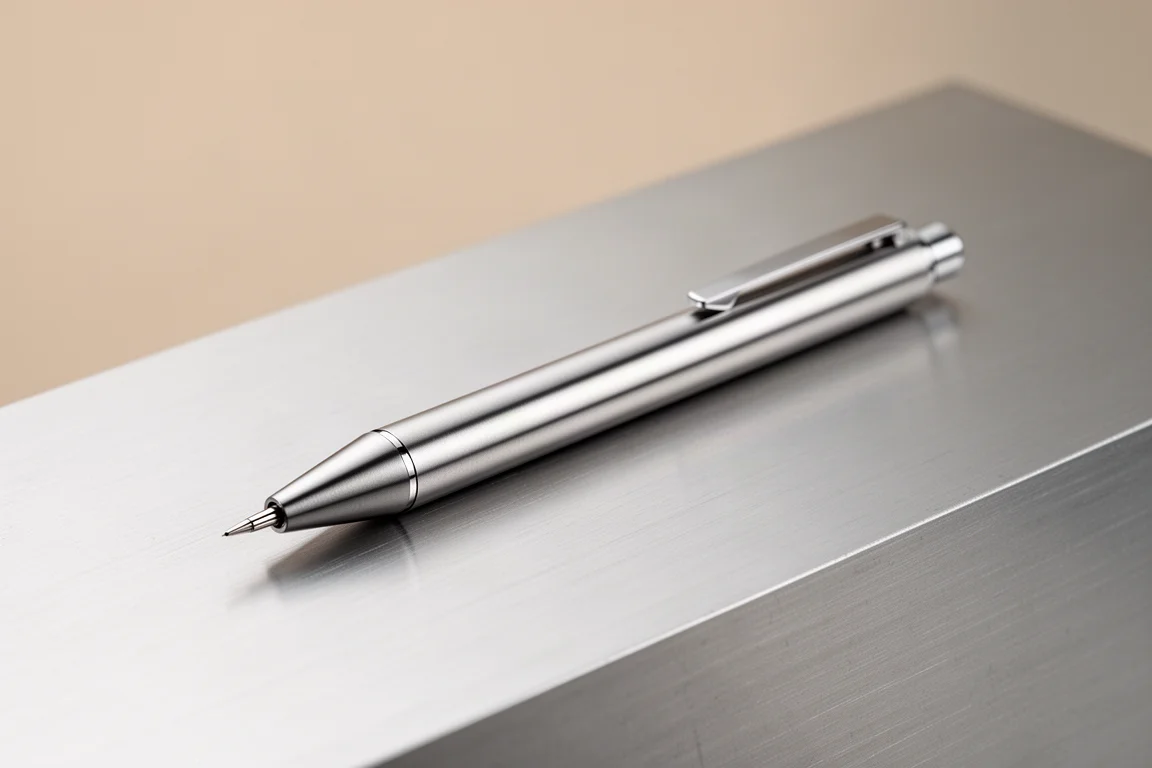
Pencil users should pick up the Pentel Orenz. It is available in lead sizes as small as 0.2 mm, which is especially useful when you are learning a different script with fine, detailed characters. An automatic lead advancement system extends the graphite every time the pencil is lifted from the page, so one press of the top push button lets you write for pages on end.
Accessories That Elevate Each Study Session
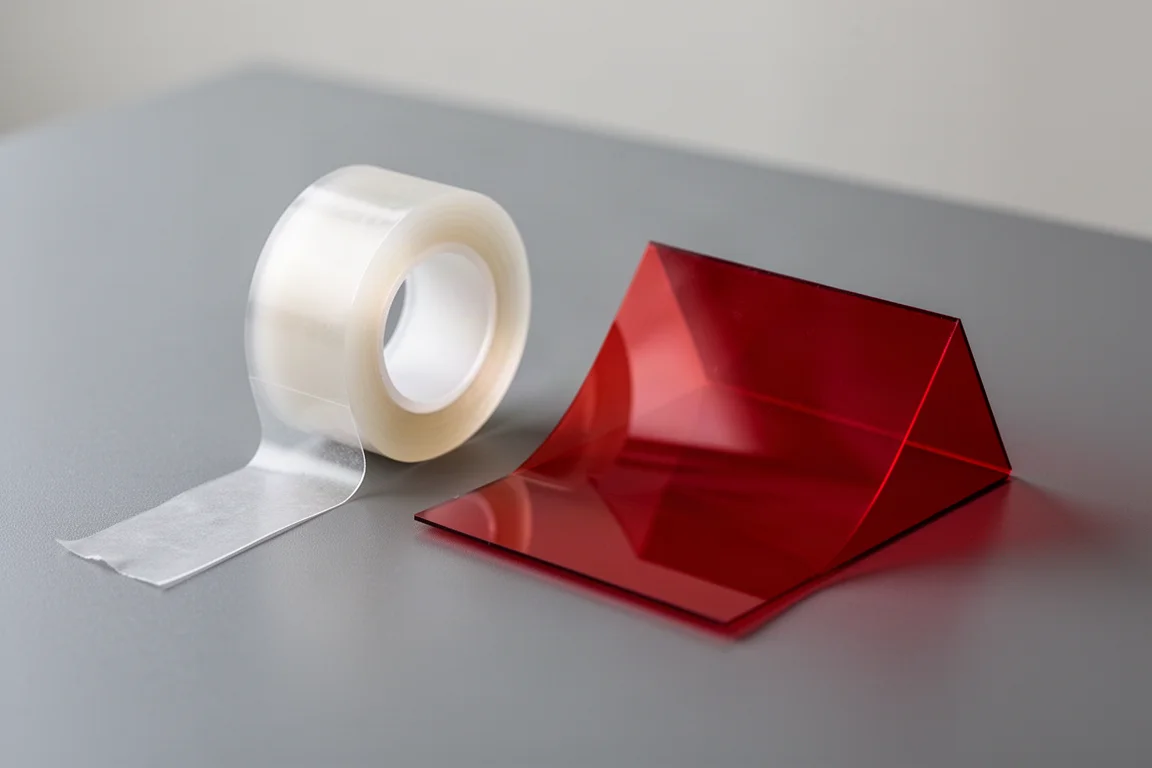
The Kanmido Film Marker Study Tape is a great tool for memorizing vocabulary and other important information. When you place the included red sheet on top of the tape, it hides the text underneath, turning any book page into a self-quiz. It is removable and repositionable, which matters if you are working with a borrowed library book. A pack of refill tapes is worth picking up so you are never without.
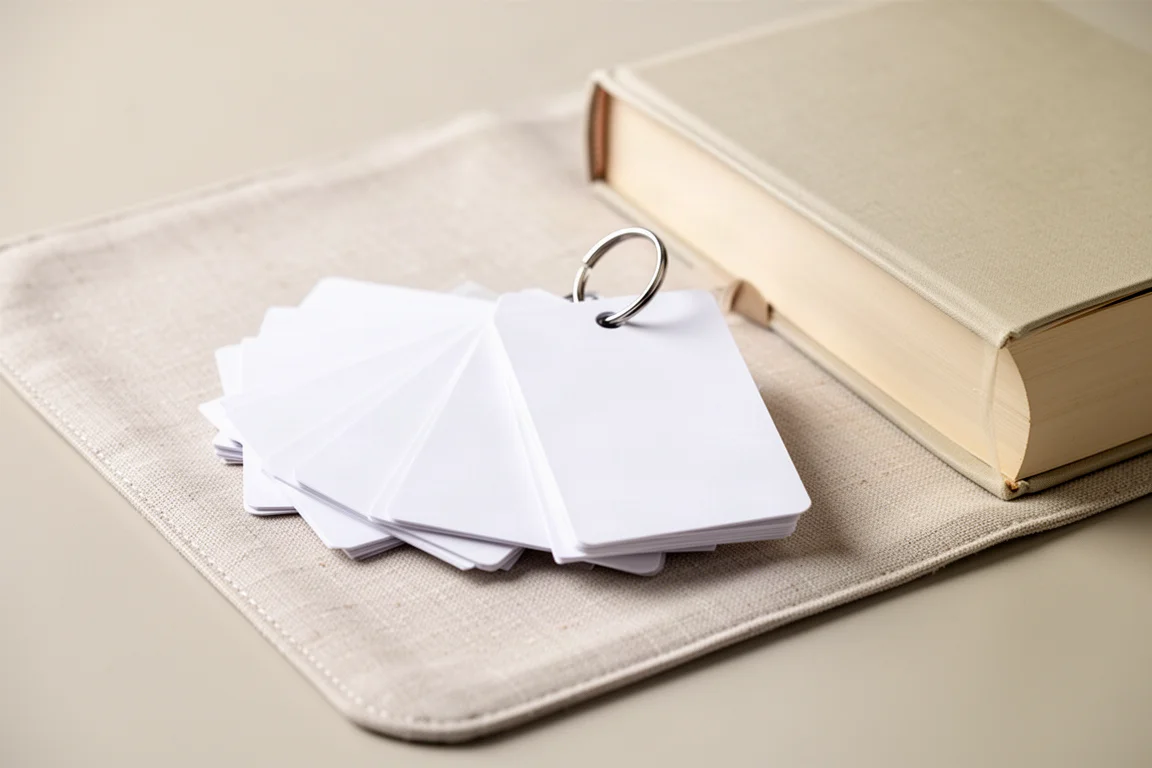
Kokuyo Campus Word Cards let you study vocabulary at home or on the go. Each flashcard is made of high quality drawing paper and is large enough for both words and sample sentences. The ring that holds the cards opens easily for rearranging and randomizing word order, and it stretches around the stack to keep everything together when you tuck the set into a bag or backpack.
Notebooks for Studying at Your Own Pace
The reusable Cansay Nu Board is perfect for breaking down complex sentences or learning vocabulary. It swaps paper pages for whiteboard sheets and comes with one dry erase marker, so you can write, wipe, and try again as many times as you need.
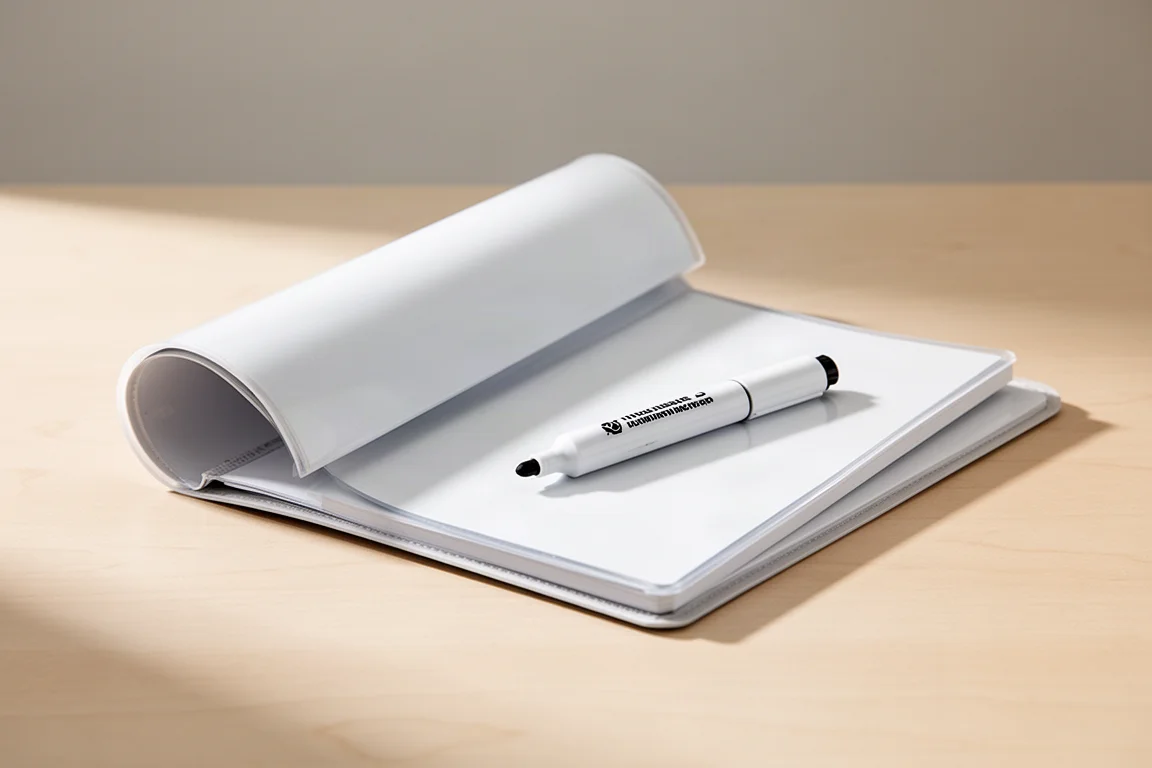
To differentiate the components that make up a sentence, like particles and verb tenses, add more color with other dry erase markers such as the Pilot Board Master S. It is available with either fine or extra fine tips, in black, blue, or red ink, which makes color-coded sentence breakdowns easy to read.
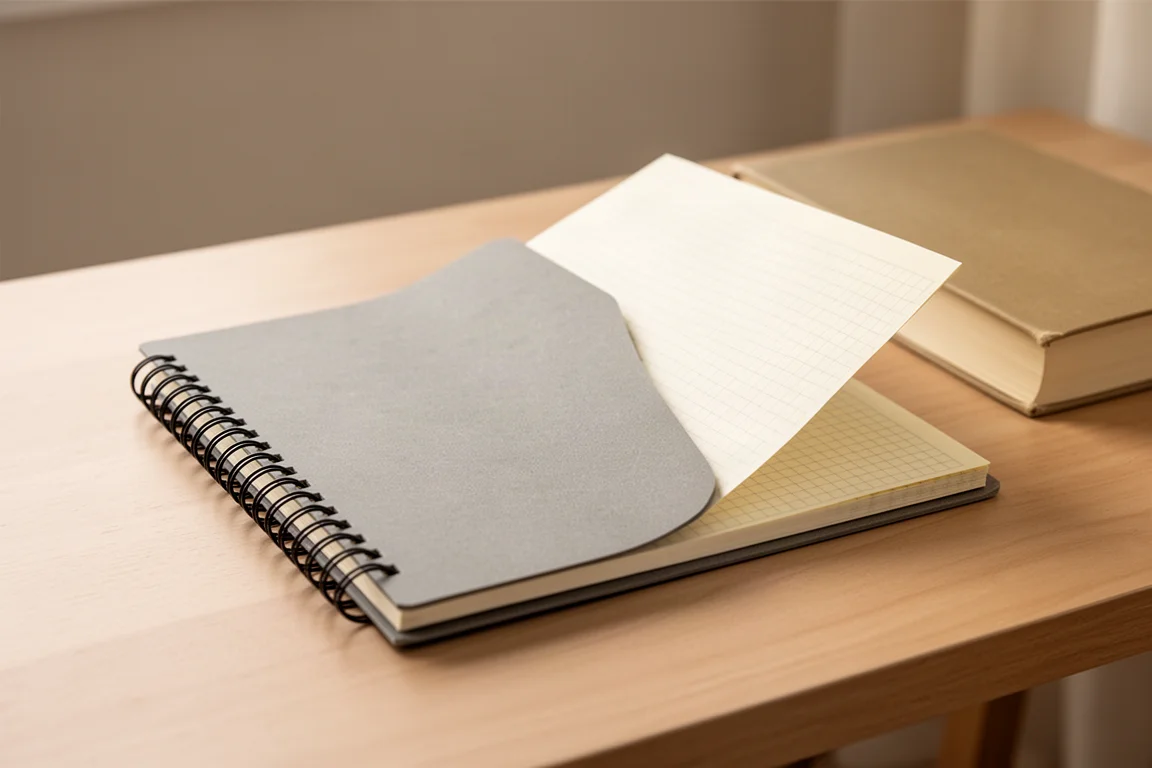
Those who mix digital resources into their language learning should consider the horizontal Delfonics Rollbahn notebook. Its size is ideal for placing in front of a keyboard or alongside textbooks, and orienting it with the rings at the top also works for writing vertically. The Rollbahn is filled with graph paper that keeps notes neat, and its ivory color is easy on the eyes, a welcome reprieve after you have been looking at screens a little longer than you should.
Language Learning Tips for Busy People
The most important part of language learning is to keep it simple and stick to a routine. One approach that works well: work on vocabulary first, practice listening with a short story or podcast, and if time allows, review previous topics or learn new ones. Writing a little bit every session, even just ten vocabulary words, keeps things fresh in your mind.

Enthusiasm runs high when you start learning a language, but slowly life creeps in and you lose steam. That is completely normal, so set achievable goals. Small wins build momentum and keep you motivated. Also be mindful of how you spend your study time: if you find you are reading or listening a lot while ignoring writing or speaking, you know what you need to work on. It is like leg day. Do not skip it.
Conclusion
Good study stationery removes small frustrations, and over weeks of regular practice those small wins add up. Erasable pens keep your notes clean, clever highlighters and flashcards speed up memorization, and reusable boards let you practice without wasting paper. Pick the two or three tools that match your weakest study habit first, then build your routine around them. If you have your own language learning tips, they are always worth sharing with fellow learners.
Further reading
Related Reviews
Stationery
Musgrave Pencils Review: Four Classic Pencils from Tennessee's Last Pencil Factory
We put four Musgrave pencils to paper, from the classic Harvest to the Unigraph 1200 drawing pencil, to see what a century-old Tennessee workshop can still do.
Stationery
Fountain Pen Tiers Explained: From Starter Pens to Luxury Grails
A practical overview of the different levels of fountain pens and inks, from a sub-$20 starter setup to Italian piston fillers and retractable gold-nib everyday carries.
Stationery
HP Premium 32 lb Copy Paper Review: A Fountain Pen Friendly Everyday Printer Paper
A heavy, smooth 120 GSM copy paper that handles fountain pens far better than standard printer stock, with only minor trade-offs in shading and sheen.