Sound Bars
Best JBL Sound Bars 2026: Bar 500, Bar 700, Bar 1000, and Bar 1300X Compared
A practical look at JBL's latest sound bar lineup, from the budget Bar 500 to the flagship Bar 1300X, and how to match each model to the room you actually have.
Introduction
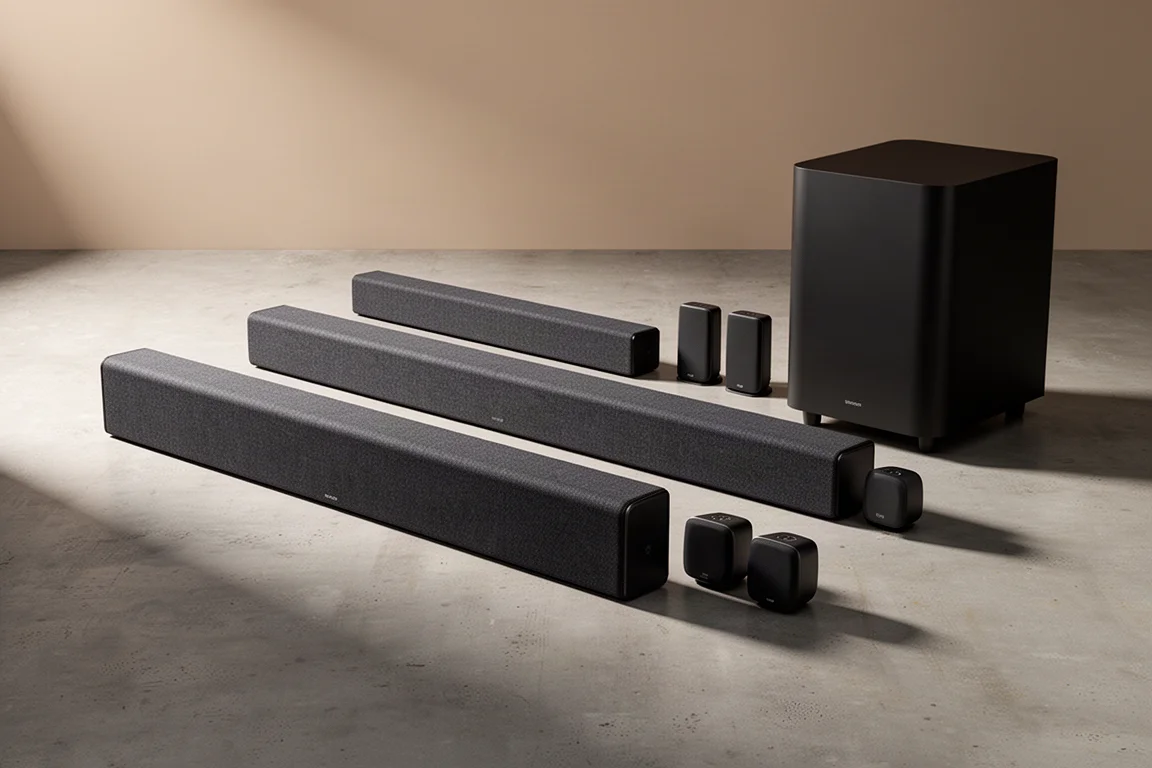
JBL’s newest sound bar range brings several meaningful improvements over the previous generation, and it now covers four models: the Bar 500, Bar 700, Bar 1000, and Bar 1300X. Every one of them plays Dolby Atmos content, every one includes a wireless subwoofer, and every one connects to Wi-Fi for automatic software updates.
The differences between the four come down to a small set of decisions. Two of the bars create overhead effects through processing rather than dedicated drivers. Two of them can decode DTS:X, and two cannot. Two ship with detachable surround speakers that can be placed behind the listening position. Power output, subwoofer size, and the number of up-firing drivers scale up as you move through the range.
This guide starts with the shared technology, then works through each model so you can see which one fits the room you actually have.
How the Lineup Handles Dolby Atmos
All four bars play Dolby Atmos movies and soundtracks, but they get there in two different ways.
The Bar 500 and Bar 700 have no up-firing drivers. Instead they use height virtualization, a processing technique built on carefully designed filters that simulate sound arriving overhead and all around the listener. The advantage is flexibility: because the bar does not depend on ceiling reflections, it can be placed in rooms where bouncing height effects off the ceiling is not realistic. Height virtualization is genuinely useful in the right setting, but it does not match dedicated up-firing speakers for immersion.
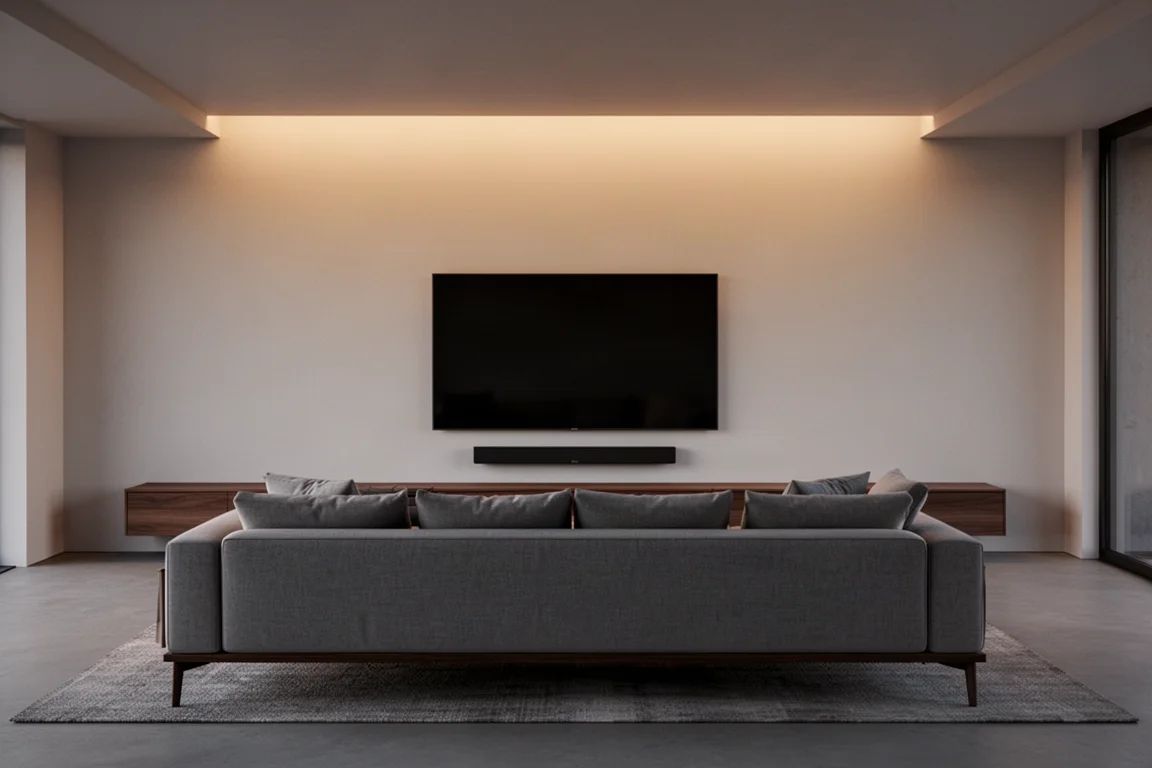
The Bar 1000 and Bar 1300X take the other route. They use dedicated up-firing drivers that fire sound upward at an angle so it reflects off the ceiling and back down into the listening area. This approach needs a ceiling roughly 8 to 12 feet high with a clear path for the sound waves, which means no light fixtures, fans, or other obstacles in the way. These are also the only two models in the lineup that can decode DTS:X content; the Bar 500 and Bar 700 cannot.
Every bar in the range also includes JBL’s MultiBeam technology, a signal processing method that uses digital algorithms to widen the soundstage and create a more enveloping presentation. All four work with Alexa, Google, and Siri, so a voice assistant-enabled device can play music through the bar, and all four connect to Wi-Fi for automatic software updates as they arrive.
Smart Features, Room Calibration, and Subwoofers
The JBL One app is one of the more useful additions to this generation. It handles EQ customization, manages all compatible speakers from a single place, provides access to personalization settings, and includes room calibration along with browsing of integrated music services. Room calibration is included on every bar in the lineup and the process is simple, which matters because it tunes output to the room the bar is actually used in. Each bar also opens up more than 300 online music streaming services through AirPlay, Alexa multi-room music, and Chromecast built in.
Dialogue clarity gets its own technology in Pure Voice, which uses advanced algorithms to enhance the clarity, richness, and depth of voices in real time. If you are coming from TV speakers or an older sound bar, the difference in how easily you follow dialogue is immediately apparent, even in scenes with a lot of simultaneous sound effects.
Subwoofers are included across the range, and all of them are wireless, so you only need an outlet nearby rather than a cable running from the bar. The Bar 500, Bar 700, and Bar 1000 come with a 10-inch subwoofer, while the Bar 1300X steps up to a 12-inch unit. A subwoofer takes on the low-frequency work so the bar can concentrate on clean mids and highs, which is what produces a more dynamic and balanced result than a bar on its own.
JBL Bar 500: The Entry Point
The Bar 500 is the budget entry in this lineup, and it shares the same core features as the rest of the range: Dolby Atmos playback, MultiBeam processing, the JBL One app with room calibration, voice assistant support, Wi-Fi with automatic updates, and a wireless 10-inch subwoofer. It delivers 590 watts of power, and it is closely related to the JBL Bar 300, with the addition of that subwoofer being what turns it into a complete home theater package rather than a bar alone.
It also replaces the previous-generation Bar 5.1, a model that had been a popular lower-budget option since its 2020 release. The upgrades are worth noting: eARC instead of ARC allows uncompressed Dolby Atmos, and the new bar adds Bluetooth 5.0, a wall mounting kit, and room calibration through the JBL One app.
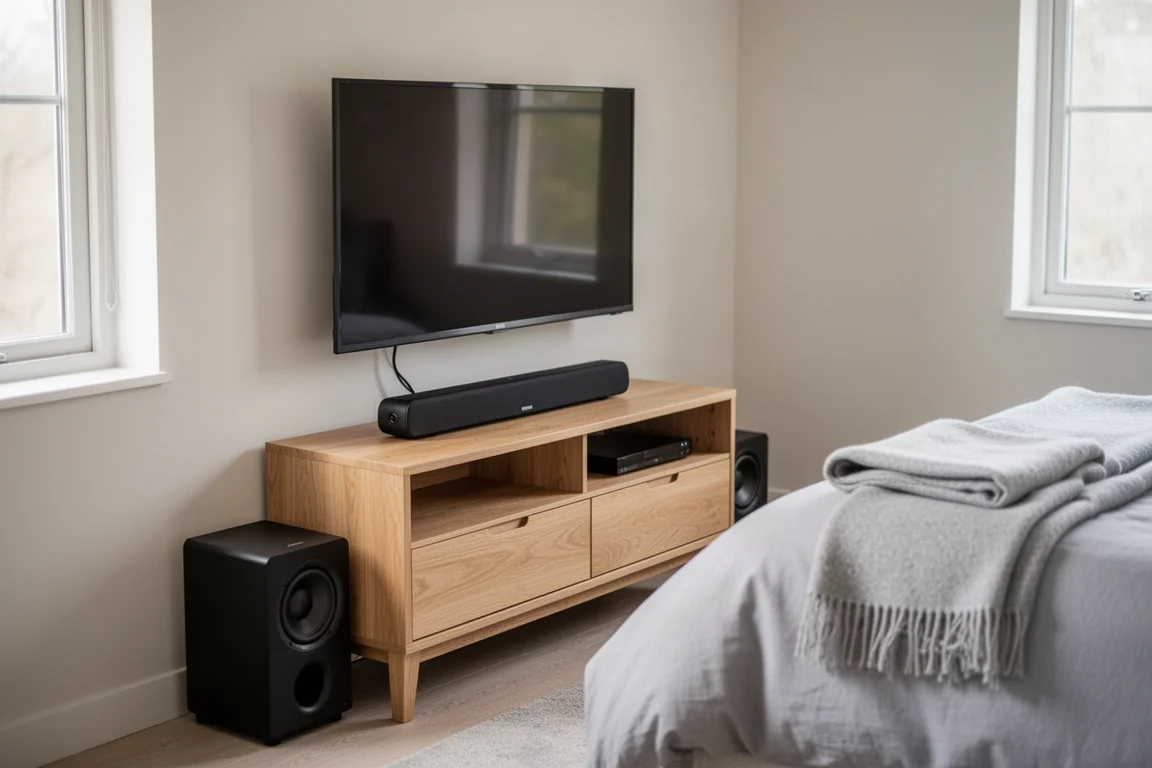
In everyday use, dialogue comes through rich and clearly ahead of what standard TV speakers deliver, and the subwoofer is the standout element, producing a generous amount of bass that puts you in the middle of action scenes. Because there are no up-firing drivers, overhead and surround cues come from height virtualization, which handles those effects reasonably well at this level without matching the separation of dedicated up-firing speakers.
The Bar 500 makes the most sense in a room that cannot support ceiling-based effects, such as a space with a lower ceiling or with fixtures and fans interrupting the reflection. Its compact size also suits smaller rooms, including a bedroom or office of roughly 10 by 10 feet.
JBL Bar 700: Detachable Surrounds
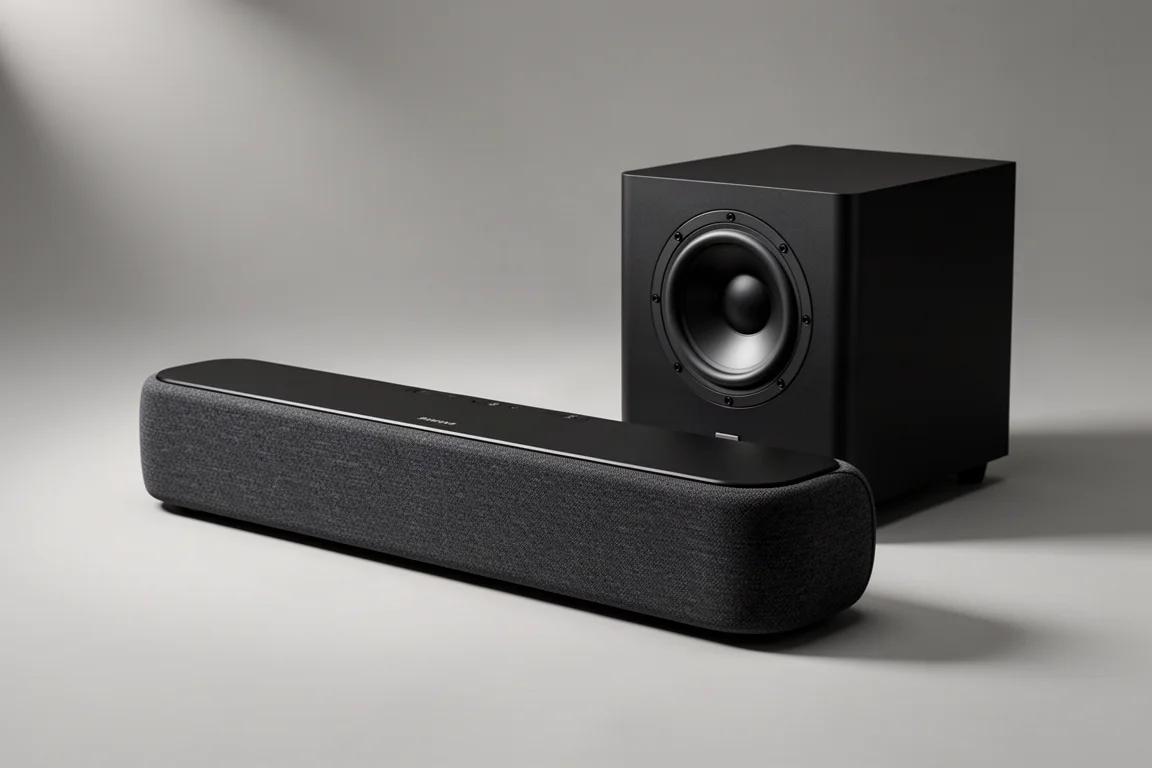
The Bar 700 builds on the Bar 500 with one significant addition: detachable rear speakers. Like the Bar 500, it has no up-firing drivers and relies on height virtualization for overhead effects, and it includes the same 10-inch wireless subwoofer.
With the surround speakers docked to the main bar, the two extra drivers add a slightly fuller sound, though the difference is minimal. The real value appears when you undock them: you charge the speakers, remove them, and place them behind and to the sides of your listening position for genuine surround sound from dedicated speakers. Paired with room calibration in the JBL One app, that arrangement lifts home theater performance well above the Bar 500, and surround effects in Dolby Atmos films become noticeably more convincing.
The Bar 700 suits a room similar in size to the one that suits the Bar 500, provided you have space to place the detachable speakers behind you. If hearing effects arrive from behind the seating position is the priority, this is the model to choose over the Bar 500.
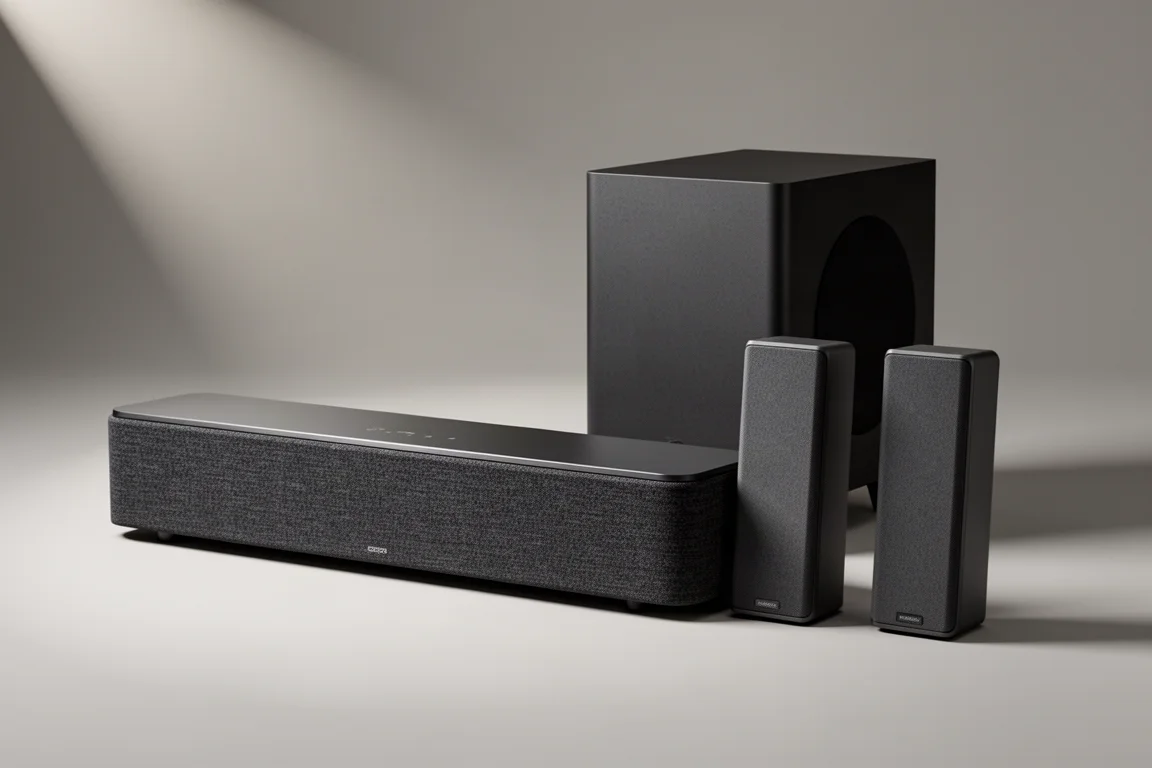
JBL Bar 1000: Dedicated Up-Firing Drivers
The Bar 1000 moves into a more serious category of sound bar. It keeps the 10-inch wireless subwoofer used by the two smaller models but adds what they lack: dedicated up-firing drivers. Total power is 880 watts, with two up-firing drivers in the main bar and two more built into the detachable surrounds. It is also one of only two models in the lineup that can decode DTS:X.
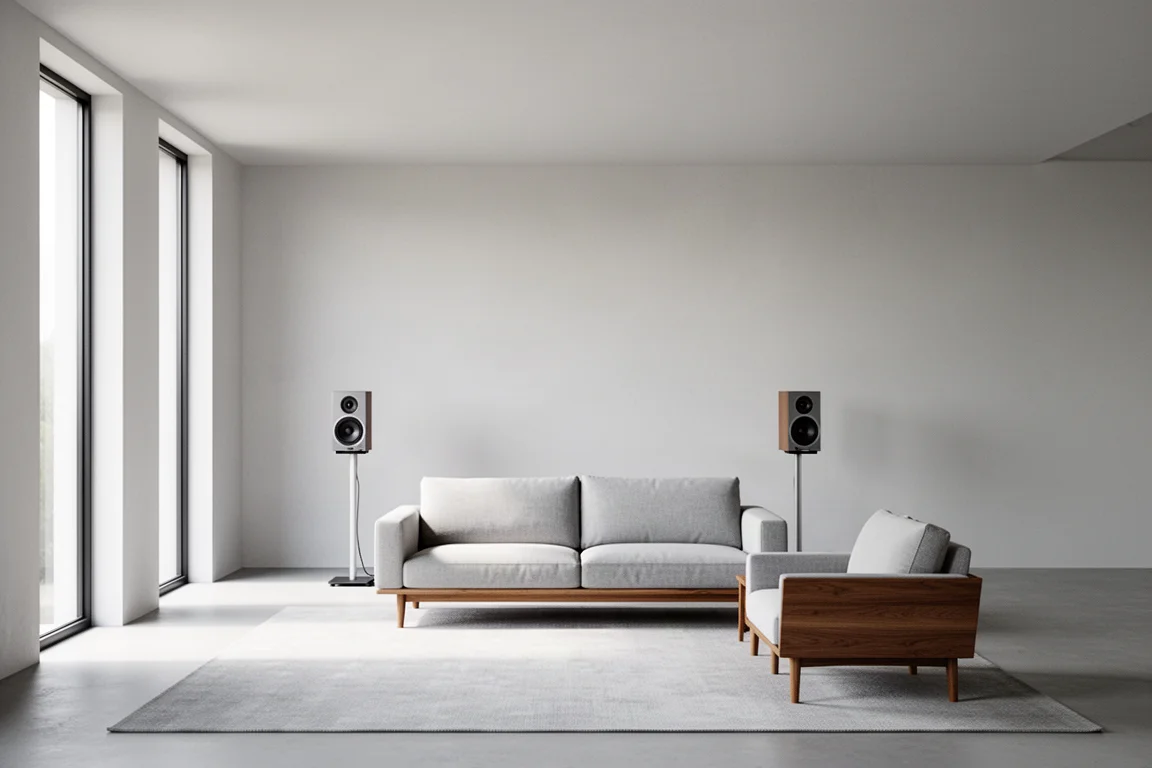
That driver arrangement is what changes the experience. With the surrounds placed behind the listening position, their up-firing drivers work alongside the ones in the bar to build a 360-degree bubble of sound, and the difference in Atmos content is immediately noticeable, especially in effects that travel overhead.
The Bar 1000 is at its best in a medium to large room with a ceiling between roughly 8 and 12 feet and a clear path for the height channels. If that describes your space, the extra power and the height effects make it a clear step up from the Bar 700.
JBL Bar 1300X: The Flagship
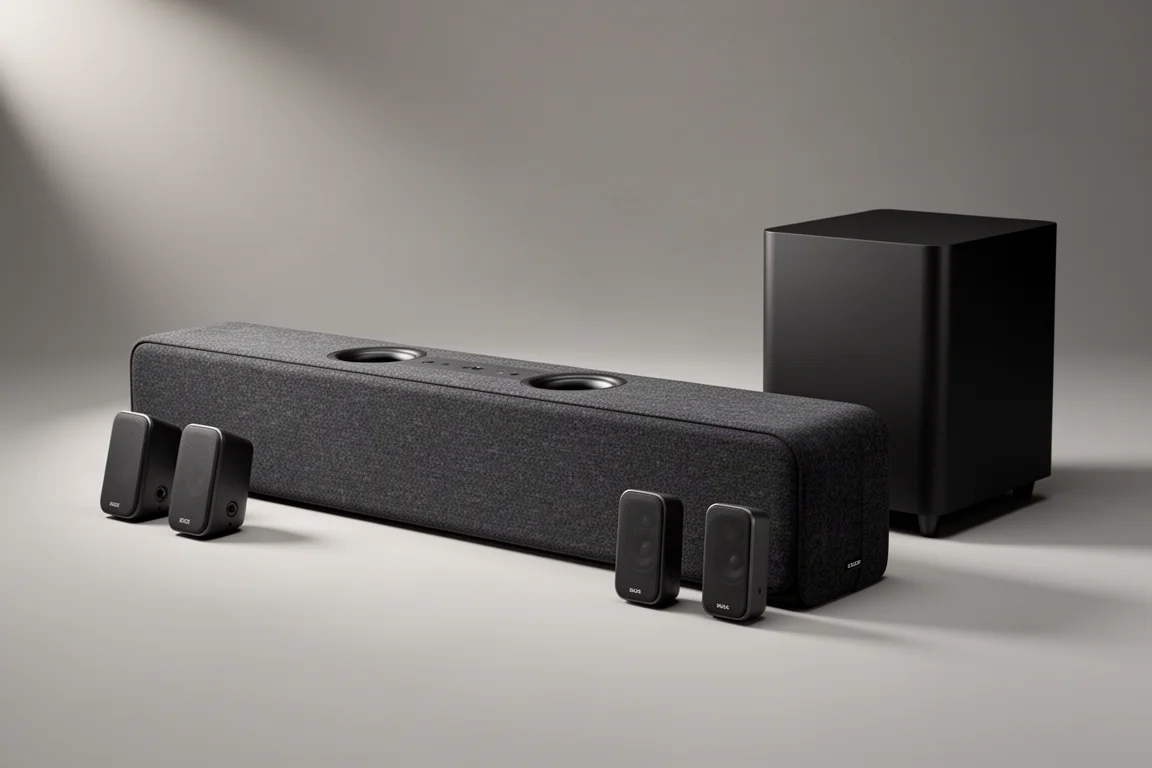
The Bar 1300X sits at the top of the range as an 11.1.4 sound bar with 1170 watts of total power. It carries four up-firing drivers in the main bar and one more in each detachable speaker, six in total, and it pairs them with the largest subwoofer in the lineup at 12 inches. Like the Bar 1000, it can decode DTS:X.
The detachable speakers also get two useful upgrades. They charge over USB-C, so you no longer need to dock them to the bar just to top up the battery, and each one has its own power button. They can even be paired together without the sound bar, which means you can take them outside, link them, and use Bluetooth to run a stereo setup on their own.
Dialogue handling is a highlight. Quiet, conversation-driven scenes come across with depth and naturalness, and even dense action sequences where low-frequency effects tend to swallow speech stay intelligible, thanks to the way the 12-inch subwoofer handles the low end. With the detachable rears positioned behind you, Atmos effects bounce off the ceiling and envelop the listening area while the bass stays powerful, fast, and tight.
The Bar 1300X is the model to choose if you are upgrading a home theater in a room that is less than ideal, because the detachable surrounds provide placement freedom a fixed configuration cannot. It delivers the most complete home theater experience of any bar in this lineup.
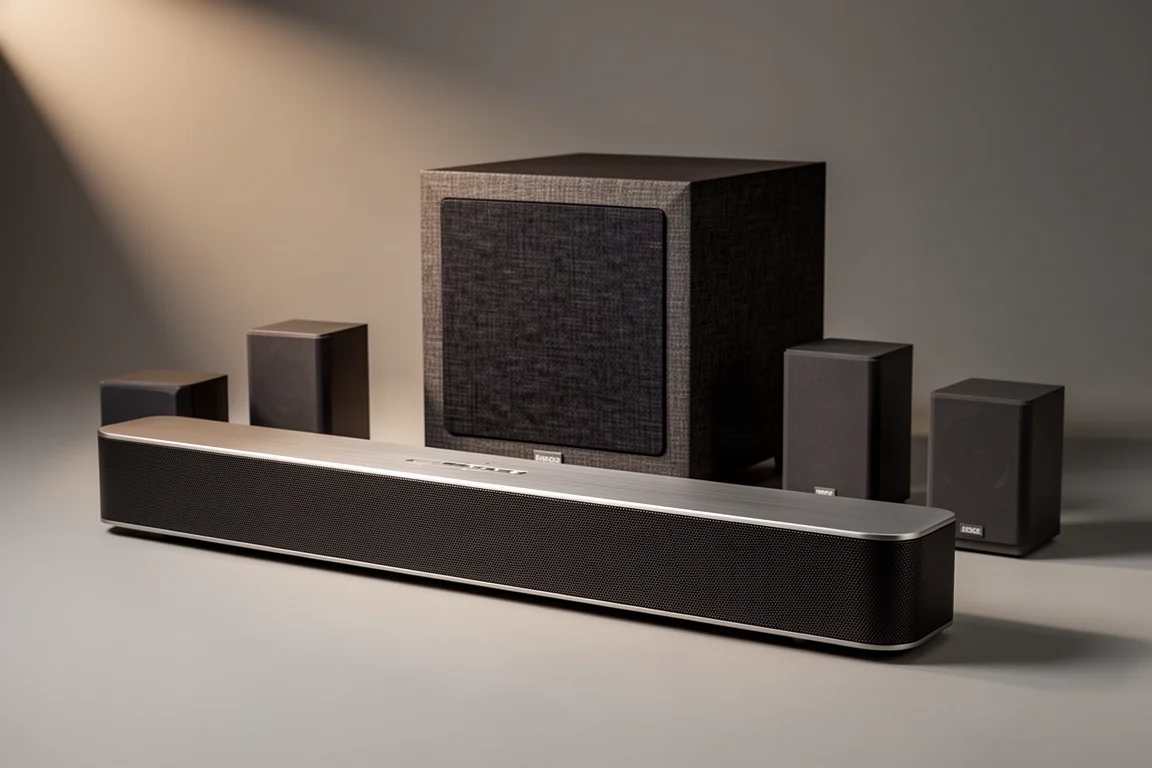
Which JBL Bar Should You Choose?
Start with your ceiling and your room size, because that is what separates these four models more than anything else.
If your ceiling is low or obstructed, or the room is small, the Bar 500 is the natural starting point. Step up to the Bar 700 if you also want dedicated speakers behind you, since it keeps the same approach but adds real surround placement.
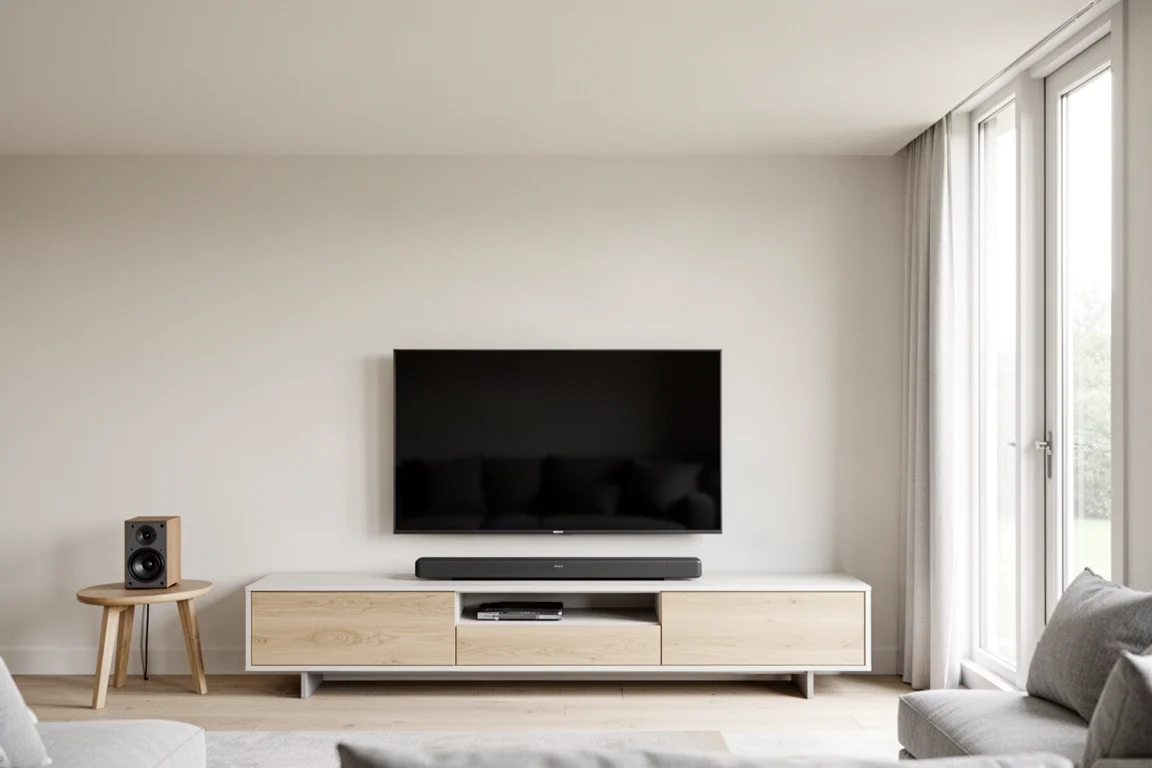
If you have a ceiling in the 8 to 12 foot range with a clear path for the height channels, the Bar 1000 becomes the more rewarding option for a medium to large room. The Bar 1300X then takes the same idea further with six up-firing drivers, a 12-inch subwoofer, and detachable surrounds that charge over USB-C and can operate as a standalone Bluetooth stereo pair, which is the most flexible setup in the range.
One more thing to weigh: DTS:X decoding is limited to the Bar 1000 and Bar 1300X. If you have a library of DTS:X content, that narrows the choice quickly. Otherwise, every model here shares the same core foundation, including Dolby Atmos playback, the JBL One app with room calibration, voice assistant support, Wi-Fi updates, and a wireless subwoofer.
Conclusion
All four bars are capable of an impressive home theater experience, and the right pick depends far more on your room than on the spec sheet. Match the bar to your ceiling, your space, and whether you want dedicated speakers behind you, and any of these models will be a substantial upgrade over TV speakers or an older sound bar.
Further reading
Related Reviews
Sound Bars
Klipsch Heritage Theater Bar Review: A Passive Sound Bar Built to Last
A passive three-channel sound bar with heritage-grade drivers, outstanding dialogue clarity, and a firm requirement for a receiver, room correction, and a subwoofer.
Sound Bars
Roku Streambar Pro Review: A $179 Sound Bar That Grows Into Wireless 5.1
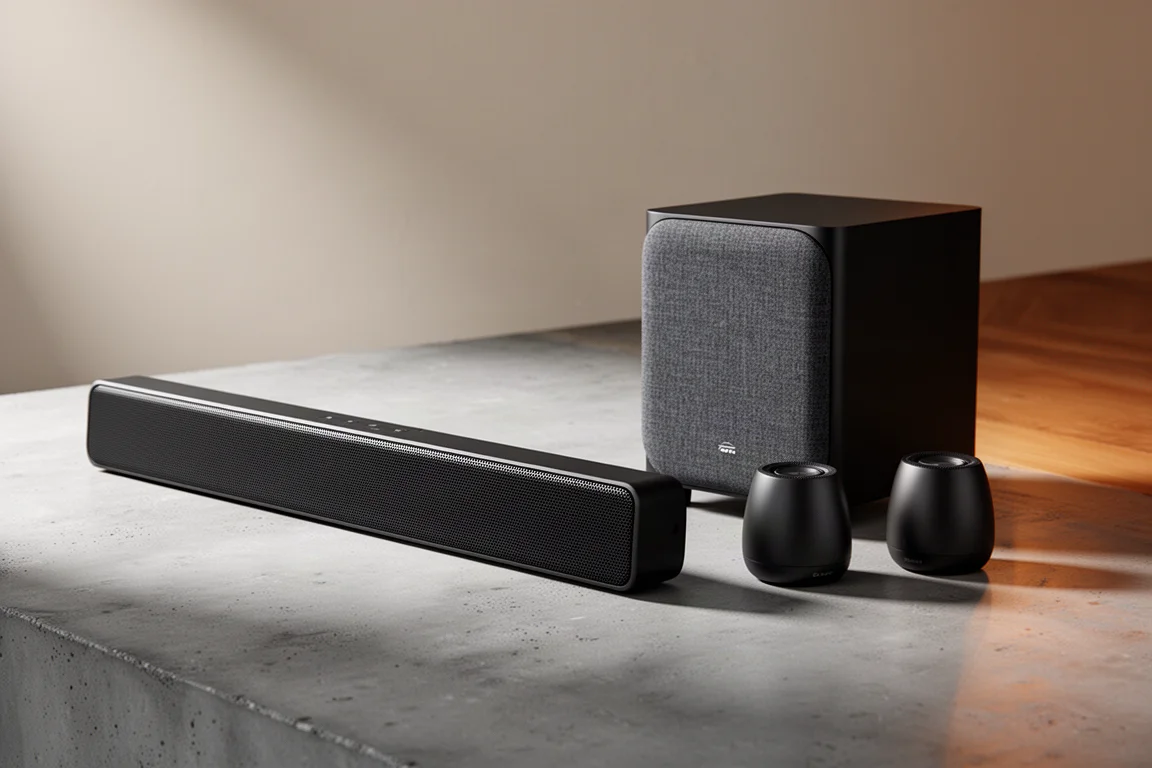
The Roku Streambar Pro pairs a 4K HDR streamer with a $179 sound bar, and the Roku Wireless Subwoofer and Wireless Speakers can grow it into a wireless 5.1 system for under $660.
Sound Bars
Sonos Arc Review: A Sound Bar Built for Television, Not for Music
The Sonos Arc transforms television sound with clear dialogue, punchy bass and deep low-end extension, but music stays pinned beneath the screen. Here is what to weigh before buying.