Stationery
9 Japanese Stationery Picks That Make Everyday Writing Better
From shaker mechanical pencils to gentle-ring binders, these Japanese stationery picks show how thoughtful design upgrades ordinary note-taking.
Introduction
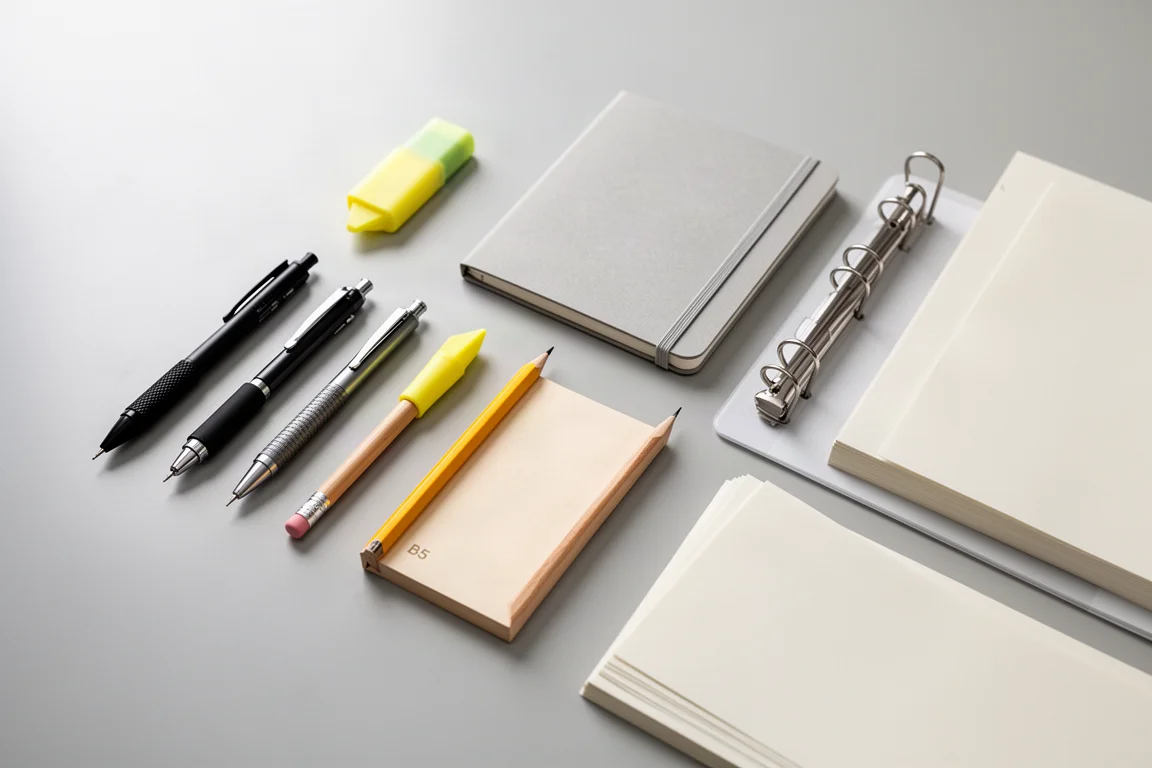
Japanese stationery has a way of making ordinary tasks feel better. Writing becomes smoother, highlighting becomes neater, and even a basic wooden pencil turns out to be more thoughtfully made than you expected. This roundup gathers nine picks that show the range, from overengineered mechanical pencils to binder paper designed not to tear. If you are upgrading a desk setup or just curious what the fuss is about, these are the pieces worth starting with.
Mechanical Pencils With Real Engineering
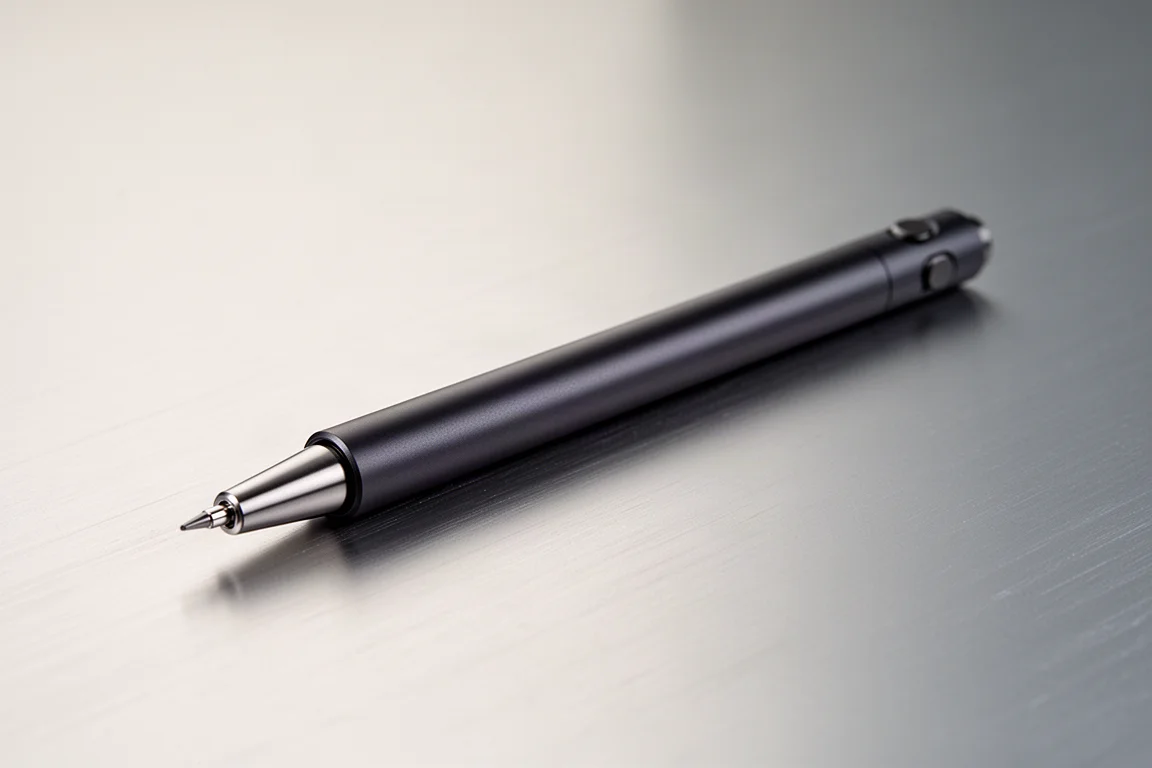
Japanese mechanical pencils are packed with features that make writing more comfortable, and three models illustrate the point perfectly.
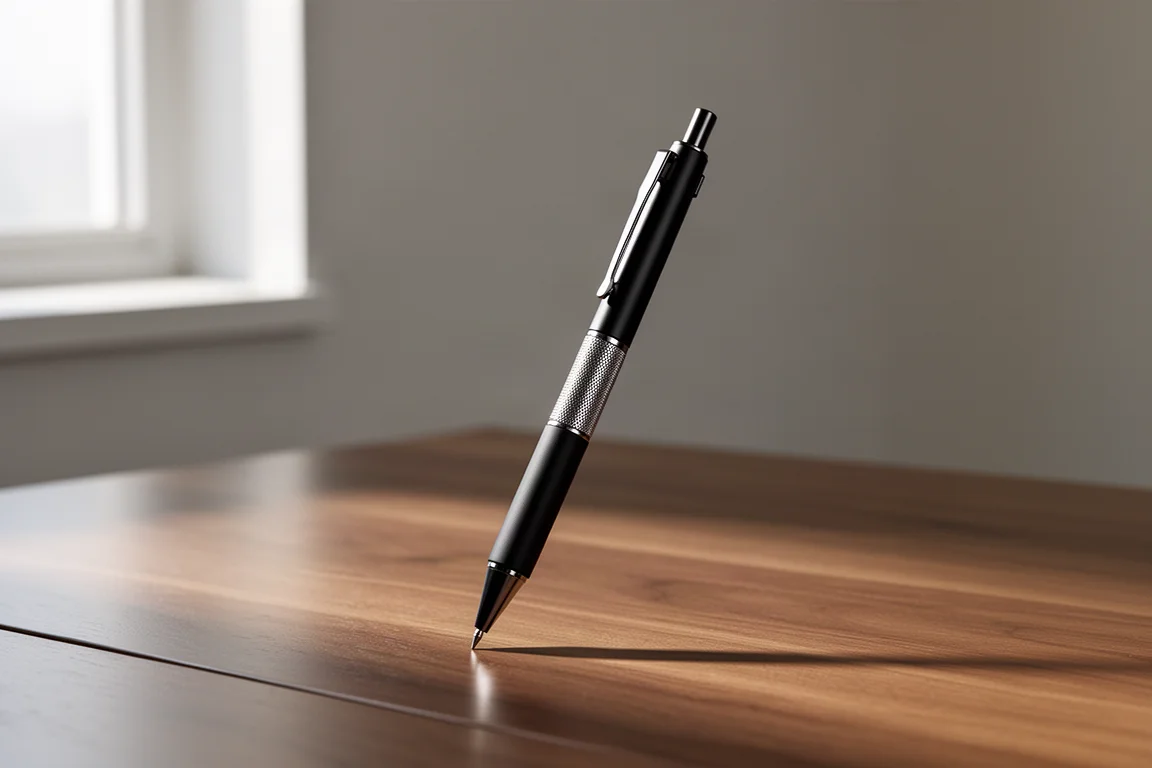
Tombow Mono Graph
The Tombow Mono Graph has a shaker mechanism that lets you extend lead without ever touching a click button. It is a small idea with a big payoff: your writing rhythm never has to break.
Uni Kuru Toga
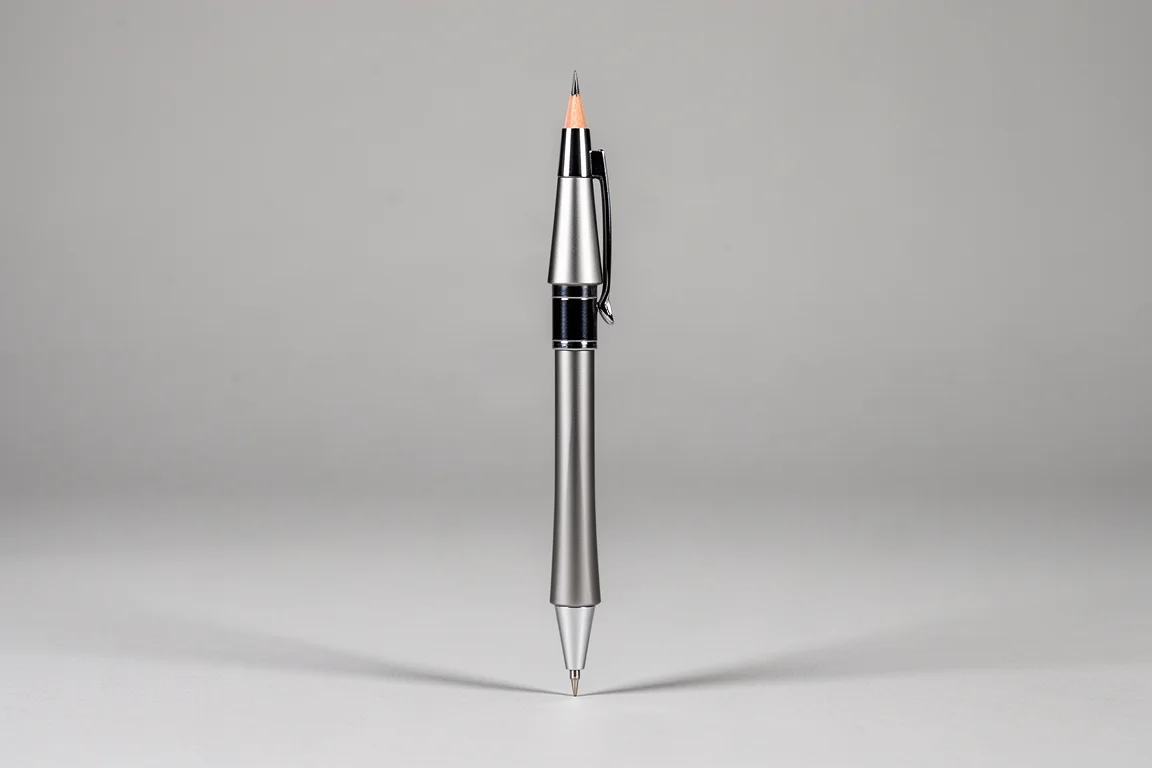
The Uni Kuru Toga takes a different approach. Its auto-rotating mechanism turns the lead as you write, so the tip stays crisp and sharp instead of flattening out. The result is a consistently clean line across long writing sessions.
Pentel Orenz AT
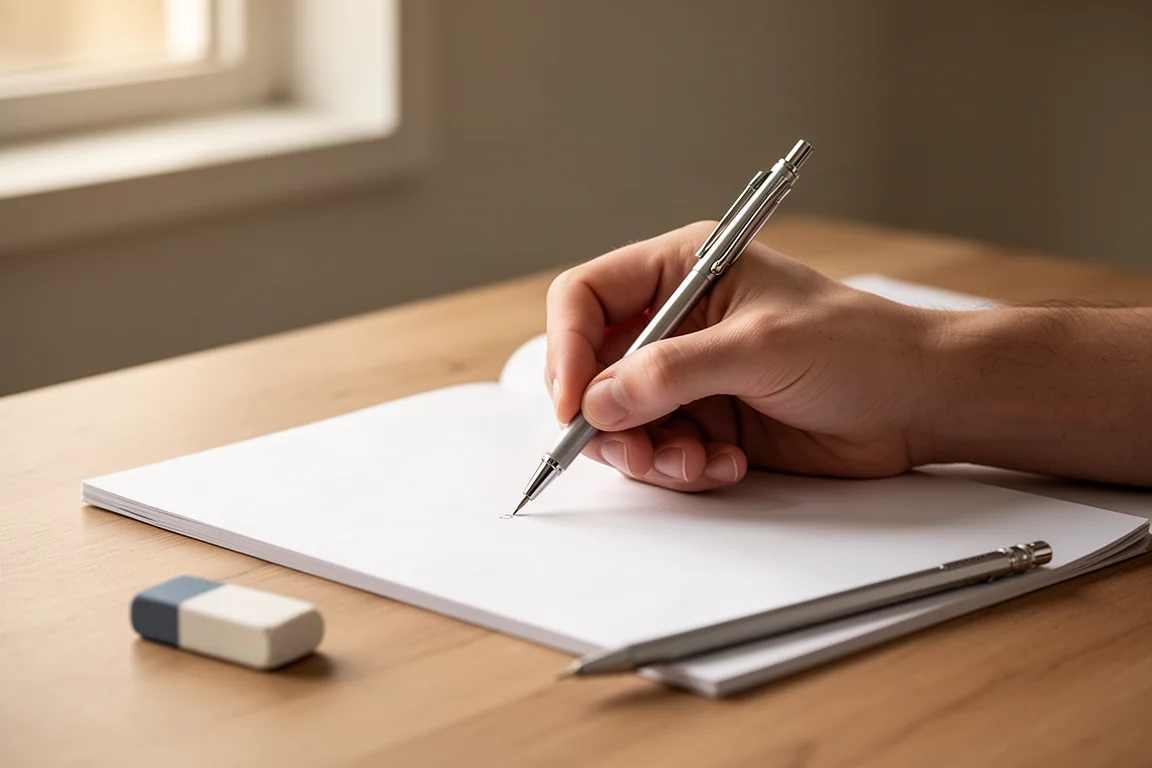
The Pentel Orenz AT automatically extends lead as it wears down, so you can write without any interruptions at all. Between the three, the choice comes down to whether you prefer shaker, rotating, or fully automatic lead feed.
Ballpoint Pens That Are Actually Nice to Write With
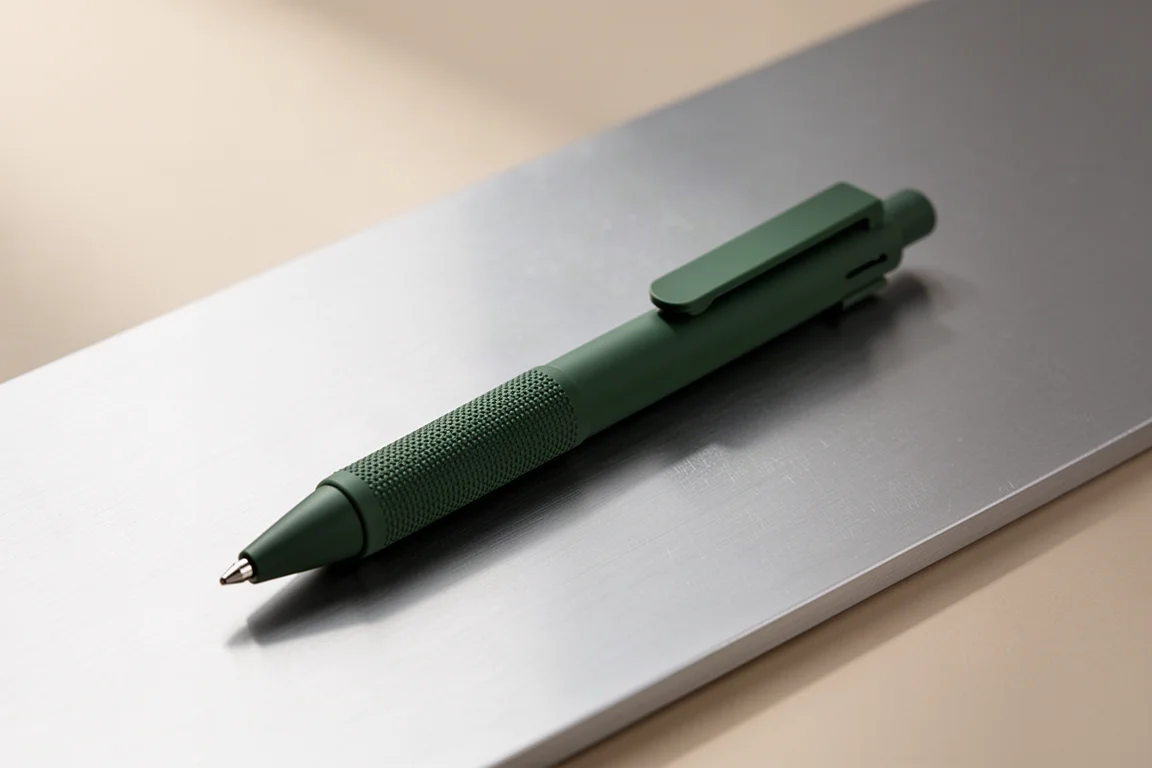
Many ballpoint pens from big box stores skip and demand pressure to write. Pens from Japan often fix this with low-viscosity ink, which is thinner and flows better for a noticeably smoother experience.
The Pentel Calme is a great example. It features that low-viscosity ink, a quiet click mechanism, and a gently textured grip, making it comfortable and distraction-free for long writing sessions.
Highlighters That Play Nice with Ink
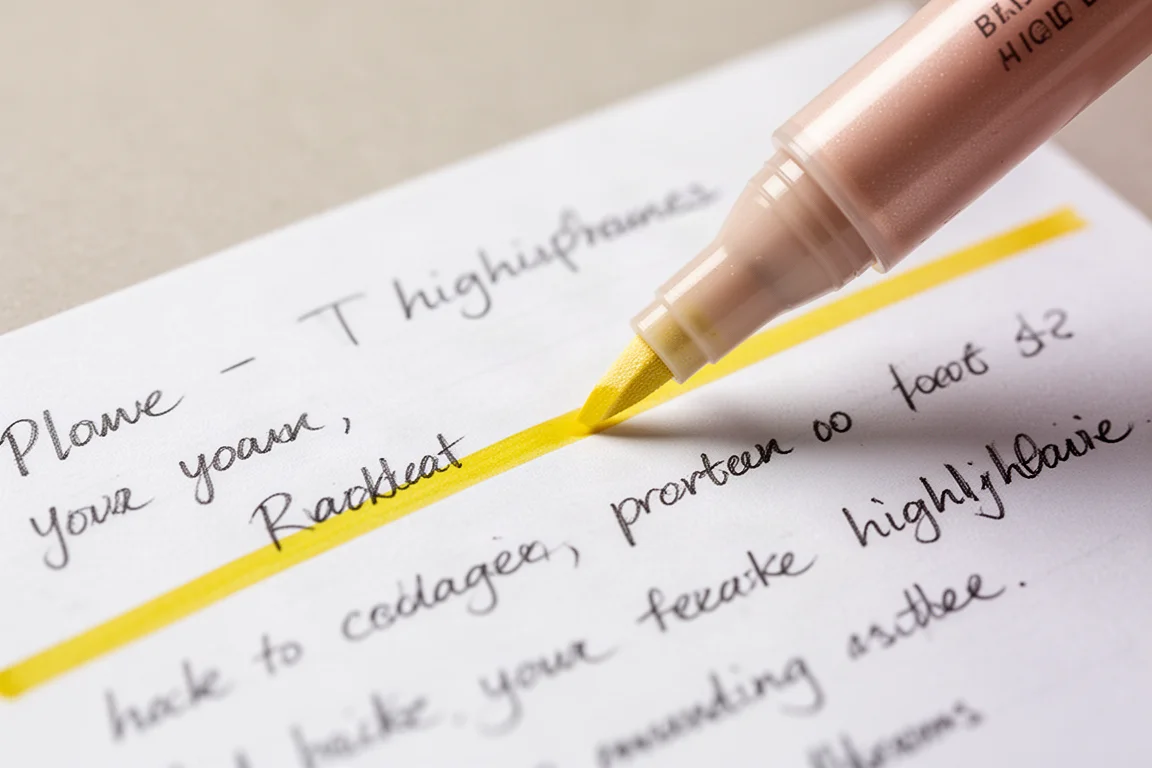
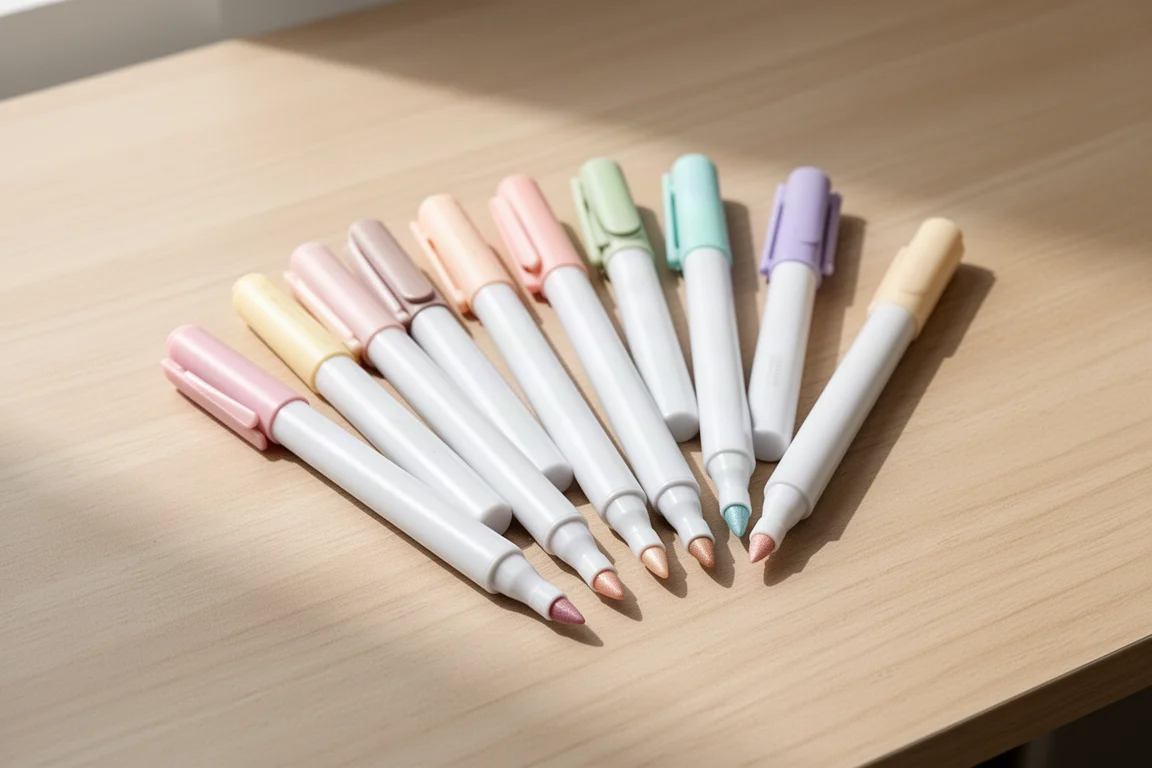
The typical Western highlighter is clunky, smears notes, and highlights unevenly. The Zebra Justfit Mojini Line Highlighters take a smarter route: the ink is formulated to bind with water-based ink, so smudging is kept to a minimum, if it happens at all.
Their chisel tips also flex and stay flush with the page, creating an even highlight every time. At just under $2 a pop, they are well worth the price.
Yellow Pencils That Are Anything But Basic
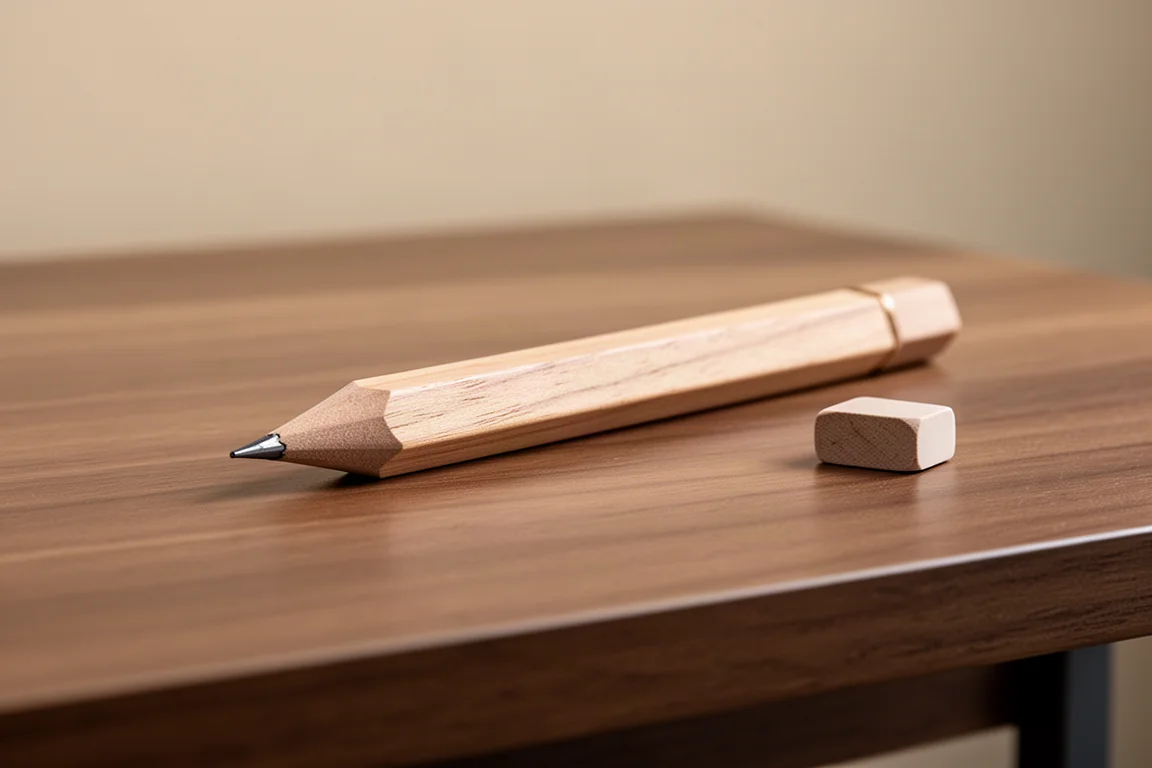
The Tombow 2558 looks exactly like the yellow wooden pencils of your school days, but the similarities end there. It sharpens cleanly, writes smoothly, and erases well, all for a little over a dollar.
It comes in three lead grades. Choose HB if you want the equivalent of a number 2 pencil, H for something lighter, or B for something darker.
Notebooks That Feel More Premium Than They Cost
Next to a standard composition notebook, the Apica C.D. Notebook looks classy and elegant, yet it is comparable in price. The trade-off is honest: the standard notebook has more pages, but the writing experience is where the difference shows.
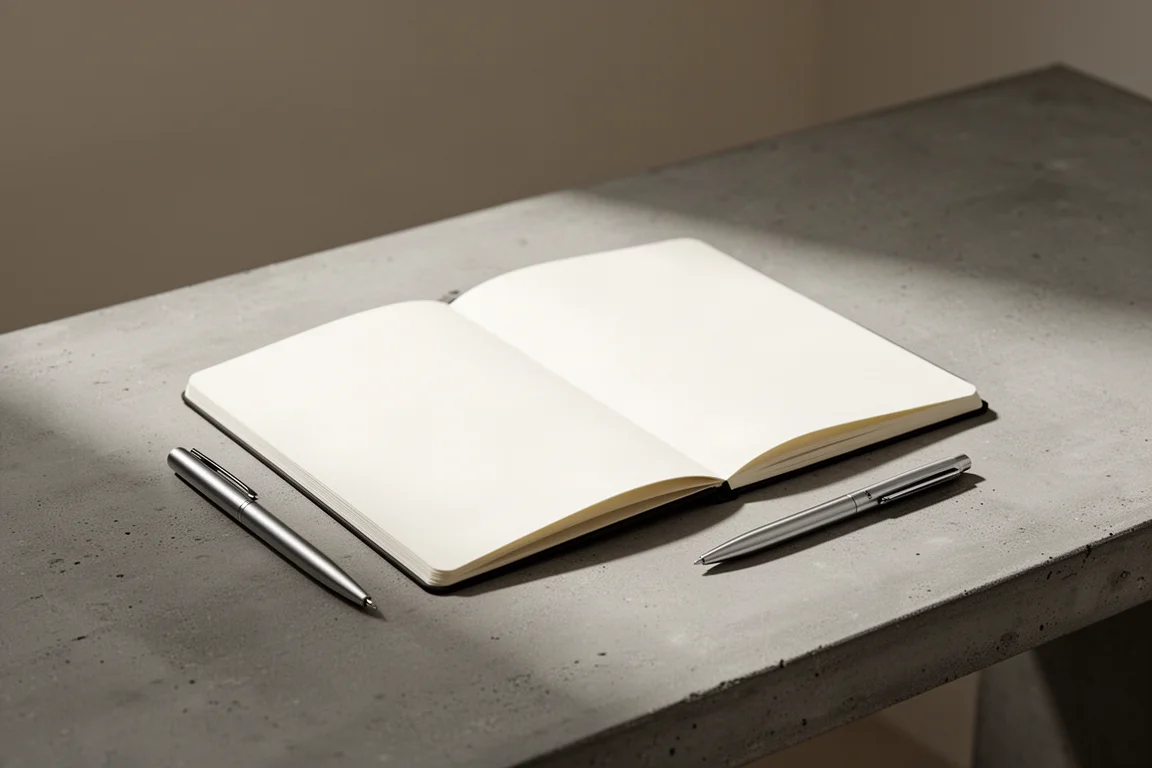
On the page, the Apica feels smoother, holds ink better, and has less showthrough. For anyone who cares how ink sits on paper, that combination is hard to beat at the price.
Binders That Literally Do Not Bite
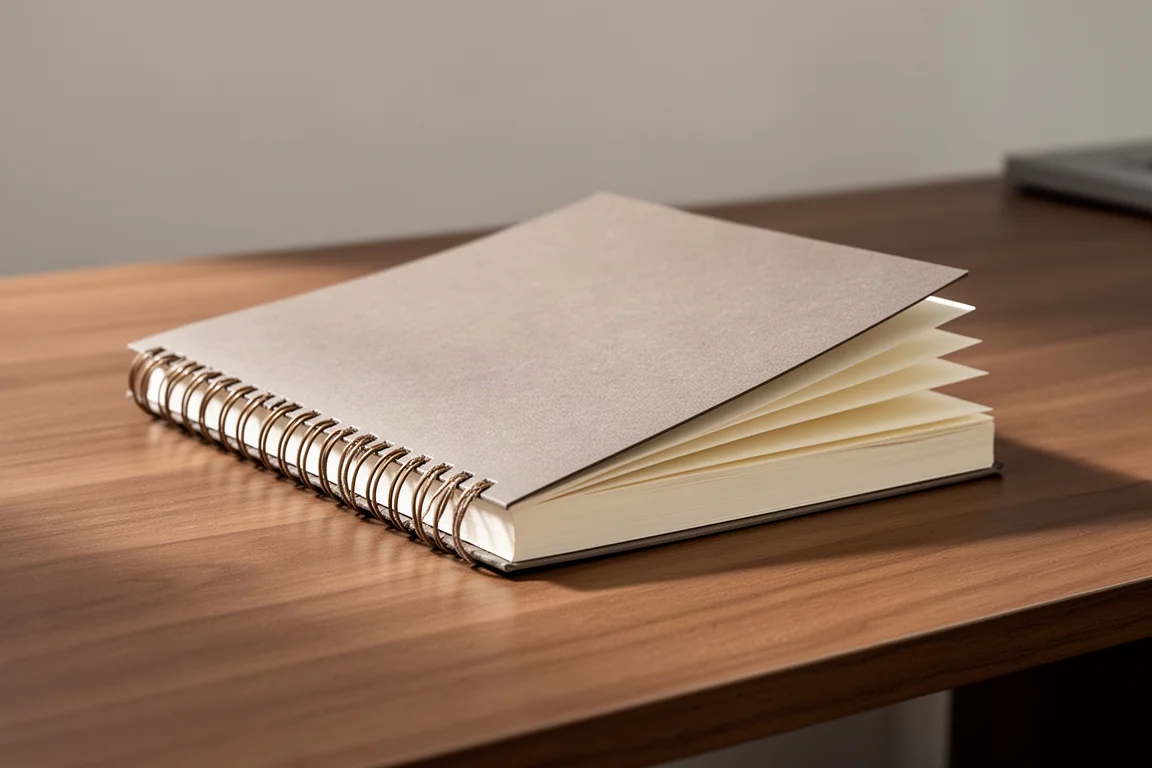
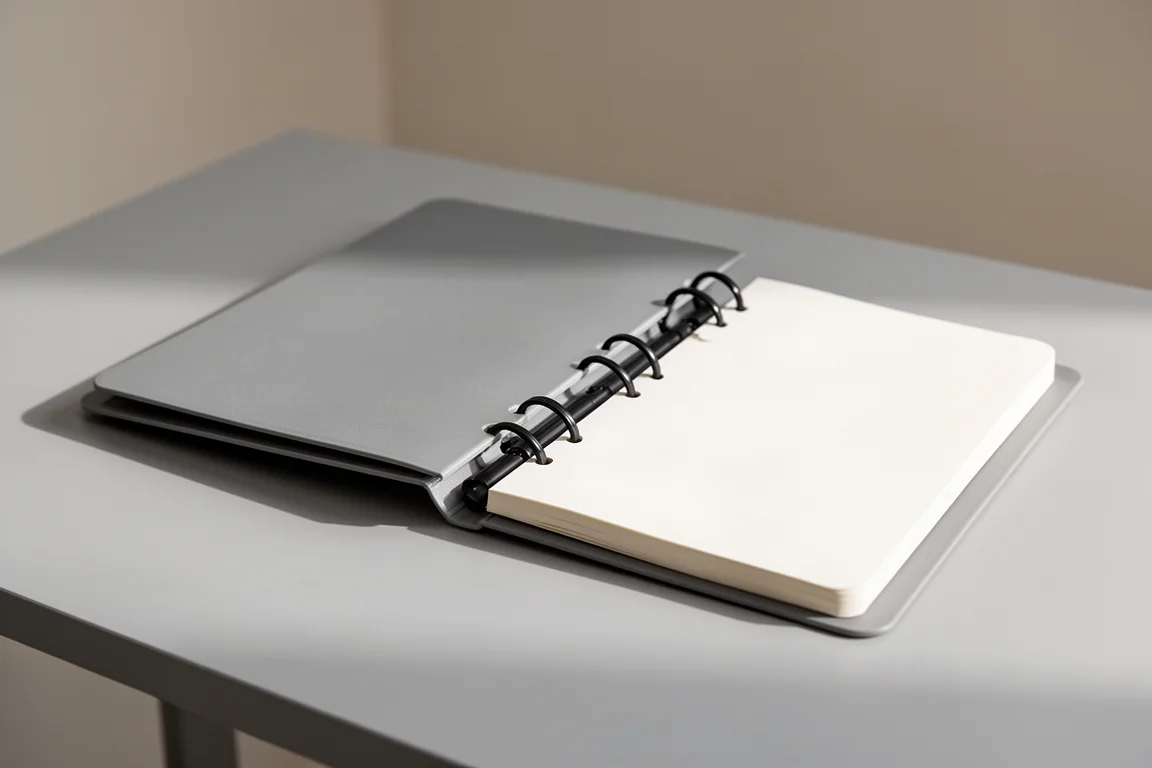
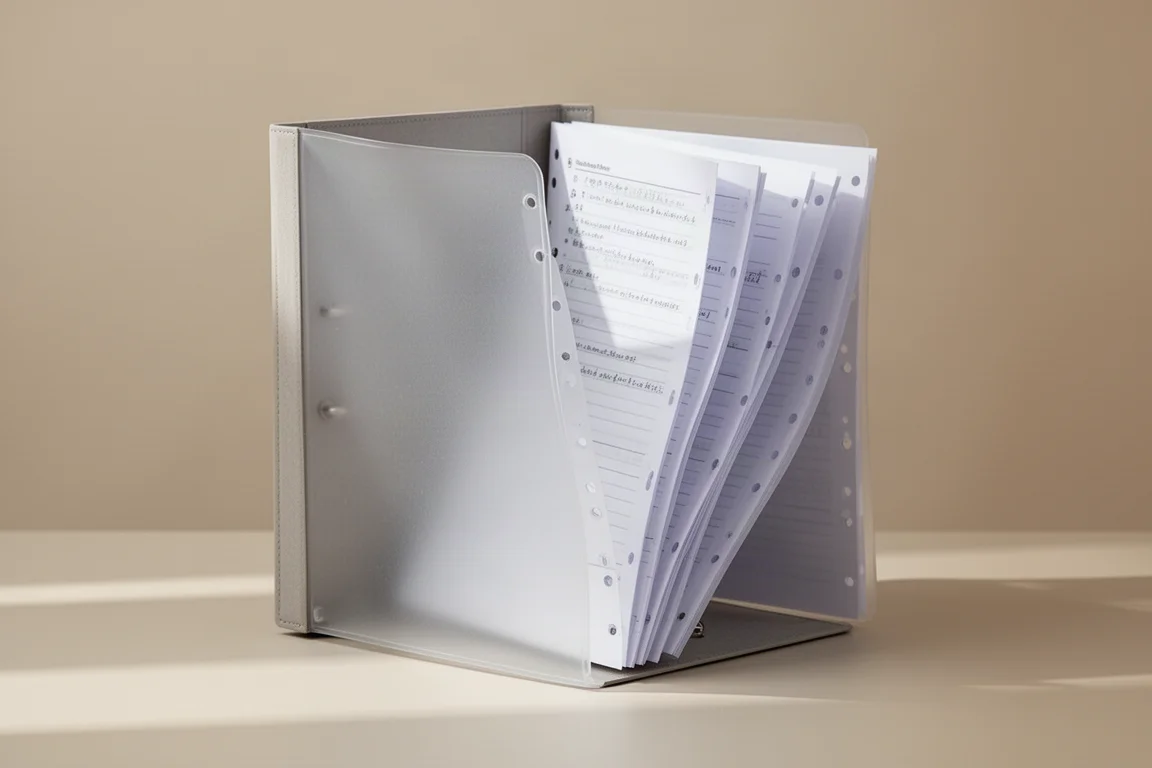
A typical three-ring binder is unpleasant to open and close, and the rings can be rough on your fingers. Japanese binders like the Maruman Kurufit are slim, flexible, and stylish, and their rings open easily and gently.
The one concession: standard binders win on large capacity. If you need to keep a big stack of items together, a traditional binder still has the edge. For everyday flexibility and finger safety, the Kurufit is the nicer object to live with.
Binder Paper That Survives the Rings
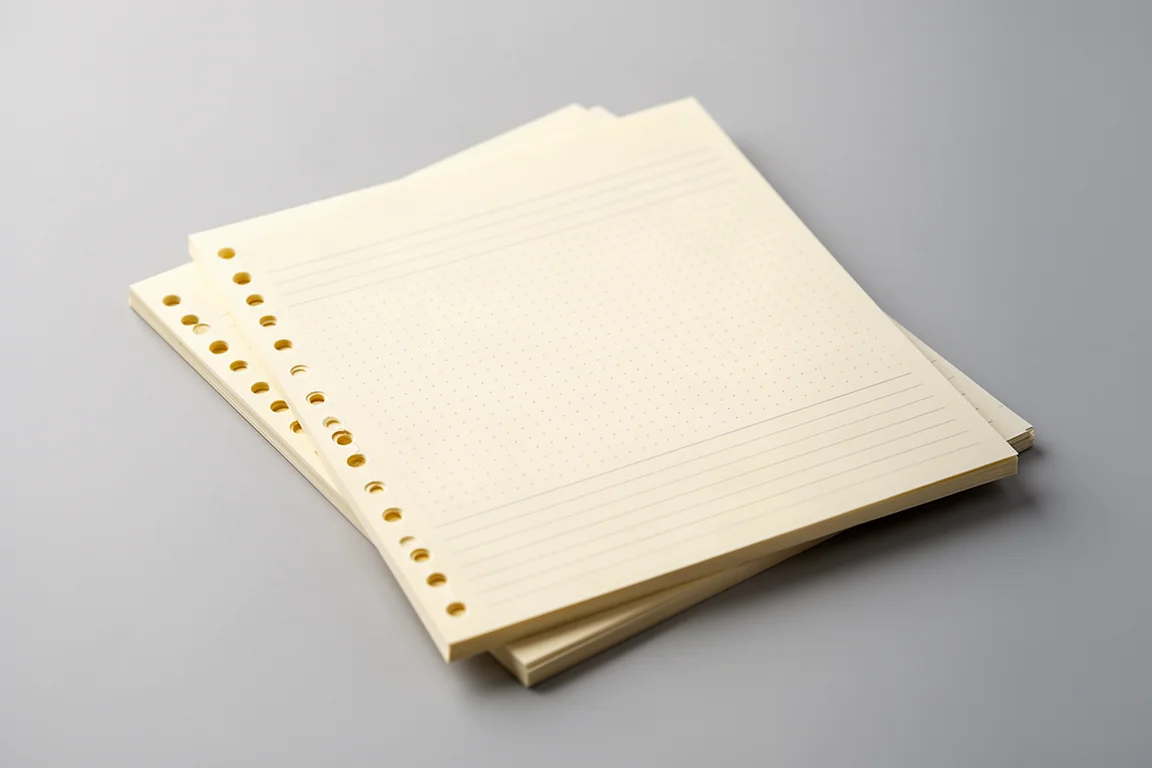
Standard binder paper is not the most pleasant to write on, and quality varies wildly. The Kokuyo Campus Loose Leaf Paper costs just a few dollars more per pack and delivers a much better experience. The most popular version, Sarasara paper, feels smooth, handles all writing instruments well, and shows minimal showthrough with no bleedthrough.
Japanese binder paper also has a lot of holes for a good reason. They spread the force of the binder rings across the entire length of the paper, leading to fewer tears. And if a tear does happen, the extra holes keep the paper neatly inside the binder. The catch is compatibility: Japanese binders and paper do not fit American three-ring binders. Kokuyo does offer Campus paper sized for American 3-ring binders, so check for that version if you are keeping your existing binder.
Buying Advice
Start with the item that fixes your most common annoyance. If your lead keeps flattening, the Uni Kuru Toga or Tombow Mono Graph will change how you feel about pencils. If smearing highlighter ink is the problem, the Zebra Justfit Mojini Line is a cheap, satisfying fix. And if your binder setup frustrates you, pair a Maruman Kurufit with Kokuyo Campus paper and remember the compatibility note before ordering.
Conclusion
Japanese stationery earns its reputation through small, practical engineering rather than flashy design. Any of these nine picks will make daily writing a little smoother, and together they make a strong case for joining the Japanese stationery club.
Further reading
Related Reviews
Stationery
Musgrave Pencils Review: Four Classic Pencils from Tennessee's Last Pencil Factory
We put four Musgrave pencils to paper, from the classic Harvest to the Unigraph 1200 drawing pencil, to see what a century-old Tennessee workshop can still do.
Stationery
Fountain Pen Tiers Explained: From Starter Pens to Luxury Grails
A practical overview of the different levels of fountain pens and inks, from a sub-$20 starter setup to Italian piston fillers and retractable gold-nib everyday carries.
Stationery
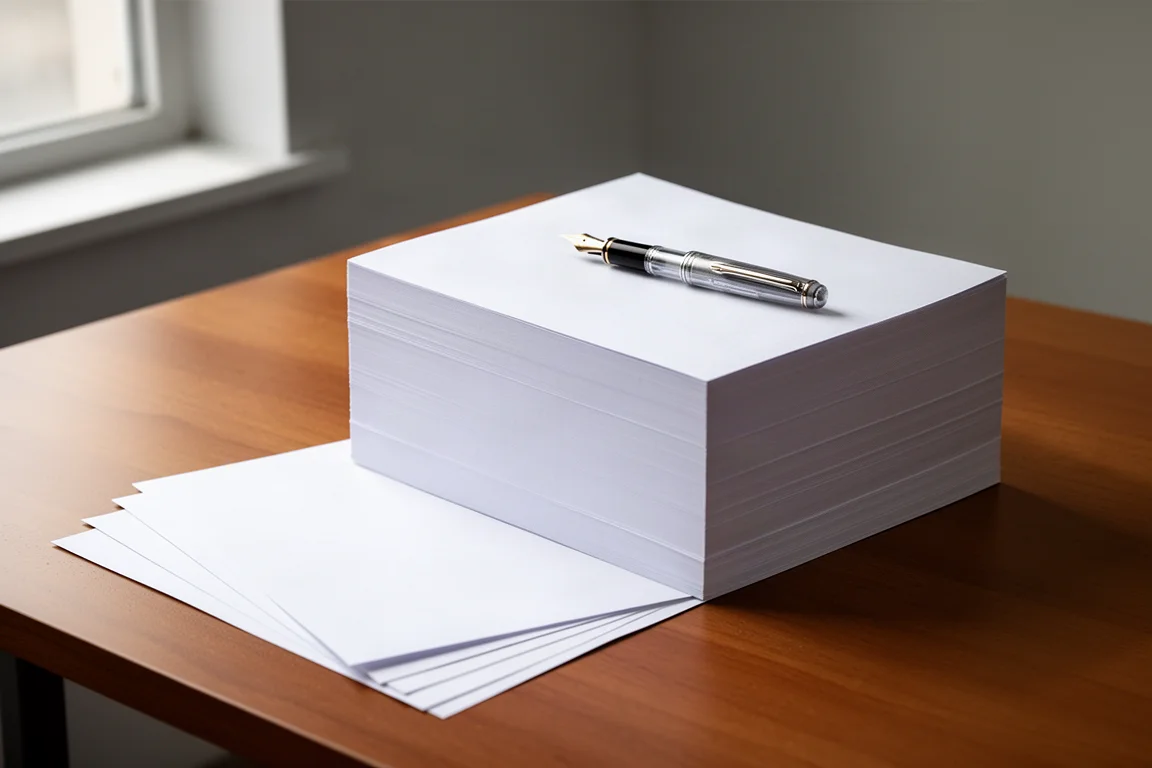
HP Premium 32 lb Copy Paper Review: A Fountain Pen Friendly Everyday Printer Paper
A heavy, smooth 120 GSM copy paper that handles fountain pens far better than standard printer stock, with only minor trade-offs in shading and sheen.