Stationery
Best Japanese Planners: Four Picks for a Better Planning Year
Why Japanese planners are so beloved, and four standout options to consider: Kokuyo Jibun Techo, Hobonichi Techo, Midori MD Diary, and Midori Pocket planner.
Introduction
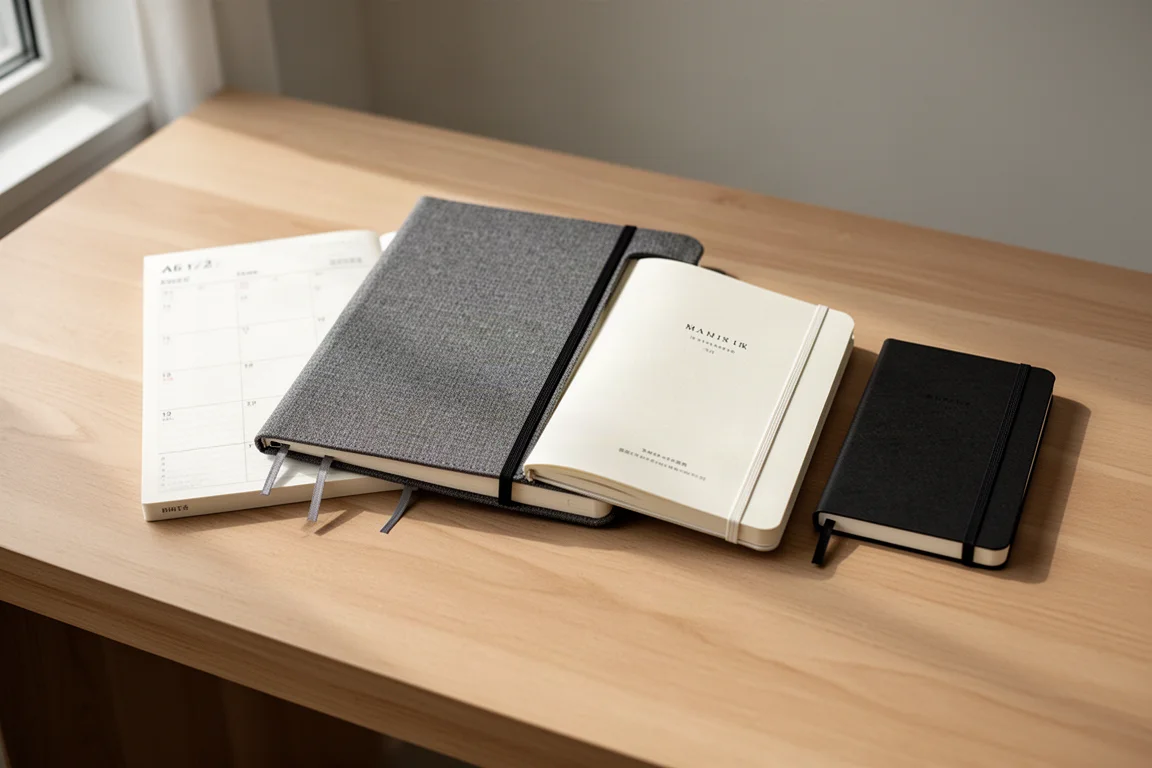
Japanese planners like the Kokuyo Jibun Techo and Hobonichi Techo have earned a massive following in the stationery world, and it is easy to see why. Compared with many US planners, they tend to offer cleaner design, better paper, and formats that adapt to the way you actually plan. If you are picking a planner for the year ahead, this guide covers the key differences and four popular options worth a close look.
What Makes Japanese Planners Different
The first major difference is that Japanese planners are more open-ended. They let you plan as you see fit, providing just enough tools to make organizing your schedule easier. Because there is less clutter, you can maximize the usable space on each page. The trade-off: most do not include prompts to help you track personal goals or reflect on your day, so you will need to come up with those yourself or use an external resource.
The second difference is design. Japanese planners tend toward a simple, minimalist aesthetic with subtle print that is easy to read while remaining unobtrusive. Even a feature-packed planner like the Jibun Techo uses a soft color palette that is easy on the eyes.
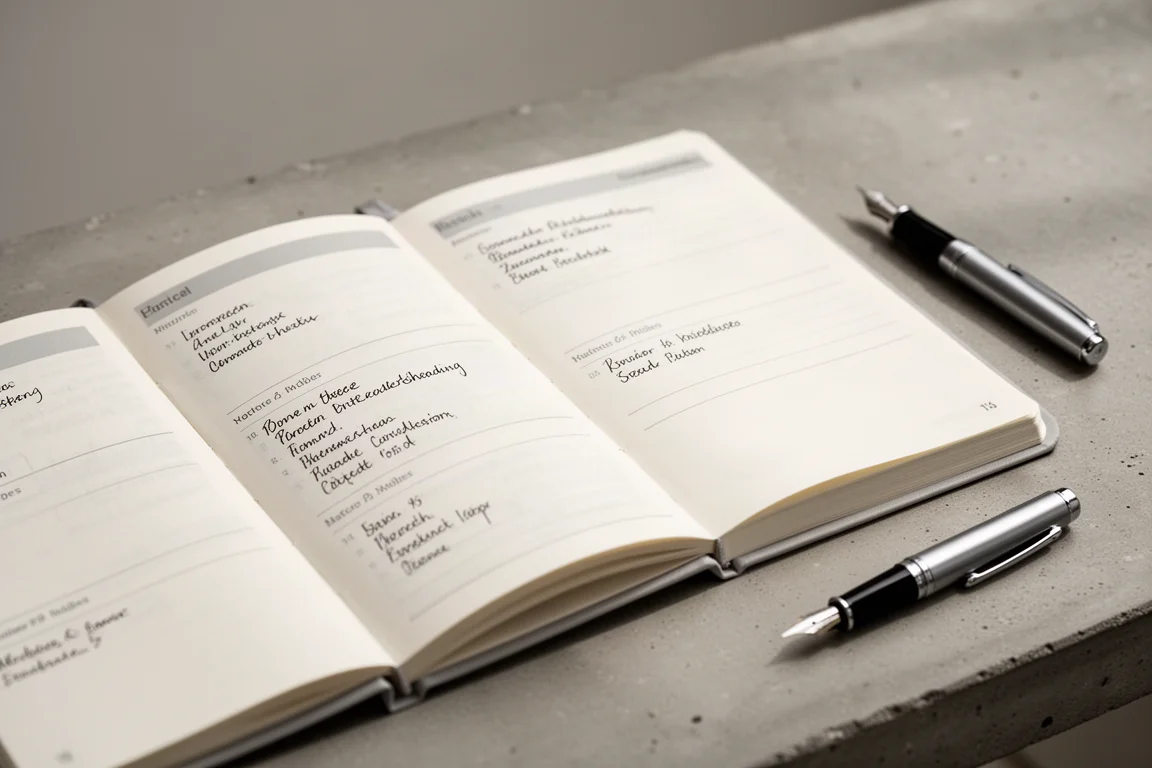
Beyond design, these planners come in a wide range of sizes and formats. If you have a Type A personality, the Jibun Techo’s vertical format lets you organize your days into tidy blocks of time. If you want to plan and journal in the same notebook, the Hobonichi Techo offers plenty of space on its daily pages. And if you just want something that will not weigh you down, the Midori Pocket planner is a great pick. There is also a layer of thoughtful detail: the Hobonichi Techo tracks the moon’s phases, and the Jibun Techo gives you space to record the weather and your mood every day. Discovering these small touches is part of the charm.
One more thing to know before you buy: almost all Japanese planners are Monday-start planners, meaning the week begins on Monday and Saturday and Sunday are grouped together at the end, sometimes in a smaller space. This works well for students and workers who are busy on weekdays and take weekends off, since it cleanly separates work time from free time. If you have a non-traditional schedule or are used to Sunday-start planners, the switch can take some adjustment, and the difference is most obvious in weekly and monthly formats. Daily planner users may not notice at all.
Paper Quality
It is not an overstatement to say that Japanese planners use better paper than US planners. The Midori MD Diary, for example, is well known for its smooth, ink-resistant paper.
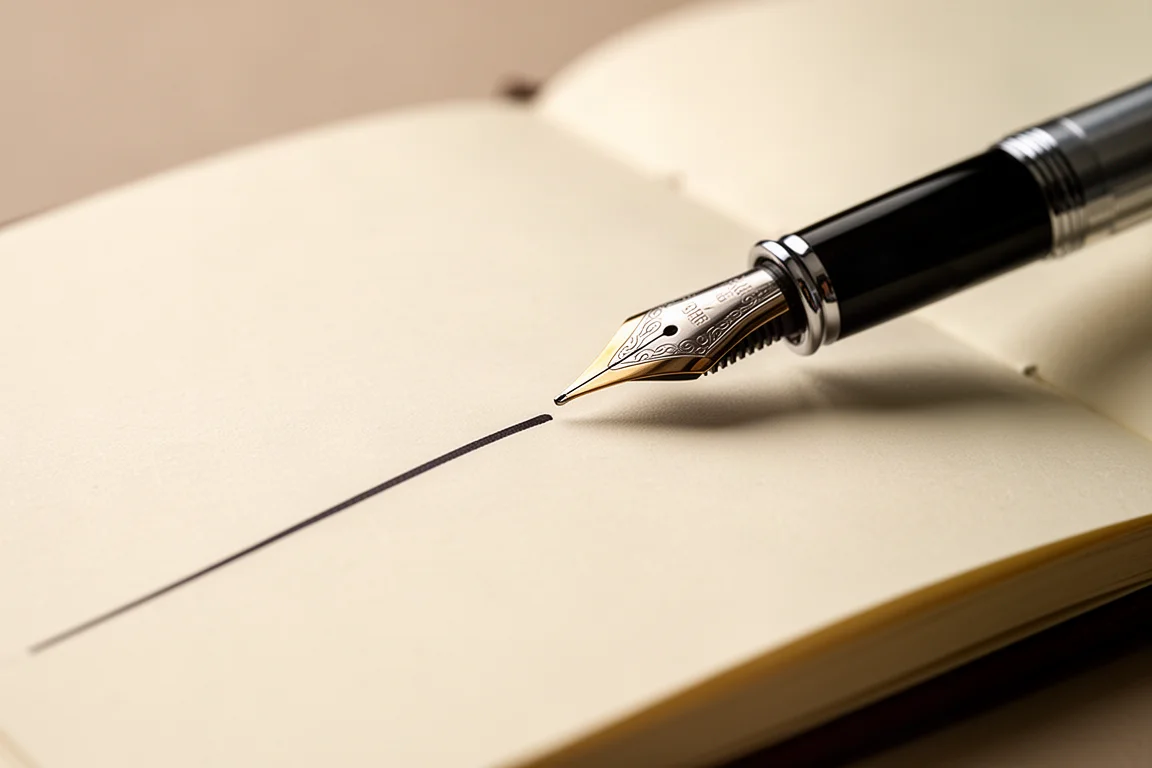
If you are tired of feathering and bleed-through with inky pens like fountain pens or rollerballs, Japanese planners are the way to go. Writers who prefer ballpoint and gel pens will enjoy the better paper too.
Best for Go-Getters: Kokuyo Jibun Techo
The Kokuyo Jibun Techo was made for go-getters thanks to its regimented weekly format. You can plan your days down to the hour and make sure you cross off everything on your to-do list, all while enjoying a soft, unobtrusive color palette that packs plenty of features onto each page without clutter.
It is not just a yearly planner, though. The Jibun Techo is a three-in-one system that lets you take a big-picture approach to your life, and it includes thoughtful details like space to record the weather and your mood each day.
Best for Planning and Journaling Together: Hobonichi Techo
The Hobonichi Techo Planner is one of Japan’s best-selling planners, and for good reason. It is carefully designed to be your everyday companion, and it comes in a variety of formats to suit your planning style.
The daily Hobonichi Techo Planner is the most popular. It comes in two sizes: the A6 is available in English or Japanese and is small enough to fit into a backpack or purse, while the A5 Cousin offers more room if you do most of your planning or journaling at your desk. Both sizes also come in an Avec version, which splits each book into two half-year booklets. Hobonichi also offers a wide range of covers and accessories.
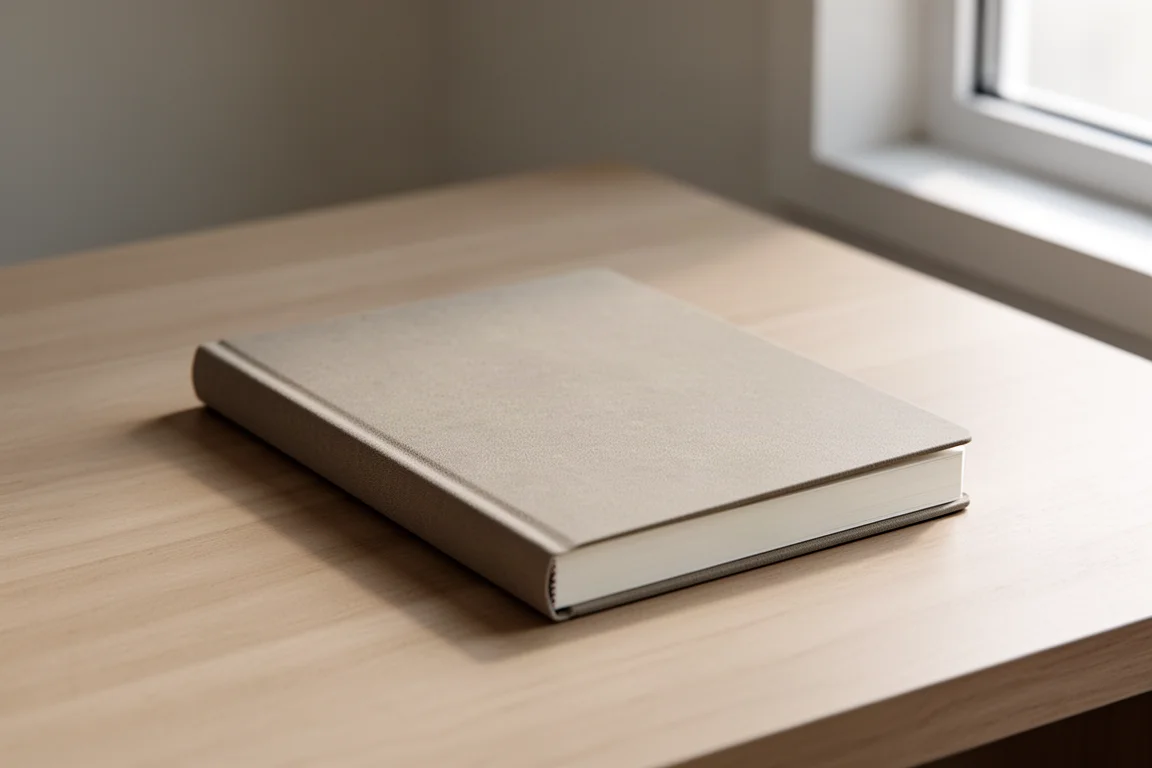
Best for Minimalists: Midori MD Diary
Only one word really describes the Midori MD Diary: minimalist. These simple diaries include dated monthly calendars in the front and undated pages in the back, and they come in four sizes: A4, A5, B6 Slim, and A6. The paper is famously smooth and ink-resistant, making it a favorite among fountain pen users.
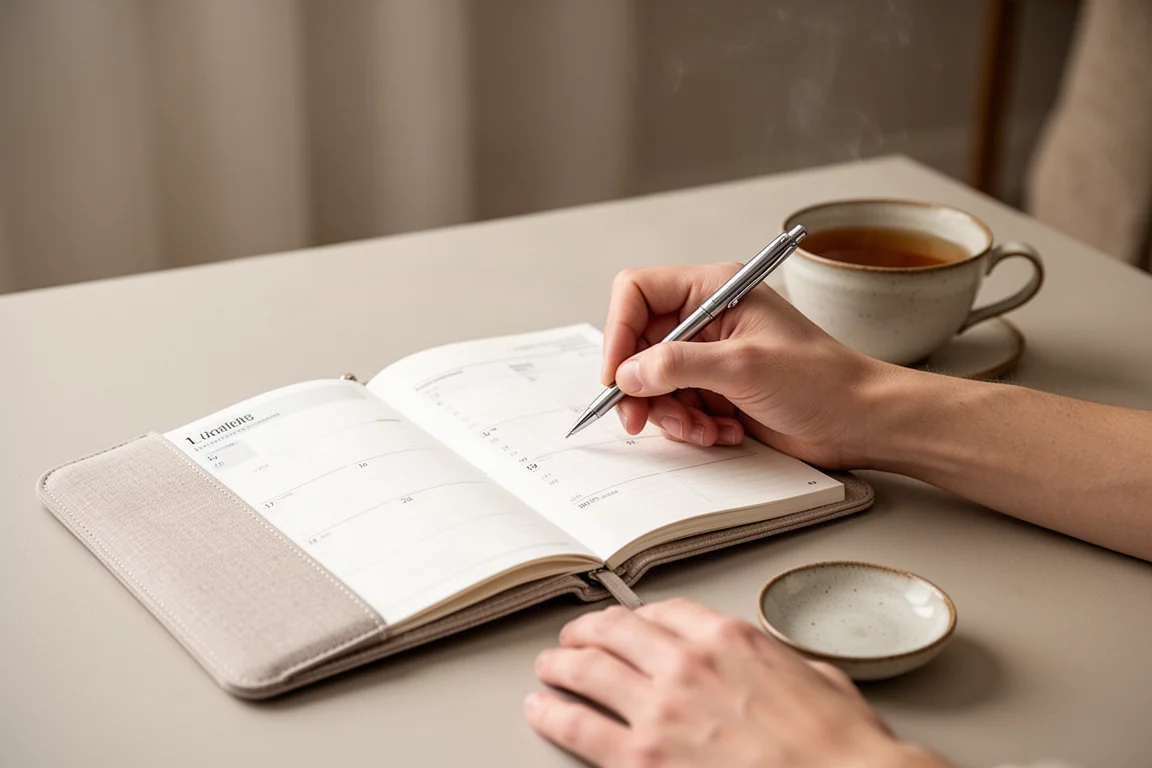
In addition to the standard MD Diary, there are a few layout options. The Thin includes fewer memo pages for a slimmer notebook, and the 1 Day 1 Page edition looks like a vintage softcover book and comes with 385 daily pages.
Best for Traveling Light: Midori Pocket planner
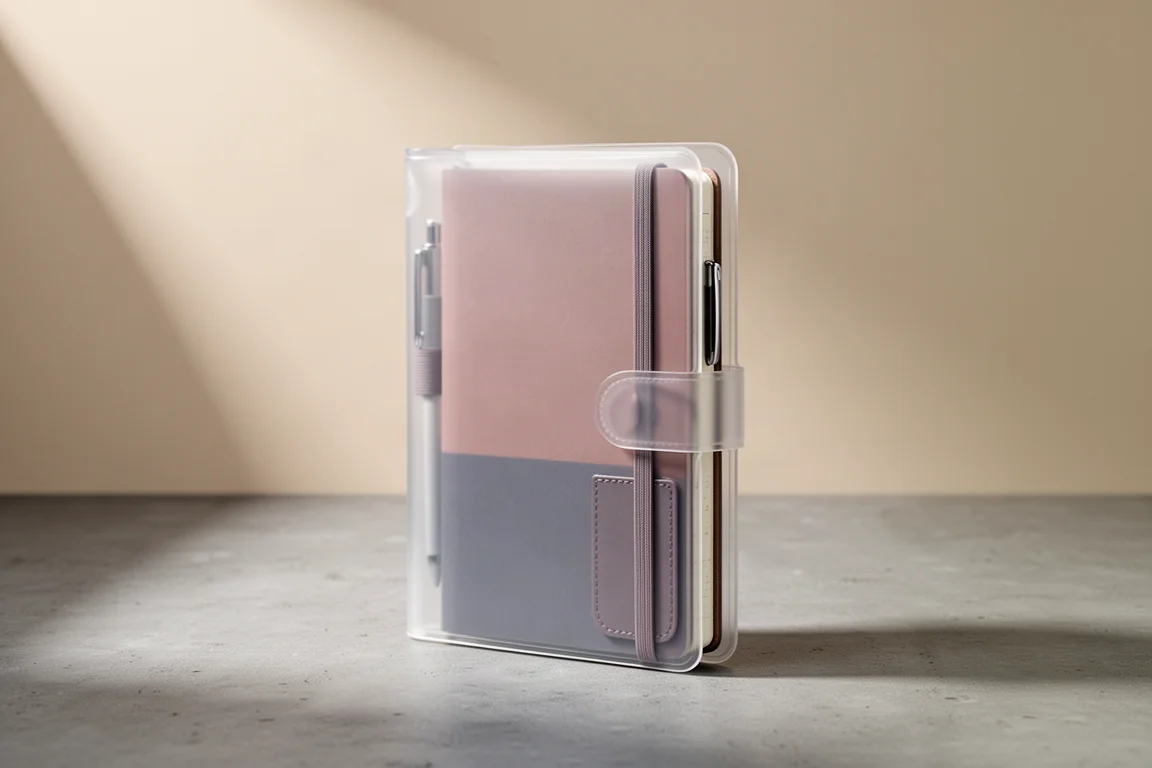
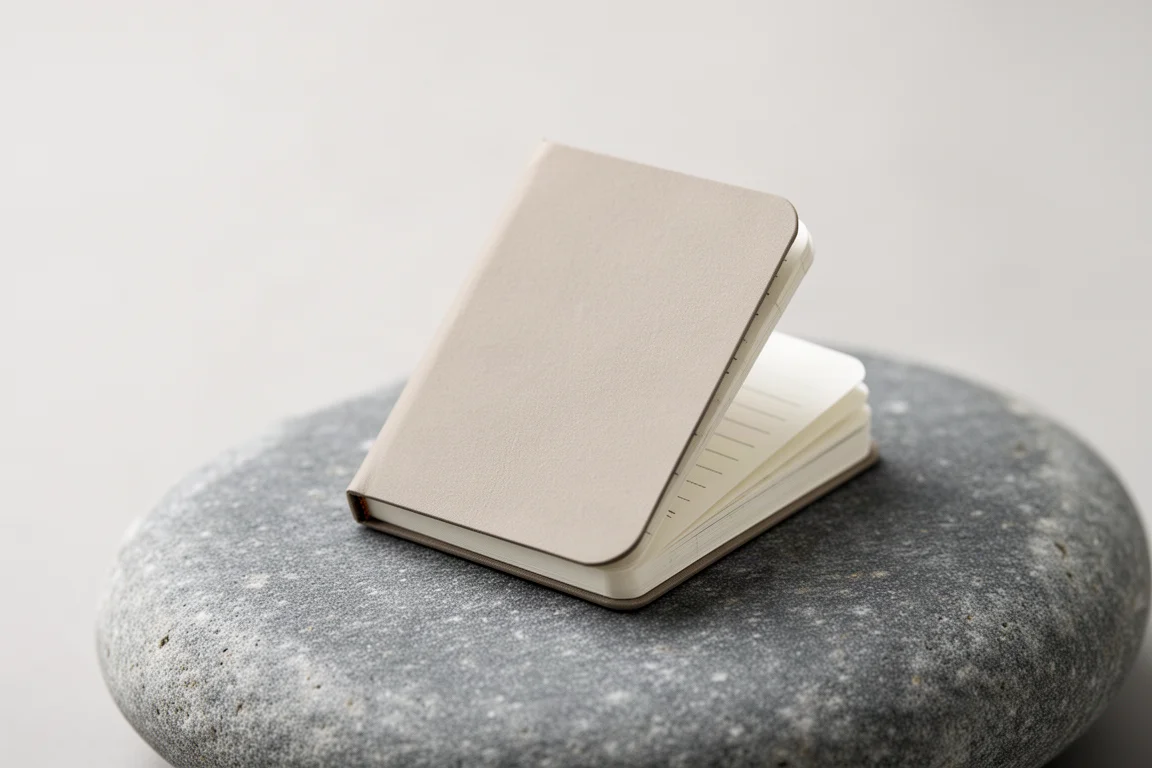
If you want a planner that will not weigh you down, the Midori Pocket planner is a great pick. It keeps the minimalist Midori approach in a small, portable format that slips easily into a pocket or bag, ideal for anyone who prefers to carry less.
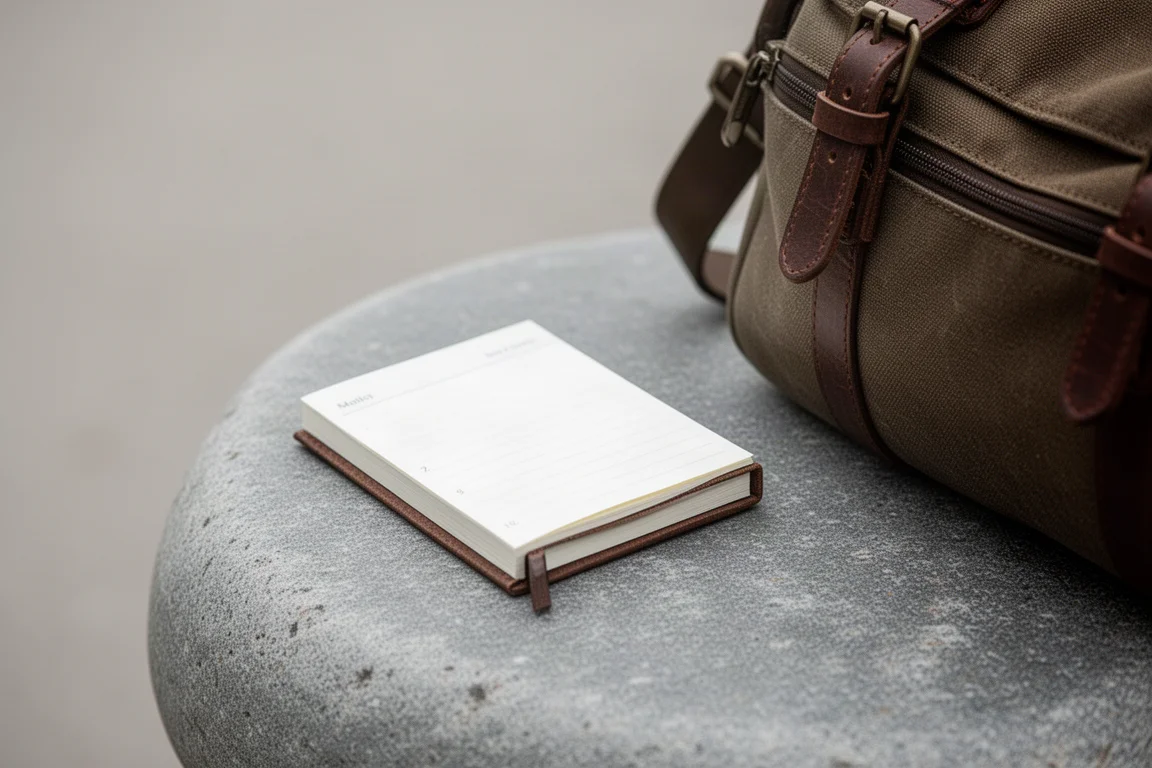
It is a simple choice, but that is the point: not every planner needs to do everything. For quick scheduling on the go, a pocket-sized format can fit seamlessly into the way you already plan.
Buying Advice
Choosing between these four comes down to how you plan. Structured schedulers who think in hours should look at the Jibun Techo. Journalers and note-takers who want generous daily space will love the Hobonichi Techo. Minimalists who want a clean, flexible calendar should pick up the Midori MD Diary, and frequent travelers will appreciate the Midori Pocket planner. Also consider the Monday-start week layout, since it is standard across Japanese planners and most noticeable in weekly and monthly formats.
Conclusion
Japanese planners stand out for their open-ended layouts, minimalist design, excellent paper, and thoughtful small details. Whether you pick the regimented Jibun Techo, the popular Hobonichi Techo, the minimalist MD Diary, or the featherlight Midori Pocket planner, choosing the format that matches your planning style is what matters most.
Further reading
Related Reviews
Stationery
Musgrave Pencils Review: Four Classic Pencils from Tennessee's Last Pencil Factory
We put four Musgrave pencils to paper, from the classic Harvest to the Unigraph 1200 drawing pencil, to see what a century-old Tennessee workshop can still do.
Stationery
Fountain Pen Tiers Explained: From Starter Pens to Luxury Grails
A practical overview of the different levels of fountain pens and inks, from a sub-$20 starter setup to Italian piston fillers and retractable gold-nib everyday carries.
Stationery
HP Premium 32 lb Copy Paper Review: A Fountain Pen Friendly Everyday Printer Paper
A heavy, smooth 120 GSM copy paper that handles fountain pens far better than standard printer stock, with only minor trade-offs in shading and sheen.