Stationery
10 Unique Japanese Notebooks That Do Things a Little Differently
From built-in whiteboards to squishy ring bindings and black paper, these 10 Japanese notebooks each solve a specific writing problem with thoughtful design.
Introduction
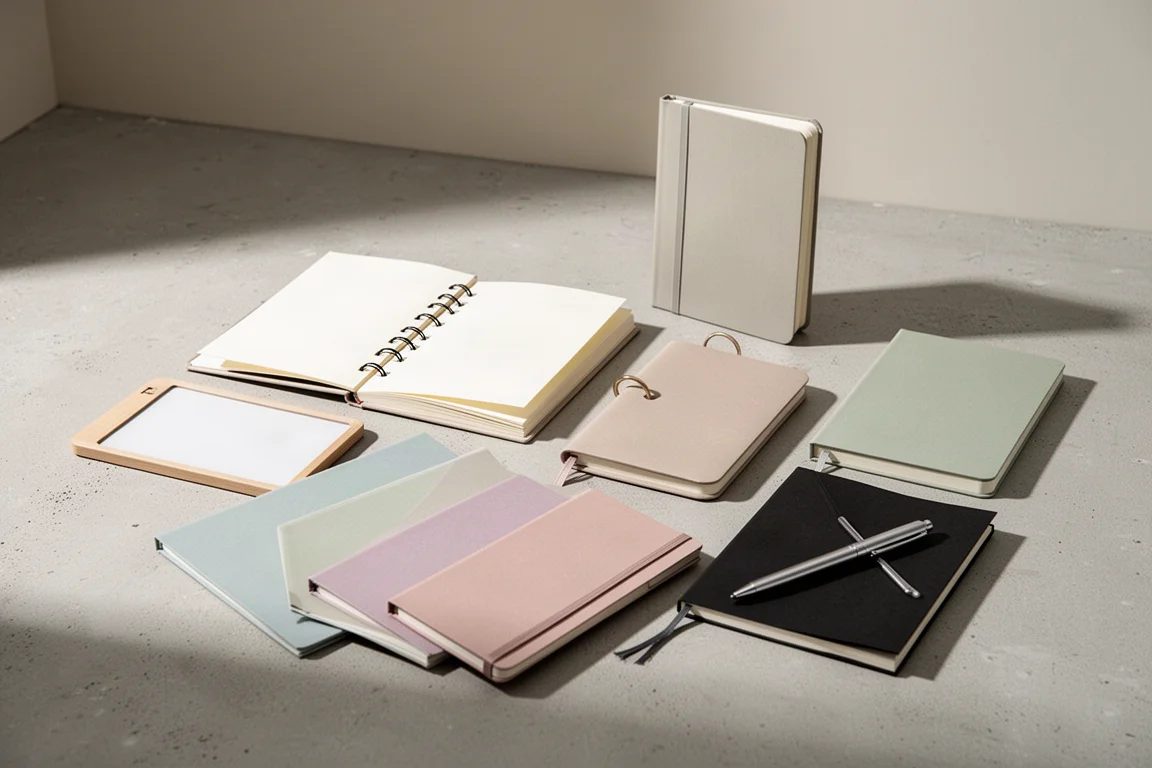
Compared to many standard notebooks, Japanese notebooks tend to be designed around specific, practical needs: how you carry them, how they sit on a desk, how the binding feels under your hand, and even what color the paper is. That attention to detail comes from a long paper culture, and it results in some of the most innovative and user-friendly notebooks around.
We picked ten favorites that each take a different approach, from built-in whiteboards to stand-up covers and softly colored pages. Here is what makes each one worth considering.
Why Japanese Notebooks Are Worth a Look
What sets these notebooks apart is the range of options: paper color, sheet style, binding method, and layout are all treated as design decisions rather than afterthoughts. Whether you brainstorm, study, plan, or doodle, there is usually a notebook built around that exact task.
Below, each pick is grouped by the problem it solves, so you can jump straight to the feature that matters most to you.
Built-In Whiteboard: Gakken Write White Notebooks
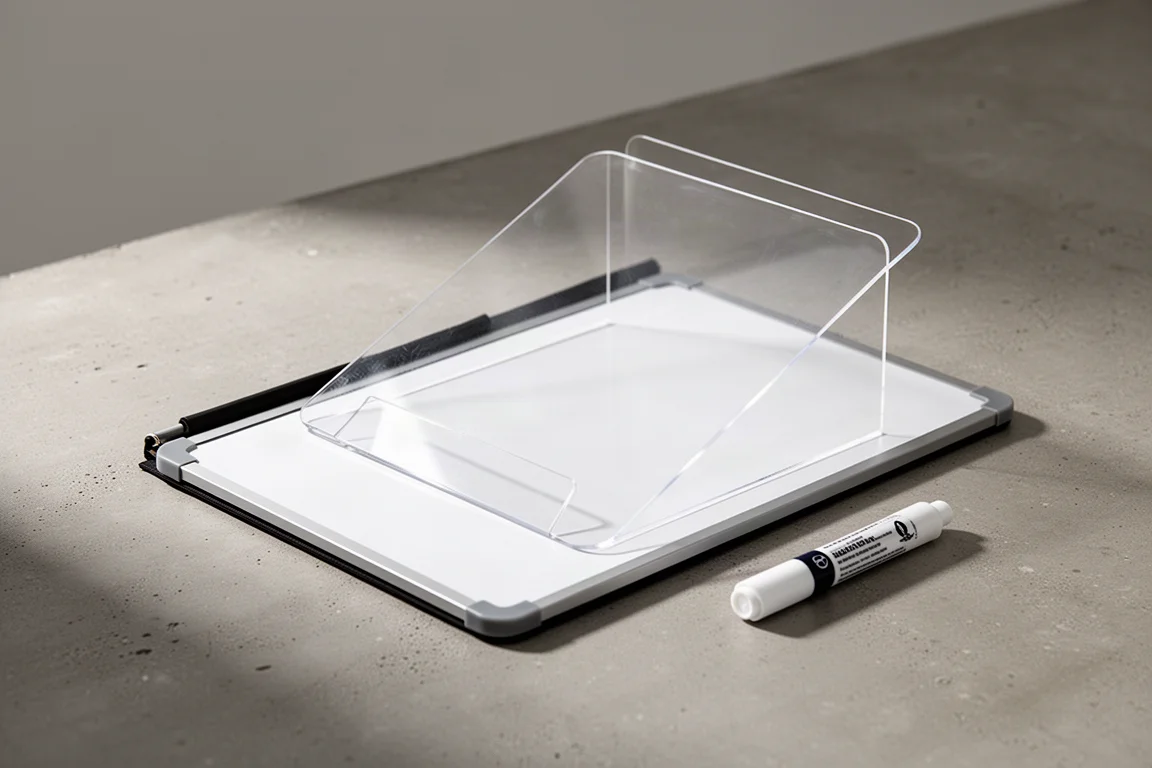
The Gakken Write White Notebooks let you take your ideas on the go. They are great for brainstorming sessions and working through math problem sets, and each notebook includes six to eight whiteboard pages with clear plastic dividers that protect your writing from smudging or transferring. Those dividers can even double as extra pages.
The standard version has blank pages, while the Write White+ variant adds a to-do list and graph sheets, and every notebook comes with a whiteboard marker included.
Innovative Lay-Flat Binding: Kleid x Nakamura Flat Notebook
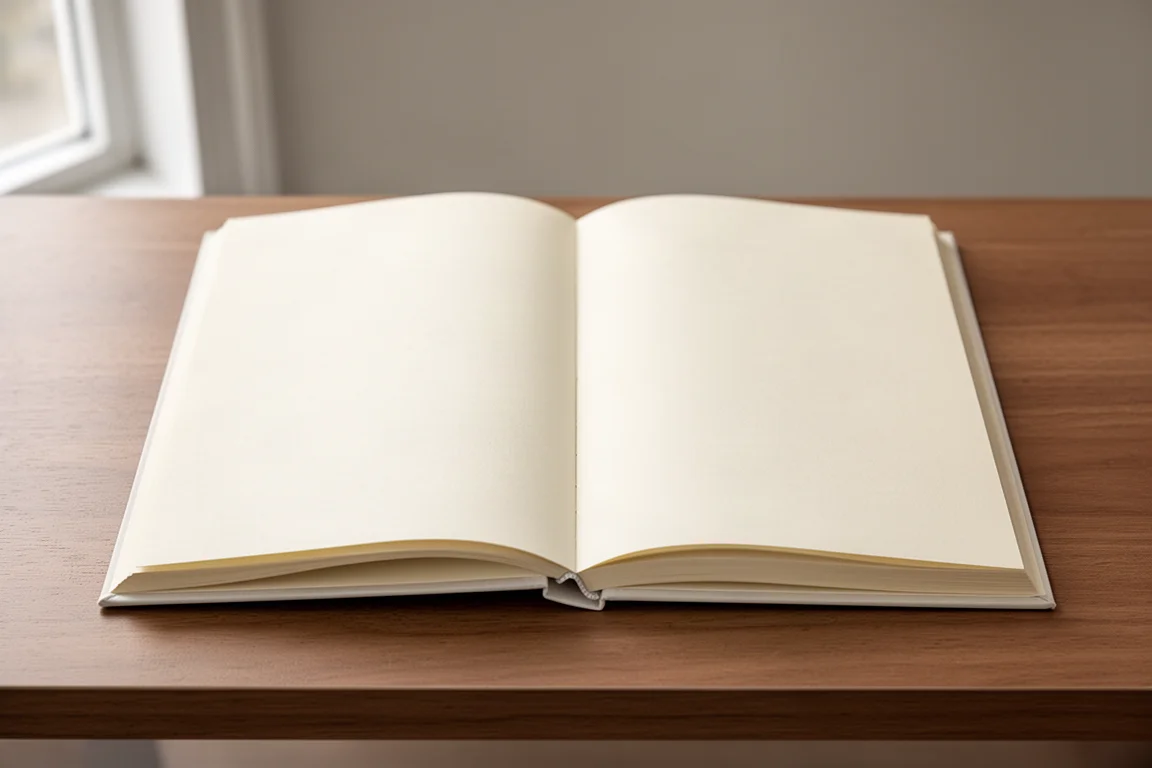
The Kleid x Nakamura Flat Notebook lays completely flat no matter which pages you have open. Most lay-flat notebooks bind signatures made of several sheets folded in half; this one uses signatures of a single folded sheet, a binding method patented by Nakamura that uses no sewing, so pages can be torn out cleanly.

When unfolded, the double-page spread gives you an A4 size working surface. The notebook is filled with OK Fools paper, a high-end Japanese writing paper inspired by British foolscap, and each page carries a Japanese watermark that shows when held up to light.
A Notebook That Stands Up: Midori + Stand Notebooks
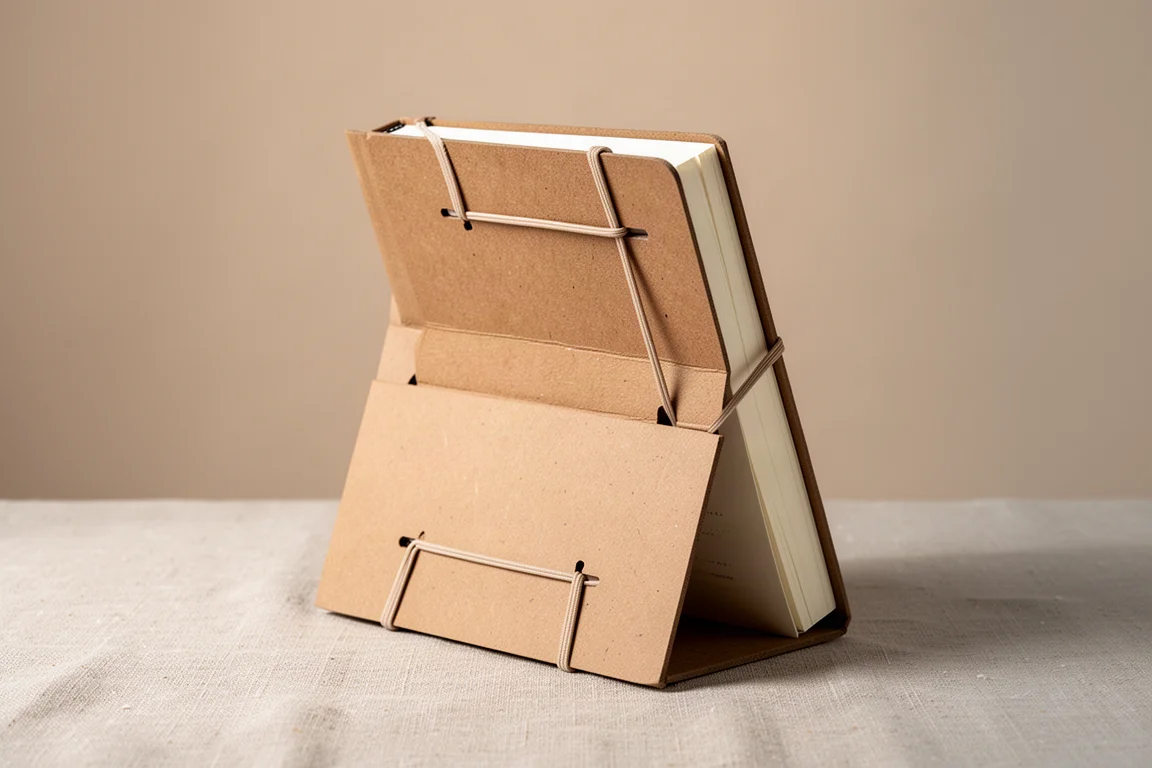
If you have ever wanted to prop up notes or recipes while you work, the Midori + Stand Notebooks transform into handy display stands using an elastic band and notches on the front cover. The covers are made with sturdy chipboard, so the notebook stays upright and stable.
It comes in two sizes and in blank or cross grid sheet styles, which makes it flexible for both recipes and reference notes.
Half-Size Convenience: Kokuyo Half Size Campus Notebooks
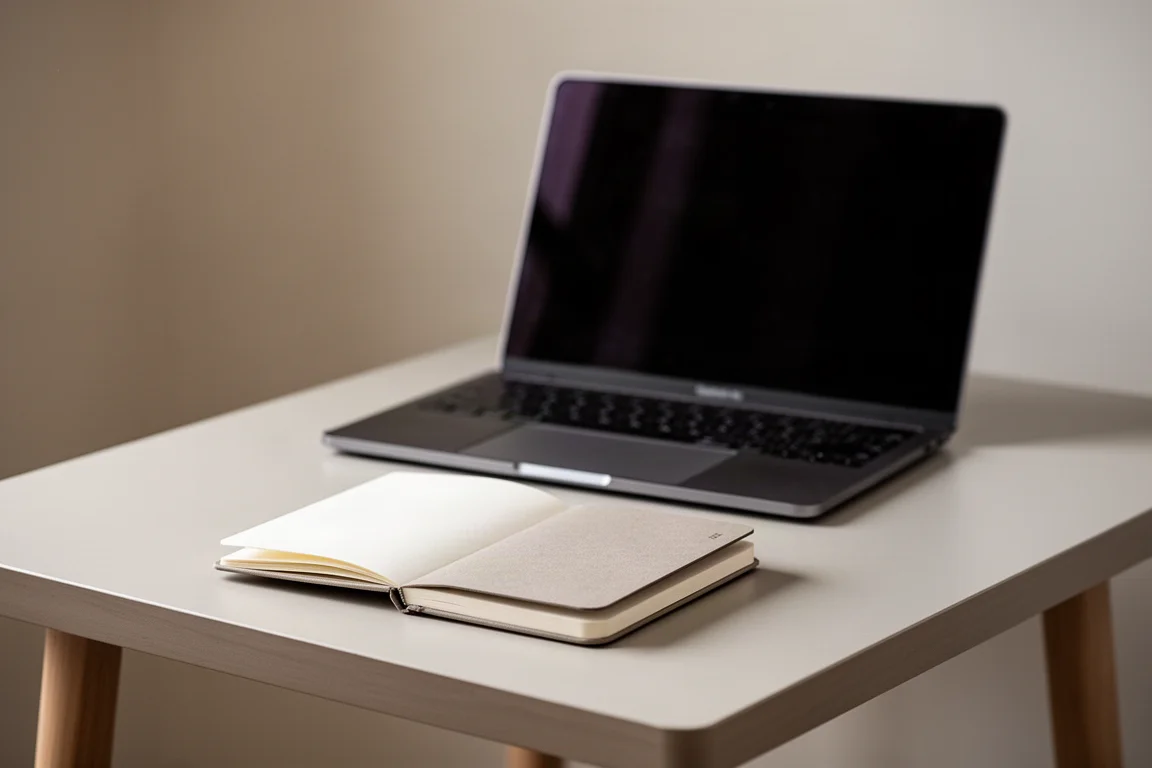
Created with students and tech-savvy workers in mind, the Kokuyo Half Size Campus Notebooks save desk space. They are ideal for note taking in tighter workspaces like a cafe or lecture hall, fitting neatly in front of a laptop instead of jutting out awkwardly or covering the keyboard.
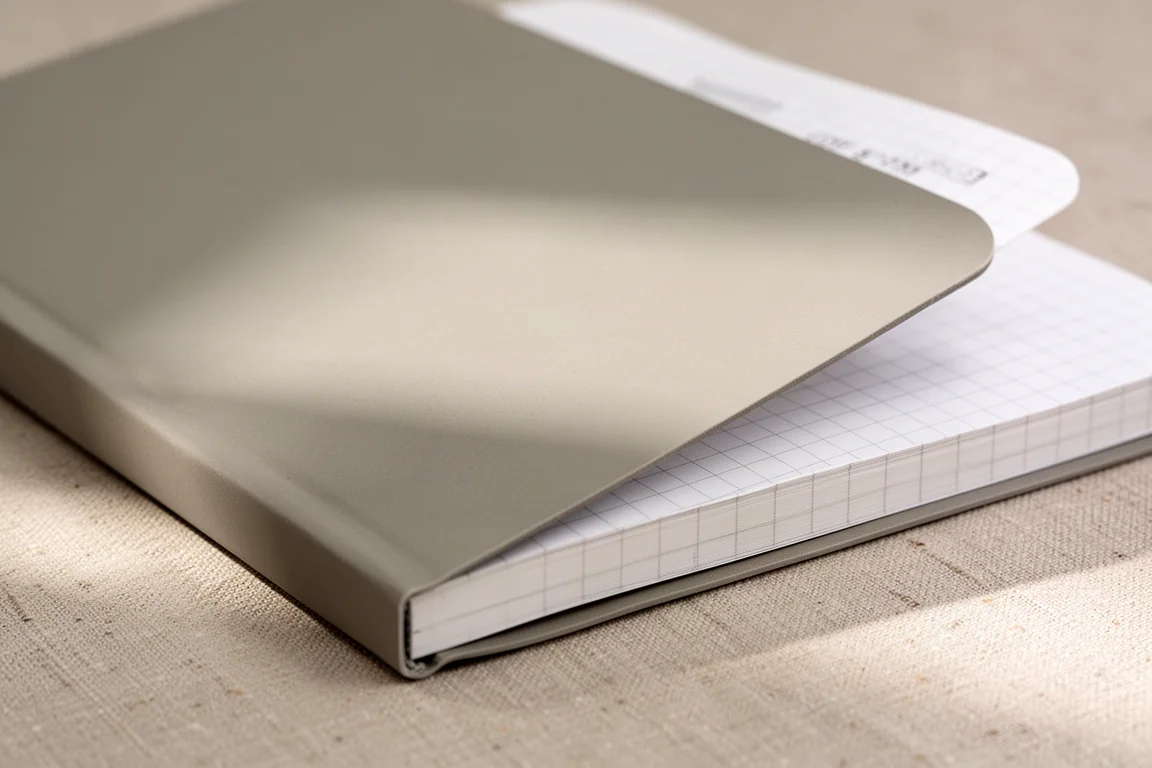
Like other Campus notebooks, they feature smooth paper that works well with both pencils and pens.
Squishy Rings: Kokuyo Sooofa Soft Ring Notebooks
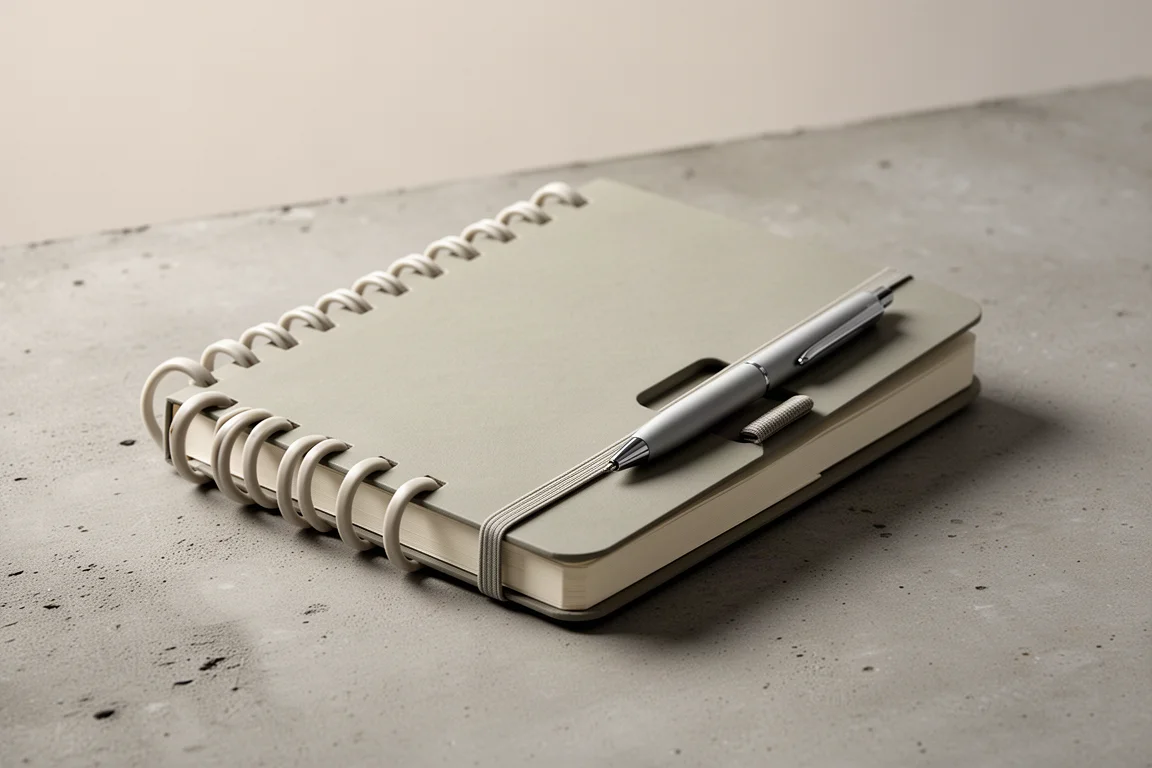
For a more comfortable writing experience, the Kokuyo Sooofa Soft Ring Notebooks swap metal rings for soft plastic rings that squish down instead of digging into your skin or bending out of shape.
The front cover has a notch for holding a pen, the inside back cover includes a pocket for stickers or loose notes, and an elastic band keeps the notebook from flapping open in your bag, protecting the pages from creasing.
Unique Layouts: Laconic Style Notebooks
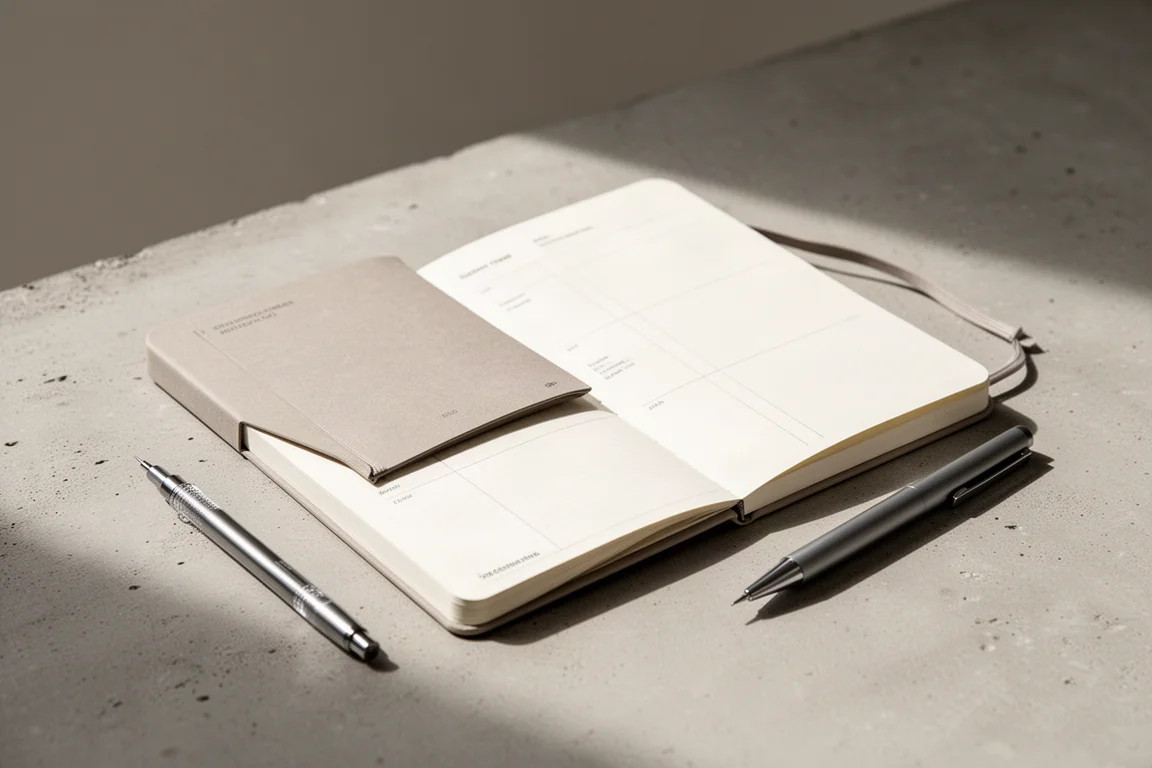
Minimalist and lightweight, Laconic Style notebooks cover a wide variety of sheet styles and are perfect for organization. If you want an undated planner, you can pick a daily, weekly, monthly, or 100 Days layout.
For general productivity, there are to-do list, spreadsheet, meeting notes, and Gantt chart spreads, so the line works well whether you are planning a project or structuring your workweek.
Comforting Design: Maruman Septcouleur Notebooks
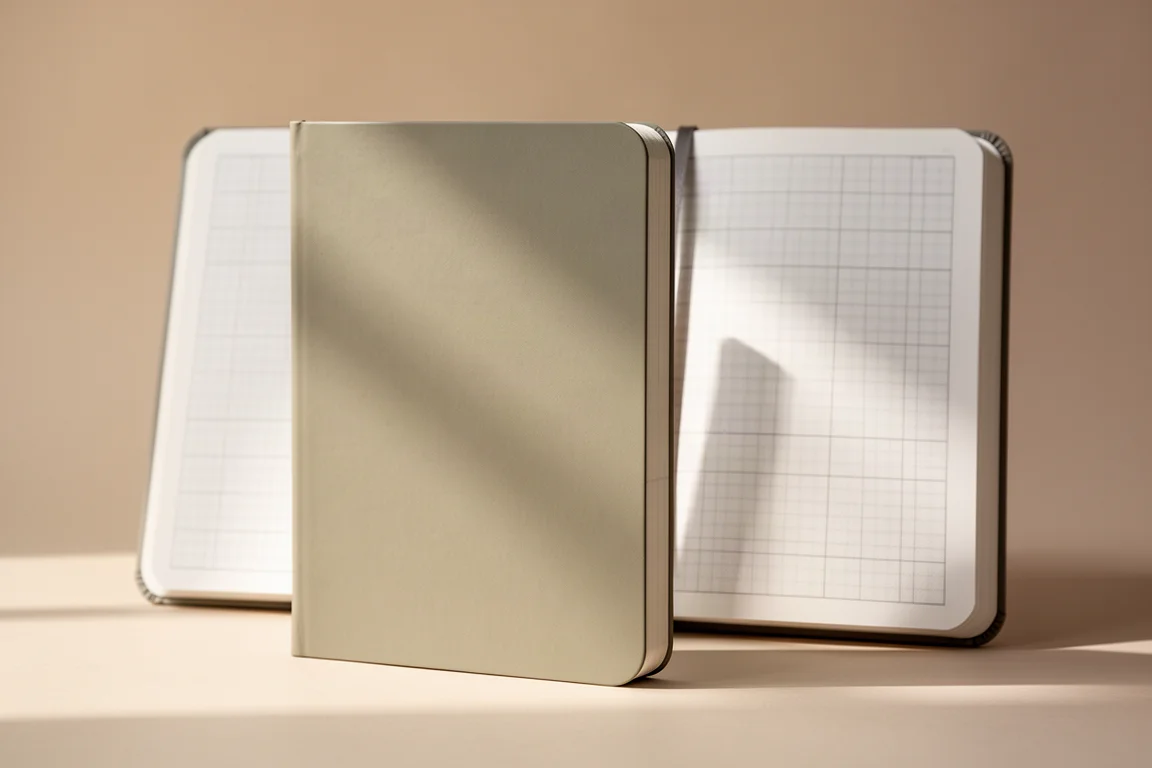
The Maruman Septcouleur Notebooks are as pleasant to look at as they are to use. The soft covers have a satisfying matte texture and can resist water for a short time, so spills can be wiped off before they soak in. They come in several stylish colors to match your aesthetic.
Inside, the 3mm graph lines are printed in an unobtrusive light gray, and the paper is extra smooth, similar to Maruman’s popular Mnemosyne line.
A Gentle Touch of Color: Midori Soft Color Notebooks
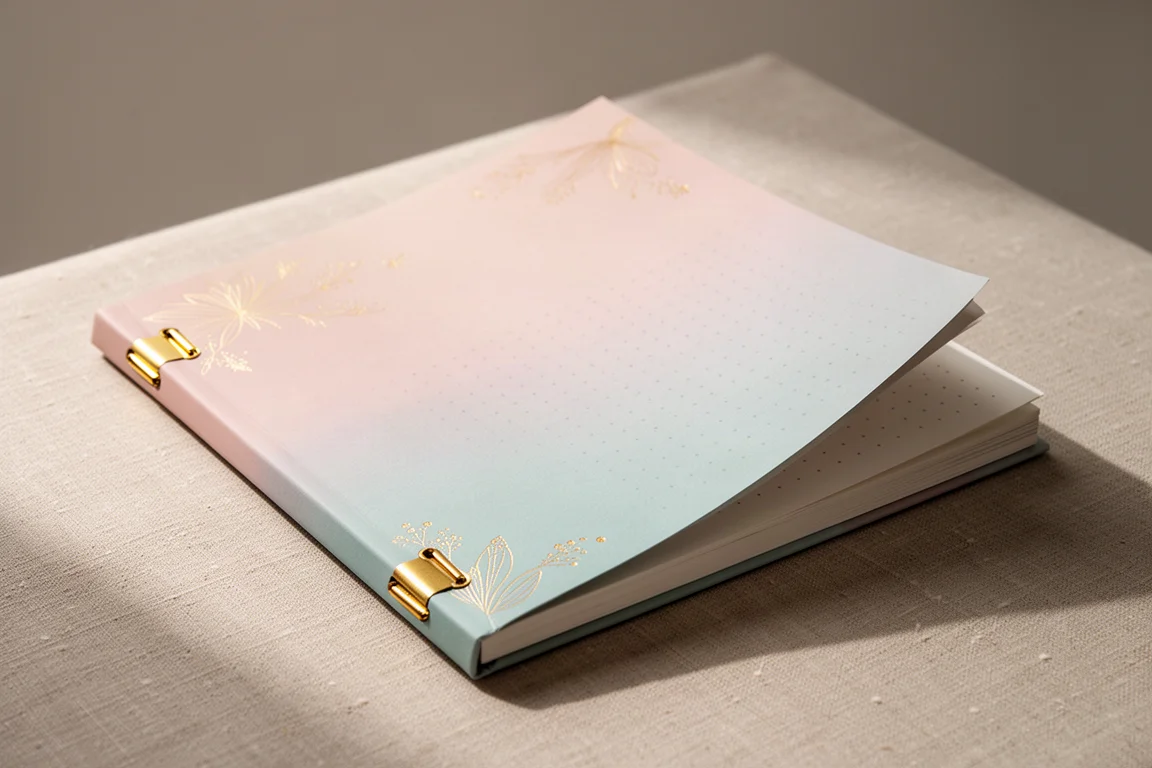
The Midori Soft Color Notebooks add a subtle touch of color to your writing. They are filled with softly colored fountain pen friendly paper, with a fine dot grid printed in a slightly darker shade, and gold foil and staples accent the notebook.
If you prefer something more vibrant, Midori’s Color Paper Notebooks offer lined pages with covers inspired by French macarons.
For Dark Paper Fans: Etranger Di Costarica Blanc De Noirs Notebooks
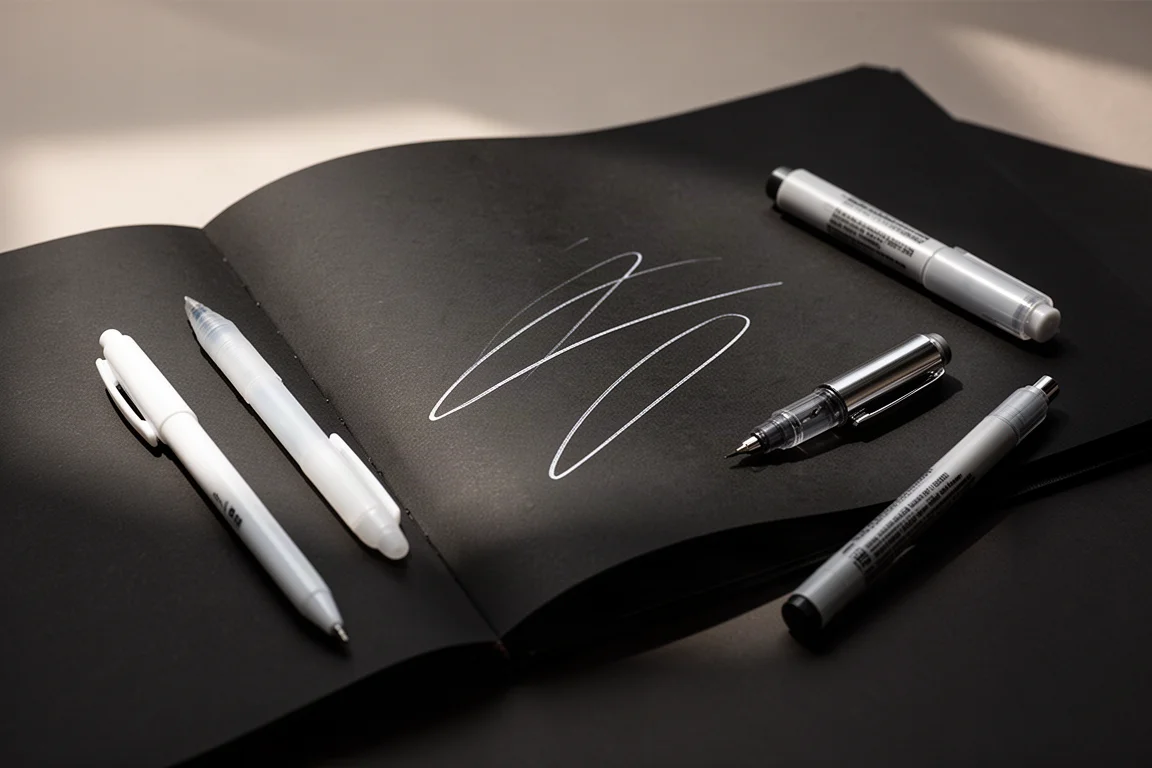
If black paper is more your style, the Etranger Di Costarica Blanc De Noirs Notebooks are perfect for doodling or practicing calligraphy. The black sheets also work beautifully for creating striking cards, writing letters, or scrapbooking with metallic, glitter, pastel, or white inks.
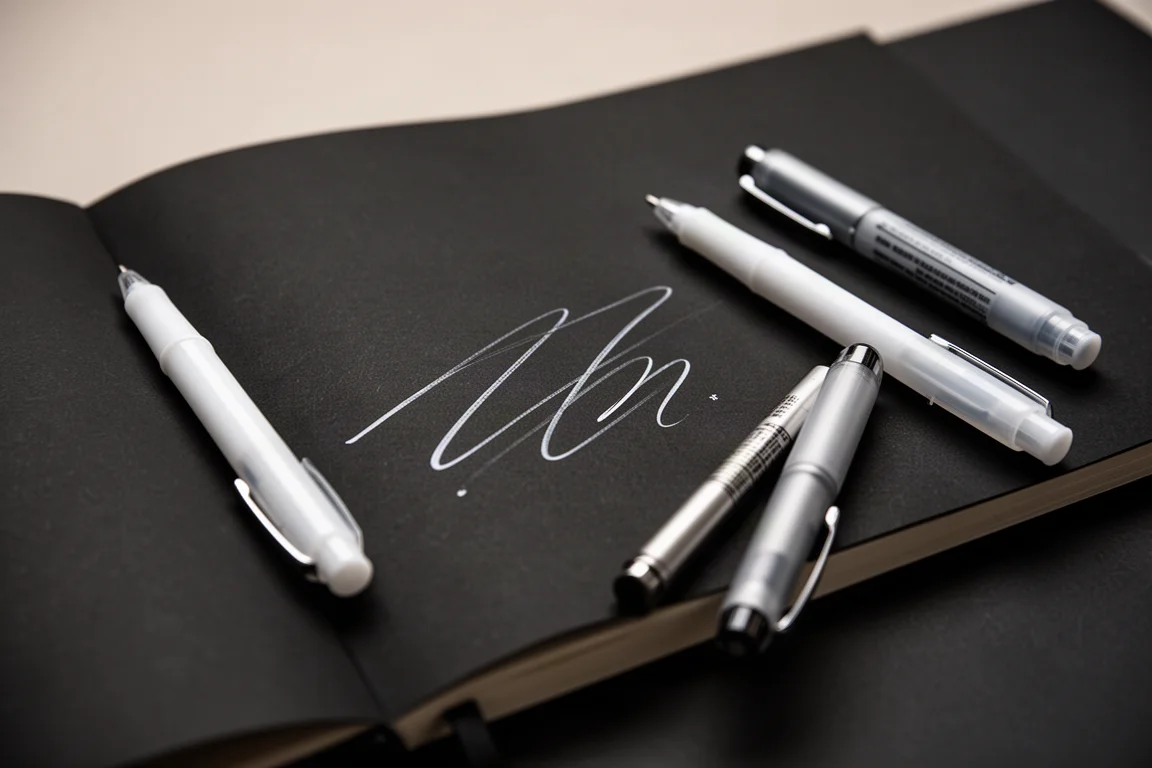
It is a niche pick, but for anyone who enjoys experimenting with light inks on dark pages, it is one of the most fun notebooks on this list.
How to Choose the Right One
Match the notebook to the task rather than the prettiest cover. If you brainstorm or solve problems on the move, the built-in whiteboard is hard to beat. If you hate pages that curl back while writing, prioritize a true lay-flat binding. Desk-space challenged workers and students should look at the half-size format, while planners will get the most from the Laconic layout range.
If comfort matters most, soft ring bindings and smooth, fountain pen friendly paper make long writing sessions noticeably nicer.
Conclusion
These ten notebooks show why Japanese stationery keeps earning a devoted following: each one is built around a real, specific need, whether that is standing up on a kitchen counter, surviving a backpack, or making white ink look its best. Pick the one that matches how you actually write, and it is hard to go wrong.
Further reading
Related Reviews
Stationery
Musgrave Pencils Review: Four Classic Pencils from Tennessee's Last Pencil Factory
We put four Musgrave pencils to paper, from the classic Harvest to the Unigraph 1200 drawing pencil, to see what a century-old Tennessee workshop can still do.
Stationery
Fountain Pen Tiers Explained: From Starter Pens to Luxury Grails
A practical overview of the different levels of fountain pens and inks, from a sub-$20 starter setup to Italian piston fillers and retractable gold-nib everyday carries.
Stationery
HP Premium 32 lb Copy Paper Review: A Fountain Pen Friendly Everyday Printer Paper
A heavy, smooth 120 GSM copy paper that handles fountain pens far better than standard printer stock, with only minor trade-offs in shading and sheen.