Water Bottles
Best Insulated Water Bottles: 8 Popular Bottles Put to the Test
We tested eight top-rated insulated water bottles for cold and hot retention, leakproofing, durability, and everyday usability. Here is how they compare.
Introduction
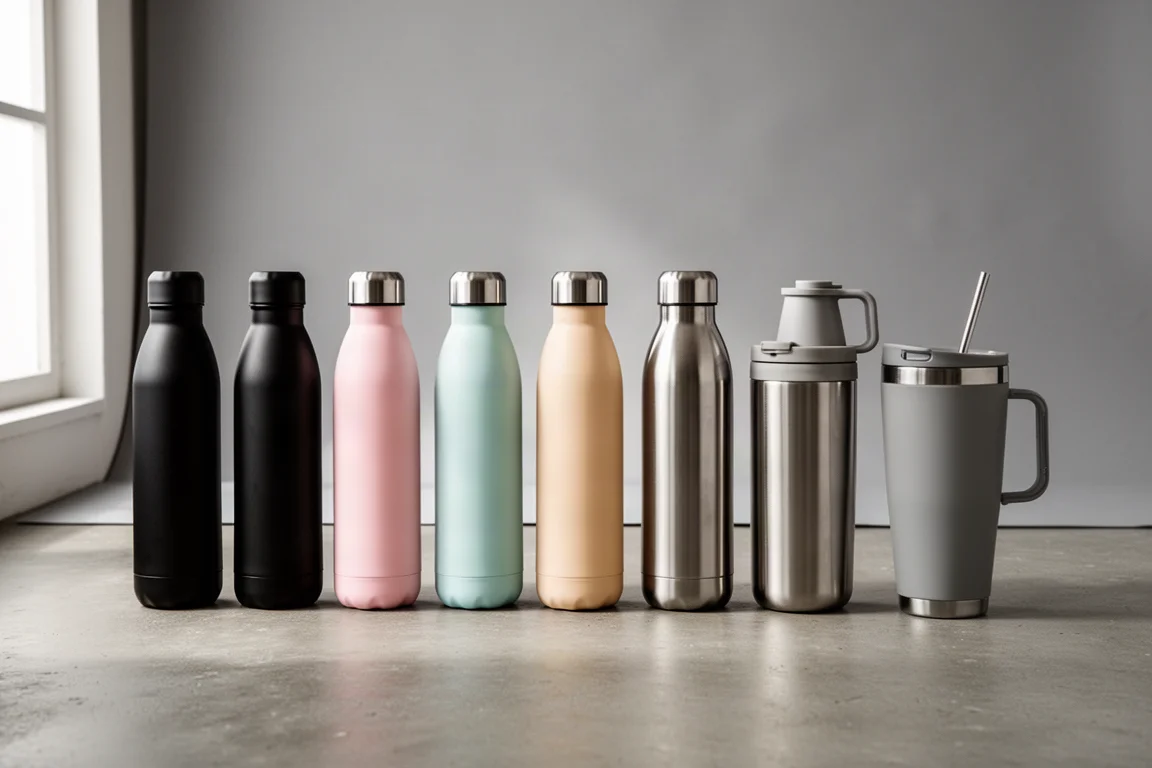
Not all insulated water bottles are created equal. Some hold ice for a full day, some leak the moment they tip over, and a few are genuinely unpleasant to drink from. To separate the hype from reality, we put eight of the highest-rated insulated bottles on the market through the same set of hands-on tests, starting with the most affordable and ending with the most expensive.
How We Tested
Every bottle faced the same four challenges. For cold retention, each bottle was filled with water chilled to 43 degrees Fahrenheit, and the temperature was measured after 6, 12, and 24 hours. For hot retention, each was filled with 180-degree water and measured after 1, 6, 12, and 24 hours. For leakproofing, each filled bottle was tipped over three times and shaken upside down for 30 seconds. For durability, each was dropped from three feet onto its side and directly onto its lid. We also evaluated design details like cupholder fit and one-handed usability.
Owala FreeSip 24oz
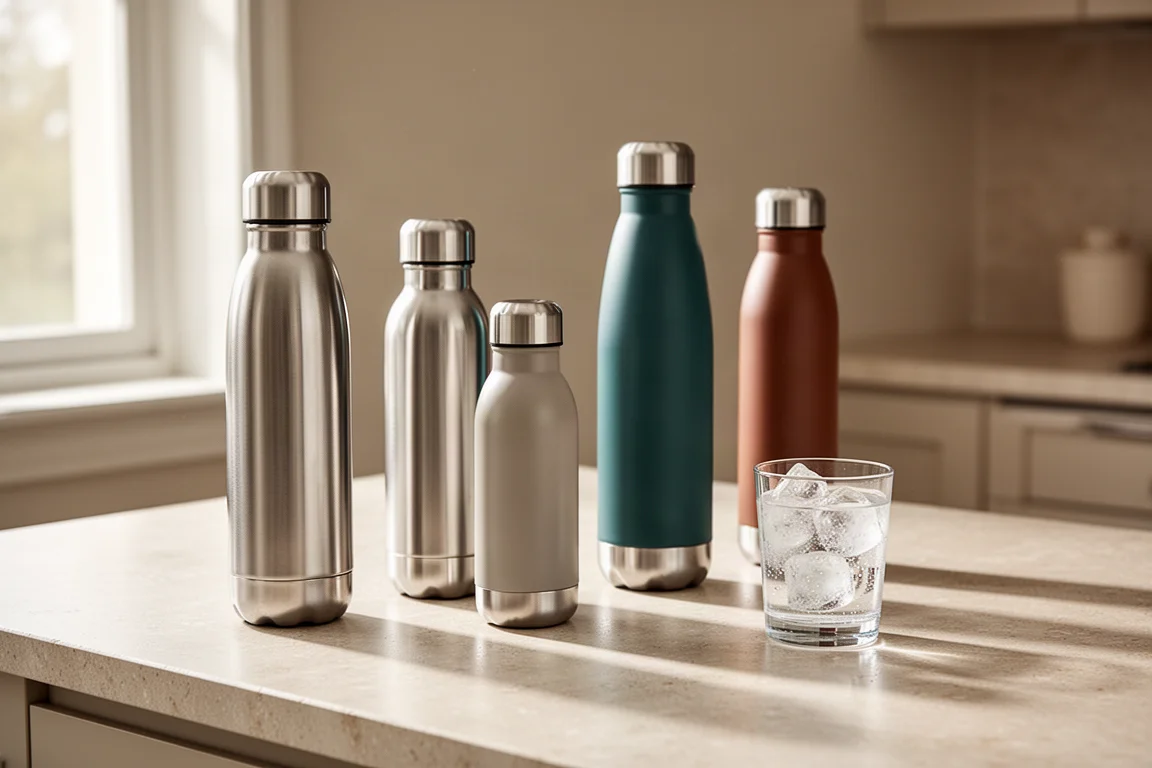
At $28, the Owala FreeSip 24oz is triple-layer insulated and was recently named the best water bottle for one-handed use by the New York Times. It comes in over a dozen color options, though the combinations can feel random and do not always coordinate well.
The highlight is the lid. Push a button and the lid springs open, giving you two ways to drink: sip through the built-in straw, or tilt the bottle back and drink from a wide-mouth opening that curves to fit your mouth. Push the lid down and it locks with a satisfying click. The trade-offs are real, though. The spring-loaded lid can pop open in a bag if something presses the button, and it tends to flick water back when opened. In cold testing it performed below average at every checkpoint, and Owala specifies it is for cold drinks only, so it sat out the hot water test. A few small drops leaked during the tip-over test, but it survived drops on concrete without major damage.
CamelBak Chute Mag 25oz
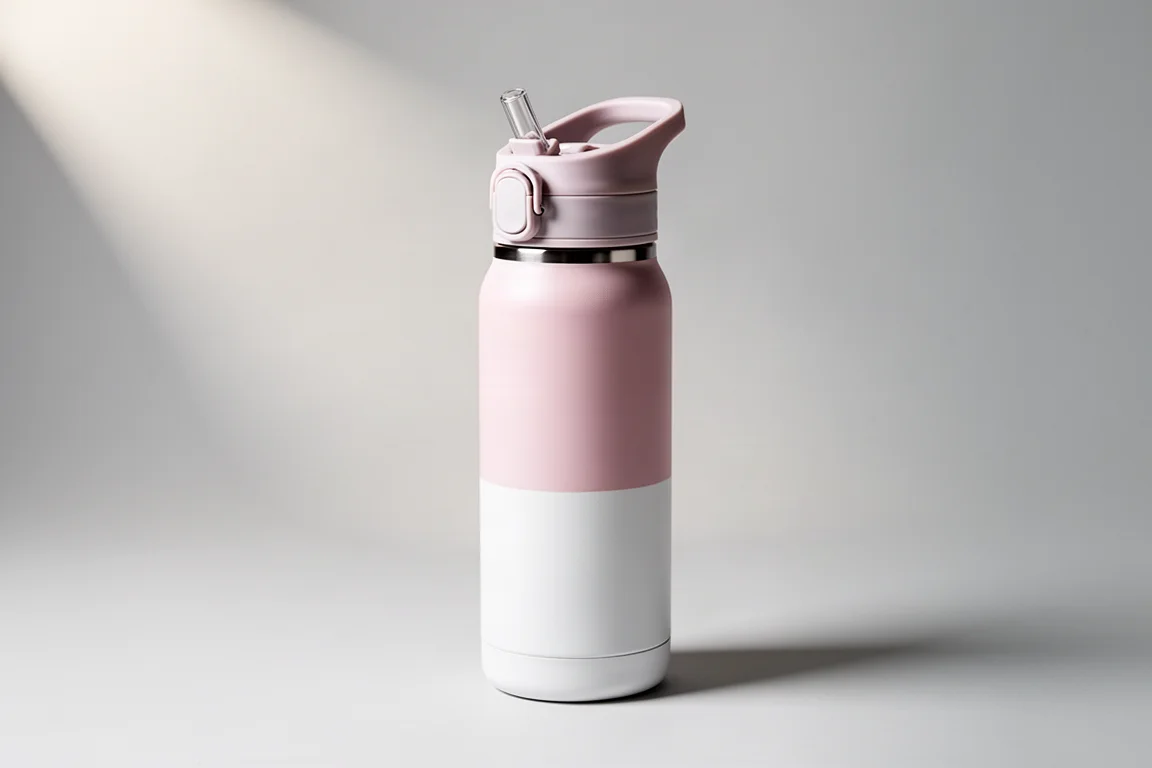
The CamelBak Chute Mag 25oz costs $30, comes in 8 colors, and uses double-wall insulation. The wide mouth makes adding ice easy, while the smaller drinking spout has a magnetic cap that snaps out of the way when you drink.
This was one of the strongest thermal performers in testing. With 43-degree water it was the coldest bottle after 6 hours and second coldest after 12 and 24 hours. With 180-degree water, it only dropped to 159 degrees after one hour and was the second-best hot performer after 6, 12, and 24 hours. It passed the leak test, survived drops with minimal damage, and fits perfectly in standard cup holders. Two minor complaints: the plastic tether connecting the cap to the bottle feels thin and could snap if tugged hard, and the handle sticks out, making the bottle’s profile wider.
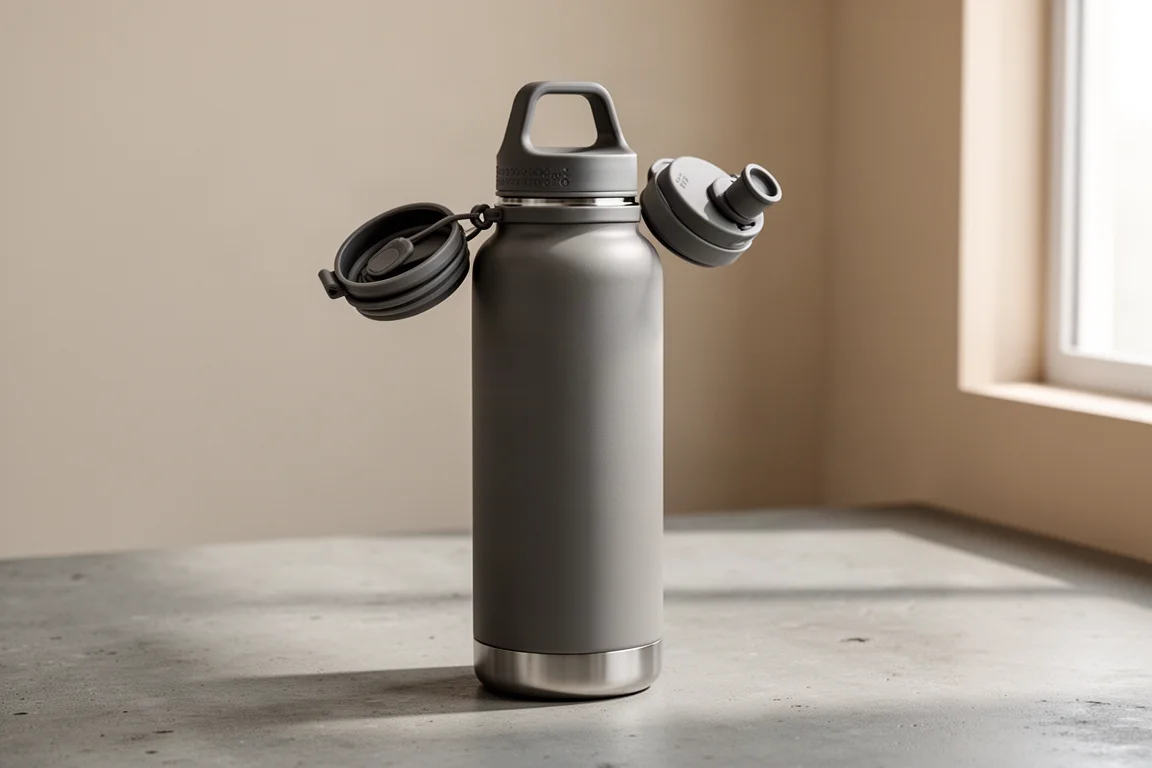
Gatorade Overtime 22oz
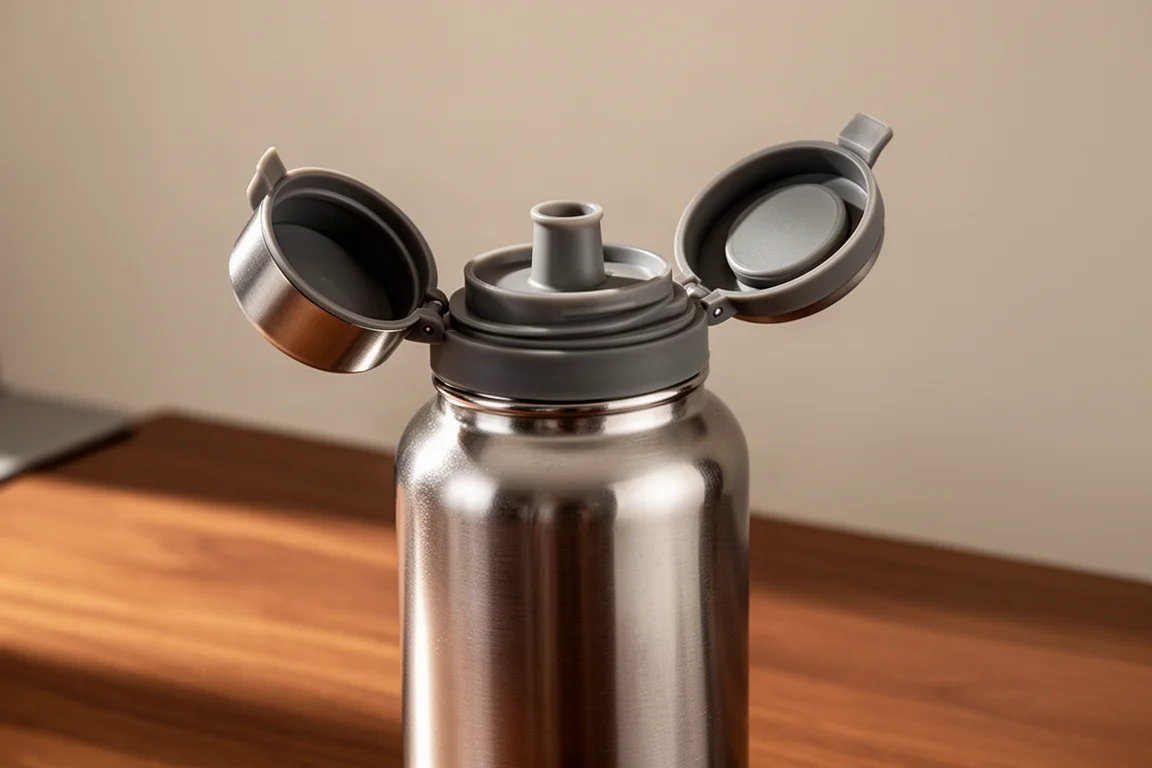
The Gatorade Overtime 22oz costs $30, has double-walled insulation, and comes in 5 bright, sporty colors. Unlike most plain stainless bottles, its metal body is covered in a durable rubber-like material called TPE, which adds grip and protects against damage. When dropped, a rubber coating shielded the bottle from scratches and dents apart from a small dent on the metal ring. The lid design is clever too: instead of a magnetic cap that can detach when shaken hard, this lid swings to the side and stays firmly in place.
The problem is everything else. It warmed up faster than any other bottle in the cold test, reaching 48 degrees after 6 hours, 52.7 after 12, and 59.2 after 24. Hot performance was even worse: 180-degree water fell to 151.7 after just one hour and 41.7 after 24 hours, the lowest of all bottles tested. On top of that, it failed the leak test outright.
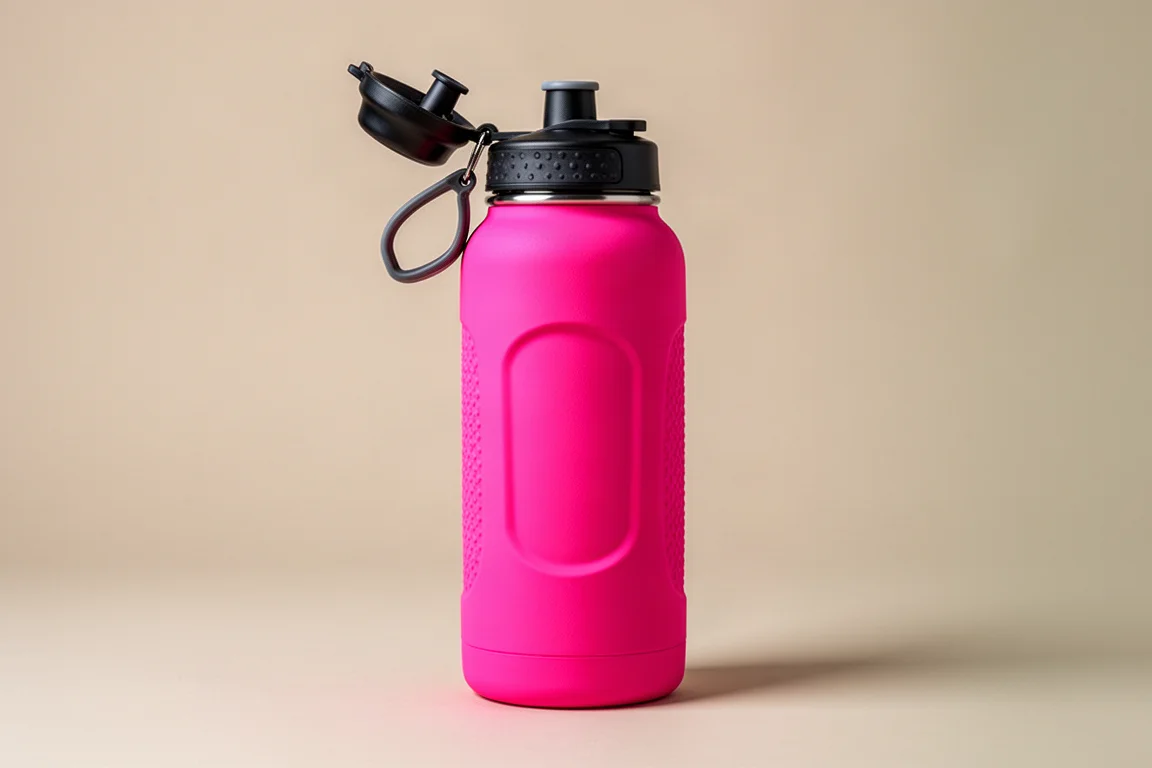
Takeya Actives 24oz
The Takeya Actives 24oz costs $33, has double-walled insulation, and comes in 19 colors. It features a swinging handle that folds out of the way, a rubber ring that makes the large lid easy to open, and a removable rubber bumper on the bottom meant to protect against dents and keep the bottle stable.
After real use, the bumper came off: it slipped and got stuck in cup holders. Thermal performance was average for cold water and below average for hot. The bottle passed the leak test, but durability results were mixed. The plastic lid held up well when dropped upside down, yet dropping it on its side caused the most damage of any bottle in the test.
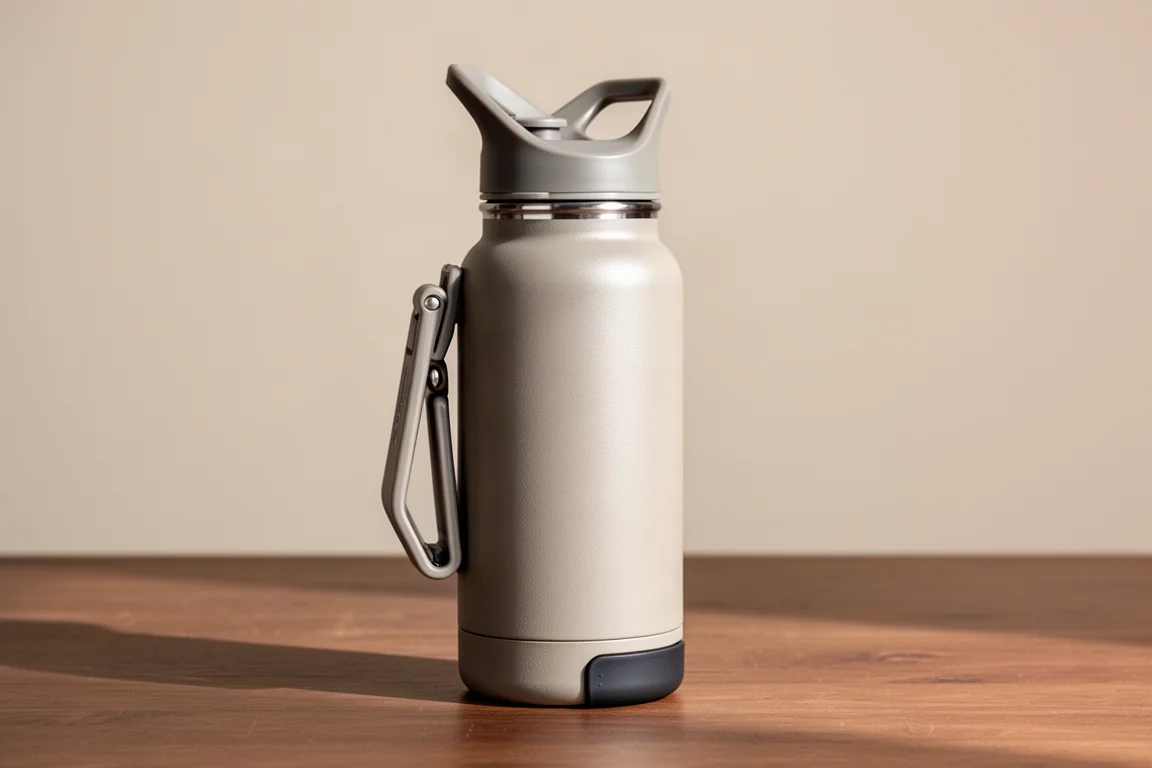
S’well 17oz
The S’well 17oz costs $35, comes in over 30 colors, and has triple-layer insulation. Its slim profile with a simple cap and no handle slips easily into a bag, cupholder, or glove box. The cap stays tight and does not leak.
Insulation is where this bottle shines. In the cold test it placed 4th after 6 hours, 3rd after 12, and 1st after 24 hours. Hot performance was even better: with 180-degree water it beat every other bottle at every checkpoint, and after 24 hours the water was still 94.3 degrees, more than 35 degrees hotter than the second-best bottle. The drawbacks are significant, though. The opening is too small for regular ice cubes, the lid sticks down into the bottle so filling it to the top causes spills, and durability was poor: drops produced a large dent in the bottom, scraped sides, and a major dent in the metal cap.
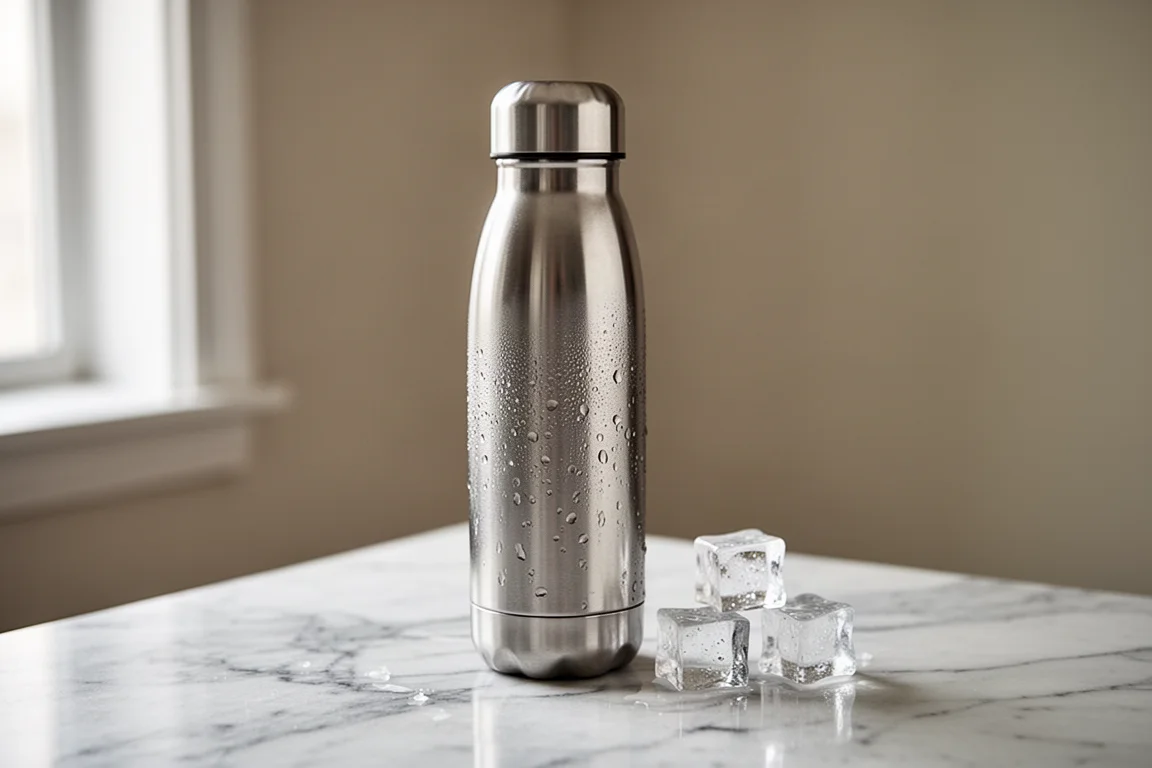
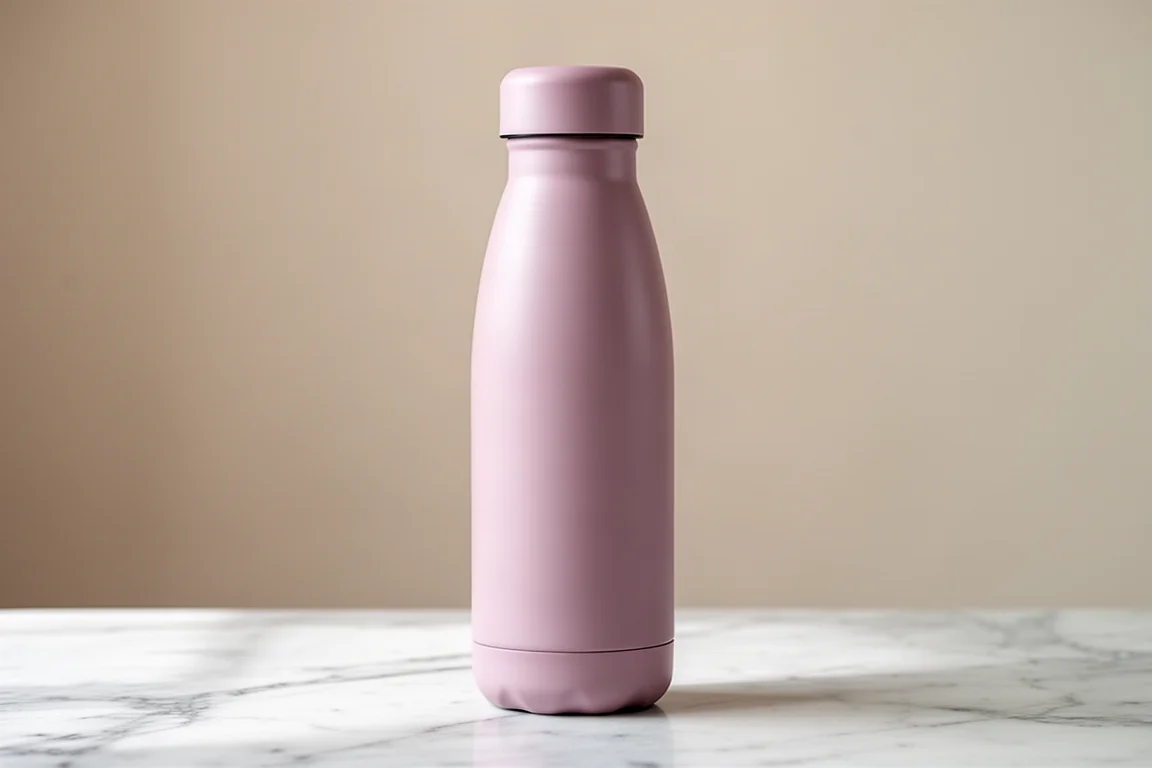
Stanley Quencher H2.0 Flowstate 30oz
The Stanley Quencher H2.0 Flowstate 30oz costs $35 and comes in nearly 30 colors. Instead of a traditional bottle shape, it is a tumbler with a tapered bottom, a large side handle, and a straw. Along with the Owala, it is the best option for driving or any situation where you only have one free hand. If you prefer not to use the straw, you can twist a piece and drink from a smaller opening.
This bottle has become hugely trendy, helped along by a widely shared story about a Stanley surviving a car fire with ice still inside. In our testing, though, it only did an average job keeping drinks cold and a below-average job keeping hot drinks hot. The worst part is that it is not even close to leakproof: even with the straw removed and the spout closed, it leaks a lot. Never put it in a bag or anywhere it could tip over. In drop tests, the securely fastened lid popped off on a side drop and spilled water everywhere, and a lid drop loosened the rubber seal and made a mess.
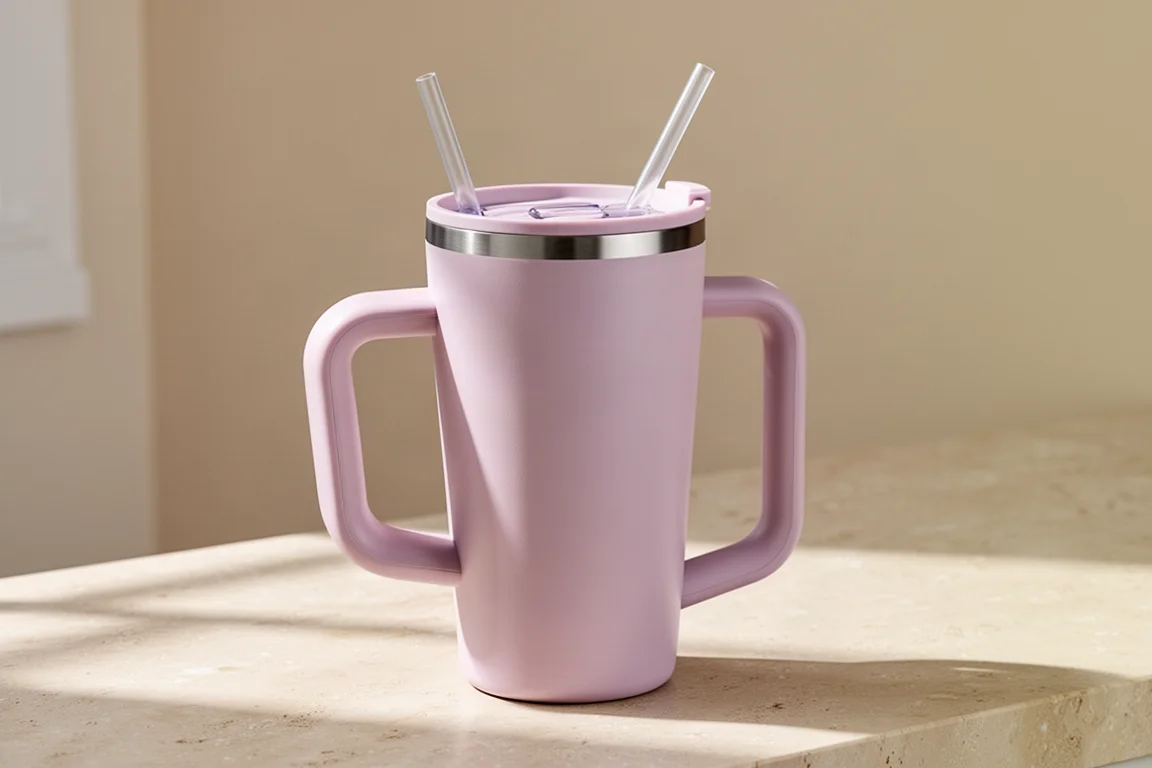
Hydro Flask Wide Mouth with Flex Chug Cap 24oz
The Hydro Flask Wide Mouth with Flex Chug Cap 24oz comes in over 10 colors, has double-walled insulation, and costs $40, tying for the most expensive bottle tested. The New York Times recently named it the best overall water bottle.
The appeal is simplicity. The slim profile fits easily in cup holders, a thick rubber handle can be moved to either side of the lid, the wide mouth takes ice easily, and the smaller chug cap provides a comfortable drinking spout. It passed the leak test without issues and handled drops well, taking only a small dent on its side and no damage when dropped on the cap. The negatives: it ranked seventh out of eight for cold retention at 6, 12, and 24 hours, it is not designed for hot drinks so it was excluded from the hot test, and the handle can get in the way when opening the smaller spout.
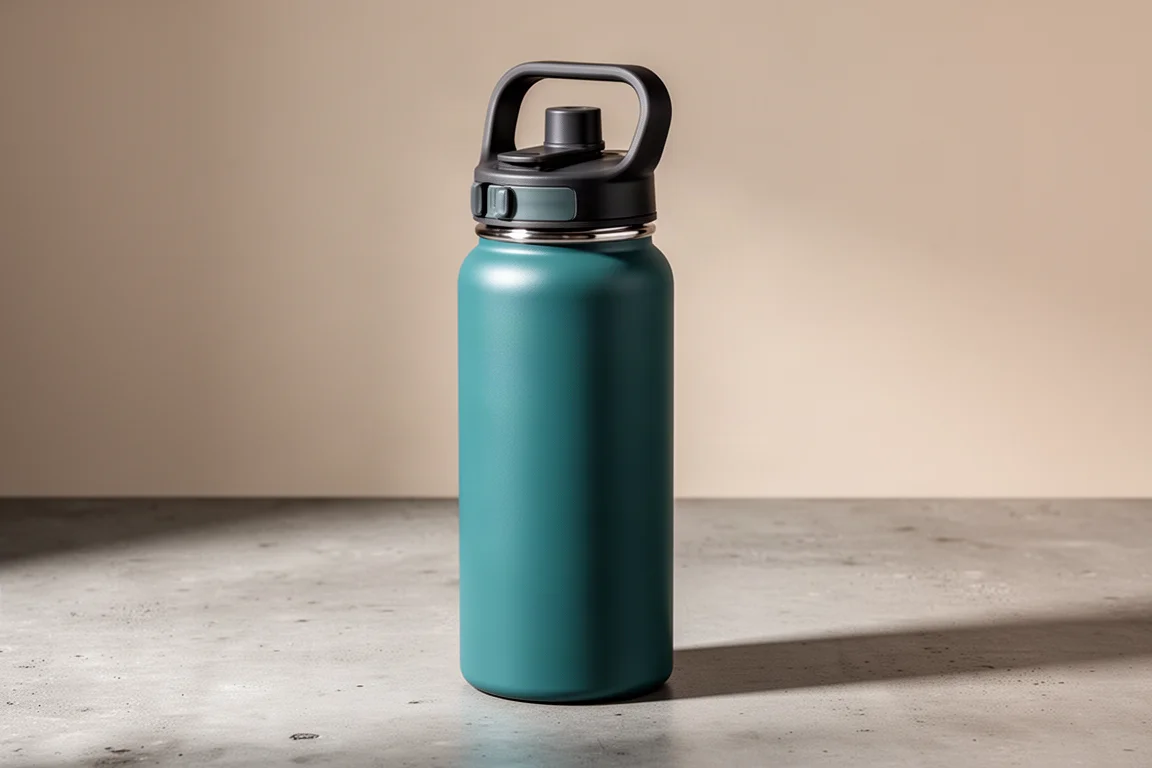
Yeti Rambler 26oz with Chug Cap
The Yeti Rambler 26oz with Chug Cap costs $40, has double-walled insulation, comes in 11 colors, and works for both cold and hot liquids, though Yeti advises not exceeding 185 degrees Fahrenheit. It has a durable look and feel, is the heaviest bottle tested at 1.3 pounds empty, and has a thick plastic handle fixed in place.
Thermal performance was excellent. It placed 2nd after 6 hours, 1st at 12 hours, and 3rd after 24 hours in the cold test, and 2nd after 1 hour and 3rd at 6, 12, and 24 hours in the hot test. It passed the leak test and held up well in drops, with only a small bump on the bottom and minor scrapes on the plastic cap. The main complaints: tightening the outer lid can over-tighten the chug cap underneath, making the bottle difficult to open, and the wide 3.25-inch diameter does not fit standard cup holders.
Which Bottles Are Worth Buying?
If you want a heavy-duty bottle that keeps drinks at the right temperature and will not leak, the Yeti or the CamelBak are the strongest picks. The CamelBak is cheaper and fits cup holders, while the Yeti has the more durable lid design.
Hydro Flask and Takeya are also worth considering. They do not keep water quite as cold as the leaders, but the difference is only a few degrees, and both are well built with leakproof lids. Stanley and Owala are great for one-handed use, but the Stanley leaks far too easily, and the Owala’s lid failed the leak test, can flick water, and relies on springs with more parts that can break than a simple twist-off lid.
Avoid the Gatorade Overtime, which performed the worst by far in both temperature tests. And although S’well had the best insulation overall, the small opening and the lid design are deal breakers. If you are still deciding, comparing the bottles side by side on temperature, leakproofing, and durability should make the right choice clear for how you actually drink.
Conclusion
The best insulated water bottle depends on what you value most. For all-around temperature performance and toughness, Yeti and CamelBak lead the pack. S’well wins on pure insulation but fumbles everyday usability, while the Stanley and Owala excel at one-handed sipping at the cost of leakproofing. Match the bottle to your routine, and any of the top picks here will serve you well.
Further reading
Related Reviews
Water Bottles
Hydro Flask Trail Series 21 oz Review: A Lighter Bottle for Travel and Trail
The Trail Series 21 oz cuts weight by around 25% versus the standard Hydro Flask, with a slimmer profile that fits most travel backpack pockets. Here is how the two compare.
Backpacking Gear
Building a 10 lb Base Weight: An Ultralight Backpacking Gear List
A practical walkthrough of the ultralight pieces behind a 10 lb base weight, from a 765 g pack and a roomy one-person tent to a full camp chair and a dependable water filter.

Road Bikes
10 New Road Bikes Worth Watching: Aero, Titanium, Steel and Endurance Standouts
A practical roundup of 10 new road bikes, from aero flagships chasing single-watt gains to titanium, steel and endurance platforms built for real roads.