Indoor Cycling
Best Indoor Cycling Trainer Setups for Every Budget
Entry level smart trainers, mid-range options, dedicated indoor bikes and premium direct drive setups compared, plus the add-ons that make indoor riding feel more real.
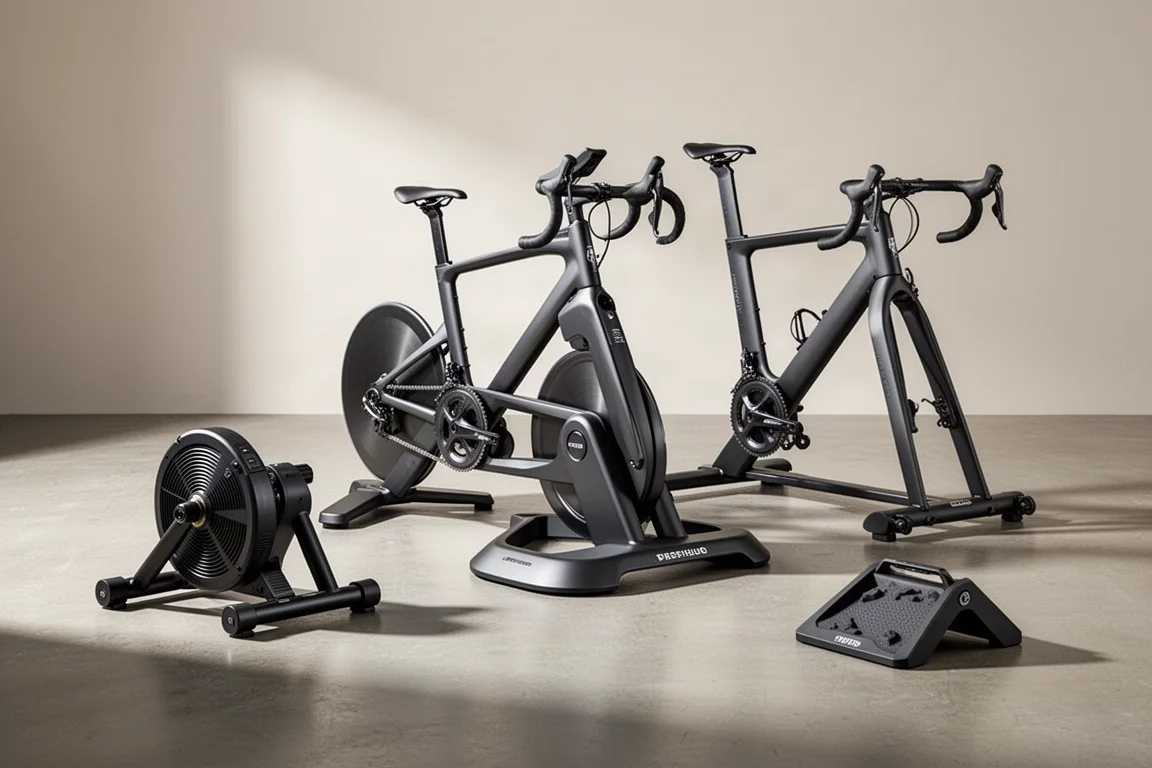
Introduction
Indoor training tends to divide cyclists into two camps. The appeal is straightforward: it is time efficient, it keeps you warm and dry, it is accessible from almost anywhere, and a huge online community means you can race, follow a structured plan, or simply ride for the fun of it. The objections are just as familiar, because indoor sessions can feel boring, unrealistic, and very hard indeed.
Those objections made far more sense with older hardware. Direct drive, wheel-off trainers have been around for over a decade now, and they changed the experience. They feel considerably better than the wheel-on trainers they replaced, they measure the power you are producing, and they connect to indoor training apps so you can ride, race, or train online.
Indoor training is also one area of cycling where functionality has increased at the same time as prices have fallen. Smart trainers are now available for less than €300, and there are meaningful upgrades at every step above that. What follows is a look at what each price point actually buys, from entry level units to dedicated indoor bikes and premium direct drive setups, along with the add-ons that make a home setup feel more immersive.
What You Need to Start Indoor Training
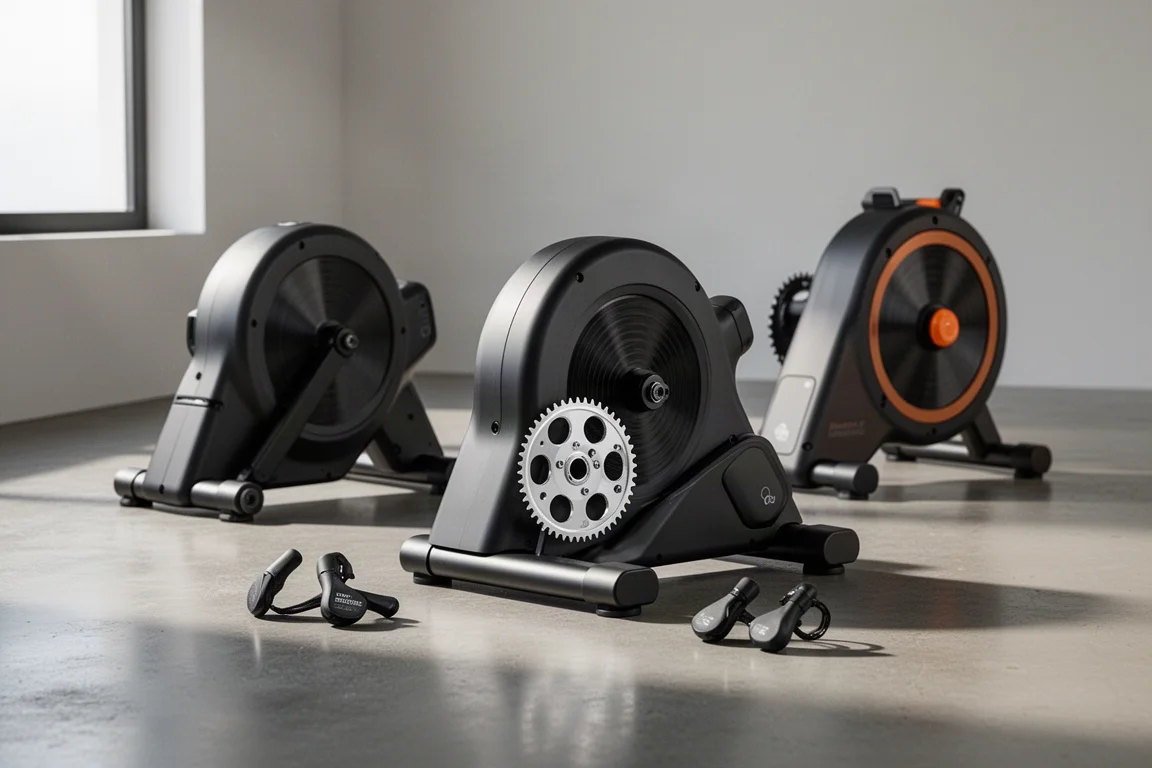
The core of any setup is a direct drive, wheel-off smart trainer. This is the component that measures your power, connects to training apps, and provides the resistance. Everything else around it is comparatively inexpensive.
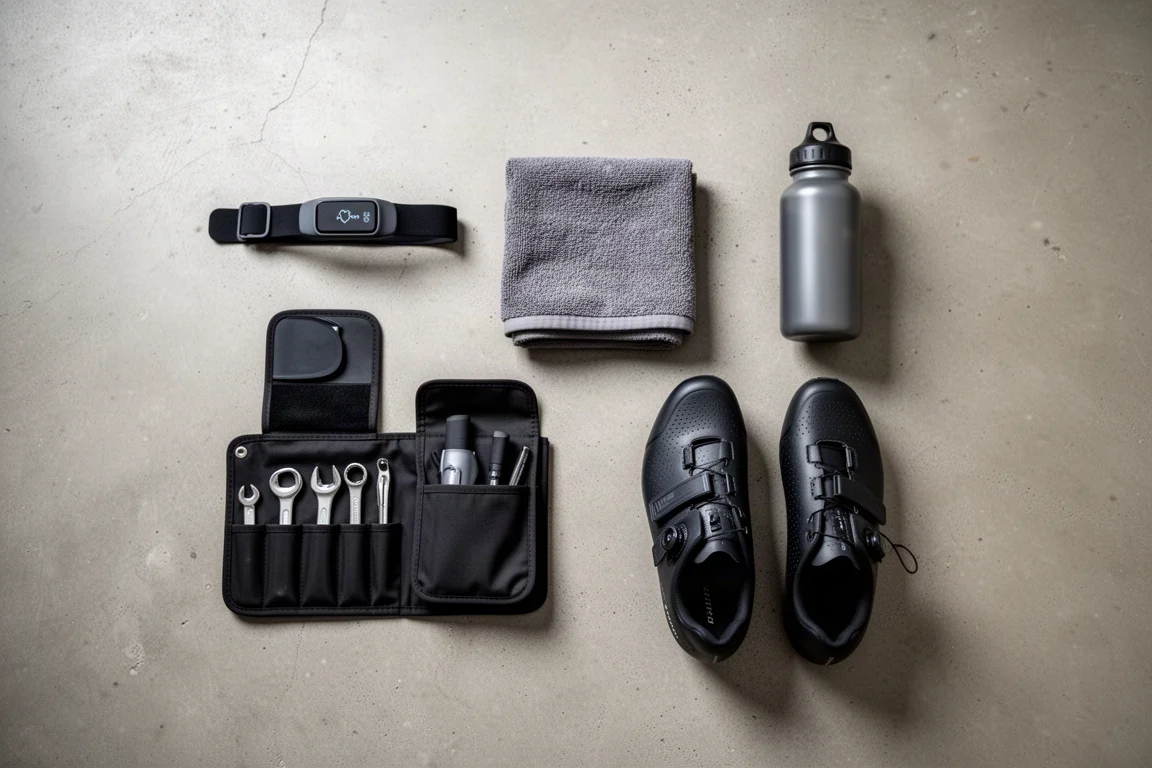
The practical additions matter more than most people expect. A regular desktop or floor-standing fan will do fine, a mat or an old towel protects the floor, and one or two more towels help you manage the sweat you will generate even with a fan running.
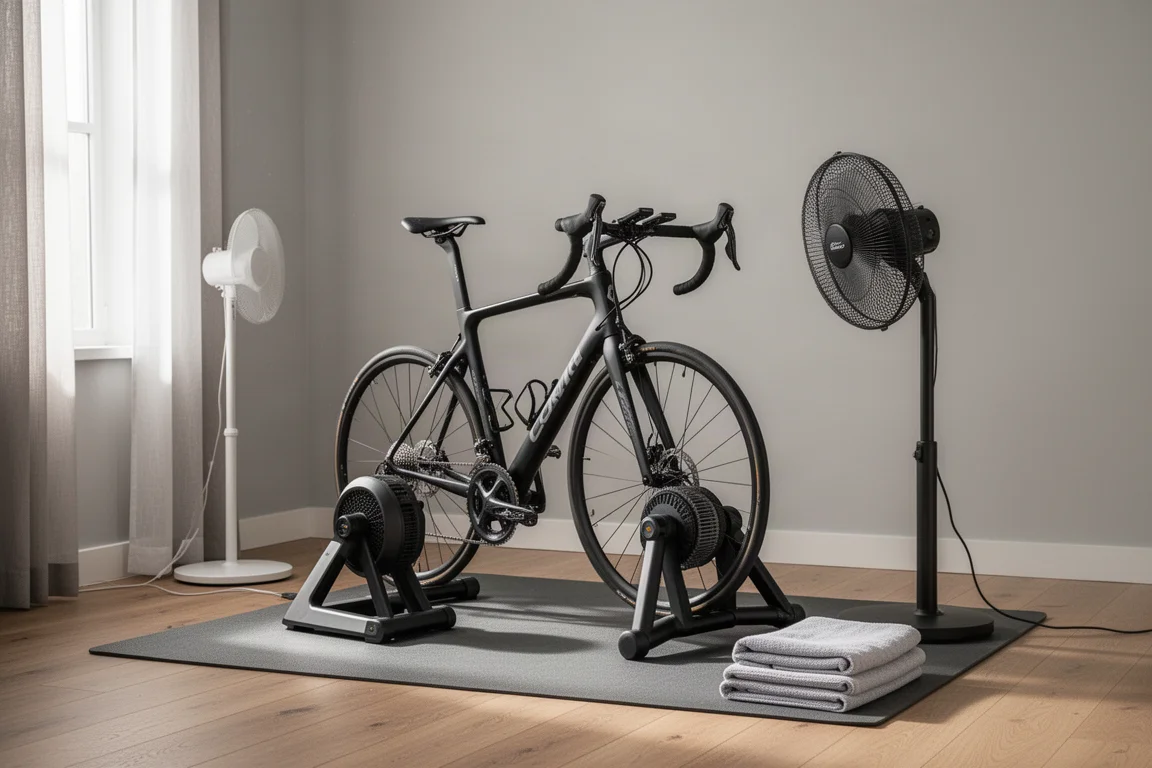
Beyond those basics, the numbers that separate one trainer from another are power accuracy, maximum resistance, and the gradients a unit can simulate. Those figures matter most if you plan to sprint, race, or train to precise power zones. For steady endurance work, entry level hardware covers the vast majority of riders comfortably.
Best Budget Smart Trainer: Van Rysel D100
The Van Rysel D100 is a relatively new arrival and one of the clearest examples of how affordable smart training has become. In the UK and Europe it sells for under £300, or under €300 on the continent, and it comes with the Zwift Cog and Click included.
That inclusion is significant. A direct drive trainer has traditionally required a cassette, which meant either buying one matched to your bike or constantly moving a cassette between your wheel and the trainer whenever you switched between riding indoors and outdoors. The Zwift Cog and Click enables virtual shifting, so almost any bike can be used on the trainer without that hassle.
The D100 is also very quiet, which is a genuine benefit no matter how far away your neighbours are, and it folds into a compact shape that will fit under a desk or a table when space is tight.
The limitations are about ceiling rather than everyday usability. Maximum resistance is 600 watts, simulated gradients stop at 6%, and claimed power accuracy is within 5%. Riders who sprint for the line in an online race, or who include dedicated sprint training, will reach that 600 watt ceiling. For endurance training and VO2 max intervals, it is more than enough for the vast majority of riders.
Best Value Mid-Range Trainer: JetBlack Victory
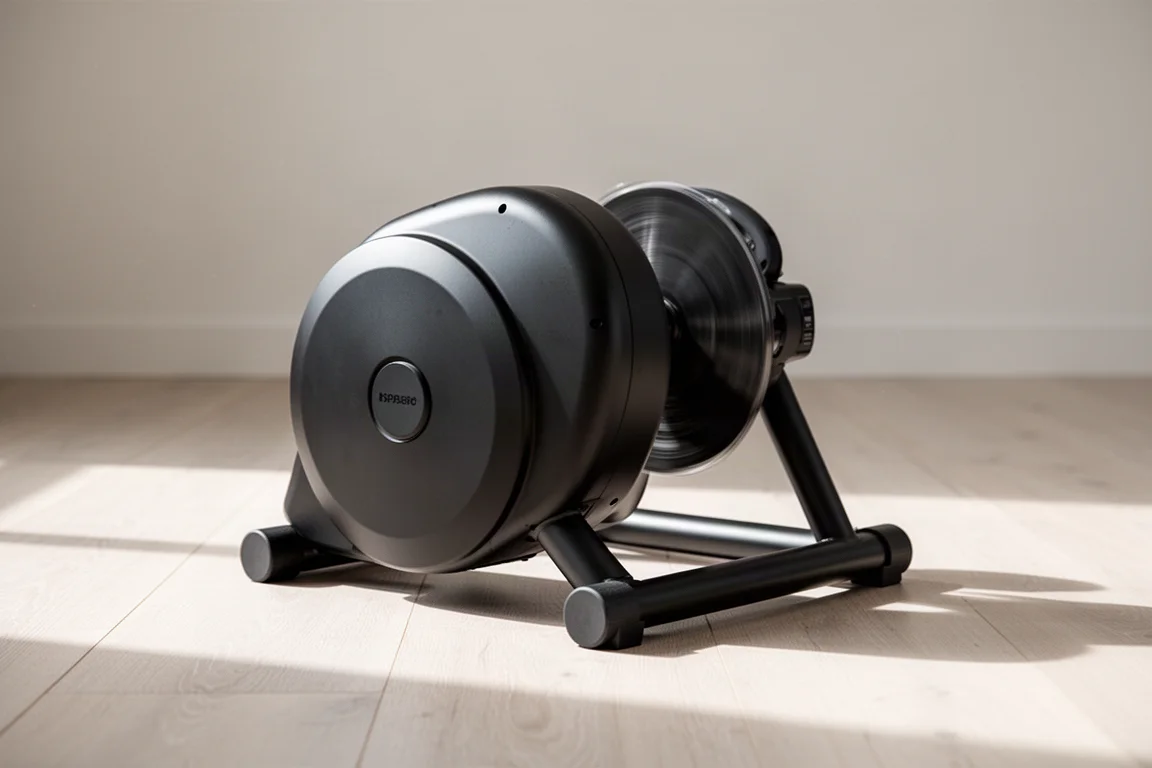
Spending more raises the ceiling. The JetBlack Victory comes with the Zwift Cog and Click and is available in the USA, UK, Europe, Canada, and Australia, at around $400 or £400.
The specifications step up with the price: claimed power accuracy of 2%, a maximum output of 1,800 watts, and simulated gradients up to 18%. That headroom is what sprint training and online racing ask for, and 18% is more gradient than most riders will ever need.
For riders who want a trainer that will not hold them back as their training develops, this is roughly the point where the numbers stop being a compromise.
Wahoo KICKR CORE Zwift One
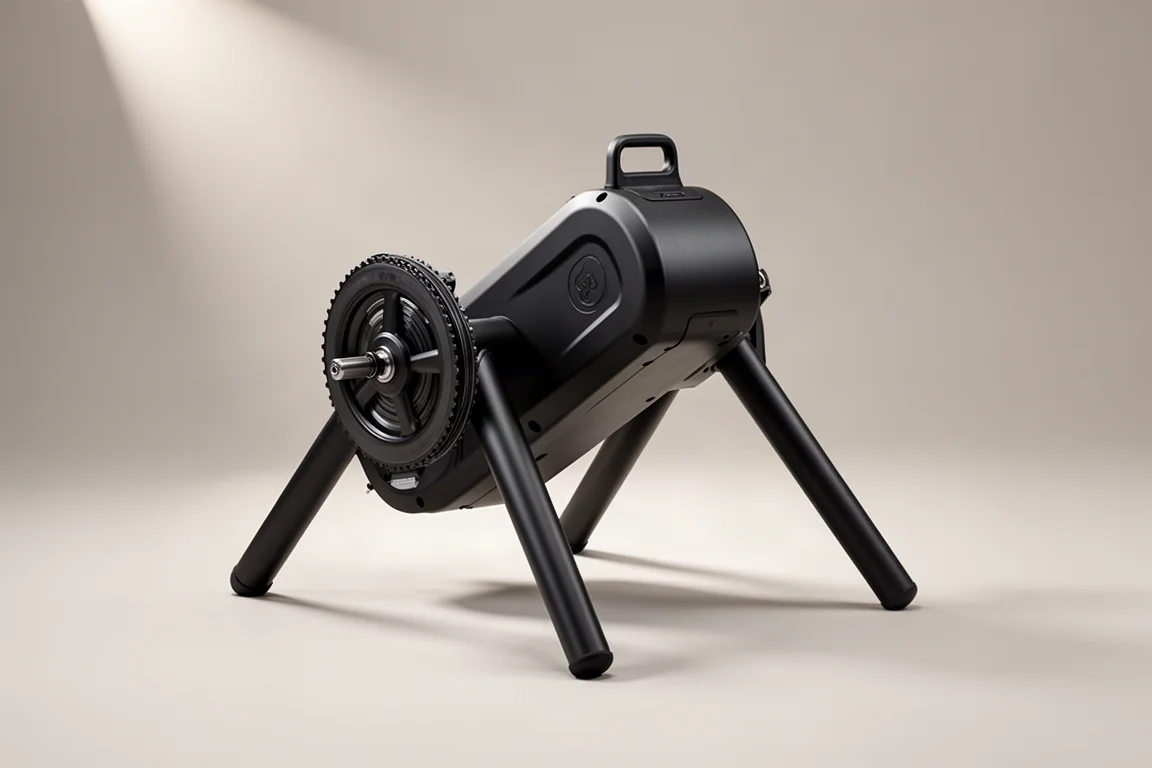
The Wahoo KICKR CORE Zwift One sits close to the JetBlack Victory in both price and functionality. It is a straightforward route onto a well-established trainer platform, and there is currently an option to buy it with a discounted Zwift subscription for roughly £100 more.
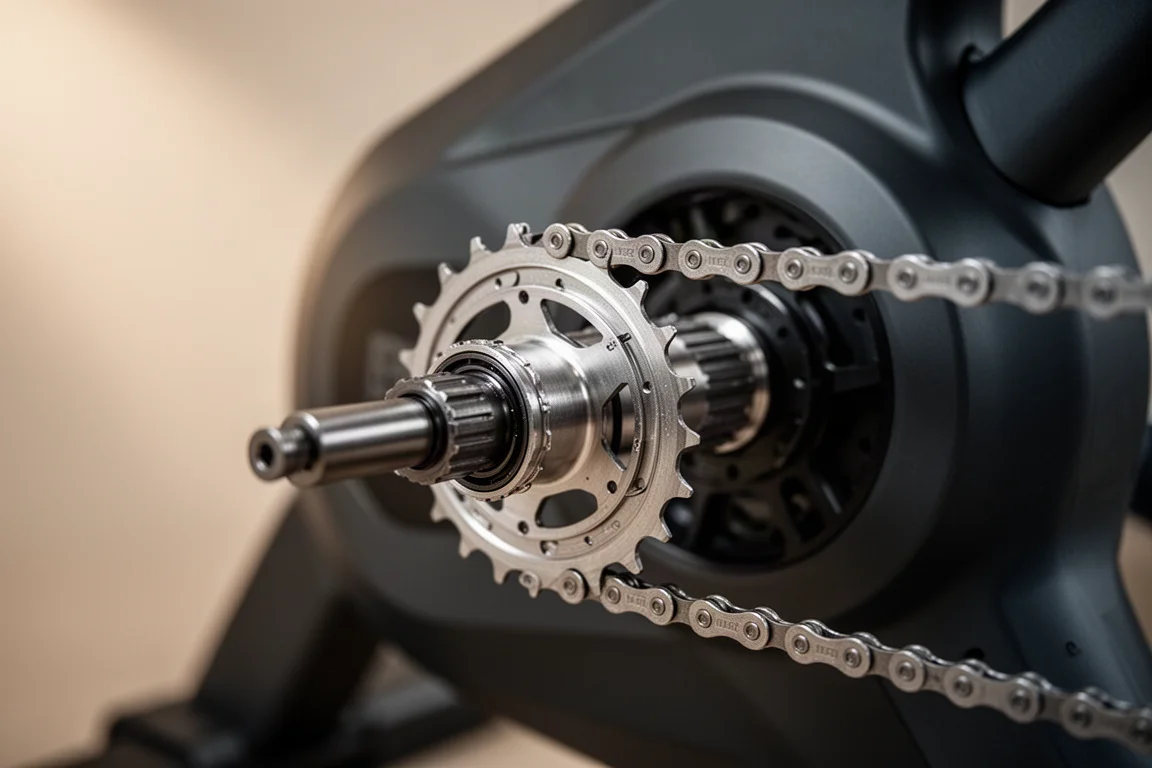
For riders weighing the two against each other, the decision is likely to come down to regional availability and bundle pricing rather than any meaningful gap in capability. Both sit in the same part of the market, and both ship with the Zwift Cog and Click.
Elite Direto XR
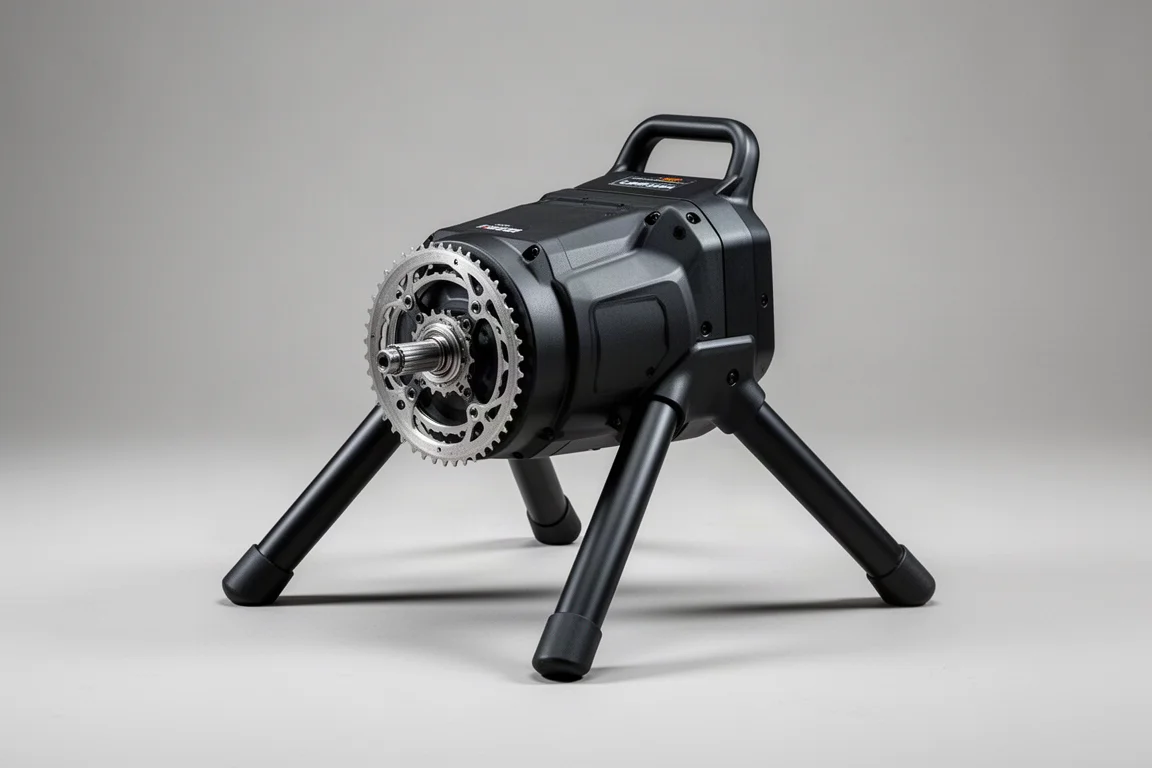
The Elite Direto XR paired with the Zwift Cog and Click claims slightly better accuracy again at 1.5%, and it can simulate steeper gradients than the mid-range trainers above.
Those two figures are the reason to choose it. Riders who want the most precise power data available at this level, or who ride routes with genuinely steep virtual climbs, are the ones who will notice the difference in practice.
Zwift Cog and Click: What Virtual Shifting Changes
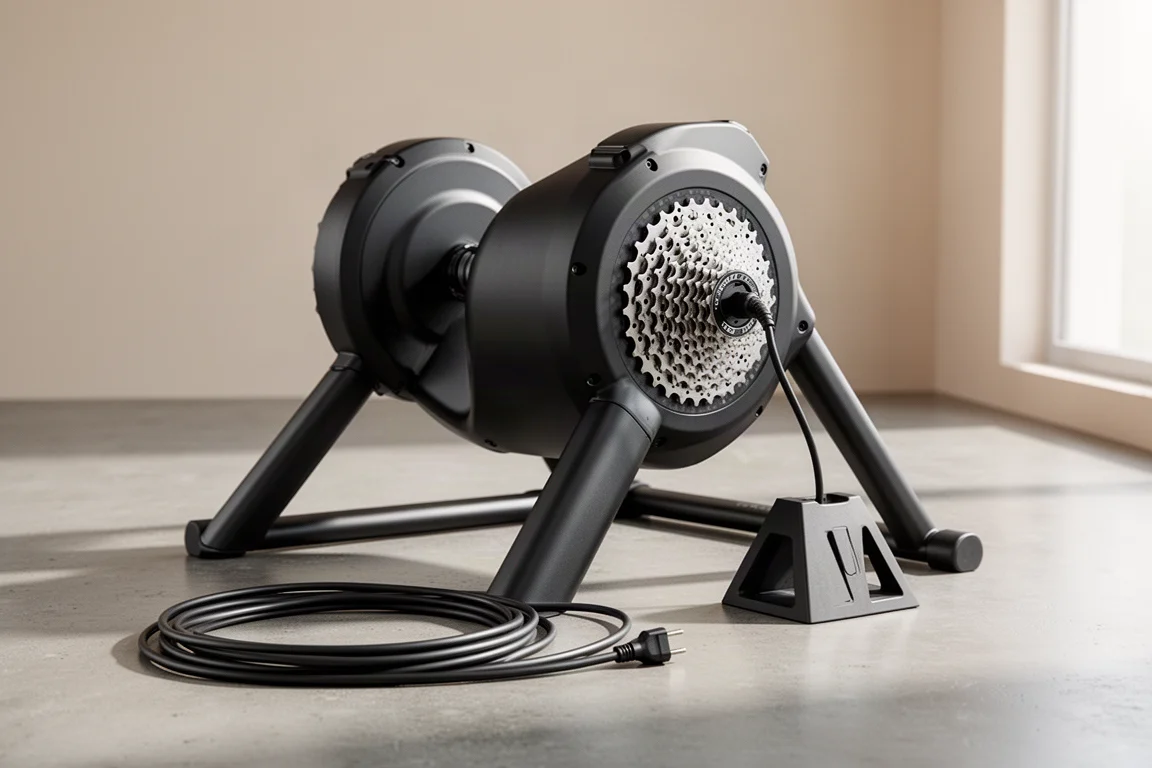
The Zwift Cog and Click appears throughout this list because it solves one of the most irritating parts of direct drive ownership. Instead of sourcing a cassette that matches your bike, or swapping a cassette between your wheel and the trainer every time you move indoors or outdoors, the Cog and Click enables virtual shifting.
In practice that means almost any bike can be used on a compatible direct drive trainer. It is a significant upgrade over earlier direct drive setups, and it is the main reason entry level trainers are now so easy to live with.
Dedicated Indoor Bikes: Zwift Ride
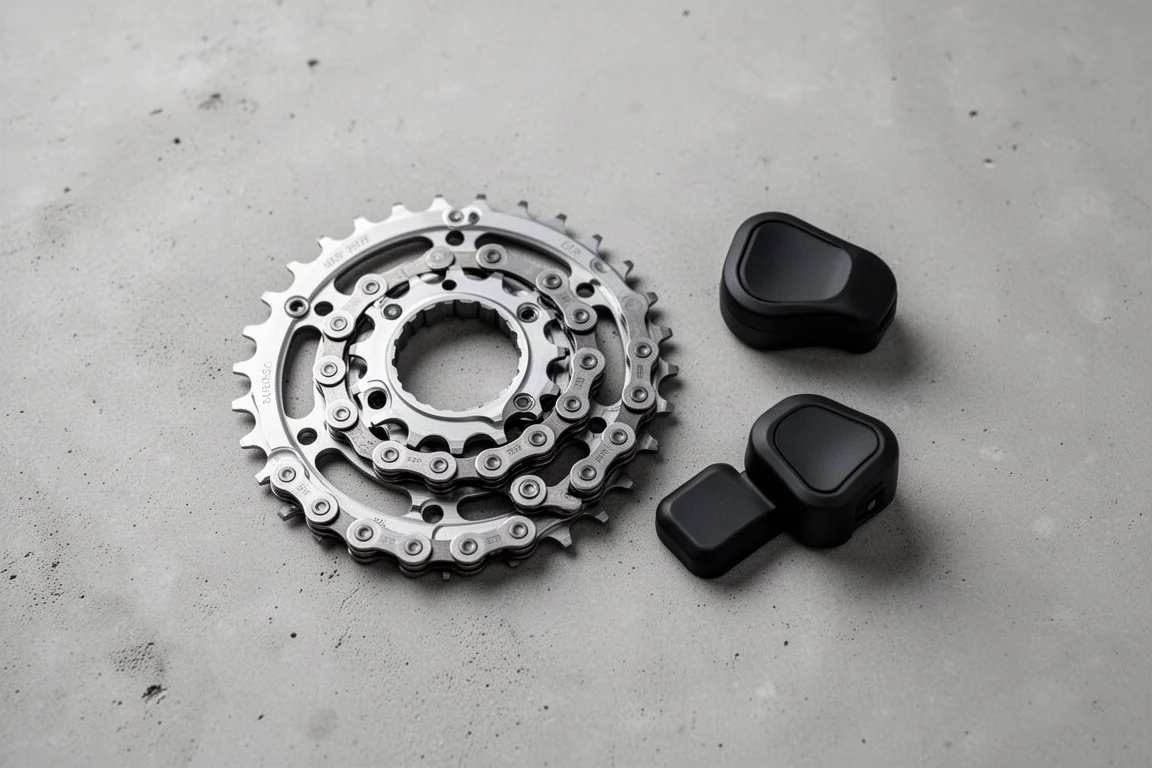
A dedicated indoor bike is the other route, and the Zwift Ride is a clear example of it. There are two real advantages. First, the unit can be left set up and ready to ride, so there is no assembly before a session. Second, it can be adjusted for multiple users, which makes it a practical choice for a household with more than one rider.
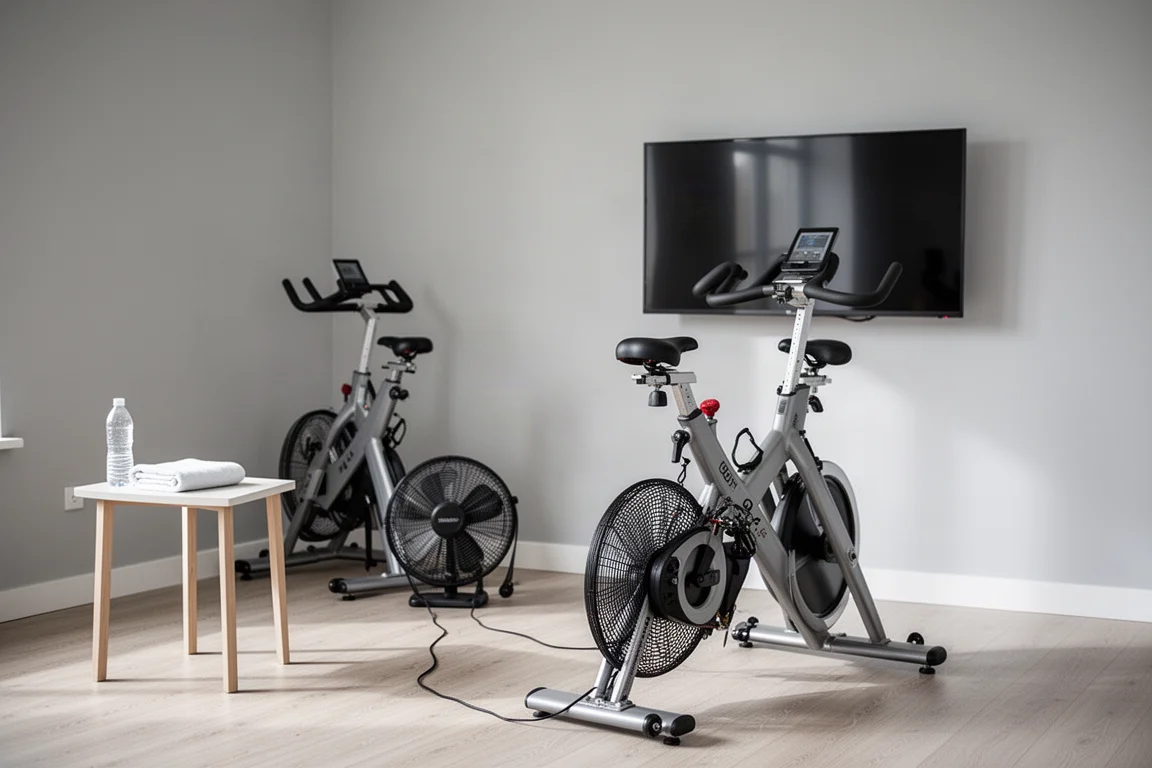
The Zwift Ride is compatible with all of the trainers covered in this guide, so it is worth keeping in mind either as a starting point or as a future upgrade. Dedicated units make the most sense for riders who have both the budget and the floor space to leave them in place.
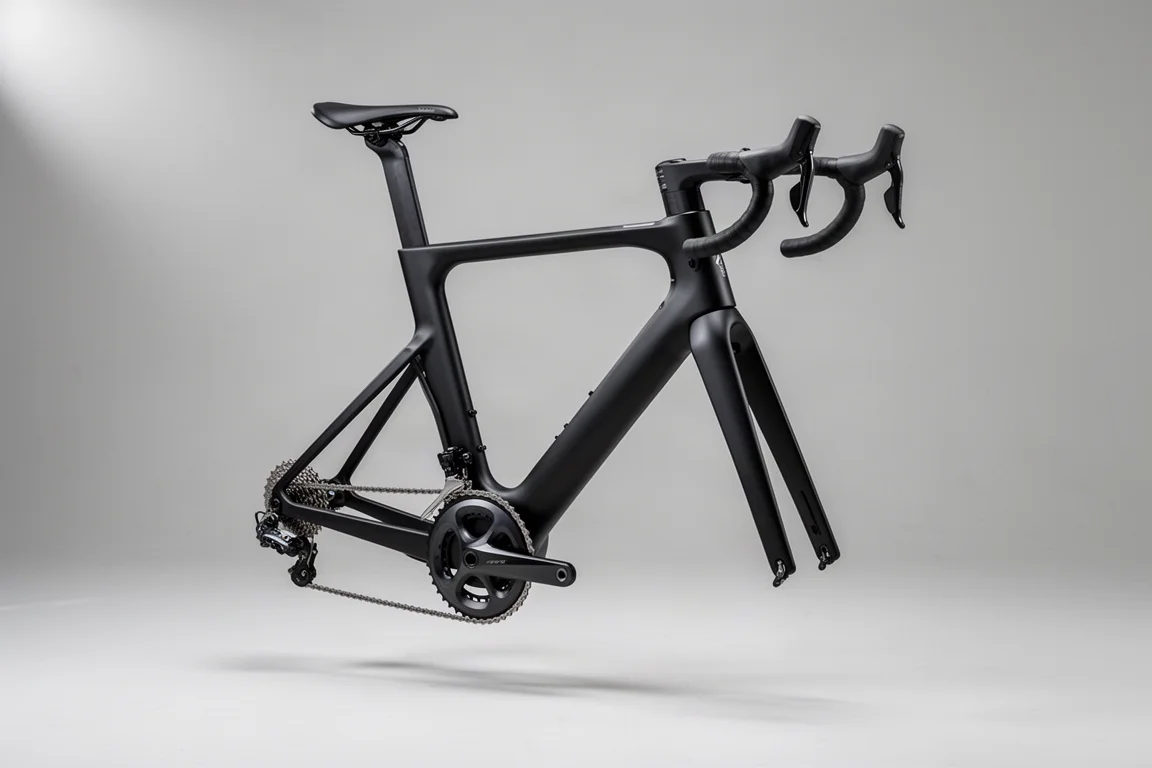
Wahoo KICKR BIKE
The Wahoo KICKR BIKE takes the same dedicated approach. It can stay set up permanently, it can be configured for different riders, and it keeps your outdoor bike away from the sweat and wear that indoor sessions cause.
As with any dedicated indoor bike, the practical question is space. These units are at their best when they can live in one place rather than being packed away after every session.
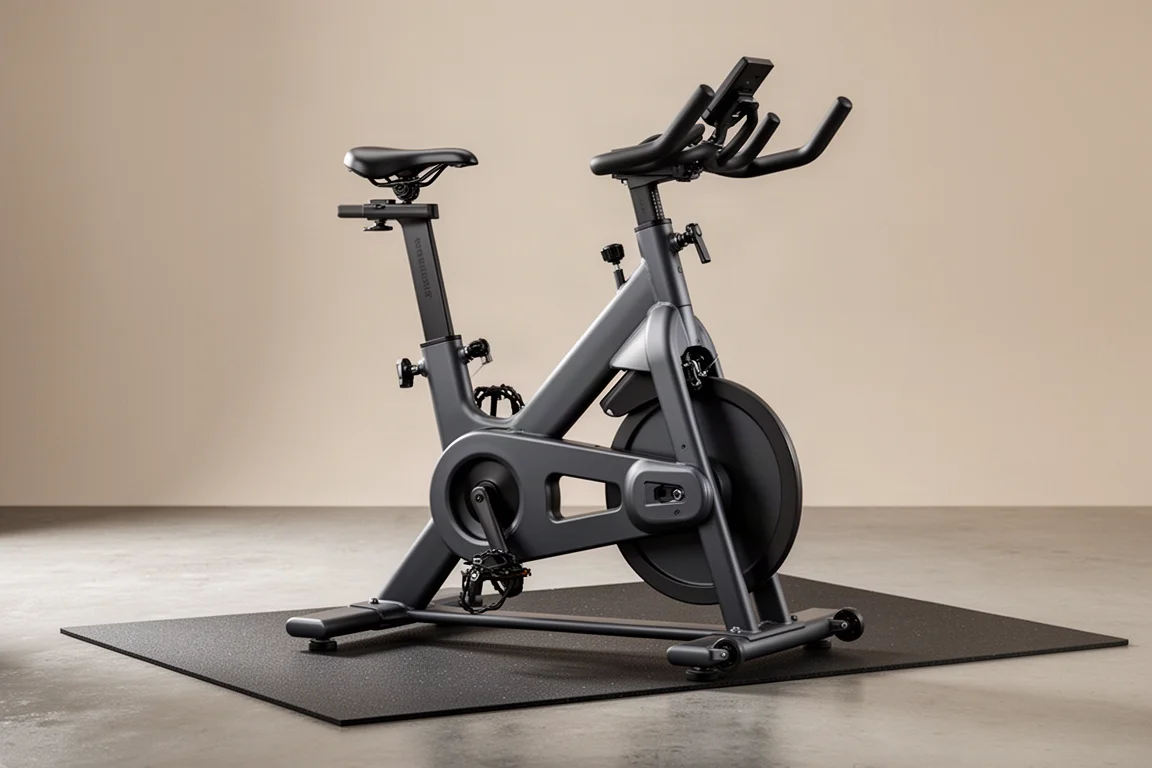
Premium Direct Drive: Wahoo KICKR MOVE
For riders who want to keep using their own bike, the Wahoo KICKR MOVE is the premium direct drive option. It is available with the Zwift Cog and Click, and its power measurement accuracy of plus or minus 1% is about as good as it gets, whether the comparison is an indoor trainer, an on-bike power meter, or laboratory equipment. It measures up to 2,200 watts.
Two features stand out in regular use. The first is 8 inches, or 20 cm, of front-to-rear movement, which adds comfort over longer sessions. The second is how quiet it runs.
Add the KICKR CLIMB and the KICKR HEADWIND and the setup comes to roughly £2,000. The main drawback is space, because a premium setup like this is best left assembled, which for most riders means keeping it in place through the winter months.
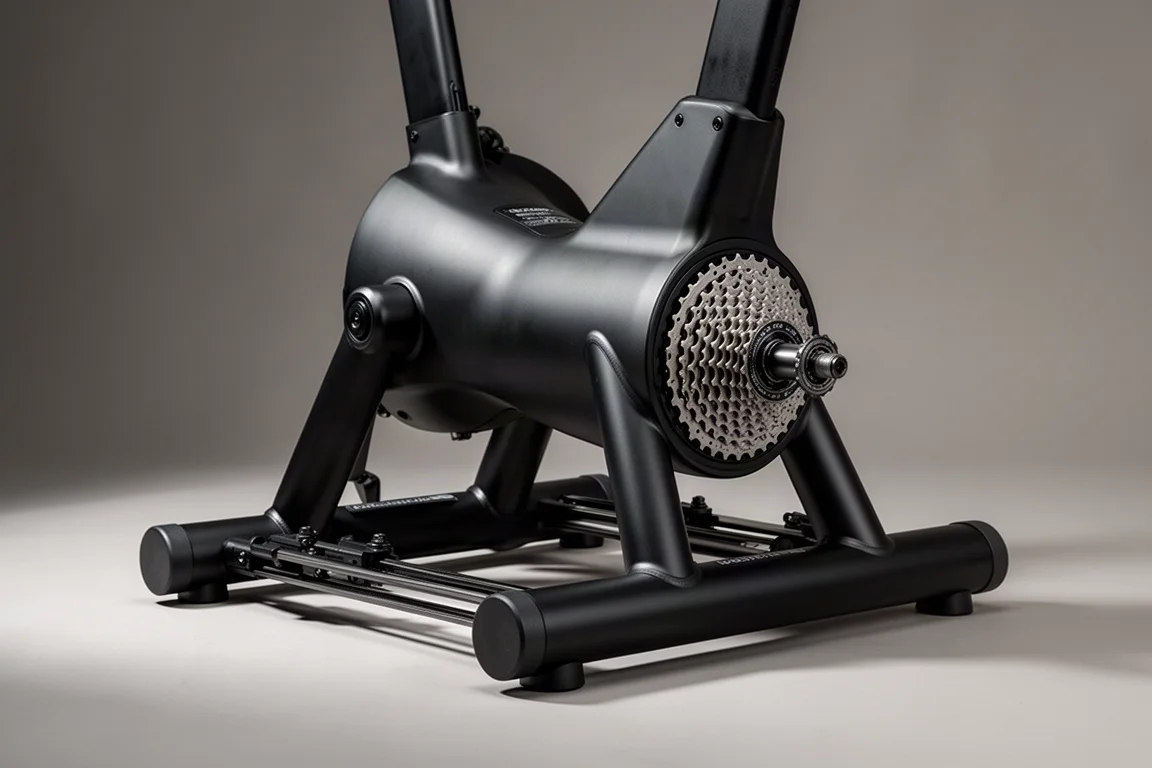
Immersion Add-Ons: Wahoo KICKR CLIMB and Wahoo KICKR HEADWIND
Two accessories do most of the work when it comes to making an indoor setup feel closer to riding outdoors.
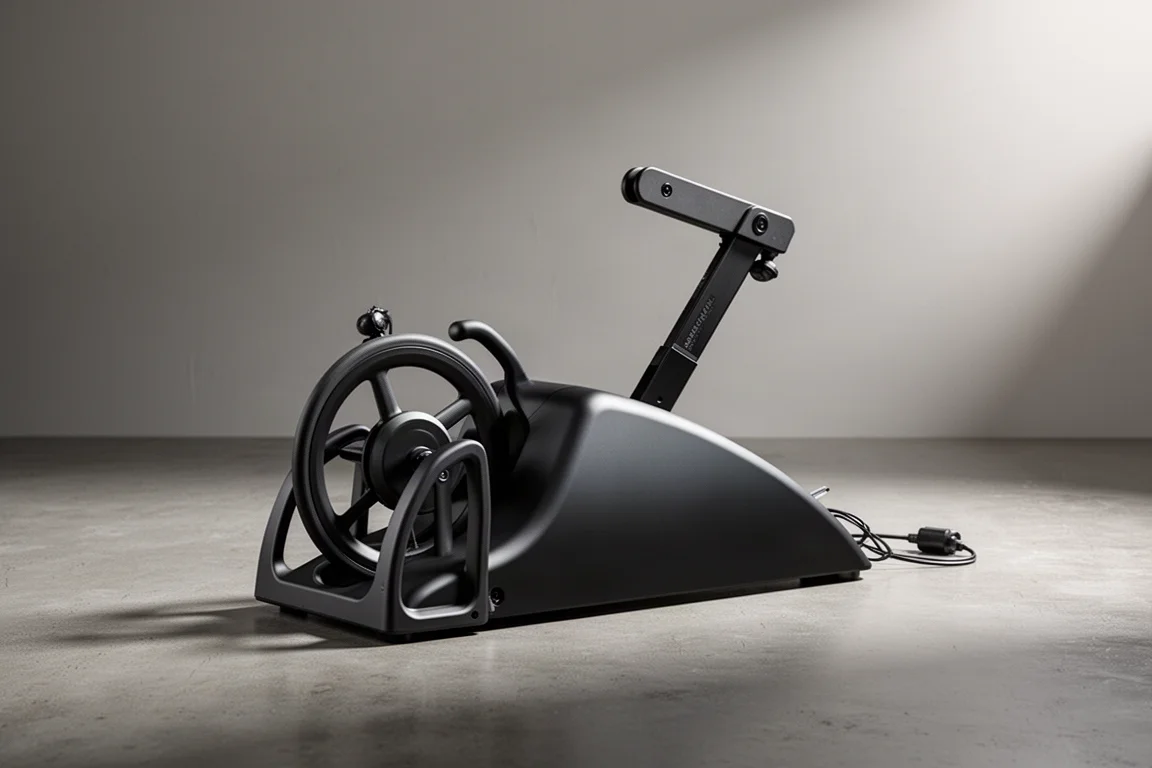
Wahoo KICKR CLIMB
The KICKR CLIMB raises and lowers the front end of your bike to match the gradients of the route you are riding. It adds a physical dimension to climbs and descents that a trainer alone cannot provide.
Wahoo KICKR HEADWIND
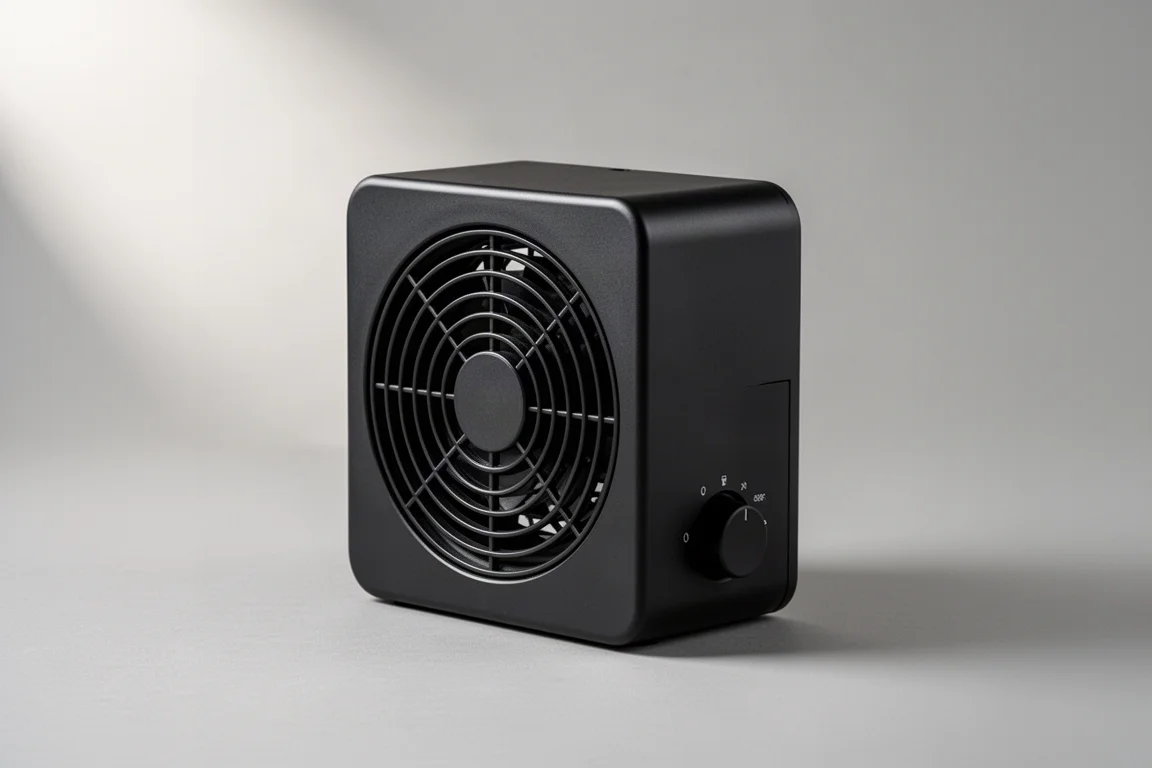
The KICKR HEADWIND is a smart fan that can be controlled from your head unit or by your own heart rate. Because it responds to effort rather than running at a single fixed speed, it is easier to stay comfortable as the intensity of a session changes.
How to Choose Your Indoor Training Setup
Paying more buys a higher ceiling: more resistance, steeper simulated gradients, better power accuracy, quieter operation, and more immersion. Whether any of that matters depends entirely on what you plan to do with the trainer.
If your goal is endurance training, VO2 max intervals, or simply riding and racing online with friends, an entry level trainer with the Zwift Cog and Click covers it at a fraction of the cost of the alternatives. If you sprint, race seriously, or want the most accurate power data available, the mid-range and premium options earn their price. Dedicated bikes and premium direct drive trainers also need somewhere permanent to live, so it is worth checking your available space before you study the specification sheet.
Conclusion
Indoor training has never been cheaper to start, and the hardware at every level is more capable than it once was. An entry level direct drive trainer with virtual shifting removes most of the traditional barriers: cost, cassette compatibility, and noise. Spending more adds accuracy, resistance headroom, and immersion, which matters most to riders who race or train with structure. Match the setup to the way you actually ride, and the hardest part of an indoor session becomes the effort itself rather than getting started.
Further reading
Related Reviews
Indoor Cycling
Best Budget Smart Indoor Trainer Setups: Six Options Worth Considering
Smart indoor trainers keep getting better while prices come down. Six setups and components worth considering, from the cheapest Zwift-ready option upward.
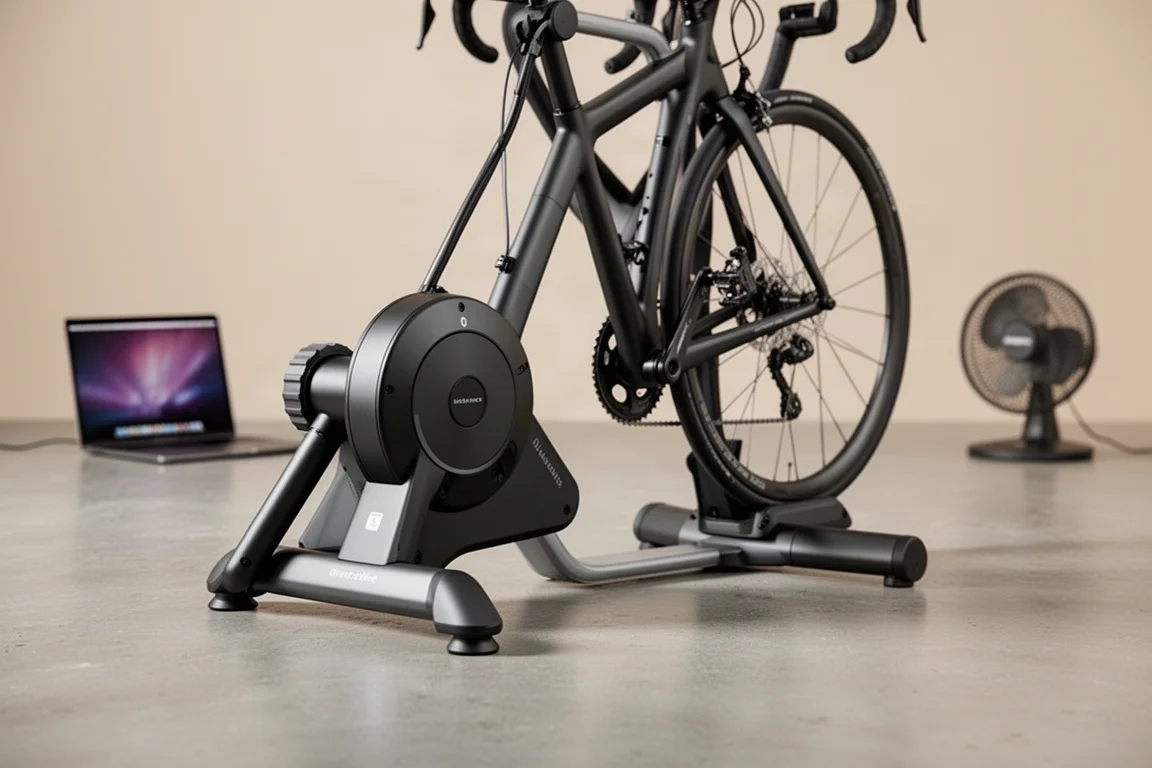
Indoor Cycling
Best Budget Smart Indoor Trainers for Immersive Cycling in 2026
A practical guide to affordable smart indoor trainer setups, including budget and mid-range options with virtual shifting.
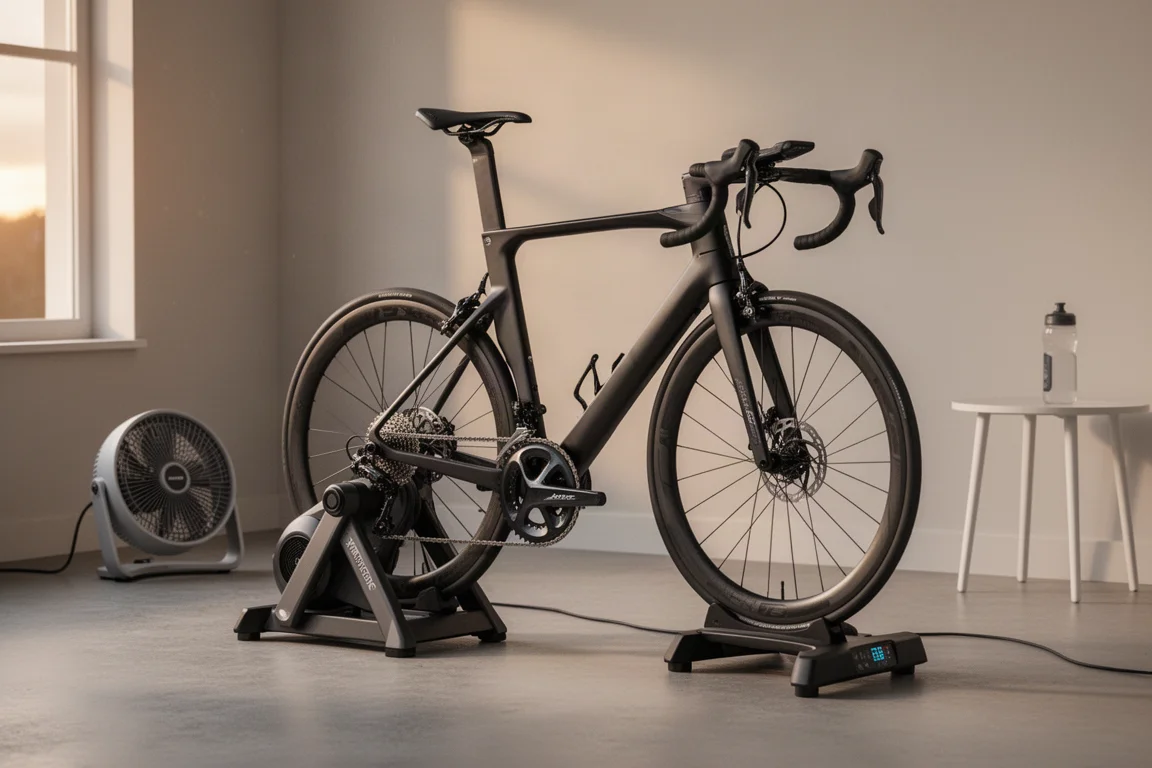
Indoor Cycling
Best Indoor Cycling Apps and Smart Trainers: A Winter Buying Guide
A practical look at the indoor training platforms and smart trainers that matter this season, from a new challenger to Zwift to the entry-level trainer that stands out on value.