Indoor Cycling Apps
Best Indoor Cycling Apps Compared: TrainerRoad, Zwift, RGT Cycling and Wahoo SYSTM
Four indoor cycling platforms compared for riders who want structured training, virtual worlds, or World Tour race simulations.
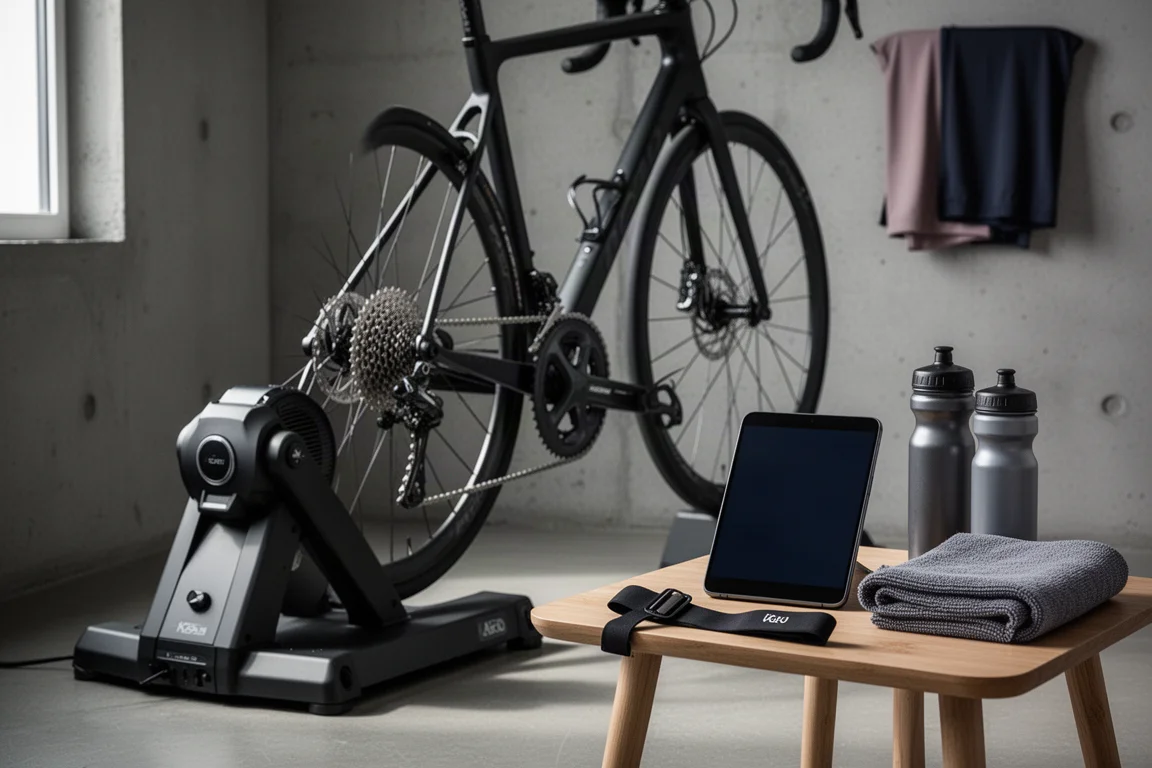
Introduction
Indoor cycling has changed a lot in a short time. Virtual worlds, avatars, in-app rewards and online racing have turned the humble turbo session into something much closer to a game, and for plenty of riders that shift is exactly what makes a winter of indoor training bearable.
That does not mean every rider wants it. There is a real argument that the features designed to make indoor cycling more engaging and lifelike are also the features that make it less effective as training. When you ride up behind another cyclist or start a virtual climb, the urge to lift your effort is almost automatic. If the goal of the session is aerobic base work, that urge works against you.
This guide compares four indoor cycling platforms: TrainerRoad, Zwift, RGT Cycling and Wahoo SYSTM. Two are built around virtual worlds and race scenarios, one leans into realism, and one strips almost everything away in favour of structured work. The right pick depends entirely on what you want from the hours you spend on the trainer.
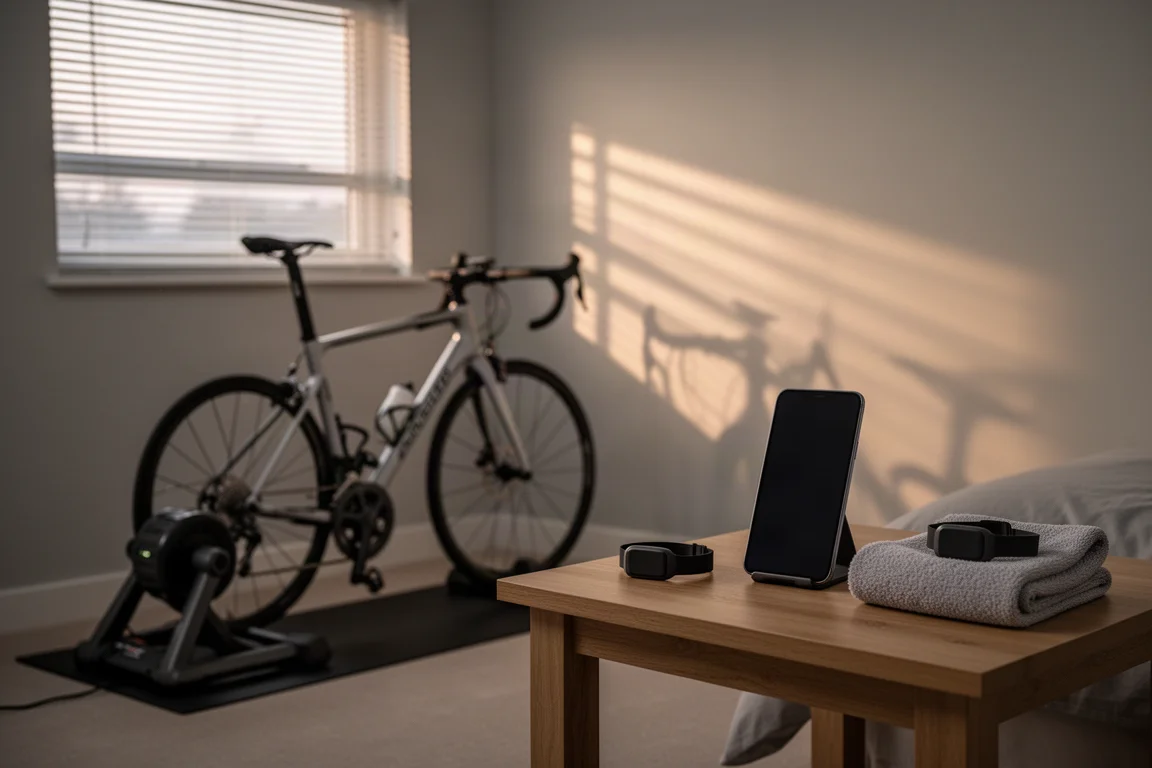
For riders chasing a specific physiological goal, the most useful question is not which app is the most fun, but which app makes it easiest to do the work the plan calls for. That framing explains why the sparest option on this list still has a strong case.
What to Look For in an Indoor Cycling App
Four things matter most when choosing between these platforms.
Structured workouts and plans. If you are training to a plan, look for a platform where intervals, target power and progression sit at the core of the experience rather than being bolted on.
How much the app distracts you. Virtual worlds, other riders and climbs add stimulus. That is a benefit when you want a session to pass quickly, and a drawback when you should be watching power, heart rate and perceived exertion.
Setup simplicity. A phone and a heart rate monitor are enough for structured indoor training, and a smart trainer takes care of power. Adding laptops, keyboards, steering blocks and controllers to the setup can make it harder to start a session rather than easier.
Motivation to get on the trainer. The barrier to an indoor session is often mental. A platform that makes you want to ride has real value, even when it is not the most clinical option.
TrainerRoad: Structured Workouts Without the Gimmicks
TrainerRoad is the outlier here. Virtual worlds, powerups, novelty bikes and special jerseys are all absent. What is left is structured workouts and adaptive training plans, presented with almost no decoration. If the experience resembles anything, it is closer to watching old training footage of riders spinning on rollers in a gymnasium than to riding through a landscape.
That austerity is deliberate, and it is the platform’s main argument. With no avatars to chase and no climbs to attack, the prescribed power output becomes the entire session. Setup matches the philosophy: a phone and a heart rate monitor are enough, and the smart trainer handles power. There is no need to project interval blocks onto a laptop or television, and no need for a keyboard, headset or handlebar controller.
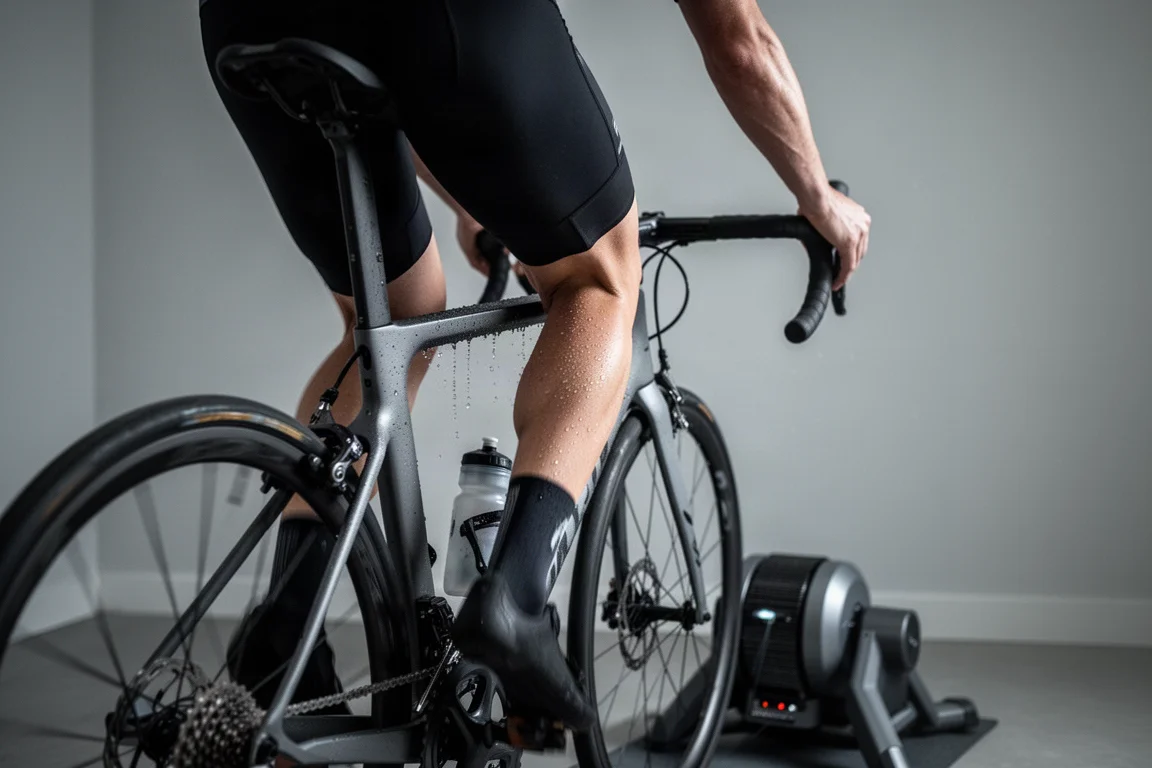
The training case is straightforward. Base work depends on holding zone 2, and surges above that zone undermine the point of the session. Without other riders and undulating terrain in front of you, there is far less to react to. The same applies at the other end of the spectrum: during high-intensity intervals, a plain screen keeps attention on power, heart rate and how the effort actually feels, which is useful when oxygen debt makes a power meter hard to read.
The trade-off is obvious. Sessions are not entertaining in any conventional sense, and riders who need visual stimulation to get on the trainer will find it hard going. Long endurance blocks also call for some mental strategy. Breaking a long effort into smaller chunks is a well-worn tactic for time trials and long rides, and it works just as well on a smart trainer.

Zwift: Virtual Worlds, Racing and the Temptation to Chase
Zwift is the platform that made gamified indoor cycling mainstream, and its popularity shows how many riders want virtual worlds, avatars and racing rather than a bare interval screen. It is also the clearest example of the trade-off at the heart of this guide.
Structured workouts are available on Zwift, so this is not a straight choice between training and entertainment. The environment, however, rewards effort. Riding up behind another cyclist or starting a climb invites a surge, and in-app banners suggest that a large share of riding in the virtual world is unstructured free riding rather than plan-based work. That is not a problem if the goal is engagement and time in the saddle. It is a problem if the goal is holding zone 2 or hitting a precise interval target.
There is a subtler cost too. On the road, hazards and surroundings take attention away from the effort. A virtual world does something similar to a lesser degree, which is welcome when you want a session to pass quickly and less welcome when you should be paying attention to your own numbers.
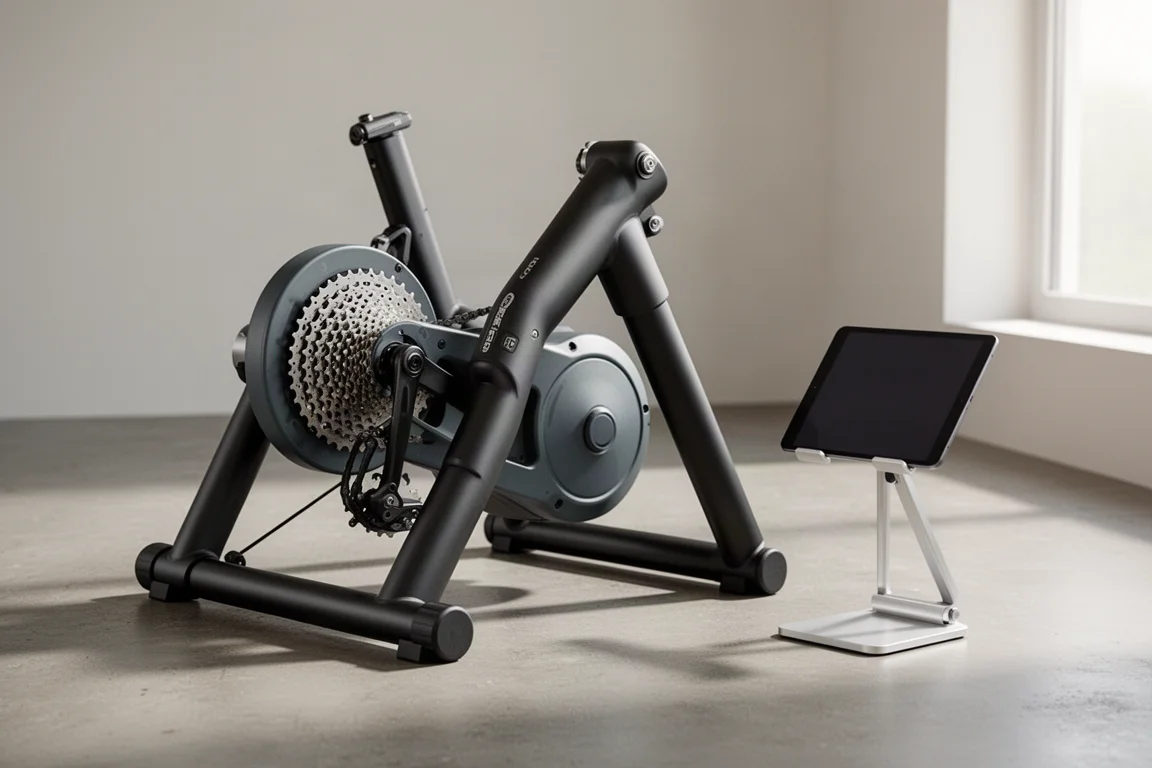
RGT Cycling: Virtual Roads With Company
RGT Cycling takes the virtual world approach, putting riders onto virtual roads with other cyclists to ride alongside. For riders who struggle with the emptiness of a bare interval screen, that company and terrain are the whole point. The session feels closer to a ride and further from a spreadsheet.
The trade-off is the same one that runs through this guide. Every extra element, from other riders to virtual gradients, is something to respond to, and responding is exactly what a controlled aerobic session is meant to avoid. Riders working on base fitness may find themselves drifting above zone 2 without noticing. Riders doing high-intensity intervals may find their pacing less consistent than it would be on a plain screen.
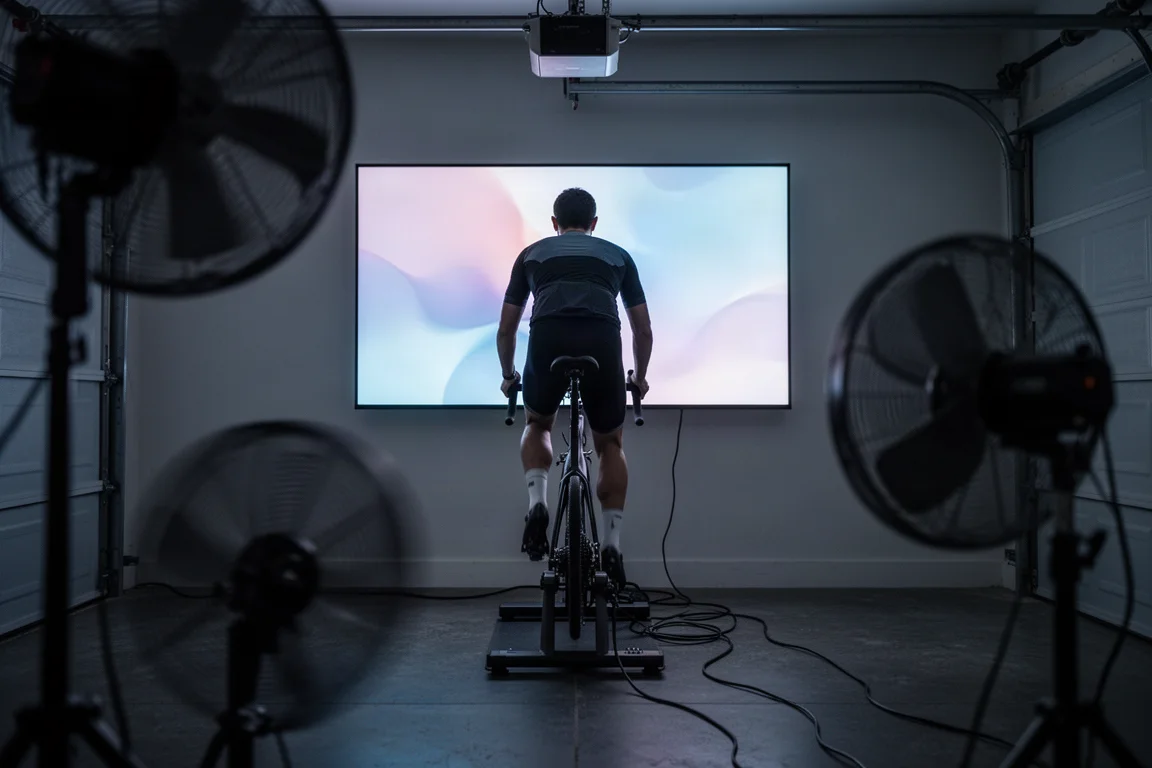
That does not make RGT Cycling the wrong choice. It makes it a choice with a clear use case: riders who need the sense of a route and the presence of others to keep turning up. If that is what gets you on the trainer three times a week, the extra stimulus is a fair price for the consistency.

Wahoo SYSTM: Race Simulations for Hard Efforts
Wahoo SYSTM sits at the more cinematic end of this group, with simulations of World Tour races forming part of what it offers. For riders who want hard efforts to feel like they mean something, that race context can be a genuine motivator.
It also introduces the distraction problem at the point where it matters most. During high-intensity intervals, pacing depends on reading power, heart rate and perceived exertion accurately. A race scenario competes for that attention, and the more immersive the scenario, the stronger the pull. Riders who use race simulations as a deliberate part of a plan, rather than as the plan itself, tend to get more from them.
For many riders the appeal is straightforward: a hard session inside a race simulation can feel purposeful in a way that a block of intervals on a blank screen does not.
Overall Buying Advice
Match the platform to the job you are asking it to do.
Choose TrainerRoad if you are following a structured plan and want the session to stay on target. The lack of stimulation is the feature rather than the flaw, and the minimal setup leaves very little between you and the workout.
Choose Zwift if motivation is the limiting factor and you want virtual worlds, avatars and racing, with structured workouts available when you need them.
Choose RGT Cycling if virtual roads and other riders are what make indoor sessions tolerable, and you are willing to accept a little less control over your effort as a result.
Choose Wahoo SYSTM if race simulations give your hard sessions a sense of purpose and you can keep one eye on the numbers while the scenario unfolds.
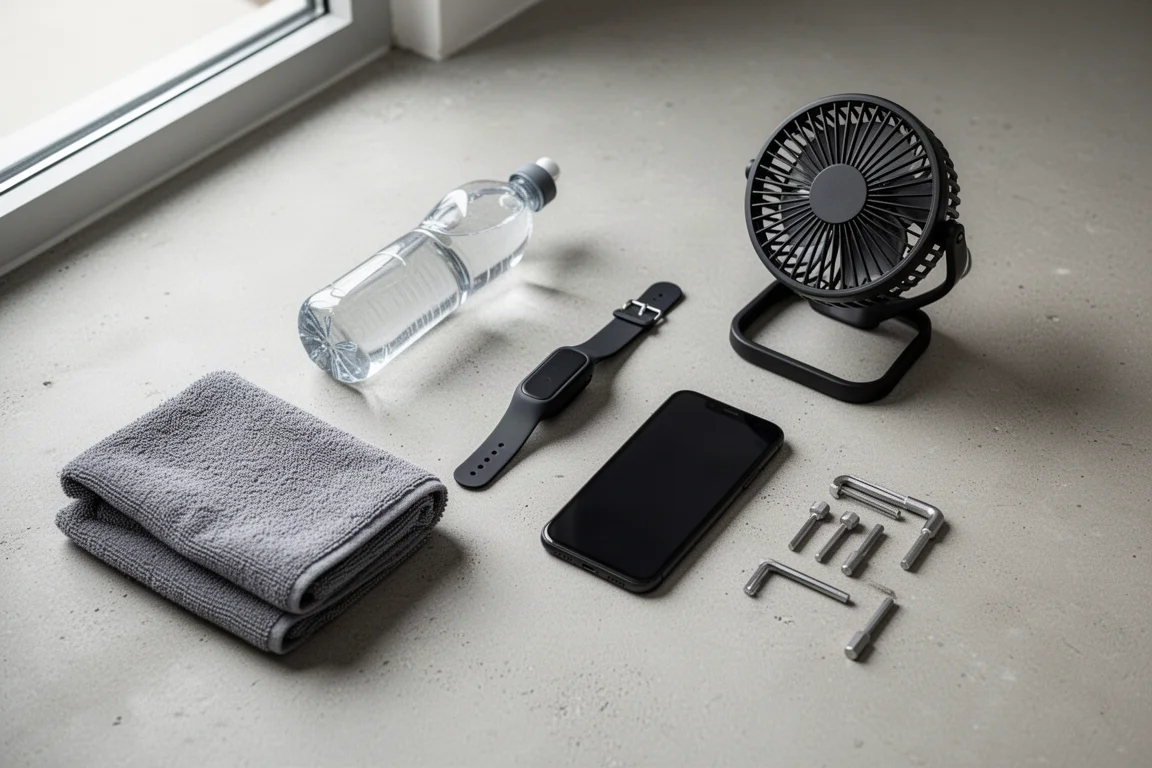
Whichever platform you pick, keep the setup simple. A phone and a heart rate monitor cover most of what structured indoor training needs, and a smart trainer handles the power. Useful accessories do exist, and a trainer table is a genuinely practical one, but a lot of indoor kit adds complexity and reduces the chance that you actually start the session.
Conclusion
Indoor cycling does not have to be fun to be effective. Structured, uninterrupted effort is hard to beat for building fitness, and the platforms that protect that effort suit riders with a specific goal. That said, the reason virtual worlds are so popular is that they solve a different problem: getting on the trainer at all. Both approaches work, and the honest answer is that the better choice is the one that keeps you training consistently through the winter, then makes the real-world riding that follows more enjoyable.
Further reading
Related Reviews
Indoor Cycling Apps
Rouvy Review: Augmented Reality Indoor Cycling on Real Roads
Rouvy pairs a smart trainer with real-world video routes and augmented reality overlays. Here is how the platform works, what it costs, and who it suits.
Indoor Cycling Apps
Rouvy Review: Indoor Cycling on Real-World Routes, Workouts, and Group Rides
A practical look at Rouvy, an indoor cycling app built around roughly 1,500 real-world routes, structured training plans, group rides, and multi-account pricing.

Backpacking Gear
Building a 10 lb Base Weight: An Ultralight Backpacking Gear List
A practical walkthrough of the ultralight pieces behind a 10 lb base weight, from a 765 g pack and a roomy one-person tent to a full camp chair and a dependable water filter.