Hiking Backpacks
Best Hiking Backpacks 2026: Four Packs for Day Hikes, Full Days, and Thru-Hikes
Four hiking packs matched to real trip lengths, from a 22-liter daypack to a 75-liter thru-hiking workhorse, with the trade-offs worth checking before you buy.
Introduction
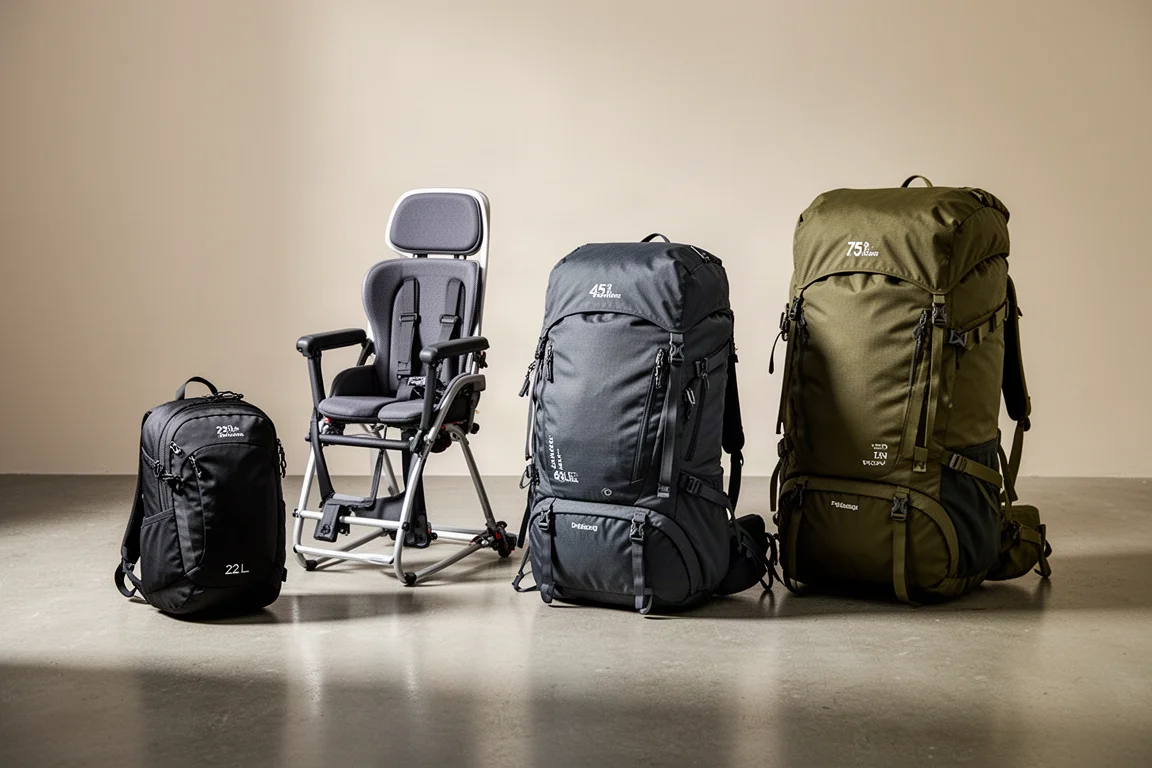
Not every hike calls for the same pack, and the difference between a comfortable day out and a pack that fights you usually comes down to matching capacity and materials to the trip you are actually taking. A two-hour walk near the trailhead needs very little. A full day out with camera gear needs considerably more. A weekend or a thru-hike needs a pack that can carry real weight, stand up to abrasion, and compress as your food supply shrinks.
The four packs below cover those situations, from a 22-liter daypack to a 75-liter workhorse built for multi-day trips.
How Trip Length Changes What You Need
Short outings are simple. A water bottle, a snack, and a basic set of the ten essentials fit comfortably in a small frameless pack, and keeping weight low matters more than load support. On a longer day out, you add all the food you will eat, water filtration, extra water capacity, and a more complete set of essentials, because the odds of an unplanned night out rise with distance from the trailhead. Multi-day trips shift the priorities again toward volume, abrasion resistance, and a closure that keeps a partly eaten food supply packed tight.
Thinking in categories rather than hunting for one perfect pack makes the decision easier, because the pack that disappears on a short walk is rarely the one you want three days from a town.
REI Flash 22: Best for Short Day Hikes
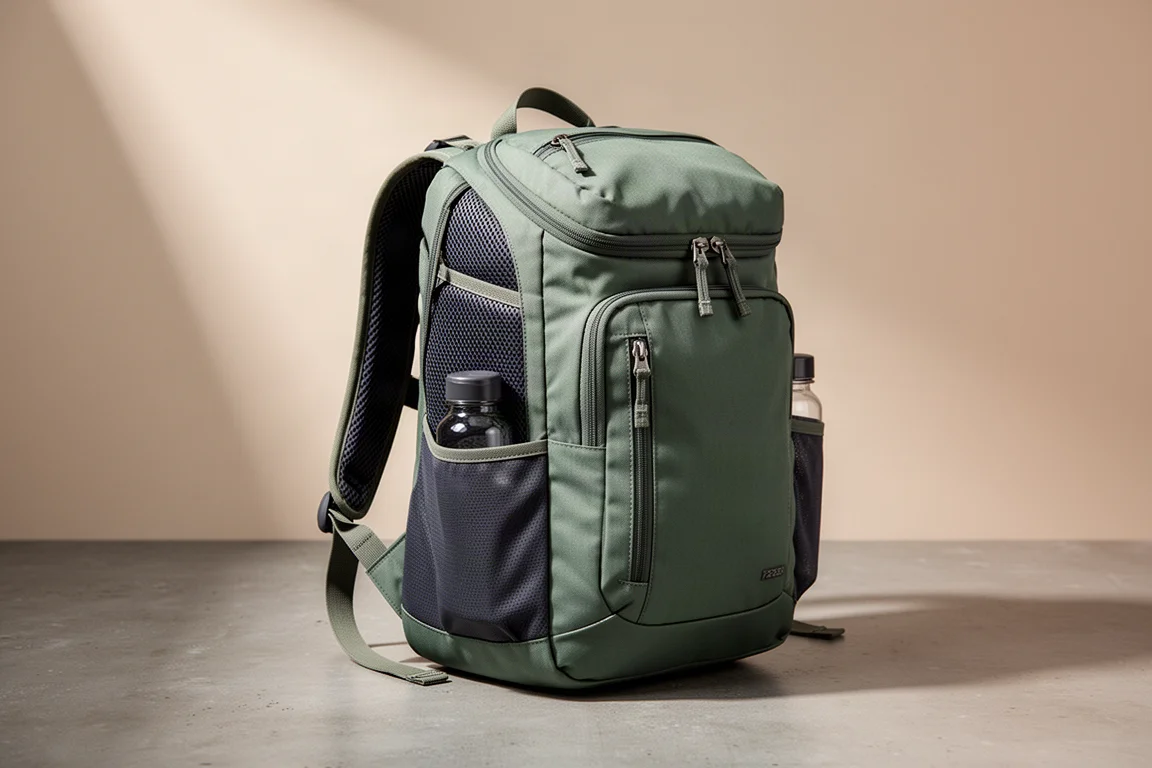
The REI Flash 22 is a 22-liter pack built for exactly the kind of outing where you are not going far from the car: an hour or two of fresh air with a water bottle, a banana, and the basic ten essentials in case something goes sideways on a familiar trail.
Two cup holders sit on either side of the pack, and it is compatible with a hydration bladder for anyone who prefers drinking from a hose. Small zippered pockets handle organization. The Flash 22 is frameless, which is not a drawback at this volume, though it does include a hip belt if you want a bit of extra support.
It is more versatile than its size suggests. The same bag works as a personal item on flights and as a day bag in a theme park, which is a useful bonus for something this simple.
The shell is ripstop nylon with a DWR coating to repel water, and it is not waterproof. Anything that has to stay dry needs a watertight liner inside. At 14 ounces it weighs less than a pound, and at $60 it is the least expensive pack in this group. It comes in several color options.
Osprey Poco Premium: Best for Hiking With a Little One
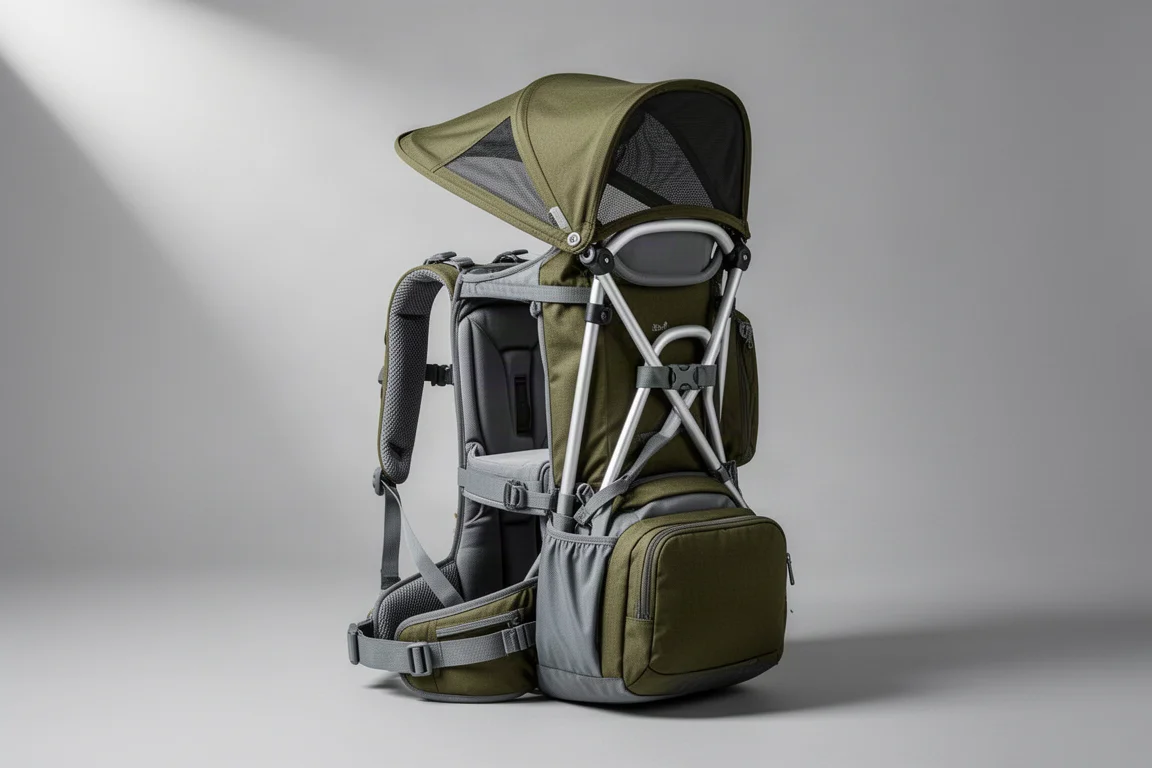
The Osprey Poco Premium is a child carrier rather than a conventional hiking pack, and it is the pick here for a short stroll with a small passenger on board. Alongside the seat, it offers storage space for the essentials you would want on a quick day hike, so you can head out without carrying a second bag.
Because it is the only child carrier covered here, there is no direct comparison against alternatives to offer. Treat it as a practical reference point rather than a definitive ranking. If a child carrier is on your list, the storage layout and the comfort of the harness are the two things worth checking first in person.
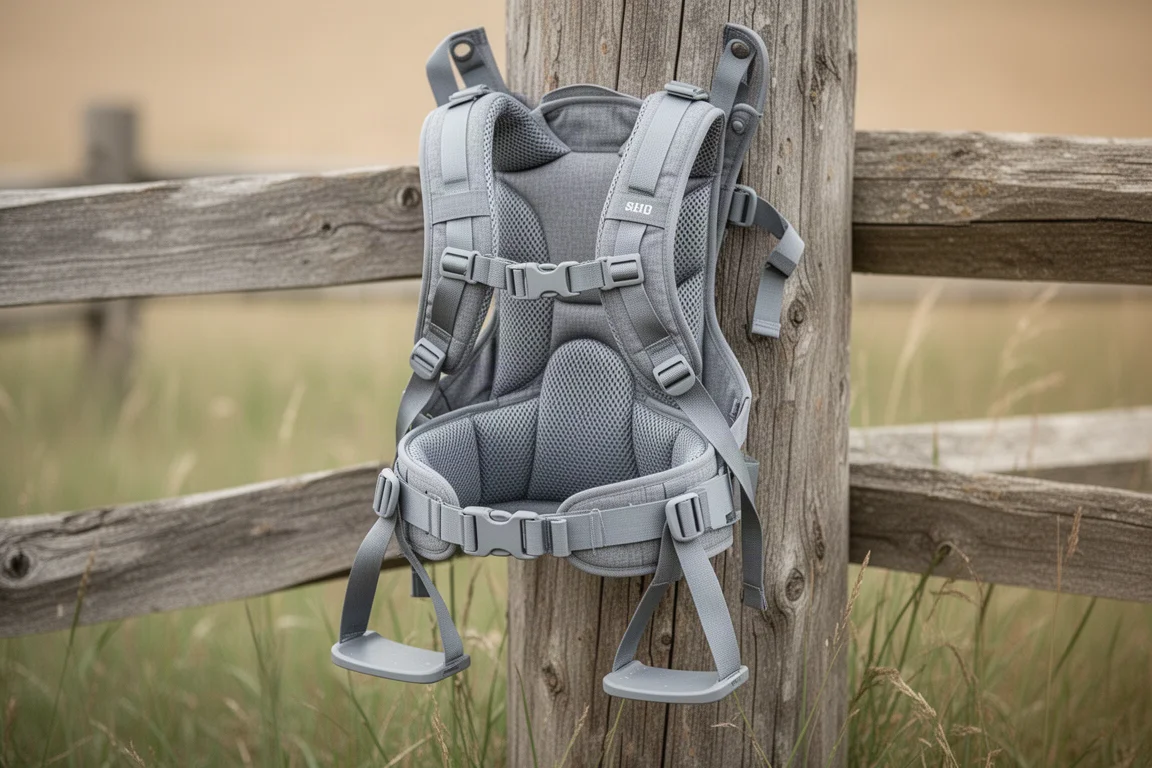
For short family walks it solves two problems at once: carrying a child and carrying the day’s essentials, without adding another pack to the closet.
Moment Strohl Mountain Light Pack: Best for Full Days and Camera Gear
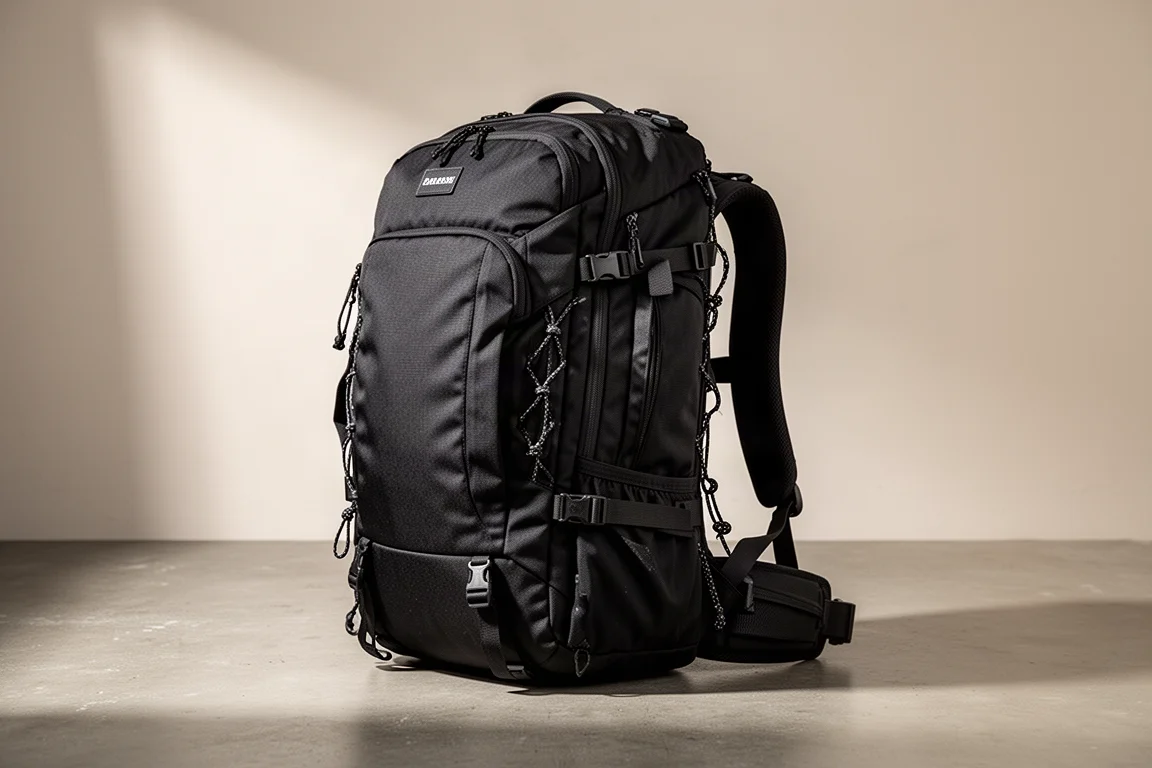
A full-day trek asks for more: all the food you will eat, water filtration, extra water capacity, a sturdier set of the ten essentials, and, for photographers, a camera kit. The Moment Strohl Mountain Light Pack is a 45-liter pack, roughly double the volume of the Flash 22, and it has been used on Mount Kilimanjaro and on the West Highland Way in Scotland.
It was designed with both the outdoors and photography in mind, and that shows in the number of entry points and the ways camera equipment can be organized inside. One of the most useful features is the removable hip belt pockets. Take one off and a camera clip can be mounted there instead, which keeps weight off the shoulder strap. The steel frame is removable as well.
The seams come pre-taped and the fabric is waterproof, so the pack offers meaningful protection, though redundant waterproofing is still a sensible habit when a soaked puffy coat is the risk you are guarding against. Side pockets hold water bottles, and a hydration bladder fits if those pockets are occupied by a tripod or other gear. It weighs 2.66 pounds and costs $135.
ULA Ultra Catalyst: Best for Multi-Day Trips and Thru-Hikes
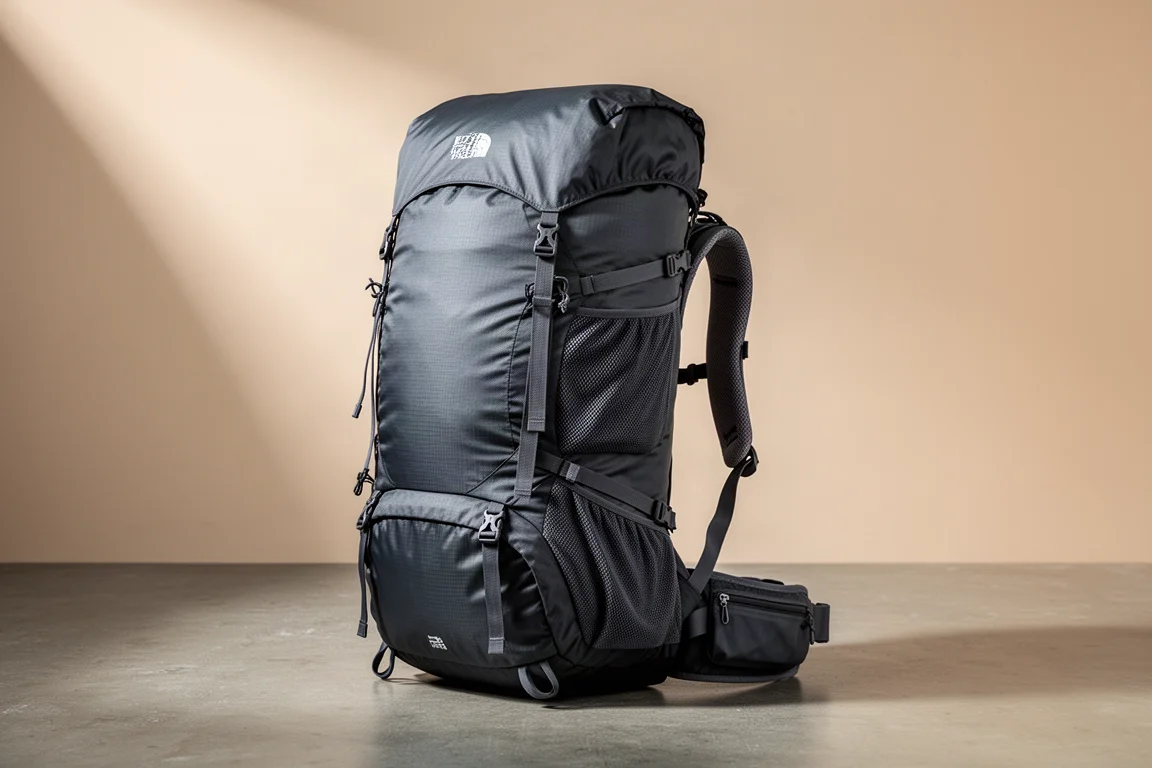
For weekends out and thru-hikes with a town stop every few days, the ULA Ultra Catalyst is the largest pack here at 75 liters. It is made from Ultra Fabric, described as stronger than steel by weight, twice as abrasion resistant as 420D nylon, and waterproof up to 200 PSI.
Within the ULA line, the Catalyst is known as the workhorse: it is rated to hold up to 40 pounds while staying relatively light for its class. The roll-top closure is a genuine advantage on longer trips, because it lets you pack the load down tightly whether you are leaving town with a full resupply or walking in with the last of your food.
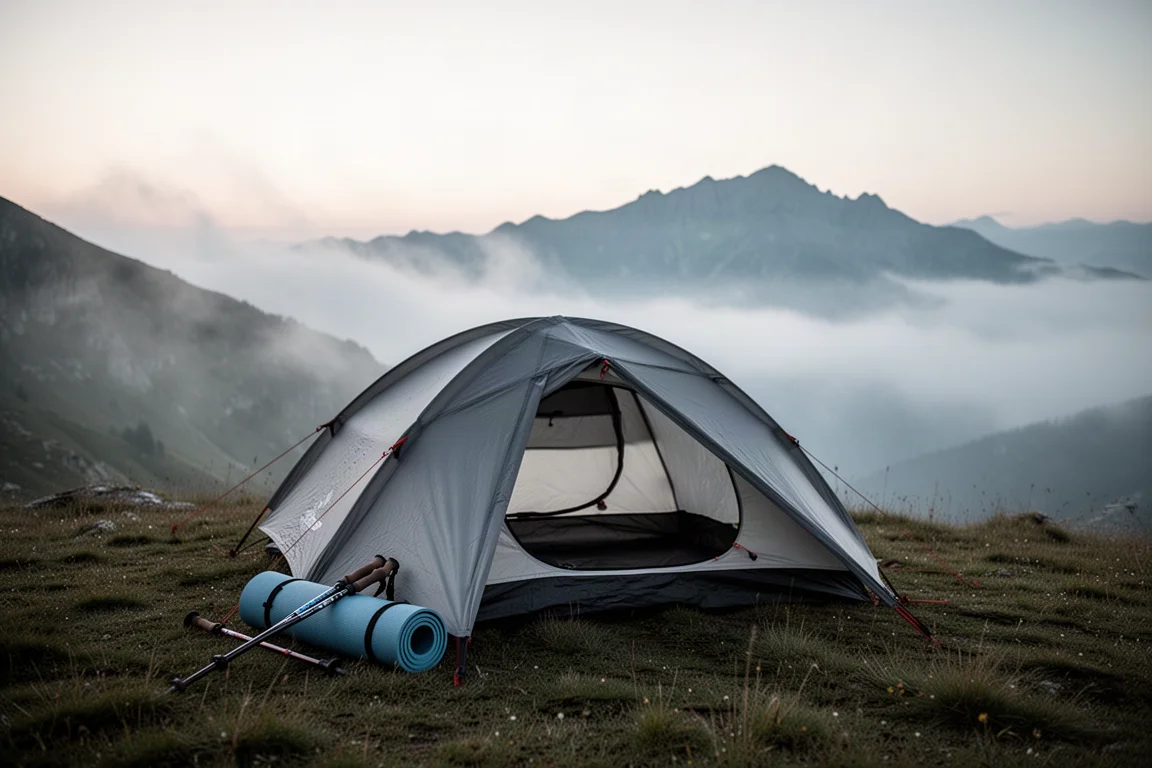
Ordering is customizable, from the type of straps to optional add-ons that cost extra. The Y-strap top closure secures a bear canister or other gear on top better than a typical single strap. Double loops on the bottom are there for strapping a tent outside the pack, which is a common habit for good reason: a wet shelter never goes in with dry gear, and there is no digging through the pack for it when rain starts. On the Arizona Trail, those loops did not stop the pack from tipping over the way they had with a different shelter, but they remain worth having for the carrying options alone.
Weight, Capacity, and Weather Protection at a Glance
Volume is the clearest dividing line between these four packs. The REI Flash 22 carries 22 liters at 14 ounces, light enough to forget you are wearing it. The Moment Strohl Mountain Light Pack doubles that capacity at 45 liters and 2.66 pounds. The ULA Ultra Catalyst goes further still at 75 liters with a roll-top closure, and the Osprey Poco Premium trades conventional capacity for a child seat plus storage for day-hike essentials.
Weather protection is worth reading carefully. The Flash 22 uses ripstop nylon with a DWR coating that repels light moisture but is not waterproof, so sensitive items belong in a watertight liner. The Moment pack arrives with taped seams and waterproof fabric, and even then redundancy is sensible. The ULA Ultra Catalyst relies on Ultra Fabric, rated waterproof up to 200 PSI, which is the strongest water-resistance claim in this group.
Buying Advice: Matching the Pack to the Trip
The simplest way to choose is to start with the length of your longest typical outing and pick the smallest pack that comfortably covers it. A 22-liter frameless pack is enough for short walks and doubles as a travel or everyday bag. A 45-liter pack handles a full day, including camera gear, without becoming a burden. A 75-liter pack is the right tool once you are sleeping out and carrying days of food.
Cost is worth weighing against how often each pack will leave the closet. At $60 the Flash 22 is an easy addition even if it only comes out for short walks and trips. At $135 the Moment pack sits in the middle, and its photography-focused layout earns its place if you carry a camera. The ULA Ultra Catalyst and the Osprey Poco Premium serve more specific needs, so they make the most sense when that need is a regular part of your hiking.
Whatever you choose, plan your waterproofing separately. The Flash 22 is explicitly not waterproof, and only the Moment and ULA packs claim meaningful water resistance. A pack liner is inexpensive insurance, and a dry insulation layer is the one thing you cannot improvise on a cold, wet day.
Conclusion
These four packs are not competing for a single title. Each one is the right answer to a different question: how long are you going, how much are you carrying, and what do you refuse to leave behind. A 22-liter daypack for short walks, a child carrier for family strolls, a 45-liter pack for long days with camera gear, and a 75-liter roll-top for multi-day trips cover most of what a hiker actually does.
Pick the category that matches your real trips, check the waterproofing honestly, and the pack will do its job quietly for years.
Further reading
Related Reviews
Hiking Backpacks
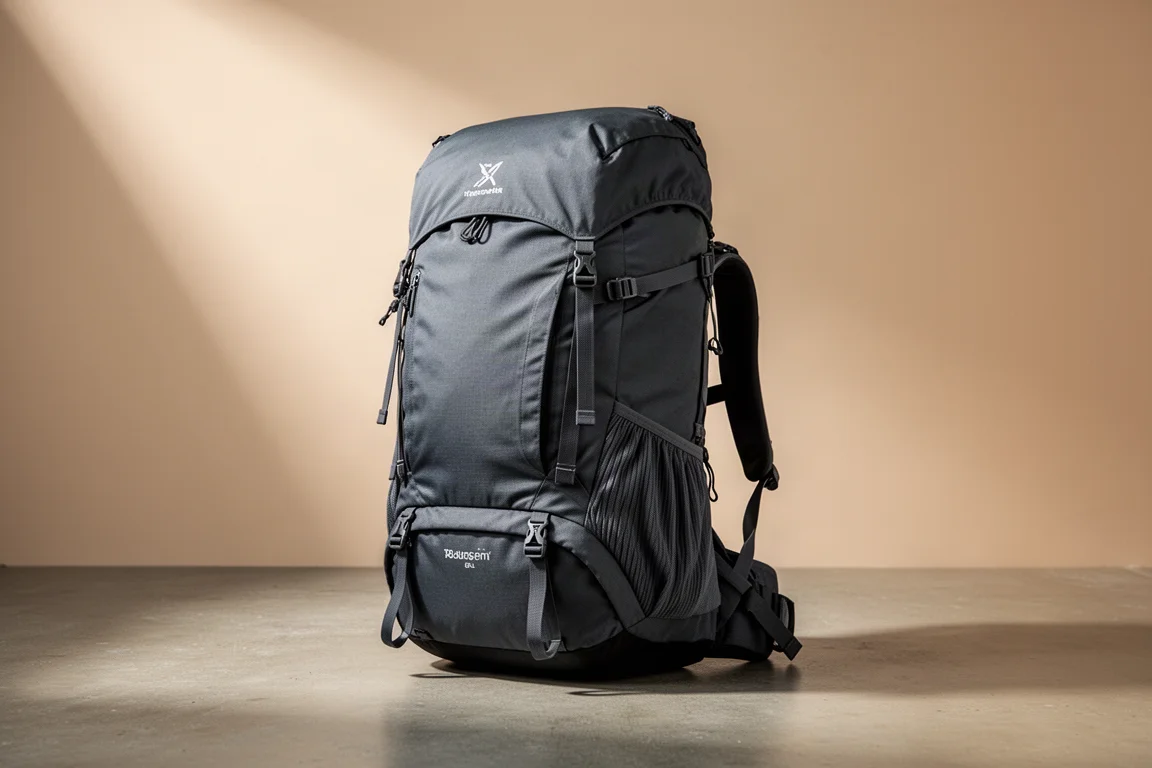
Decathlon MT 900 70+10 Backpack Review: Big Capacity, Heavy Weight, High Price
A feature-dense 80-liter hiking backpack with excellent build quality, ten pockets, and dual loading, held back by a six-pound weight and a $210 price.
Hiking Backpacks
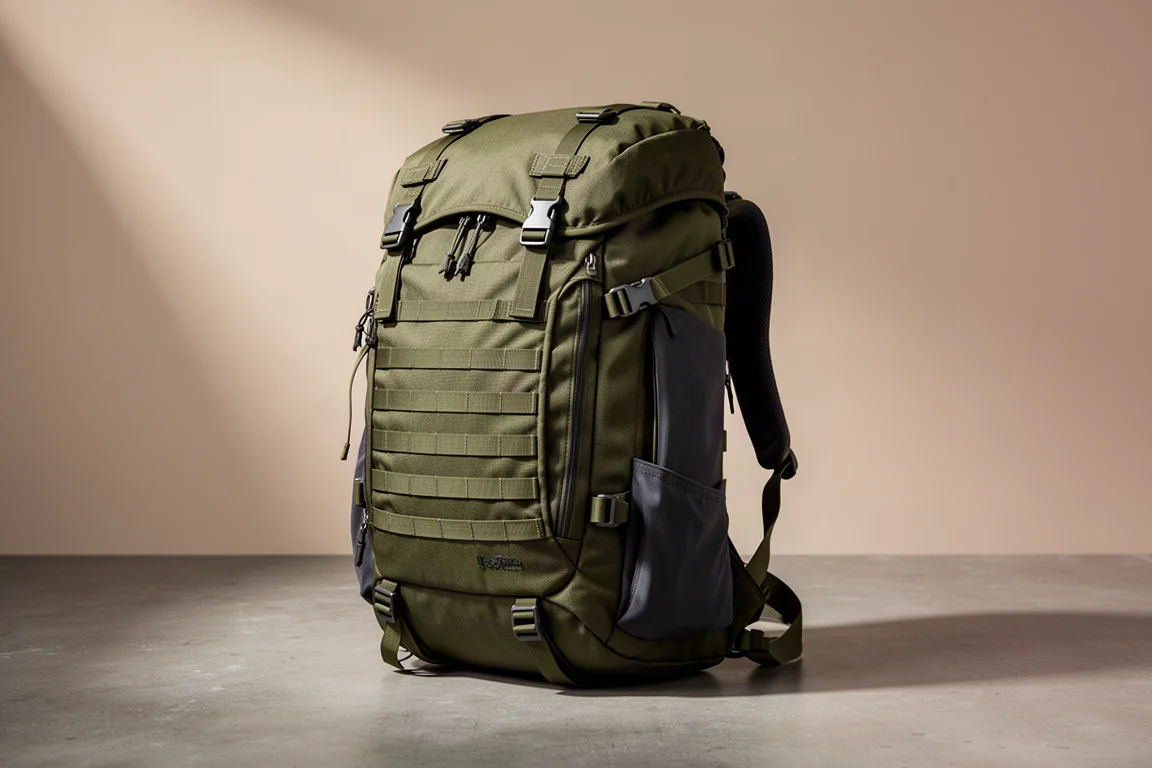
Martingtop 65L MOLLE Hiking Backpack Review: Capacity and Value, Undone by Hardware
A 65-liter tactical-style internal frame pack with MOLLE webbing, an adjustable torso, and a rain cover, held back by slipping hardware and a flexible frame.
Hiking Backpacks
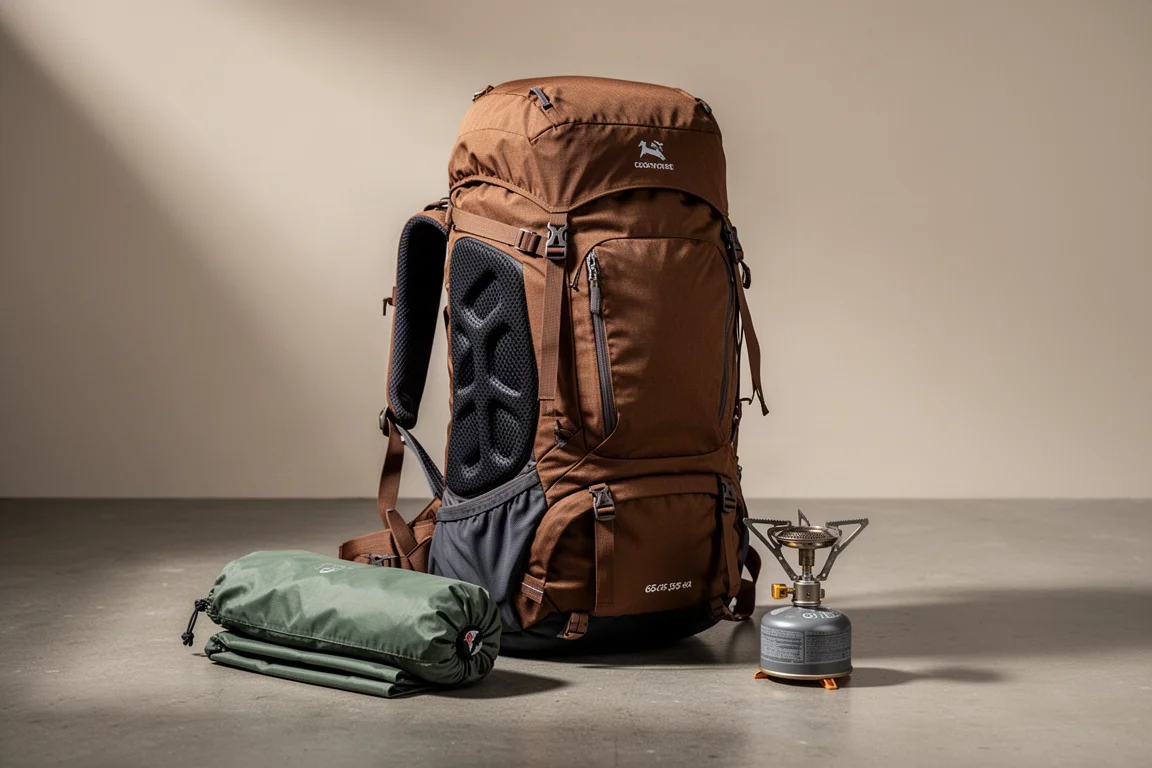
Osprey Rook 65L First Look: Osprey's Most Affordable 65L Backpack
A detailed first look at the Osprey Rook 65L, the least expensive 65-litre pack Osprey makes at $190, covering its suspension, storage layout, weight, materials, and the trade-offs to weigh before buying.