Ski Boots
Best High Volume Ski Boots: Nine Options for Wider Feet, Compared
Nine high volume ski boots, from slipper-comfort cruisers to powerful all-mountain chargers, and how each one actually fits.
Introduction
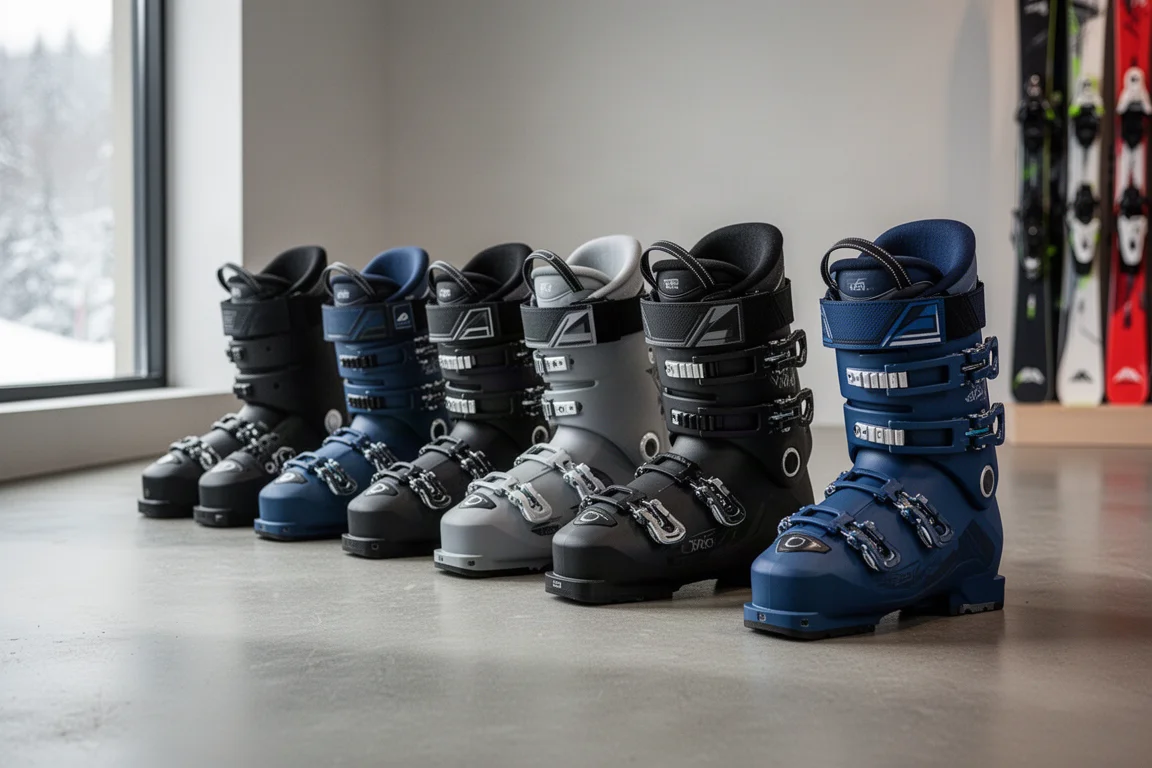
High volume ski boots are built for skiers with wider foot shapes, taller insteps, or anyone who simply prefers a more relaxed fit around the foot. Most models in this category carry a stated last between 102 and 104 millimeters at a 26.5 mondo size, but the numbers only tell part of the story. Two boots with identical stated lasts can fit very differently across the instep, heel pocket, and cuff.
A persistent misconception is that high volume means low performance. That is not the case. Most of the boots below share the same technologies and performance characteristics as their lower-volume siblings; they are simply scaled for a different foot shape. Keep in mind that a boot can feel easier to flex in when there is unused space around your foot, so perceived stiffness will firm up once a fuller-volume foot fills the shell.
Everything here applies equally to the women’s versions of each line, which typically differ only in cuff shape and liner cut to suit a lower calf muscle.
Lange Shadow HV
The Shadow HV is new this season and replaces the Lange LX, consolidating the Shadow line into one clean family. Of the boots covered here, it sits on the more precise end of the high volume spectrum. Step in next to a Shadow LV or MV and you can immediately tell they are related: this is simply the bigger sibling, with more generosity across the midfoot, ball of the foot, and instep, and a more open heel pocket. The liner is essentially the same as the lower-volume versions, just scaled up, with heat moldability out of the box and a supple, forgiving feel thanks to a squishier toe box material. It also feels shortest in length of this group.
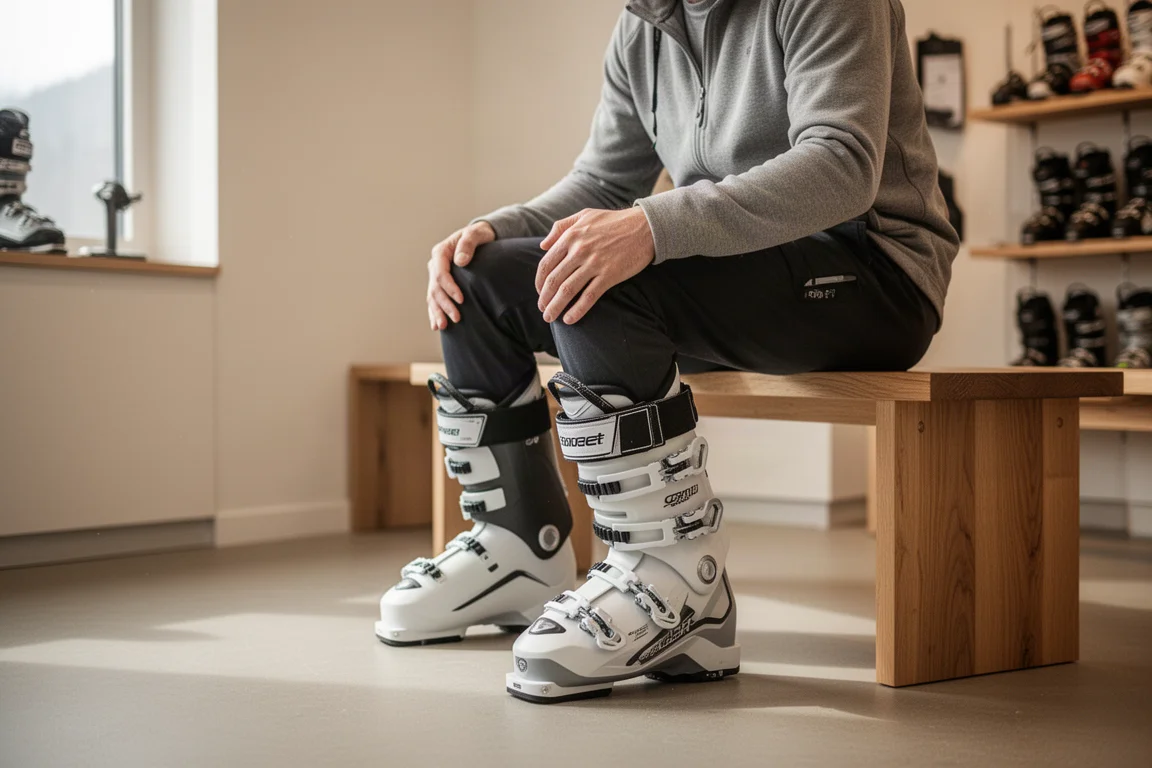
The real takeaway is that making a boot wider does not dumb it down. The Shadow HV shares the same technology as its LV and MV counterparts, including the suspension blade and adaptable liner, and still lets you drive your skis with confidence. If a medium-volume boot feels like too much compression around your foot but you liked the overall fit, this is often the boot a fitter reaches for: snug where it matters, relaxed in its overall profile.
Salomon S/Pro Delta
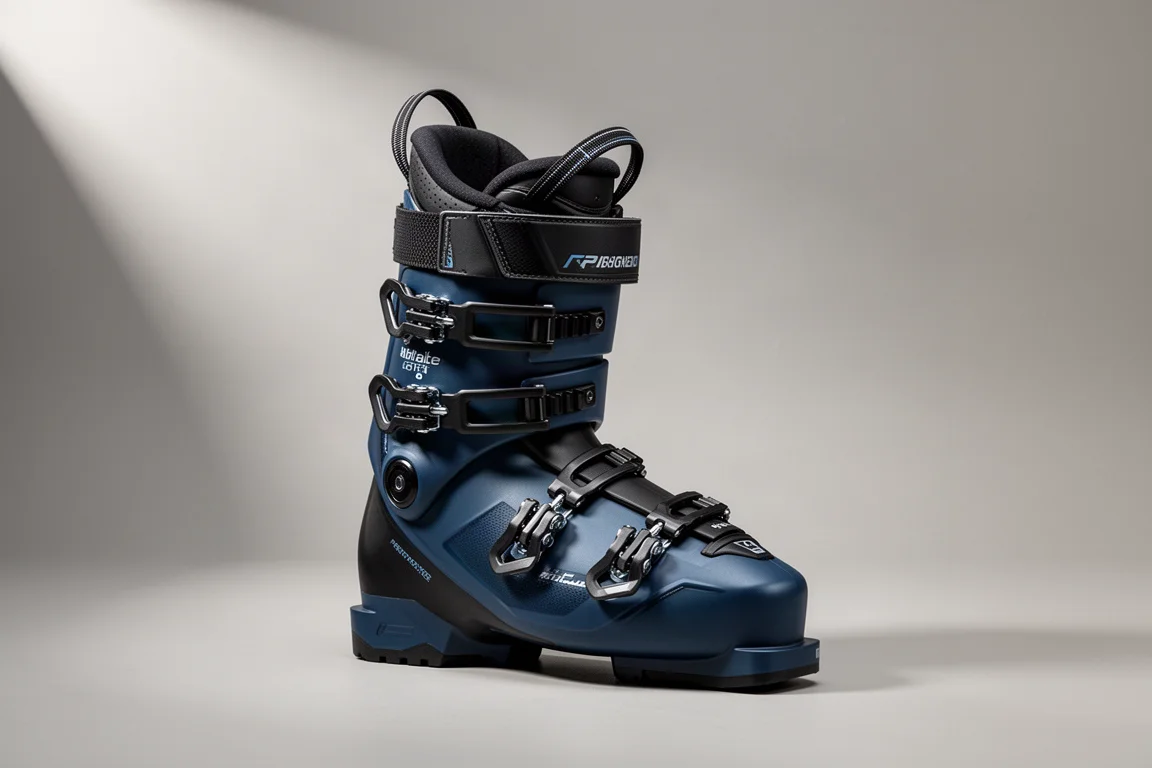
The S/Pro Delta replaces the S/Pro HV and directly addresses that boot’s biggest complaint: a narrow cuff that did not work for larger calves. The Delta takes the familiar Supra fit characteristics and scales them up, adding an adjustable cuff profile that opens to accommodate bigger calf muscles. The heel pocket is more open, and the liner uses lower-density materials in the midfoot, toe, and heel, while still feeling closely related to the Shadow HV in overall fit personality.
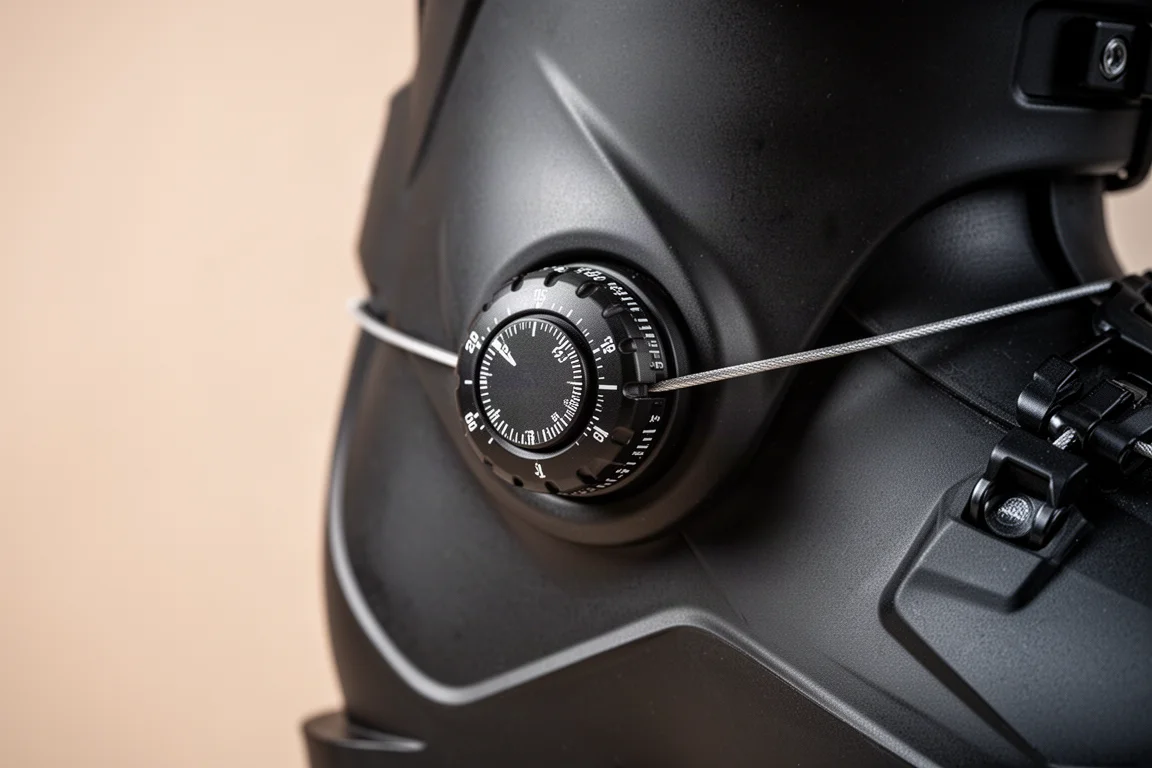
The lower shell uses a dial-based closure instead of traditional lower buckles, which high-volume feet tend to appreciate. Skiers who have been stuck in boots that were too tight often find that any downward tension across the top of the foot causes numbness and uneven pressure. This system lets you get a snug wrap through the midfoot and forefoot without heavy downward pressure. It does run a little tight through the cuff even so, so if you know you have a larger calf, plan on some customization. Compared to the Shadow, it feels more generous in length and offers similar warmth, and both are among the warmer boots here.
Tecnica Mach1 HV
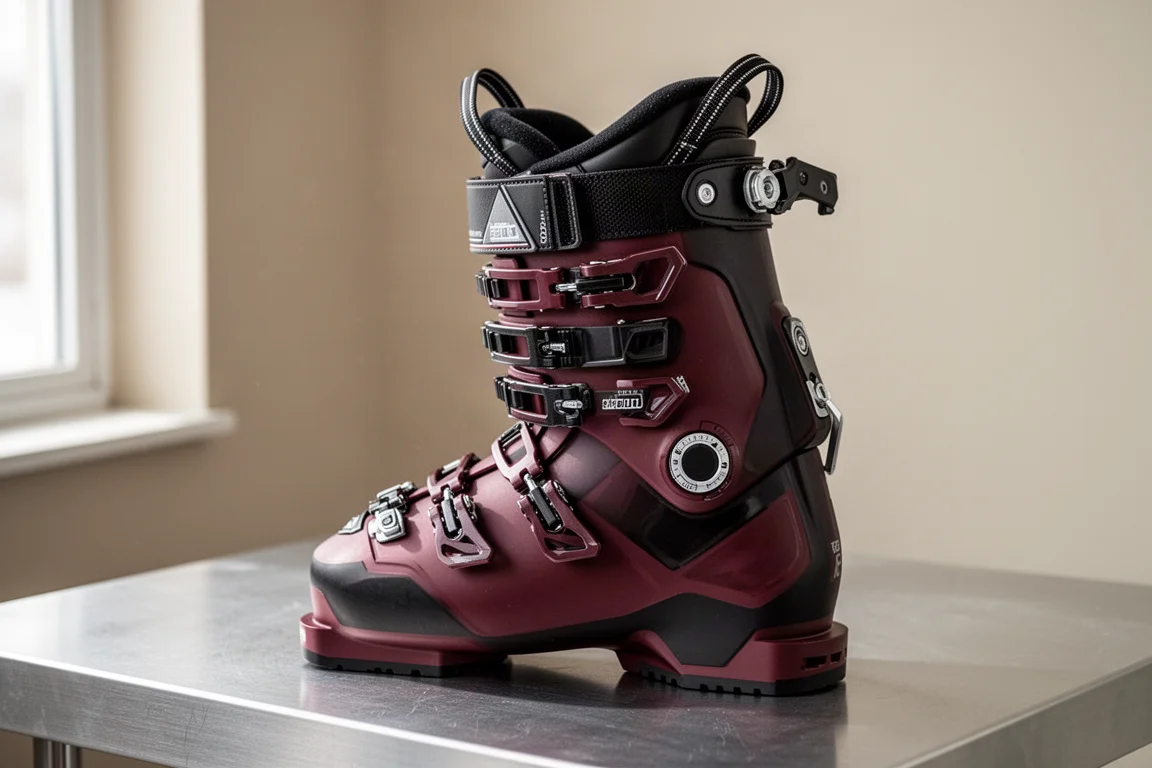
The Mach1 HV is the boot many manufacturers have been chasing. Tecnica was one of the first companies to build LV, MV, and HV versions of the same boot that look nearly identical, so you get everything the Mach line is known for, simply fitted to wider feet. The liner matches the lower-volume versions almost exactly, with plenty of grindable material and that characteristic Tecnica heel pinch that keeps the heel connected and planted as you flex forward.
In length it is more precise than the Delta, but it can feel more generous across the ball of the foot, and the heel feels firmer with noticeably less low-down pressure than the Delta. At room temperature it flexes relatively softly, but out in the cold it stiffens up dramatically, and of all the high volume boots covered here it is the most robust and powerful feeling. That makes it a strong platform for higher-level or more aggressive skiers. The 130 version adds carbon to the liner and a stiffer rear spine for extra snap and rebound, while the 120 shares the same plastics with a more forgiving flex setup.
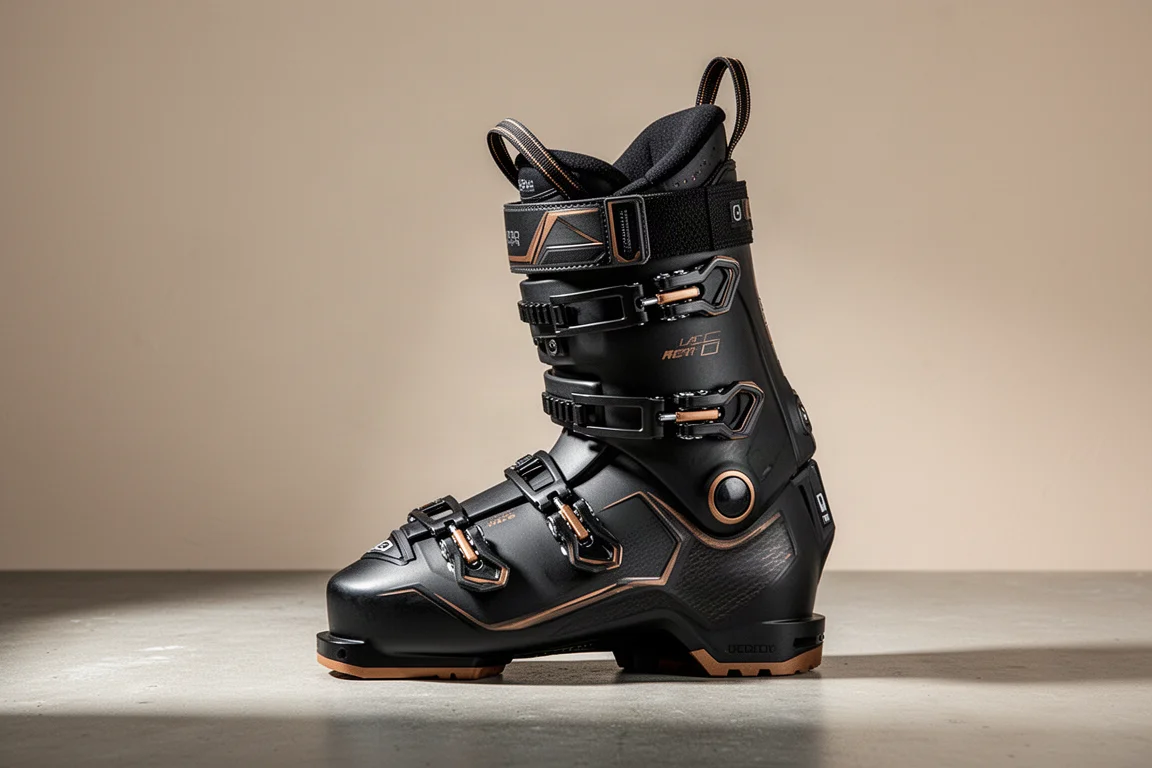
Tecnica Mach BOA
The Mach BOA shares the Mach name and a 103-millimeter last but targets a different skier. It replaces the Mach Sport line with a dial closure added on the lower shell, built around the same comfort logic as the Delta: even wrapping around the foot without downward pressure, which is ideal for taller insteps or wider feet that feel squeezed in traditional closures.
Flex tops out at 120, with a more forgiving plastic blend and no rear spine, giving it a softer, squishier feel with less rebound. The liner is heat moldable but not grindable, using lower-density materials throughout, so it feels less pinchy at the Achilles and easier to live with out of the box. This is a sensible pick for a progressing intermediate with a wider foot, or a comfort-oriented skier who still wants a strong boot. It is not a low performer; it is simply more relaxed than the Mach1 line, and for some feet it will be the better-fitting option in the family.
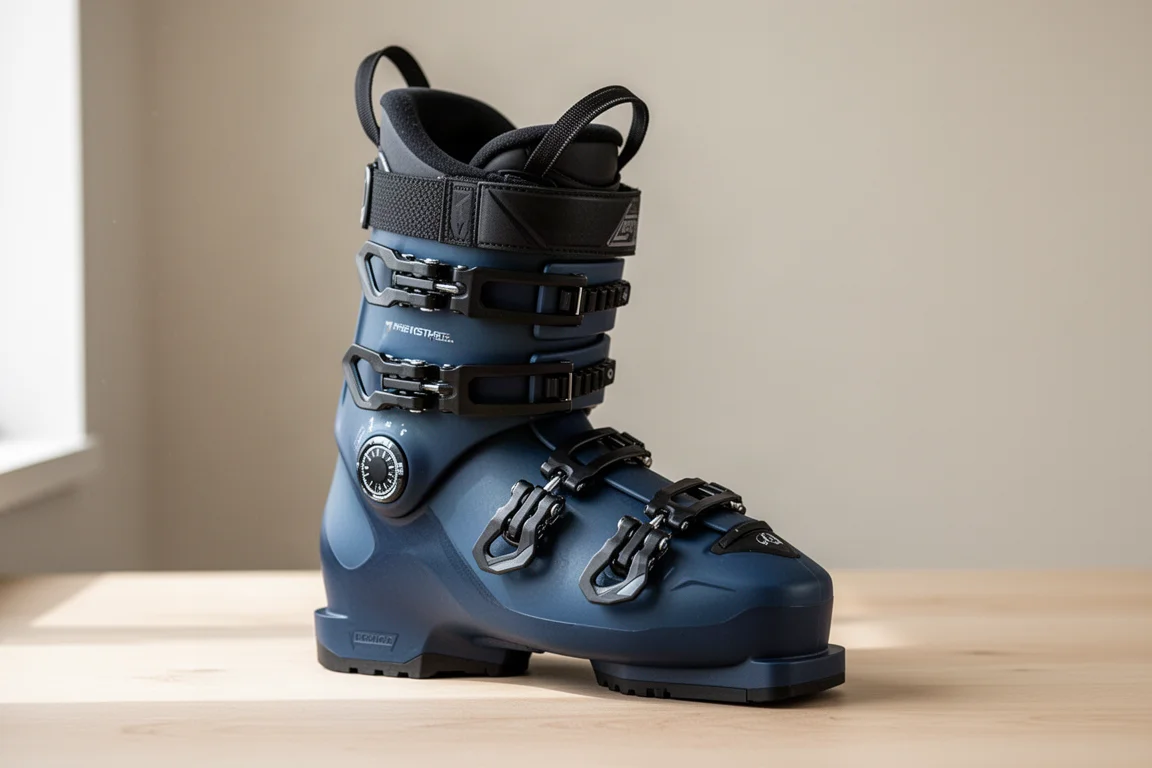
Nordica Sport Machine
The Sport Machine is the closest comparison to the Mach1 that currently exists, with a very similar shape. Where skiers tend to prefer it is in length and around the ball of the foot: despite a stated last nominally one millimeter narrower, it often feels roomier, with less pressure on the big toe and pinky toe. It runs tighter across the instep than any of the boots discussed so far, which makes it an interesting option for wide feet with a low bridge, since you get solid downward compression without over-squeezing the sides of the foot.
The heel pocket resembles the Mach1’s with an overbuilt Achilles area, though lower-density material gives it a softer, almost pillow-like feel. Sensitive Achilles will still notice some pressure there. This season’s version removes some liner material compared to previous years, making the fit more comfortable out of the box for wider feet. On the performance side it is not as stout as the Mach1, with a softer, more forgiving flex and slightly less rearward stability, but for the average skier who wants a comfortable, confident wide boot, it is more than enough.
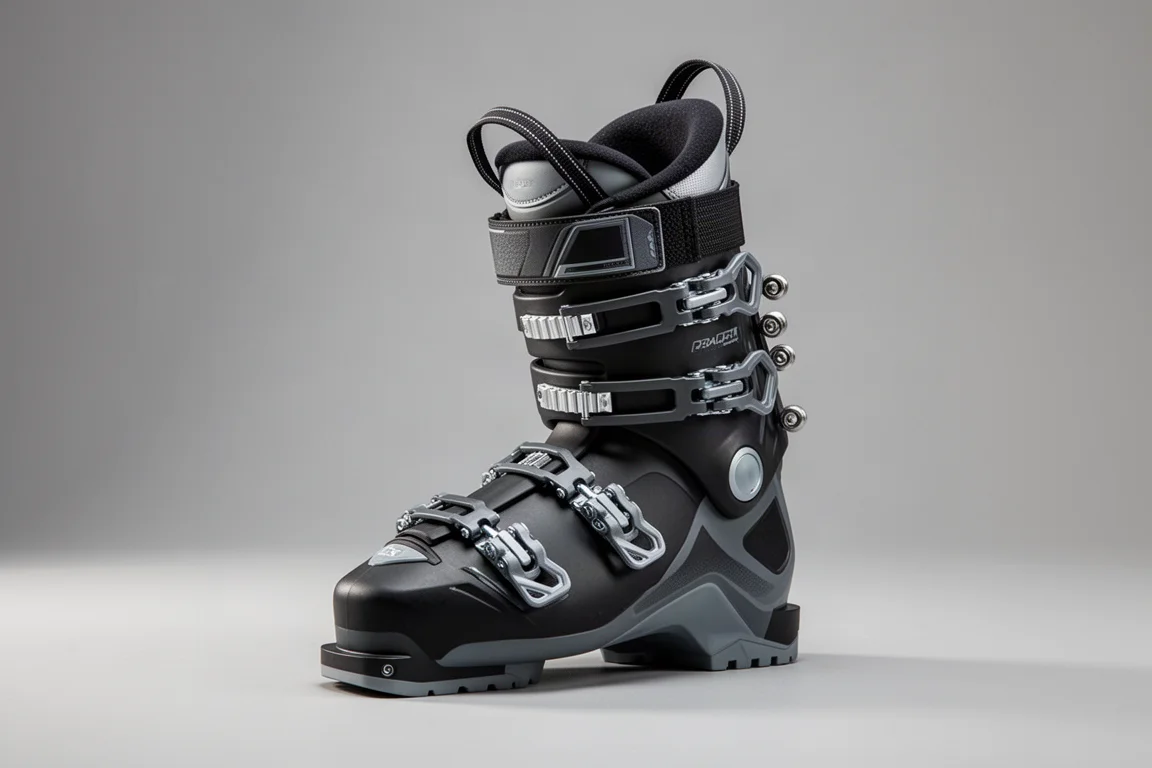
Atomic Magna
The Magna is a bit of an outlier thanks to its Mimic Platinum liner and a stiffer shell plastic. Out of the box it feels solid rather than plush, and the dense liner usually benefits from heat molding to unlock its best fit. It suits skiers who want an intense, firmly wrapped feel around the foot while still needing generous width. Across the instep and the top of the foot it is the most generous boot here, and vertical toe space is the largest of the group, with a firm feel at the end of the toe box that softens after breaking in or heat molding.
Where Atomic truly stands out is adjustability. Instead of an adjustable cuff, you get a removable rear spoiler: pull it out of a 26.5 and the cuff effectively becomes a 27.5, making this one of the most calf-accommodating boots available, and small-calf skiers can add a spoiler inside the shell instead. The shell is heat moldable for easy modification, and adjustable forward lean (set at 15 degrees out of the box, ranging from 13 to 17) rounds out one of the most customizable packages in the category. Expect a firmer, more noticeable heel pocket and more pressure points in length than the softer boots here, most of which resolve as the boot breaks in.
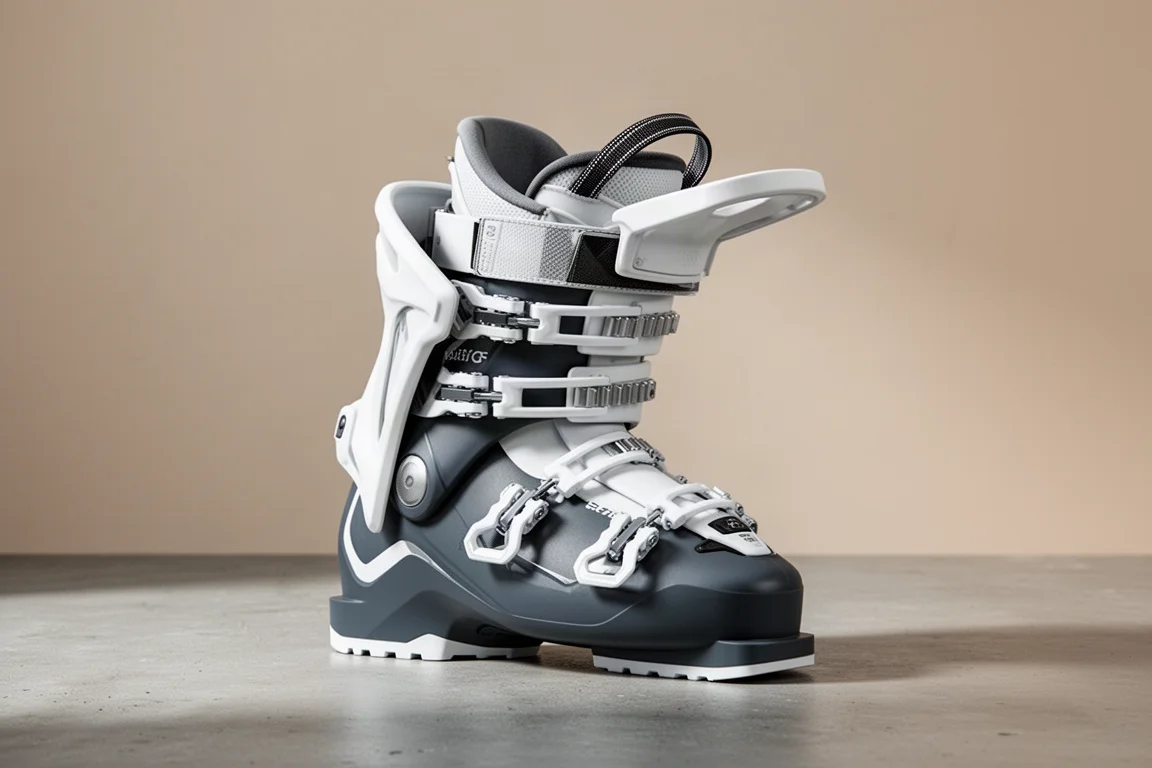
Head Edge
The Head Edge shares a very similar shell shape to the Magna, but pairs it with a liner closer in feel to the Mach BOA or Shadow, using softer, more supple material. The most interesting construction detail is how high the lower shell overlap climbs, essentially to the top of the boot, which contributes to a smooth, progressive flex and easier entry and exit. A flex adjustment screw on the back fine-tunes the feel, though the difference is subtle.
The big update this season is the removal of the walk mode found on previous versions. That turns out to be a genuine upgrade: the boot feels stiffer, more stable, and more progressive rather than blocky, while still walking comfortably. With the dial closure across the forefoot, it wraps the foot evenly without crushing the bony bridge, and it is one of the easiest boots here to put on. The cuff runs a little narrow like the Delta’s, so larger calves may need to work the adjustable cuff to fit, but the shape makes that achievable. If your foot fills it out, it holds firmly through the heel and laterally with zero notable instep pressure.
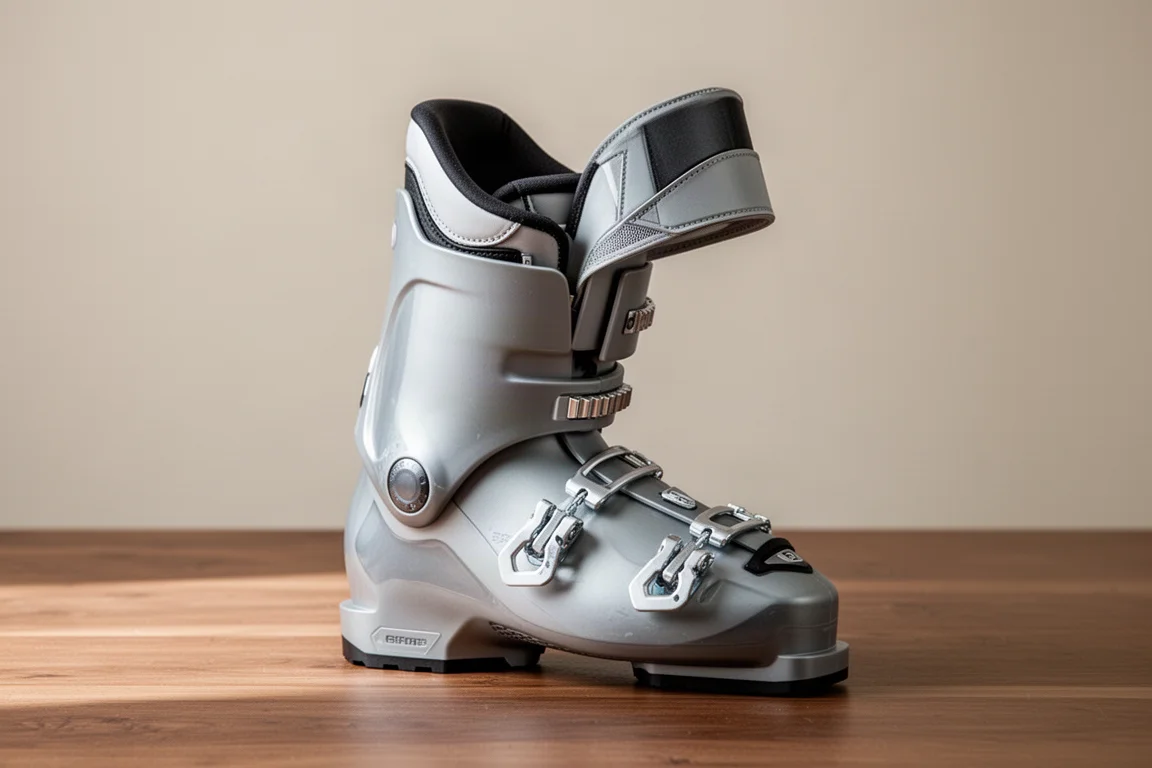
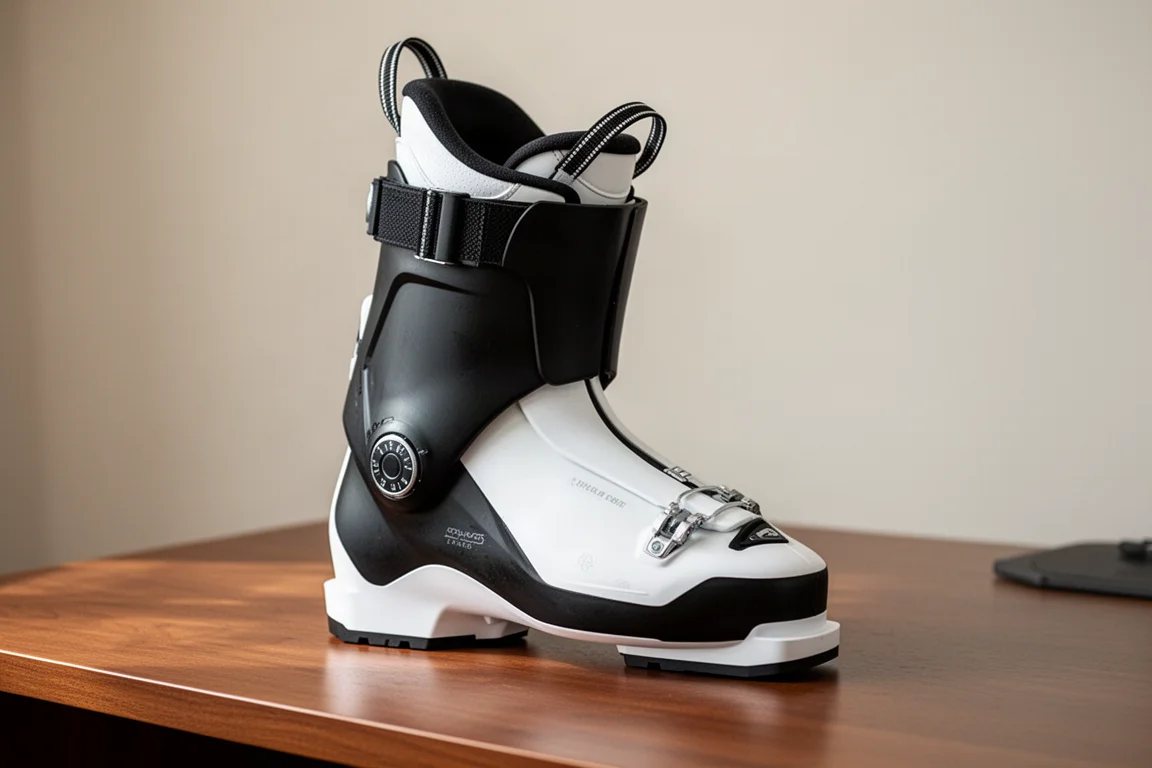
K2 BFC
The BFC has been the most popular high volume boot in many shops for years, and the reasons are obvious. Low-density liner materials, minimal liner structure, and a soft, malleable feel make this the most comfortable out-of-the-box fit in the category. Even with a stated 103-millimeter last, very wide feet slip in without effort. It skis more than well enough for casual cruising, and plenty of aggressive skiers with big feet use them without major complaints, though they are lighter boots that do not ski quite as powerfully and trade some precision for all-day comfort.
Liners from the 100 through 130 flex barely differ, which is unusual for a lineup. The 100 drops the walk mode, while the 120 and 130 add what K2 calls operate mode for walking around the resort, plus an adjustable cuff that rotates outward for larger calves. The main gripe to expect is the toe box: the thinner liner can feel a little short, with pressure on the end of the big or middle toe. Heat molding and proper foot positioning usually resolve it, and compared to the Head boot it will always feel a touch tighter at the toes.
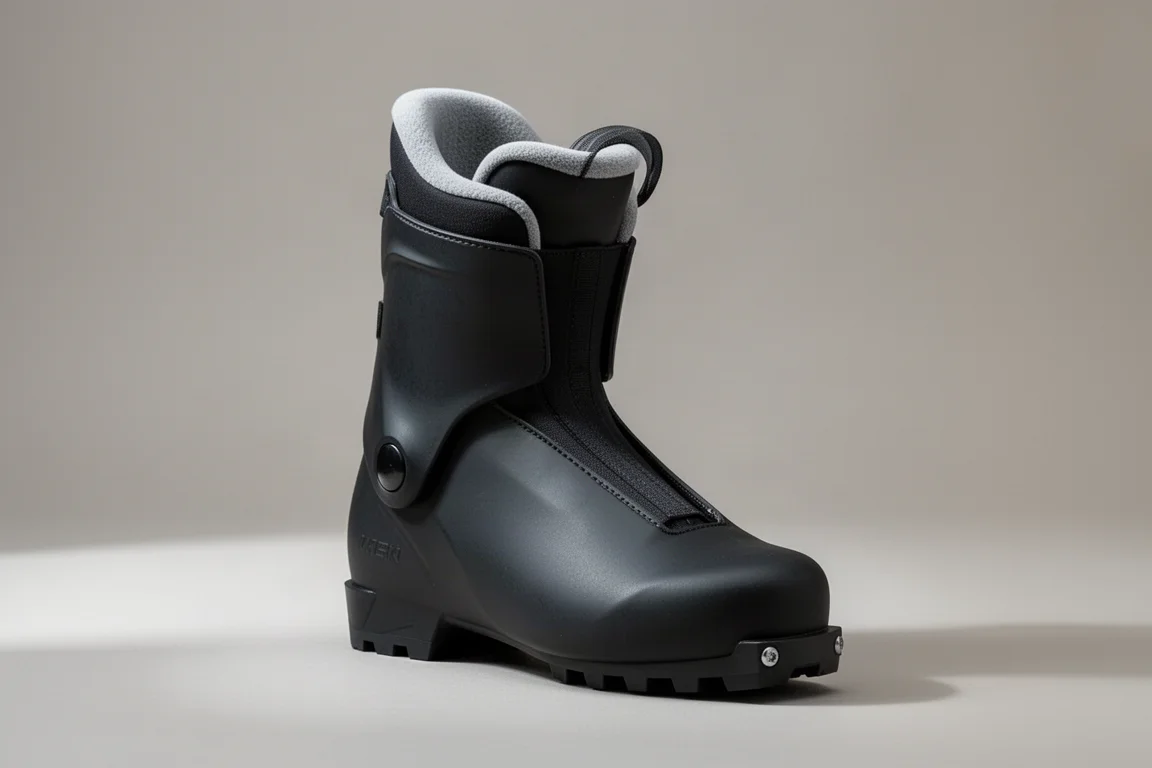
Nordica Cruise
The Cruise sits at the opposite end of the spectrum from the K2 BFC in structure. Both are best described as extra high volume, but the Cruise uses a slightly more structured liner with a firmer grab at the Achilles, while remaining a very low-density, comfort-oriented boot overall. It skis a bit more predictably and powerfully than the BFC, placing it in a slightly different performance realm from the softer cruisers here.
Nordica boots are known to fit generously in length, so if toe pressure was your only complaint with the BFC, the Cruise is the answer: it feels more open at the big toe and middle toe. Width is slightly snugger than the BFC, offering a touch more compression around the foot, and cork in the heel adds firmness that the 120-flex version swaps out for softer materials. The unique trick is the adjustable boot board: with a screwdriver you can raise or lower it to create or eliminate instep space, something no other boot here offers without a boot fitter grinding material away. With an adjustable cuff for larger calves and easy entry, it is a strong end point for the extra-high-volume skier.
Buying Advice
The most important thing about a ski boot is how your foot fills it and how it feels after four or five hours. If your foot fills out the boot and genuinely needs a wider fit, the Cruise and BFC will ski great. But if your foot is not wide enough for those boots and you feel almost nothing inside, they will not ski well, because the boot cannot transmit your input to the ski through empty space. Conversely, if you cannot tolerate much compression but liked the shape of a performance-oriented boot, the softer HV versions of those same lines exist precisely for you.
If you measure between sizes or cannot tolerate any toe tension, the Head Edge is the most generous in length. If you want maximum adjustability, the Atomic Magna is in a class of its own. If pure out-of-the-box comfort is the goal, nothing beats the K2 BFC. And if you want high-volume width without giving up a firm, powerful feel, start with the Tecnica Mach1 HV or Lange Shadow HV.
Conclusion
High volume does not mean low performing. Every boot in this roundup shares technology and performance DNA with its lower-volume counterparts; the difference is simply how much room your foot gets. Match the boot to your actual foot shape and preference, get the liner heat molded to speed up break-in, and any of these will happily drive whatever skis you like, all day long.
Further reading
Related Reviews
Ski Boots
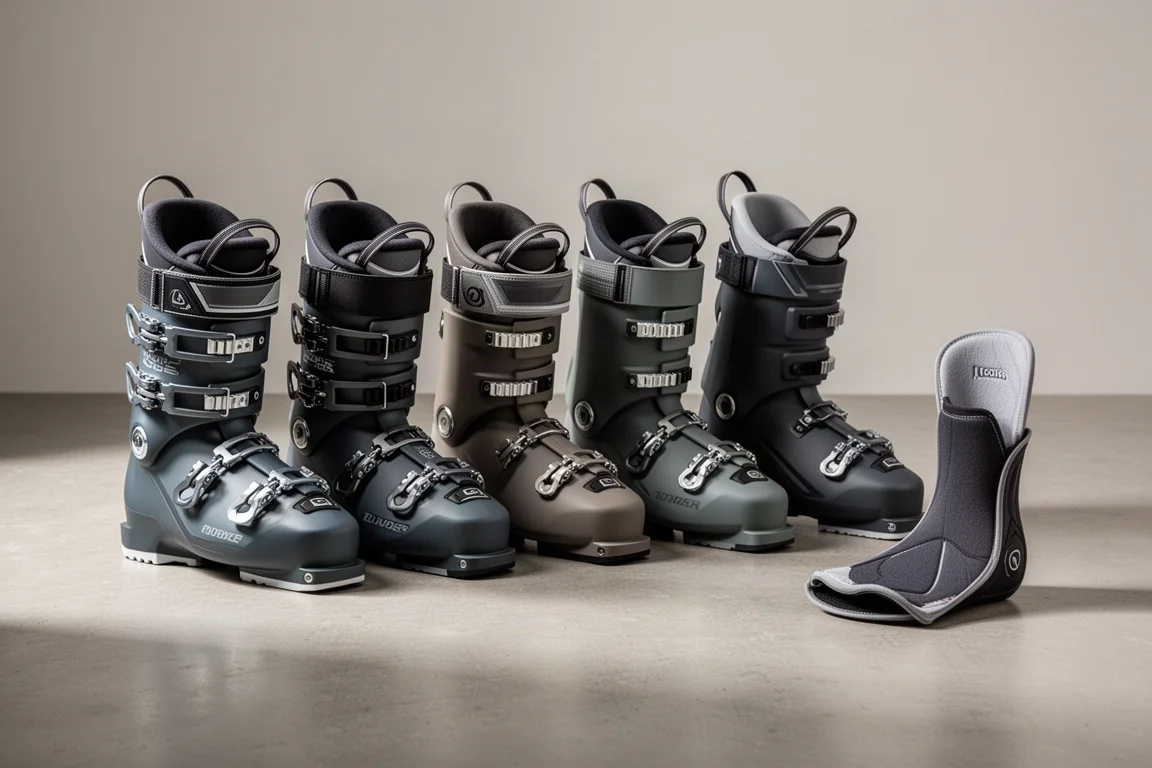
2027 Ski Boot Roundup: Six 130-Flex Boots Worth Knowing
Six 130-flex ski boots for 2027, plus a low-volume liner upgrade, compared on weight, fit, flex feel, and ease of use.
Ski Boots
Armada AR One Ski Boot Review: A Three-Piece Cabrio That Finally Gets It Right
Armada's first ski boot blends three-piece Cabrio design with Atomic engineering, a heat-moldable shell, and a 100mm last that fits better than any Cabrio before it.
Ski Boots
Armada AR1 Ski Boot Review: A Cabrio and Overlap Hybrid for Park and Freeride Skiers
Armada's first ski boot pairs a three-piece cabrio shell with overlap-style buckles and a cable-driven slingshot buckle. Here is where it shines, and what to weigh before buying.