Speakers
Best High-End Speakers: Three Standouts Worth Considering
Three high-end loudspeakers covering value, reference performance, and room-filling scale, with the trade-offs to weigh before you buy.
Introduction
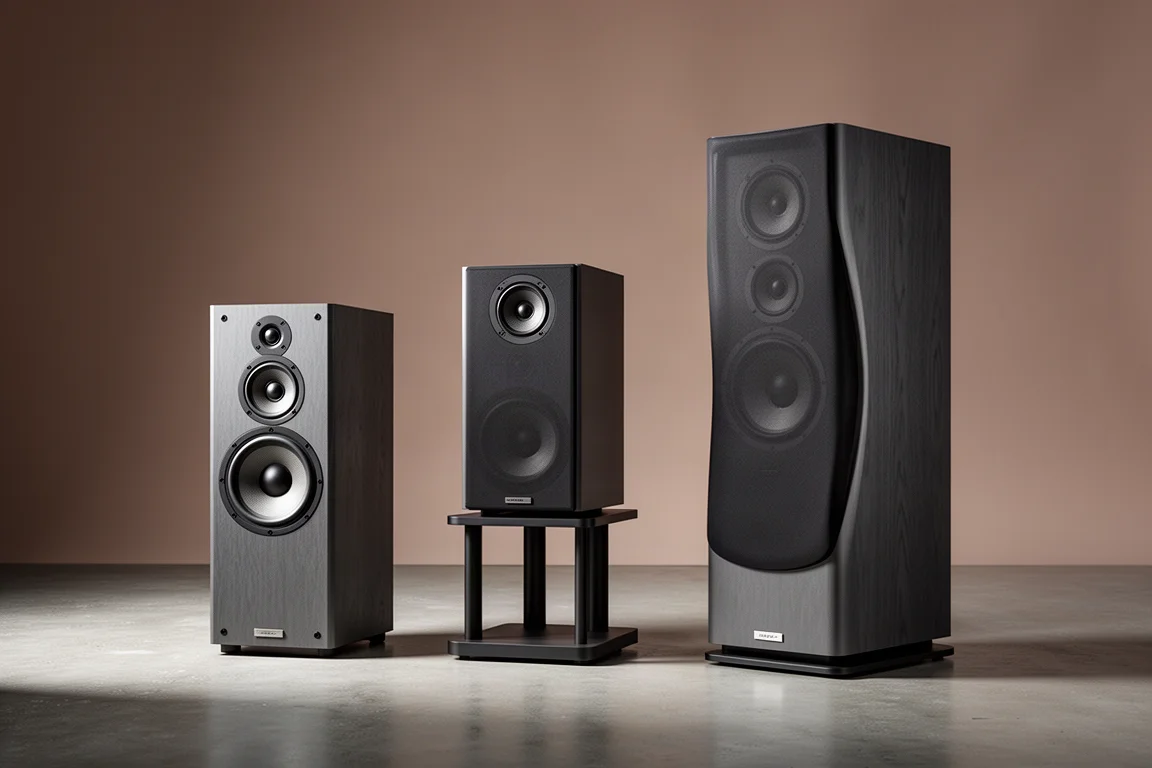
Choosing a loudspeaker is rarely about finding the single best model. It is about matching build quality, measured performance and the realities of your room to the way you actually listen. The three speakers below cover that range well: one that delivers an unusual amount of performance for its price, one built purely around musical enjoyment with no price ceiling, and one that brings full-scale dynamics and serious cabinet construction to a price point where that combination is rare.
Each has a clear strength and a clear trade-off. Understanding which trade-off you can live with is the difference between a good purchase and a great one.
How These Three Were Selected
The starting point was performance for the money rather than the lowest possible price. That means weighing build quality, cabinet materials, driver and crossover components, sound quality, and measured behavior together instead of judging on a single specification.
Measured performance carried real weight in the selection. A speaker that measures well is easier to integrate, responds predictably to room correction, and gives you a better foundation if you plan to tune the response to your space. Practical factors mattered too, including sensitivity, how comfortably a speaker works with a range of AV receivers and amplifiers, and how demanding it is to set up.
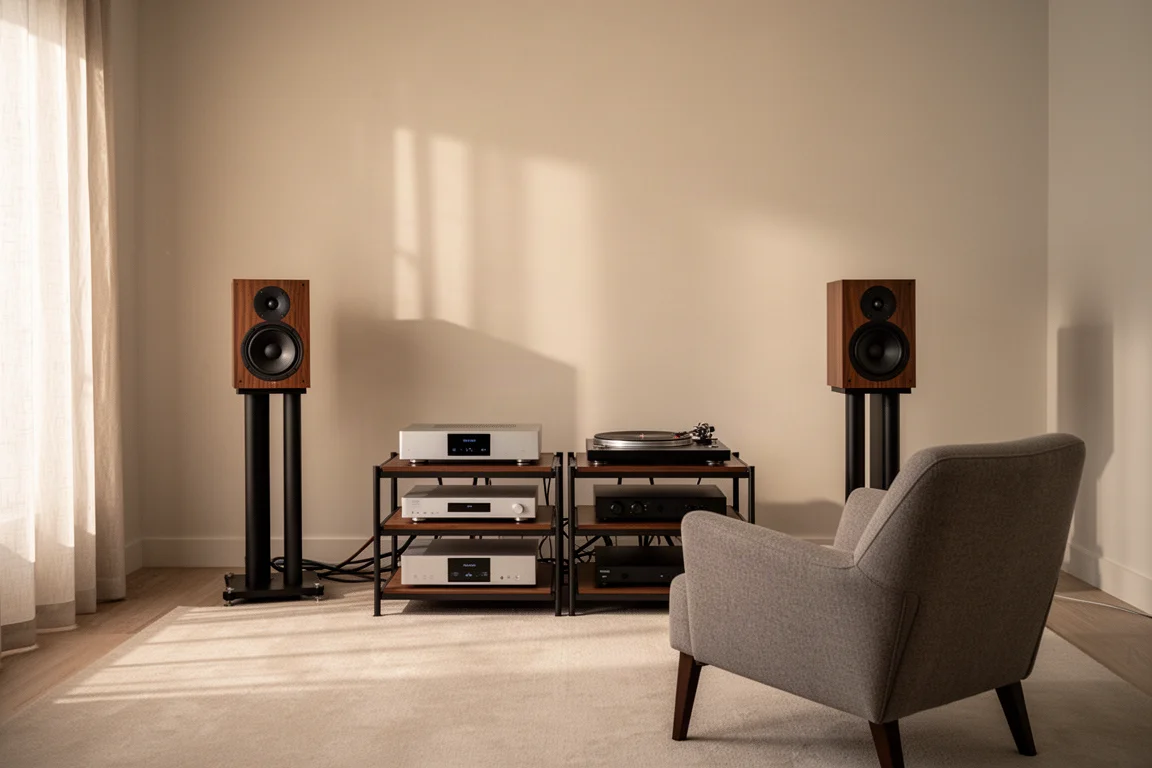
The result is a short list spanning roughly $2,000 to $9,500. That spread is deliberate: it shows what changes as the budget rises, and what does not. Setup requirements, room size and low-frequency strategy matter at every price point on this list, and in some cases they matter more than the speaker itself.
Best Value: Arendal 1723 THX S Monitor
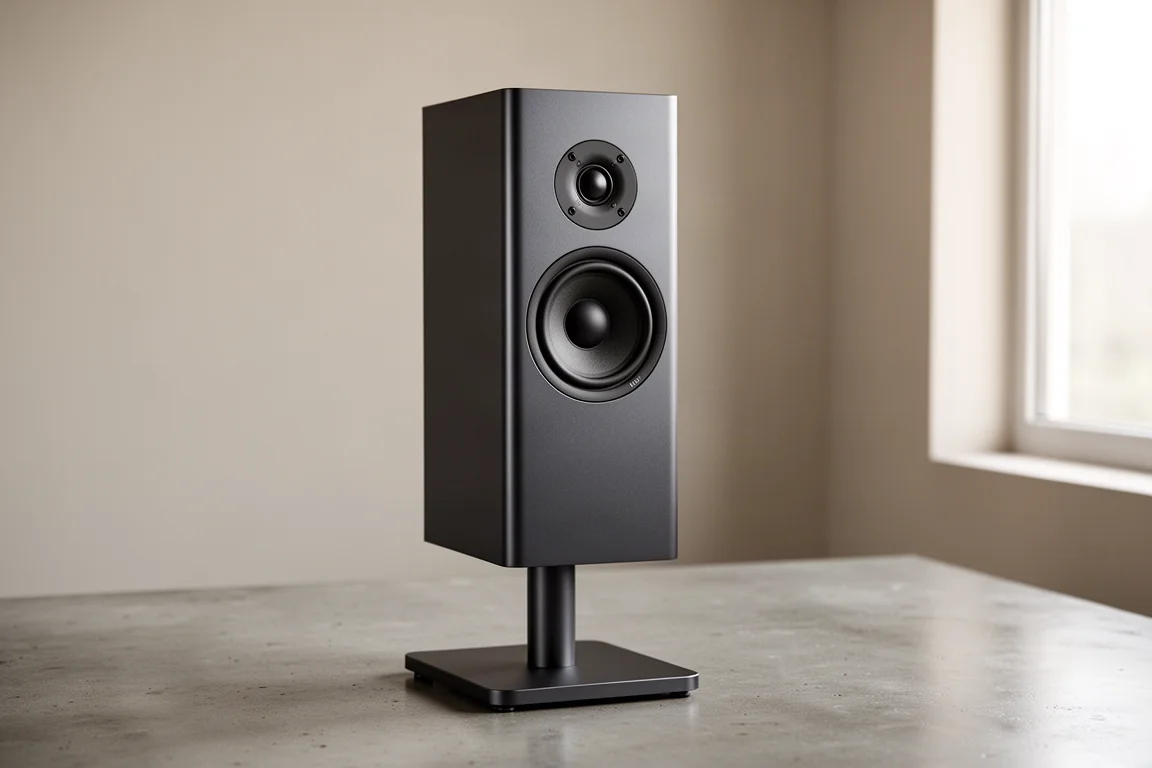
The Arendal 1723 THX S Monitor sits at around $2,000 and delivers more performance per dollar than anything else here. Its cabinet is built from HDF, a material normally reserved for considerably more expensive designs, and the build quality and finish reflect that choice. The result is a speaker that feels and sounds like it belongs in a higher price bracket.
The mid-range is punchy and clean, and sensitivity is reasonable enough that it works with a wide range of AV receivers and amplifiers, including setups that use two amplifiers. It also measures exceptionally well, which matters a great deal if you intend to correct the response in your room.
Two trade-offs are worth knowing about in advance. First, the S Monitor does not extend as low as Arendal’s tower models, so a subwoofer is the natural companion if you want full low-frequency extension. Second, the driver layout is MTM, which means listeners seated well above tweeter height, or who move vertically within the listening position, may notice dips in the vertical off-axis response. That is inherent to the design rather than a flaw, but it is worth planning your seating around.
Compared with the larger Monitor in the same lineup, the S Monitor is the slimmer and smaller version, though still a substantial speaker. It measured better and sounded more neutral and natural, without the slight brightness lift of the larger model, which carries a little more mid-bass emphasis. Both respond very well to EQ, so the S Monitor’s cleaner starting point makes it the more flexible option out of the box, particularly if you plan to add a subwoofer and tune to taste. With bass handled separately, its soundstaging is a genuine strength and can be preferable to a tower running on its own.
Price-No-Object Performance: Platimon Acoustics Monitor
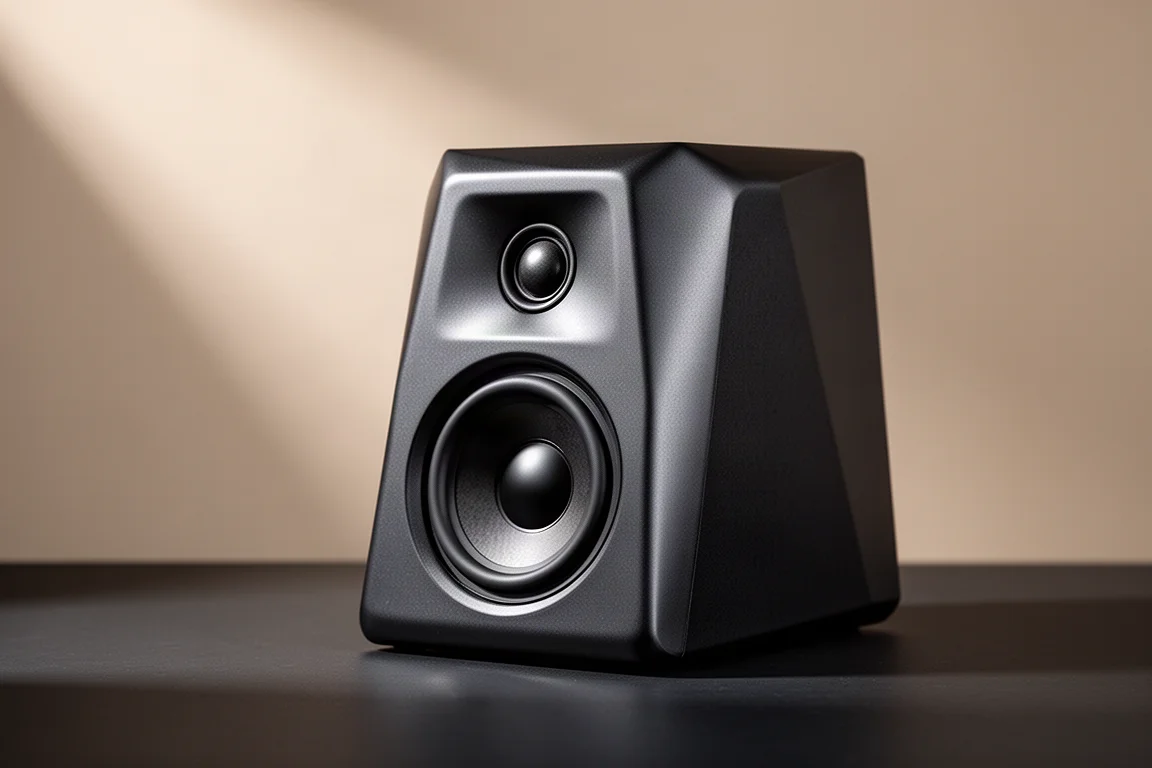
The Platimon Acoustics Monitor sits at the opposite end of the brief. Price is not the deciding factor here; the only real question is how much musical enjoyment the speaker delivers. It is priced at $6,000 per pair, or $8,000 with the matching stands.
What defines it is transparency without dryness. Detail is abundant, but the presentation keeps an airiness and a touch of warmth in the mid-bass region that makes long listening sessions easy. Paired with a quality two-channel preamplifier in a well-matched system, it strikes a balance that is difficult to walk away from. That combination of clarity and texture is the reason it has remained a reference point in its category for two consecutive years.
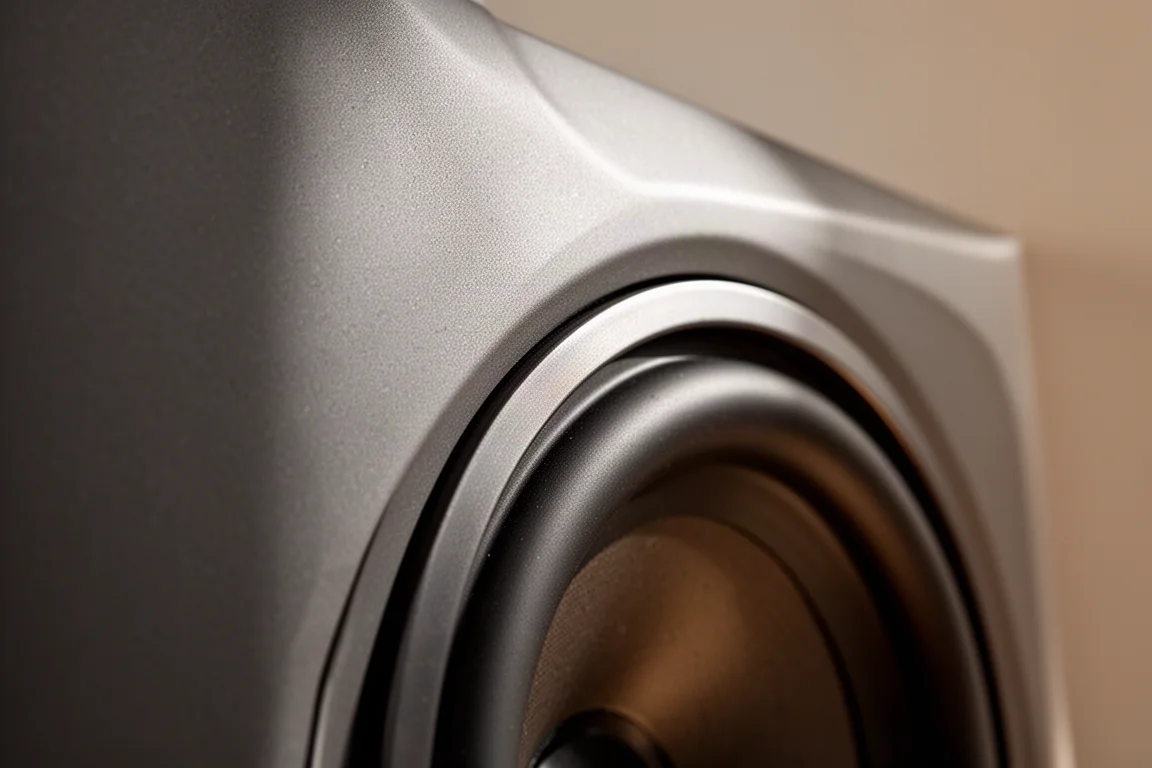
There is also an optional VC2 module that adds a super tweeter and a 10-inch bass driver. It offers roughly a dozen settings for different tunings, and the sonic results are convincing across the options tried. The styling of the base module is a matter of personal taste rather than a technical concern.
If the goal is the most engaging two-channel system you can assemble rather than the best value per dollar, this is the speaker that earns its price.
Disruptor of the Year: Arendal 1528 Tower
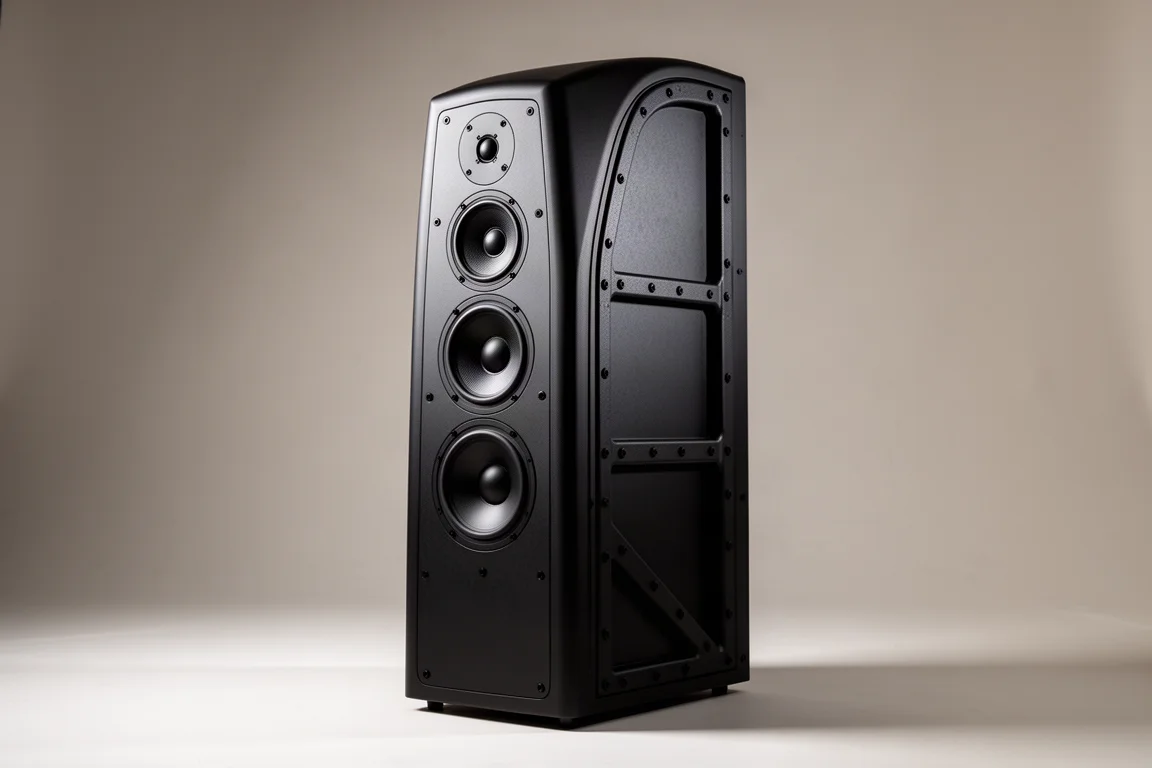
The Arendal 1528 Tower is a genuinely large floorstanding speaker at around $9,500, and it earns a category of its own because it fits both the value brief and the no-compromise brief at once. The cabinet is HDF, extensively braced, and fitted with acoustic lenses. Crossover components and binding posts are of a quality that is unusual at this price, and the speaker measures very well.
What you get for the money is scale: a big cabinet, a large complement of quality drivers, and the air movement that comes with them. In the high-end market, that combination at this price is rare enough to be disruptive. Arendal sells direct to customers rather than through distributors and dealers, which keeps the price down, and backs the speaker with a 60-day risk-free return policy. The lineup also includes a 1528 bookshelf model that uses the same HDF approach and is unusually large for its class.
The trade-off is space, and it is significant. The front baffle is shaped to align the drivers for the listening position, which means you need to sit a minimum distance away, roughly 2.5 m and ideally closer to 3 m, to benefit from that alignment. Sit closer and the presentation can turn brighter in the 1 to 3 kHz region, which is not pleasant. A large room and careful setup are not optional extras here; they are part of the product.
If you have the room and the seating distance, this is a remarkable amount of loudspeaker for the money.
Setup and Room Considerations
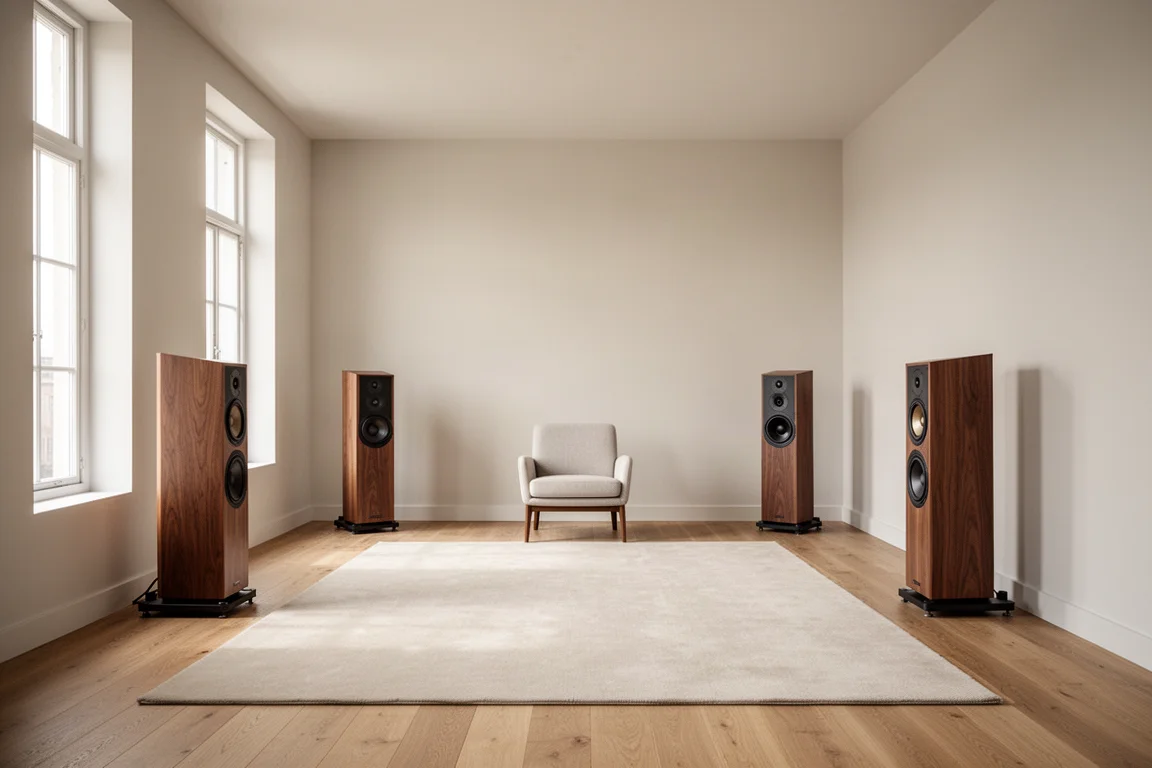
Room and placement matter as much as the speaker itself in this price range. Three practical points are worth planning for before you commit.
Listening distance comes first. The 1528 Tower’s driver alignment is designed around a listening position at a minimum distance, so measure your room before you decide. The S Monitor is far more forgiving of a closer seat, though its MTM layout still rewards keeping your ears near tweeter height.
Low-frequency strategy is the second consideration. The S Monitor is the speaker most likely to need a subwoofer, since it does not reach as low as a tower. A subwoofer paired with the S Monitor is a configuration that can outperform a tower running on its own, and it also gives you more control over how bass behaves in your particular room.
Amplification and EQ round out the picture. The S Monitor’s reasonable sensitivity means it will work with a broad range of receivers and amplifiers. All three speakers respond well to room correction and EQ, and if you plan to tune your system, a speaker that measures well from the start gives you a better foundation to work from.
Which Speaker Fits Which Listener
Choose the Arendal 1723 THX S Monitor if you want the most performance for your money and you are comfortable adding a subwoofer and applying a little EQ. It suits mixed music and home theater systems and it is the easiest of the three to place.
Choose the Platimon Acoustics Monitor if price is not the constraint and you want a transparent, airy presentation with a touch of mid-bass warmth that keeps you listening. It is a two-channel speaker first.
Choose the Arendal 1528 Tower if you have a large room, you can sit well back from the speakers, and you want full-scale dynamics with cabinet construction that usually costs considerably more.
Buying Advice
Start with the room, not the speaker. A large floorstander in a small space, or a standmount asked to fill a big room without a subwoofer, will disappoint regardless of how well it measures.
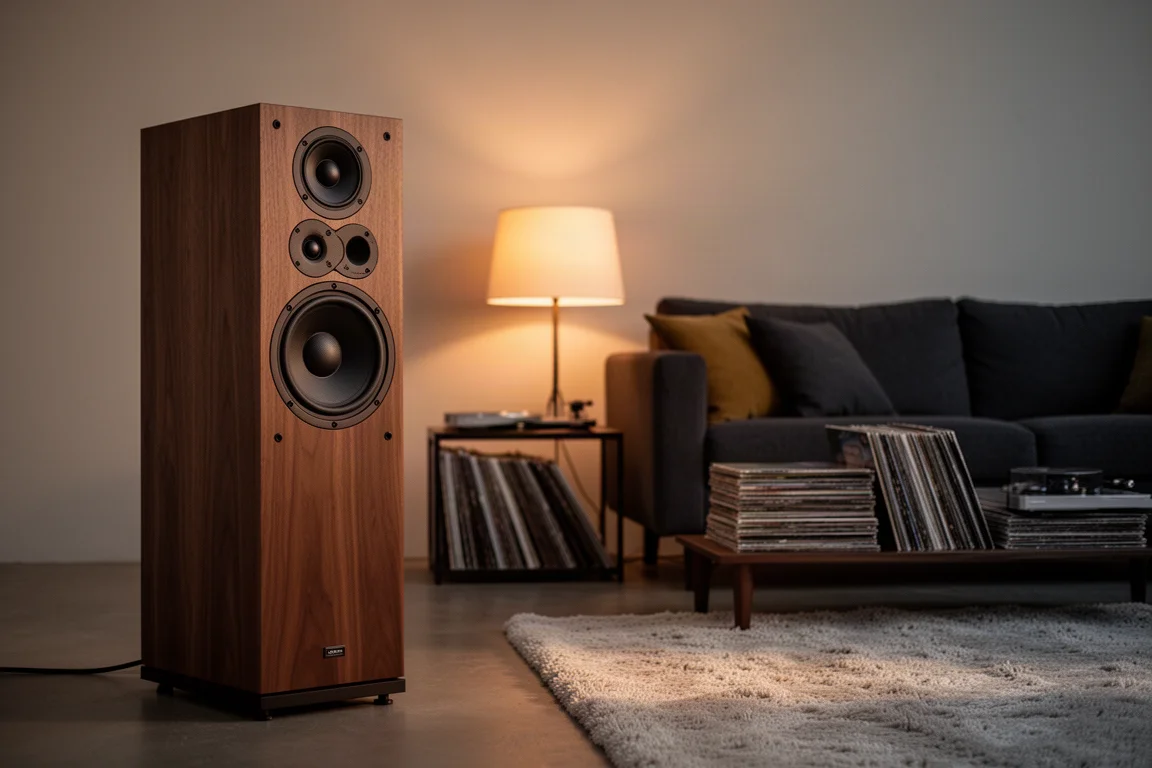
Then decide how much of your budget belongs to the speaker and how much belongs to the rest of the chain. A $2,000 standmount plus a good subwoofer and careful setup can be a more satisfying system than a more expensive speaker used without attention to placement and correction.
Finally, weigh the purchase terms. A direct-to-consumer purchase with a long trial window removes much of the risk from a decision that depends heavily on your room, and it gives you room to confirm that the trade-offs described above are ones you can genuinely live with.
Conclusion
Three speakers, three different answers. The Arendal 1723 THX S Monitor is the value pick, and it is the one most listeners will be able to place and drive without rearranging their lives. The Platimon Acoustics Monitor is the emotional pick, built for two-channel listening where price is secondary to how the music feels. The Arendal 1528 Tower is the scale pick, and it asks for space and distance in exchange for a size and level of construction that is rare at its price.
Match the speaker to the room and to your listening habits, budget for the subwoofer and the setup work, and any of the three will reward the decision for a long time.
Further reading
Related Reviews
Speakers
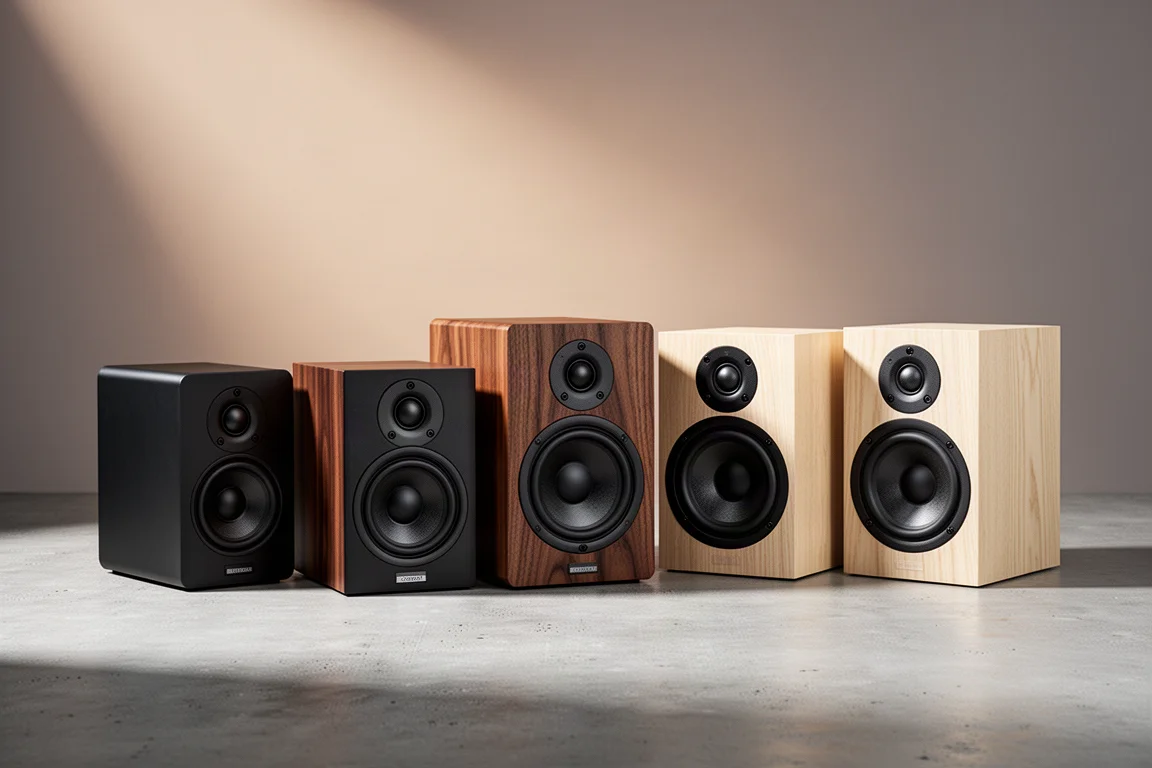
13 Under-the-Radar Speakers Still Worth Buying
Thirteen speakers that quietly stayed in production while newer models took the spotlight, from budget bookshelf pairs to a full-size tower.
Speakers
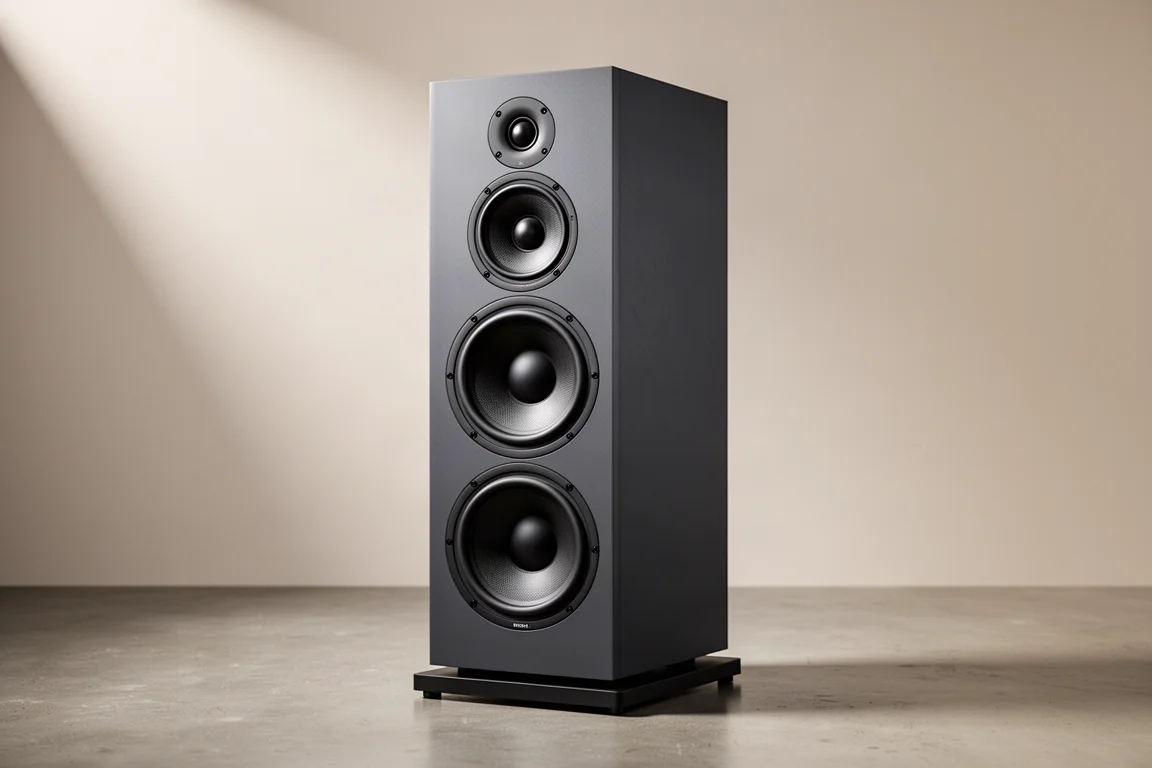
Arendal 1528 Monitor 8 Review: A Three-Way Standmount With Serious Dynamic Headroom
A three-way standmount speaker with extremely low distortion, high output capability, and deep bass for its size, plus the setup details worth knowing before buying.
Speakers
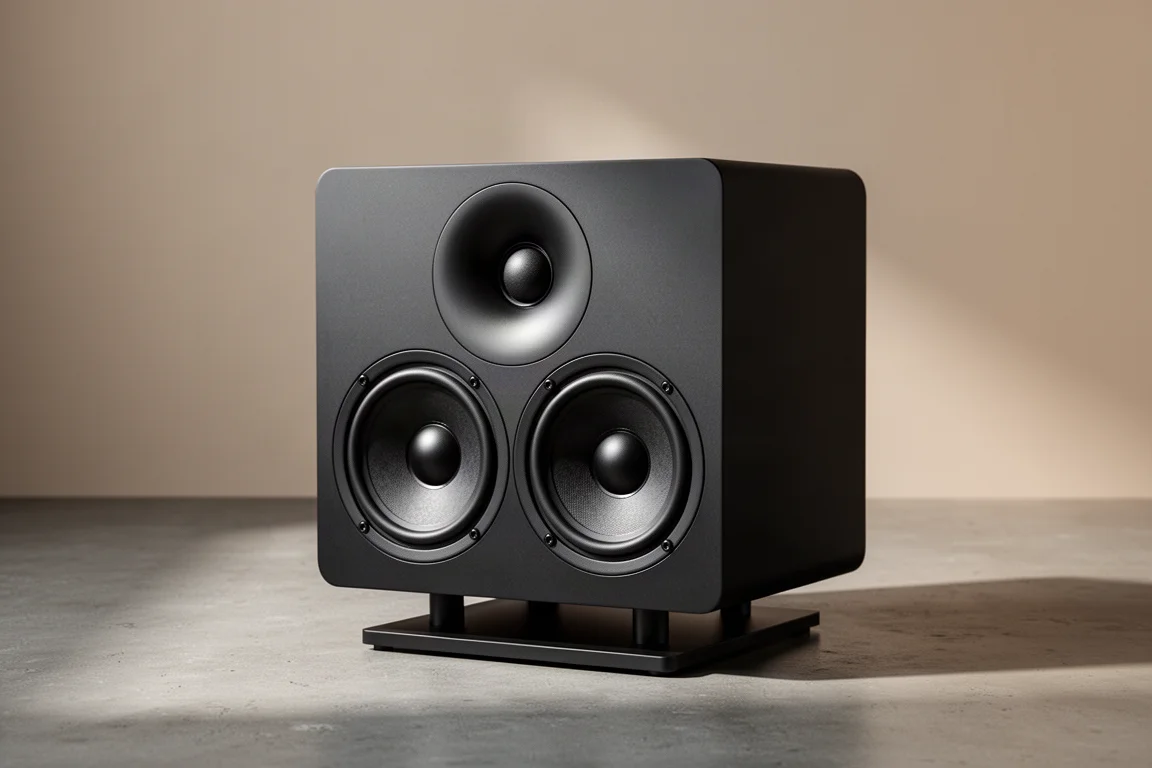
Arendal 1723 Monitor S Review: A Compact Monitor With Serious Ambition
A close look at the Arendal 1723 Monitor S, a compact MTM monitor with a waveguide-loaded tweeter, an HDF cabinet, and flexible ported or sealed operation for music and home theater.