Trail Snacks
Best Healthier Trail Snacks: 10 Backpacking Snacks Worth Packing
Ten trail-tested snacks for backpacking and thru-hiking, chosen for short ingredient lists, protein and calorie value, low weight, and easy resupply.
Introduction
Trail snacks have changed a lot in recent years. Not long ago a backpacking snack bag meant candy bars, chewy sweets, and crackers, with the reasoning that the calories get burned off anyway. The calories do get burned, but what goes into the body also shapes how a long day feels and how many seasons of hiking the body can handle.
The market has caught up with that idea. There are now far more genuinely good trail snacks available than there were a few years ago, and most of them need no cooking, no refrigeration, and very little pack weight.
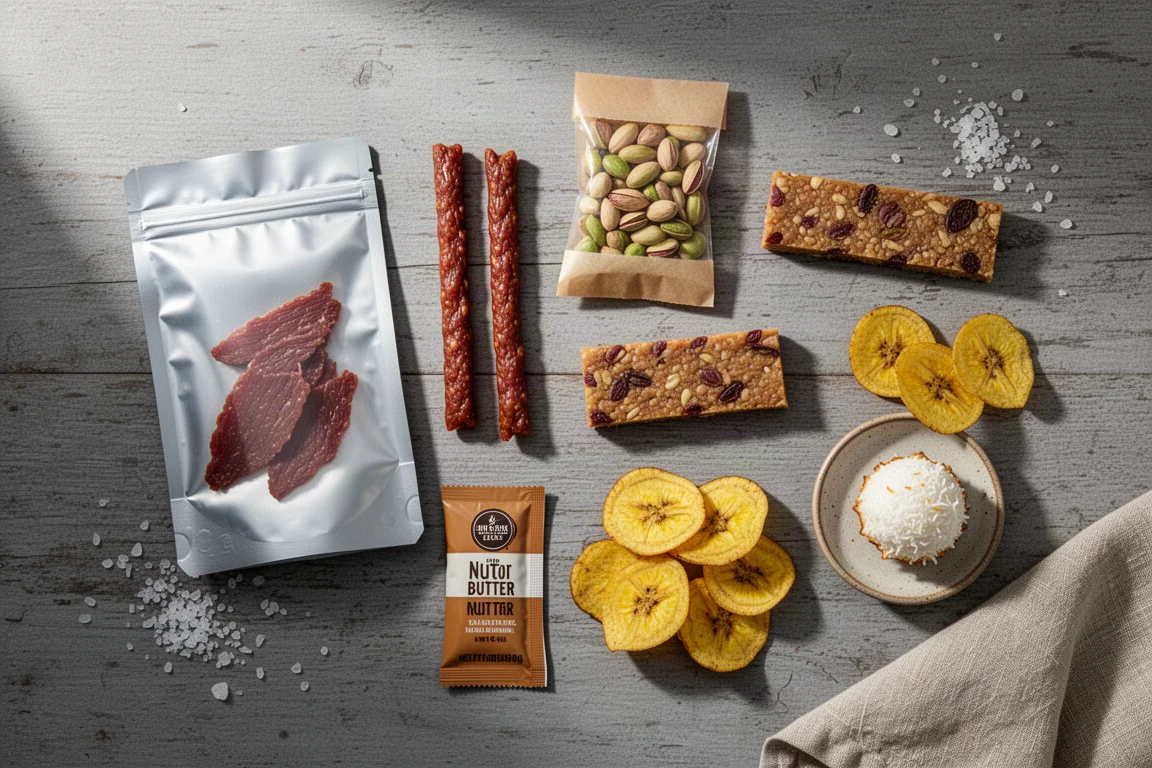
This guide covers ten of the best options for backpacking and thru-hiking. Each one earns its place on a short and readable ingredient list, useful protein or calorie density, sensible weight, and how easy it is to restock on a resupply stop.
What to Look For in Trail Snacks
Four qualities separate a snack that works on trail from one that only tastes good in town.
The first is the ingredient list. A snack built on two or three recognizable ingredients is easier to trust than one with a long list of oils, sweeteners, and additives. The second is protein. Hikers tend to count calories and overlook protein, and carrying protein powder is messy. Dried meat, meat sticks, and nut butter packets solve that without any preparation.
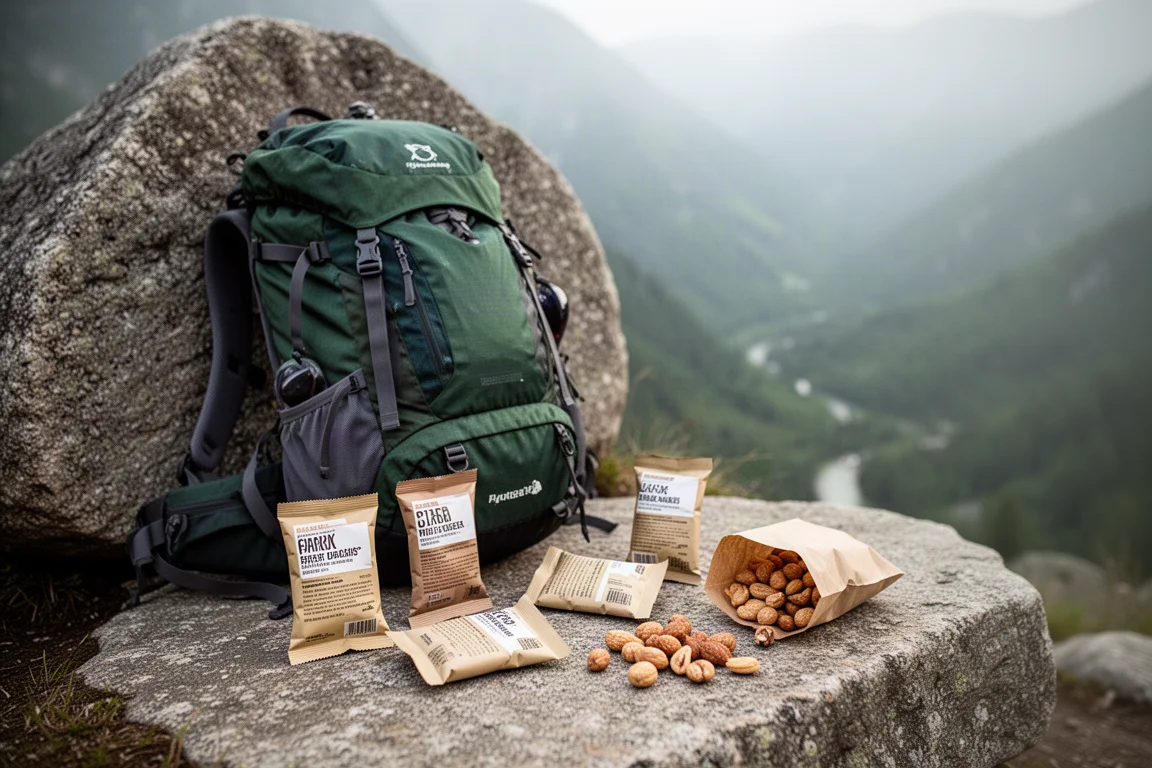
The third is calories per ounce, which matters most on long carries between resupply points. Fat is the most efficient way to get there, which is why nut butters, nuts, and chocolate all earn a place in a good snack rotation. The fourth is availability. A snack you can only order online is a snack you cannot restock in a trail town, so the strongest rotation mixes a few mail-order favorites with items that turn up in convenience stores, gas stations, and grocery stores.
Cost is worth a quick calculation too. Snacks are one of the few trail expenses that repeat hundreds of times over a thru-hike, so cost per gram of protein adds up faster than most people expect.
Carnivore Snacks Ribeye
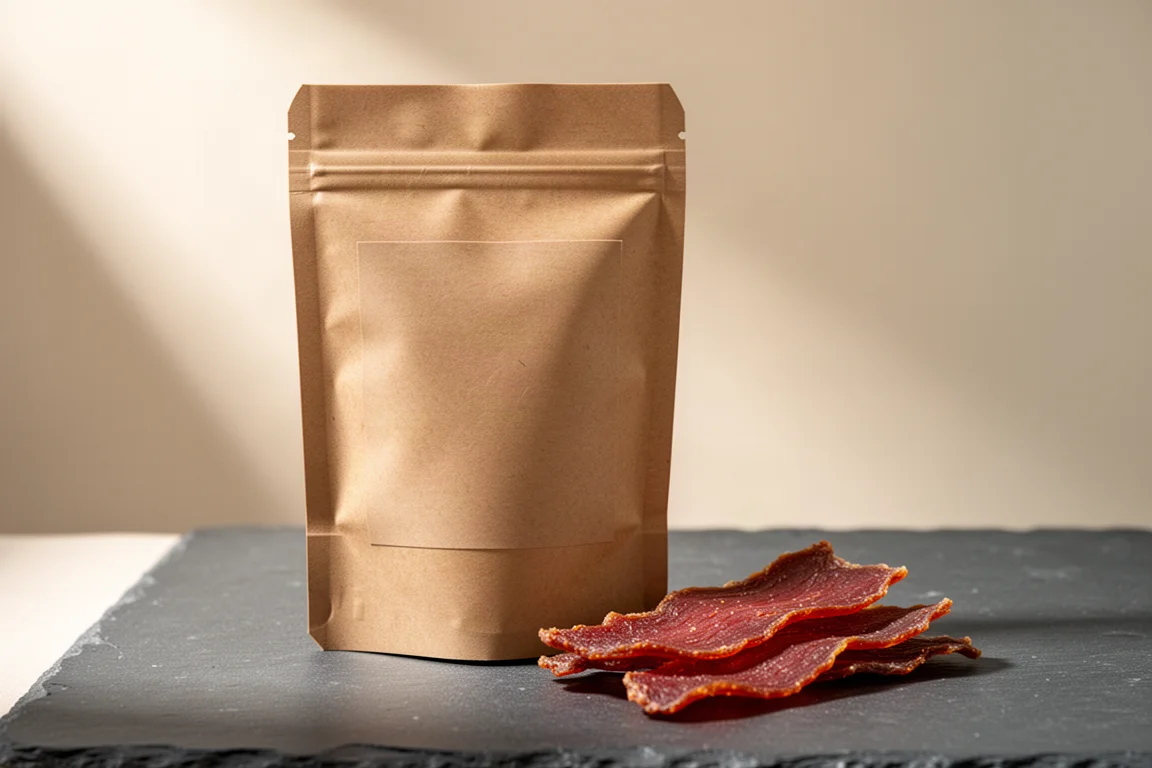
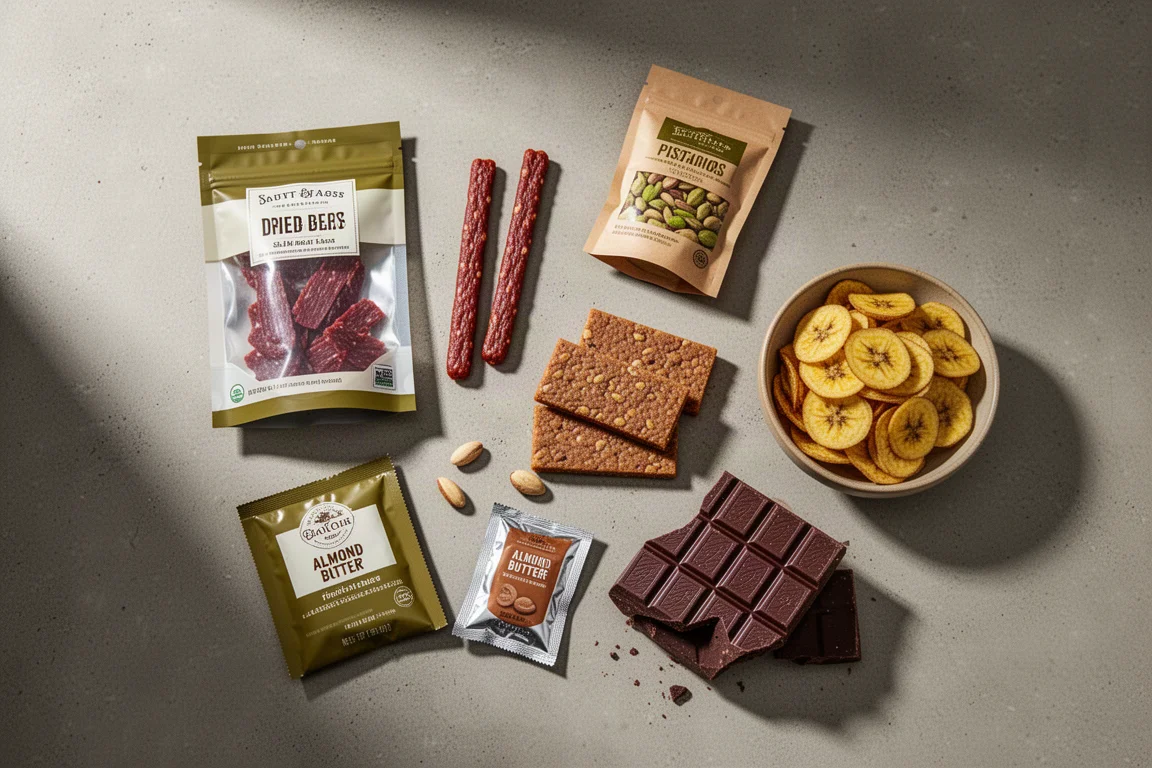
Carnivore Snacks Ribeye is a dried meat snack, and it is deliberately not jerky. The texture is crisp and buttery rather than chewy, and the beef versions keep the ingredient list to two items: grass-fed beef and salt. The company also makes chicken and other meats, but the ribeye is the one worth seeking out first.
Each bag of the beef snacks starts with roughly a pound of meat before drying, so the packed weight is far lower than that number suggests. There is nothing to cook, which makes it easy to eat while walking. At about $40 per bag of ribeye, with less expensive cuts also available, it is the most expensive snack in this guide, and it is a direct way to add protein to a thru-hike diet without carrying powder.
Chomps Beef Sticks
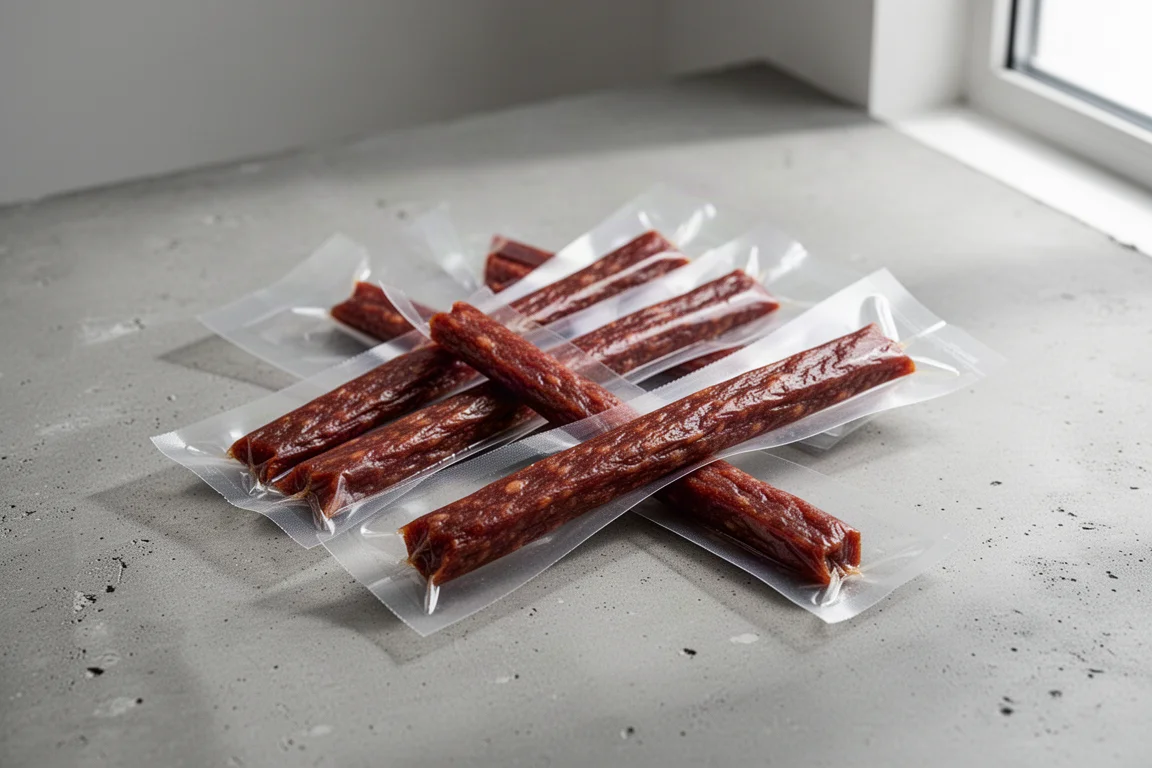
Chomps Beef Sticks are a cleaner version of the familiar shelf-stable meat stick. The beef is grass-fed and finished and non-GMO, and while the ingredient list is longer than the two-item list on Carnivore Snacks, there is nothing concerning in it. The flavor and texture sit a step below the premium dried meat option, but the price is far easier to justify.
Each stick delivers 10 g of protein and 100 calories for about $2.56, which works out to roughly $0.25 per gram of protein. That is less than half the cost per gram of protein of Carnivore Snacks, and it makes Chomps the more practical everyday choice across long stretches between resupplies.
Wonderful Pistachios
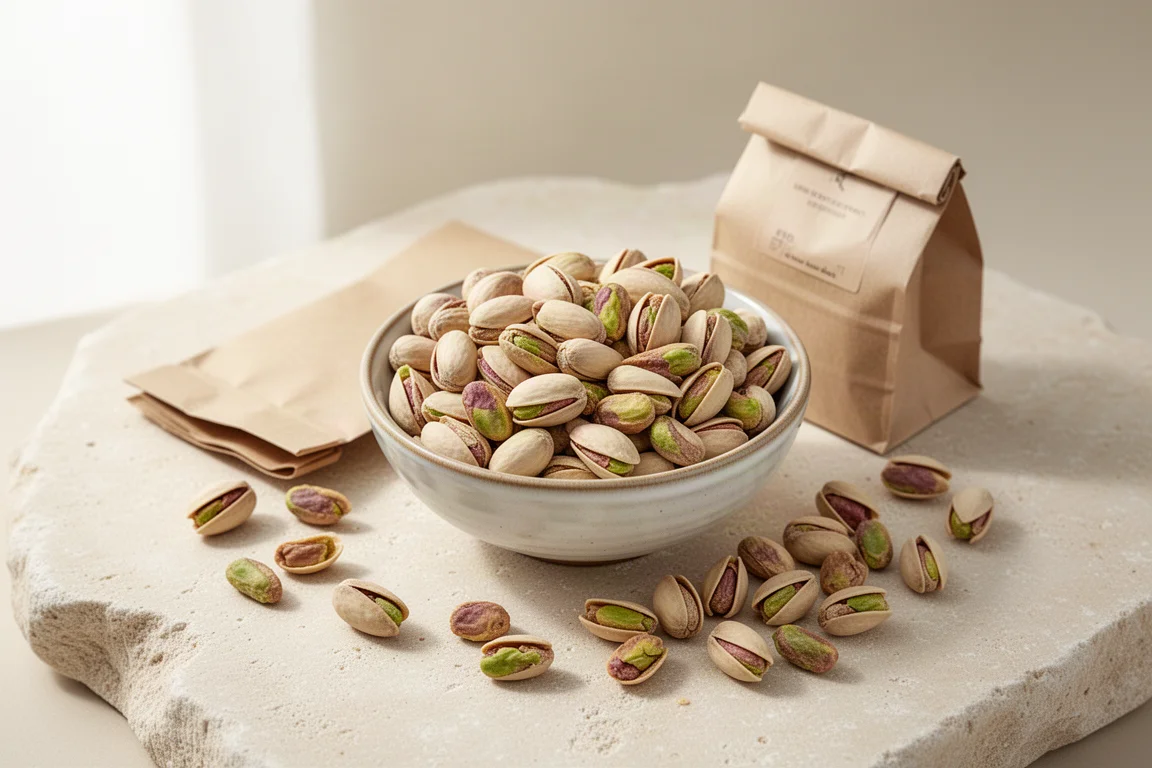
Wonderful Pistachios keep things simple: roasted and salted nuts with no seed oils and no unnecessary additives. They come in a few formats and at varying salt levels, and they are widely stocked at convenience stores, gas stations, and grocery stores, which matters a great deal when the next resupply is a small town with one shop.
A 2.5 oz bag costs about $5 depending on where you shop. Each serving provides 6 g of protein, 13 g of fat, 8 g of carbohydrates, and about 160 calories. Pistachios are also high in antioxidants, which can help with inflammation and oxidative stress, two things that long days on trail tend to produce.
That’s It Bars
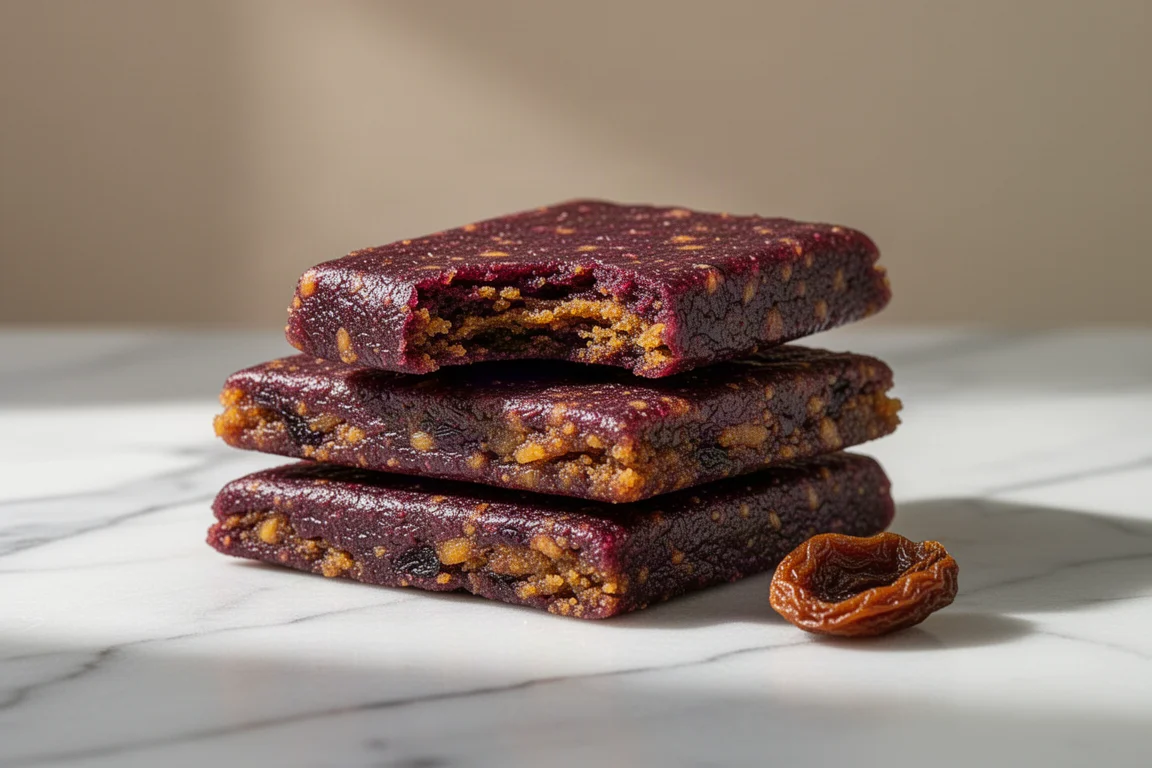
That’s It Bars are fruit and nothing else. The name reflects the recipe: whichever fruits appear on the label are the whole ingredient list, with no added sugar and no hidden extras. They are lightweight and chewy, closer in texture to fruit leather than to a baked bar.
A pack of five standard bars costs about $6 to $7, and there are several fruit combinations to choose from. On their own the flavor is mild, which is exactly why they work so well as a base for something richer.
Justin’s Almond Butter
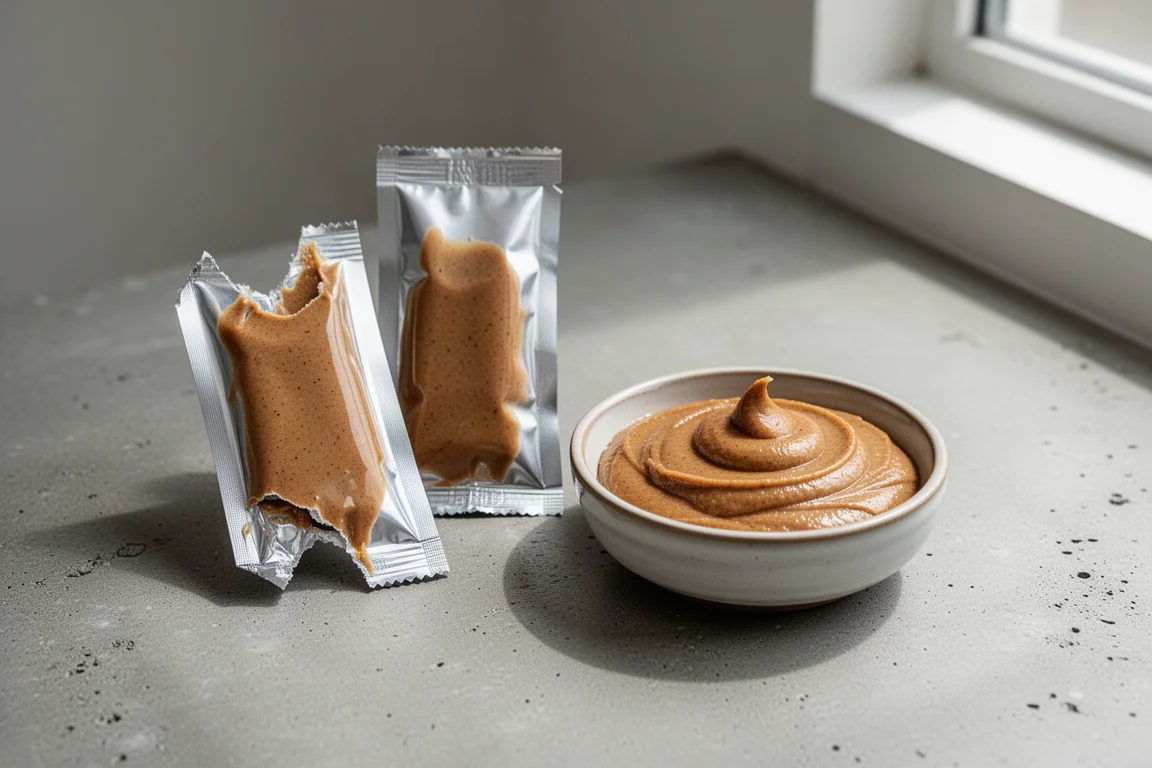
Justin’s Almond Butter comes in jars, but the individual packets are the version that makes sense on trail. Each packet contains almonds and palm oil and is non-GMO. Squeeze one onto a fruit bar and the result is a snack with real staying power.
One packet costs about $1.50 and delivers 6 g of protein, 19 g of fat, 5 g of carbohydrates, and 220 calories. For hikers who struggle to eat enough, that combination of fat and calories in a small, tidy package is exactly what a trail snack should do.
Barnana Plantain Chips
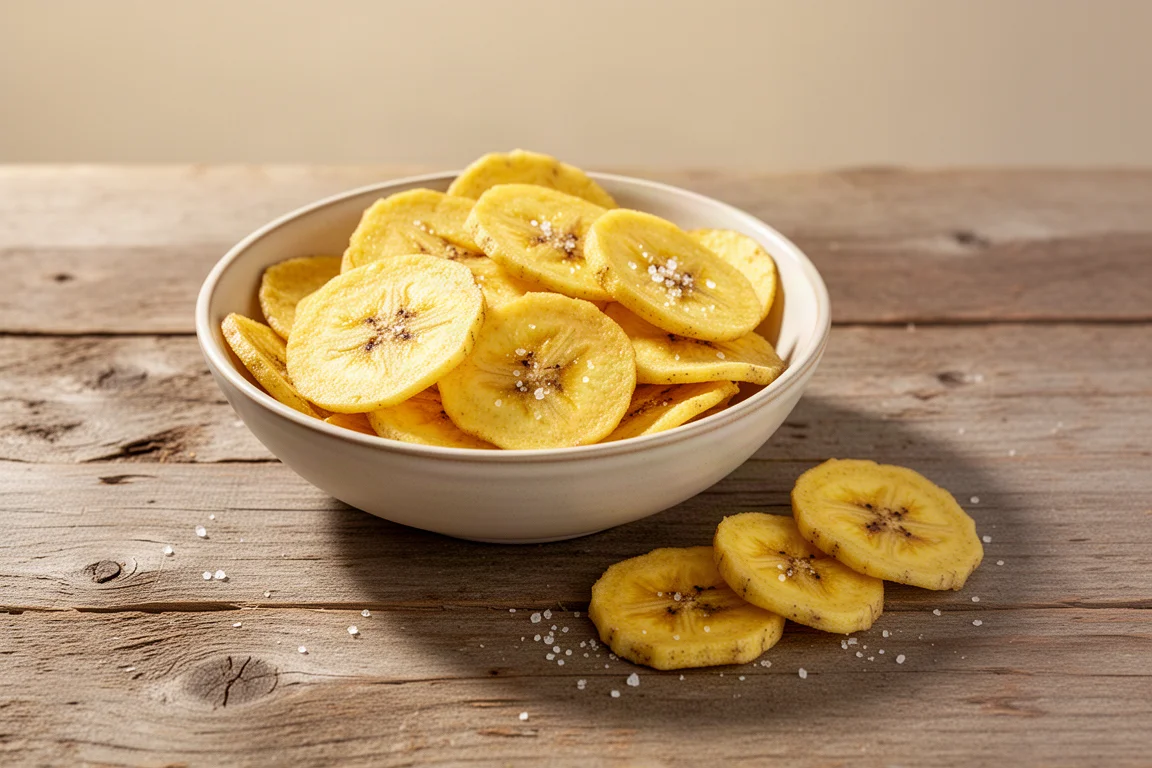
When the craving is for crunch, Barnana Plantain Chips deliver it with three ingredients: organic plantain, organic coconut oil, and Himalayan sea salt. There is some fat and some carbohydrate in every handful, plus a useful bonus of potassium.
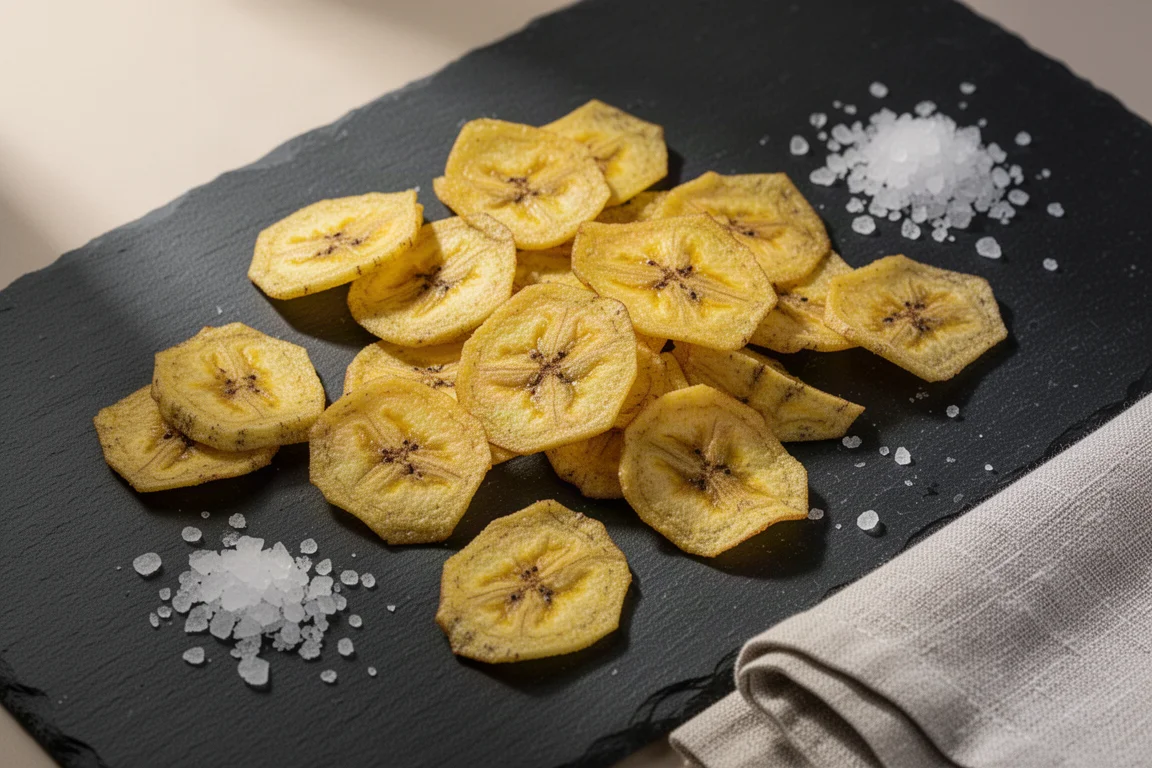
They are a good middle ground for hikers who want the texture of a chip without the long list of additives that usually comes with one.
Siete Sea Salt Potato Chips
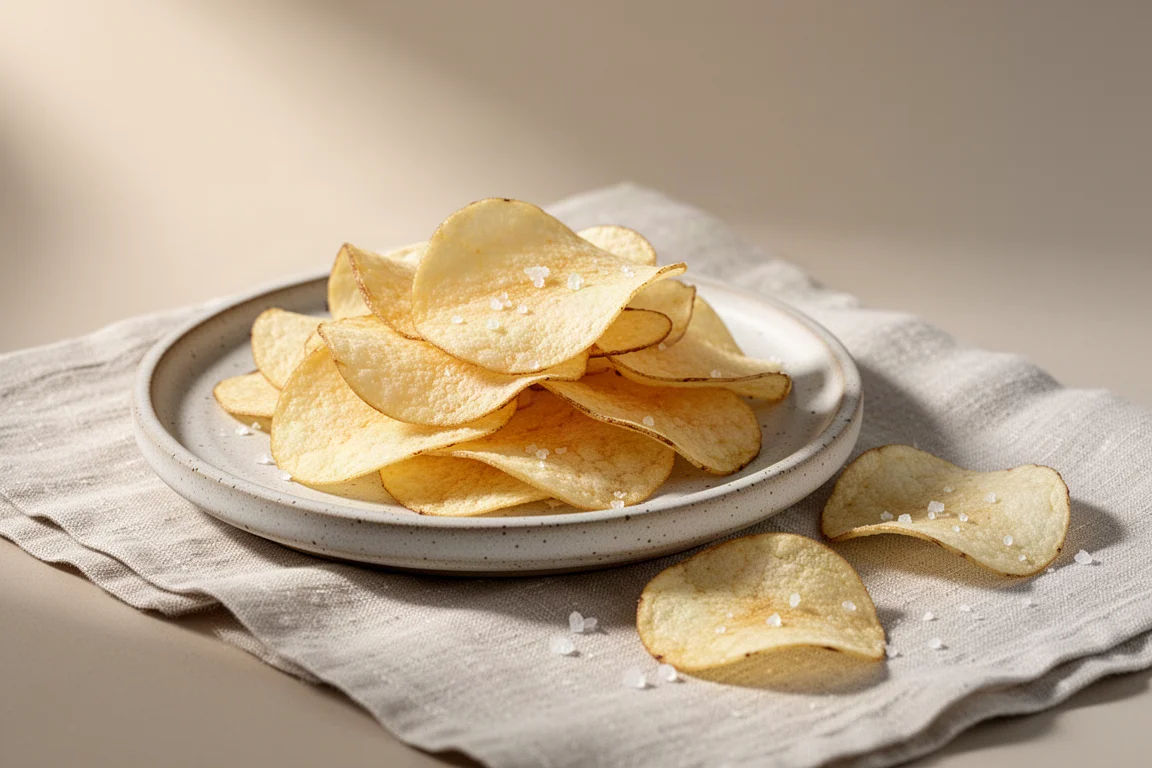
If plantain chips will not satisfy the craving, Siete Sea Salt Potato Chips are an actual potato chip built on a shorter ingredient list. The product is non-GMO and made with potatoes, avocado oil, and sea salt.
They add familiar variety to a snack bag without abandoning the goal of eating better on trail, and they pair well with a protein-forward snack earlier in the day.
Heather’s Choice Lemon Lavender Macaroons
Heather’s Choice Lemon Lavender Macaroons are among the more processed items in this guide, but the ingredient list stays recognizable: organic coconut, organic coconut nectar, almond flour, organic coconut oil, vanilla extract, dried lavender, sea salt, and lemon oil. The lemon lavender flavor is the one to look for first.
Each macaroon has about 140 calories, 12 g of fat, 2 g of protein, and 11 g of carbohydrates, and costs about $2.50. They can be ordered online and are often stocked by REI both online and in stores. The same company also makes backpacking meals, including options aimed at people on more restrictive diets.

HU Dark Chocolate Bars
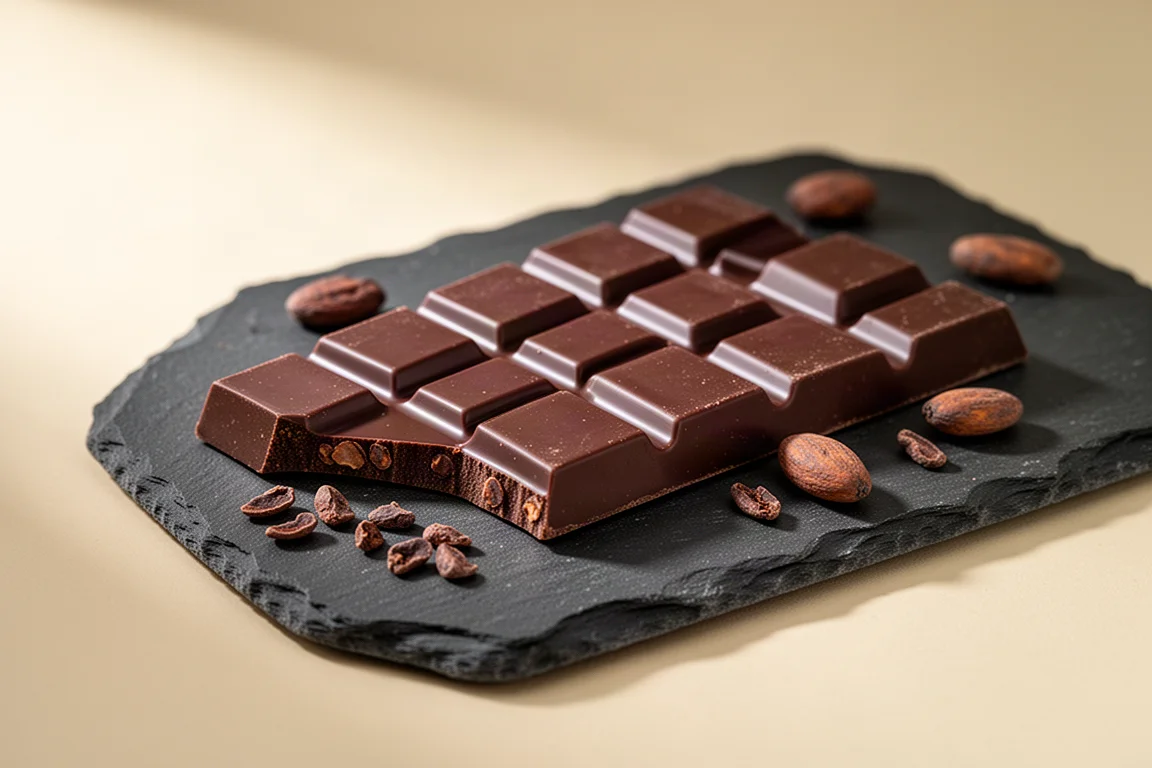
Chocolate belongs on a trail snack list, and HU Dark Chocolate Bars are a cleaner way to carry it. The dark chocolate is made from three ingredients: organic cacao, organic unrefined coconut sugar, and organic cocoa butter.

Chocolate that is 70 percent dark or higher is rich in antioxidants, which is a genuine bonus on a long hike given how much inflammation and oxidative stress accumulate over weeks on trail. It is also the kind of snack that lifts morale at the end of a hard day, which counts for something on a long carry.
Thrive Market Pitted Green Olives
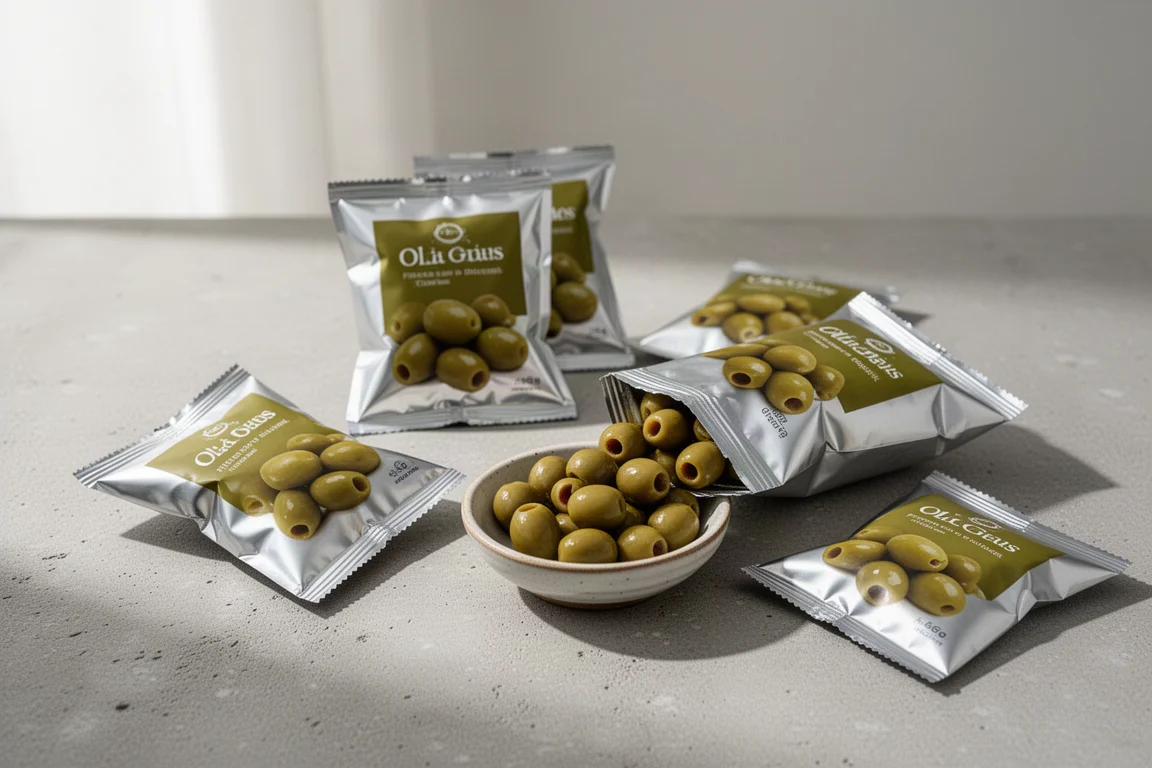
Thrive Market Pitted Green Olives come in small snack-size packets that open easily on trail. The ingredient list is olives and salt, with no dyes and no preservatives. Eat them straight from the packet or add them to a meal for a hit of salt and flavor.
They are one of the lightest ways to add something savory to a snack bag, and the single-serve format means there is nothing to repackage before a long day.
How to Choose Healthier Trail Snacks
The easiest way to upgrade a trail diet is to change one item at a time. Pick the snack you eat most often, find a version with a shorter ingredient list and more protein, and keep the rest of the rotation as it is. Small swaps are the ones that hold up over a five-month hike.
Cost per gram of protein is the most useful number when comparing protein snacks. Chomps Beef Sticks land at roughly $0.25 per gram of protein, while Carnivore Snacks costs more than double that, so the two work well as a pair: the sticks for everyday eating, and the ribeye for the days that deserve a treat.
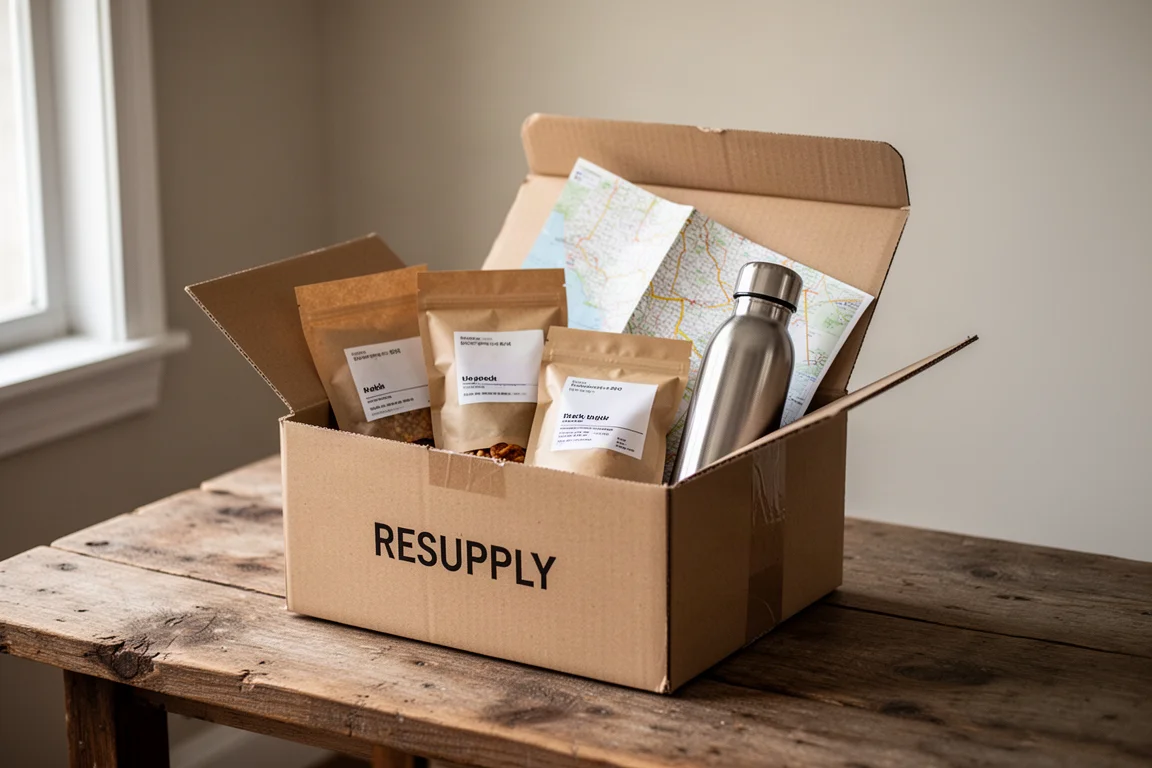
Fresh fruit is worth packing out on day one even though it is heavy. A banana, an apple, an orange, or an avocado gives the first day of a section something to look forward to and eases the transition from town back into trail life.
Weight, availability, and taste all matter, but the rotation that works is the one you will actually eat. Variety is the most underrated piece of trail nutrition, because a snack bag that feels boring is a snack bag that gets skipped.
Conclusion
Eating better on trail no longer means settling for less. The ten snacks here cover protein, fat, carbohydrate, and crunch, and each one keeps its ingredient list short enough to read at a glance.
Start with what you already like, swap in one or two of these, and adjust from there. A rotation built on protein-dense meat snacks, nut butter, nuts, fruit, and a little chocolate will carry a hiker further than a bag of candy, and it will taste good along the way.
Further reading
Related Reviews
Trail Snacks
Best Healthy Trail Snacks for Backpacking: 10 Go-To Picks
A practical roundup of ten lighter, cleaner trail snacks, with real prices, protein numbers, and the trade-offs worth weighing before you pack.

Backpacking Gear
Building a 10 lb Base Weight: An Ultralight Backpacking Gear List
A practical walkthrough of the ultralight pieces behind a 10 lb base weight, from a 765 g pack and a roomy one-person tent to a full camp chair and a dependable water filter.

Road Bikes
10 New Road Bikes Worth Watching: Aero, Titanium, Steel and Endurance Standouts
A practical roundup of 10 new road bikes, from aero flagships chasing single-watt gains to titanium, steel and endurance platforms built for real roads.