Headphones
Best Headphones Under $500: Eight Picks for Every Listening Style
Eight headphones under $500 for critical listening, casual listening, noise cancelling, and studio work, with the strengths and trade-offs that matter before you buy.
Introduction
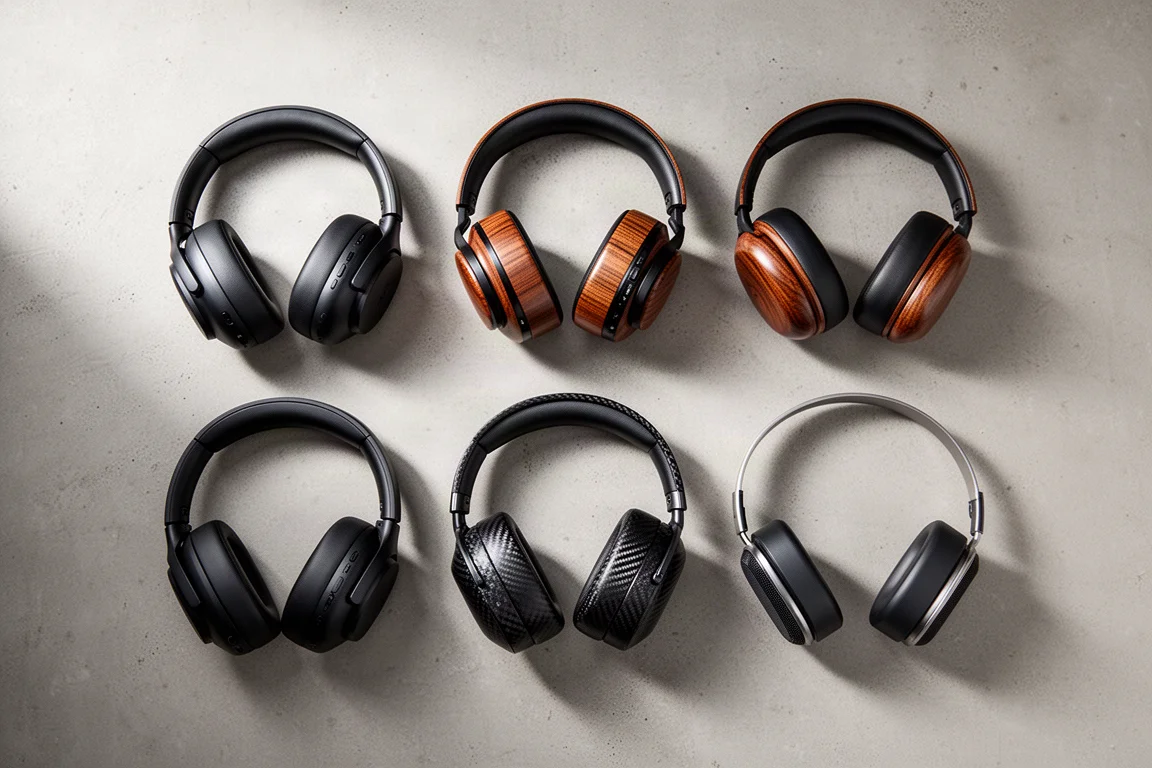
Shopping for a headphone under $500 is a different exercise than shopping at almost any other price. At this level you are no longer paying for basic competence. You are paying for a specific tuning philosophy and a specific way of listening. Streaming services now deliver high-resolution audio, and the detail hiding in that material only becomes audible when the hardware can resolve it.
The models in this guide come from brands that build audiophile-grade headphones selling well over $3,000, and some of that driver technology, material choice, and comfort engineering carries down into their more affordable designs. Every headphone here has low impedance, so it runs straight from a smartphone without a separate amplifier, and every one sits below the $500 mark.
This roundup narrows a field of more than 25 compared models down to the two strongest options in each listening category.
How to Choose Headphones Under $500
Two decisions shape everything else: how you listen, and where you listen.
If you listen critically, picking apart playing styles, string dynamics, and the small details buried in a mix, a more neutral headphone with a flatter frequency response will sound closer to what the artist intended. If you listen casually, losing yourself in bass-heavy genres such as EDM, hip hop, R&B, or modern rock, a warmer tuning with a lifted low end and a gentler top end will be far more enjoyable across a long session. Neither approach is wrong.
The second decision is open back versus closed back. Open-back ear cups let air and sound move freely, which produces the widest and most three-dimensional sound stage and suits critical listening at home. Closed-back ear cups seal the sound in, which gives better isolation for portable and all-day use, and they tend to focus bass more toward the centre of the presentation.
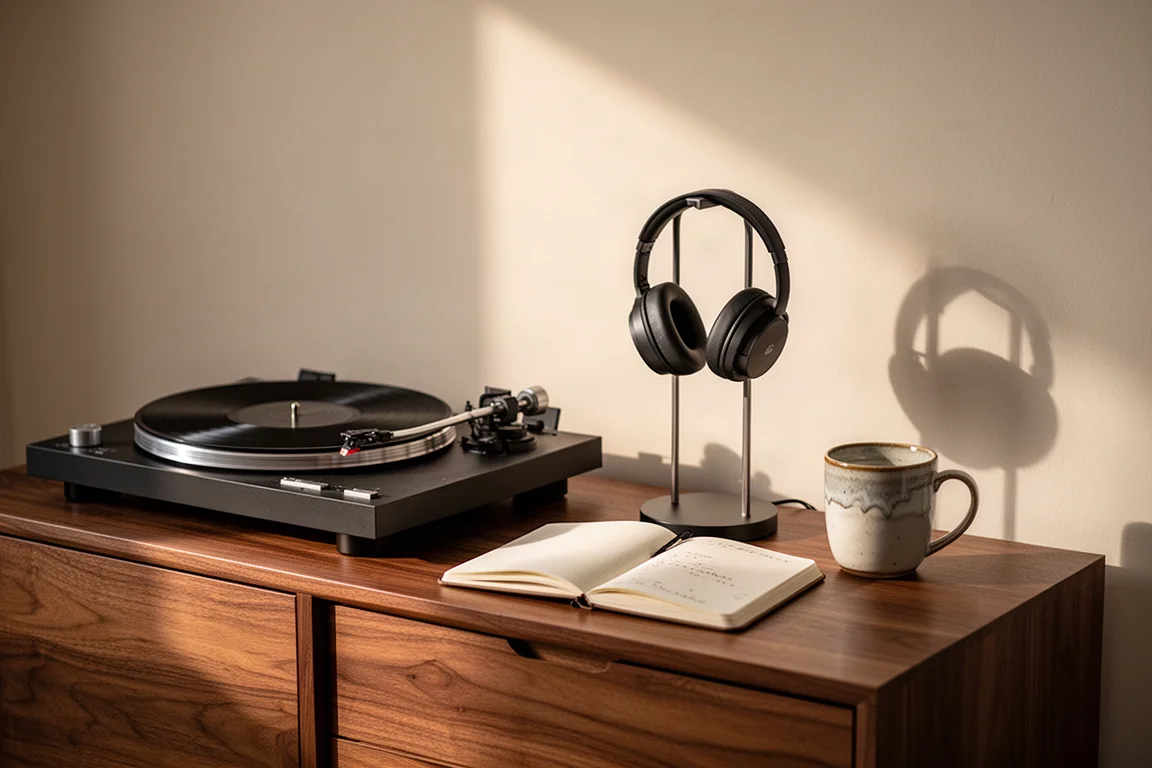
Comfort matters as much as tuning. A lightweight headband that spreads weight evenly, plus clamping force that seals gently around the ears without pressing, is what lets you listen for hours. Most of the headphones here weigh slightly under a pound.
Each of the four categories below pairs one option for casual listening with one for more critical listening.
Focal Listen Wireless: Best Wireless for Critical Listening
Focal builds top-line headphones that sell well over $3,000, and the Listen Wireless borrows from that lineage. Its 40 mm dynamic driver, built with Mylar and titanium, covers 15 Hz to 22 kHz, and the closed-back ear cups keep bass tight and punchy. Bluetooth with aptX makes it convenient away from a desk.
The sound profile leans slightly toward the low end, so bass-heavy music hits with clarity, yet the overall balance stays neutral for this price. Detail stands out clearly. The trade-off is that poorly recorded material can become fatiguing across a long session, which makes this a headphone for attentive listening rather than all-day background music. Battery life runs around 20 hours.
Grado GW100: Best Open-Back Wireless for Working at Home
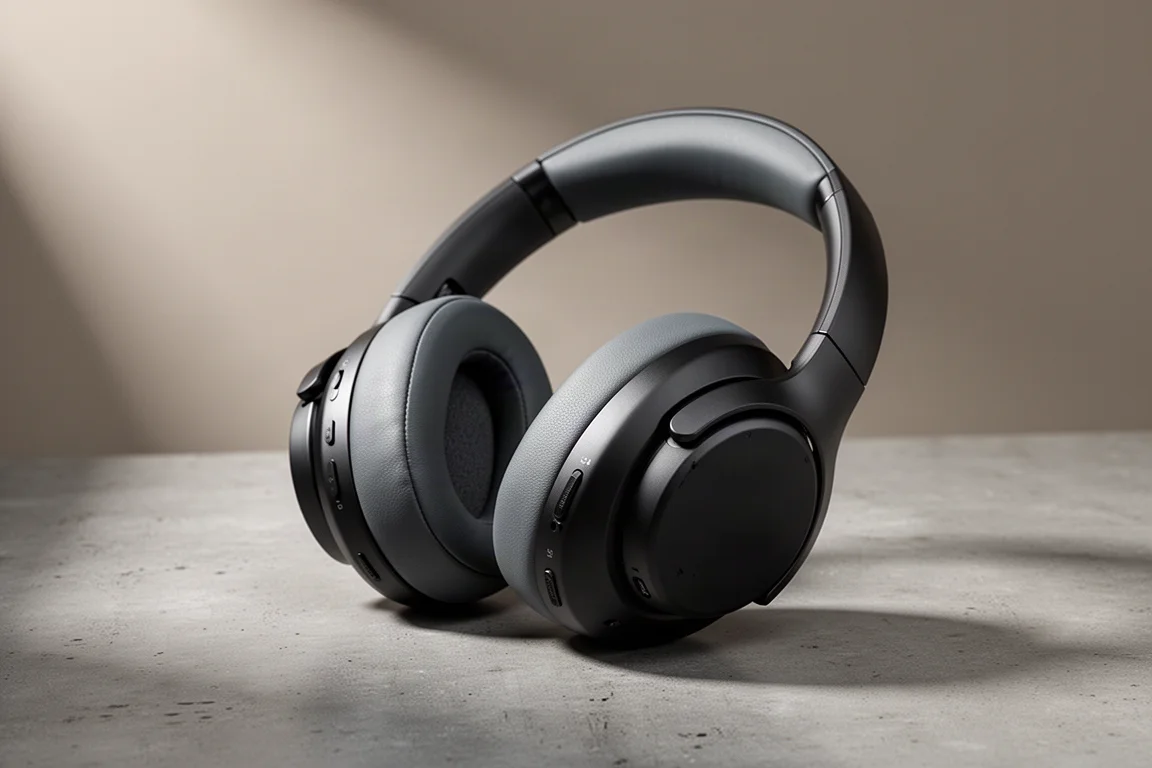
Grado has been hand-building headphones in America for more than 30 years, and the GW100 is its first wireless model. Open-back ear cups are rare in the wireless category, and they are what make this headphone interesting: the music opens up and sounds three-dimensional while you stay aware of everything around you.
That combination suits a home office. Bluetooth pairing is immediate, battery life reaches a generous 40 hours, and the whole thing is remarkably light. Bass and top-end extension are slightly reduced compared with the Focal, and fine detail is less resolute, but the trade is a relaxed, spacious presentation that is easy to live with for hours.
Bowers & Wilkins PX7 Carbon Edition: Musical Noise Cancelling
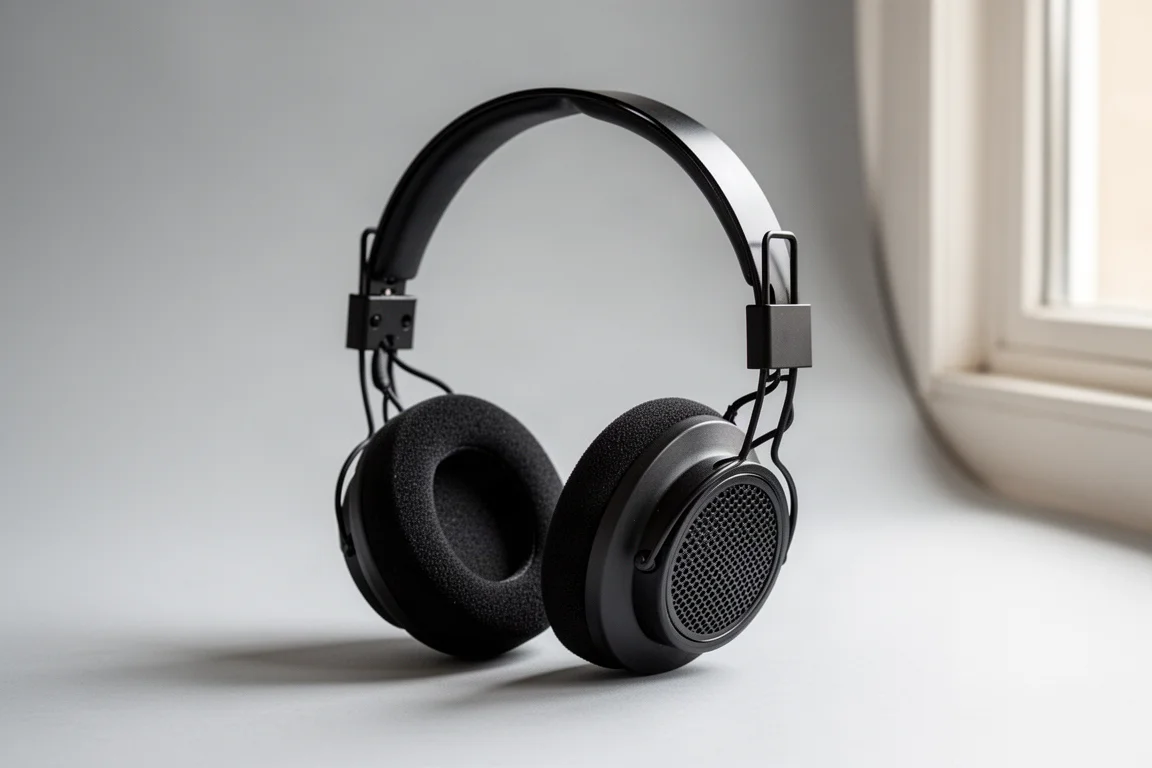
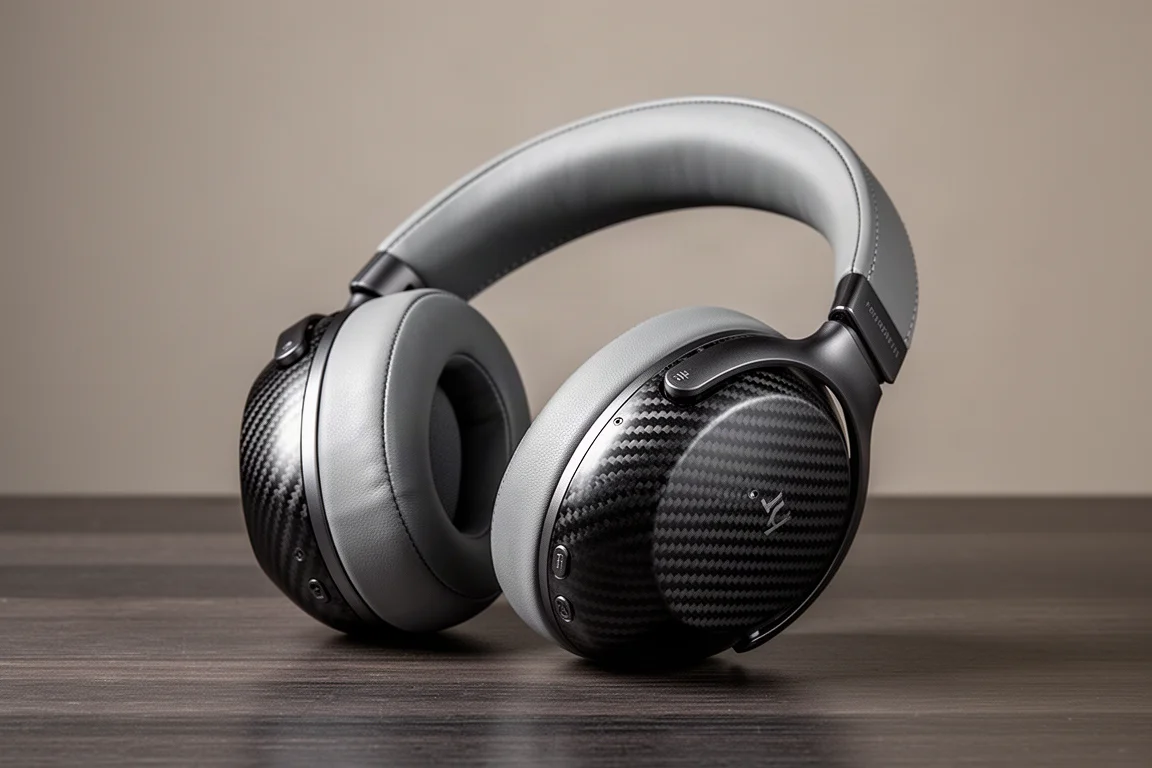
Bowers & Wilkins is a high-end speaker manufacturer from England whose 800 Series Diamond speakers are used in Abbey Road Studios, and the same engineering team worked on the PX7 Carbon Edition. Its noise cancelling is at its most useful for commuting and office work rather than for shutting out everything around you.

With settings left neutral, the PX7 tracks the original source material closely and delivers convincing bass depth. The sound stage is noticeably wider than that of the Sony WH-1000XM4, and the bass is punchy and tight. If you want a slightly more musical presentation with a broader sense of space, this is the one to consider.
Sony WH-1000XM4: Best Noise Cancelling
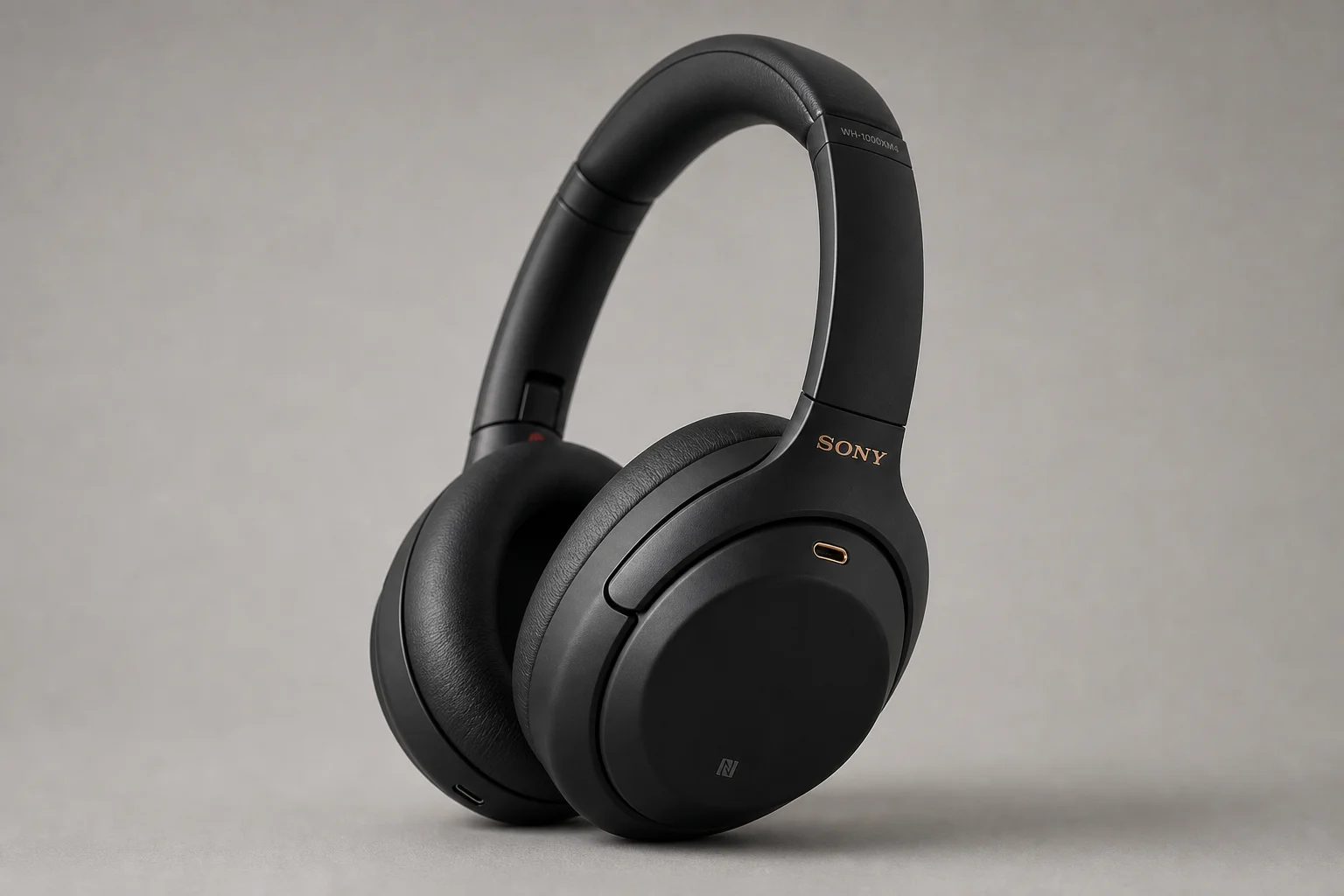
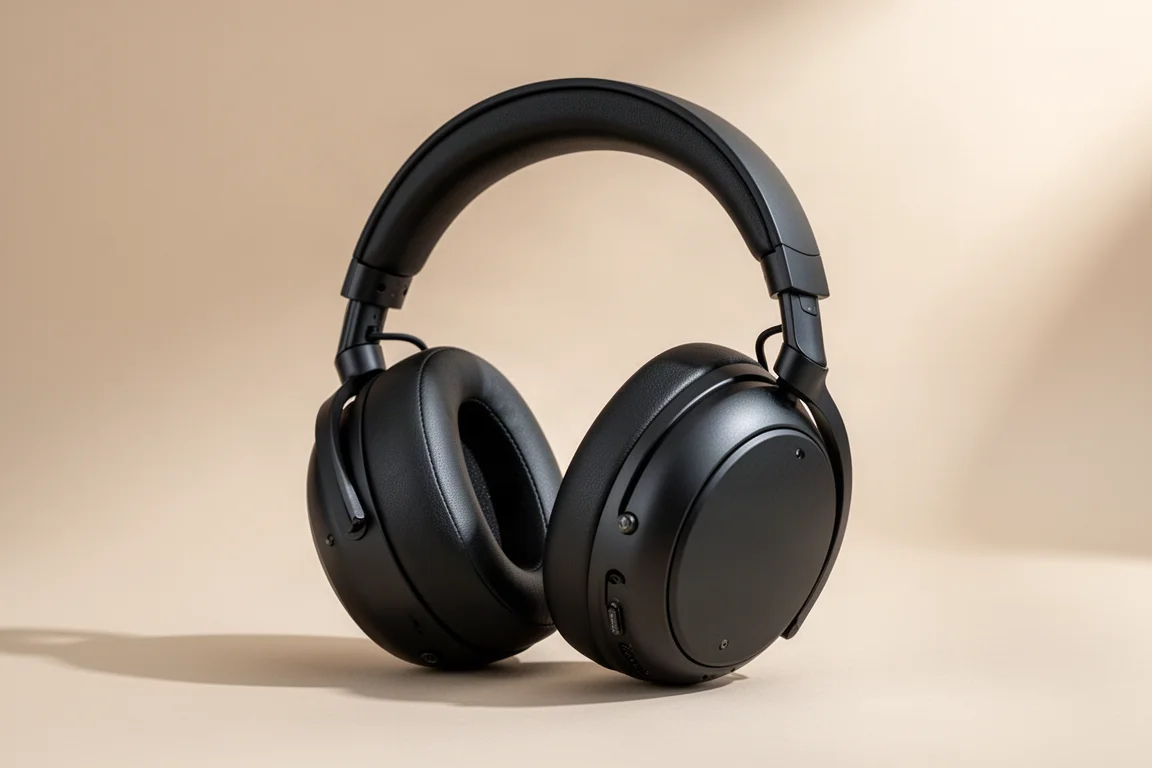
Sony’s noise cancelling is the benchmark. The WH-1000XM4 blocks low-frequency noise such as engine rumble as well as mid-range sound such as chattering voices, which makes it the strongest option here for flights and public spaces. Bass runs deep, and the companion app includes an EQ so you can pull out more detail or dial in a warmer balance for a long trip.
The presentation is more focused and in-the-head than the open-back designs, which is typical of a closed-back headphone and part of why the isolation works so well.
Meze 99 Classics: All-Day Closed-Back Comfort
The Meze 99 Classics use a 40 mm driver covering 15 Hz to 25 kHz, with a flatter response than the Sony MDR-1AM2. That balance makes them unusually versatile: classical, jazz, hip hop, and EDM all work, with warm and punchy bass that stays controlled rather than hyper-detailed.

Comfort is the headline. This is the most comfortable headphone in this guide, and listening all day is entirely realistic. The compromise is isolation. Sound leaks enough that people nearby can tell what you are playing, so these are better suited to a desk than to a crowded train.
Sony MDR-1AM2: Closed-Back Detail for Critical Listening
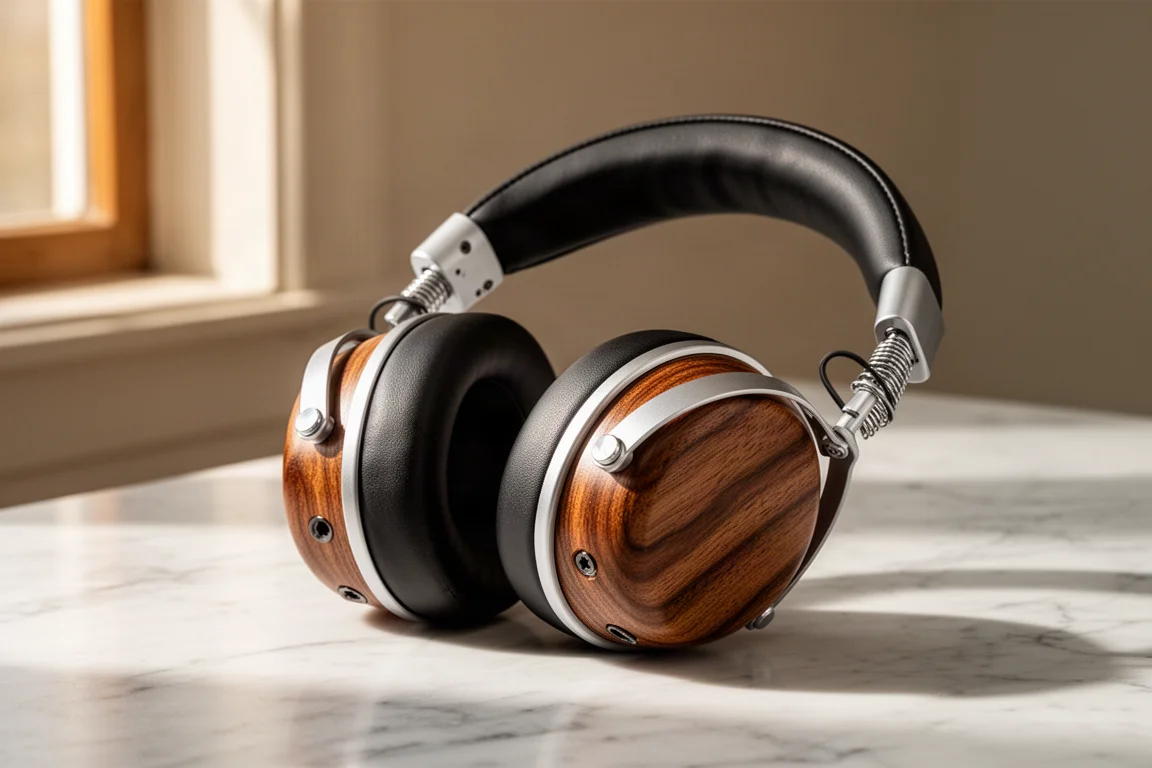
The MDR-1AM2 uses Sony’s 40 mm liquid crystal polymer drivers, covering a claimed 3 Hz to 100 kHz. In practice it resolves subtle detail more clearly than the Meze 99 Classics, from a bassist’s playing style through to the dynamics of plucked guitar strings.
The ear cups seal tightly and isolate well. That seal has a cost: after roughly two hours of continuous listening the ears want a break, so this is best treated as a headphone for shorter, focused sessions rather than an all-day companion.
Grado RS2x: Open-Back for Getting Lost in the Music
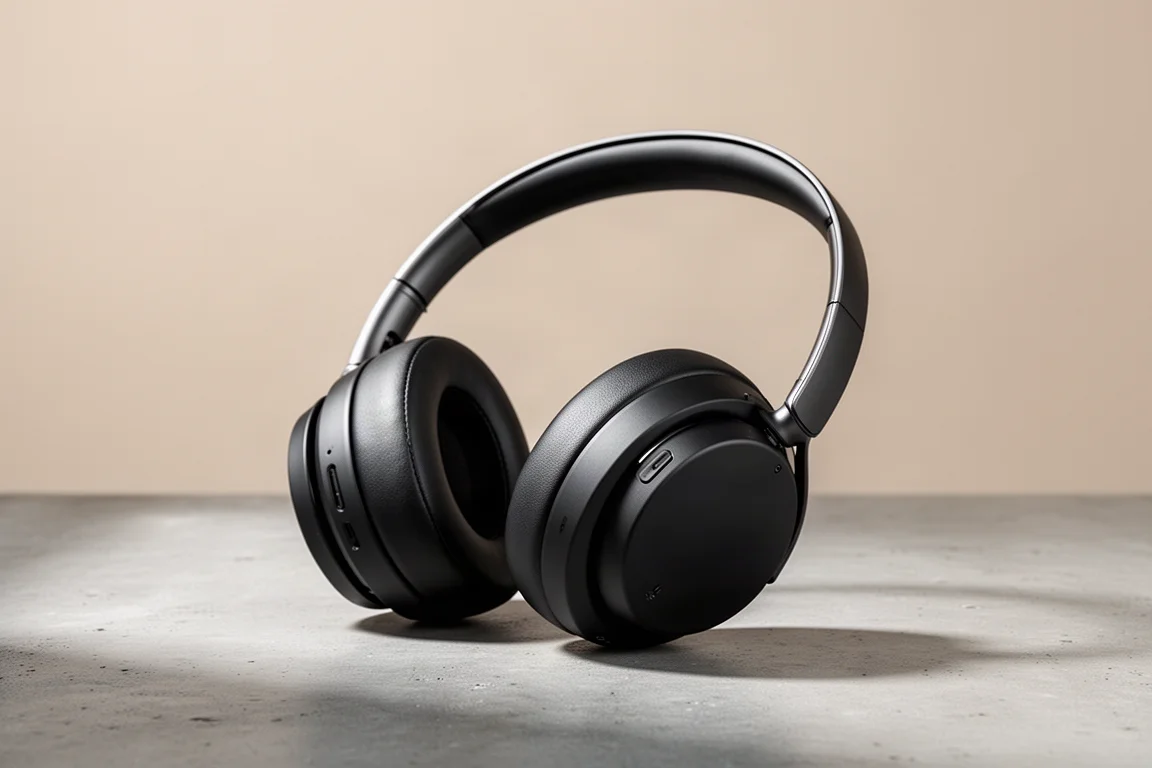
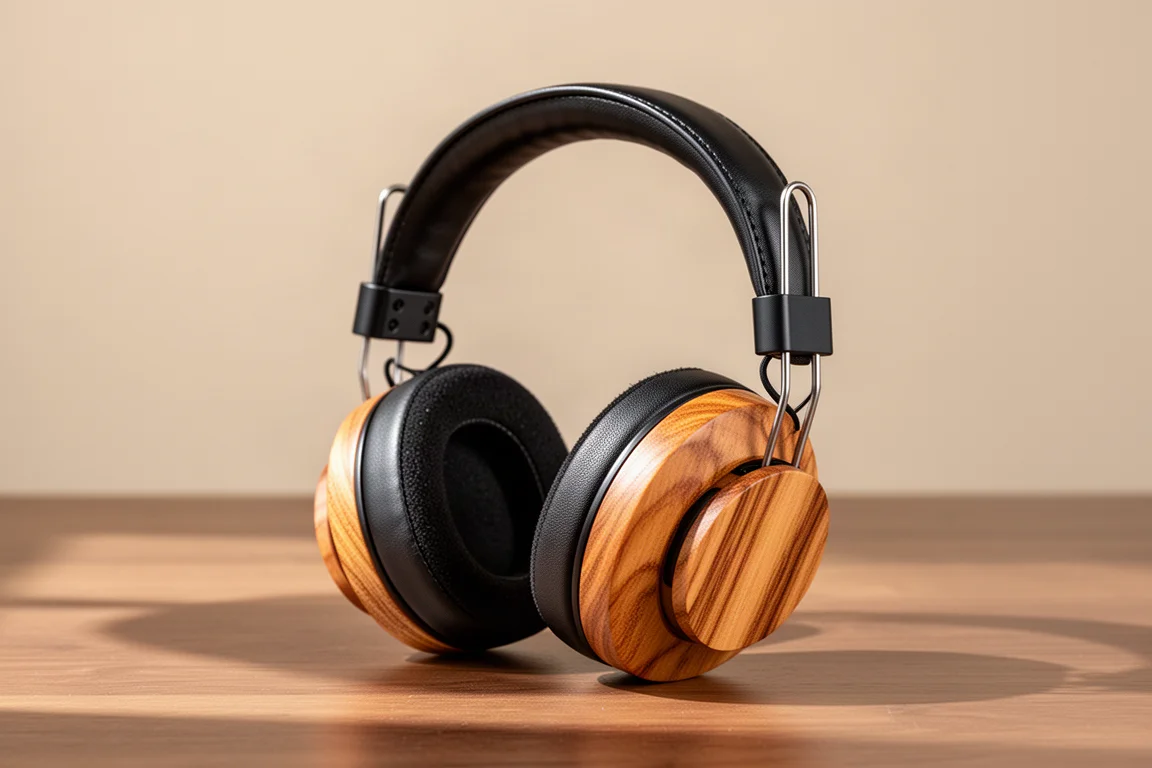
The RS2x replaces the earlier RS2e and pairs maple wood with hemp in the enclosure, housing a new fourth-generation 44 mm X driver that Grado tuned specifically for the wooden housing. Different woods are chosen for their tonal character, in the same way a guitar maker or speaker builder selects material. The claimed range runs from 14 Hz to 28 kHz.
The result is a spacious sound stage and a mid-range that is very easy to sink into, with vocals and guitars standing out and bass that is punchy and rhythmic. It is extremely light, and wearing it for hours feels effortless. This is the pick for casual listening at home rather than analytical work.
Audeze LCD-1: Planar Magnetic for Studio Work
The LCD-1 is built around a planar magnetic driver: an ultra-thin diaphragm suspended between magnets, moving in true pistonic fashion at very high velocity. It covers a claimed 10 Hz to 50 kHz and presents detail in a resolute, open way.
Unlike the Grado RS2x, the presentation here is controlled and even rather than wide open, which is exactly why it suits analytical listening. The LCD-1 was designed and hand built in California for studio engineers and audiophiles, and its comfort supports long sessions. For under $500 it offers a driver technology most listeners have never experienced at this price.
Buying Advice
Match the headphone to the way you actually listen rather than to a specification sheet. Critical listeners who want to hear the recording as it was made will get the most from the Focal Listen Wireless, the Sony MDR-1AM2, or the Audeze LCD-1. Casual listeners who want to disappear into the music will prefer the Grado GW100, the Meze 99 Classics, or the Grado RS2x.
If travel and open-plan offices are part of your day, noise cancelling changes the calculation. The Sony WH-1000XM4 is the strongest at blocking voices and engine noise, while the Bowers & Wilkins PX7 Carbon Edition trades a little of that for a wider stage and a more musical balance.
Every model here has low impedance, so none of them needs a headphone amplifier. That is the practical advantage of staying under $500: you get the tuning and build quality of a specialist brand without adding another box to your desk.
Conclusion
Headphones under $500 no longer mean compromise. Each of these eight models comes from a brand that builds far more expensive flagship headphones, and the tuning, materials, and comfort knowledge carried down are what make them worth buying. Choose the one that matches your listening style and your daily environment, and you will hear more of the music than you did before.
Further reading
Related Reviews
Headphones
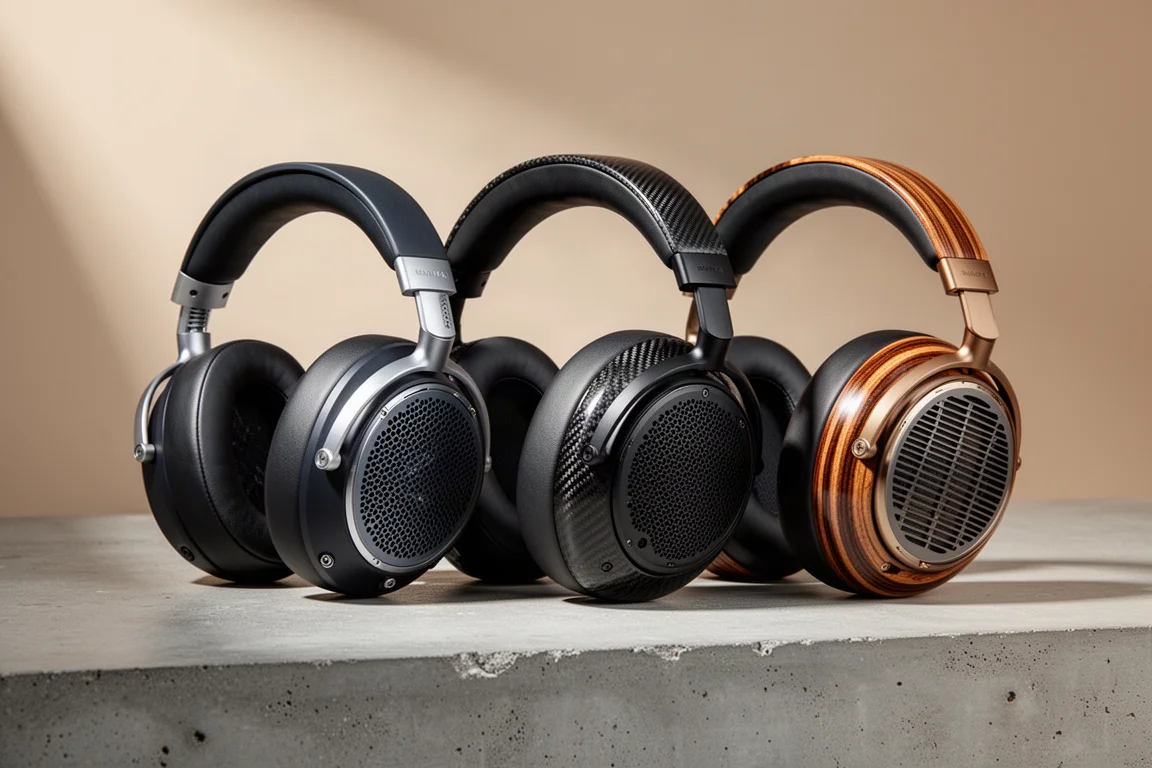
Apos Audio Caspian Review: Warm Bass, Solid Build, and a Detail Trade-Off
The Apos Audio Caspian is an easy-to-drive open-back headphone with standout bass and a warm, relaxed tuning, though mid-range and treble detail trail the competition.
Headphones
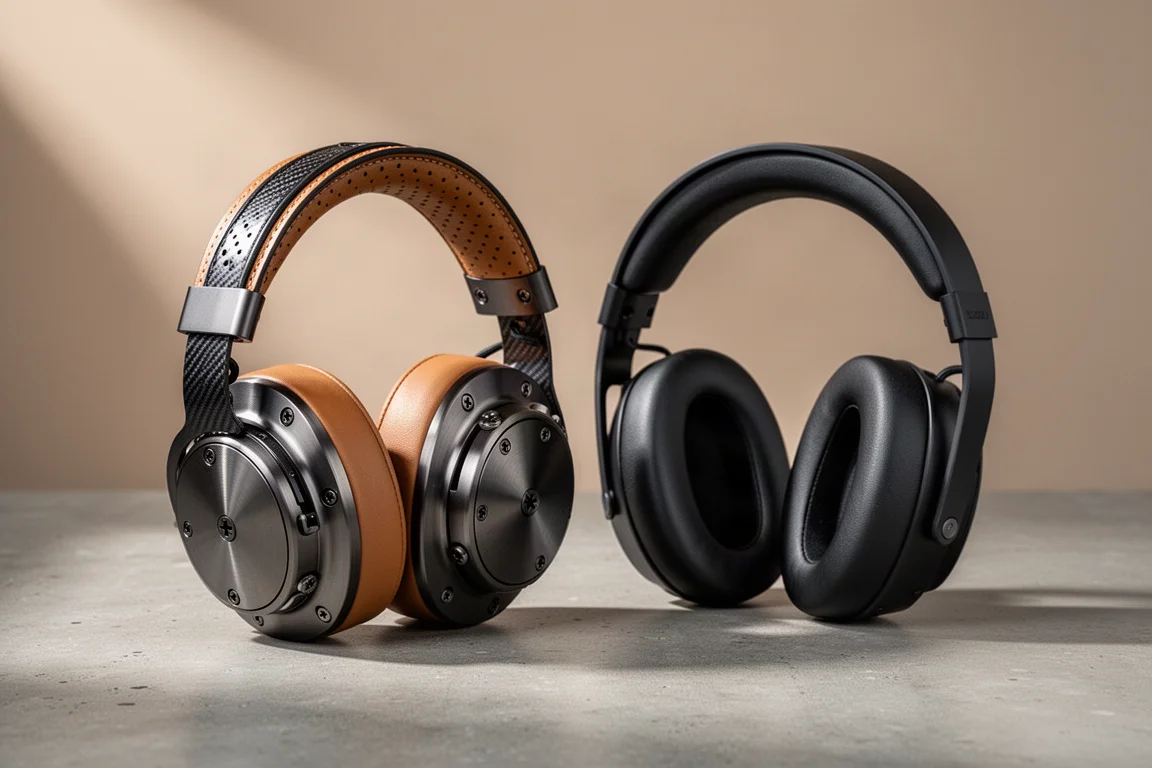
Audeze LCD-X vs LCD-XC vs LCD-3: Which High-End Headphone Fits Your Setup
A practical comparison of three Audeze planar magnetic headphones under $2,000, covering the open-back LCD-X, the closed-back LCD-XC, and the wood-ringed LCD-3.
Headphones
Audeze LCD-X vs HiFiMan Edition XS: Two Open-Back Headphones Compared
A practical comparison of the Audeze LCD-X and the HiFiMan Edition XS, covering build quality, comfort, sound signature, and which listener each one suits.