Cycling Gear
Best Gravel Upgrades: 7 Practical Picks for Comfort and Reliability
Seven gravel and workshop upgrades that earn their place, from a high-volume hand pump to comfort-led carbon wheels, with the trade-offs worth knowing first.
Introduction
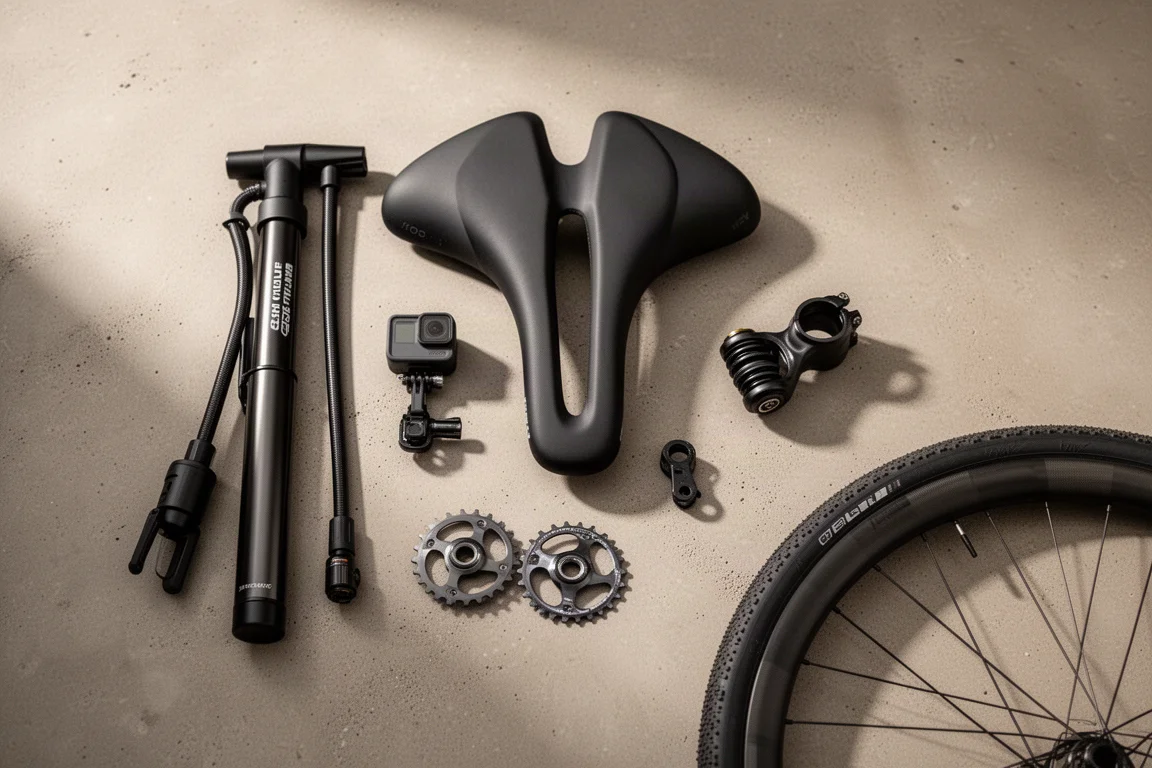
Gravel bikes have quietly become the most versatile machines in most riders’ garages, and the parts that make them work well are rarely the headline ones. A pump that connects in seconds, a saddle that does not need fiddling with, a stem that takes the edge off washboard surfaces: these are the details that decide whether a long ride feels good or merely survivable.
This roundup collects seven upgrades that cover that ground. Some address comfort, some address reliability, and some simply make a job easier to do. Each one is here because it solves a specific problem rather than because it looks good in a parts catalogue.
How These Picks Were Chosen
Every item below was judged on a few practical questions. Does it fix something riders actually complain about? Does it hold up over seasons rather than months? Is it serviceable, and does the maker stand behind it?
Durability carried a lot of weight. A part that wears out quickly costs more than its sticker price once you factor in replacements and workshop time, so components with long warranties or long service lives were favoured.
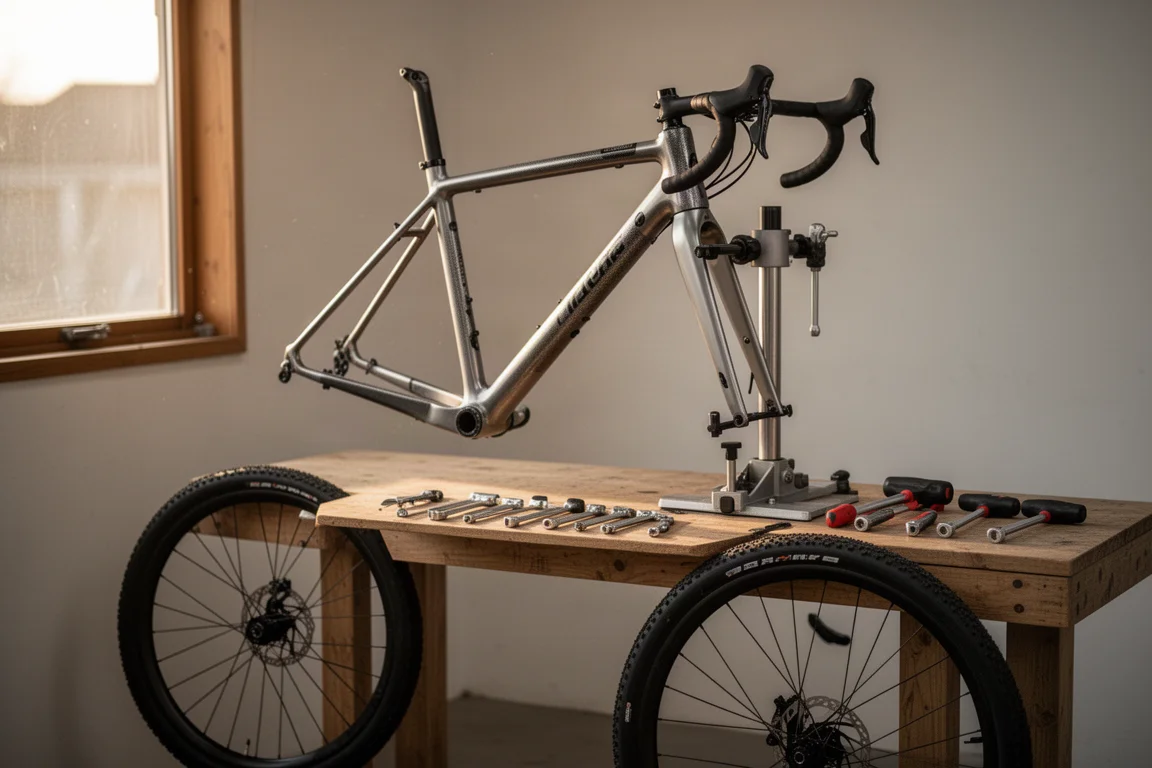
Value over time mattered as much as the initial outlay. Several of these products cost more than the obvious alternative, and in each case the argument for spending more rests on how long the part lasts or how much fatigue it removes from a ride. Where that case is weaker, it is noted below.
SKS Airflex: A Hand Pump You Will Actually Use
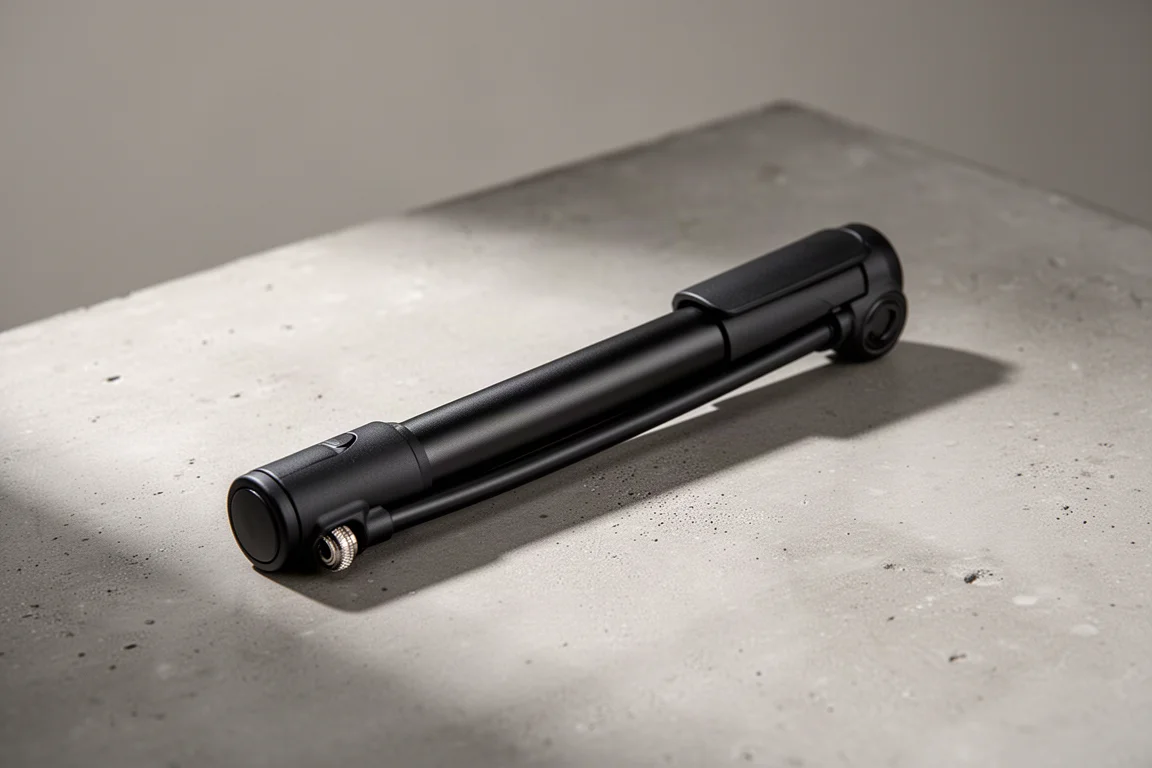
The Airflex is built around a simple idea: make the connection between pump and valve as quick as possible. A cap pulls off to reveal a hose, and the head flips on and off rather than needing to be screwed into place. On a roadside or trailside stop, that difference is the whole experience.
It is a high-volume pump, which suits the way most riders inflate tyres now. Gravel, mountain bike and wider road tyres run at lower pressures, so moving a decent volume of air per stroke matters more than reaching very high numbers.
A useful related habit: CO2 cartridges are fine for seating a stubborn tubeless tyre in an emergency, but for ordinary top-ups a hand pump is the kinder option for your sealant and your setup. Worth knowing before you reach for a cartridge out of habit.
Selle San Marco Dynamic Short: A Saddle That Suits Most Riders
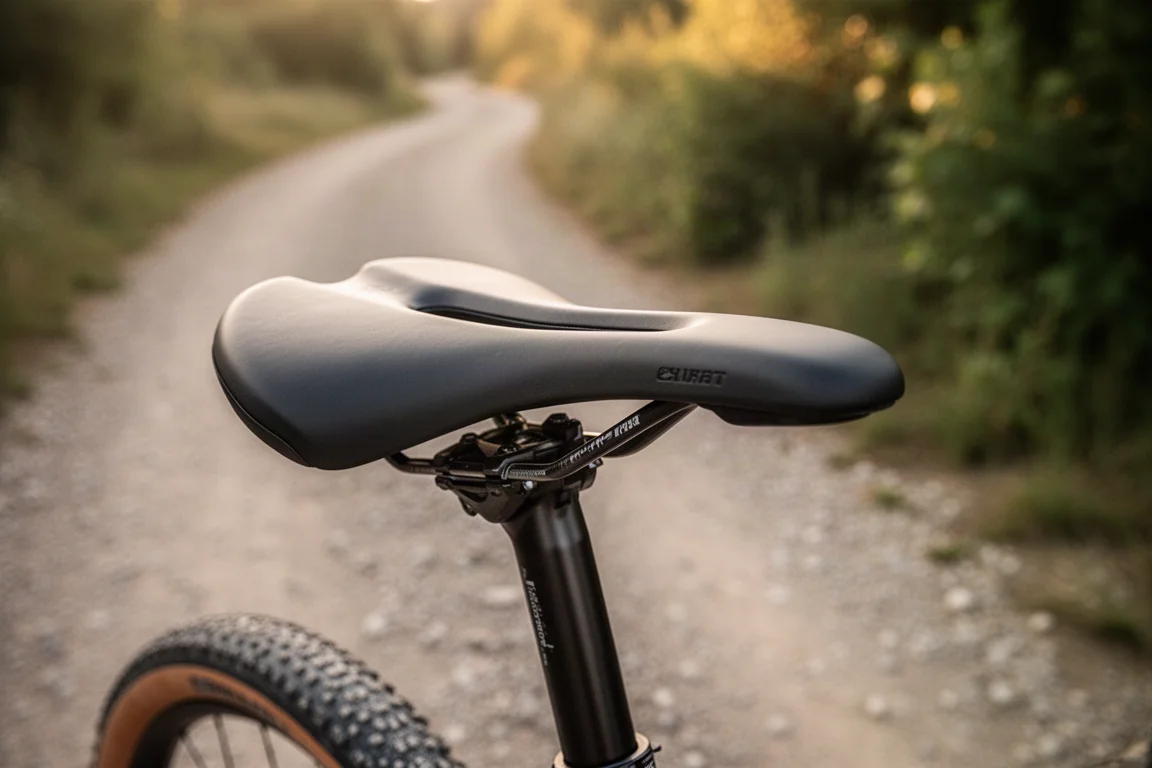
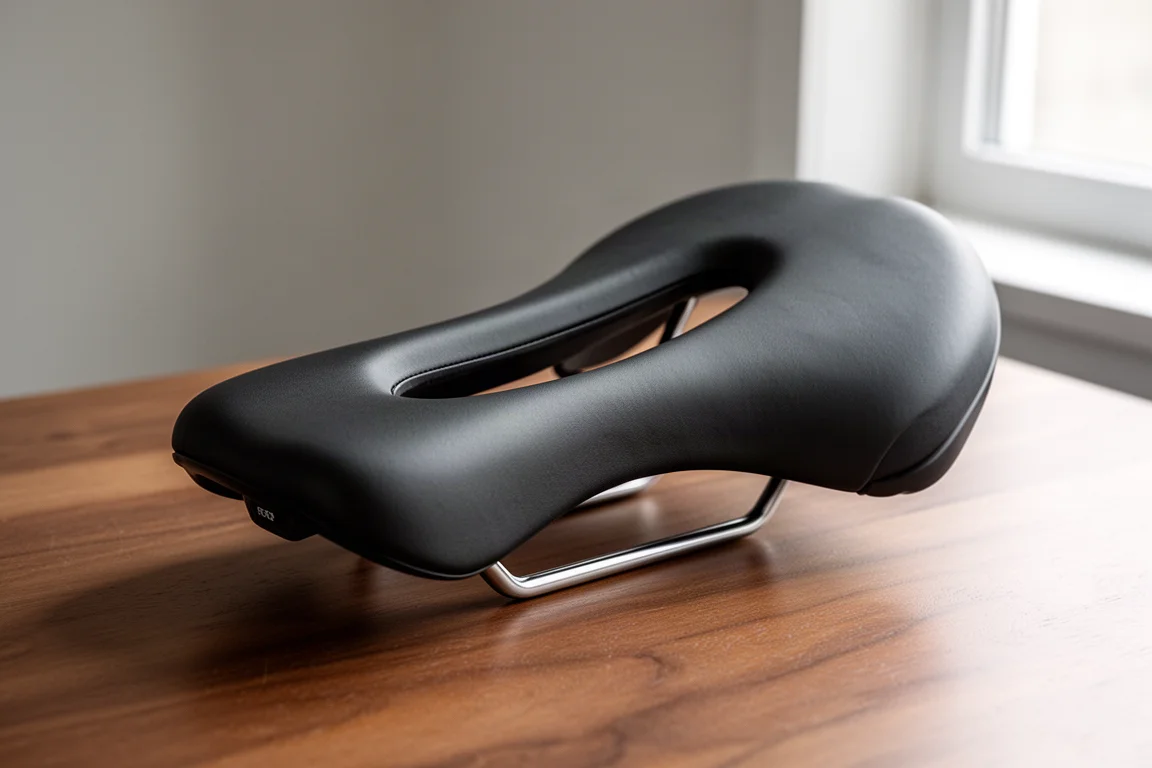
Short-nose saddles have become the default for good reason. They are shorter, they use a larger central cutout, and they tend to be slightly wider than the long, narrow shapes they replaced. The Dynamic Short follows that formula and curves down a little more than some comparable short saddles.
That shape is what makes it easy to recommend. It is available in narrow and wide versions, and it is the kind of saddle that suits a broad range of riders rather than one specific body type. No saddle works for everybody, but a shape that fits most people is a good place to start if you are replacing a stock saddle that has never felt right.
Pricing spans a wide range depending on the version, from a straightforward base model to a 3D printed carbon option at the top of the line. The comfort argument holds at every level: an uncomfortable saddle will ruin a ride regardless of how good the rest of the bike is.
Redshift Suspension Stems: Pro and Standard
A suspension stem is one of the more interesting ideas to come out of gravel riding. Instead of adding travel at the fork, it puts a small amount of movement in the stem itself, taking the sting out of rough surfaces without the weight and maintenance of a suspension fork.
Redshift Standard Suspension Stem
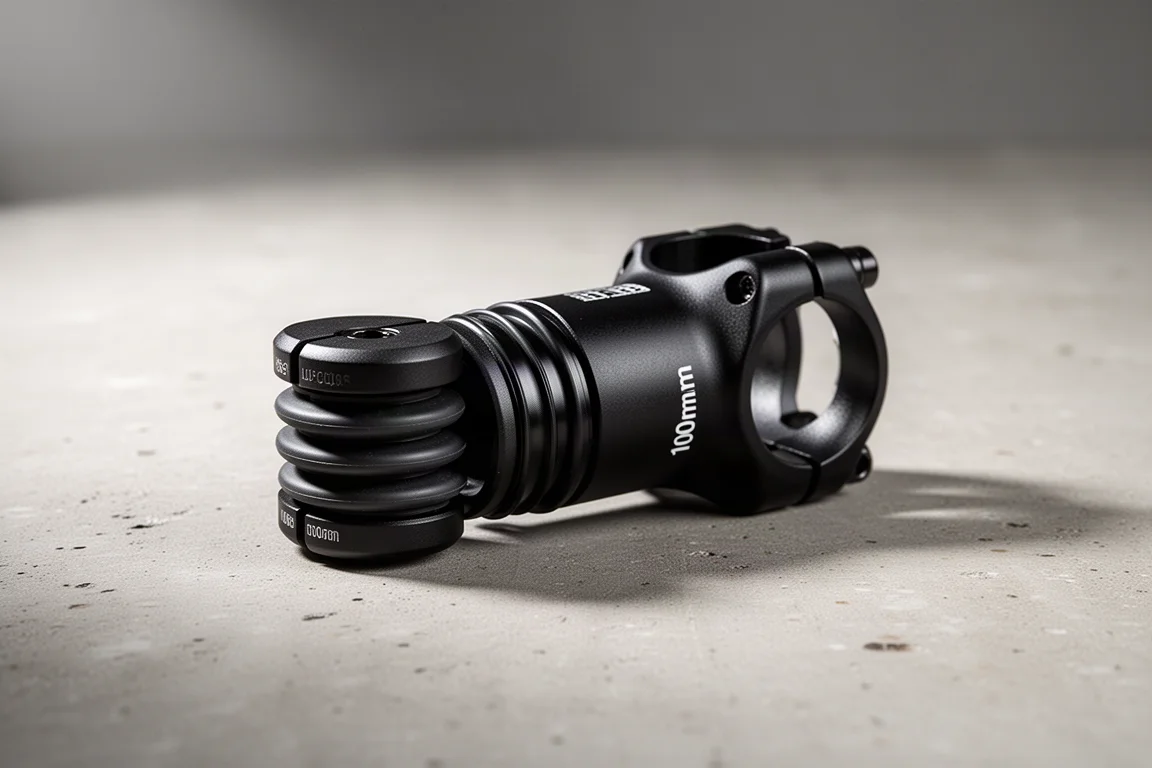
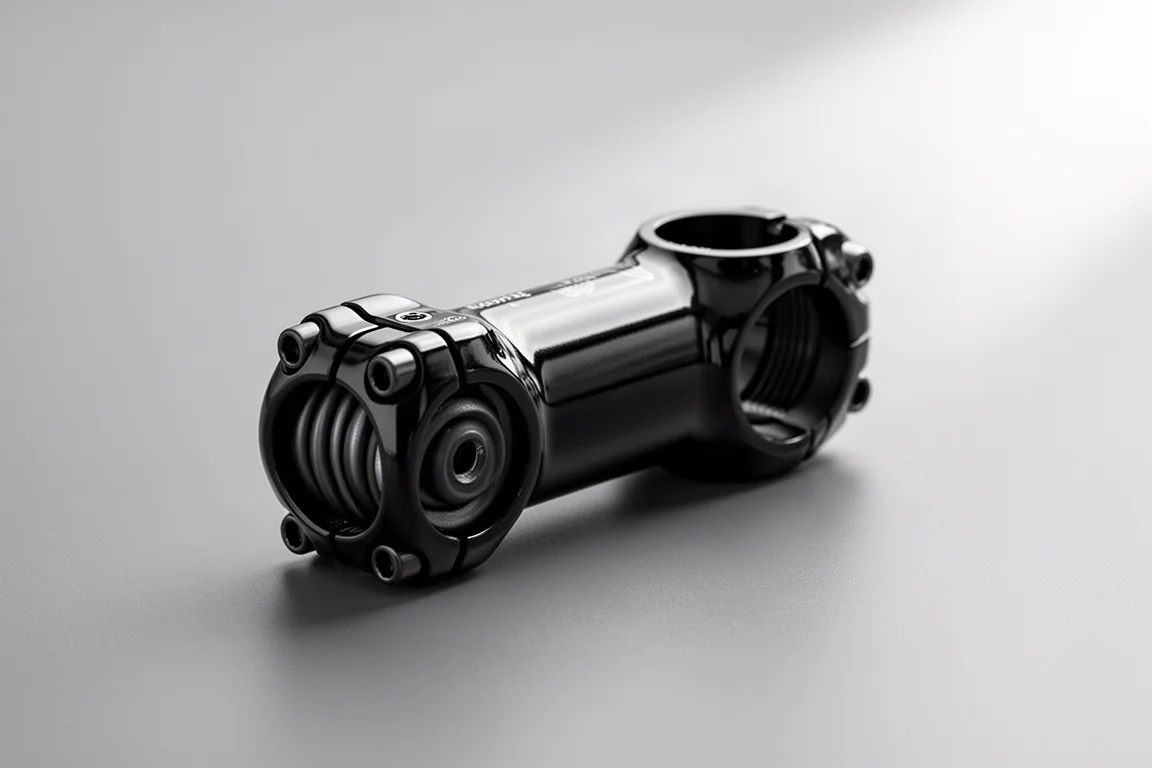
The standard model uses elastomers inside the stem that can be adjusted to suit rider weight, and it provides around 20mm of travel. In use it behaves like a shock with none of the bobbing: climbing is unaffected, descending control improves, and the reduction in fatigue is noticeable on longer rides.
The weight penalty over a conventional stem is small. Riders who are less fit tend to gain the most, simply because the less energy the terrain takes out of you, the faster you go over a long day.
Redshift Pro Suspension Stem
The Pro version shares the same design and the same travel. The difference comes down to weight, along with a more polished finish. If you are counting grams, the Pro is the one to choose; if you are not, the standard model delivers the same ride quality.
Some competing designs add a lockout or a firmness adjustment, which is a reasonable option if you want to tune the feel further. For most riders, the open setting is the point of the product in the first place.
Fidlock PinClip: Faster Camera Swaps
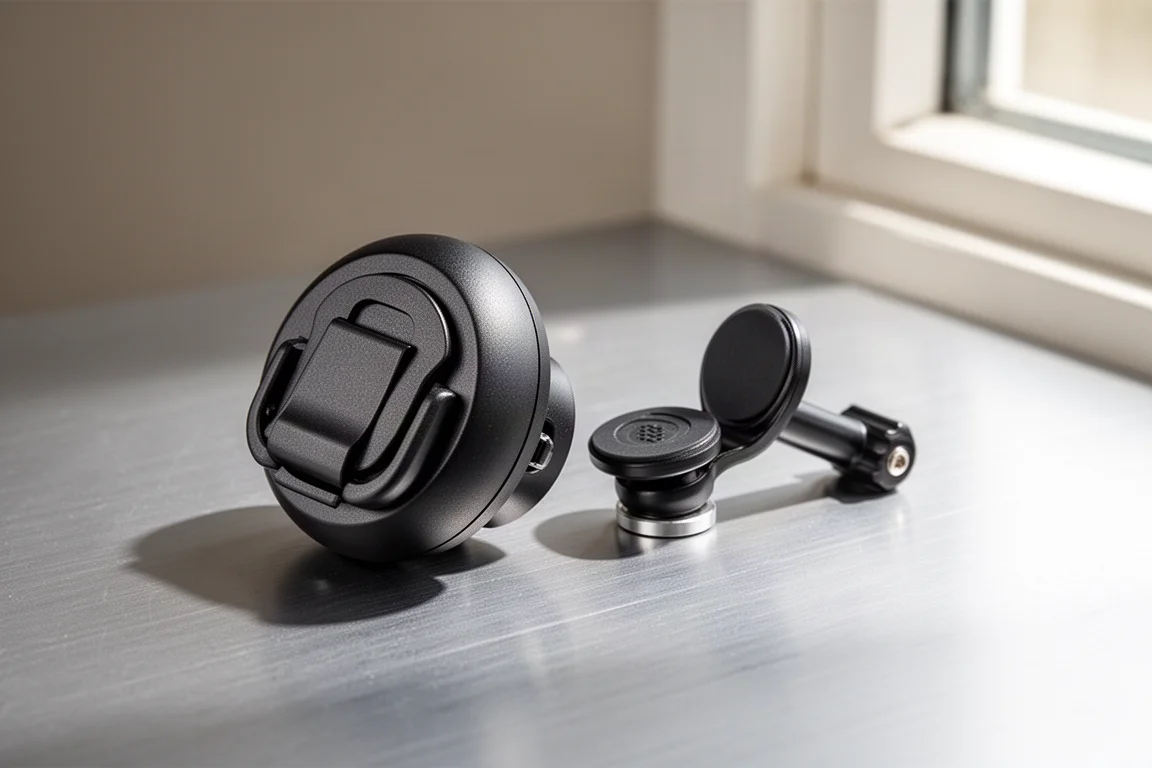
Filming a ride usually means deciding on one camera angle before you set off, because changing it mid-ride involves stopping, unscrewing a mount, repositioning, and tightening everything again. The PinClip removes that whole sequence.
It is a magnetic mount. The camera unclips from one base and clicks onto another in seconds, so moving between a chest mount and an under-handlebar position becomes a mid-ride decision rather than a ten minute interruption. The mount holds securely, and the process is quick enough to do without breaking your rhythm.
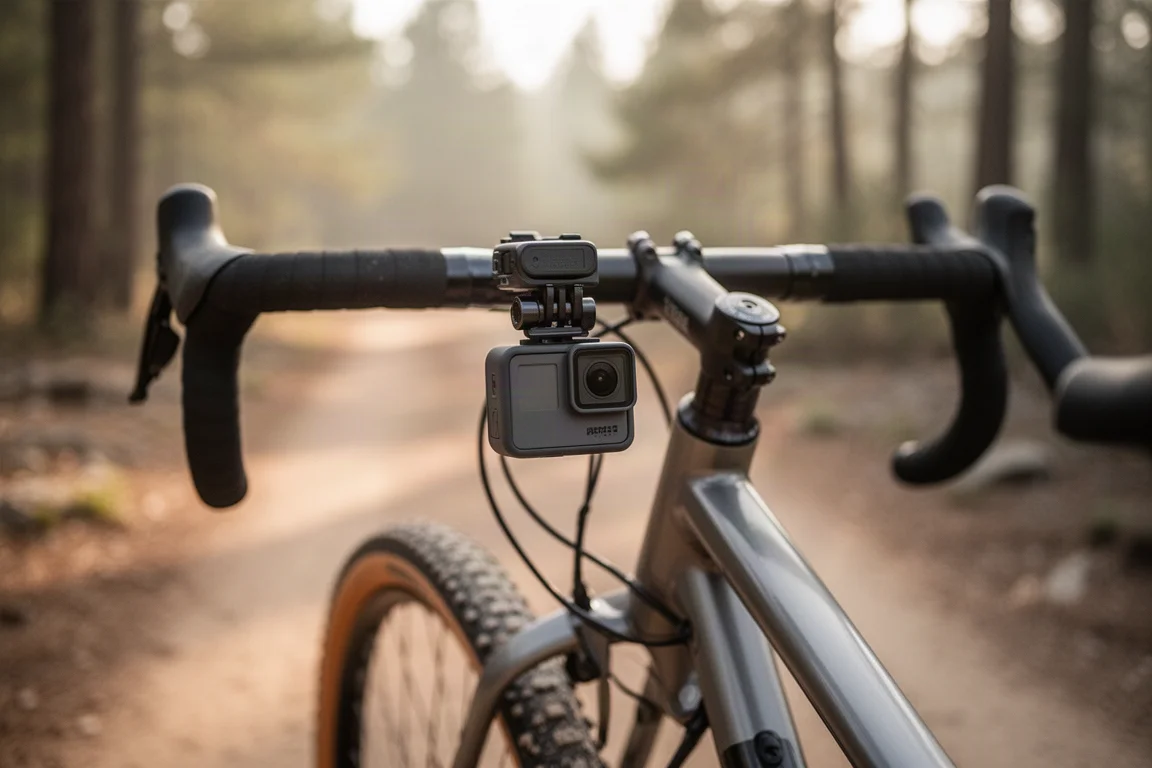
For riders who film regularly, the value is in the time and the flexibility rather than any change to image quality. It is a small piece of kit that removes an annoying chore.
Enduro XT15 Jockey Wheels: Shifting That Lasts
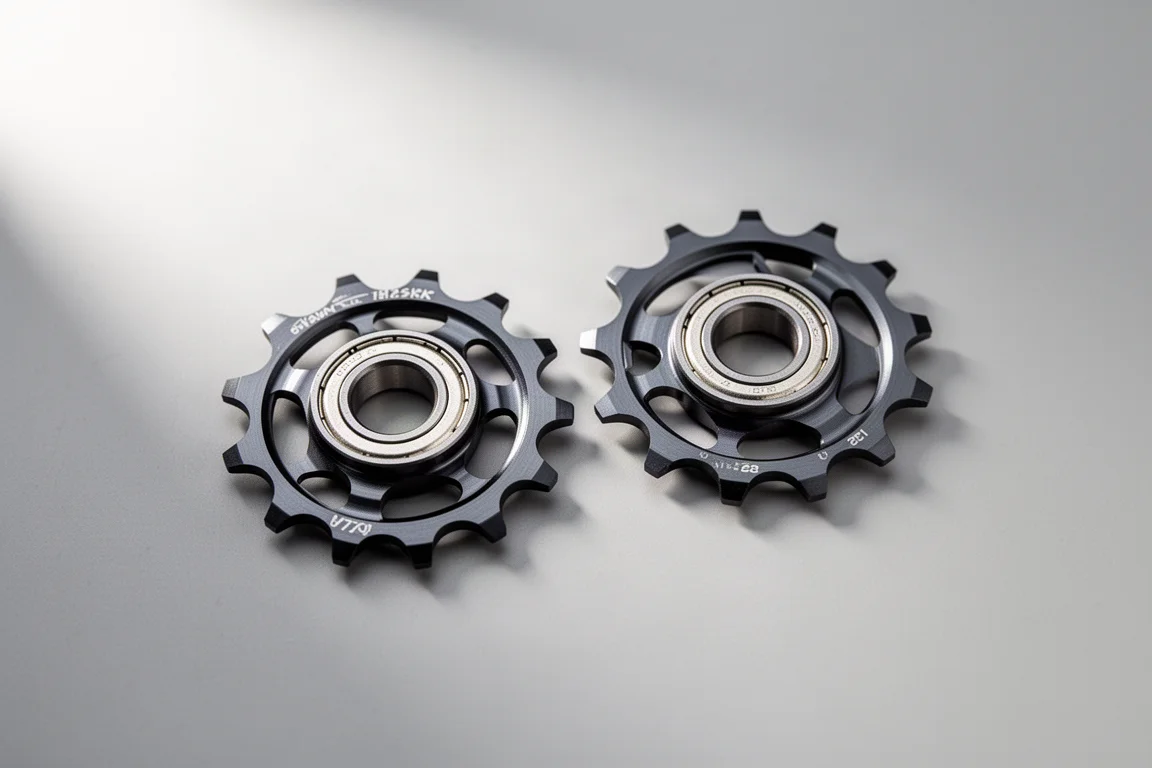
Jockey wheels are the two small pulleys on the rear derailleur. One guides the chain onto the cassette and the other manages tension, and both wear over time. Teeth round off, bearings corrode, and shifting gradually gets worse without any single obvious failure.
The XT15 addresses that with a lifetime warranty covering the bearings and, unusually, the teeth as well. In practice that means the pulleys are expected to outlast the derailleur they are fitted to, so shifting stays consistent instead of degrading season after season.
They are expensive for what looks like a small part, and that only makes sense if you ride enough to wear pulleys out regularly. For high-mileage riders, the calculation is straightforward: fewer replacements and better shifting over the long run.
Zipp 101 XPLR Wheels: Comfort-Led Gravel Performance
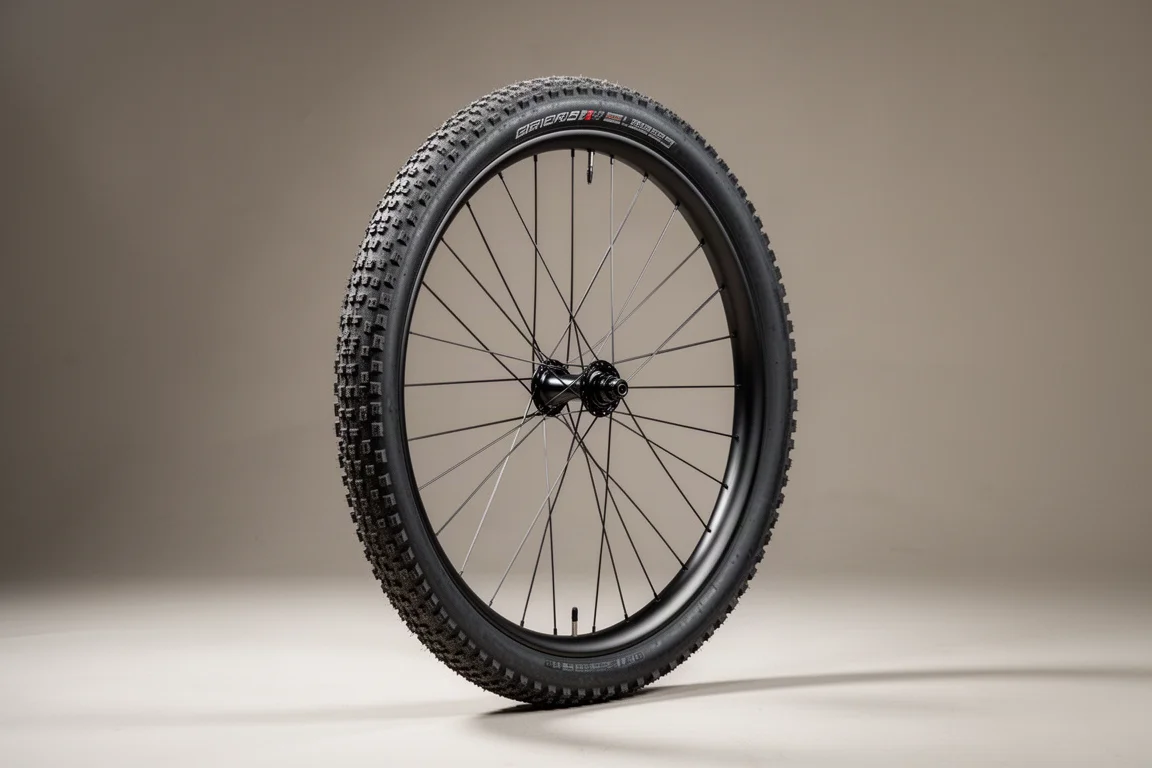
The 101 XPLR comes in 700c and 650b and takes a different approach to speed than most wheels. Rather than chasing aerodynamics, it targets vibration, on the basis that the fatigue saved over a long ride is worth more than a small drag advantage.
That shows up in the construction. The rim moves relative to the spokes, a design borrowed from motocross, which adds grip and comfort. The rim is hookless with a 27.2mm internal width, which reduces tyre roll with larger tyres and allows lower pressures. The wheels are heavier than other Zipp models, and testing over an hour indicated that the fatigue savings more than offset the extra weight.

The shallow profile is not the most dramatic look, but it pays off in crosswinds. A lifetime warranty covers the wheels whatever happens to them, which is a meaningful reassurance for a set intended to last.
Buying Advice
Start with the problem rather than the product. If your hands and shoulders are taking a beating on rough surfaces, a suspension stem is a direct answer. If your saddle is the reason rides feel long, change it before you change anything else. If your shifting has gone soft, worn pulleys are a cheap place to look before you assume the derailleur is finished.
Warranties deserve more attention than they usually get. A lifetime warranty on a wear item changes the maths considerably, because the cost of ownership falls the longer you keep riding.
Finally, be honest about how much you ride. Premium parts pay for themselves through longevity and reduced fatigue, but only if you are putting in the miles to wear out the cheaper alternative.
Conclusion
None of these seven items will transform a bike on its own. Together they cover the practical ground that matters most on gravel: comfort at the contact points, reliability in the drivetrain, and equipment that makes a roadside stop quick instead of irritating. Choose the one that matches the problem you actually have, and it will earn its place.
Further reading
Related Reviews
Cycling Gear
8 Cycling Products Riders Keep Coming Back To
Eight cycling components and accessories with clear strengths, honest trade-offs and long-standing reputations among riders and mechanics.
Cycling Gear
Aero Helmets and Bottle Setups Tested: Six Options Ranked by Measured Watt Savings
Wind tunnel data on six aero helmets and bottle setups, with real watt savings, practical trade-offs, and guidance on what is worth buying first.
Cycling Gear
Aero Road Bikes and Fast Tires Worth Watching in 2026
Four aero road bikes and one fast road tire, with the real strengths, the open questions, and what to check before you buy.