Cycling Accessories
Best Gravel Bike Upgrades: 12 Practical Ways to Make Your Bike Faster and More Comfortable
Twelve gravel bike upgrades that improve comfort, puncture resistance, gearing, and navigation, with guidance on which changes are worth making first.
Introduction
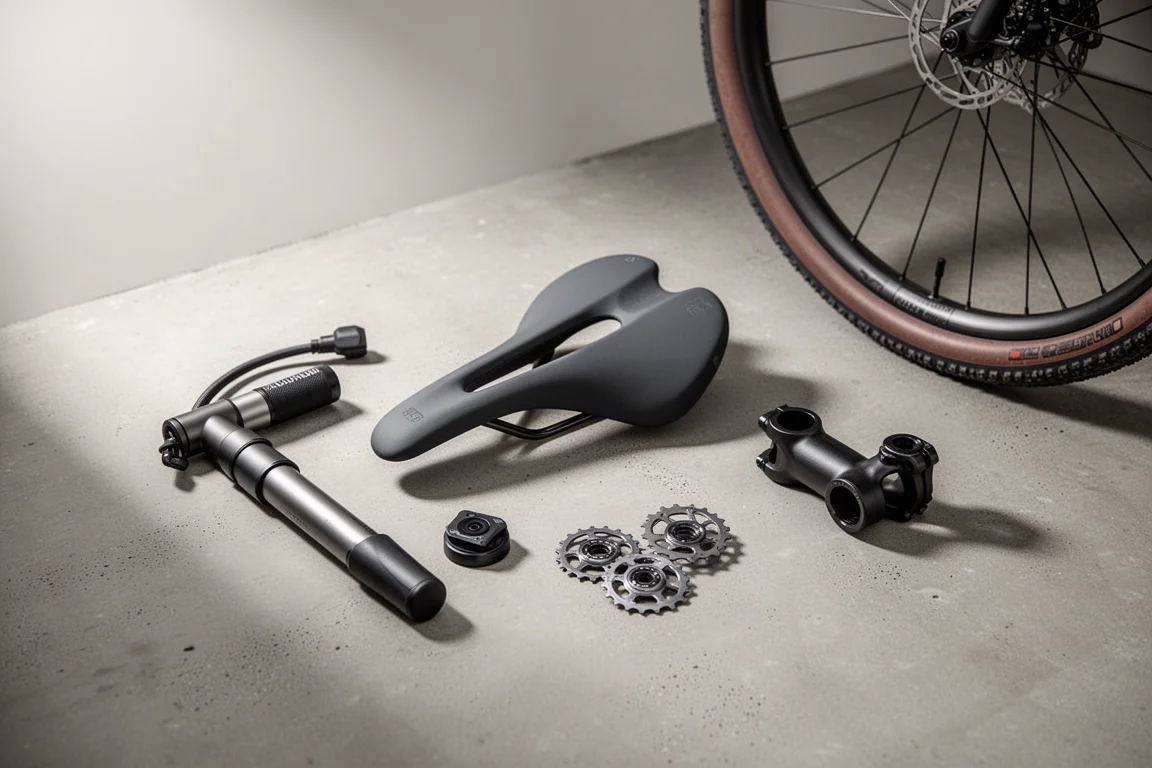
Gravel bikes are designed to handle a wide range of surfaces, but most arrive from the factory with a sensible and fairly conservative setup. A handful of targeted upgrades can change how the bike feels on rough ground: more comfort over chunky terrain, fewer punctures, easier gears for steep technical climbs, and clearer navigation on long days out.
None of these changes require a new bike. Each one solves a specific problem, and the benefits tend to compound. A bike that absorbs rough surfaces is less tiring to ride, and a rider who is less tired is usually a faster rider.
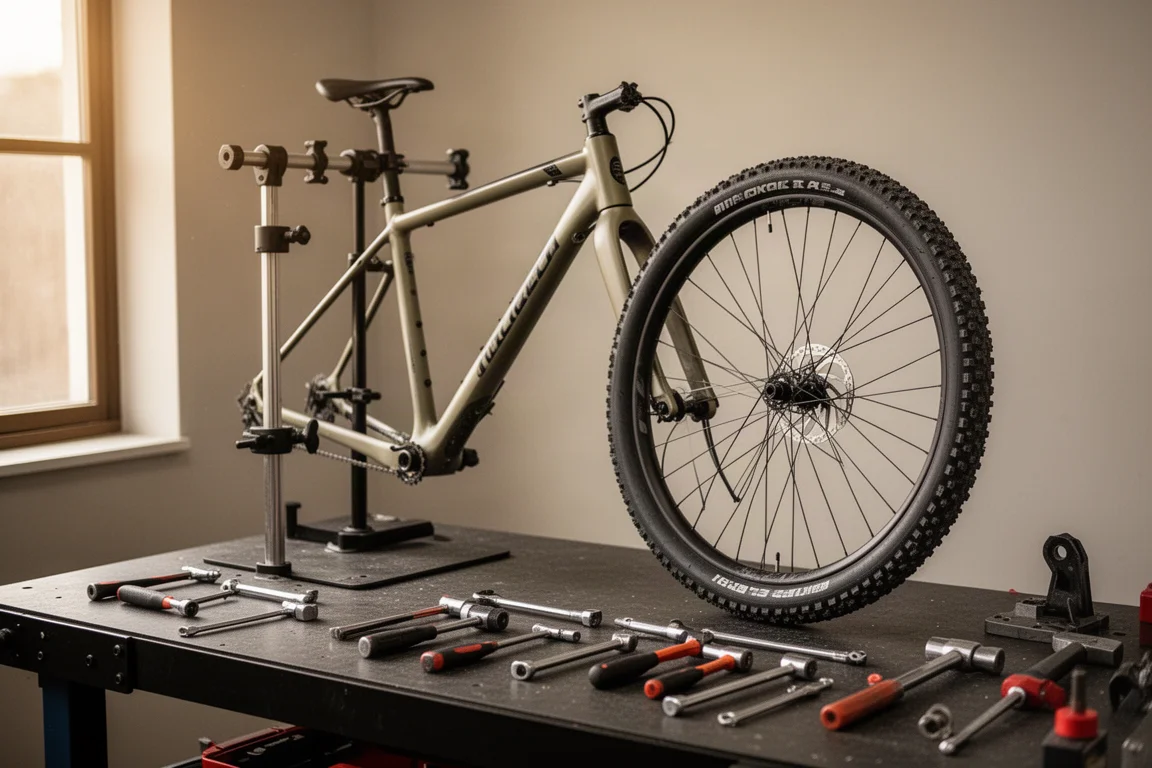
The upgrades below cover front suspension, tire protection, gearing, navigation, and a few practical extras. Each entry explains what the change actually does and who it suits, so you can work out which ones are worth making on your own bike.
How These Upgrades Were Chosen
Every upgrade here earns its place in one of three ways: it makes the bike more comfortable, it makes the bike more capable, or it removes a common source of frustration on a ride. Weight and aerodynamics matter, but they are not the only route to going faster. Several of the items below add a small amount of weight while making a bike noticeably quicker over rough ground.
Practicality counts as much as outright performance. Fit, clearance, and day-to-day usability all matter, and the options here deliberately span a range of budgets rather than only the most expensive parts.
Suspension Forks: Comfort That Pays Back in Speed
A suspension fork on a gravel bike is not a universally popular idea, but it is one of the most effective ways to make rough terrain more enjoyable. A fork that absorbs chatter and bigger hits keeps the front wheel tracking the ground, which builds confidence and usually translates into more speed.
Lauf Grit
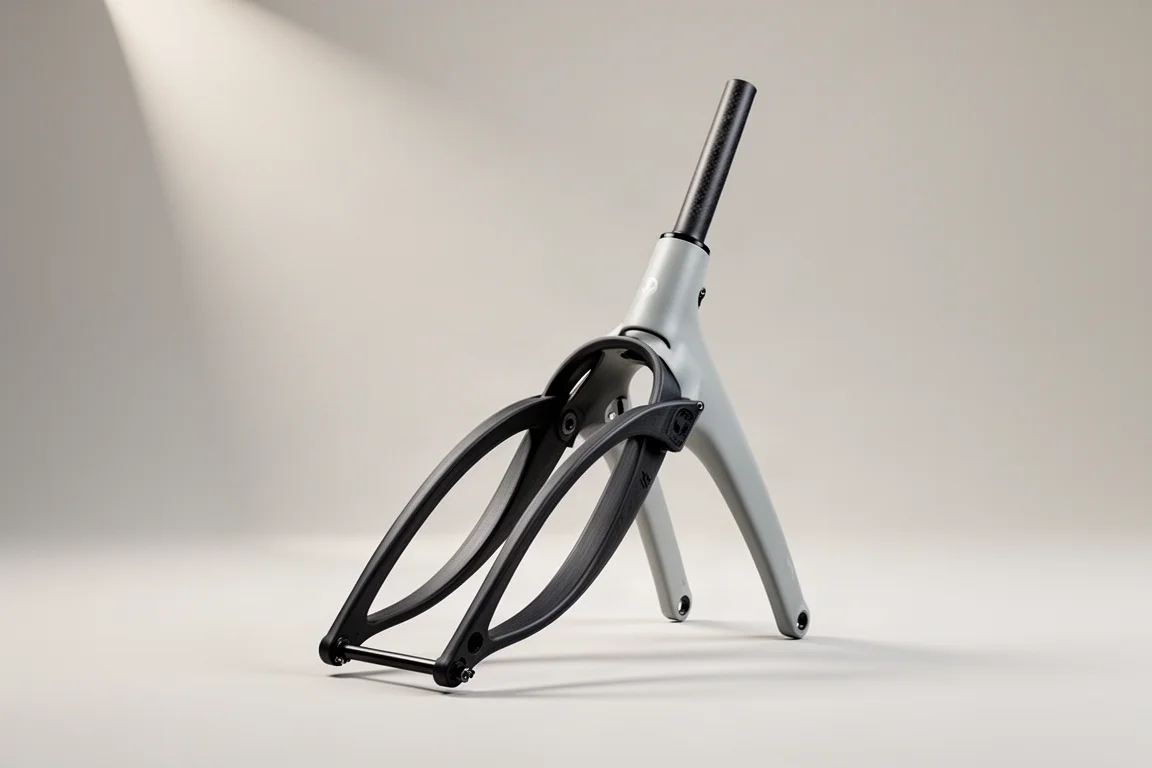
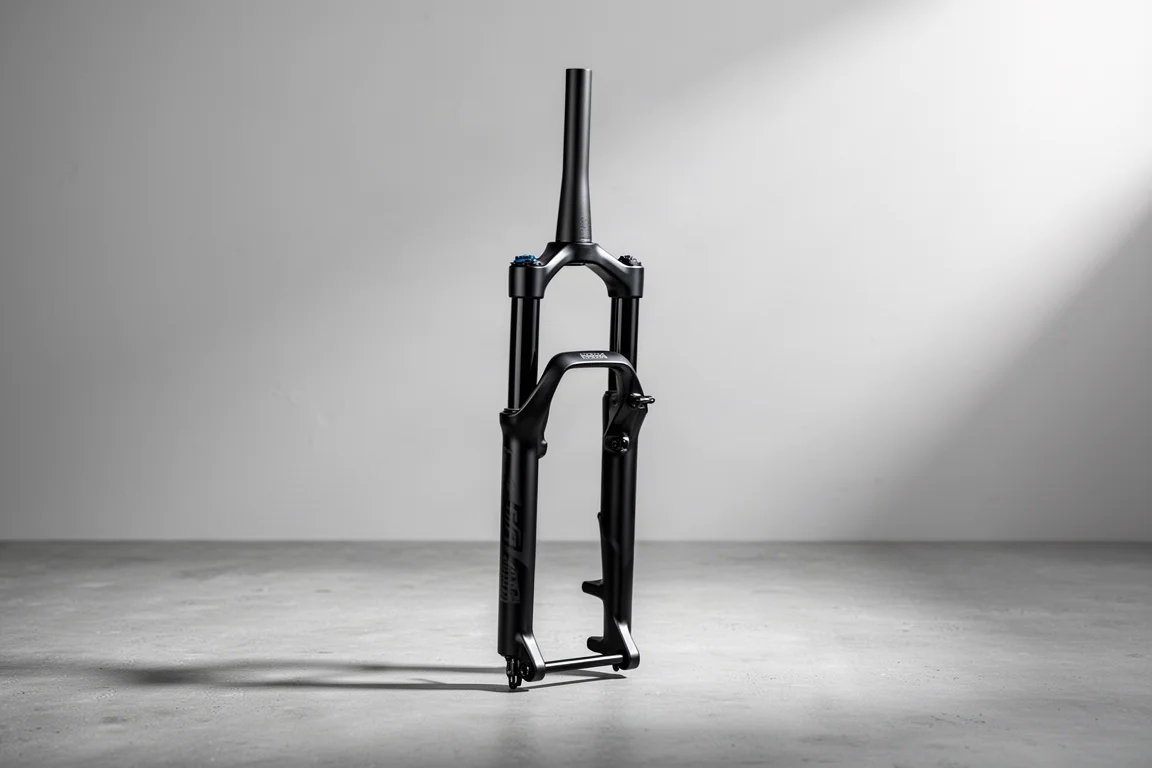
The Lauf Grit is a carbon fiber fork that uses 12 glass fiber leaf springs to provide up to 30 mm of travel. Rather than relying on a conventional damper, the leaf springs flex to take the edge off choppy surfaces, which helps kill road buzz and soften harsher hits.
It has been a popular upgrade for long-distance riders and racers alike. The look is distinctive, but the ride quality is the reason to fit one.
KS GTC
The KS GTC is a good lower-priced suspension fork option at $600. It brings travel to the front of a gravel bike for considerably less than the flagship models here, which makes it a sensible starting point if you want to try front suspension without committing to a premium fork.
Fox 32 Taper-Cast Gravel
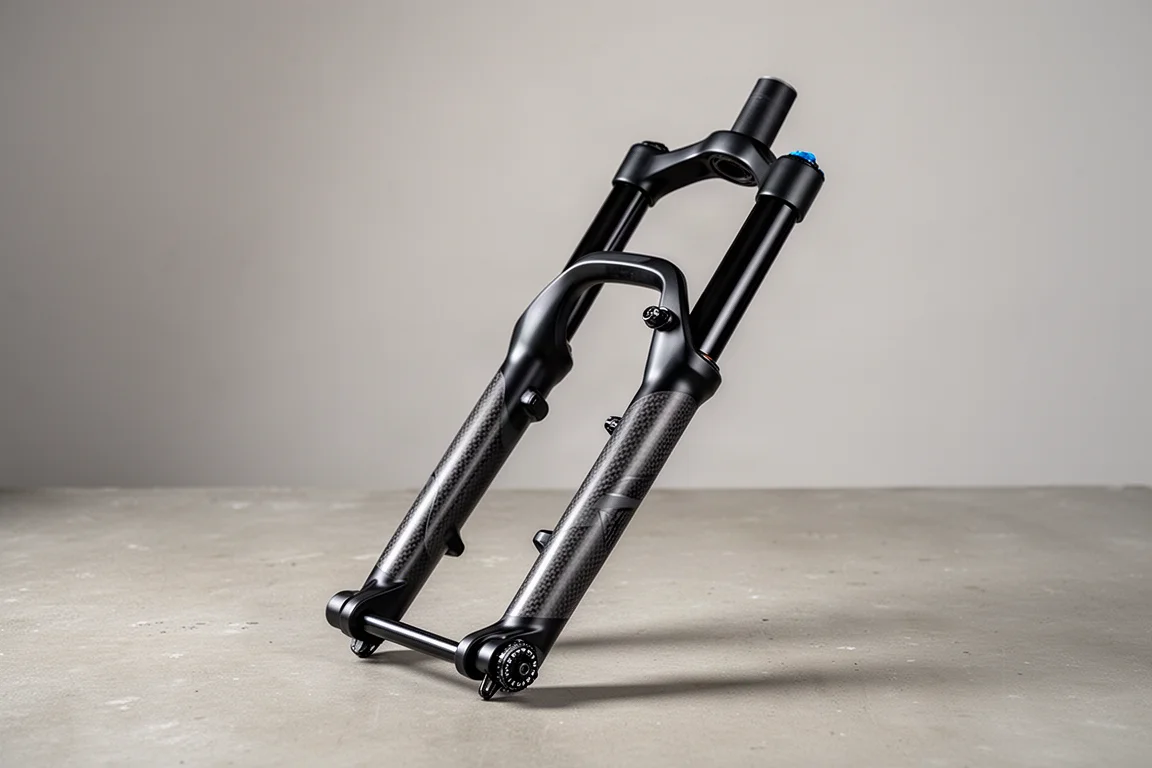
The Fox 32 Taper-Cast Gravel is available in two travel configurations, and both offer clearance for 700 x 50 mm tires. That combination matters on gravel: the fork handles the sharper hits while the tire volume soaks up everything else, and the wider clearance leaves room to run the tires you actually want.
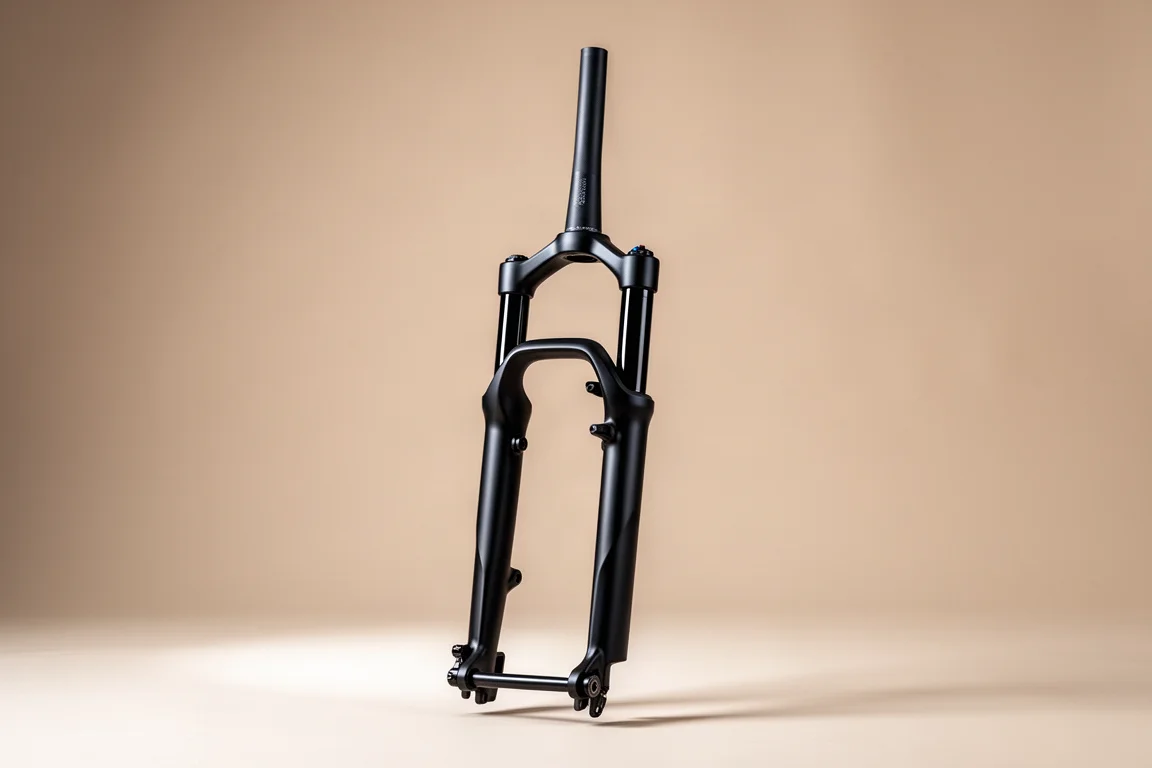
RockShox Rudy Ultimate XPLR
The RockShox Rudy Ultimate XPLR offers generous clearance, again allowing 700 x 50 mm tires, and it comes in 30 mm and 40 mm travel options. The choice of travel lets riders match the fork to how rough their local terrain tends to be.
Suspension Stems: Front Comfort Without the Fork
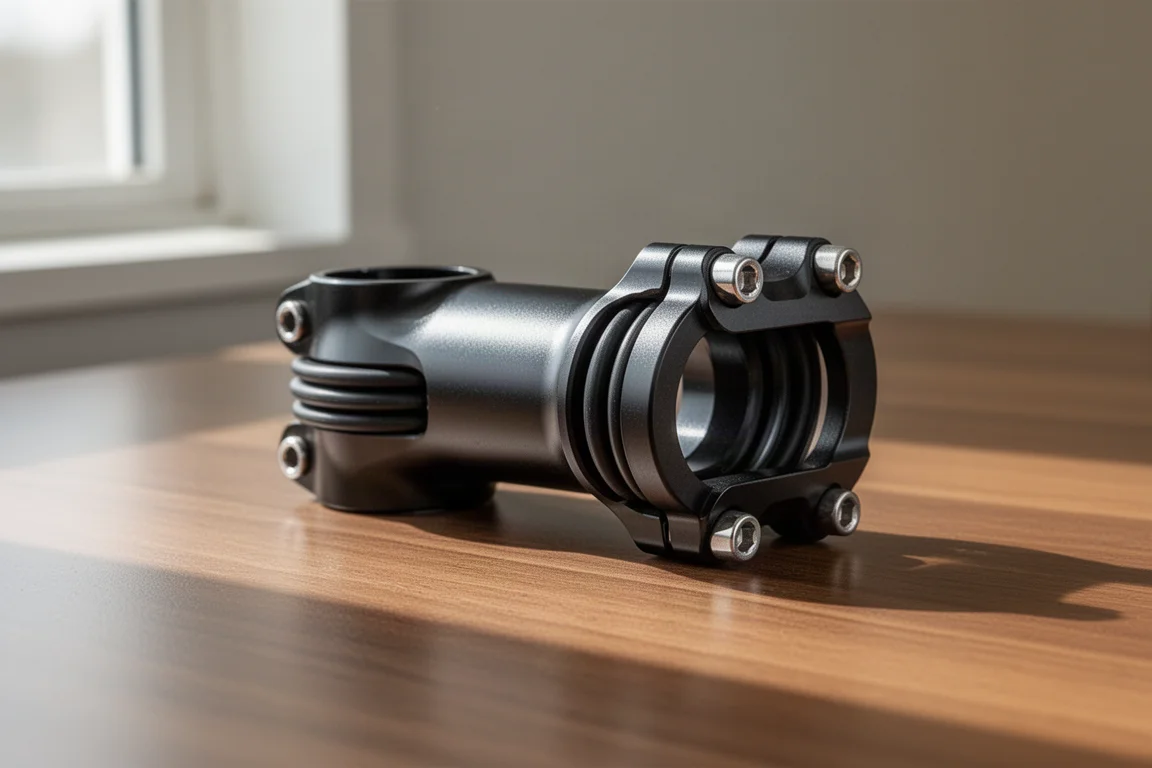
Not everyone wants the look or the bulk of a suspension fork, and a suspension stem is the subtler alternative. Elastomer-based suspension systems on bikes have a mixed history, but the ShockStop system is a genuinely effective ride-smoothing solution with almost no practical downsides.
ShockStop Suspension Stem
The ShockStop stem works in a subtle way, squashing sudden bumps and smoothing continuously rough surfaces. There is only 10 to 20 mm of travel here, which is not much compared with a suspension fork, and how much you get depends on your hand position. Even so, it works really well, and it keeps the front end of the bike looking close to standard.
Puncture Protection, Mudguards, and Trailside Repair
Punctures ruin more rides than almost anything else, and a few relatively inexpensive additions make them far less likely to end your day. Inserts protect the rim, plugs fix the holes that sealant cannot, and a lightweight mudguard keeps the worst of the weather off your back.
Tire Inserts
Tire inserts are a brilliant upgrade if you like charging head first into technical sections at full speed. They are primarily there to protect your rims: when you hit a rock or a root harder than you intended, the insert softens the blow and stops the tire from whacking into the rim, which reduces your puncture risk. What remains is mostly the pokey things that want to stick into your tread.
That is not all an insert can do. Some offer sidewall support, which makes burping air less of a risk. Together, those factors let you run lower tire pressures for extra cornering grip and a more comfortable ride. As a side benefit, an insert can let you limp home on a catastrophically punctured tire, such as one with a slashed sidewall. It will not be quick, but it is much faster than walking.
Ass Savers WinWing Gravel
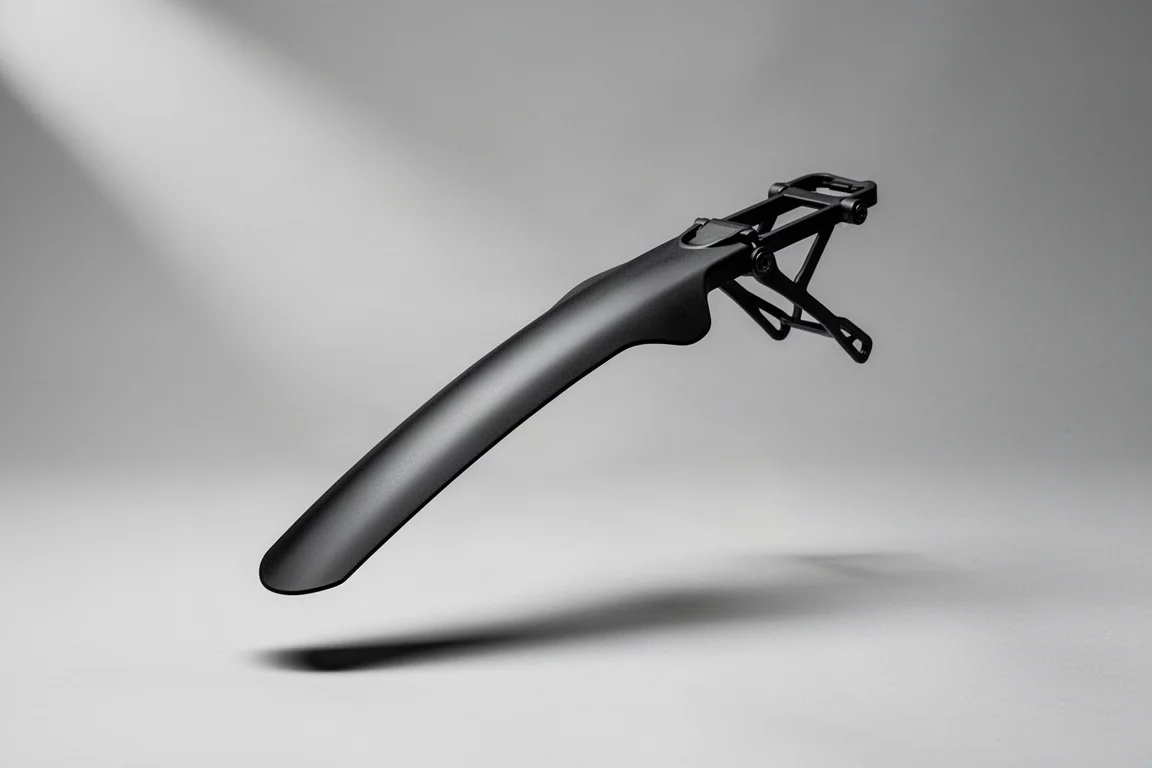
Having your backside and lower back caked in cold, muddy water is not a nice way to start a ride, and regular mudguards are not always a practical solution on a gravel bike. The Ass Savers WinWing Gravel is an impressively light clip-on mudguard that provides full backside protection from roughly the knee upward.
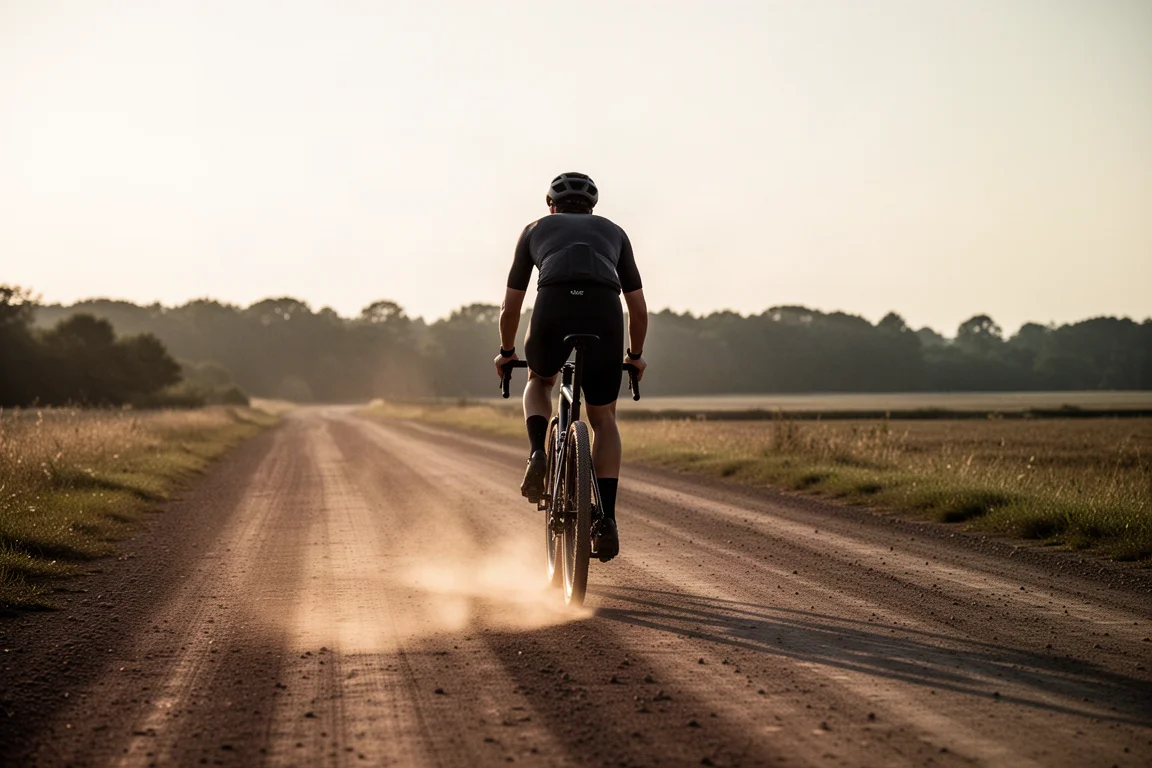
It attaches in seconds and transfers easily between bikes, and the amount of tire clearance can be set to suit your frame. Coverage is not the same as a full set of mudguards, but as an affordable, easy-to-fit option with a well thought out design, it is a very good choice. At around £25, it is not going to break the bank either.
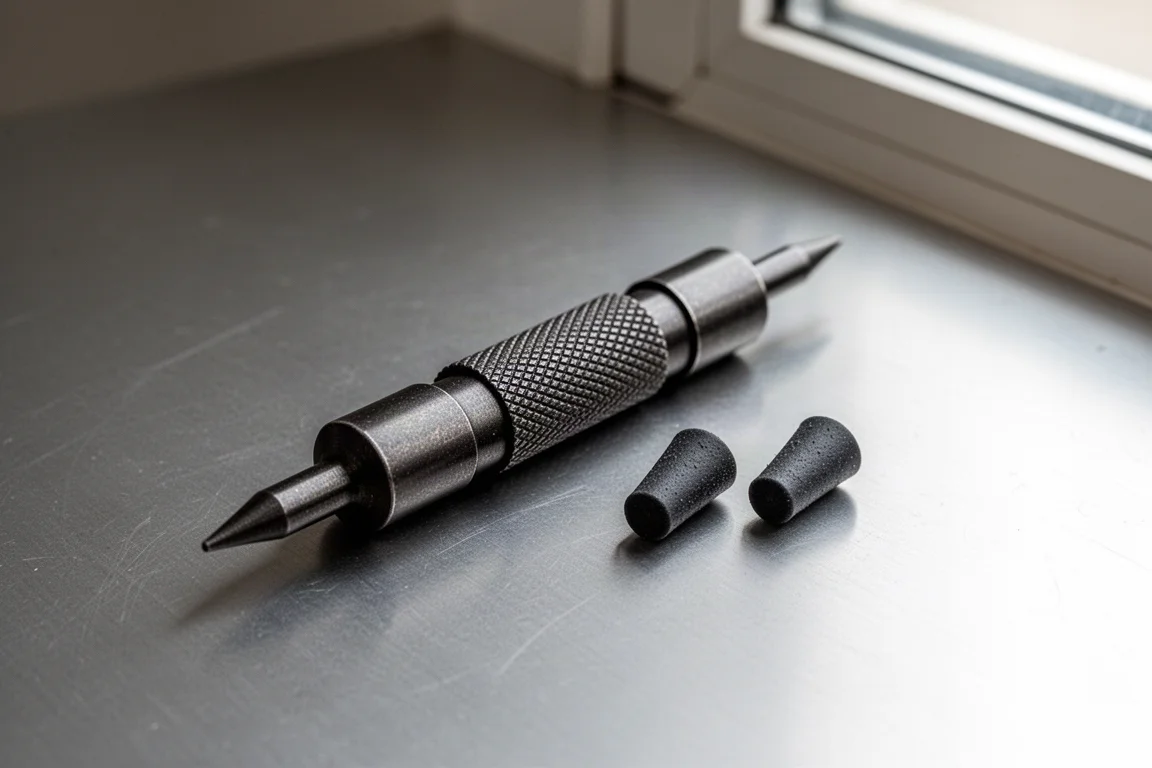
Stan’s Dart
If your sealant is struggling to plug a hole, a tubeless repair tool gives it a fighting chance. You are essentially shoving a piece of material into the puncture so the sealant can close the gap. The Stan’s Dart carries two plugs ready to go, which makes it very fast to use.
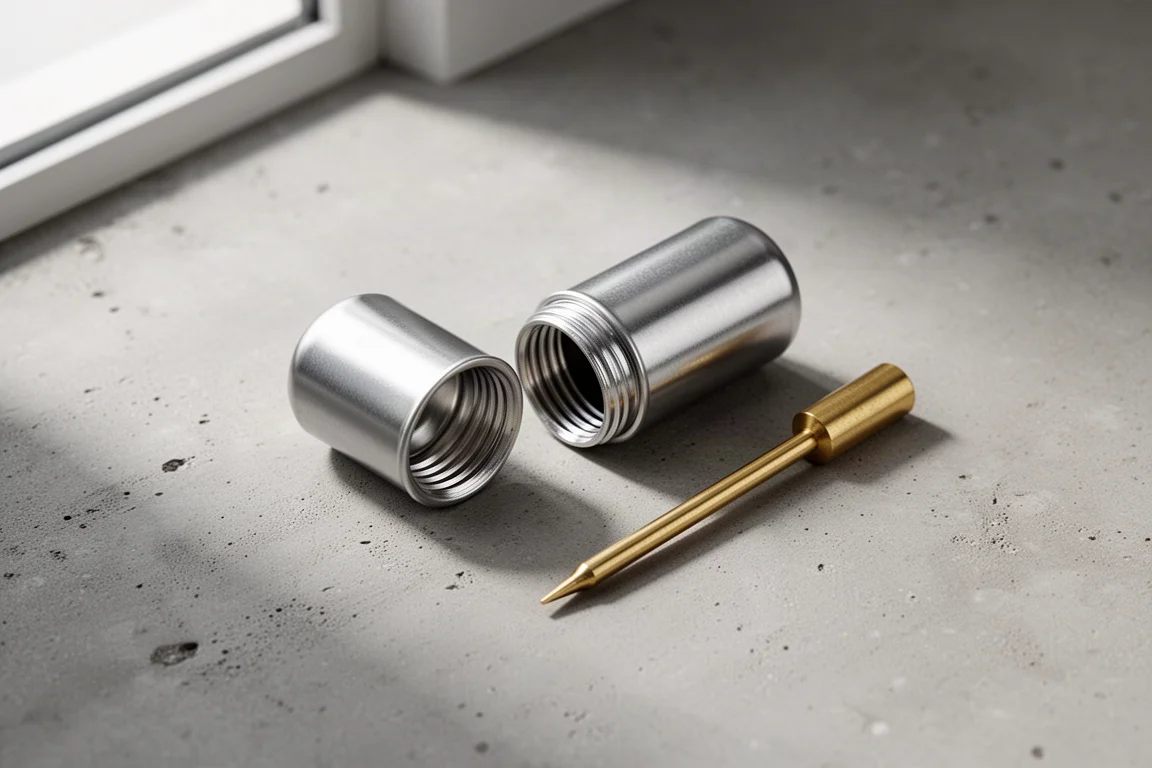
Dynaplug
Dynaplug takes a similar approach, inserting a plug into the hole so the sealant has something to work with. Tubeless plug tools all function in roughly the same way, so the practical difference comes down to how quickly you can deploy the one you carry.
Gearing: Easier Ratios for Technical Climbs
There is nothing wrong with walking up a climb, but being able to ride steep technical gradients in front of your friends is a satisfying feeling. Easier gears keep the pedals turning when the gradient pitches up, and both SRAM and Shimano offer excellent options for gravel bikes.
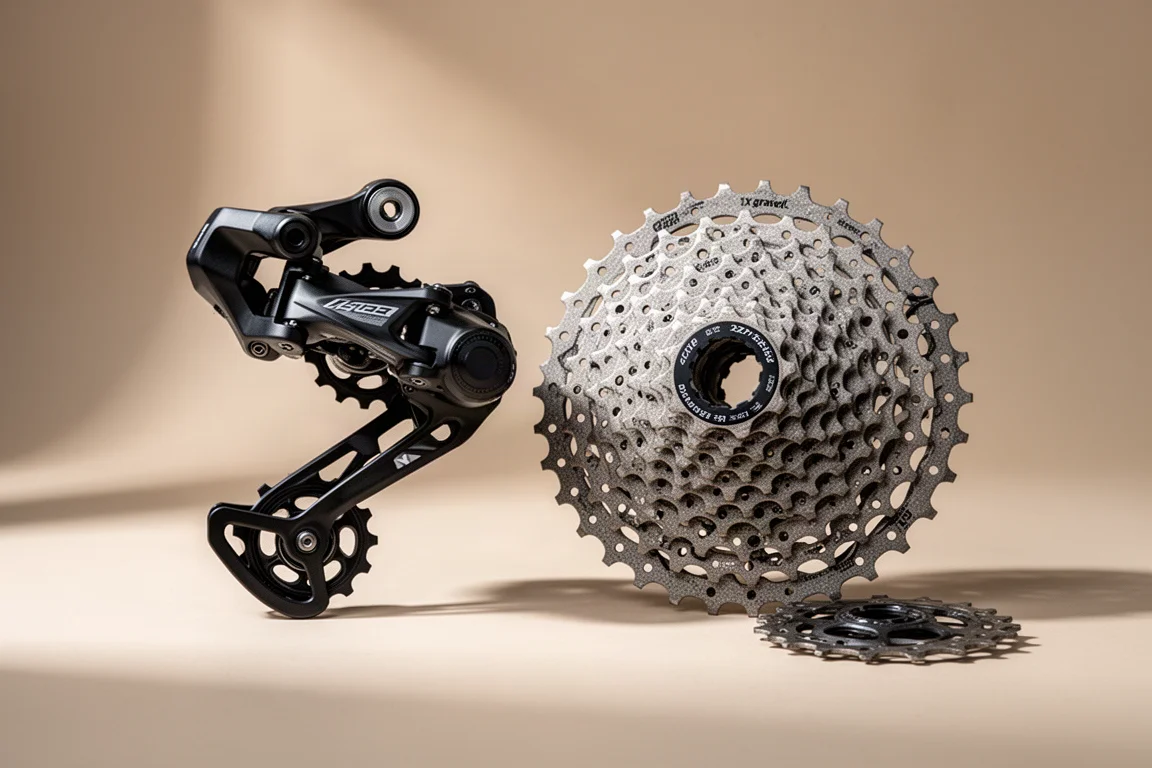
SRAM Apex Eagle
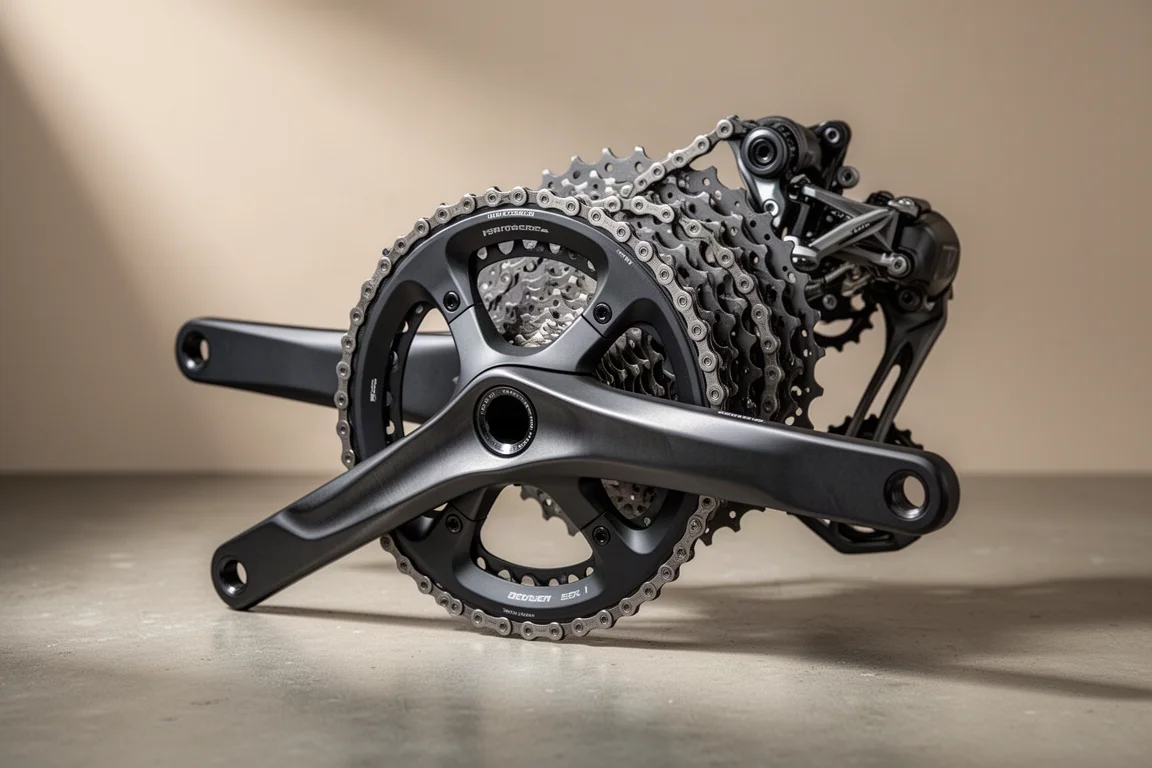
SRAM’s Apex Eagle offers a huge 10-52 tooth cassette. Paired with a small 1x chainring, that range makes very steep climbs considerably more manageable.
Shimano GRX
Shimano GRX offers a 10-51 tooth cassette, giving similarly easy climbing gears for riders who prefer Shimano’s ecosystem. Fit either groupset with a small 1x chainring and technical climbs become far more rideable.
Navigation: Bigger Screens, Fewer Stops
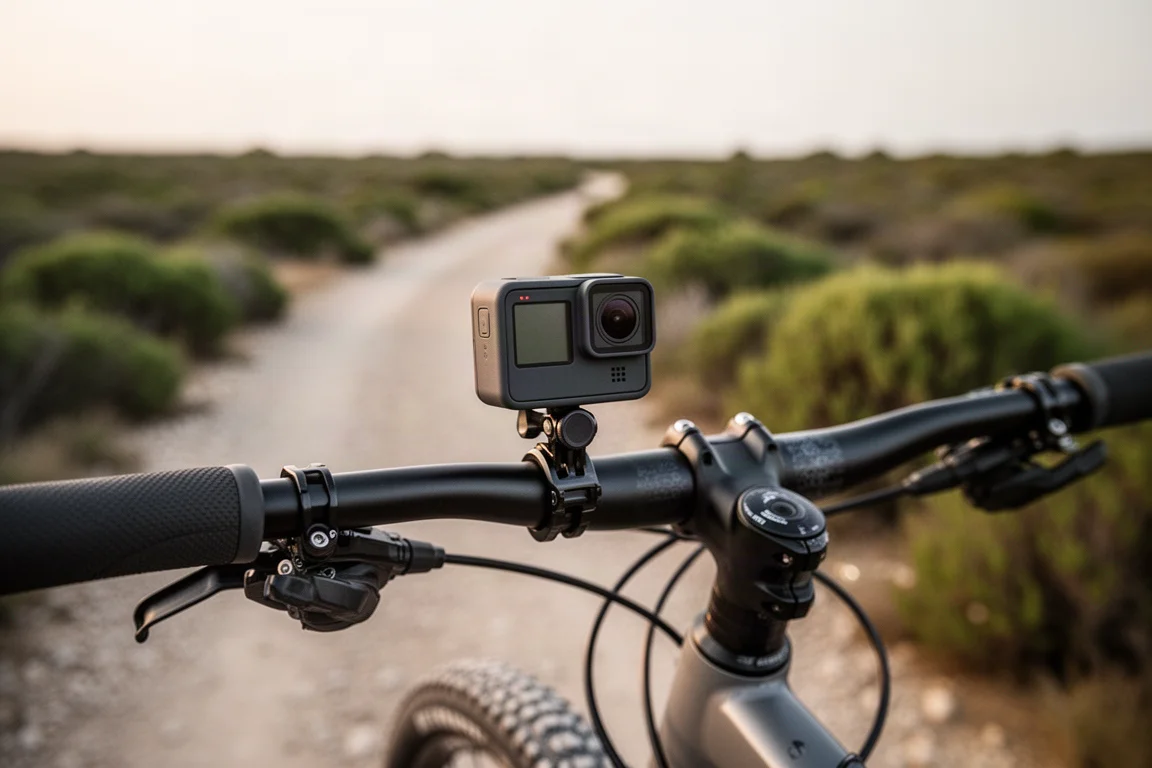
Exploring the area around you is one of the best things about gravel riding, and an away day further afield is fun too, but getting lost is not. A large cycling computer makes maps easier to read while you are moving, which improves the flow of a ride because you are not stopping all the time to check where you are going.
Wahoo ELEMNT ROAM
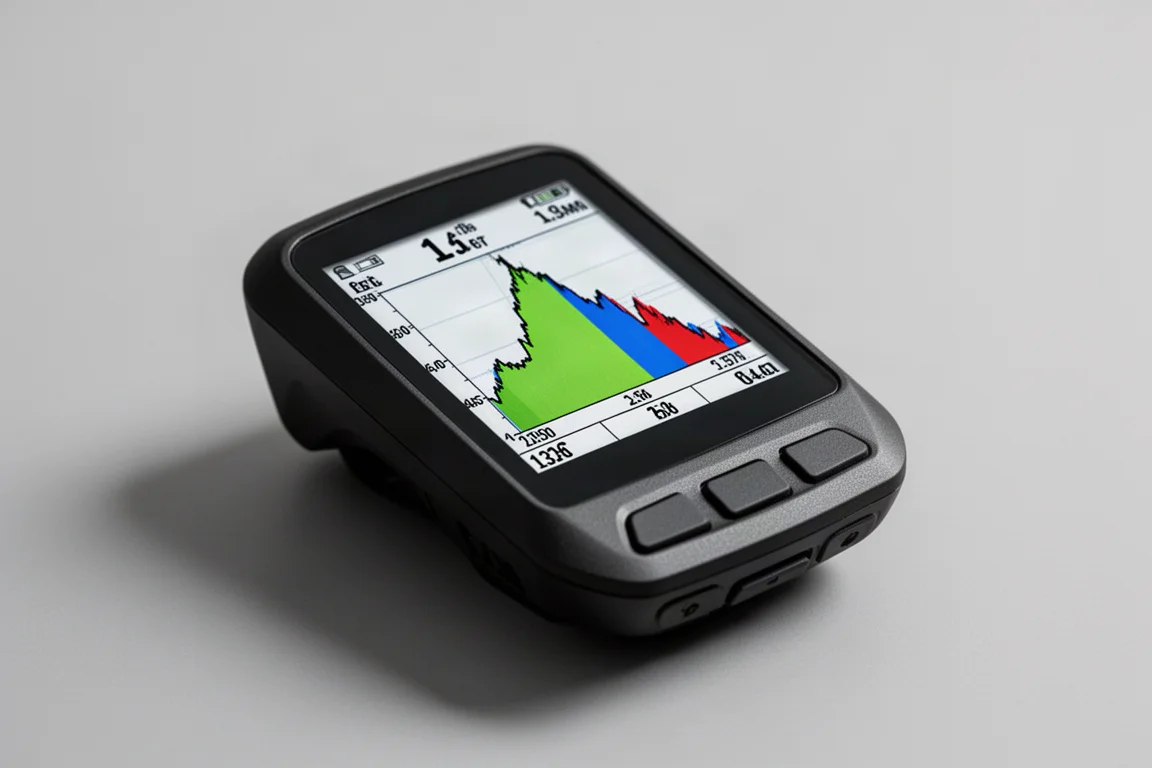
The Wahoo ELEMNT ROAM is one of the big-screen computers that suits this kind of riding, with a display that keeps maps legible at a glance.
The practical benefit is subtle but real: fewer stops to check the route, and more time spent riding at a steady rhythm.
Garmin Edge 1040
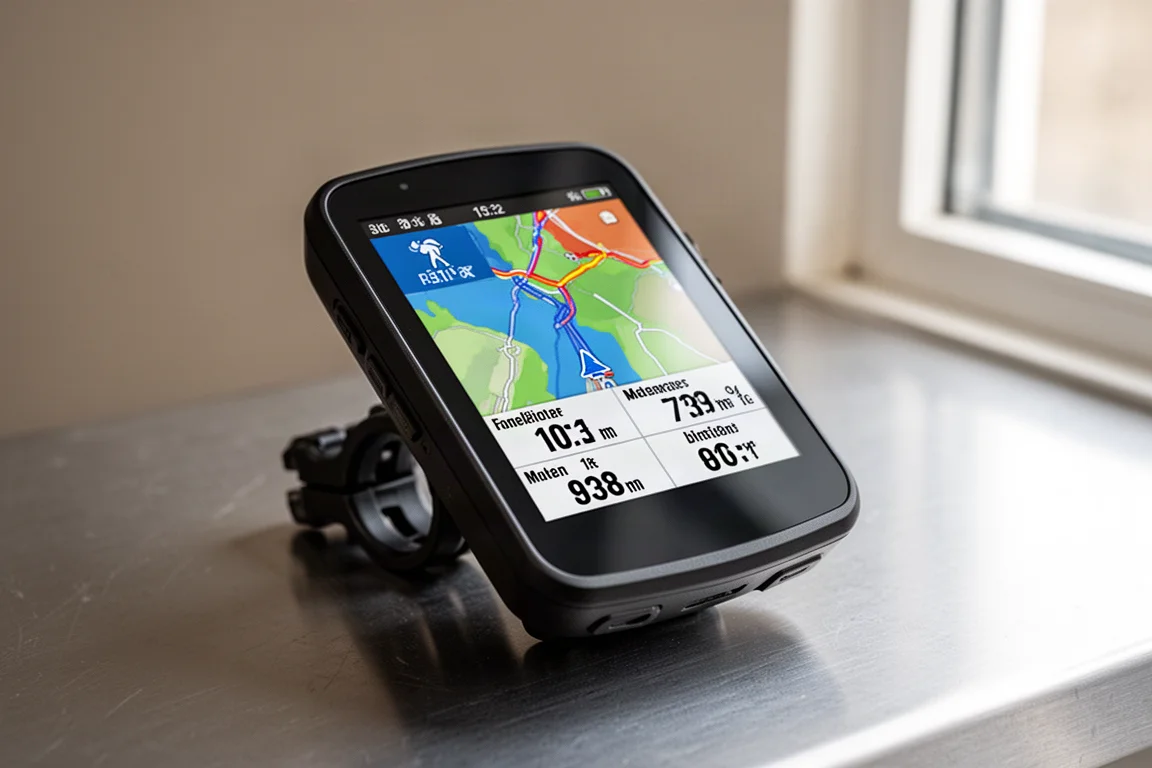
The Garmin Edge 1040 is another large-screen option, and the extra display area makes navigation on unfamiliar gravel roads easier to follow while you are on the move.
Other Gravel Upgrades Worth Considering
Three more changes come up often on gravel bikes, and none of them requires a major investment.
A dropper post is an easy way to make a gravel bike more rounded. It is a seat post that can be lowered with a lever, typically mounted on the handlebar, which gives the rider a greater range of movement over the bike. That comes in especially useful on trickier off-road trails.
Carrying a big-volume pump from the mountain bike world is worth considering too. A road bike mini pump is small and light, but it can struggle to fill wider gravel tires.
Finally, cargo shorts are a genuinely practical choice. The leg pockets give easier access to ride snacks and a phone than jersey pockets do, and they free you from riding in a cycling jersey. A lot of gravel riding is about the vibe, and a simple t-shirt can be comfortable on long days.
Overall Buying Advice
Start with the problem that bothers you most. If rough surfaces leave you tired and less confident, front suspension or a suspension stem will do more for your riding than any weight saving. If punctures keep interrupting rides, inserts plus a fast plug tool are a small outlay that pays back quickly. If steep climbs are the sticking point, easier gearing is the fix. If you keep stopping to check the route, a large computer solves that.
It also helps to think about the order of upgrades. Comfort and reliability changes tend to have the biggest effect on how often you ride and how much you enjoy it, while a new groupset or a premium suspension fork is a bigger commitment that makes more sense once you know what your local terrain demands.
Budget matters here, and the options above deliberately span a wide range. The Ass Savers WinWing Gravel at around £25 and a tubeless plug tool cost very little, while a suspension fork or a full groupset is a serious purchase. In between, a suspension stem or a large cycling computer sits at a more moderate price point.
Conclusion
The best gravel upgrades are the ones that solve a real problem on your own rides. Suspension forks and stems add comfort and confidence on rough ground, inserts and plug tools cut down on punctures, easier gearing keeps you pedalling on steep climbs, and a large cycling computer keeps you moving instead of stopping to check the map.
Pick the upgrade that addresses your most common frustration first, then build from there. Each change makes the bike a little more capable, and the cumulative effect on how a gravel bike rides is usually bigger than any single item suggests.
Further reading
Related Reviews
Cycling Accessories
7 Inexpensive Everyday Products That Are Brilliant for Cyclists
Seven cheap household products that solve real problems for cyclists, from portable bike washing and dry shoes to clean bottles and protected paintwork.
Cycling Accessories
Amazon Cycling Accessories Worth Buying: Five Practical Picks
A basket of low-cost cycling accessories judged on real-world use, from a dash cam style camera and light combo to bone conduction headphones and one tool best left on the shelf.
Cycling Accessories
Electric Bike Pumps Compared: AS2 Pro Tiny Pump vs AS2 Pro Max
A practical look at two battery-powered bike pumps: what they do well, where they fall short, and which one suits which kind of rider.