Generators
Best Generators for Winter Storm Outages: 12 Options Worth a Look
From budget dual-fuel workhorses to quiet enclosed inverter generators and expandable power stations, here are twelve backup power options to consider before the next storm knocks out your grid.
Introduction
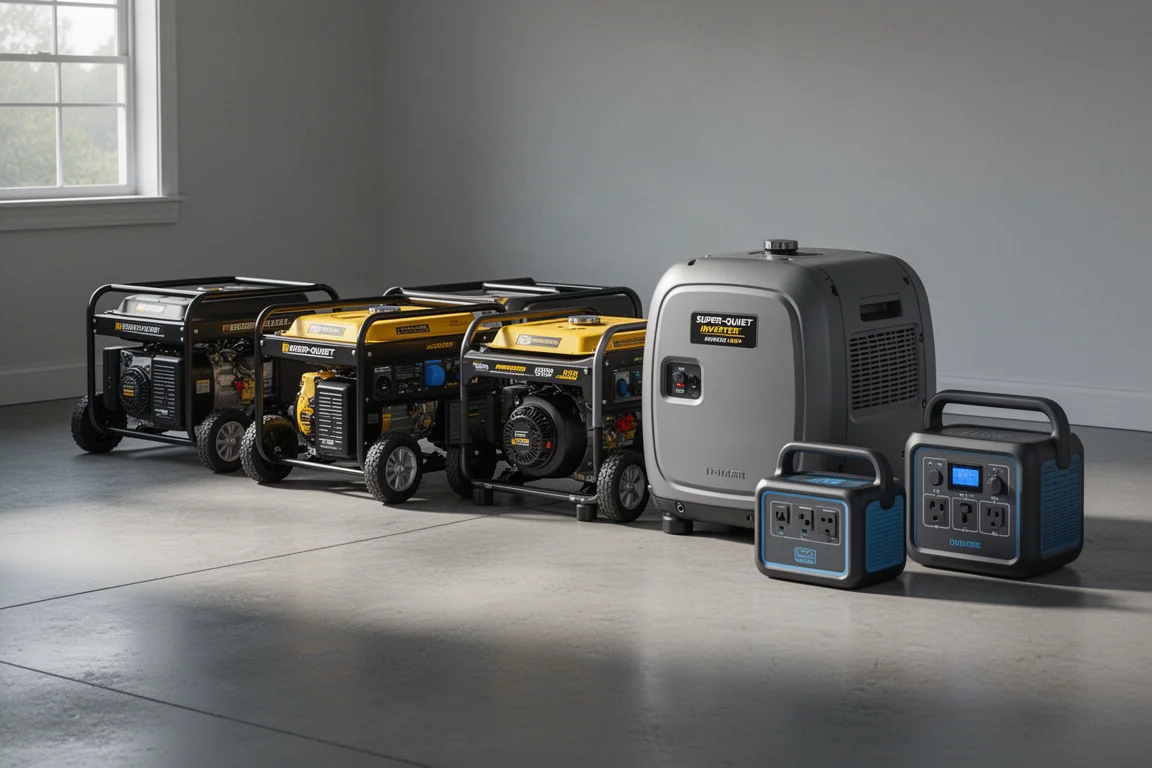
Winter storm season has a way of emptying generator shelves fast, and this year is no different. Across large parts of the southern United States, from Austin up toward Washington DC and through areas like Dallas, Shreveport, Nashville, and Charlotte, local stock is already showing out of stock online at many retailers. If you live anywhere storms or grid failures are a realistic risk, the time to buy is before the forecast turns ugly, not after.
The good news is that a handful of brands have earned a solid reputation through real-world use, and a surprising number of them are still reasonably priced. This guide walks through twelve options across gas, dual-fuel, tri-fuel, and battery power, with the strengths and trade-offs of each.

A Quick Word on Sizing and Brands to Skip
Before choosing a unit, add up everything you genuinely need running at the same time, note the starting wattage versus running wattage for each, add the starting figures together, and add 10 to 15 percent. That total is your minimum generator size. You can also start appliances sequentially, firing up the furnace first, then the refrigerator, then smaller loads, which lowers the peak demand you need to cover. If you want to run larger appliances like a home furnace blower, make sure the generator offers 240V output.
Two buying notes from long-term observers of the category: service technicians consistently avoid one prominent orange brand, and several large name brands that sell generators as a side business get a lukewarm reception, with no strong evidence they are either excellent or terrible. Honda, long considered the gold standard, has reportedly shifted some internal parts to plastic to cut costs, now charges roughly $2,400 for a 3,200-watt enclosed inverter, has exited the small engine outdoor power equipment market, and signals a full-electric future. Quiet and clean, yes, but expensive at that output and with one foot out the door.
Champion 11500: Strong Budget Value for Whole-Home Backup
Champion has built a genuinely good reputation at the budget end of the market, with consistently positive feedback from RV owners, food truck operators, and small business users. The 11500 delivers 11,500 starting watts and 9,200 running watts, and it is a tri-fuel unit, so you can run it on gasoline, propane, or natural gas.
For around $1,100, that is a lot of power for the money. The trade-off is power quality: this is not an inverter generator, so the output is not the cleanest for sensitive electronics. If your priority is raw capacity on a budget, it is hard to argue with the value.
Westinghouse 13500: Serious Whole-Home Output
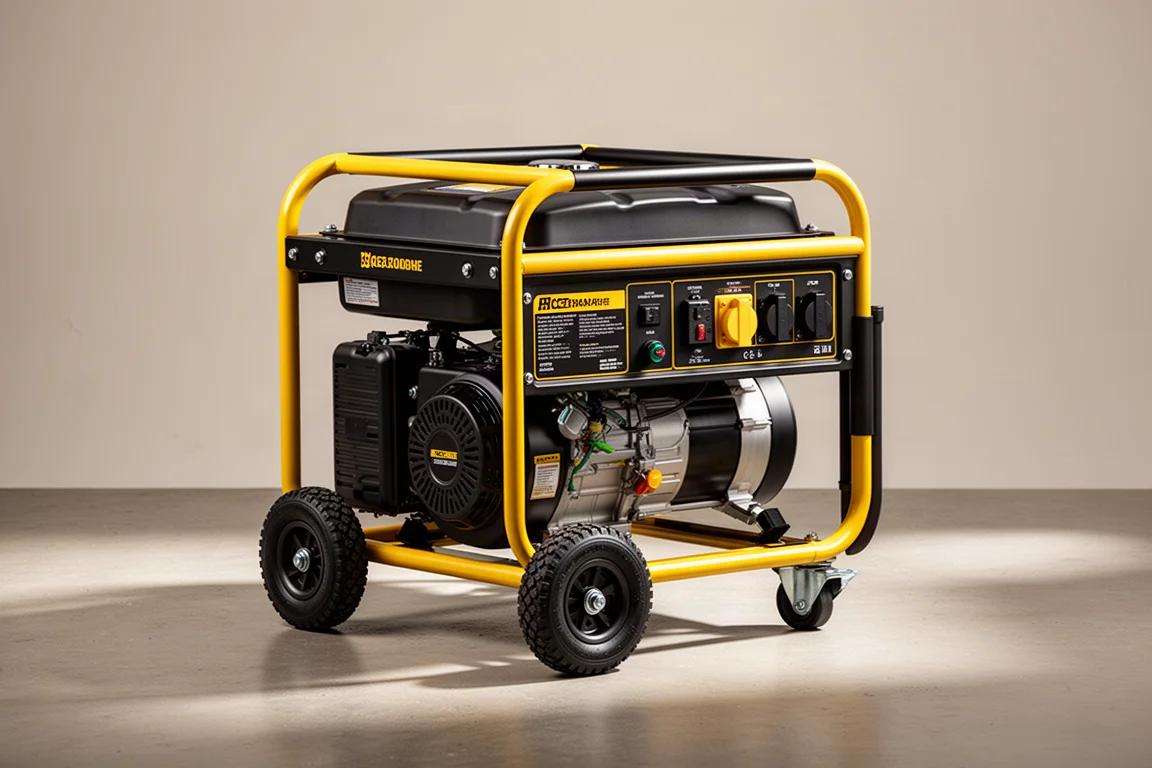
Westinghouse is a licensed brand name today rather than the old industrial giant, but the company behind these generators produces genuinely solid machines, generally rated at or slightly above Champion. The 13500 is a dual-fuel unit running gasoline and liquid propane, delivering 13,500 starting and 10,500 running watts on gas, dropping to 12,500 starting and 9,500 running on propane.
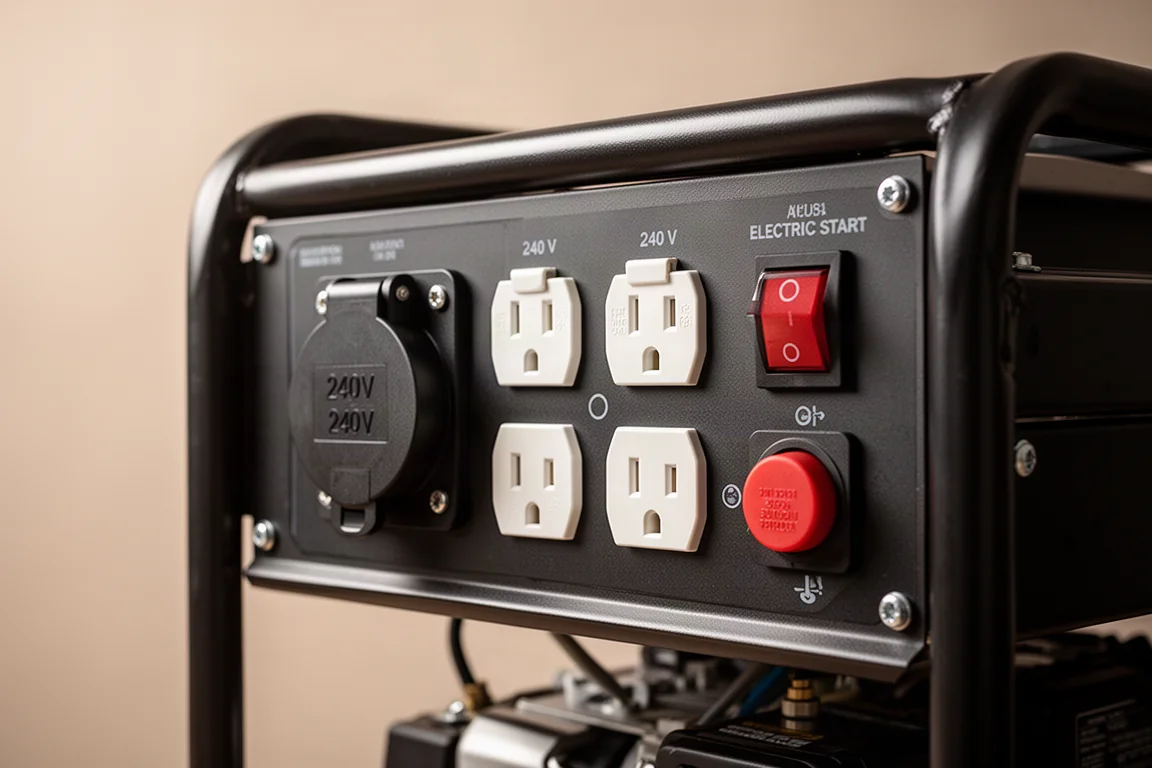
It covers 240V output for larger appliances like furnace blowers, includes electric start, and has all the ports most homeowners need. Remember that any fuel other than gasoline reduces the rated output. Between this and the Champion above, most homes can run nearly everything important during an outage.
Firman 9400: The Overlooked Solid Performer
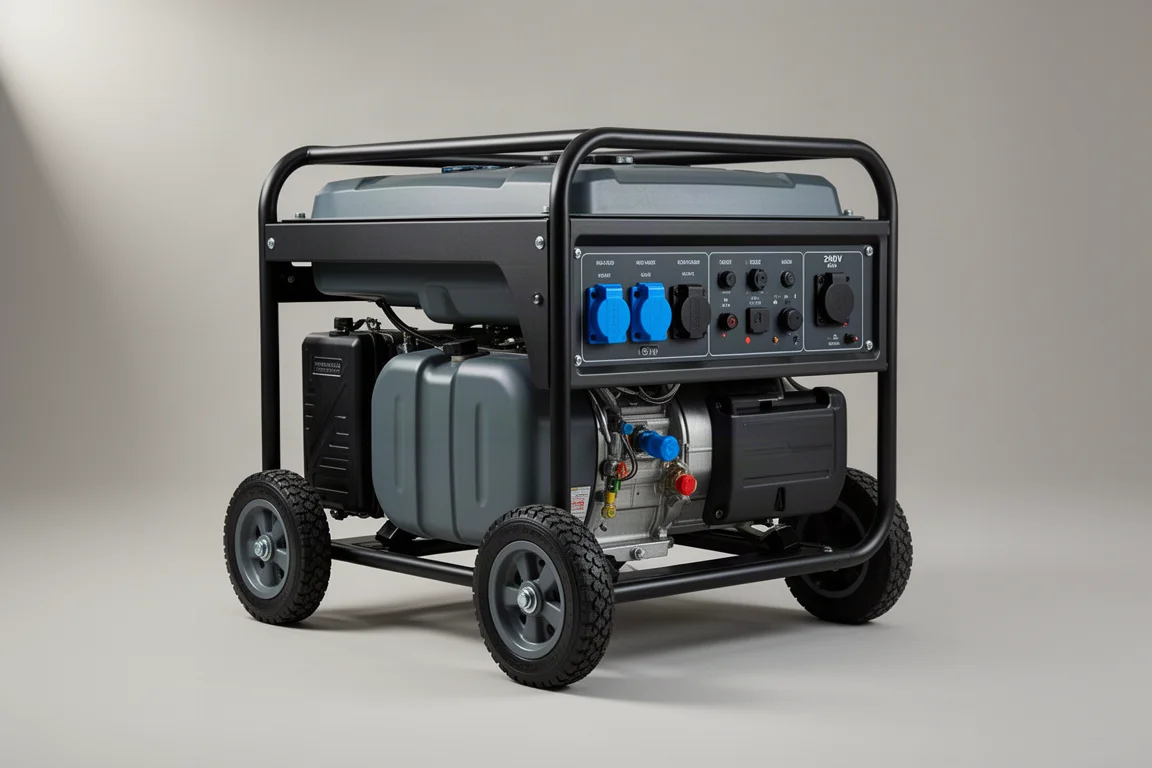
Firman often gets overlooked, but feedback from owners has been almost uniformly positive, with machines that feel well made and no meaningful pattern of complaints other than availability. The 9400 is a dual-fuel unit running gasoline and propane, delivering 9,400 starting and 7,500 running watts.
It is frequently stocked at Costco, though availability varies by location and it is generally harder to find than the bigger brands. If you spot one, it is worth a close look.
DuroMax 13000: Bang for the Buck, With Caveats
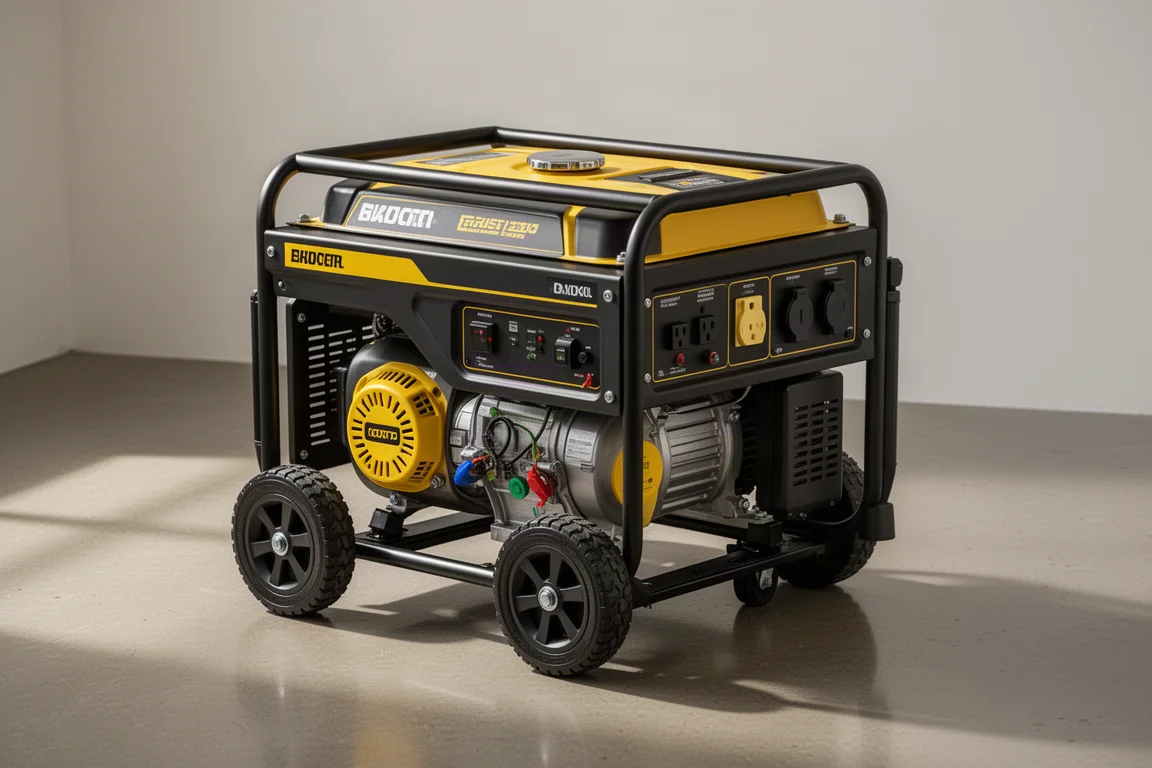
DuroMax sits firmly in the bargain-value territory, and even the company itself describes its market positioning as bang for the buck. This dual-fuel gas and propane unit delivers 13,000 starting and 10,500 running watts for around $1,300, which is serious output per dollar.
Long-term durability feedback is limited, so treat it as a value purchase rather than a lifetime investment. At this price point, an extended warranty is worth serious consideration, and a fuel stabilizer is essential, since many warranties require it. Follow the break-in period and stay on top of oil changes; these small motors demand it.
Predator 11500: Quiet Enclosed Tri-Fuel Power
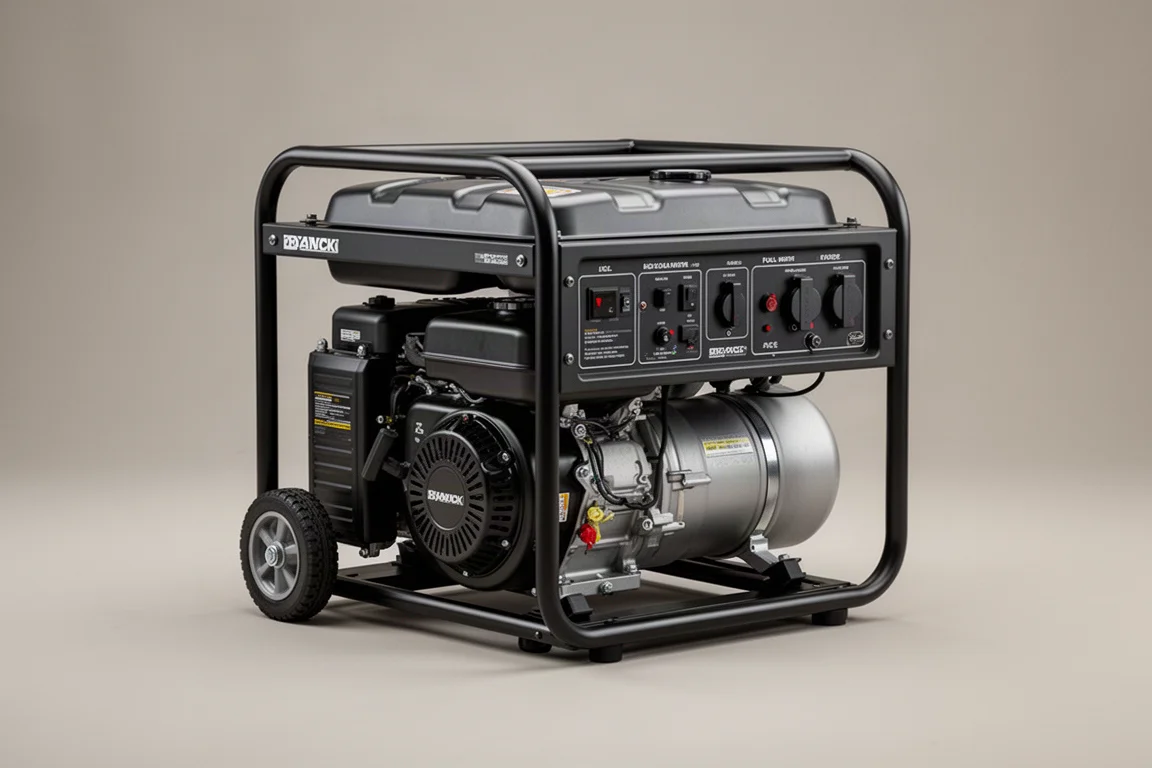
Harbor Freight’s Predator line has become a serious contender. The 11500 is a fully enclosed, super-quiet tri-fuel inverter generator running gasoline, propane, and natural gas, with more than triple the output of that pricier 3,200-watt Honda inverter at a lower price. The enclosed design also makes it far less conspicuous, which matters if you remember stories of generators being stolen off porches during the Texas ice storm.
The catch is a 90-day base warranty, which makes the extended warranty essentially mandatory. These engines sit unused for long stretches, and that is exactly when problems develop. If bought with the extended coverage, this is a very compelling whole-home option.
Predator 5000: The Budget RV and Food Truck Favorite
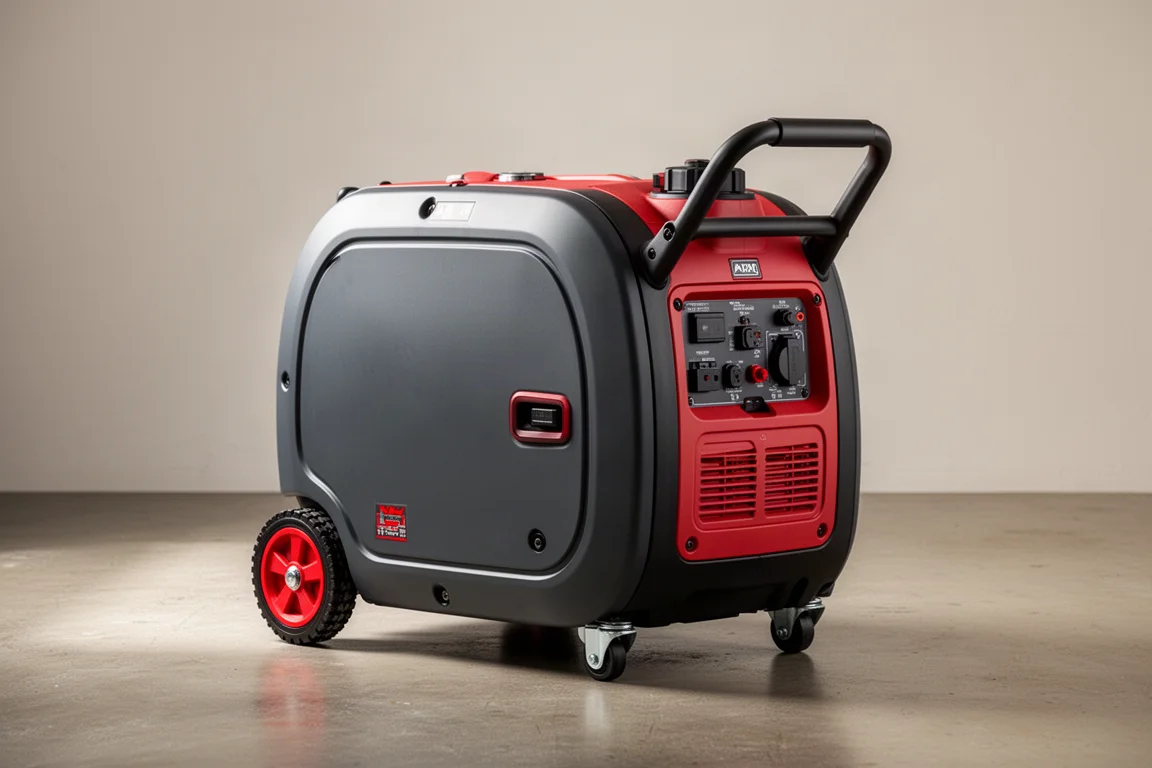
The Predator 5000 has become the go-to generator at RV parks and in food trucks wherever the budget allows it, and that pattern says a lot. It is a dual-fuel unit with remote start, CO secure shutoff technology to prevent dangerous exhaust buildup, and built-in wheel kits.
At 5,000 starting watts, it covers RV air conditioning, food truck equipment, and essential home circuits. If your needs are moderate and you want quiet, convenient, and safe in one package, this is the pragmatic pick.
MaXpeedingrods 4000: Compact, Quiet, and Surprisingly Real
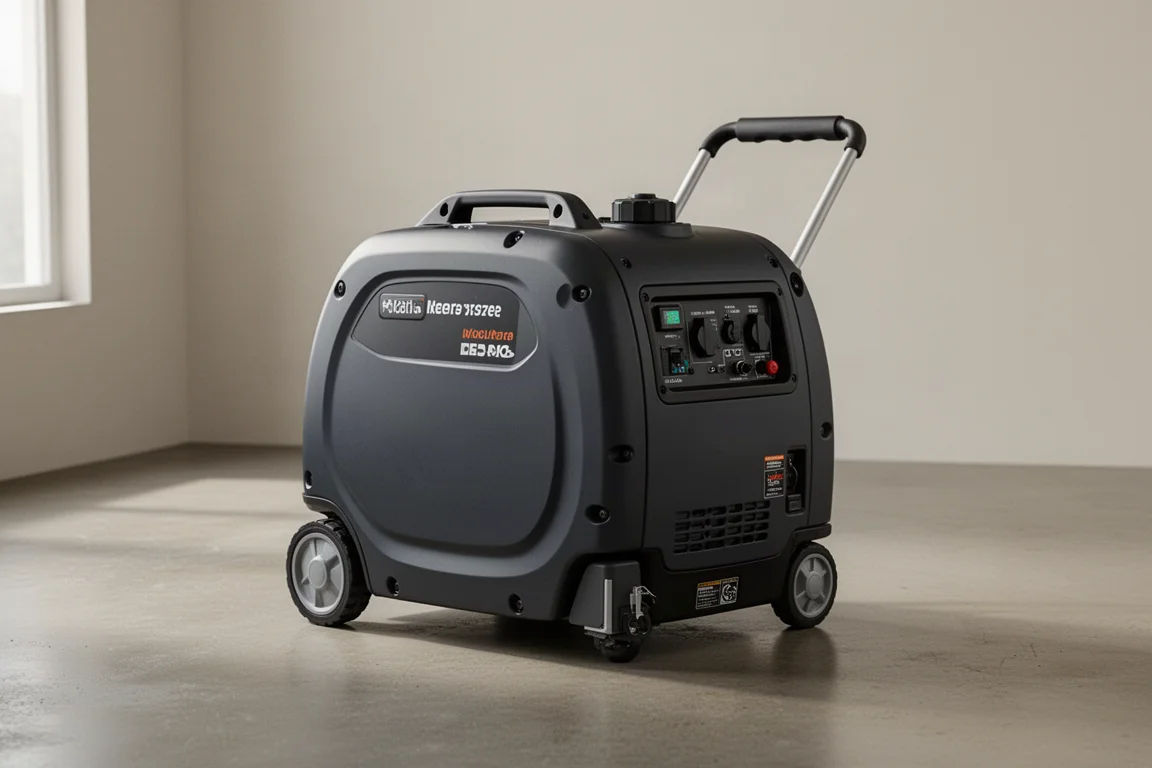
The name is admittedly odd, but the generator is legitimate. For $489, you get a fully enclosed, super-quiet inverter generator with 4,000 starting watts, among the most compact packages available for that output. It even includes a Bluetooth app for remote monitoring.
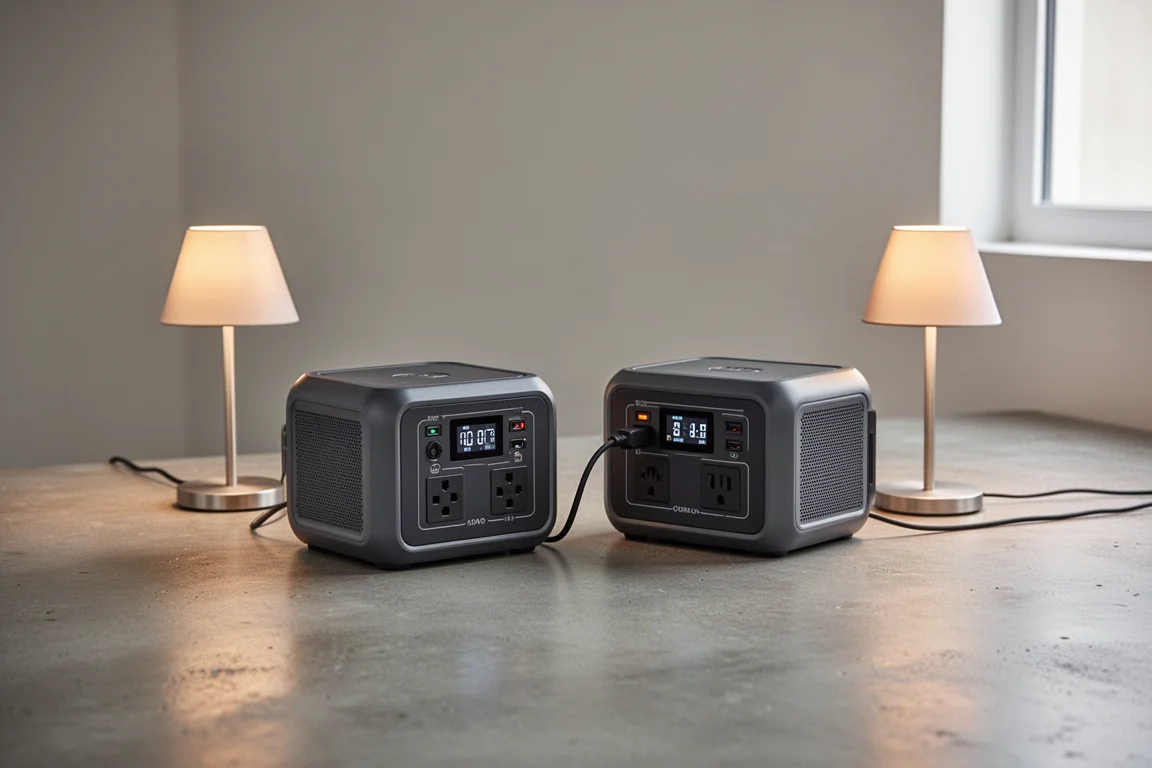
Another trick worth knowing: you can buy a connector and pair two of these together, giving you roughly 8,000 starting watts across two units that are each light enough to carry like a briefcase. Two is one and one is none, after all; if one unit fails, you still have power. This one is also currently on sale, which is rare in the middle of winter.
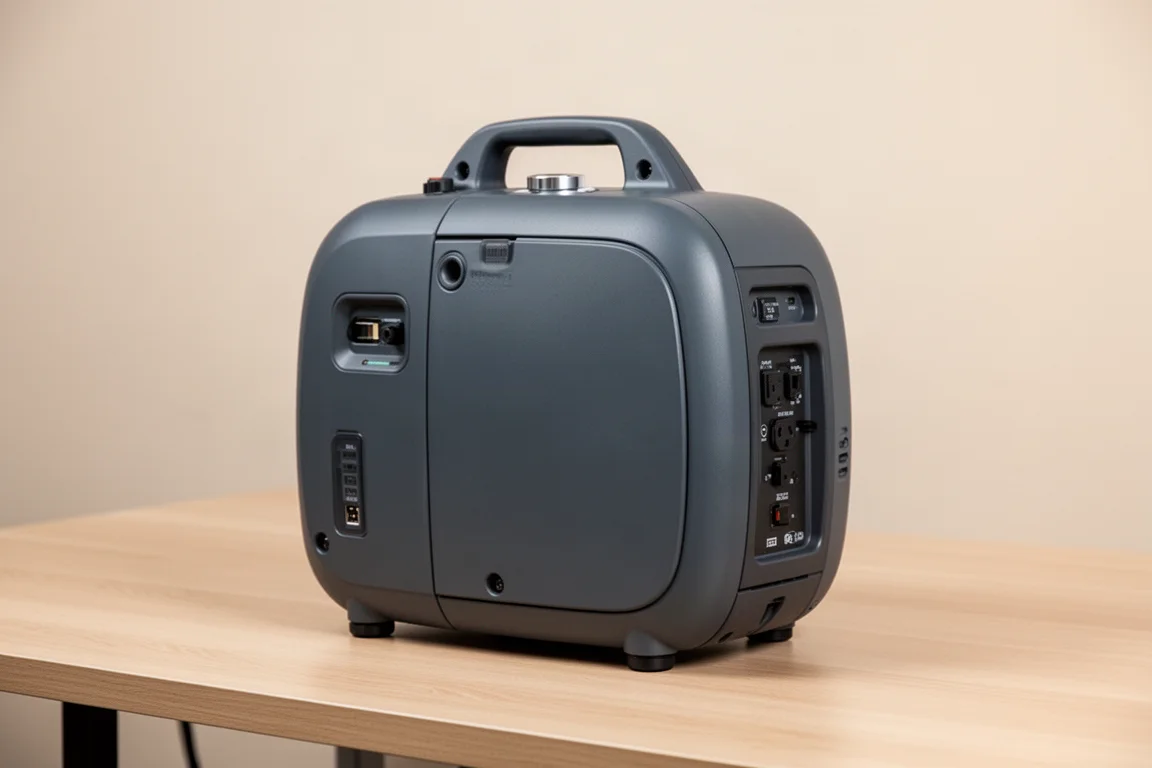
Westinghouse 6500: Loud, Dirty, and Cheap
The smaller Westinghouse 6500 is a dual-fuel gas and propane open-frame unit. It is not enclosed, not an inverter, and produces loud, unconditioned power. At $579, though, the value is real if you just need basic backup capacity.
That said, for a modest step up in budget, an enclosed inverter unit will likely last longer, run quieter, and deliver better power overall. This one makes sense only if the absolute lowest price is the deciding factor.
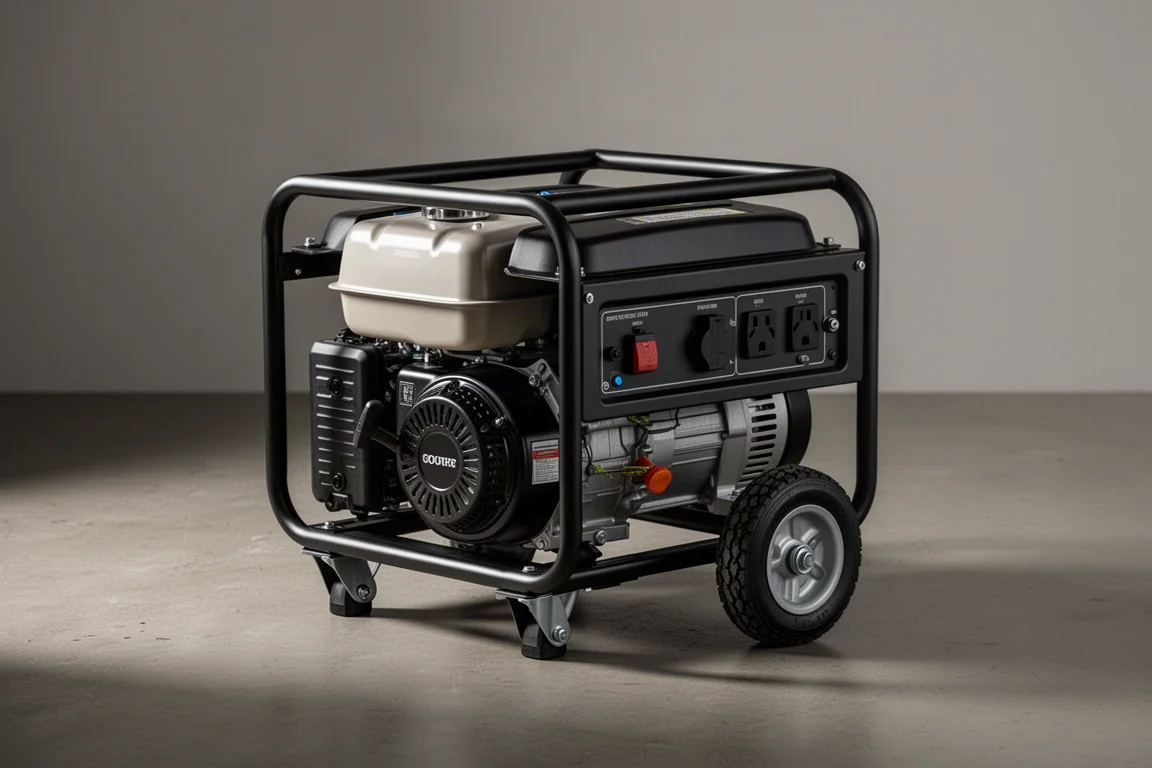
Westinghouse 8200: Enclosed Tri-Fuel Value
The Westinghouse 8200 is an electric-start, tri-fuel, fully enclosed unit with CO secure shutoff, delivering 8,200 peak watts. It is a lot of machine for the money, though prices are not at their lowest right now; buying in the middle of storm season means paying a premium.
The same pairing logic applies here as with smaller inverters: you can connect two units together for redundancy and easier handling, since even a mid-size enclosed generator is a heavy beast to wrestle into a truck bed.
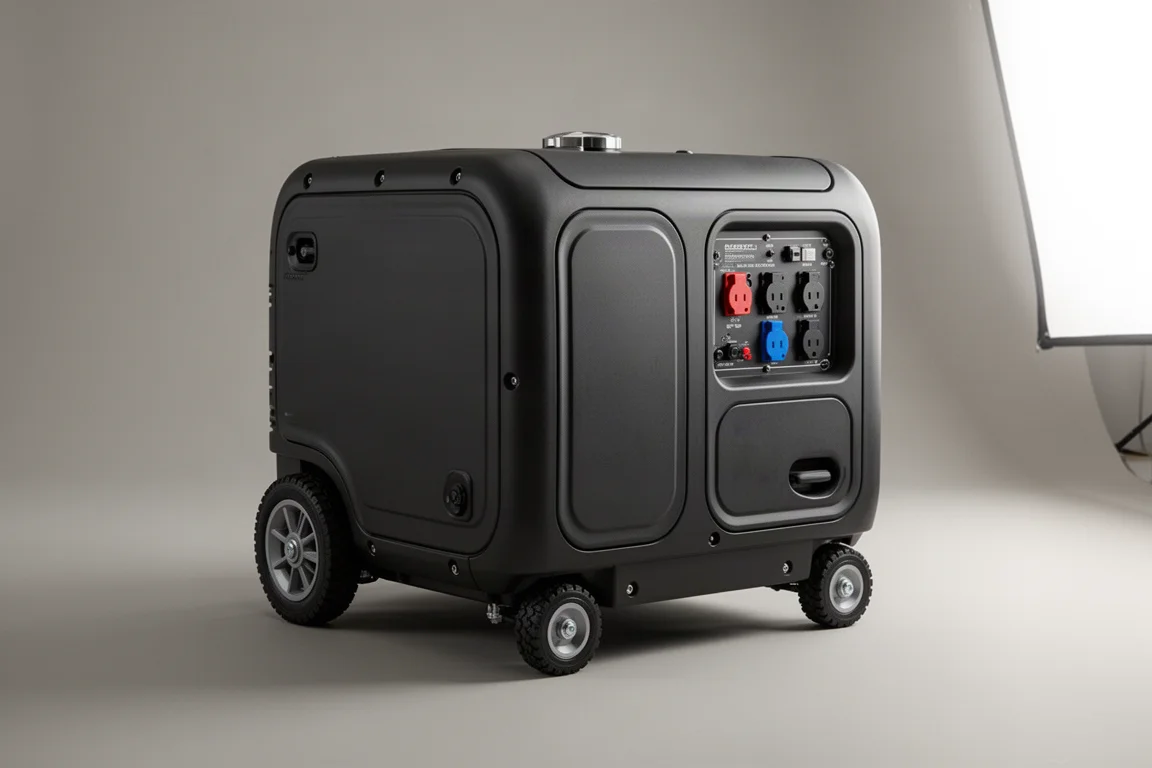
Champion 2500: Small Enclosed Inverter
Champion’s fully enclosed 2500-watt inverter covers the light-duty end: charging devices, running a fridge, powering a few essentials. It is not on sale at the moment, and mid-winter is not the ideal buying window, but if an outage is imminent, small quiet units like this sell out first.
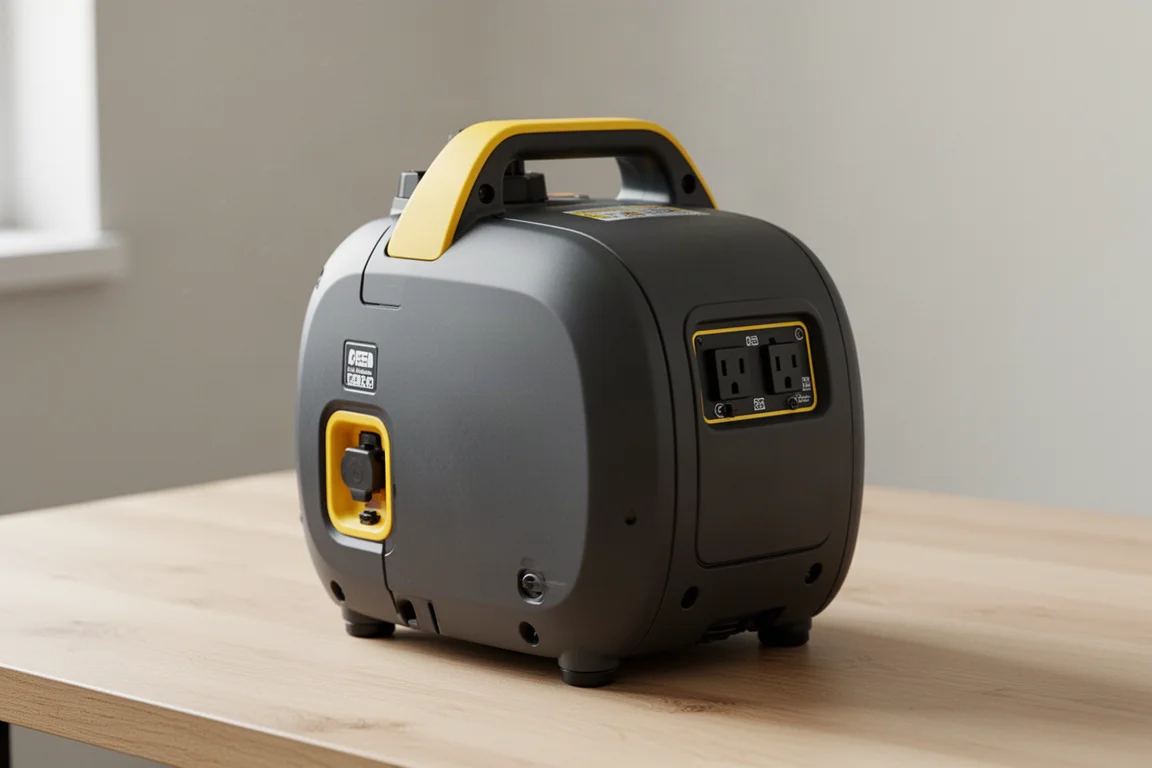
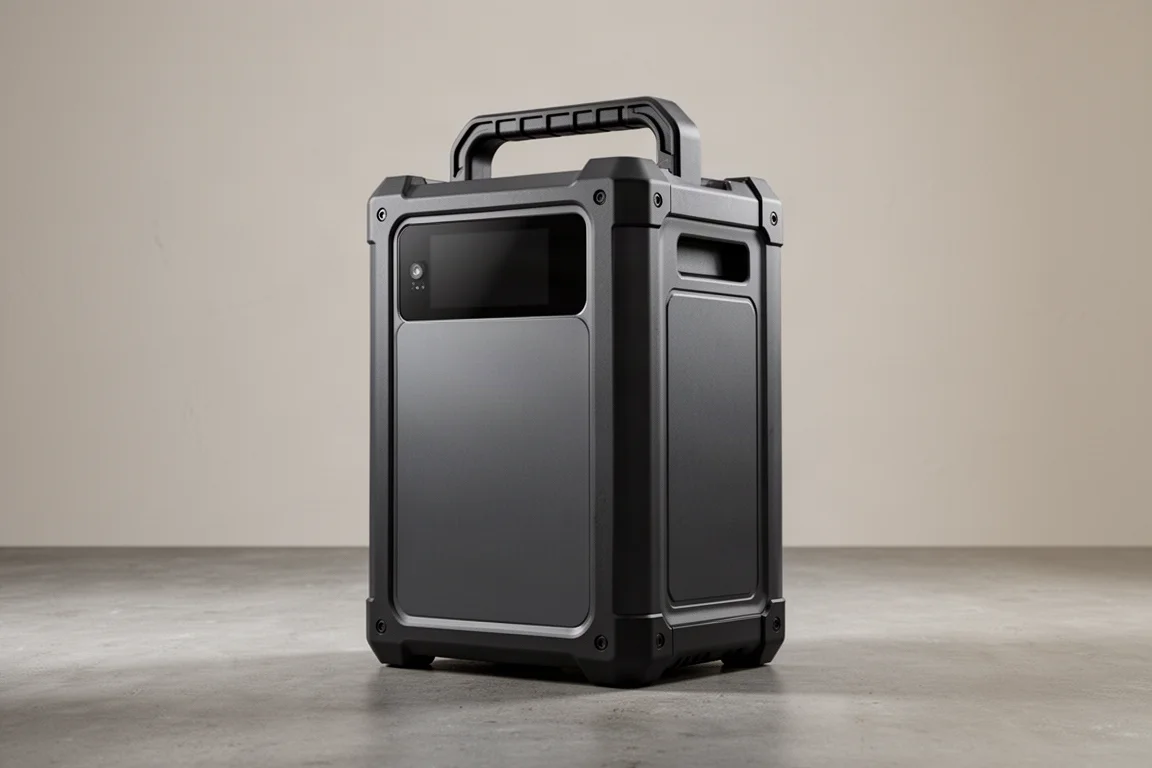
OUPES Guardian 6000: A Whole-Home Battery Beast
Power stations deserve a caveat up front: if an outage is imminent and you have no solar input, buying one right now is an iffy call, because you need grid power to charge it fully first. That said, modern units charge remarkably fast, often within an hour or two.
The OUPES Guardian 6000 is an absolute beast, with roughly 4,700 watt-hours of LiFePO4 battery capacity, 6,000 watts of output that can boost to 7,200 watts, and expansion up to around 41 kWh with added batteries. It is technically portable, but it is a heavy unit that is not fun to move. On sale at $1,800, it provides genuine whole-home security for hours of runtime, and longer with extra batteries.
DJI Power 2000: Clean Power for the Road
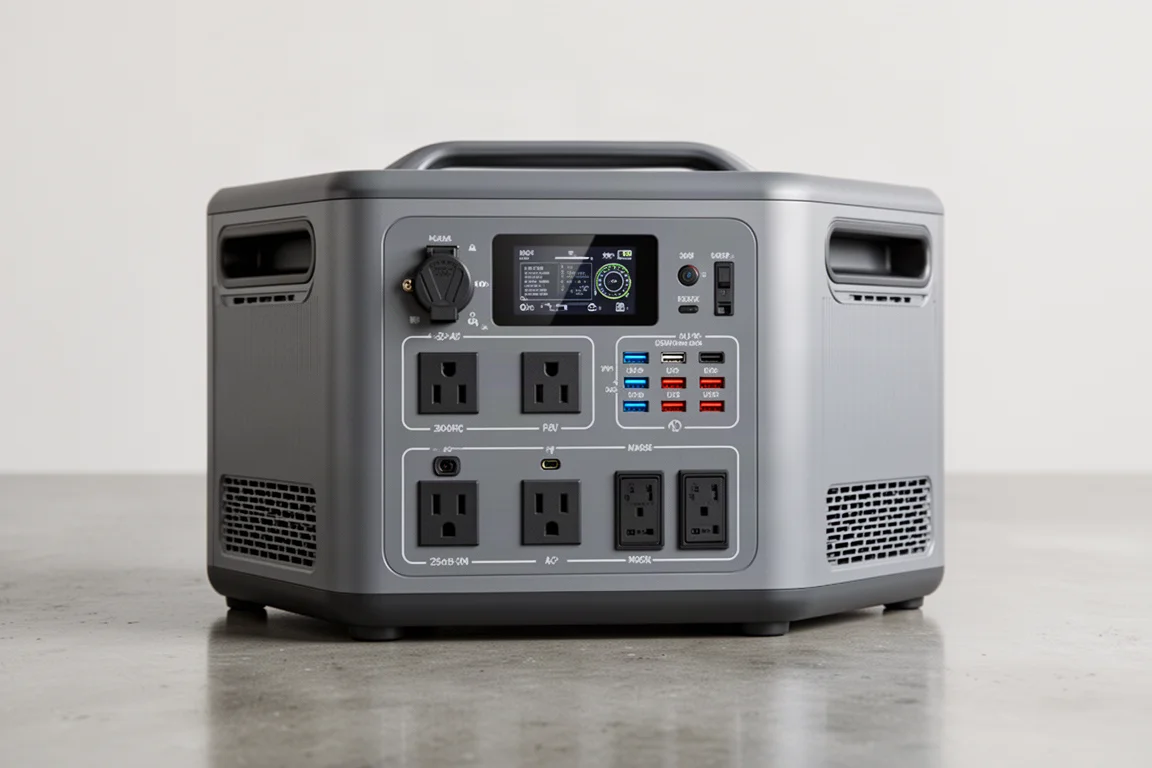
DJI’s Power 2000 is a 2,000-class portable power station with up to 3,000 watts of max output and, unusually for this category, a 30-amp RV plug. It supports connecting multiple expansion batteries, making it far more expandable than most people realize.
At $800, it is a polished unit from a company better known for drones, built to support high-draw equipment. For delicate electronics and clean power on the go, this is the one that rides in the truck for outings and shorter outages.
Final Buying Advice
A few principles tie all of this together. First, buy before the storm, not during it: order online for pickup or delivery if local shelves are empty, get the unit home, and run it through its break-in period so it is ready when you need it. Second, whatever you buy, use a fuel stabilizer and keep up with oil changes, since many warranties require it and neglect kills small engines that sit idle. Third, if a deal looks too good or the warranty looks too short, the extended warranty usually earns its cost on a generator that may sit unused for months.
And remember, gas and electric are not competing solutions. If you truly want to be covered, the real answer is both: a fuel generator for sustained outages and a power station for clean, quiet, portable energy.
Conclusion
There is no single best generator, only the right match for your budget, your appliance load, and your tolerance for noise and maintenance. Champion and Westinghouse offer the strongest proven value at the budget and mid-range levels, Predator’s enclosed inverters deliver remarkable quiet output for the price, and DuroMax and MaXpeedingrods reward buyers willing to accept a value-market trade-off. On the battery side, the OUPES Guardian 6000 anchors a home while the DJI Power 2000 travels light. Whatever you choose, size it correctly, maintain it properly, and buy it before the next forecast turns purple.
Further reading
Related Reviews
Generators
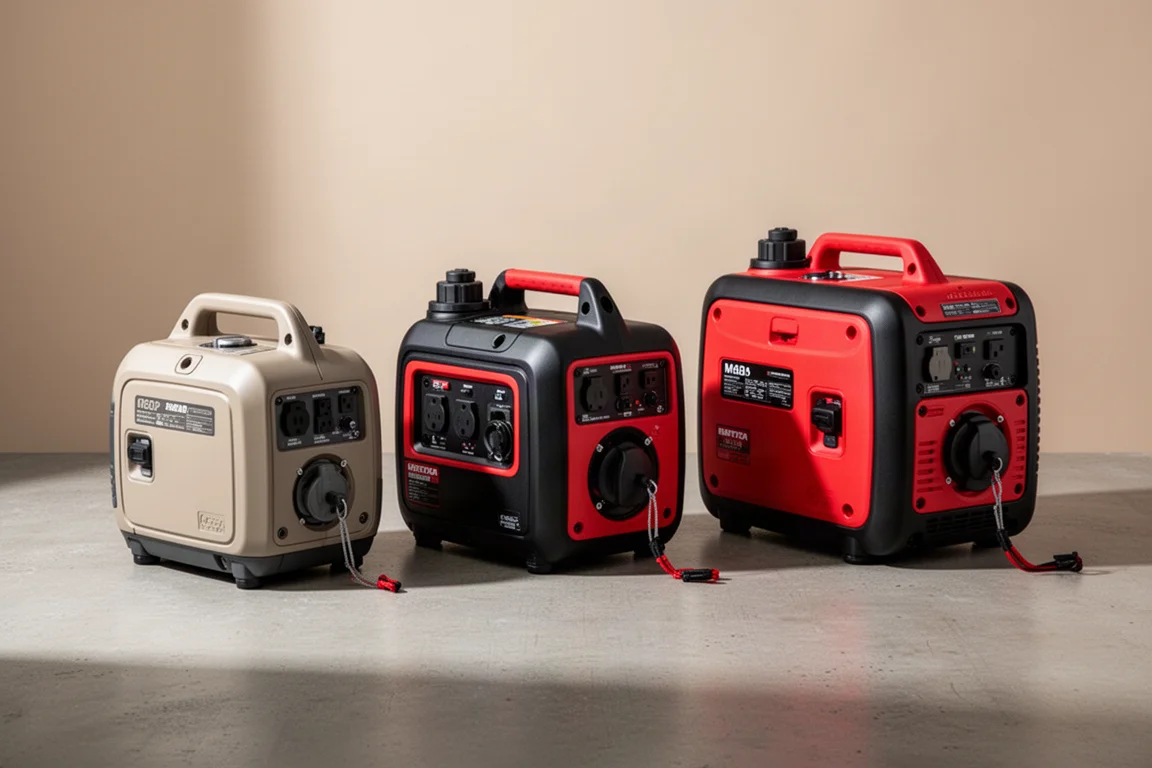
A-iVolt 10000-Watt Inverter Generator Review: Big Power, Surprisingly Quiet
A 10,000-watt starting / 8,000-watt running dual-fuel inverter generator with electric, pull, and remote start, GFCI outlets, and parallel capability.
Generators
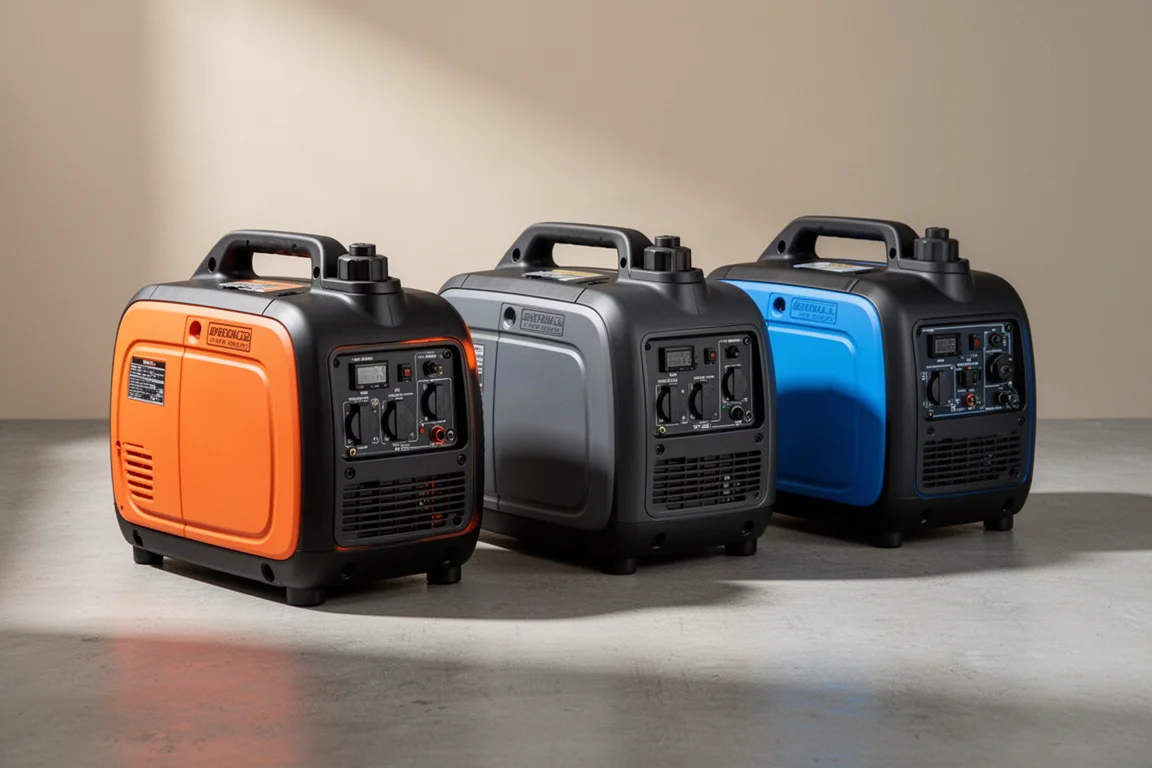
Genmax vs Predator vs Honda: 2000-Watt Inverter Generator Showdown
We put three 2000-watt inverter generators through noise, power quality, fuel efficiency, and engine wear tests to see whether a $370 model can match a $1,200 Honda.
Generators
Best 2300-Watt Inverter Generators: Quiet Power for Camping and Backup
A hands-on look at the Maxpeedingrods MXR 2300 alongside the Honda EU2200i and Pulsar G2319N, with honest notes on price, noise, and features.