Gadget Roundup
Best Gadgets of the Show 2026: 8 Finds Worth a Second Look
From a dash cam with Alexa built in to a flashlight with a built-in compass, eight products that caught our attention on the show floor.
Introduction
Trade shows are a mixed bag: some booths show polished, ready-to-buy products, others tease concepts that may not ship for months. Walking the floor this year, eight finds stood out, some more convincing than others. Here is an honest rundown of what we saw, what each product does well, and where the trade-offs sit, so you can decide which ones are actually worth your money.
Ring Dash Cam
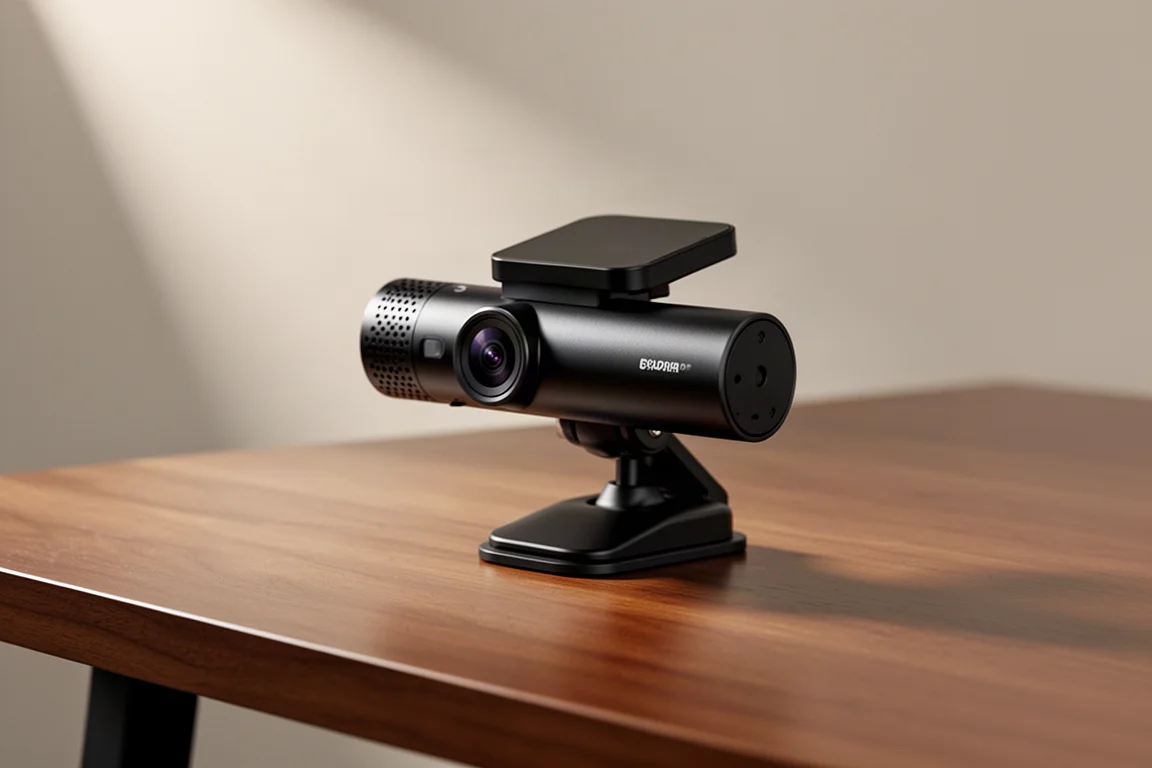
Ring’s new dash cam mounts at the top of your windshield and pulls double duty as an in-car security camera. It connects to Alexa, so if you are getting pulled over you can simply say “Alexa, record” and capture the entire encounter hands-free.
Installation is genuinely simple: the unit sits in its mount and plugs into your car’s OBD port, with the wire routed up to the camera. Once connected, it keeps watch even when the car is parked, so if someone keys your car or damages it while it is sitting unattended, the incident gets detected.
The listed price point is $199, and early buyers reported it moving to around $249 after launch, which makes ordering early the better deal if you are interested.

Generac Home Power One
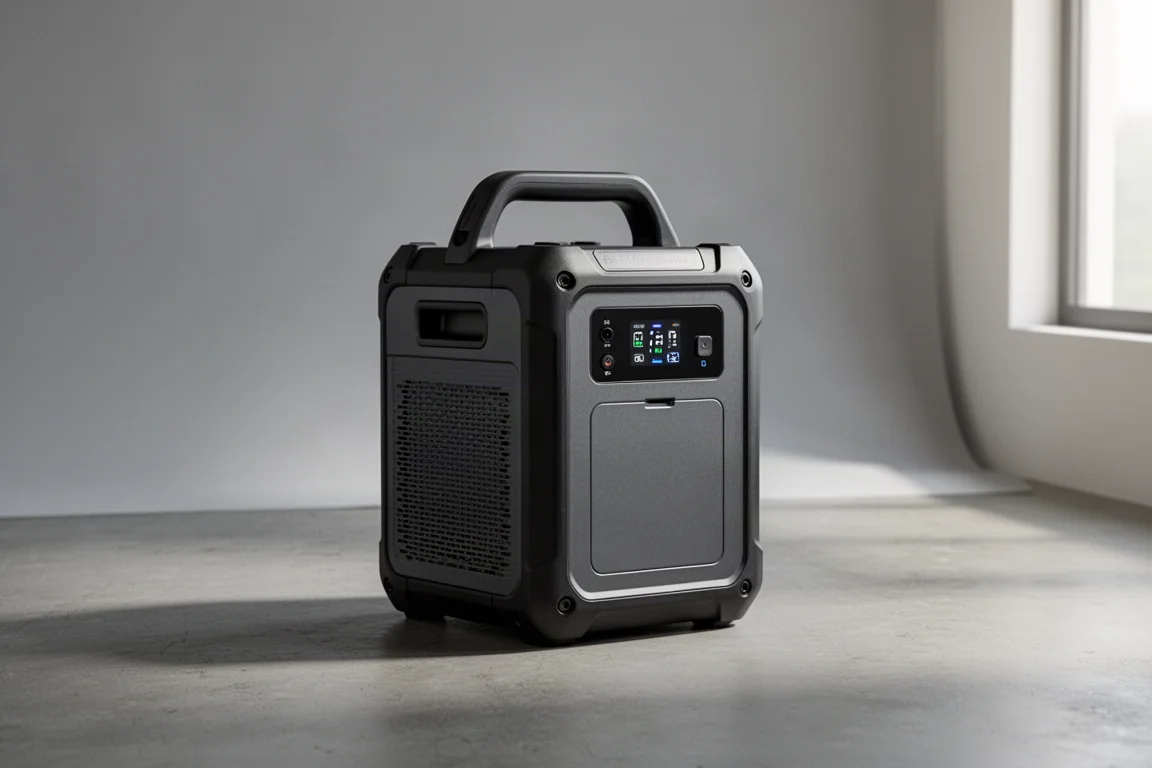
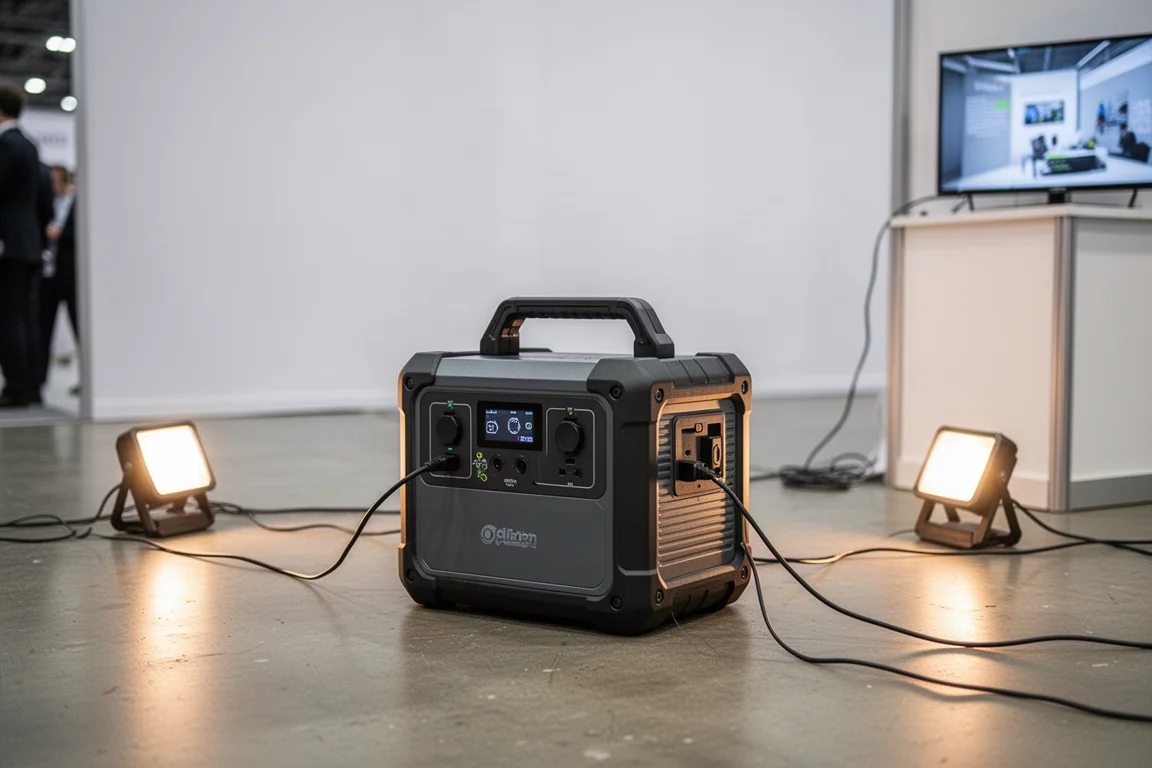
Generac’s solar generators were quietly doing real work at the show: the entire booth we visited was being powered by the Home Power lineup. The Home Power One is the unit in this range that has earned a strong reputation as a dependable piece of equipment.
These units charge from the sun in as little as four hours and use what the company describes as safe battery technology. The range covers different capacities, so you can pick a size that matches how you plan to use it, from backup power to mobile work setups.
If you have been considering solar storage for home backup or events, this lineup is worth a close look.
Canopy Truck Security System
Canopy is a security system that installs in the bed of your pickup truck and connects to cellular service. Its selling point is smart, targeted alerts rather than constant noise: the AI model is backed by more than one hundred thousand datasets, so it only alerts the vehicle owner when it really matters.
The example that got everyone’s attention: if someone is sawing off your catalytic converter, the system picks up that sound and alerts you right away so you can act before it is too late. Alerts arrive as a notification on your phone.
One important caveat: Canopy is not on the market yet. The company said it expects to be in production around May or June, so treat this one as a product to watch rather than a purchase to make today.
Aiper Pool Cleaner
If pool cleaning is on your chore list, Aiper’s demonstration was hard to walk past. The cleaner hugs the side of the pool and uses thrust to press itself against the wall while it scrubs, working its way down the poolside methodically.
Watching it clean in real time was genuinely satisfying: it clung to the wall and scrubbed continuously without needing guidance. For pool owners tired of manual brushing, this is the kind of automation that does a real job rather than a gimmick.


Ring Job Site Camera
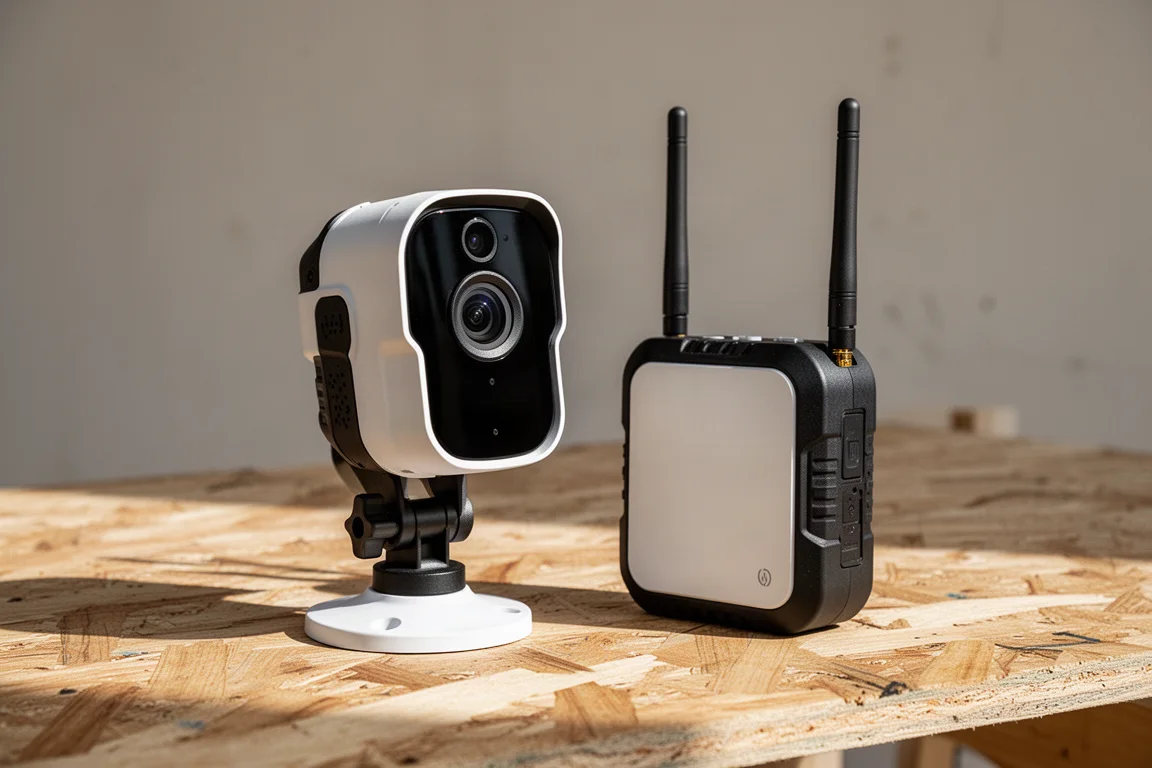
Ring’s job site security kit is a base station that connects over LTE, so you do not need power or internet on site. The starter kit costs $399 with an optional subscription at $20 per month, which covers the cellular service it relies on. The kit includes two batteries rated at eight hours each, a built-in capacity of 24 ounces of reserve power as described at the booth, and around 40 hours of total runtime before you need to recharge. The wireless cameras carry their own batteries and footage goes to the cloud, with no local storage required.
We have to be honest here: this was the one find that did not impress us. On a job site that runs for weeks or months, 40 hours is not even two days of coverage. It makes more sense for short deployments, like setting up cameras for a single overnight job, but the setup effort versus runtime math just did not add up for longer projects.
Recon Digital Tape Measure
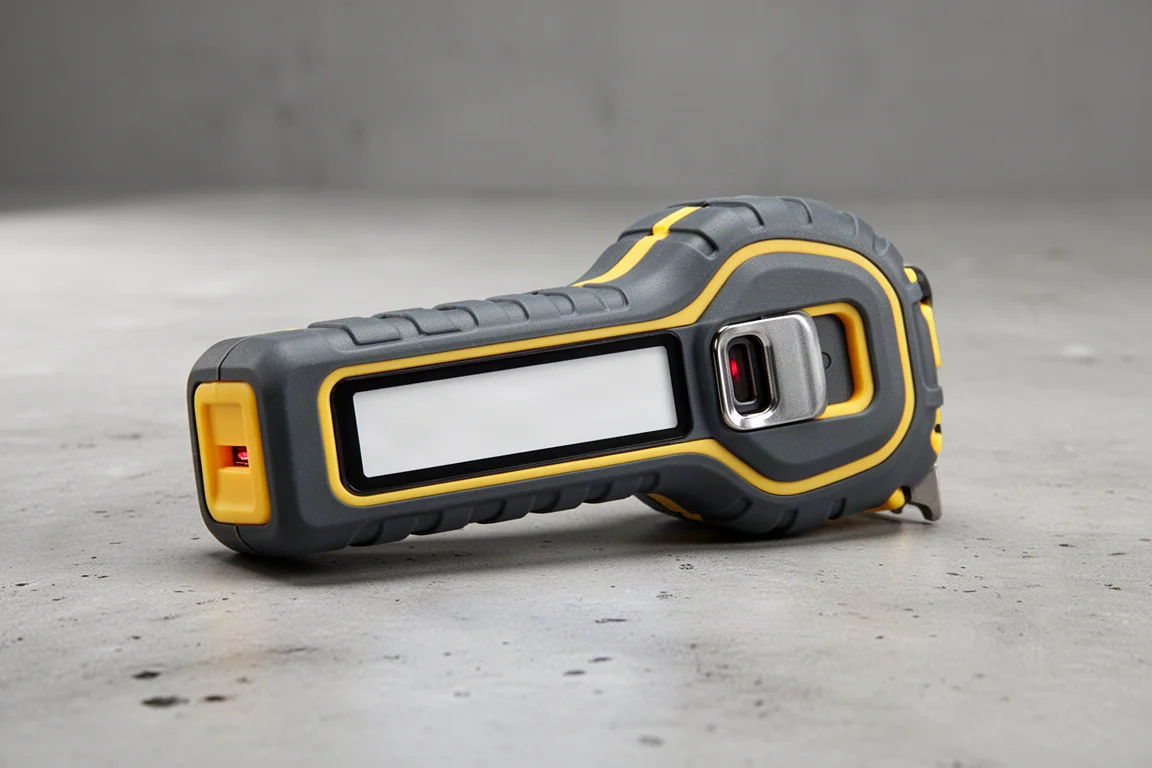
Our pick of the show came from Recon, and it is exactly what it sounds like: a digital construction tape measure designed to eliminate pencil and paper from the workplace.
Measurements you take are saved to a crisp e-paper display that stays readable in direct sunlight, a smart choice for outdoor job sites. It also has a laser for alignment and integrates with a mobile app that lets you print your measurements as stickable QR codes. Slap the QR code onto the material, scan it later, and the measurement pulls right back up. No more “wait, what was that number?”
Teams can also share a project across devices in different locations, with measurements syncing between them. For anyone doing production work, this is a genuinely clever upgrade to a tool everyone already uses.
Centro Desert Beaver
Centro’s Desert Beaver is a small electric vehicle that turned more heads than almost anything else on the floor. The interior genuinely impressed us: nice leather, a proper dash, and a well-finished steering wheel.
It is not perfect. Some components feel cheap, the window in the back drew some raised eyebrows, and the side panels fold down like a mule. There are definite quality issues if you look closely.
That said, at an estimated price around $10,000 it looks like a serious alternative to a UTV. Some of us even said we would have paid more than that for it. Centro’s booth also showed a broader lineup of people movers and vans, so this is a company to keep an eye on.

Jordy Light
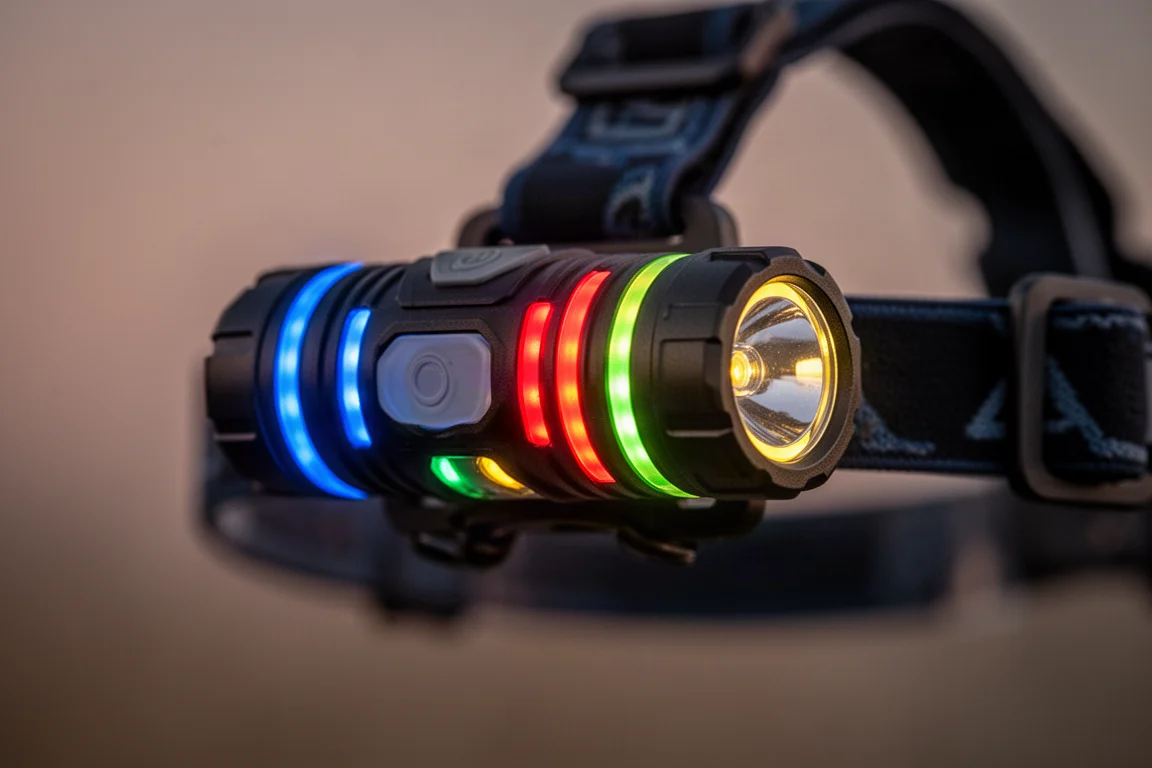
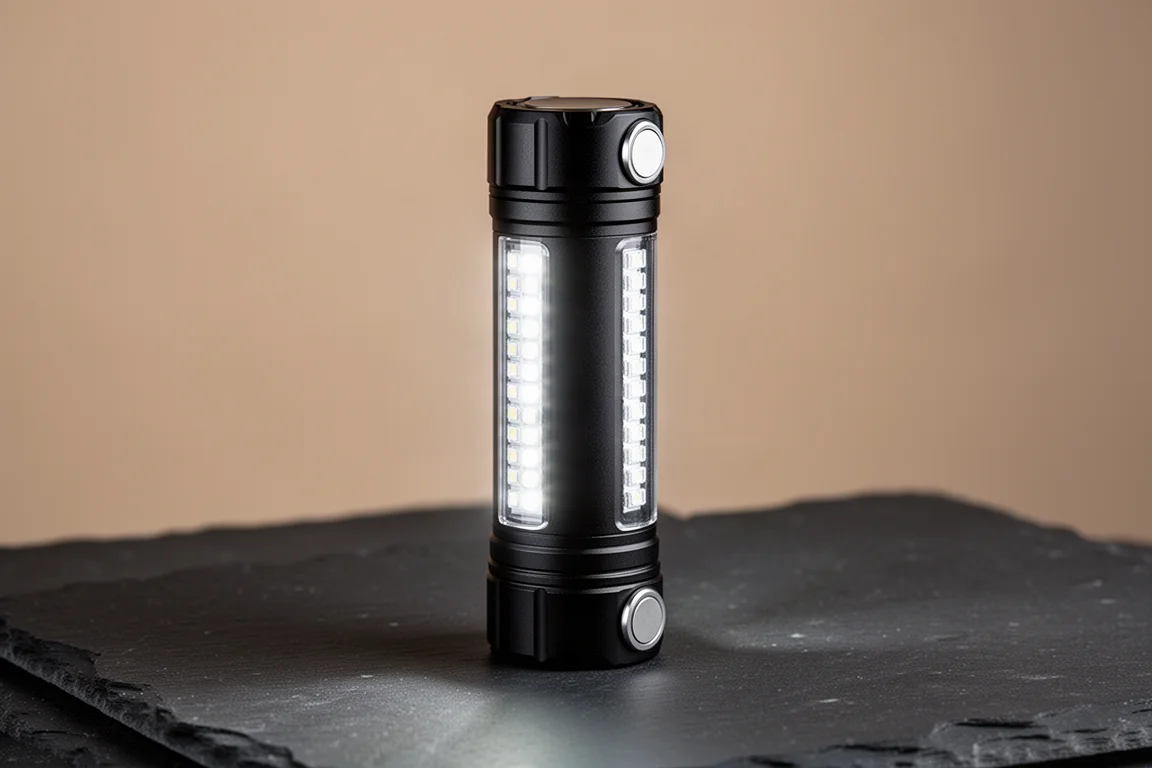
The Jordy Light bills itself as the only flashlight you will ever need, and the feature list backs up the claim. It combines a handheld flashlight, a lantern, and a head-worn light in one magnetic, modular unit.
The headliner feature is the touch sensor screen: tap it and all LEDs light at once, or you can separate them and switch between modes. There is SOS mode, which detects a fall or injury and automatically sends an SOS signal to your emergency contact through the companion app. Party mode is aimed at festival-goers, with ten customizable slots for your own color setups. Scanner mode makes you visible to approaching cars when hiking at night.
The cleverest part is the compass mode: blue points north, red south, green east, and yellow west, so at dusk you can simply glance at the color on your forehead and know your heading. There is also a navigation mode where the app sends a heading, like 270 degrees, and white and red lights point you that way. You can store up to ten custom modes, sync multiple Jordy Lights together with one master controlling the rest for group hikes, and take it underwater to 50 meters, making it scuba-ready.
It is launching on Kickstarter at the end of the month, and signing up at the brand’s website currently gets you $40 off.
Overall Buying Advice
If you want to buy something today, the safest picks are the Ring Dash Cam for in-car and parked-car security, the Generac Home Power One for dependable solar power, and the Recon Digital Tape Measure if you work in construction and want to modernize your workflow. The Aiper pool cleaner is a strong pick for pool owners. The Canopy system and Jordy Light are promising but not yet broadly available, so sign up for updates rather than waiting on a purchase. The Ring job site camera kit is the one we would think twice about unless your deployments are genuinely short, and the Desert Beaver is worth watching if a $10,000 electric utility vehicle appeals to you.
Conclusion
This year’s floor delivered a healthy mix of ready-to-buy and worth-waiting-for. The dash cam and tape measure proved that everyday tools are getting quietly smarter, the power station showed solar is ready for real work, and the more experimental entries reminded us that not every clever idea lands yet. Match the product to your actual use case and the right choice becomes pretty clear.
Further reading
Related Reviews
Gadget Roundup
Five Smart Everyday Gadgets Worth a Look: From Star Wars Key Organizers to a 16-in-1 Cable
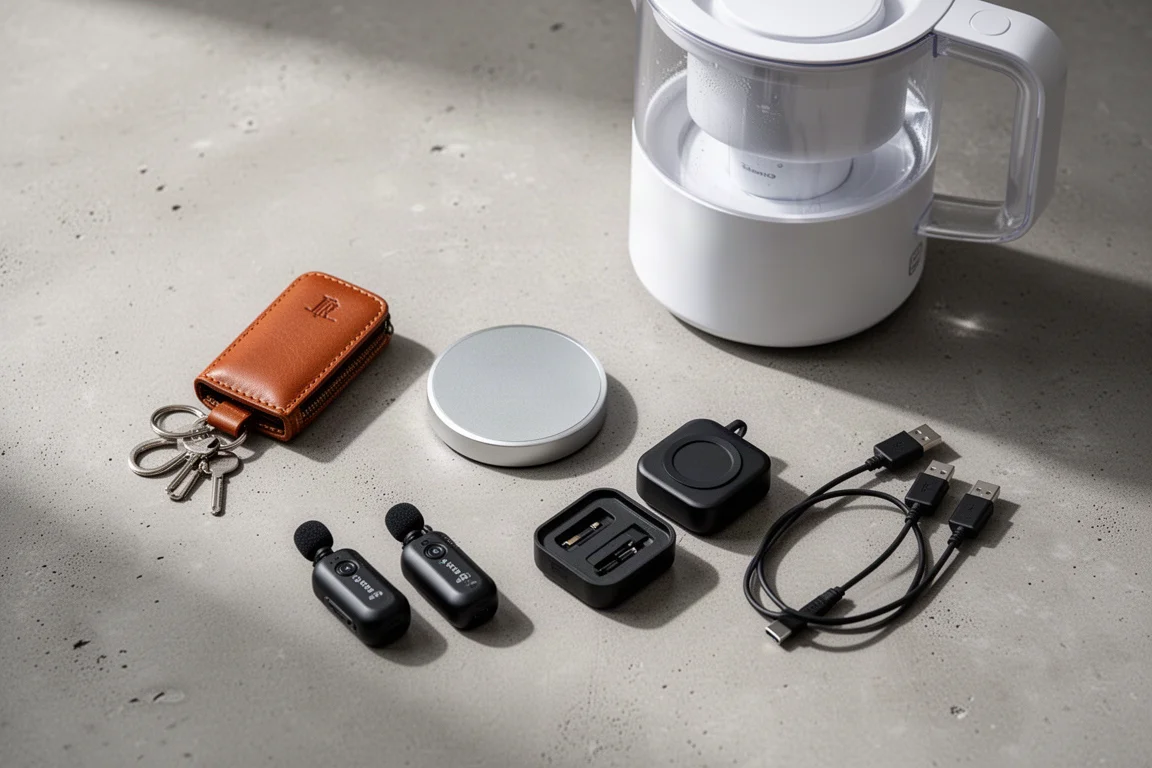
A roundup of five practical finds: Orbit Key's limited Star Wars collection, the LARQ PureVis Pitcher, QuadLock's new Mag system, Hollanand's tiny wireless mics, and Roland Square's InCharge XL.

Backpacking Gear
Building a 10 lb Base Weight: An Ultralight Backpacking Gear List
A practical walkthrough of the ultralight pieces behind a 10 lb base weight, from a 765 g pack and a roomy one-person tent to a full camp chair and a dependable water filter.

Road Bikes
10 New Road Bikes Worth Watching: Aero, Titanium, Steel and Endurance Standouts
A practical roundup of 10 new road bikes, from aero flagships chasing single-watt gains to titanium, steel and endurance platforms built for real roads.