Floorstanding Speakers
Best Floorstanding Speakers Under $1,000: Two Very Different Routes to Big Sound
A practical look at two sub-$1,000 floorstanders, the easygoing Q Acoustics 3050i and the demanding Magnepan LRS, and what each one asks of your amplifier and room.
Introduction
Floorstanding speakers still make sense for listeners who want scale, presence, and the sense of a performance happening in the room rather than in front of a desk. The good news is that the sub-$1,000 tier has improved dramatically over the past five to ten years, and two designs in that band show just how wide the range of valid approaches has become.
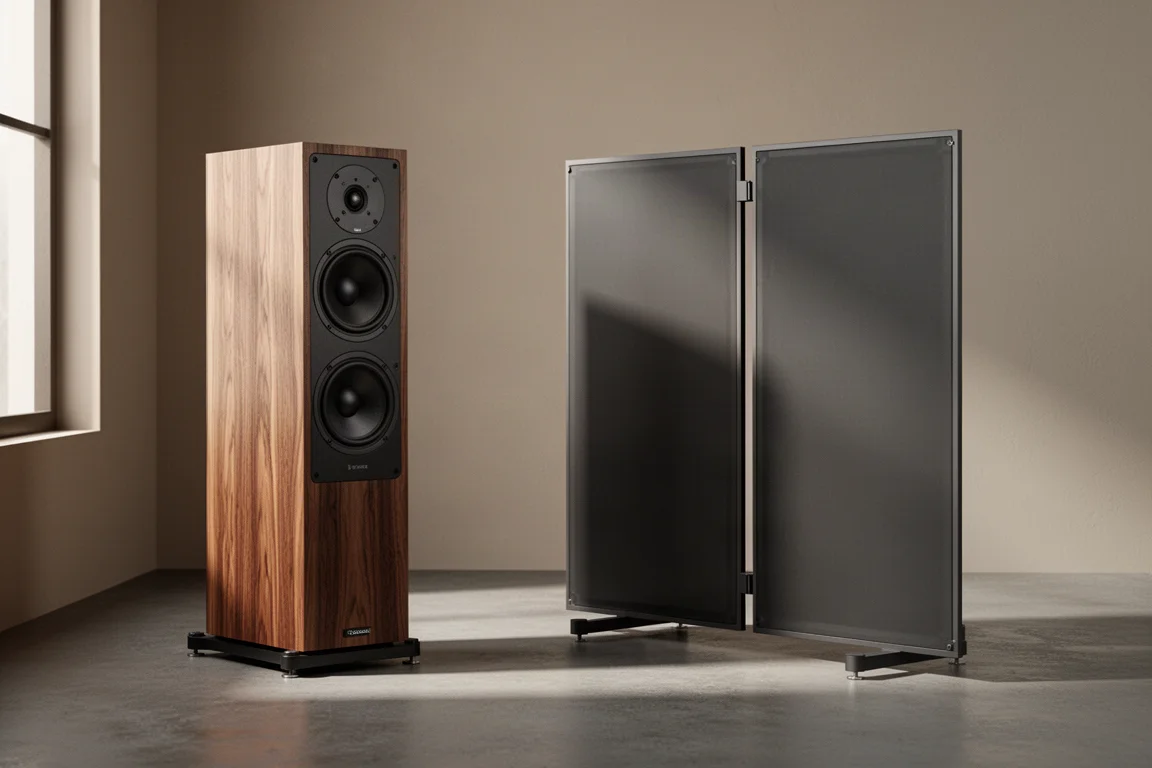
At one end sits the Q Acoustics 3050i, a conventional two-way tower that has flown under the radar for years and is frequently discounted well below its official retail price. At the other sits the Magnepan LRS, a planar ribbon panel that asks far more of the listener, the amplifier, and the room, and gives back a presentation that conventional box speakers rarely match.
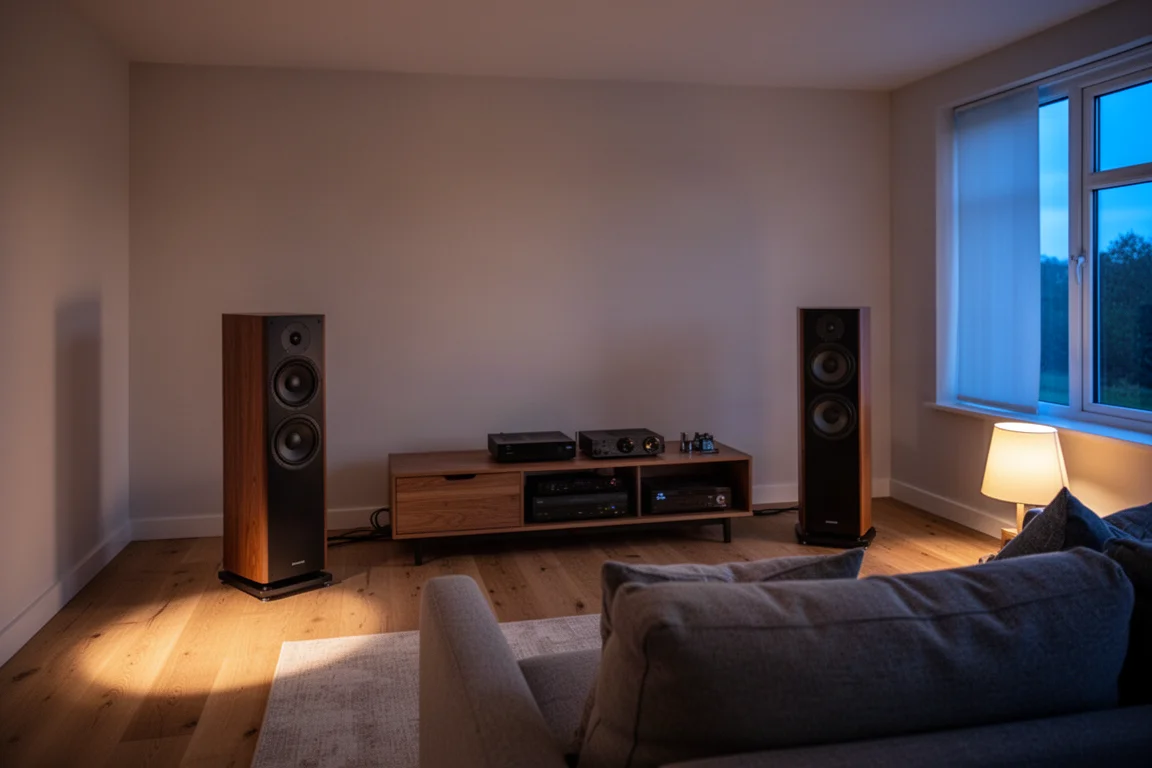
These two speakers are less direct competitors than answers to different questions. One is built to be easy: simple to drive, straightforward to place, and forgiving of modest electronics. The other is built to be transparent, and it will happily reveal the limits of everything upstream of it.
Understanding which of those philosophies fits your system is most of the buying decision. The sections below cover what actually separates a satisfying floorstander from a frustrating one at this price, then look at each speaker on its own terms.
What to Look For in a Sub-$1,000 Floorstander
Four factors separate a satisfying floorstander from a frustrating one in this price band.
Amplifier compatibility matters more than rated wattage. Some speakers here can be driven convincingly by low-powered tube amplifiers, while others need an amplifier that can sustain current into a low impedance load. Sensitivity and impedance tell you far more than a headline power figure.
Bass expectations deserve a reality check. A tall cabinet is not a guarantee of deep bass, and panel designs in particular can look far larger than the low-frequency output they actually produce. Listeners who want genuine low-end weight from a panel speaker usually need to move up to much larger models.
Placement flexibility is the third consideration. Floorstanders with rear ports and panel speakers generally need space behind and beside them. A design that only sounds right pulled three or four feet into the room may not suit a smaller space, and a design that sounds congested against a wall may not suit a large one either.
Domestic reality rounds out the list. A tower that can be nudged by a child or a large dog is a different proposition from a stand-mounted speaker. Stability, foot design, and cabinet finish all matter more than most buyers expect before the boxes arrive.
Q Acoustics 3050i: The Easygoing All-Rounder
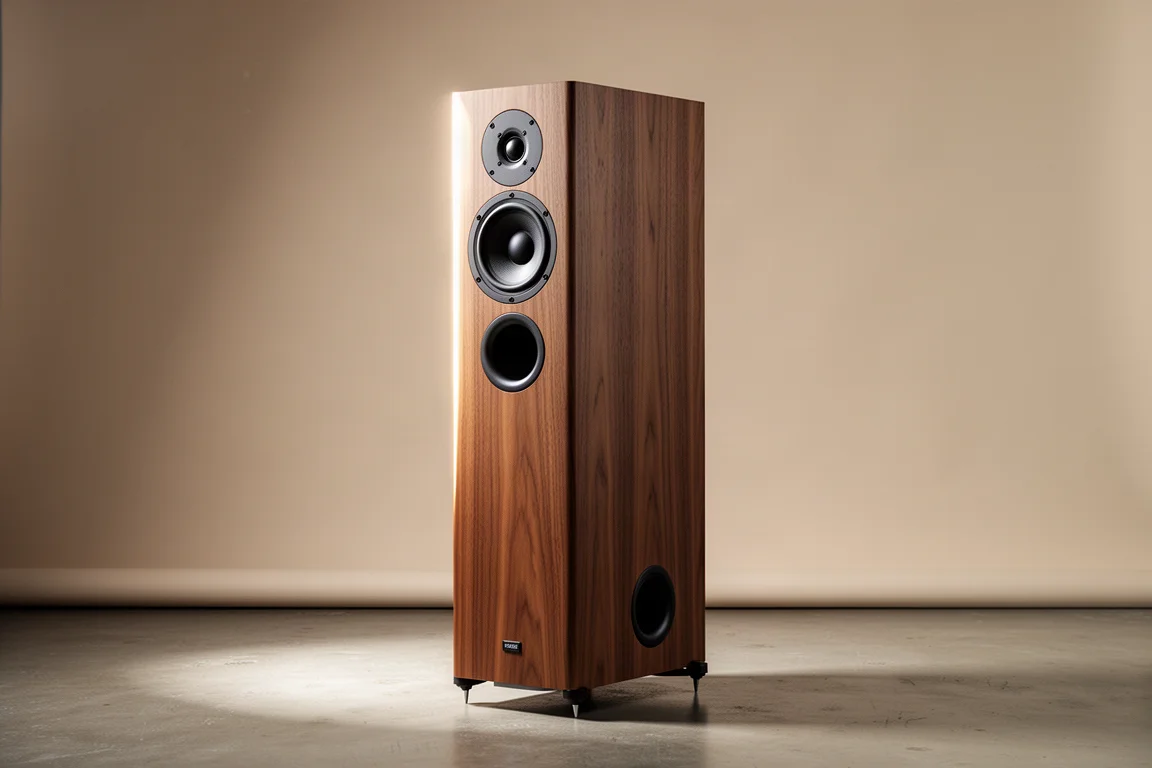
The 3050i is the speaker to consider if you want a large, relaxed, full-bodied sound without rebuilding your system around it. It is a two-way design that is genuinely easy to drive. It has been run successfully with low-powered tube integrated amplifiers, including a 25-watt triode-mode design, and it has also spent time with a long list of modest solid-state integrateds from brands such as NAD, Naim, Rotel, Croft, and Audiolab. Very little of that pairing produced a bad result, and an Audiolab 6000A is a particularly strong match.
Its bass is a genuine strength for the money. Where many affordable towers sound boxy or boomy, the 3050i keeps its low end reasonably well defined. The trade-off is character. It can sound dull, with a straight, slightly rolled-off treble and little in the way of personality, and that criticism is fair. It also means the speaker is not picky about genre: with the right amplifier it is pleasant across almost everything, and it can be used daily with a modest integrated without creating any urge to upgrade.
A few practical notes are worth knowing before you buy. The feet are the weak point and are not as sturdy as they once were, so a set of aftermarket spikes or pads is a sensible addition. UK pricing is the other reason it stands out: official retail sits around £600 to £700, and it is regularly discounted below £500, which is remarkable value for a speaker of this size. US pricing is higher and has risen over the past year. Its popularity in the UK is partly driven by large retailers that move a lot of units, and many buyers use it for home cinema and two-channel duties at the same time.
Magnepan LRS: Panel Sound for the Committed Listener
The LRS is the opposite proposition. It is a planar magnetic ribbon speaker with no conventional cone driver, and it produces a sound that is open, spacious, and unusually holographic for the money. Vocals in particular tend to lock into the centre of the room with a physical presence that box speakers at this price rarely achieve. The ribbon drivers are exceptionally fast, and the presentation carries more body than an electrostatic panel while keeping much of the same see-through quality.
The catch is what it demands. The LRS is a resolving speaker, and it will not flatter low-quality amplification or sources. It needs an amplifier with real current delivery rather than an impressive wattage number, since four-ohm ratings on mass-market receivers rarely tell the whole story. It has been driven convincingly by a high-end integrated costing many times the speaker’s price without ever being embarrassed, and it works well with brands such as Bryston, Emotiva, Cambridge Audio, Adcom, and Pass Labs. Larger NAD receivers are a good match, though the brand’s smaller streaming amplifiers are not.
Bass is the other limitation, and it is worth being clear about it. The panel looks large, but the ribbon does not produce much low-frequency output. Listeners who want real bass from a Magnepan generally need to move up to the much larger models. Subwoofer integration is possible but difficult, because the panel’s speed makes alignment a challenge; fast subwoofers handle it better than most, and the brand’s own subwoofer takes a different approach again.
Setup is genuinely different from a box speaker. The LRS needs room to breathe, with the panels well clear of both the wall behind them and the sidewalls. The tweeter section can be positioned on the inside or the outside, and angling the panel slightly inward so the outer portion reaches the ear first produces a better balance between the high frequencies, the midrange, and the bass. The stock feet are the weakest part of the package: they are unstable and rely on small bars that tilt the speaker upward. Aftermarket stands that lift the panel off the floor and hold it vertical make a meaningful difference to focus and mid-bass punch, which is part of why a dedicated stand option was added to the newer version.
Pricing is highly regional, and this matters more than usual. In the US the LRS has been available around $650, though it has crept upward. In the UK it sits closer to £1,000 and has risen since, which puts it in a much more crowded field where a great deal becomes merely competitive. The newer LRS Plus costs roughly $250 to $300 more, but its changes are not well documented, so the original remains the value proposition.
Amplifier Matching: Why Current Matters More Than Watts
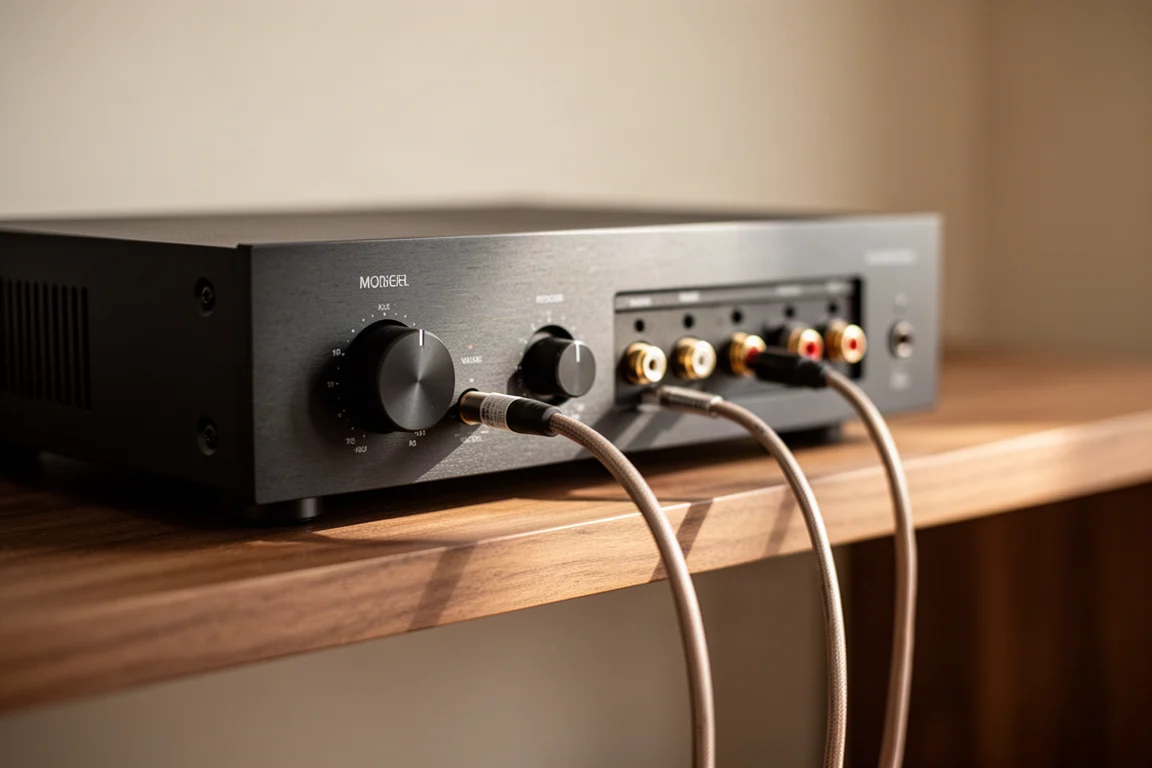
The single biggest predictor of satisfaction with either speaker is the amplifier behind it. The 3050i is unusually tolerant and will sound respectable with almost anything competent, which makes it a safe pairing for a first separates system. The LRS is the opposite: it rewards an amplifier that can sustain current into a low impedance load, and it exposes designs that only quote an optimistic four-ohm figure.
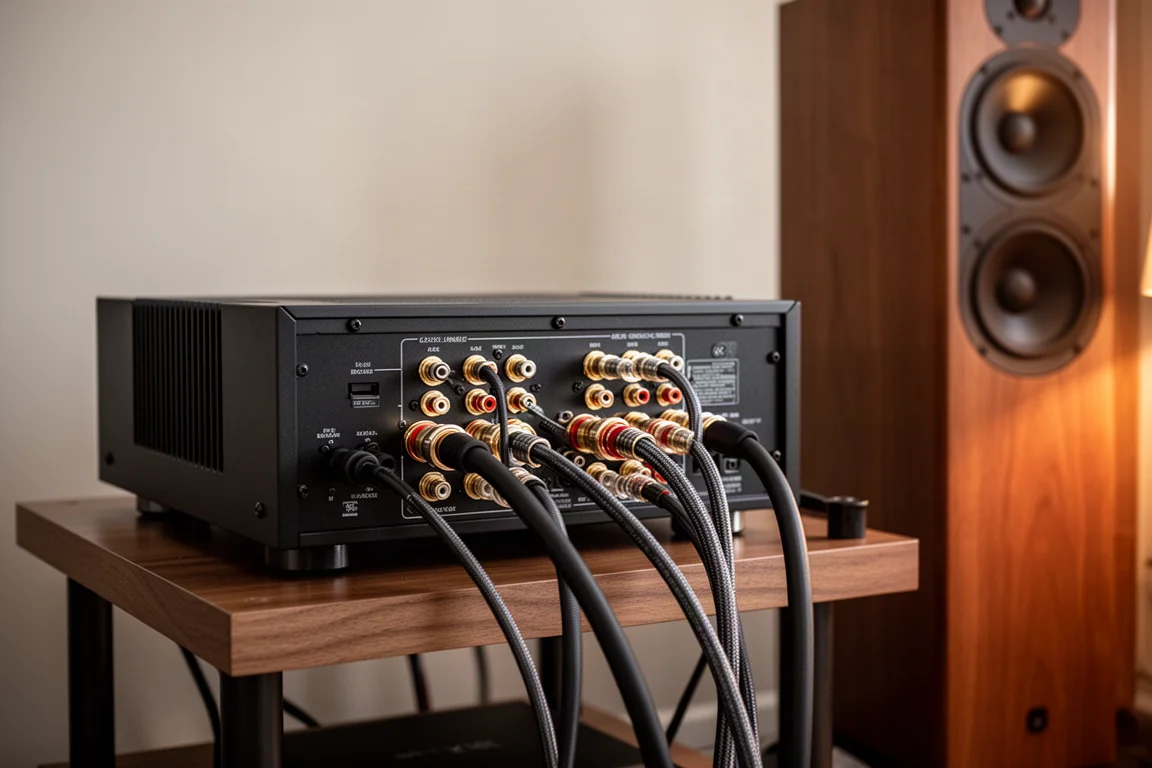
This is where buyers most often go wrong. A receiver rated at 150 watts into four ohms may deliver a fraction of that once several channels are driven and distortion limits are applied. With a panel speaker, that shortfall shows up as a thin, strained presentation rather than an obvious failure, which makes it easy to blame the speaker for a problem that lives upstream.
The practical guidance is simple. If you want a speaker that works with whatever you already own, the 3050i is the low-risk choice. If you are willing to build the system around the speaker, the LRS will reward better electronics more clearly than almost anything else at its price.
Room Placement and Setup Notes
Both speakers need more space than their footprint suggests, but for different reasons.
A conventional tower like the 3050i benefits from being pulled a foot or two into the room and placed so the front baffle sits roughly flush with the front of a media cabinet. That arrangement keeps the bass from loading up against the wall while still looking tidy in a living room.
The LRS needs considerably more. Panels placed well clear of the rear and side walls, with the tweeter section angled to suit the room, will produce a wider and more stable image than the same speaker pushed back against a wall. A panel that sits too close to the wall loses much of what makes it special, and no amount of amplifier quality will recover it.
Domestic factors are worth weighing honestly. A tall tower can be knocked over by a child or a large dog, and a wide panel takes up more floor space than a typical stand-mounted speaker. Buyers with small rooms or busy households should think about this before committing rather than after.
Buying Advice: Which Speaker Fits Your Space
The 3050i is the easier recommendation for most people. It delivers a large, generous sound, it is straightforward to drive, and its bass performance is strong for the price. Its weaknesses, a slightly dull treble and flimsy feet, are real but manageable, and the frequent discounts make it one of the better values in this segment.
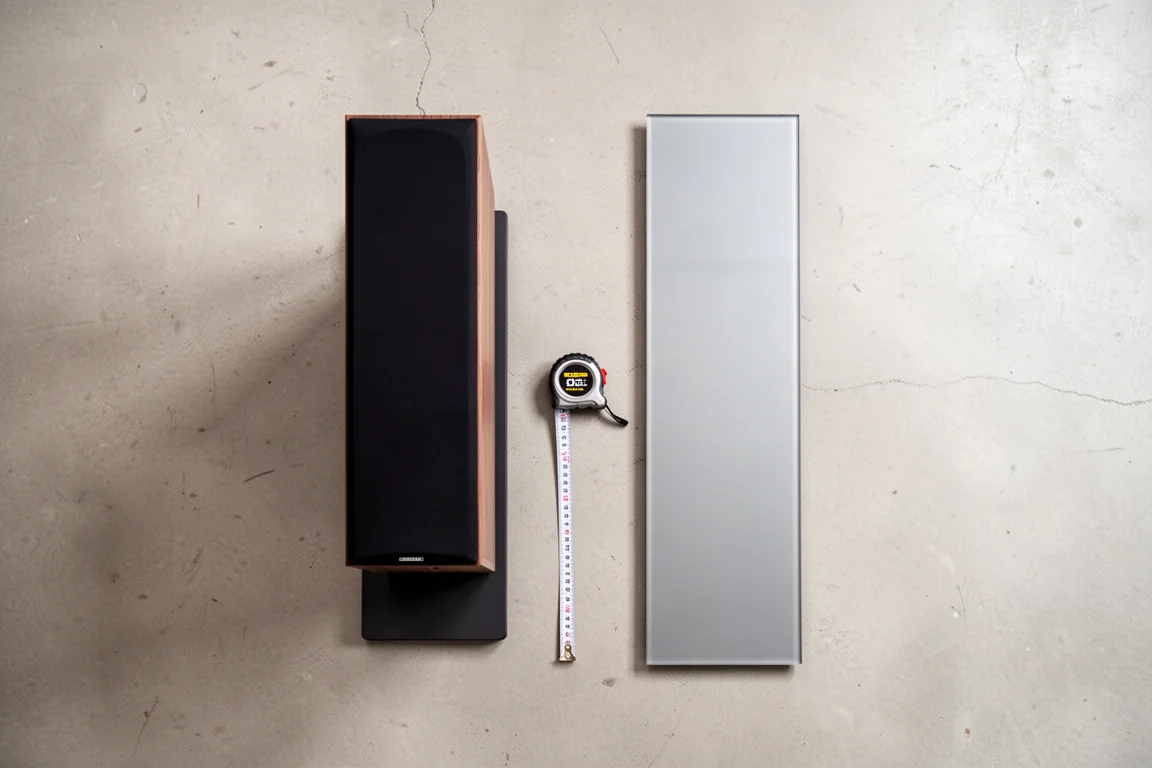
The LRS is the better choice for a listener who already has capable amplification and a room that can accommodate a panel. It offers openness, speed, and imaging that conventional towers at this price cannot match, and it is worth the effort if those qualities matter more to you than bass extension.
A useful way to decide is to ask which problem you would rather solve. With the 3050i, the work is mostly cosmetic: better feet, sensible placement, and you are done. With the LRS, the work is systemic, because the amplifier, the room, and possibly a subwoofer all become part of the project. Both paths are valid, but only one of them matches how you actually want to spend your time.
Conclusion
The sub-$1,000 floorstanding market no longer forces a compromise on build quality or basic competence, and these two speakers show how broad the options have become. The Q Acoustics 3050i is the pragmatic pick: easy to drive, strong in the bass for the money, widely discounted, and content with modest electronics. The Magnepan LRS is the enthusiast’s pick: faster, more open, more revealing, and considerably more demanding of everything around it.
Buy the 3050i if you want a large, unfussy speaker that simply works. Buy the LRS if you have the amplification, the space, and the appetite for a system you actively tune. Either way, match the speaker to your room and your electronics first, and the rest of the decision becomes far simpler.
Further reading
Related Reviews
Floorstanding Speakers
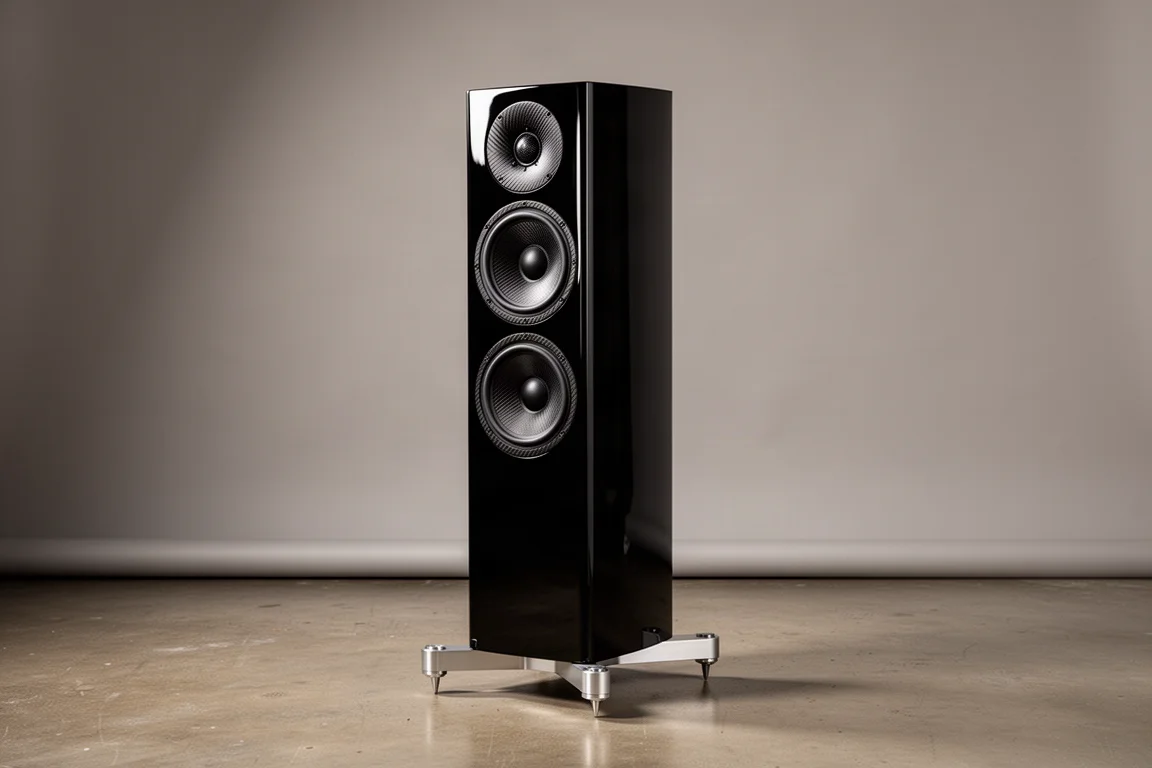
Acoustic Energy AE109 Mark II Review: A Refined Floorstander at £699
The Acoustic Energy AE109 Mark II is a slim, warm sounding floorstander that delivers clarity, midrange body and strong imaging in small to medium rooms.
Floorstanding Speakers
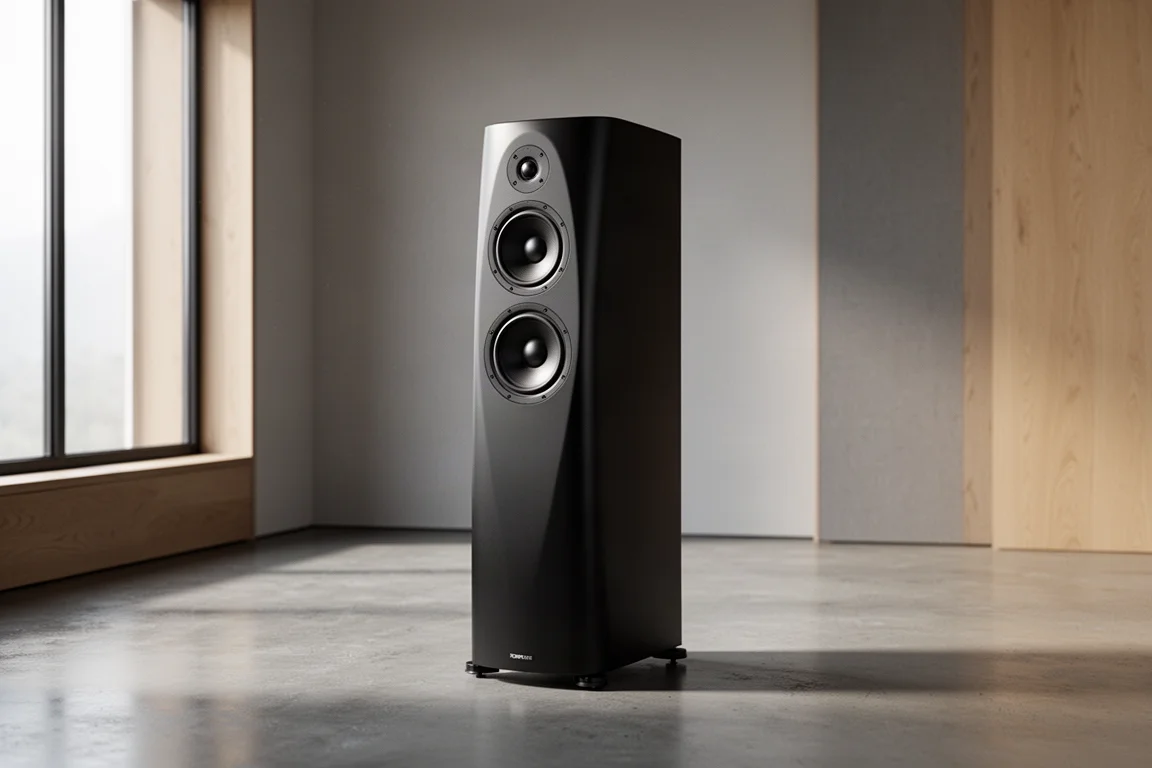
Acoustic Energy AE509 Review: A Slim Floorstander With Deep, Defined Bass
A practical look at the Acoustic Energy AE509, a slim floorstanding speaker with carbon fibre drivers, deep and well-defined bass, and an easy-going character that rewards careful system matching.
Floorstanding Speakers
Arendal 1528 Tower 8 Review: Reference Neutrality With Real Demands
A close look at the Arendal 1528 Tower 8, a nearly five-foot, 200-pound floorstander that rewards generous space, serious power, and high listening levels with reference-grade neutrality.