Floorstanding Speakers
Best Floorstanding Speaker Deals: Wharfedale Diamond 12.4, Emotiva T1+, and Klipsch RP-6000F
Three heavily discounted floorstanding towers with very different sonic signatures, and how to choose the one that fits your room, your amplifier, and the way you listen.
Introduction
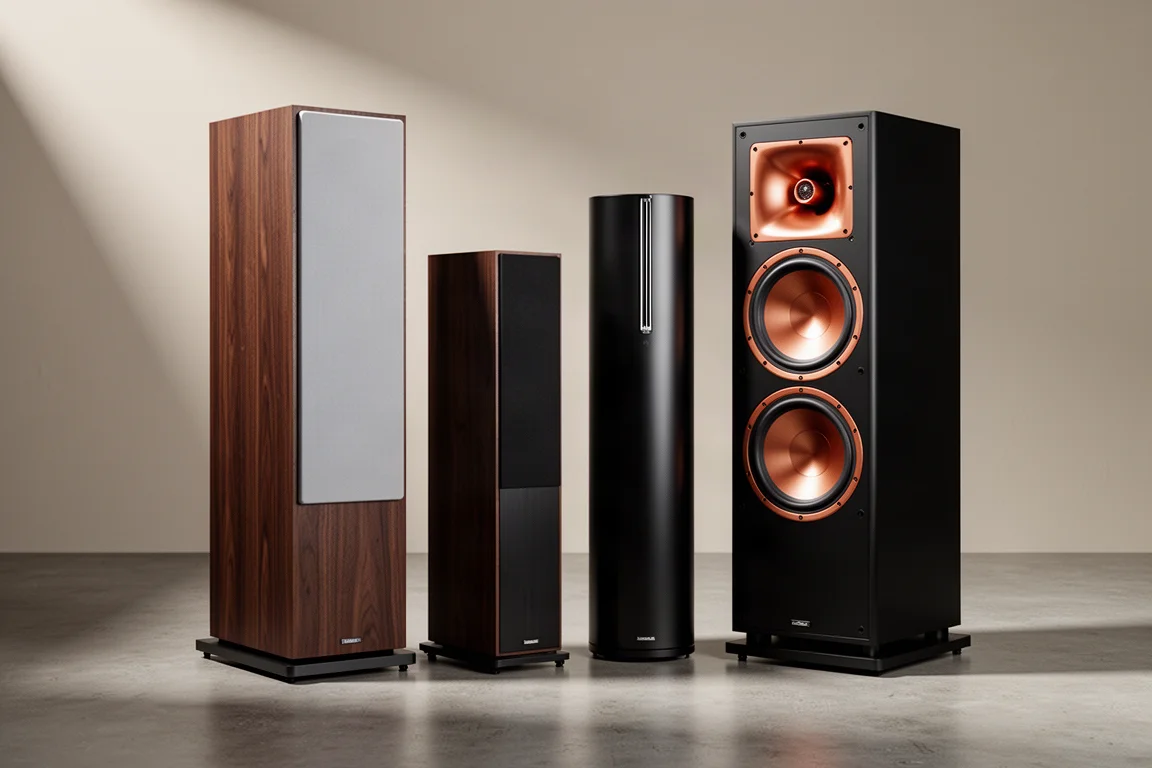
Three floorstanding speakers are currently selling well below their original retail pricing, and each one takes a genuinely different approach to sound. The Wharfedale Diamond 12.4, the Emotiva T1+, and the Klipsch RP-6000F occupy roughly the same price territory right now, yet they are not interchangeable. One is a relaxed all-rounder that flatters almost any recording. One is a detail-first design with a narrow vertical sweet spot. One is a high-sensitivity speaker built for impact and entertainment.
The differences between them are large enough that the right choice becomes fairly clear once you know what your room and your electronics can support.
What to Look For in a Discount Floorstanding Speaker
Three specifications matter more than the marketing copy when you are comparing towers in this price band.
Sensitivity and impedance determine how much amplifier you need. The Emotiva T1+ and the Wharfedale Diamond 12.4 both sit at 88 dB efficiency, and the Emotiva runs at a nominal 4 ohms, so both benefit from an amplifier with real current delivery. The Klipsch RP-6000F is rated at 97 dB, which makes it by far the easiest of the three to drive.
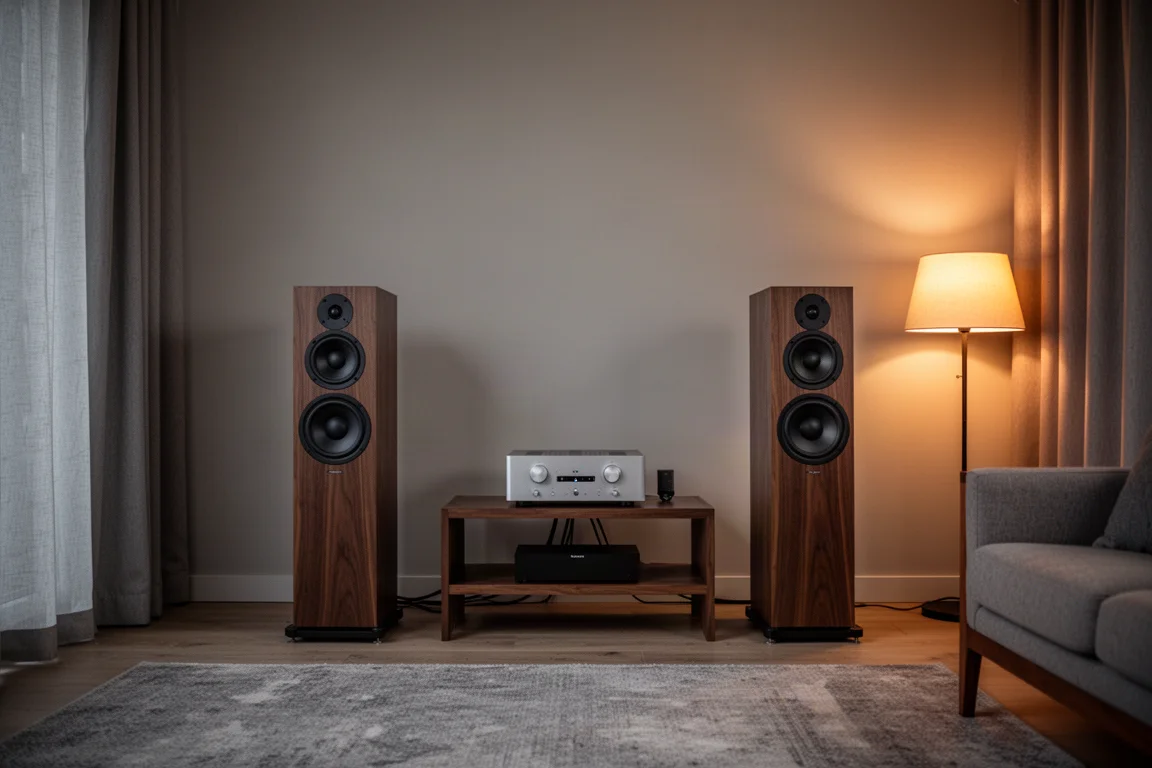
Cabinet dimensions decide whether the speaker actually fits your room. The Klipsch is the deepest of the group at roughly 17 inches, so it needs breathing room from the wall behind it. The Wharfedale is the tallest at about 45.5 inches, standing around 5 inches above the other two.
Tweeter technology shapes the top end. A textile dome, a folded ribbon, and a titanium diaphragm design each produce a different character, and that character is the main reason these three speakers sound so distinct from one another.
Wharfedale Diamond 12.4: The Best All-Arounder
The Diamond 12.4 is the most balanced speaker of the three. Its bass is genuinely punchy, its midrange leans slightly warm without smothering detail, and its highs are present rather than rolled off. It is not a detail monster, and the area where it gives up the most ground is top-end extension and the sense of air around live performances.
What it does extremely well is behave. The vertical sweet spot is much wider than the competition, so you can move around the room without hearing a dramatic change in the sound. It also avoids the listening fatigue that can set in with more aggressive tunings, which means you can turn it up and leave it there.
Build quality is the strongest of the trio from an aesthetic standpoint. The front baffle is smooth and reflective, the cabinet is solid at 49.3 pounds per speaker, and although it is not real wood veneer, it looks the part. Behind the grille you get a 6.5-inch midrange driver, a 6.5-inch paper-pulp bass driver, and a 1-inch textile dome tweeter, with an 8-ohm nominal load.
The Diamond 12.4 also scales with better electronics. Cleaner sources and more capable amplification add size and clarity, which is unusual at this price. It stays neutral enough that warm electronics make it richer and clean electronics make it sharper, rather than pushing the system in one fixed direction.
Emotiva T1+: The Detail-First Option
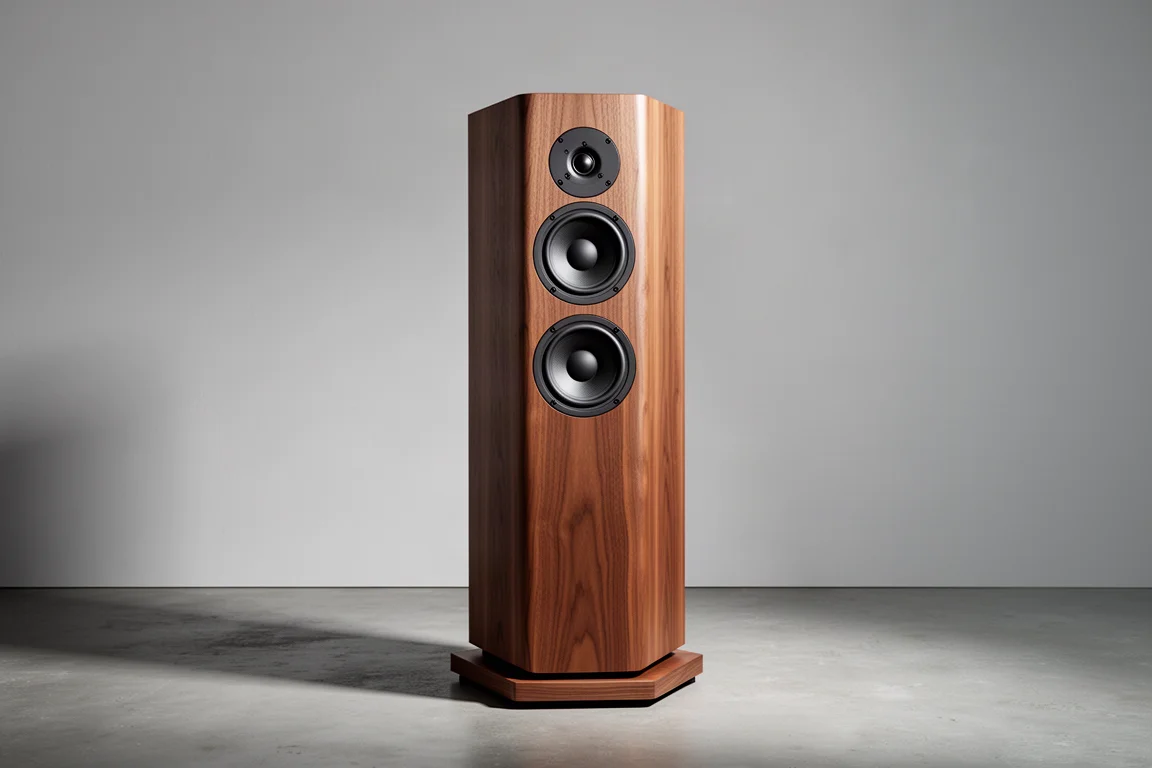
If hearing deeper into a recording is the priority, the T1+ is the pick. Its folded ribbon tweeter and woven fiber woofers deliver clarity and control that the other two cannot match, and its midrange is punchy and tightly controlled. It images well even when toed straight out rather than angled toward the listening position.
That clarity comes with conditions. The vertical drop-off above the tweeter is severe, so the T1+ rewards a fixed listening position and punishes anyone standing up or moving around. It is also honest to a fault: not every recording will sound brilliant on it. Rated from 37 Hz to 28,000 Hz with a nominal 4-ohm load and 88 dB efficiency, it wants an amplifier with current on tap.
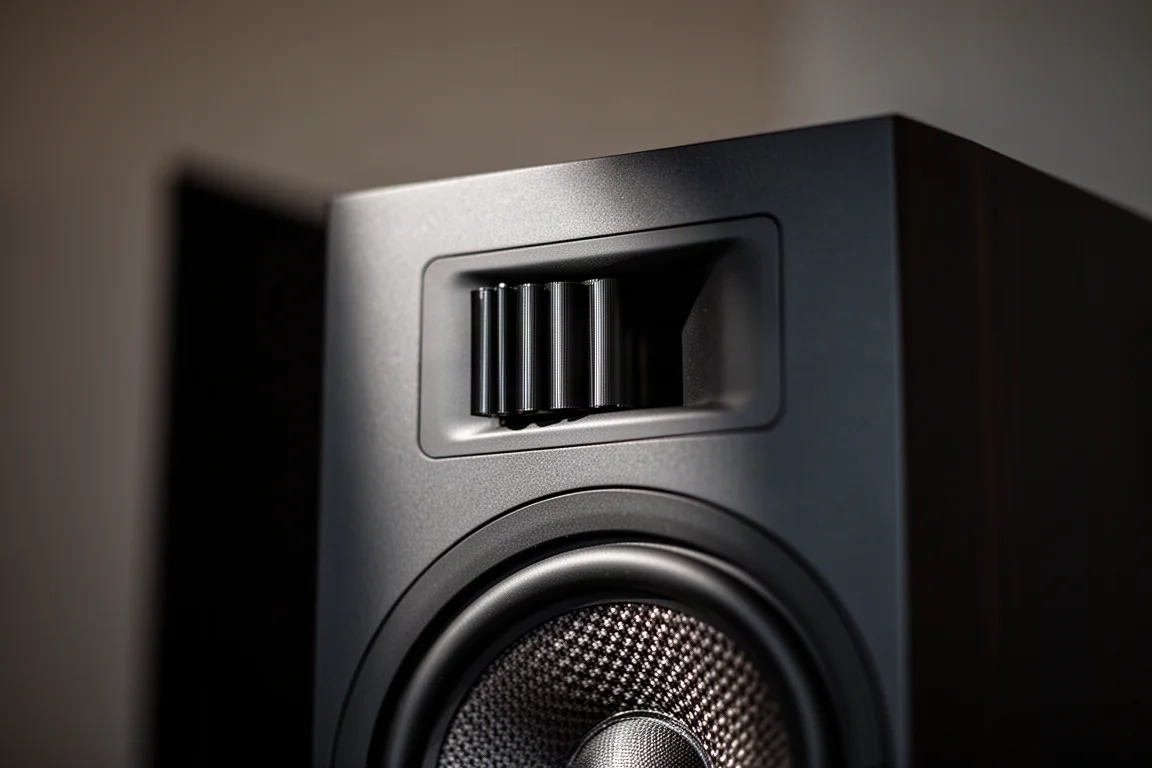
Physically it is the compact option at about 38 inches tall and 40 pounds, with a 4.5-inch midrange driver, two 6.5-inch woven fiber cone woofers, and a roughly 1-inch folded ribbon tweeter.
At around $500 per pair against an original retail of roughly $800 to $900, the T1+ carries the steepest discount of the three. The line is being phased out, so availability is the main practical concern. Emotiva is also running a promotion that takes a percentage off orders over $1,000, with an additional discount available to military veterans and first responders.
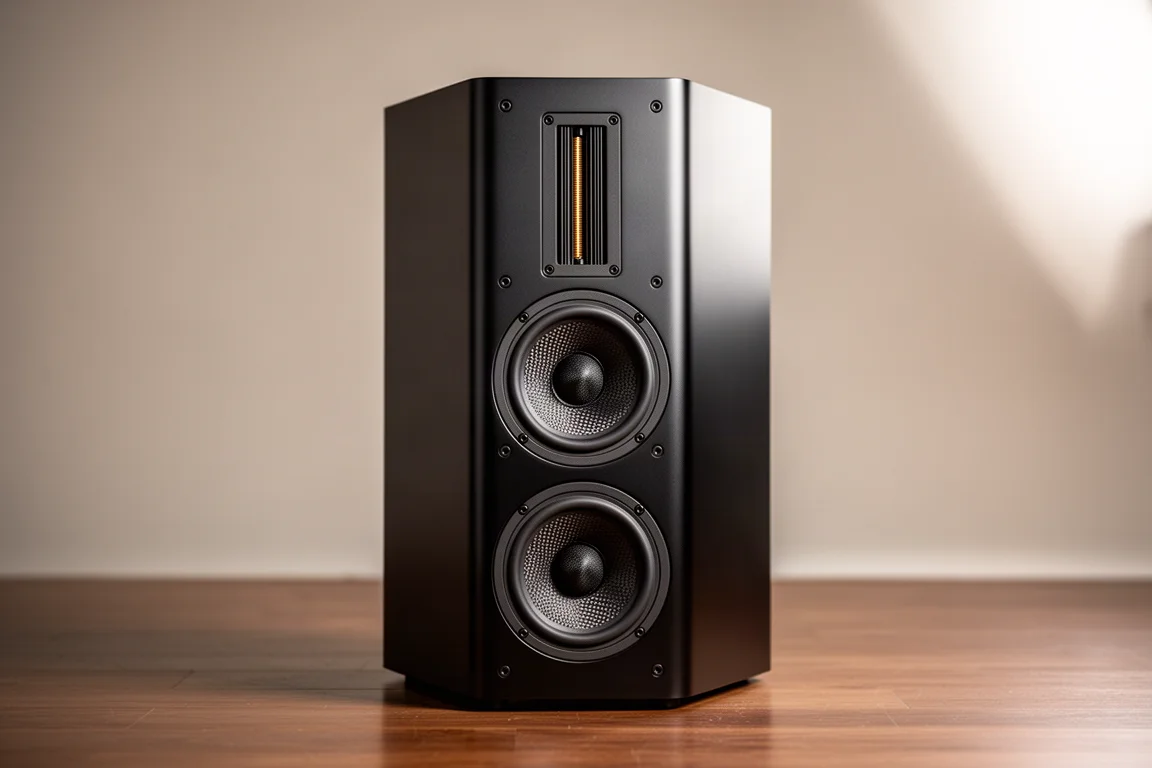
Klipsch RP-6000F: The High-Sensitivity Entertainer
The RP-6000F is the fun one. Its response is gently V-shaped, with a scooped midrange and a lift in the upper midrange around 1,800 to 2,500 Hz. That tuning makes voices sound vivid and forward, but it also makes vocals less natural than they are on the Diamond 12.4, and it can come across as slightly honky in a direct comparison.
The upside is efficiency. At 97 dB, the Klipsch needs far less power than the other two to reach the same volume, which makes it a practical choice for modest amplifiers. Two 6.5-inch Cerametallic cone woofers and a 1-inch titanium diaphragm tweeter handle the output, with low-end response rated down to 34 Hz.
The trade-offs are real. This is the most directional speaker of the three, and at higher volumes the upper-midrange lift can cause listening fatigue over a long session. It is also the deepest cabinet here at roughly 17 inches and about 40 inches tall, so it needs more space behind and beside it than the Wharfedale or the Emotiva.
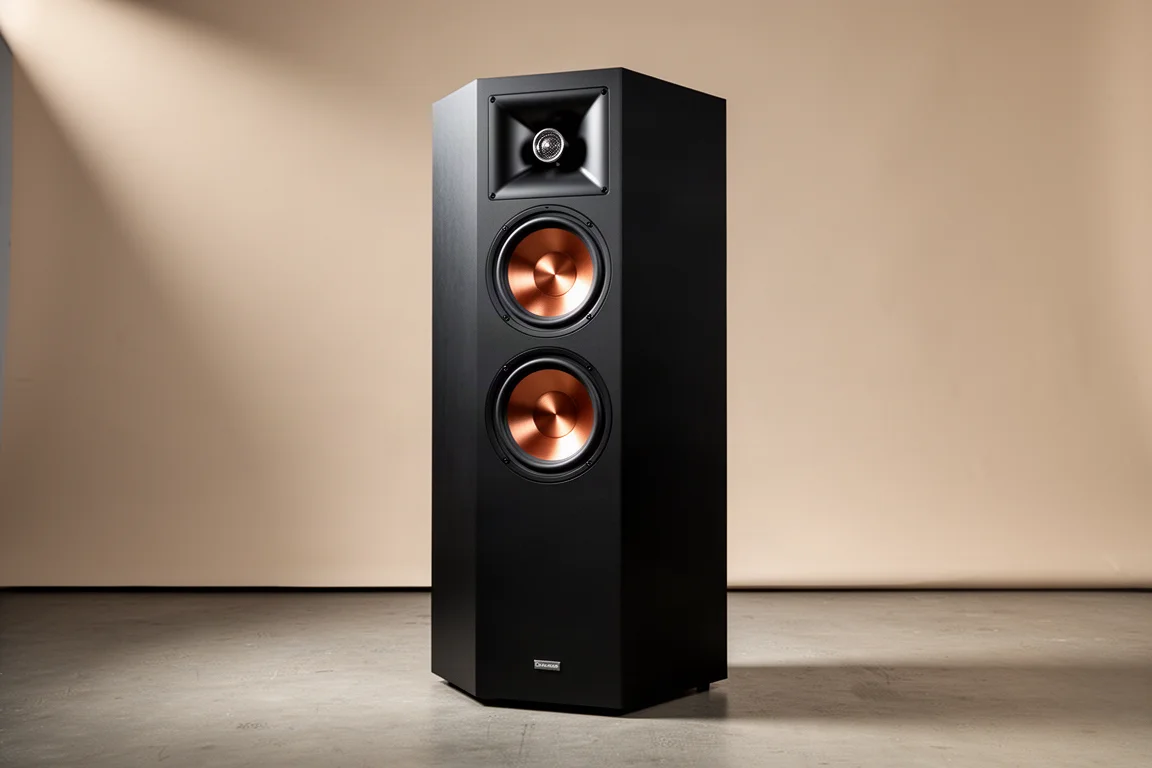
How These Three Speakers Compare
Placed side by side, the differences are easy to summarize. The Wharfedale is the most neutral and the most forgiving. The Emotiva is the most revealing, but only inside a narrow vertical window. The Klipsch is the most efficient and the most immediately exciting, at the cost of natural vocal timbre and long-session comfort.
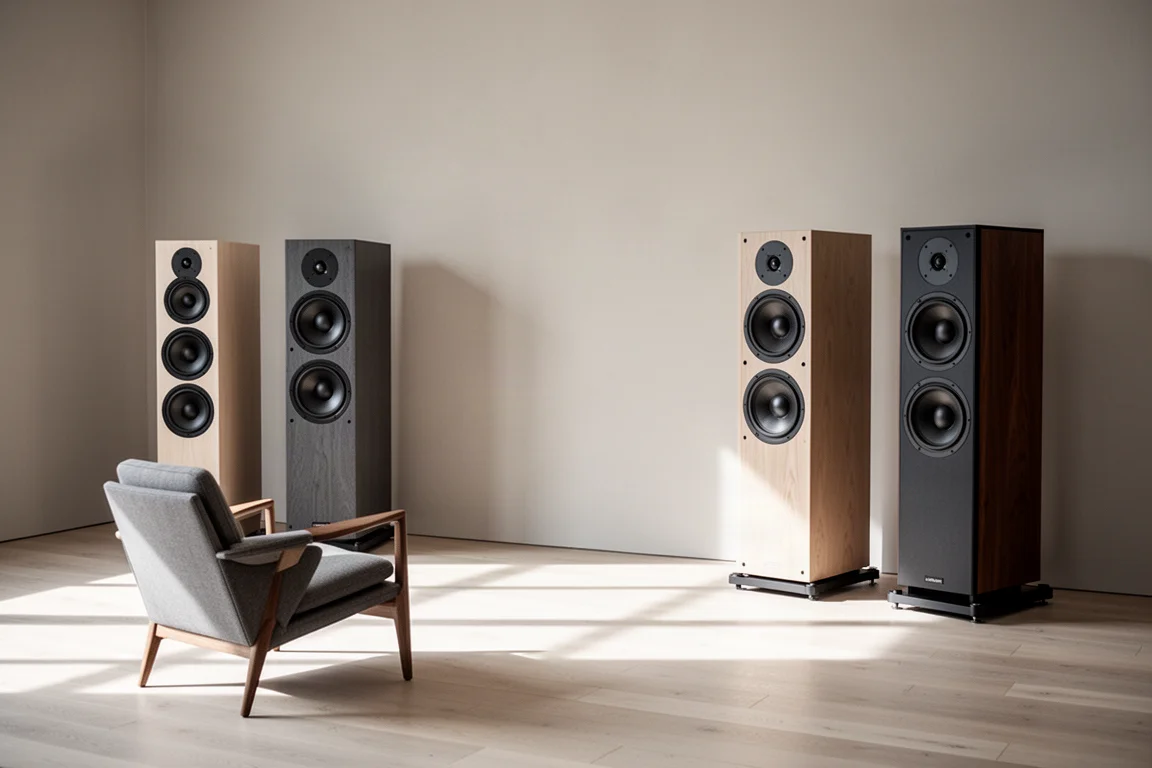
For rooms where listeners move around, the Diamond 12.4 has a clear advantage. For a dedicated single-seat setup where detail matters most, the T1+ is the more rewarding speaker. For low-powered amplifiers and a preference for impact over accuracy, the RP-6000F makes the most sense.
Matching Amplification to the Right Speaker
The Diamond 12.4 is the easiest of the three to pair. A warmer amplifier such as a Marantz or a Denon PMA-600NE pushes it toward a richer sound, while a cleaner Yamaha AS301, AS501, or AS701 adds definition. A high-current power amplifier adds punch and clarity at the same time, and a clean source with upgraded op-amps can widen the soundstage.
The Emotiva T1+ needs current, so a 4-ohm-friendly amplifier is not optional. It also benefits from careful placement and a listening position locked to tweeter height.
The Klipsch RP-6000F will run happily on almost anything thanks to its 97 dB rating, but the upper-midrange lift means a smoother, warmer amplifier is often the better match.
Overall Buying Advice
All three of these speakers are strong buys at their current discounts, and the deciding factor is the listening you actually do.
If you want one speaker that handles movies and music, forgives imperfect recordings, and stays comfortable at high volume, the Wharfedale Diamond 12.4 is the safest choice of the three at around $750 per pair against a $1,300 retail. It is also the best built of the group and the one that improves most as the rest of the system improves.
If your priority is extracting the most detail from well-recorded music and you sit in one place, the Emotiva T1+ delivers more resolution for around $500 per pair. If you have a modest amplifier and want a lively, high-output speaker, the Klipsch RP-6000F at around $800 per pair is the natural fit.
Because the Emotiva and Klipsch lines are being phased out and the Wharfedale pricing may not hold, availability is worth checking before you commit.
Conclusion
Three discounted floorstanding speakers, three distinct characters. The Wharfedale Diamond 12.4 is the best all-rounder, the Emotiva T1+ is the detail specialist, and the Klipsch RP-6000F is the efficient entertainer. Match the speaker to your room, your amplifier, and your listening habits, and any of the three will serve you well.
Further reading
Related Reviews
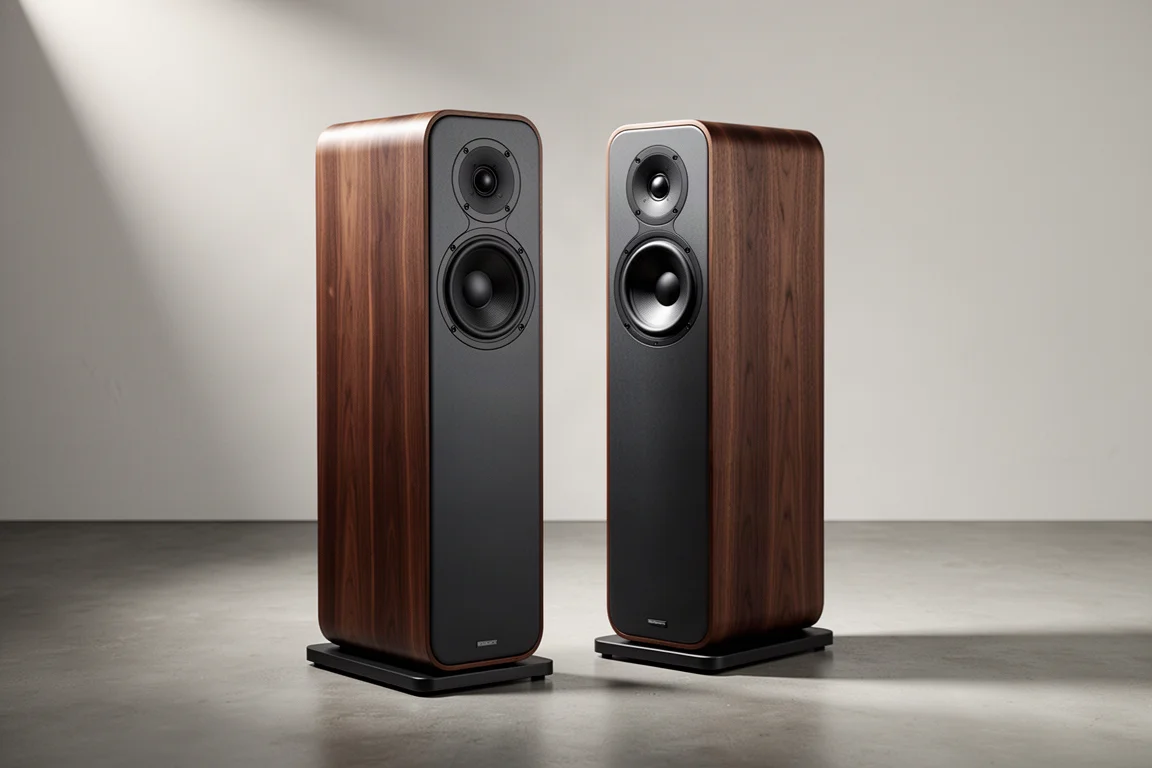
Floorstanding Speakers
Acoustic Energy AE109 Mark II Review: A Refined Floorstander at £699
The Acoustic Energy AE109 Mark II is a slim, warm sounding floorstander that delivers clarity, midrange body and strong imaging in small to medium rooms.
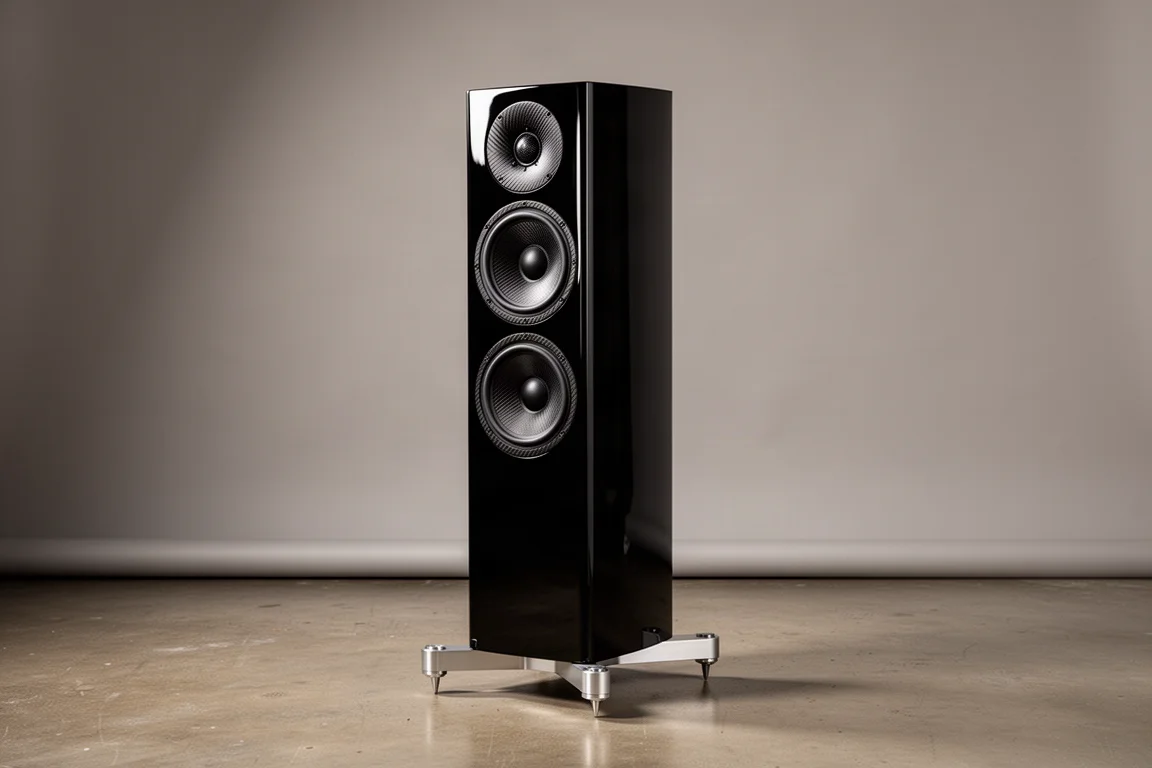
Floorstanding Speakers
Acoustic Energy AE509 Review: A Slim Floorstander With Deep, Defined Bass
A practical look at the Acoustic Energy AE509, a slim floorstanding speaker with carbon fibre drivers, deep and well-defined bass, and an easy-going character that rewards careful system matching.
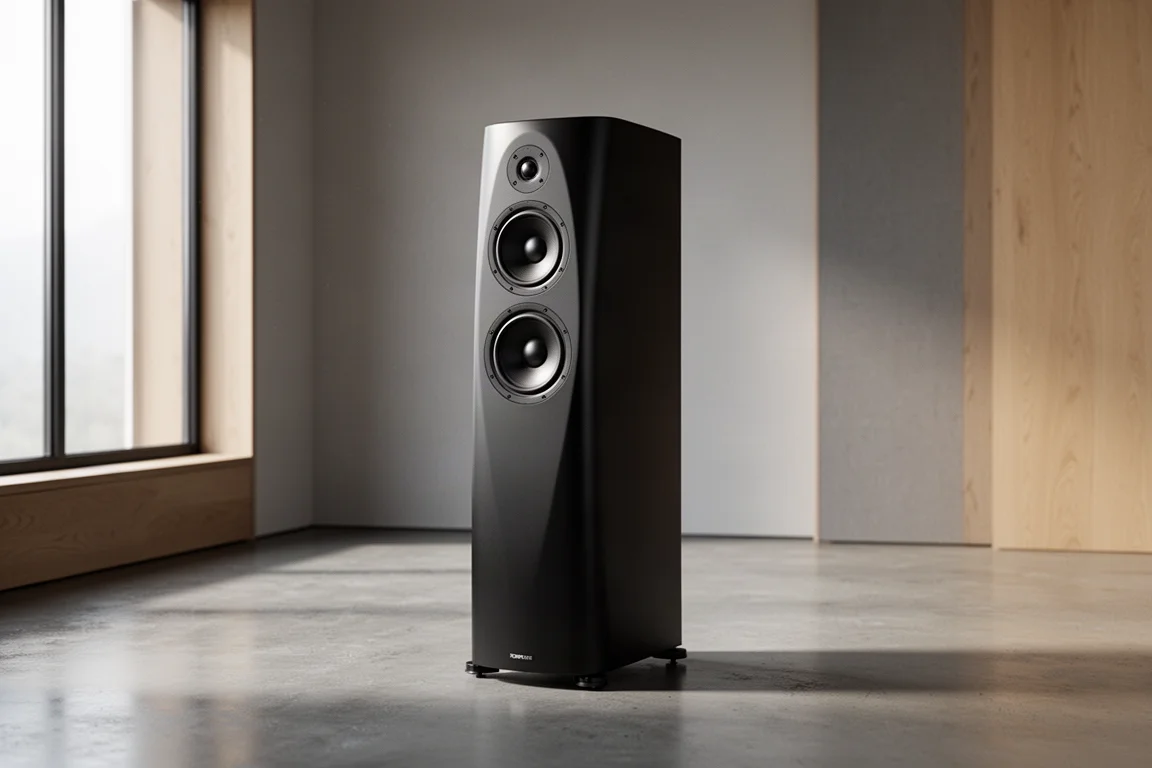
Floorstanding Speakers
Arendal 1528 Tower 8 Review: Reference Neutrality With Real Demands
A close look at the Arendal 1528 Tower 8, a nearly five-foot, 200-pound floorstander that rewards generous space, serious power, and high listening levels with reference-grade neutrality.