Coffee Equipment
Best Espresso Machines Under 500 Pounds: Five Models Tested and Compared
A detailed comparison of five espresso machines priced between 189 and 529 pounds, covering build quality, espresso extraction, and milk steaming performance.
Introduction
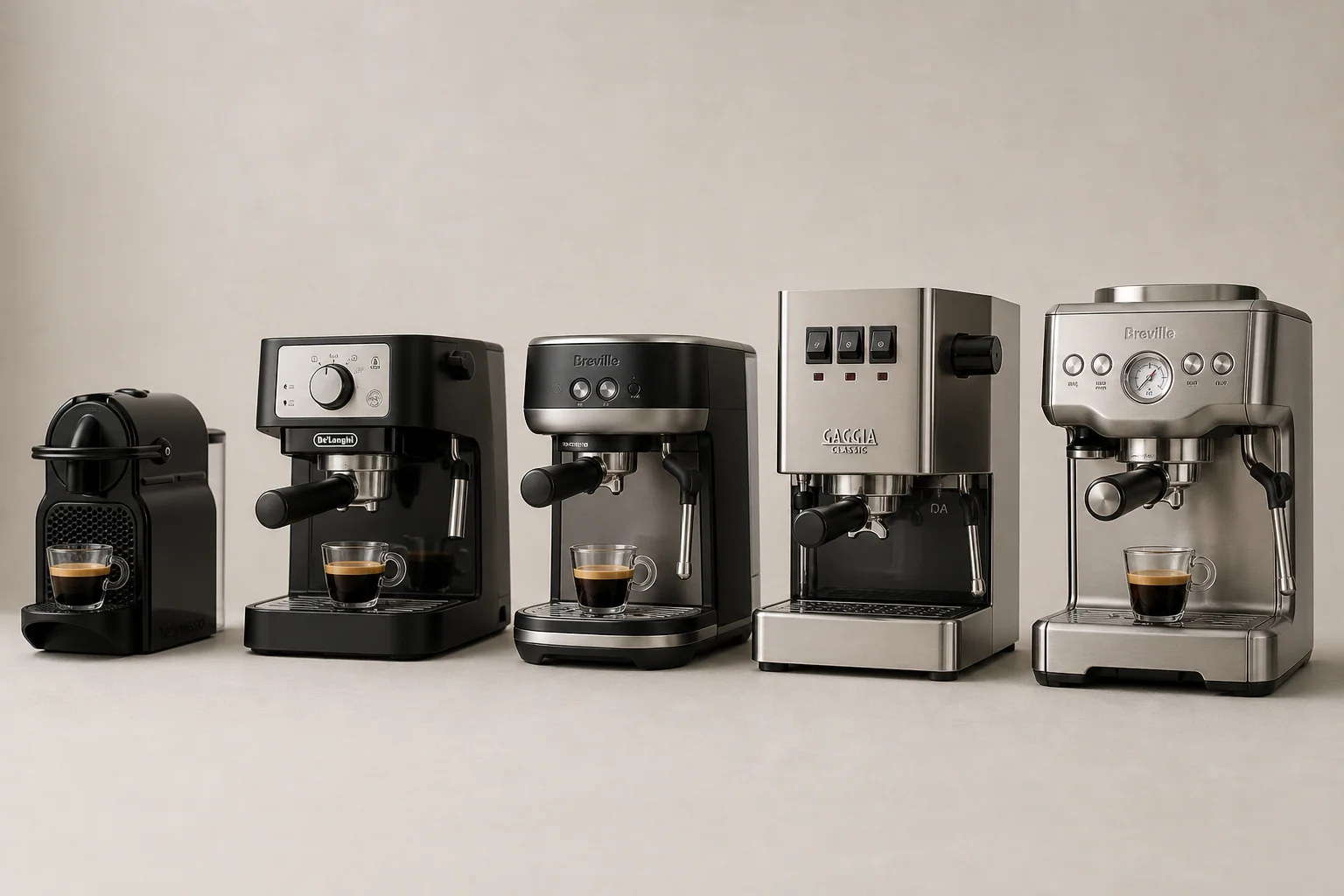
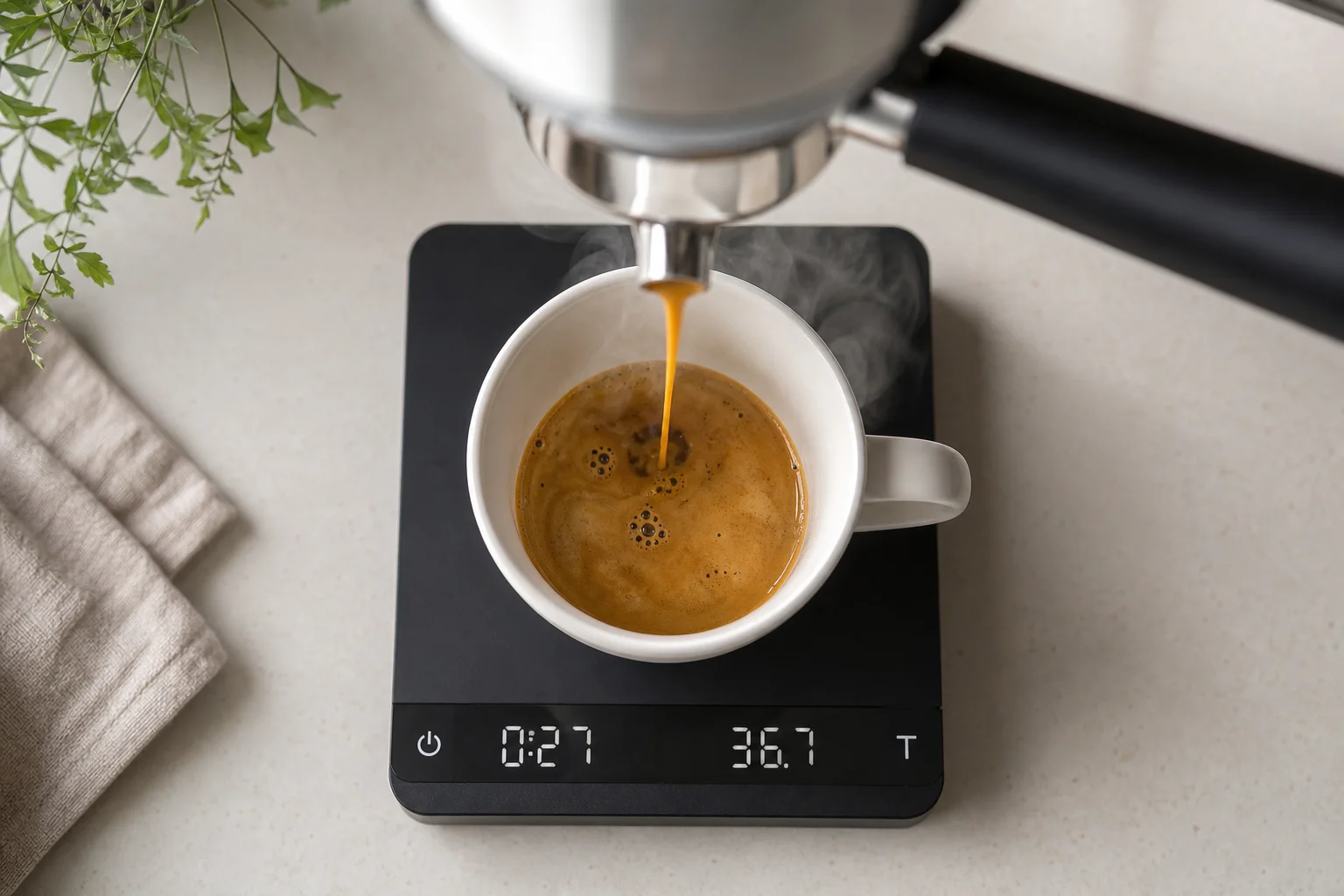
This comparison evaluates five espresso machines priced between 189 and 529 pounds, all selected for broad global availability. Each machine was tested using a consistent recipe of approximately 18 grams in to 38 grams out, pulled over 28 to 32 seconds, allowing fair assessment of espresso quality and machine capabilities. Testing focused on build quality, espresso extraction, and milk steaming performance. Where applicable, stock pressurized baskets were replaced with standard baskets to enable proper espresso extraction, though the Lelit Anna was tested with its stock basket due to time constraints.
Build Quality and Design
Lelit Anna
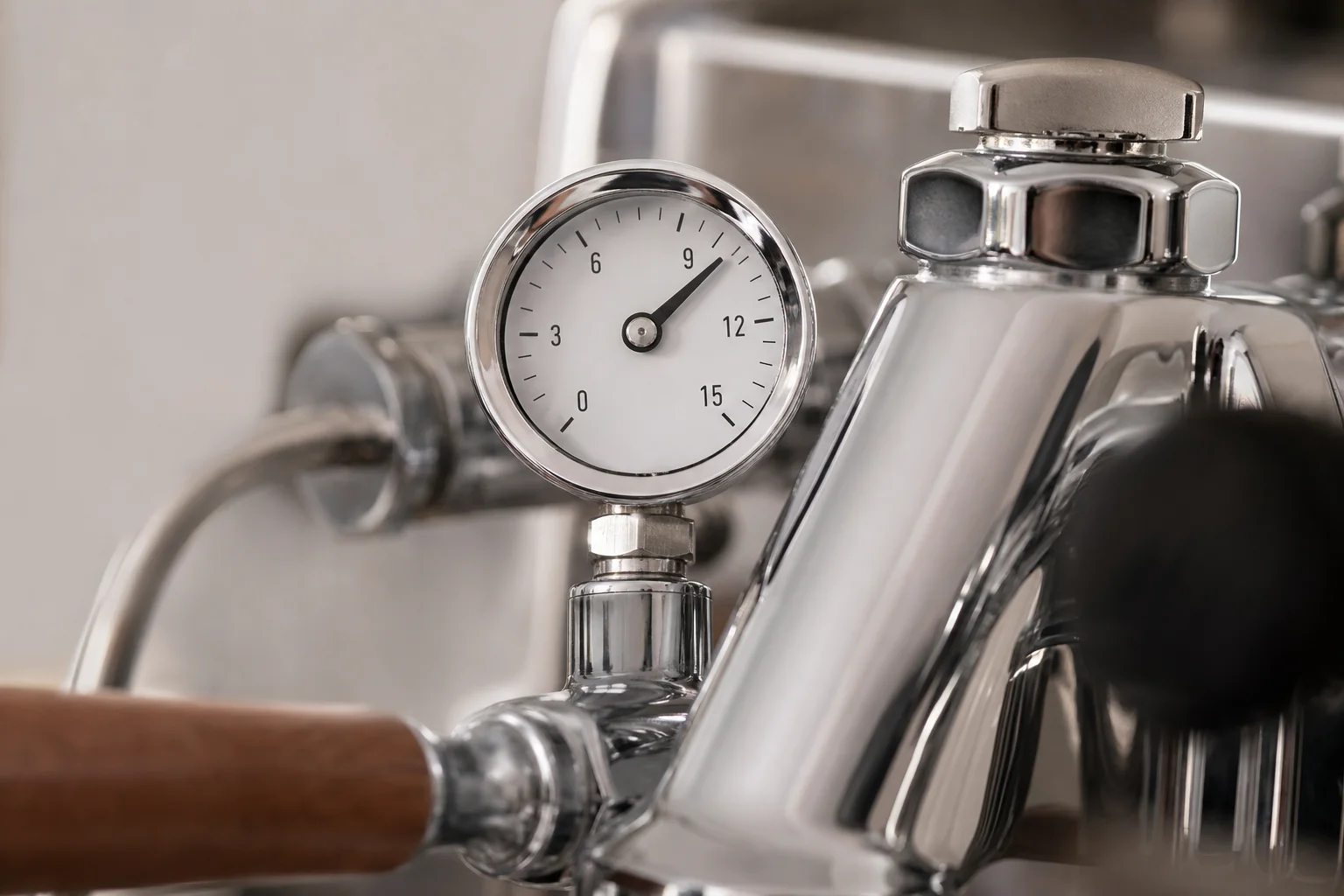
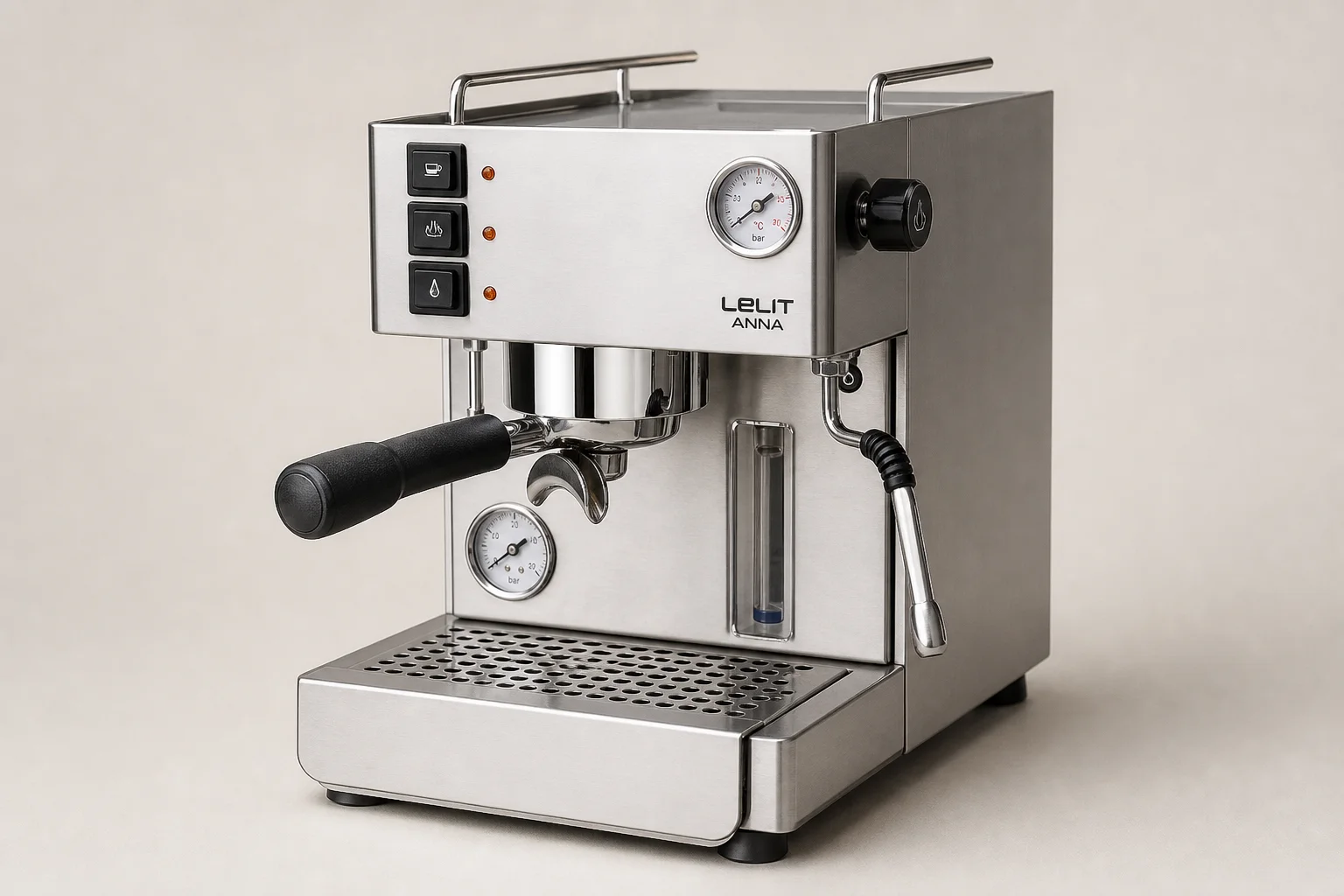
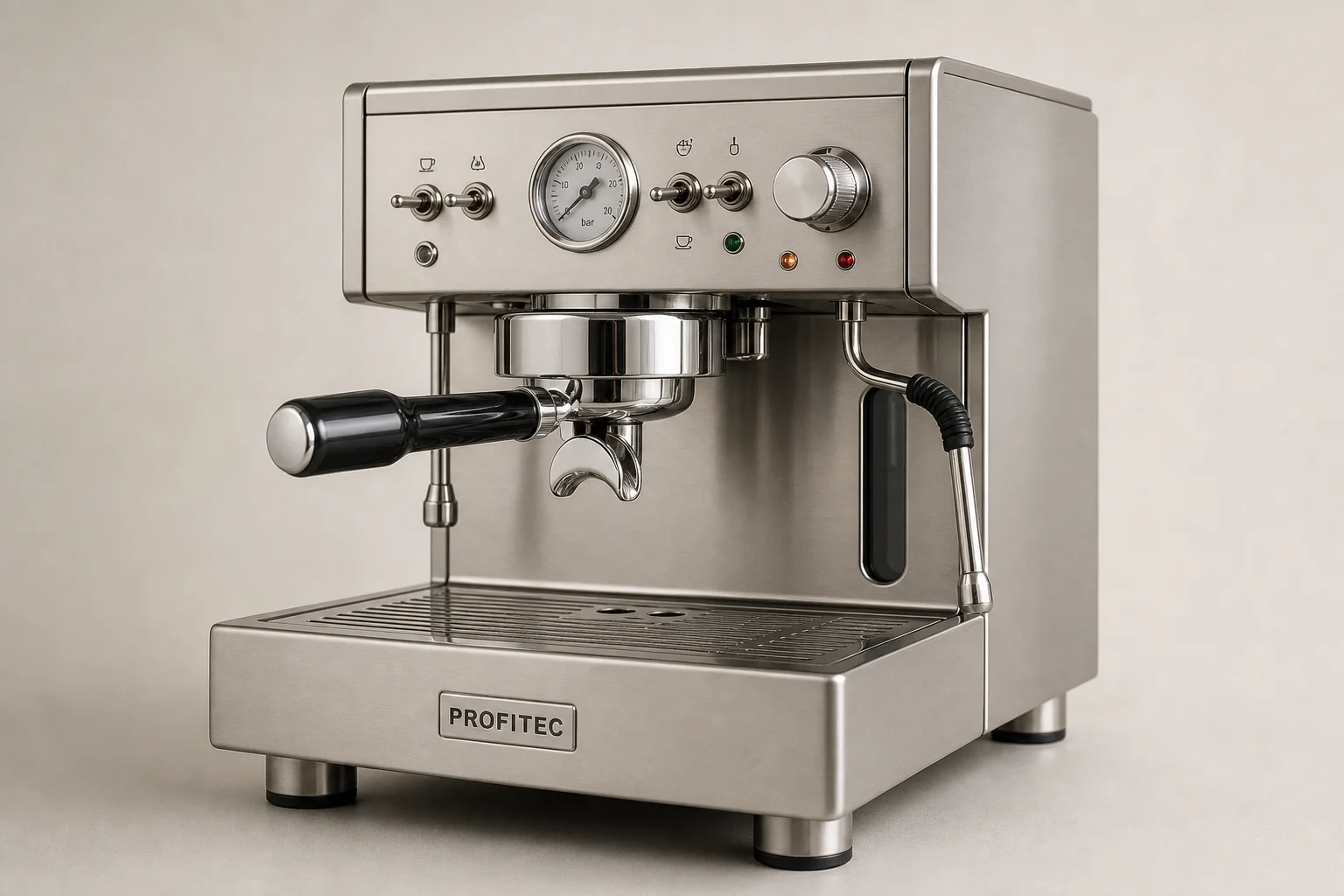
The Lelit Anna delivers solid construction at 350 pounds. The machine has good weight and stability on the counter, with a helpful pressure gauge that provides real-time feedback during extraction. The water tank feels somewhat cheap in execution, with a plastic construction and unclear water-level visibility. Steam valves feel plasticky, and the drip tray is fussy to remove and lacks a float indicator, creating uncertainty about fullness. The buttons are well-made and reliable.
DeLonghi Dedica
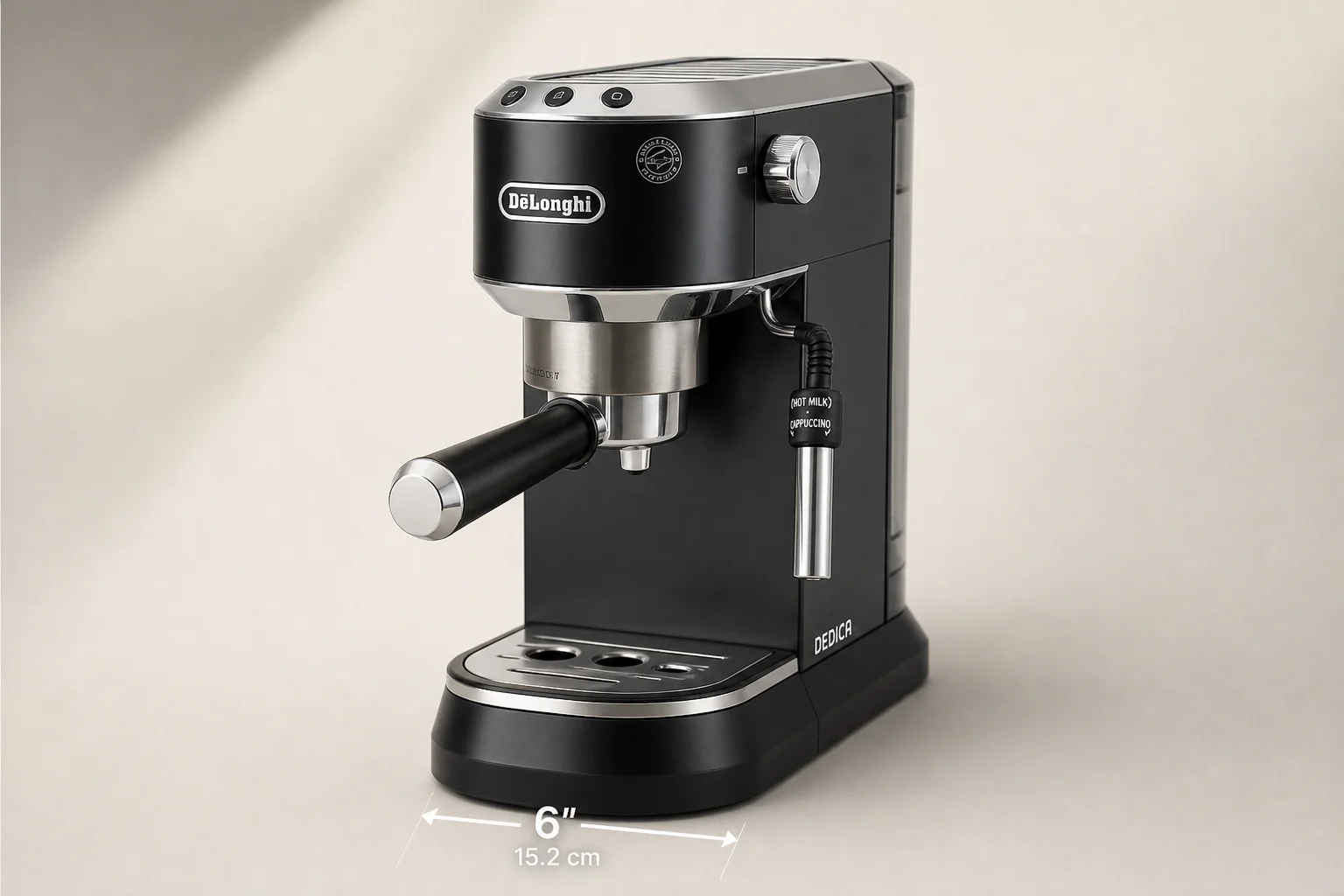
At 189 pounds, the DeLonghi Dedica is the most affordable option here, and the build reflects that. Plastic dominates the design, though a chromed finish at the top provides some visual appeal. The machine is extremely compact and lightweight, which can be an advantage for space-constrained kitchens but makes it unstable when locking in the portafilter. The drip tray is small but includes a helpful float indicator. The water tank is removable and easy to use with clear plastic construction.
Rancilio Silvia
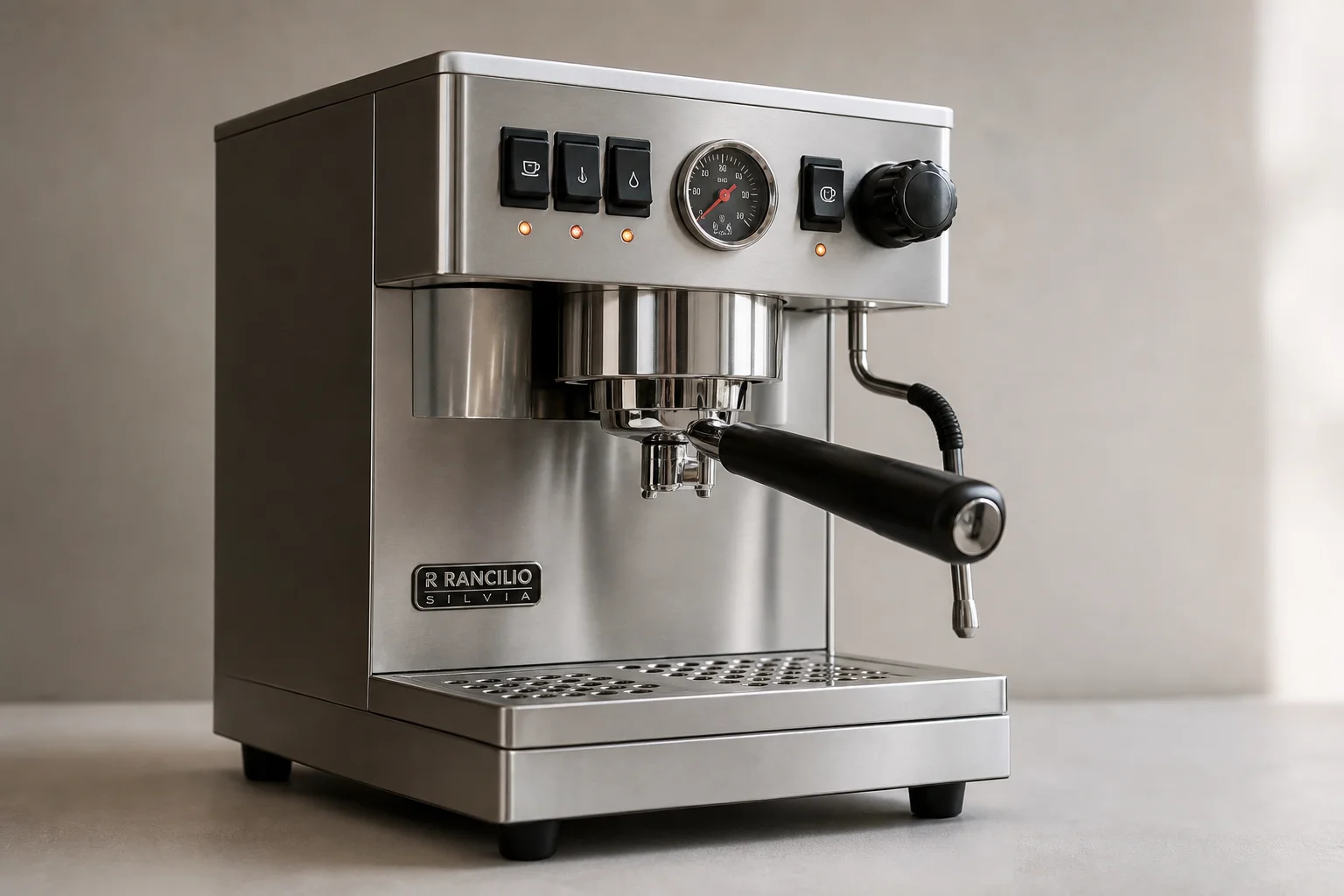
The Rancilio Silvia is built like a tank, making it by far the heaviest machine in this group. Once positioned on the counter, it remains completely stable, making portafilter removal and locking straightforward. Buttons and switches are high-quality, and the steam valve feels better than competitors, though still domestic in character. The water tank is a weak point, requiring removal via two handles with no clear visibility into water level unless the lid is opened. The drip tray is deep but lacks a float indicator, making it difficult to assess fullness.
Sage Bambino Plus
The Sage Bambino Plus prioritizes features over build quality. Plastic is used extensively throughout, and the machine is light enough to move around the counter when locking in the portafilter. However, the water tank is easily removed and includes cleaning instructions printed on the back. Rather than a mechanical steam valve, this machine uses an electronic steam controller. The drip tray is small but includes a float indicator. The portafilter feels somewhat cheap and plasticky.
Gaggia Classic Pro
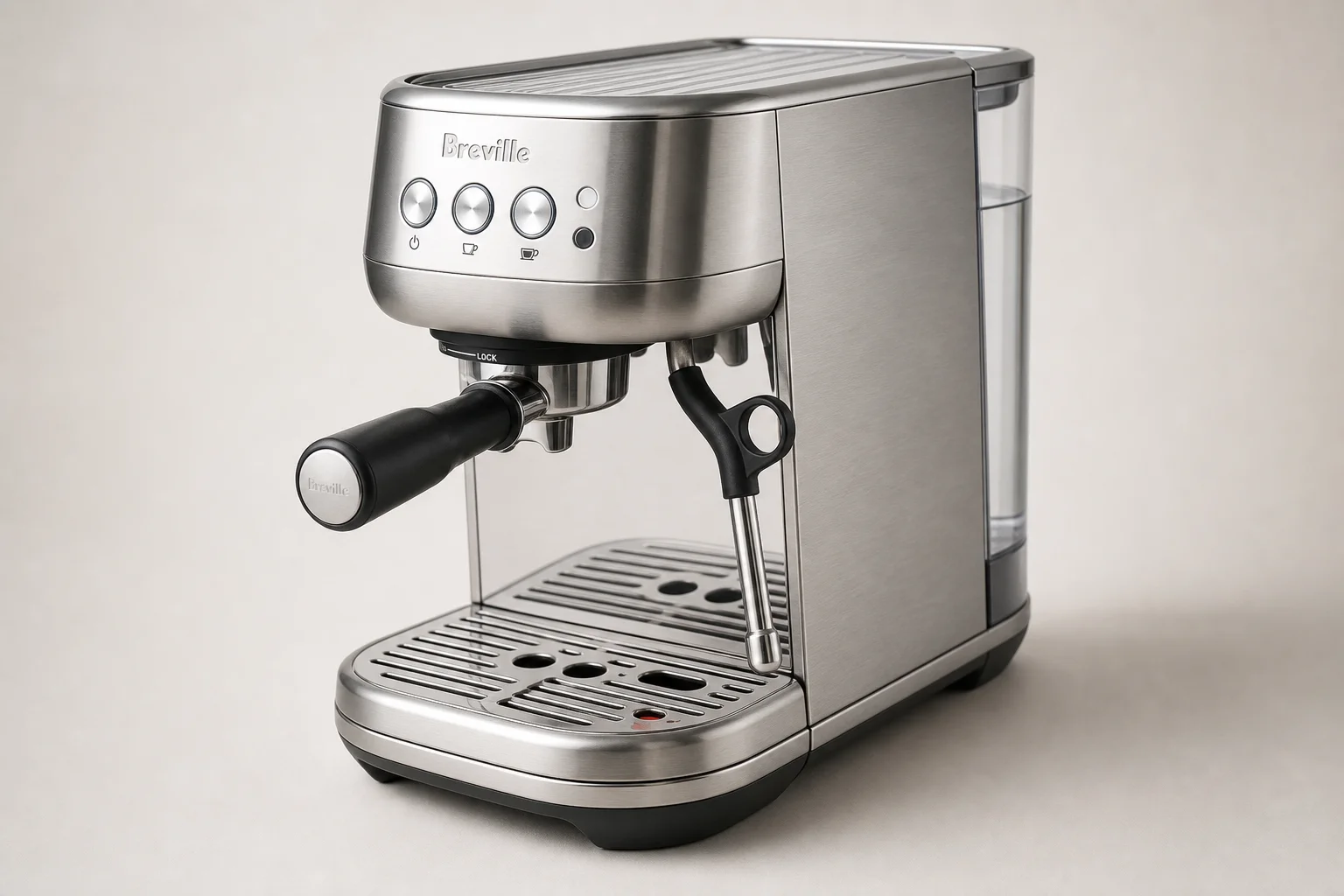
The Gaggia Classic Pro offers excellent build quality for 399 pounds. Brushed stainless steel is used throughout, and the machine feels solid and hefty. The water tank can be accessed from the front and pulled out for easy refilling, or filled from the top. Switches across the top are well-made and reliable. The steam wand differs from traditional Panorella designs. One minor complaint is that the portafilter finish does not feel premium compared to some competitors. The drip tray is reasonably deep but lacks a float indicator.
Espresso Extraction Performance
Testing used a consistent recipe across all machines with the same grinder, allowing assessment of the pressures each machine delivers. The Lelit Anna includes a pressure gauge, while the others run at nine bars as standard.
Lelit Anna
The Lelit Anna produced generally sweet and balanced shots. However, they often lacked heft, texture, and body in the mouthfeel. This limitation may stem from the stock basket not being ideal for fine grinding, which would be needed for the desired recipe. Upgrading to a better basket would likely yield a notable increase in shot quality.
DeLonghi Dedica
The DeLonghi Dedica required a coarser grind than the Lelit and produced notably lower extractions. The shots tasted slightly cool and exhibited pronounced acidity without great extraction. The machine runs at quite high pump pressure and does not maintain hybrid temperature stability. For lighter roasts, achieving good espresso is an uphill battle. Medium to dark roasts will perform better. The machine is only marginally better than budget alternatives in the sub-100-pound category.
Rancilio Silvia
Pulling shots from the Rancilio Silvia is a pleasant experience, with nice buttons and portafilter feel. However, the machine runs slightly hot, often showing steam at the group head. Temperature surfing, where very hot water is dumped into the drip tray before pulling the shot, may be necessary to achieve optimal results. Using a VST basket instead of the stock basket allows finer grinding. Shots have been consistently good with even extractions, though temperature inconsistency occasionally produces harsh or sour results depending on brew temperature at the moment of extraction.
Sage Bambino Plus
The Sage Bambino Plus comes with a pressurized portafilter that limits espresso quality. Using a proper basket enables better results. The machine required the coarsest grind setting of the group to achieve proper flow, which does not yield the best-tasting shots, particularly with lighter roasts. Sour espresso is a common result. The machine includes features like pre-infusion and shot volume control, but accessing these features is frustratingly limited by the pressurized portafilter design. Results are reasonable but not the best in the group.
Gaggia Classic Pro
The Gaggia Classic Pro includes a solenoid valve that dumps excess pressure at the end of the shot, making back-to-back shots relatively easy without portafilter sneeze. The machine runs at high pressures, allowing finer grind settings than most competitors. However, temperature wanders, requiring temperature surfing for optimal results. The spout-to-drip-tray height is limited, making it difficult to position scales and cups underneath. Shots are pretty good but exhibit a certain harshness associated with higher pump pressures. As stock, the machine is frustratingly close to great but not superb.
Milk Steaming Capability
Lelit Anna
The Lelit Anna includes an auto-frothing attachment underneath, but a regular steam wand produces significantly better results. Steaming power is moderate, and milk texture is reasonably good. The experience is neither the slowest nor the worst in the group.
DeLonghi Dedica
The DeLonghi Dedica features an automated steam wand that adds foam and air to milk. This was the most difficult machine from which to extract great texture. While the milk becomes pleasantly fluffy, achieving silkier microfoam suitable for pouring latte art is a real struggle.
Rancilio Silvia
The Rancilio Silvia steams milk like a commercial machine, delivering incredible speed and power. For experienced baristas, this is a pleasure. However, for those new to milk steaming, the power and speed can be intimidating, and mistakes are likely before technique is mastered.
Sage Bambino Plus
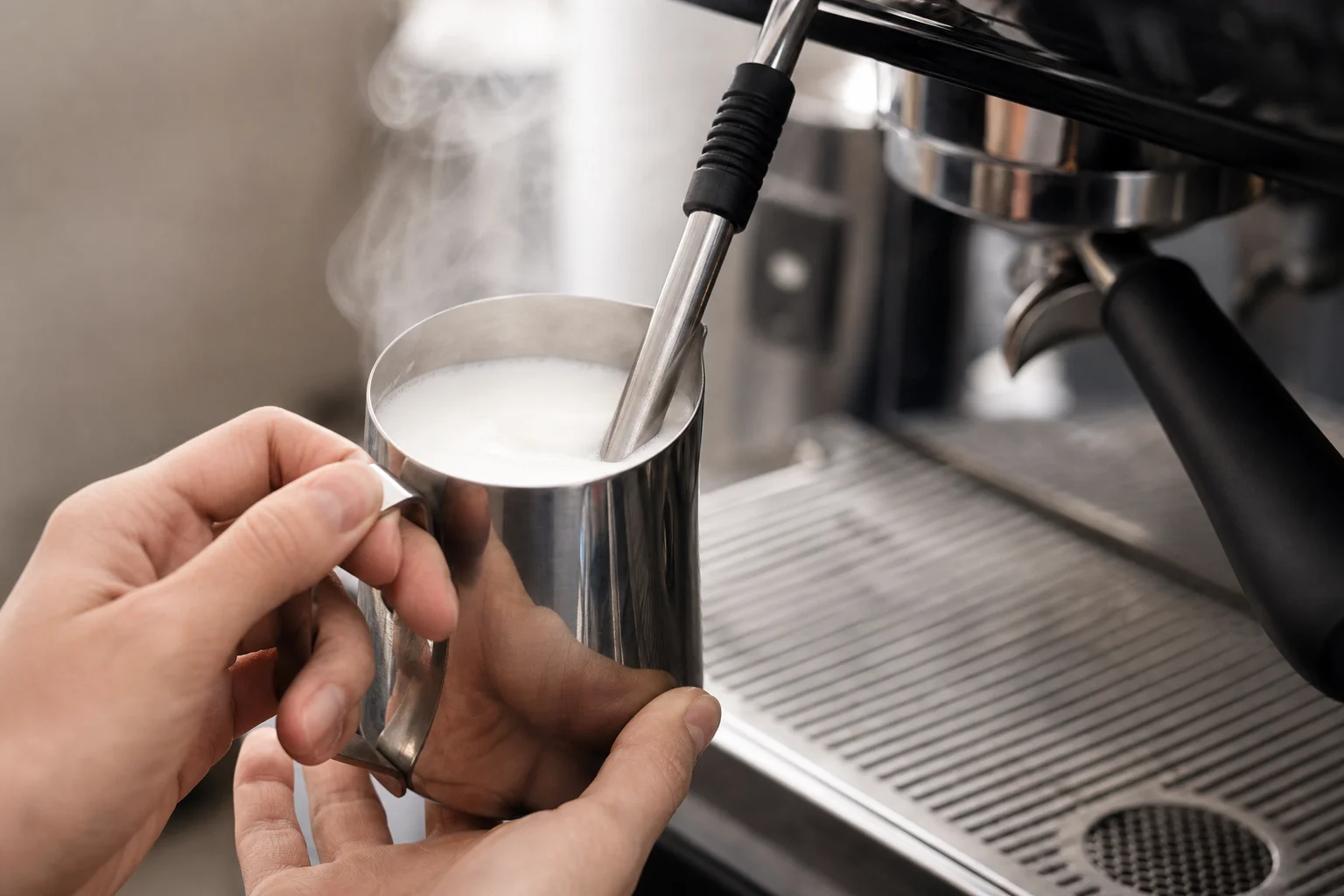
The Sage Bambino Plus was a pleasant surprise for milk steaming. The machine provides ample time to execute both the air-stretching phase and the rolling phase of milk texturing. Manual steaming produces very good results and is relatively easy to learn. The machine also includes automated milk steaming with selectable end temperature and texture options, plus a built-in thermometer in the drip tray. This feature set is impressive for those who want good results without learning manual steaming technique.
Gaggia Classic Pro
The Gaggia Classic Pro felt underpowered for milk steaming. While stretching milk is straightforward, rolling and texturing the milk lacks sufficient pressure and power. The machine was the slowest in the steaming tests. Texture quality is good, but more steam pressure would be welcome.
Overall Recommendations
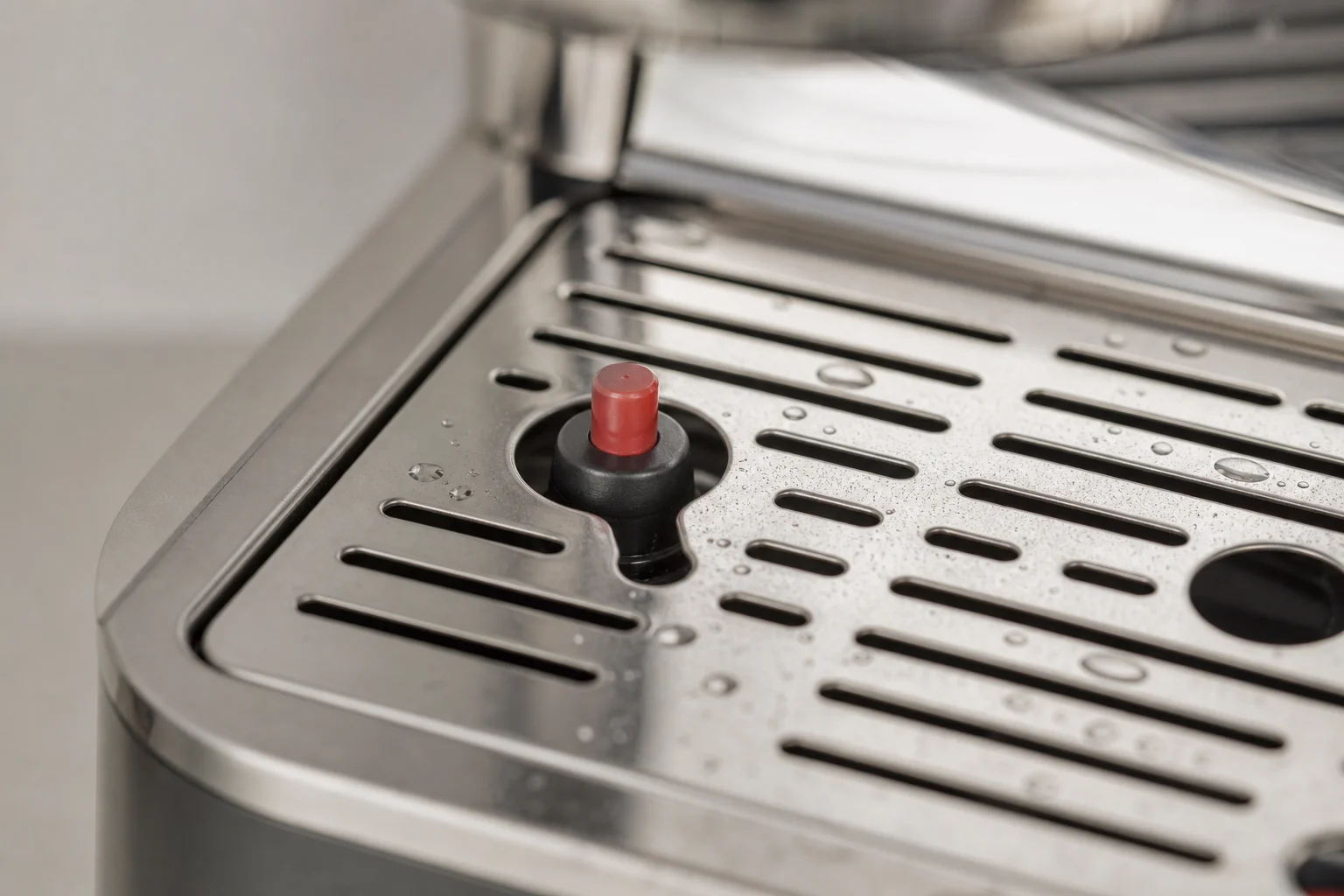
The Lelit Anna at 350 pounds offers good value with solid build quality and respectable espresso results. A better basket would noticeably improve shot quality. The DeLonghi Dedica is budget-friendly but represents a point where spending more yields significantly better milk steaming, espresso quality, and overall experience. The Rancilio Silvia is the closest to a commercial machine, with excellent steaming and build quality, but the 529-pound price point is frustrating when temperature control modifications costing at least 100 pounds are desirable. The Sage Bambino Plus targets users who want good espresso and excellent milk drinks without becoming hobbyist baristas, offering impressive feature density and ease of use. The Gaggia Classic Pro is well-built and capable of good shots, with a strong modding community supporting temperature and pressure improvements, though modifications require warranty voiding and technical skill.
For those open to modification and interested in the hobby, the Rancilio Silvia and Gaggia Classic Pro offer the best long-term value and community support. For those prioritizing milk-based drinks and ease of use, the Sage Bambino Plus delivers excellent results without requiring technical tinkering. The Lelit Anna represents solid middle ground with good build and espresso quality at a reasonable price.
Conclusion
These five machines span a wide range of approaches to home espresso, from budget-conscious designs to feature-rich systems and prosumer-oriented builds. The best choice depends on your priorities: whether you value build quality and modding potential, ease of use and milk steaming, or balanced performance across all areas. All five are broadly available globally, making them practical options for most buyers.
Further reading
Related Reviews
Coffee Equipment
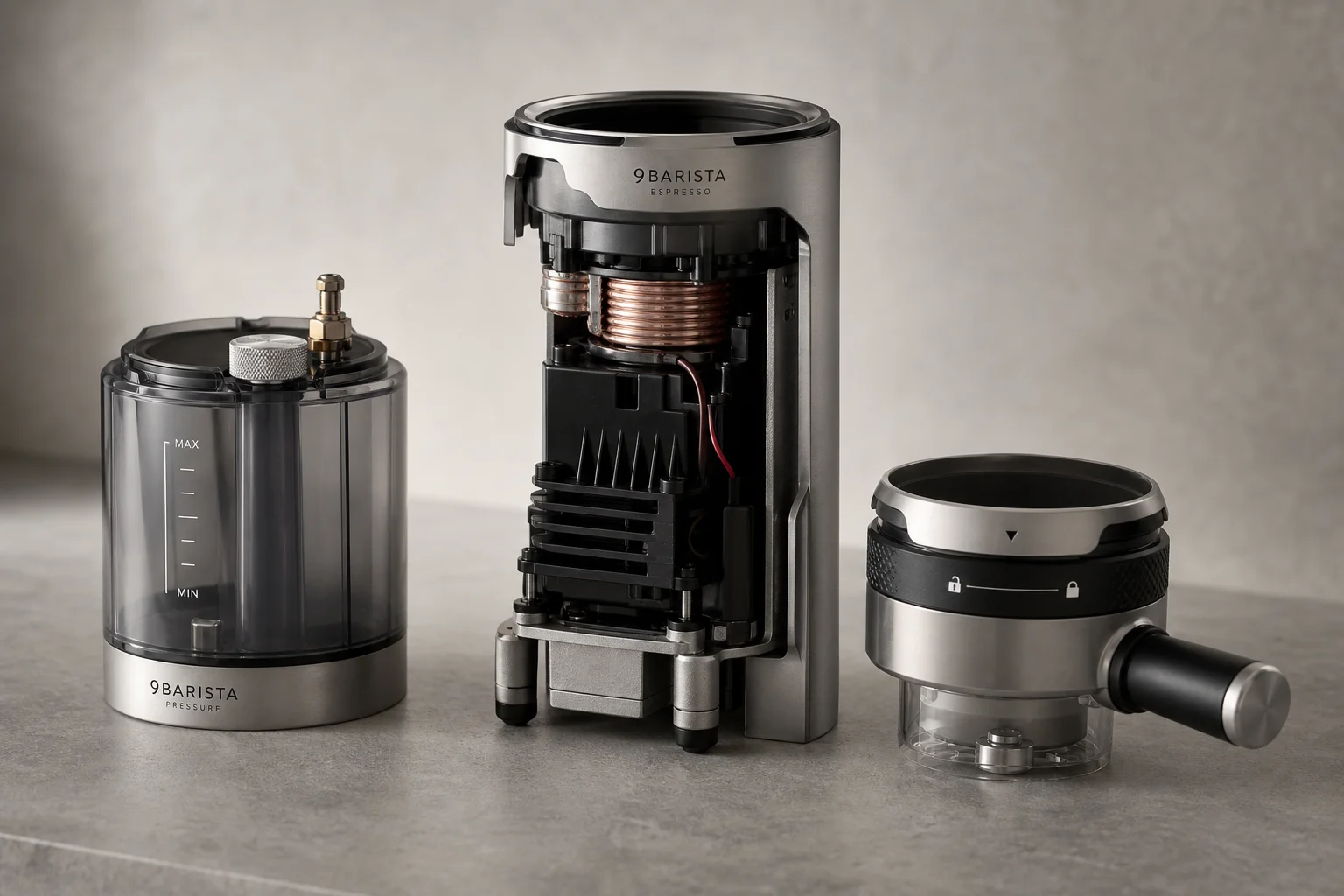
9Barista Espresso Machine Review: Stovetop Espresso for Single-Cup Enthusiasts
A cleverly engineered stovetop espresso maker that generates nine bars of pressure without electricity. Excellent coffee quality, but requires patience and suits solo drinkers only.
Coffee Equipment
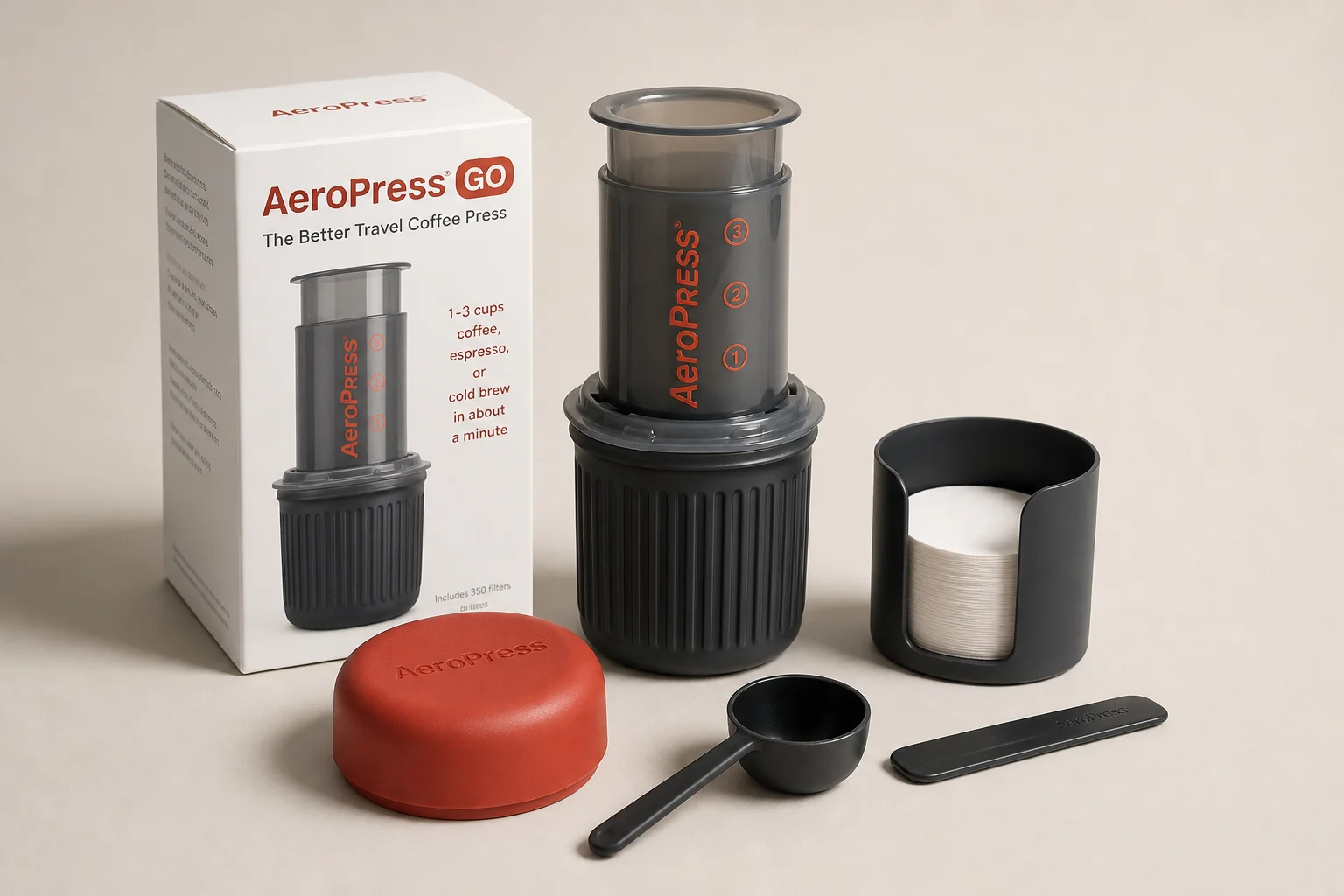
Aeropress Go Review: A Compact Travel Brewer That Solves One Specific Problem
The Aeropress Go shrinks the original design and adds an integrated cup, but it may not address the travel challenges most coffee enthusiasts actually face.
Coffee Equipment
AeroPress Premium Review: Premium Materials, Practical Trade-offs
The AeroPress Premium brings glass and metal construction to a beloved brewer, but trades portability and durability for a more refined feel. Here's what changes in the cup and what matters before you buy.