Road Bikes
Best Endurance Road Bikes: A Fit-First Buying Guide
Endurance road bikes from Canyon, Specialized, Trek, Giant, Cannondale and Scott, plus how sizing, groupsets and shoes shape a better purchase.
Introduction
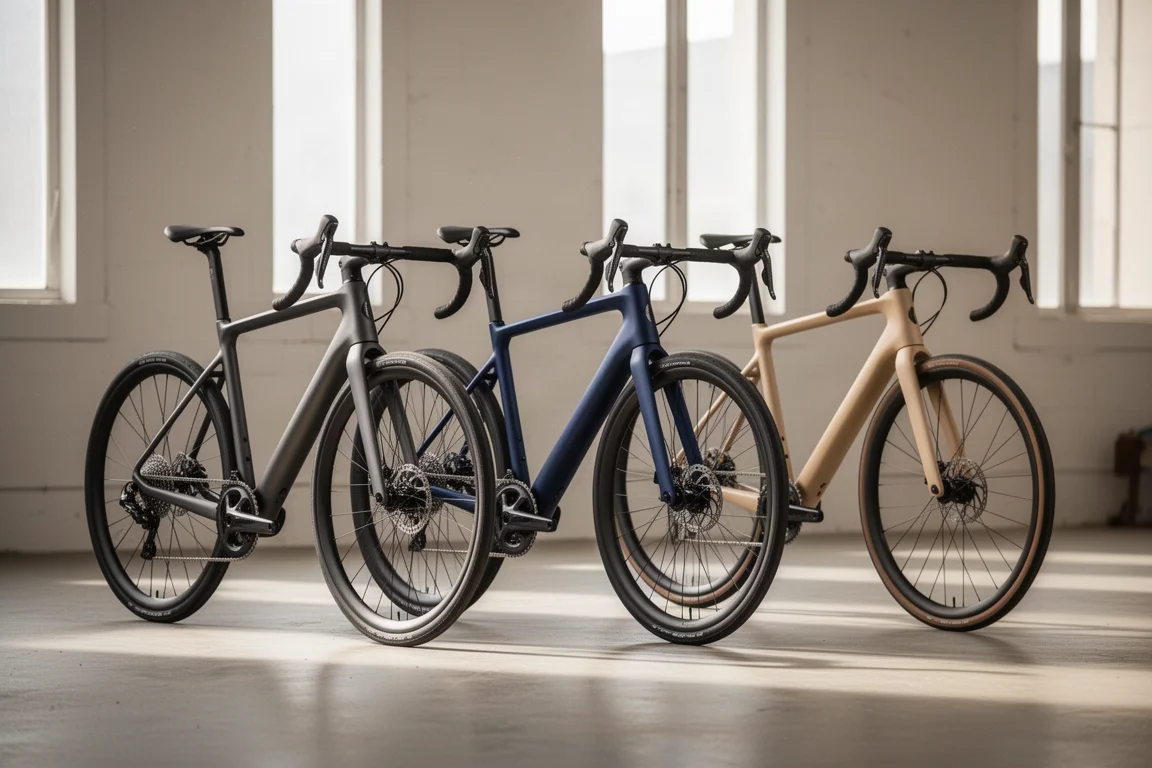
Buying a road bike should be simpler than it is. Walk into most shops and the bikes on the floor are shaped around the position a young, light, high-power racer can hold for hours, which is rarely the position the person paying for the bike can hold. The technology you get for your money has never been better, but the decision is still full of traps: the wrong category of bike, a size label that does not mean what it appears to mean, and upgrades that cost a lot without changing how the bike rides.
This guide covers the endurance-oriented road bikes worth shortlisting, the geometry numbers that actually matter, and where the rest of the budget is best spent.
Why Endurance Geometry Makes Sense for Most Riders
Race bikes are built for racing, and the name is a fair warning. They are designed around a lean, powerful athlete who can sustain a long, low position because a high power output supports the torso angle. Most riders cannot hold that kind of power all day, however fit they feel, so a race position becomes uncomfortable well before it becomes fast. The industry builds a great deal of product around professionals rather than the people who will actually ride it.
Endurance-oriented bikes take a different approach. They are more comfortable, usually easier to ride, and most importantly they fit better: a taller head tube, a shorter top tube and a more relaxed overall geometry put the rider somewhere they can stay. If you are starting out, riding at weekends, or simply not racing, that is the right starting point.
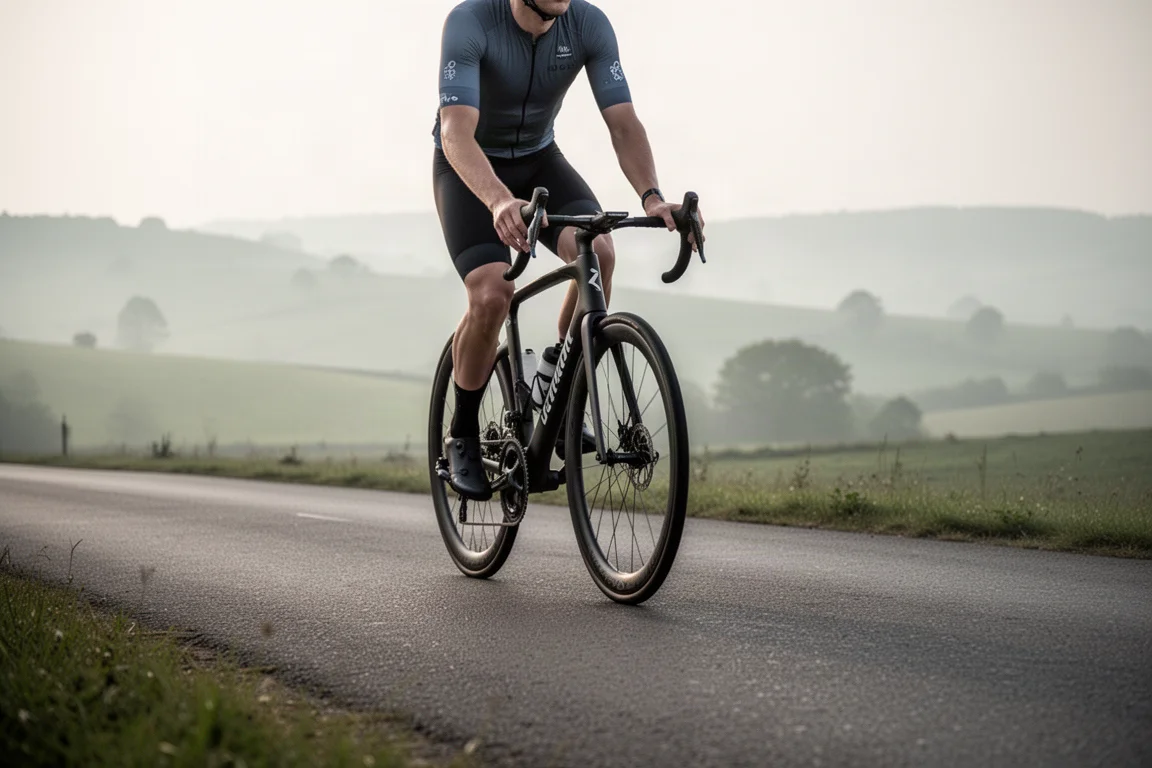
The visual cost is small. Several endurance models look almost identical to their race-oriented siblings, sharing the same frame shapes and finishes, with the difference living in the geometry tables rather than the styling. That means you can pick a bike you like the look of and still get a position you can live with.
Canyon Endurace
Canyon sells direct to the consumer, and that model delivers noticeably more bike for the money, with a stronger on-paper specification than most shop-bought alternatives at a comparable budget. The Endurace sits in the endurance part of the range, and its geometry is built around a workable riding position rather than a race crouch.
The trade-off is sizing. Without a shop visit you are relying on published size charts and geometry tables, and those are frequently misleading. Read the numbers properly, compare reach figures, and treat the size label as a starting point rather than an answer.
Specialized Ruby
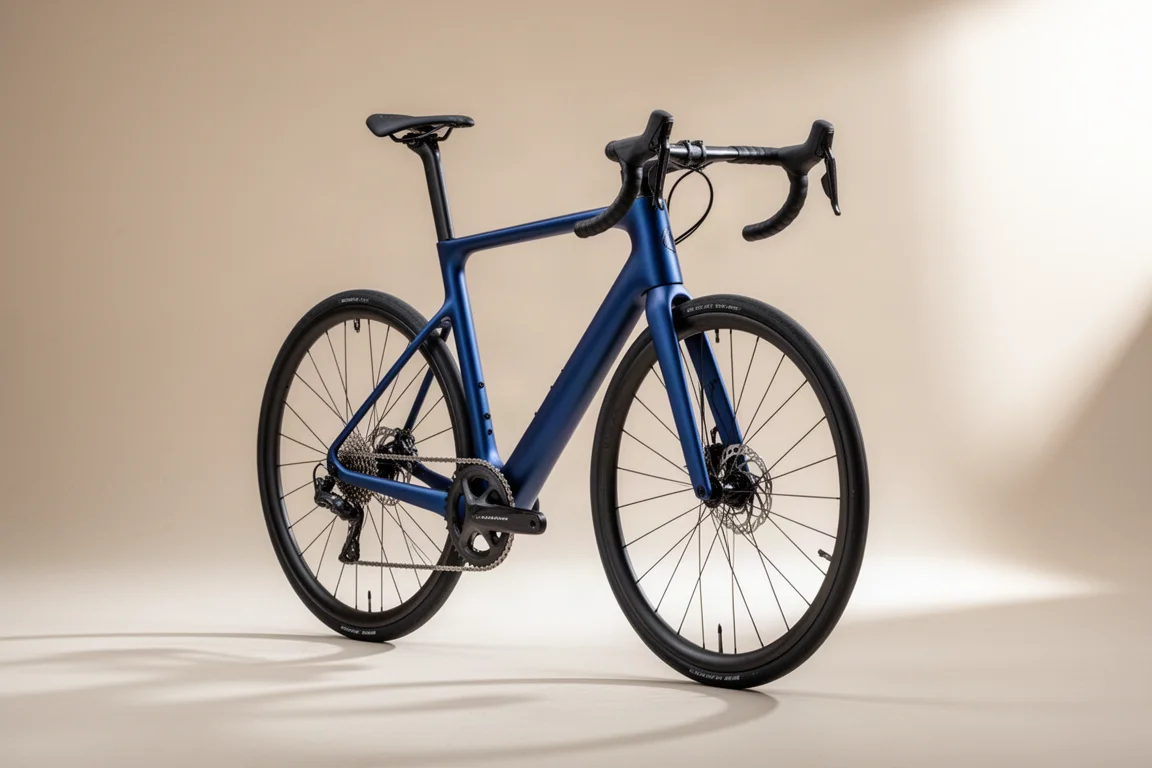
The Ruby is one of the endurance-oriented models that fits the brief: a taller head tube, a shorter top tube and a position designed for riders who are not racing. It is a useful reference point when you are comparing geometry tables, because the frame numbers tell you far more about how a bike will feel than the model name does.
If the Ruby is on your shortlist, the usual rule applies. Find the reach and stack figures for the size you are considering, then compare them against a bike you already know you can ride comfortably.
Trek Domane
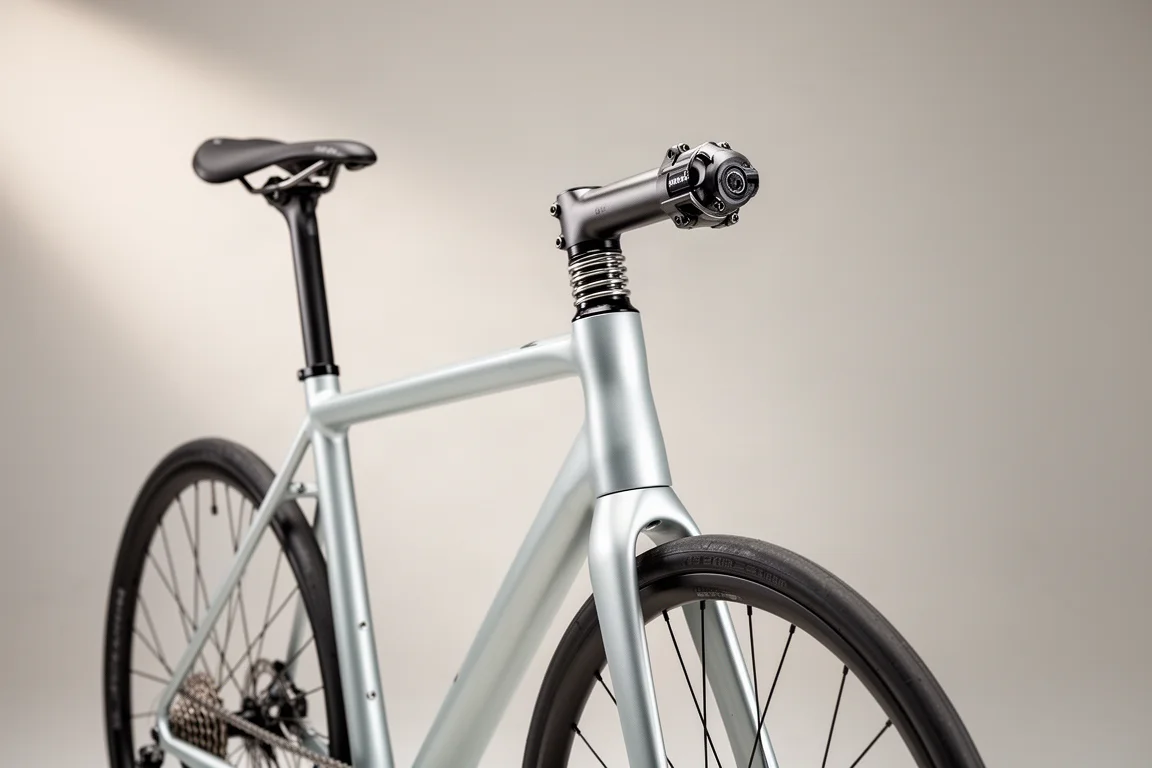
The Domane is another endurance model that belongs on a shortlist for riders who want comfort and a sustainable position. Because it is widely stocked, it is often the easiest of these bikes to sit on before you buy, which is a real advantage when geometry tables are hard to interpret.
Use that access. Ride the size a shop recommends, and if anything feels stretched or cramped, compare the reach figure against another endurance frame before committing.
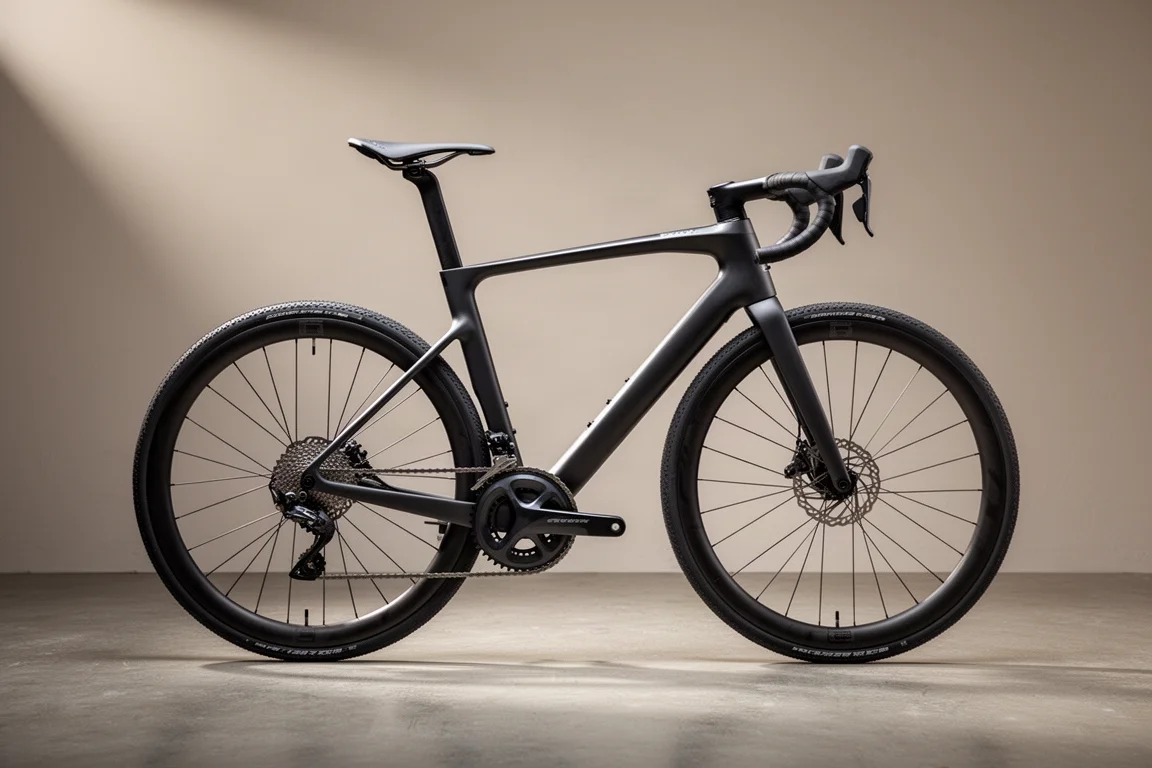
Giant Defy
The Defy rounds out the endurance options from the major brands, and it follows the same design thinking: a more upright front end, a shorter reach, and a ride quality aimed at long days rather than race-day sharpness.
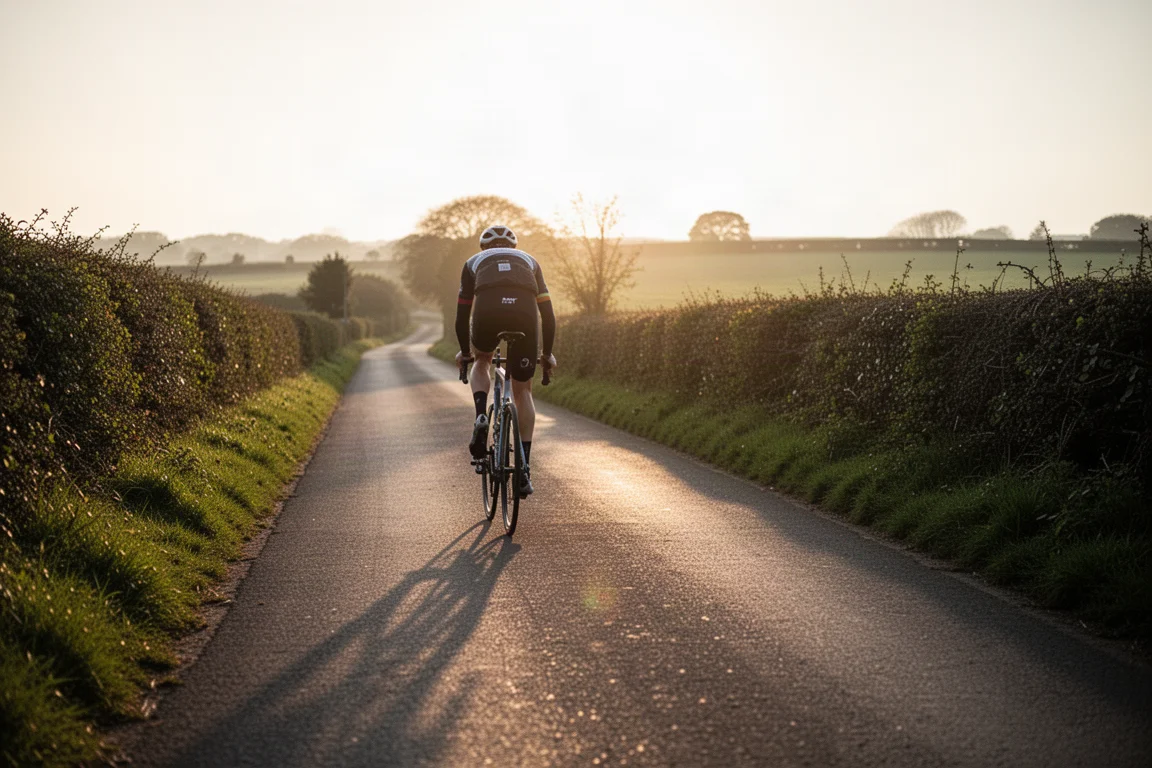
For riders stepping away from a race bike for the first time, a model like this is often the difference between a bike that gets used and one that hangs in the garage. Check the geometry table for the size you want rather than assuming the number on the frame matches your usual fit.
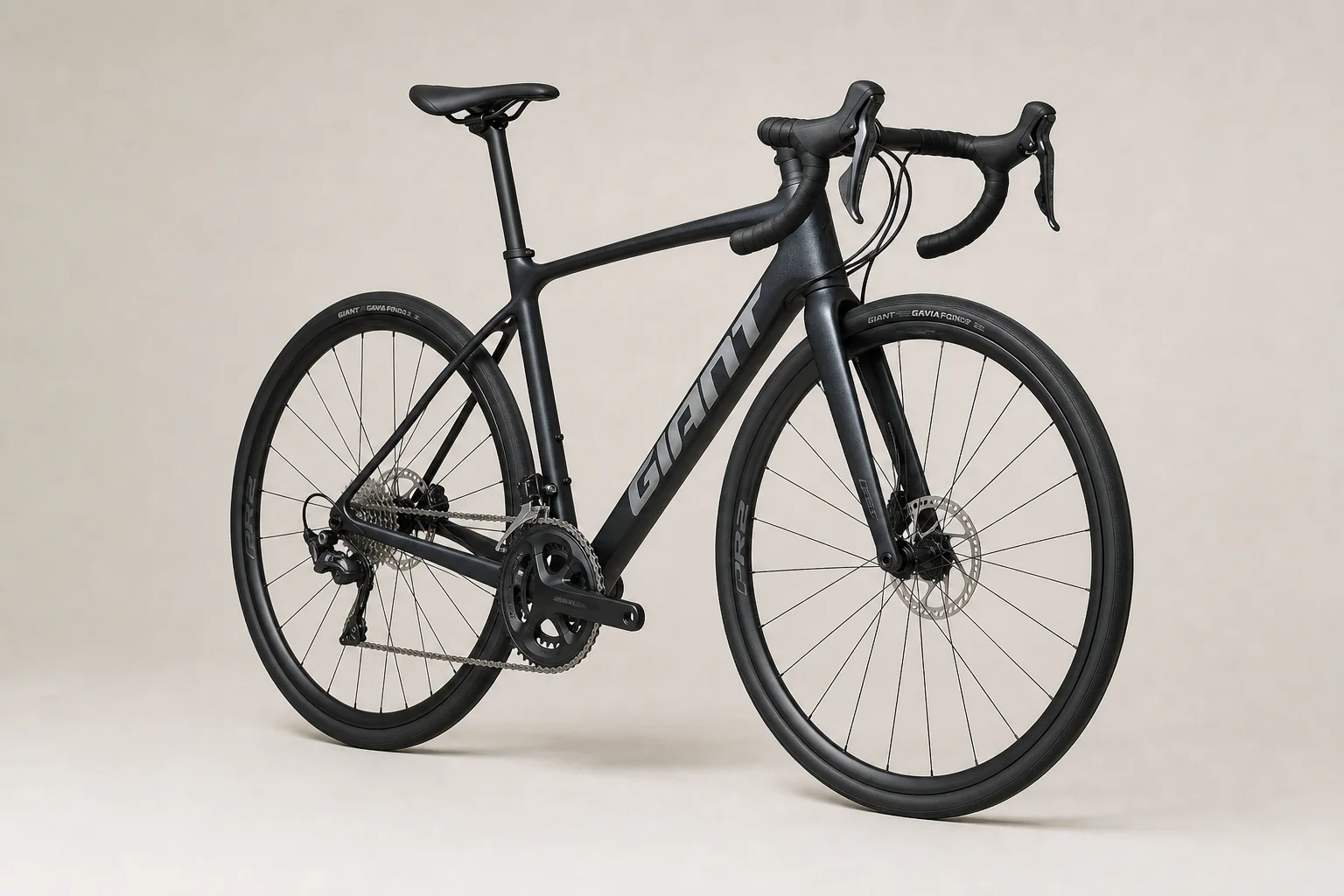
Cannondale Synapse
The Synapse is a good illustration of why size labels deserve suspicion. A frame sold as a 54cm model has a top tube measuring 55.5cm, which is 2.5cm longer than the top tube that suits a rider who would otherwise choose that size. The number on the frame is often the seat tube length, not a summary of the bike’s proportions.
Reach is the measurement that matters most, because saddle height can be adjusted with the seat post while reach is far harder to change. Read the geometry table, understand it, and let the numbers drive the decision.
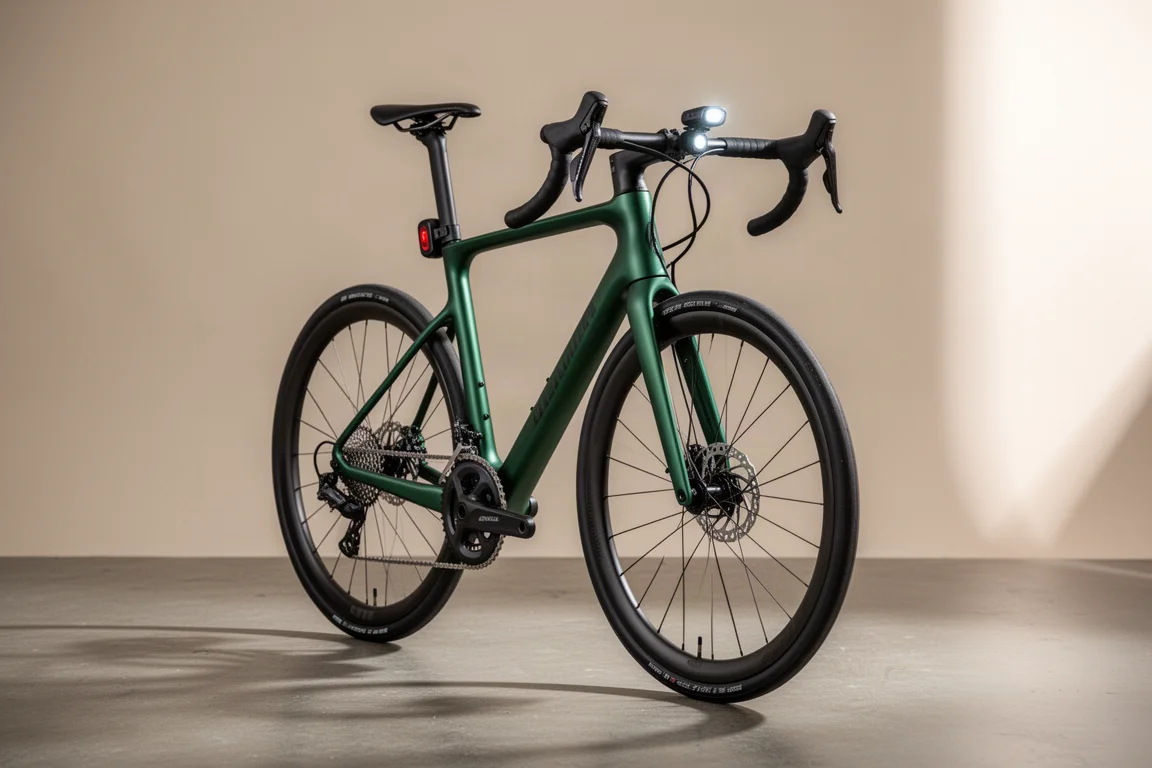
Scott Addict
Scott’s endurance offering shares much of its look with the brand’s race-oriented models, and the difference comes down to geometry rather than appearance. That is worth knowing when you are shopping by photograph: two bikes that look nearly identical can put you in very different positions.
If you are considering this model, confirm which geometry you are buying and check the reach and head tube figures for your size before you commit.
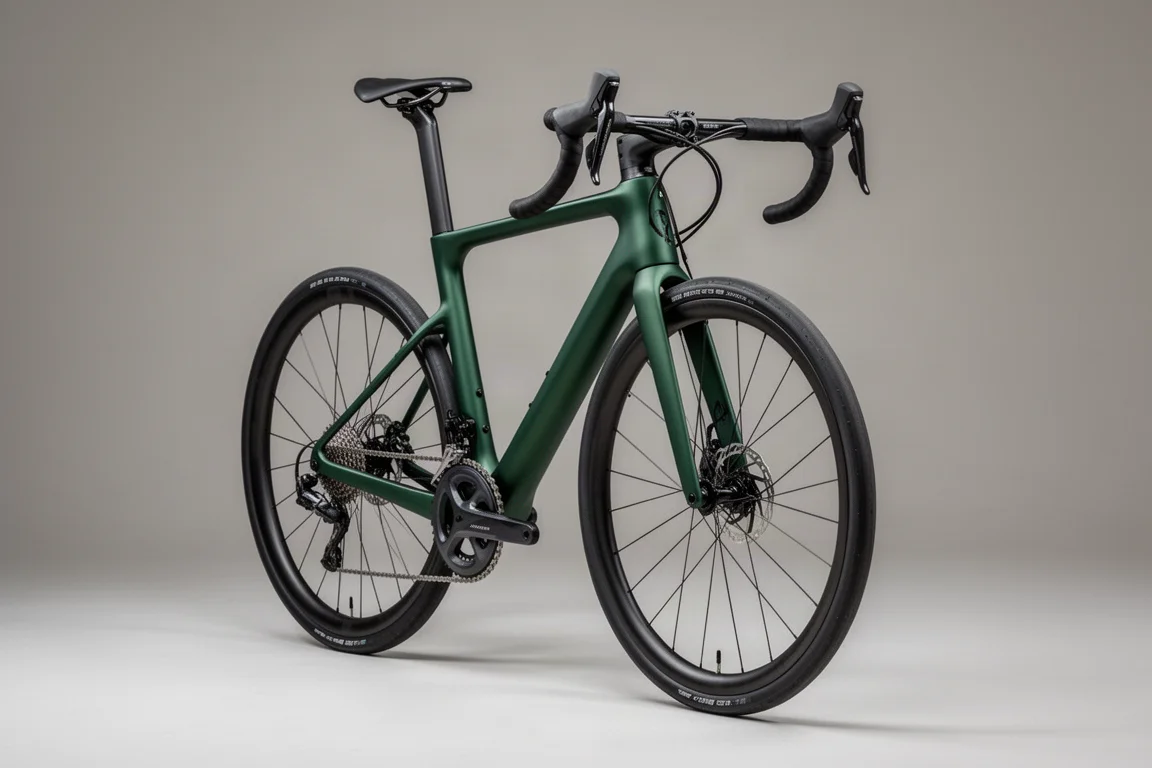
Groupsets: Do You Need the Top Tier?
Groupsets now carry more technology than ever, but the practical gap between tiers is smaller than the price difference suggests. The difference between Shimano 105 and Ultegra is minimal, and 105 has moved into electronic shifting. On the SRAM side, Rival AXS offers broadly the same wireless electronic functionality as Red. Even Shimano Claris works well, better than what was available ten or fifteen years ago, with reach adjustment on the lever and the ability to shift from the drops, something older budget shifters could not manage.
At the very top, Dura-Ace, SRAM Red and Campagnolo Super Record EPS use more titanium and carbon fibre and benefit from improved bearing surfaces and sealed cartridge bearings. They will not make you faster. They may make you feel fast. Ultegra is more than sufficient for most riders, and with 105 now electronic, it is fair to ask whether you need more than 105 at all.
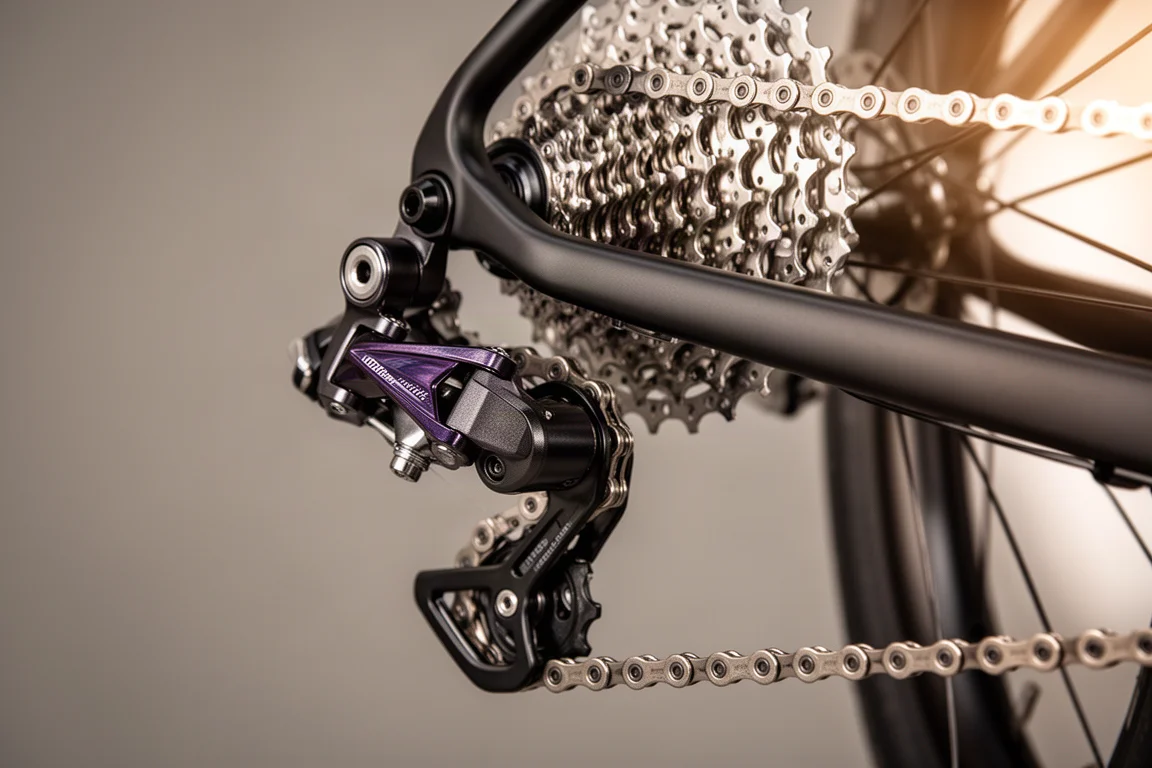
Money saved on the groupset ladder is better spent elsewhere on the bike, or on the parts that touch your body.
Bike Fit and Shoes: Spending Where It Counts
Have a Bike Fit Before You Buy a Bike
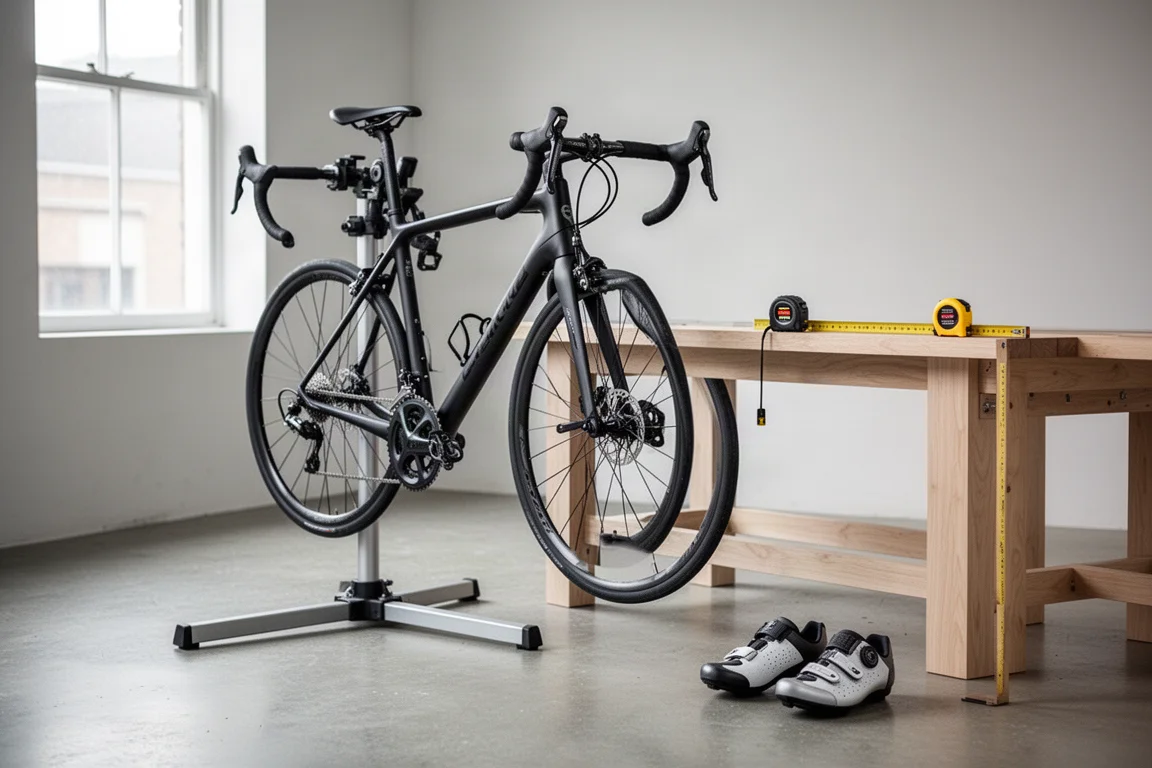
The industry convention is to buy a bike and then have it fitted. It works far better the other way around. A fit should be about the rider’s needs and limitations, not the limitations of a bicycle you have already paid for, and it can be carried out on a fitting jig without a bike present at all.
A proper fit ends with concrete answers: optimum crank length, the pedal system that suits you, handlebar width, saddle model and seat post setback. Those details can mean an off-the-shelf bike needs a new handlebar, saddle or crank from day one, and knowing them in advance removes most of the guesswork from the purchase.
Put Money Into Shoes
Your feet are the contact point where every watt goes, stabilising your feet and knees and shaping how you interact with the saddle. Pressure mapping shows that adding arch support alone can cut the pressure going through the saddle by up to 50 per cent, which is a bigger change than most component upgrades will ever deliver.
You do not need to spend GBP 450 on the latest heat-mouldable technology, but a shoe that fits properly will change your riding. A sensible split is to keep some budget back: with GBP 3,000 to spend, GBP 2,500 on the bike and GBP 300 on shoes is a better plan than GBP 3,000 on the bike alone. Buy shoes where someone will assess and measure your feet, rather than simply the most expensive pair on the wall.
Buying Advice
Start with the category. If you are not racing, an endurance-oriented bike is the sensible choice, and the models above are a reasonable shortlist. Then check the geometry rather than the size label: reach matters most, top tube length tells you a great deal, and the number painted on the frame often refers only to the seat tube.
Get a fit before you buy, not after. It is the single step that turns a purchase into a bike you can genuinely ride for hours, and it costs far less than correcting a wrong size later. Keep some budget back for shoes and contact points, and do not feel obliged to climb the groupset ladder.
Above all, be informed. The bike industry designs a lot of product around professionals, and the sales advice you receive does not always reflect that gap. A rider who understands reach, stack and their own fit requirements is in a much stronger position than one who simply trusts a size chart.
Conclusion
The technology in road bikes has never been better, and endurance geometry means most riders no longer have to choose between a bike that looks right and one that fits. Shortlist an endurance frame from Canyon, Specialized, Trek, Giant, Cannondale or Scott, confirm the geometry for your size, book a fit before you commit, and put real money into the shoes that connect you to the bike. Do it once, properly, and you will not need to do it again.
Further reading
Related Reviews
Road Bikes
10 New Road Bikes Worth Watching: Aero, Titanium, Steel and Endurance Standouts
A practical roundup of 10 new road bikes, from aero flagships chasing single-watt gains to titanium, steel and endurance platforms built for real roads.
Road Bikes
2026 Tour de France Road Bikes: Six Race Machines Worth a Closer Look
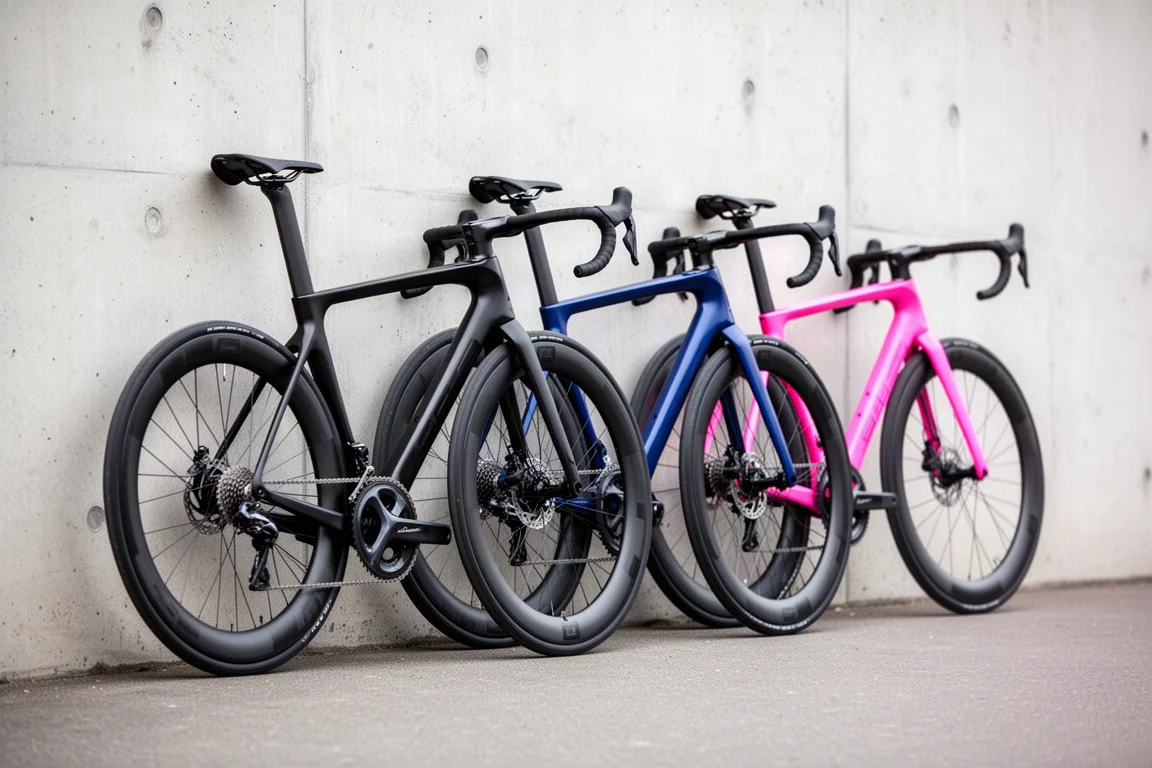
Six race bikes from the 2026 Tour de France grid, reviewed for paint, silhouette, wheels and the specification details that matter to buyers.
Road Bikes
3T Strada Italia Review: A Radical Aero Road Bike That Rides Smooth
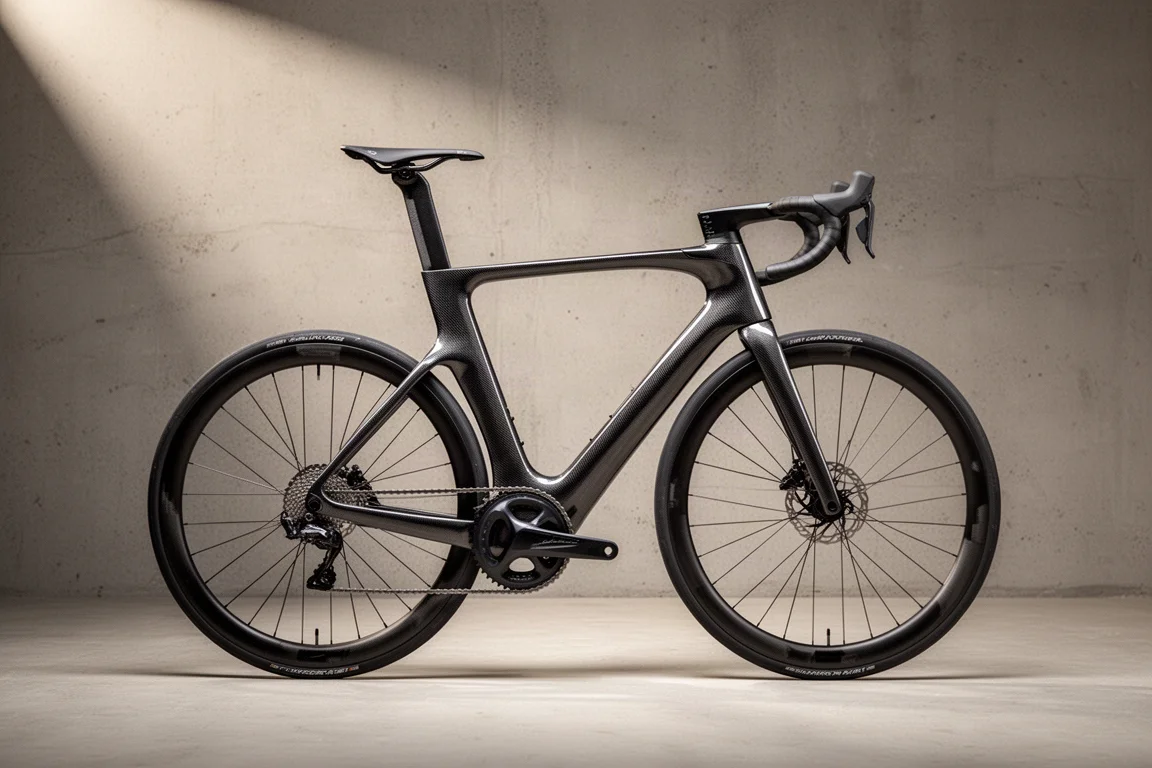
A made in Italy carbon aero road bike with a deep head tube, wide tire clearance and a genuinely comfortable ride. Here is what to know before buying.