Cycling
Best Endurance Bikes: Six Popular Models Compared
A practical comparison of six endurance road bikes, covering geometry, sizing, seat post quirks, and value, so you can pick the one that fits.
Introduction
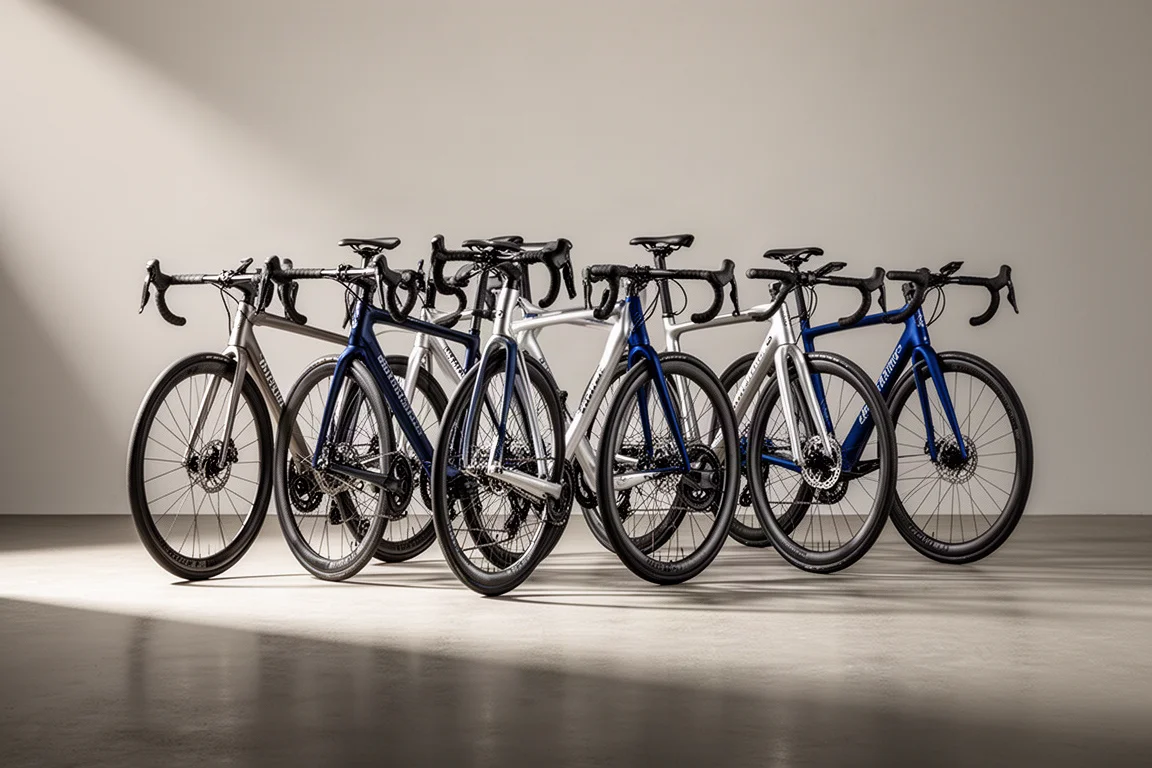
Endurance road bikes have long played second fiddle to their race-bred siblings. They are built for longer distances and more endurance-oriented riding, which usually means a longer wheelbase, slacker geometry, and a taller head tube. The trade-off has traditionally been looks: race bikes got the sharp silhouettes, while endurance models were often the plain, practical option that nobody was particularly excited to buy.
That has changed. Across the current generation, endurance frames look far closer to their racing counterparts, and at a glance it can be genuinely hard to tell a Synapse from a SuperSix. This guide compares six popular endurance models, looking at geometry, sizing, seat post quirks, and value, so you can work out which one deserves a place in your garage.
What Defines an Endurance Bike
Three things separate an endurance platform from a race bike: a longer wheelbase, slacker geometry, and a taller head tube. Together they produce a more stable, more upright ride that holds up over long distances rather than short, sharp efforts.

What is striking is how much the category has converged. Stack and reach figures across these six bikes are broadly similar, so from a pure fit standpoint there is less deviation between brands than the marketing suggests. The real differences show up in how many sizes each brand offers, how large the jumps between those sizes are, and whether the finishing kit can be adjusted to suit you.
Cannondale Synapse
The Synapse is a clear step forward aesthetically. It looks sleeker than earlier generations and shares so much of its visual language with the brand’s race models that a quick glance is not enough to tell them apart.
The geometry is sound, and sizing runs from 48cm to 61cm across six options. One detail is worth watching: a 51cm frame carries a 54.5cm top tube, which is long for the nominal size and could push some riders onto a frame that feels bigger than expected. On that same 51cm frame, reach is 376mm and stack is 55cm, which is a reasonable, workable position.
The 56 and 58 sizes share a seat tube angle, head tube angle, and chainstay length. Sharing those dimensions lets the brand reuse components, which keeps engineering costs down, though it does not make the bike any less capable.
Two practical notes. First, the price sits at the higher end, at around £6,000 with an Ultegra build. Second, the seat post is proprietary and there is no inline version available, which narrows your options if you need to move the saddle forward.
Giant Defy
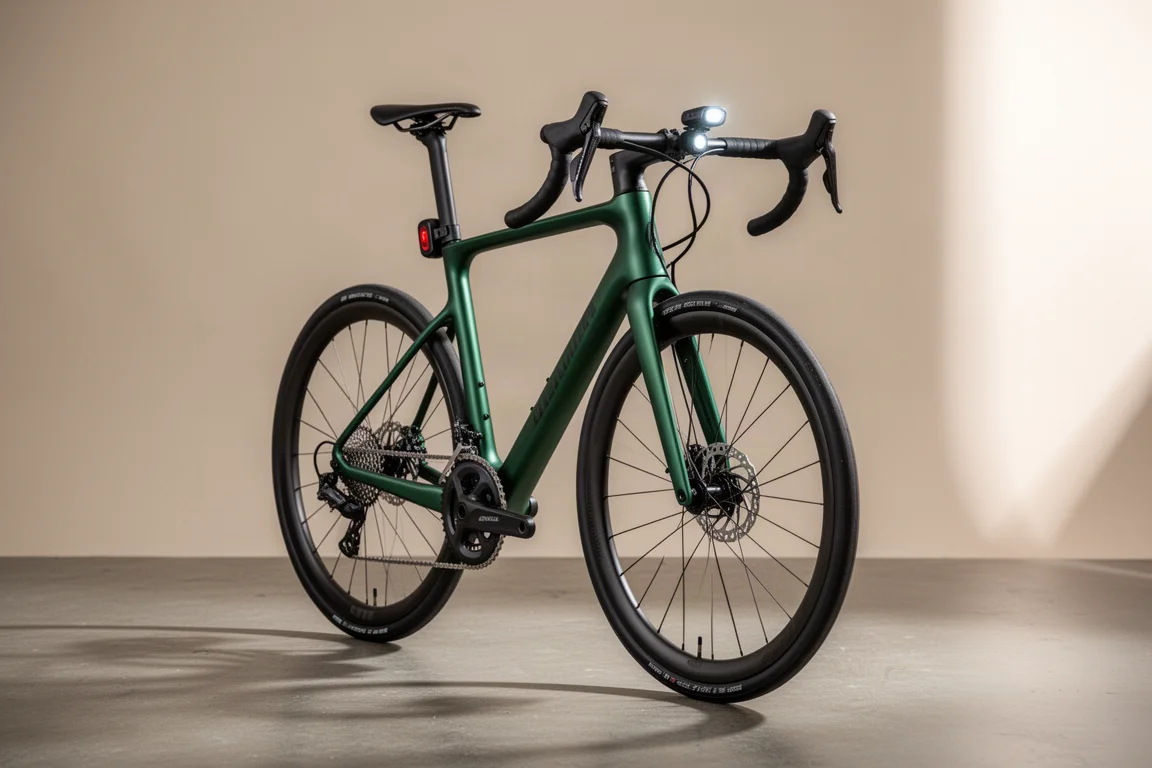
The Defy is a strong-looking bike and, apart from its seat post, it shares a lot of design cues with the brand’s race platform. That is not a criticism. It simply means the endurance option no longer looks like a compromise.
Sizing is more limited at five options, and this build also lands around £6,000 with Ultegra. The seat post is proprietary, but it offers between 15mm of setback and 5mm of forward offset. That forward position matters: it gives a wide enough adjustment range that most riders will not need an inline post, which is fortunate given that replacement proprietary posts are not easy to source.
Basso Astra
The Astra has historically blurred the line between race and endurance bikes, and that remains true. It shares roughly the same reach figure as the Defy and the Synapse, but sits 10mm taller, which translates into fewer spacers under the stem and a more upright position if that is what you are after.
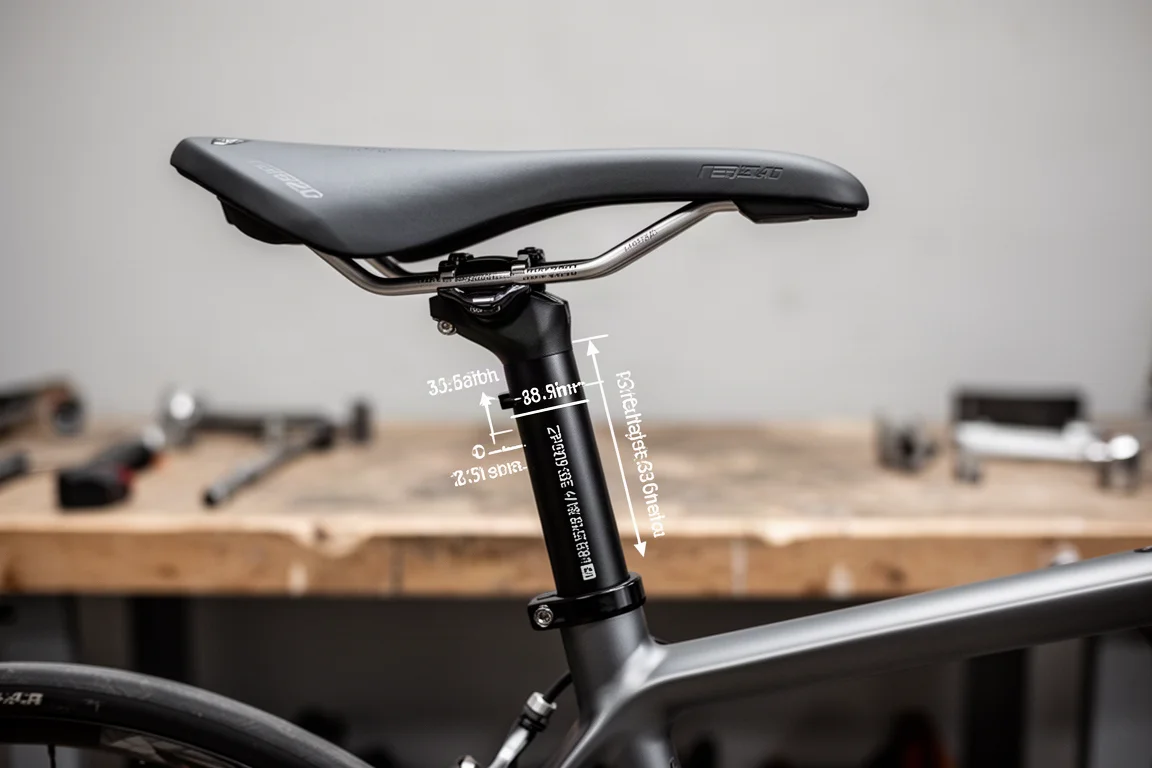
It is not as short and tall as some bikes in this group, and it comes in a reasonable range of sizes. The seat post is proprietary, but an inline version is available, so saddle position is less of a dead end. It is also one of the more cost-effective Ultegra builds on this list, which makes it easy to recommend on value.
Canyon Endurace CF SLX 8 Di2
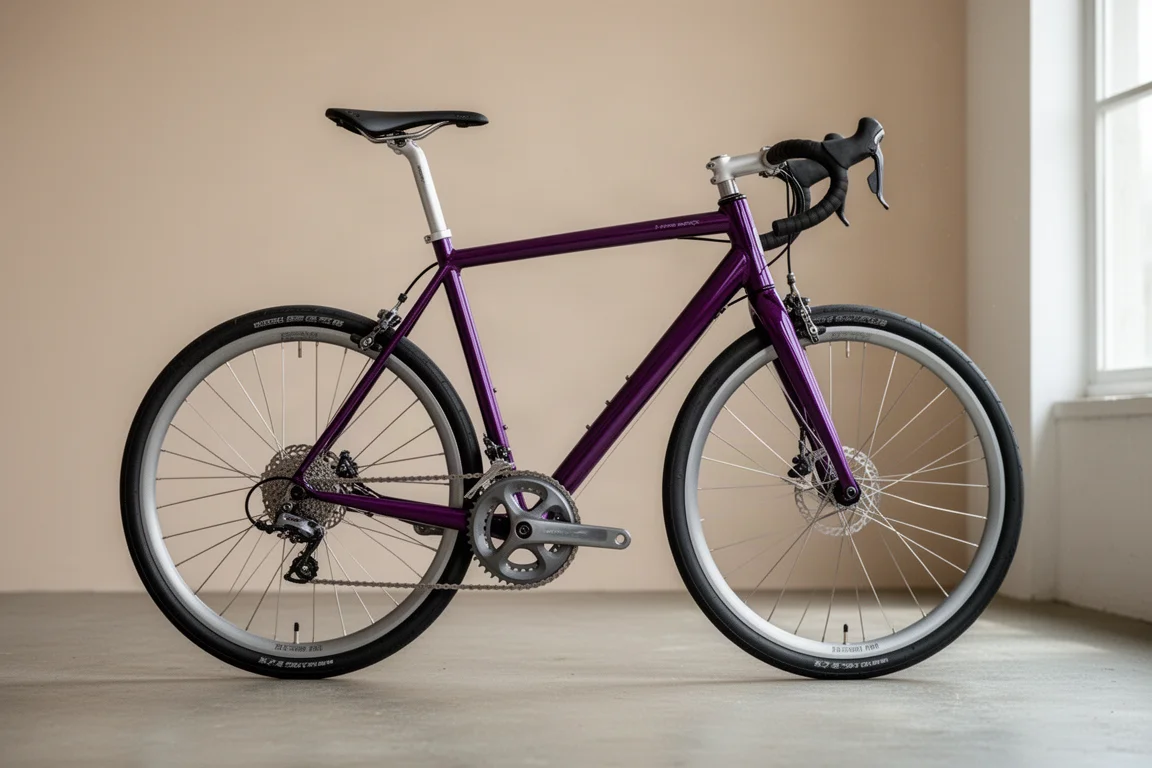
The Endurace CF SLX 8 Di2 makes its strongest case on adjustability. The handlebar adjustment concept is genuinely clever, even if the range could be stretched a little further.
It is still a good-looking bike, though not quite as sharp as the brand’s race models. Next to the Synapse and Defy versus their racing siblings, the Canyon is a little easier to tell apart from the Ultimate, and it is starting to look slightly long in the tooth by comparison.
The real advantage is the seat post. There is no proprietary system here: it uses a round 27.2mm post, which is also available in an inline version. If you would rather not spend around £230 on a replacement, any 27.2mm post will fit. That is a meaningful long-term benefit.
Value needs a caveat. The Endurace is often regarded as one of the more cost-effective options, but that case weakens if you end up swapping the cranks, saddle, or seat post to get the fit and feel you want. The bike comes in eight sizes and sits around £5,000.
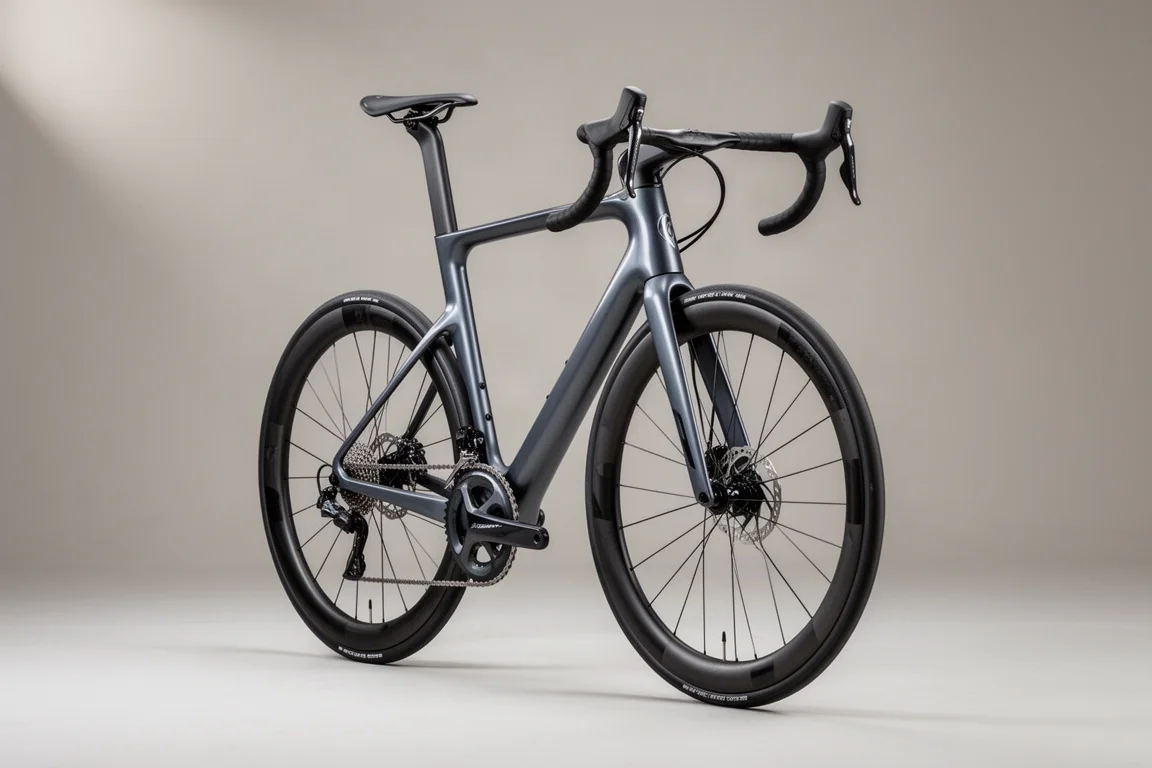
Specialized Roubaix
The Roubaix comes in eight sizes and its geometry is competitive, sitting close to the Canyon, Basso, Giant, and Cannondale in stack and reach. From a fit standpoint, it belongs in the same conversation as everything else here.
Pricing is more attractive than expected at around £5,250 with an Ultegra groupset and carbon wheels, which is a strong package on paper.
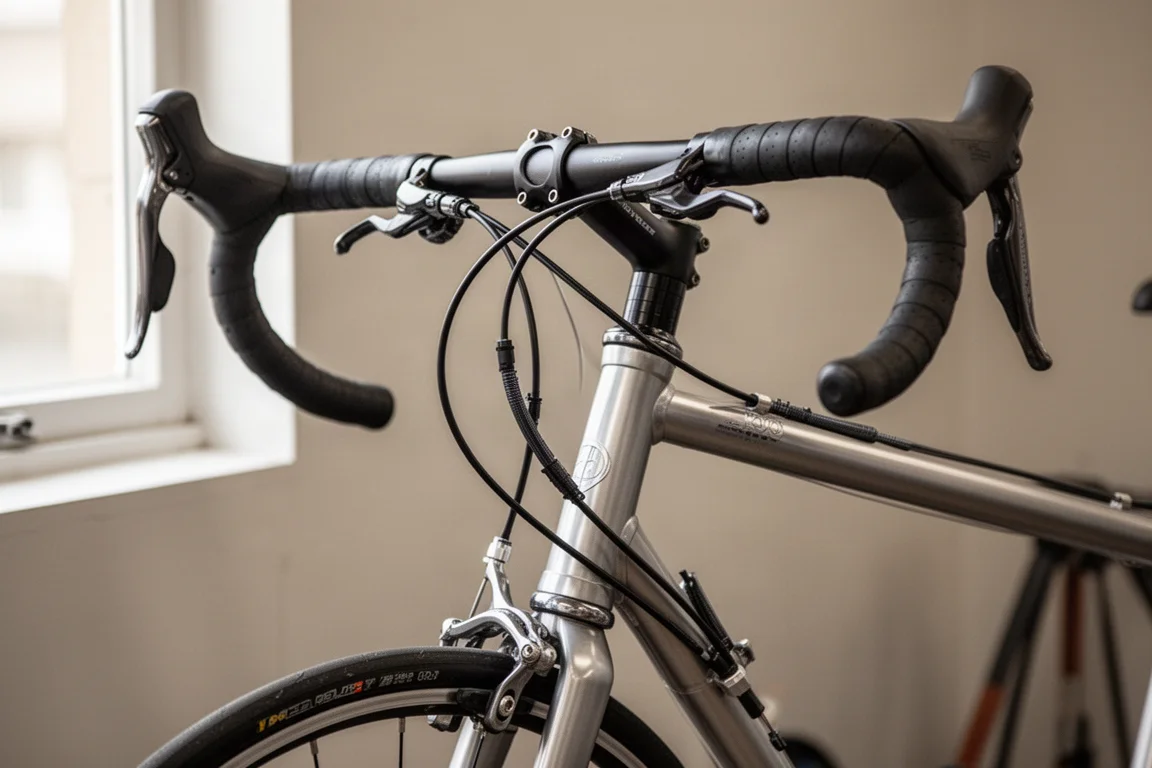
Two things hold it back. The first is cable routing: the cables run externally, which looks dated next to the cleaner, fully integrated front ends elsewhere in this group. The second is styling. Set beside the brand’s newest race models, the Roubaix looks like it is overdue for an update.
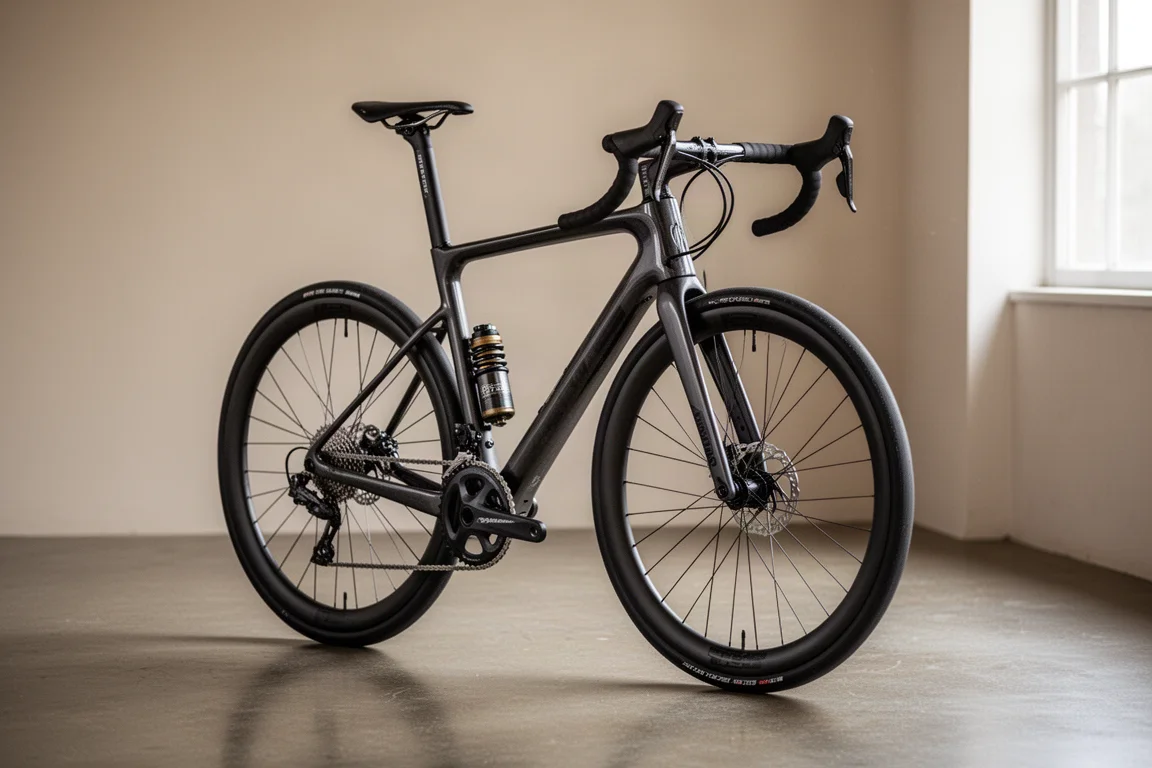
Pinarello X
The Pinarello X has been on the market for a few years, and it was arguably the first endurance bike that made the category look good. It remains one of the most distinctive designs here.
Its strongest argument is sizing. The X comes in a very wide range of sizes with small increments between them, which materially raises the odds of finding a frame that fits properly.
It is also one of the shortest and tallest platforms on the market, and that matters more than it sounds. When a bike is designed, the stem length, head tube angle, fork rake, trail, wheelbase, and chainstay length all work together. A shorter and taller frame lets most riders run no spacers and keep the stem length the frame was designed around, so the handling behaves as intended. Deviate by 15mm or 20mm or more and the bike stops fitting you in the way that counts: too long a stem feels vague, too short and the steering feels nervous.
The trade-offs are price and the seat post. At around £6,500 with Ultegra, this is the most expensive bike in the group. The seat post is proprietary, though an inline version is available.
How to Choose the Right Endurance Bike
Look across all six bikes and the fit numbers barely change. The industry has broadly agreed on where the contact points need to be, which means stack and reach are no longer the main differentiator they once were. That shifts the decision back to you.
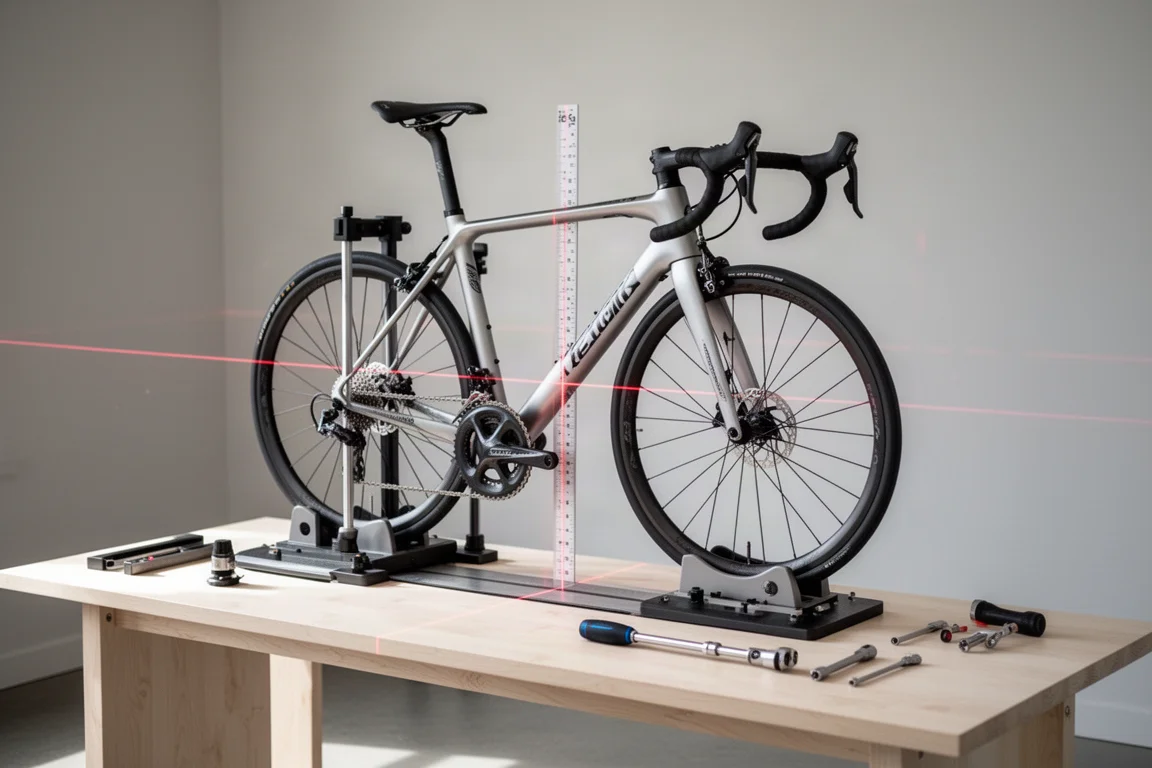
The practical order of operations is straightforward. Get a bike fit before you buy anything, so you understand where your body needs to be positioned in space. Then check how many sizes a brand offers and how big the jumps between them are: more sizes with smaller increments means a higher chance of landing on a frame that genuinely fits rather than one you have to force. Then check the seat post. If it is proprietary, find out whether an inline version exists and what it costs, because that determines how much saddle adjustment you actually have.
Once those boxes are ticked, you have real autonomy. Choose the bike you like the look of most, or the one that fits your budget best, because every platform here is available in cheaper and more expensive builds.
Conclusion
Endurance bikes are no longer the boring alternative. The current generation looks modern and stylish, and in several cases is genuinely hard to distinguish from a race bike. Geometry across these six models is closer than ever, so the deciding factors are fit, sizing range, seat post flexibility, and price. Get a bike fit first, understand the position you need, and then pick the bike that fits you best and suits your budget.
Further reading
Related Reviews
Cycling
2026 Bike of the Year and the Cycling Gear Worth Watching
A drop bar roundup for 2026 covering the Ridley Kanzo Fast 2.0, Shimano Dura-Ace Di2 R9300, Trek Checkpoint ALR Gen 3, Specialized Tarmac SL9, Garmin Fenix 9 and Insta360 X6.
Cycling
Best All-Road Bikes 2026: Six Versatile Endurance Road Bikes Worth Considering
A practical look at six all-road and endurance road bikes, from lightweight carbon speed machines to steel all-rounders and comfort-focused mile eaters.
Cycling
Best All-Road Bikes 2026: 8 Endurance Bikes for Road and Light Gravel
Eight all-road bikes that blur the line between endurance road and light gravel, compared on tire clearance, ride character, practicality, and value.