Electric Bikes
Best Electric Bikes: Six Standout Models Across Road, Gravel, and Cargo
Six electric bikes worth a closer look, covering endurance road, lightweight road, gravel all-road, and cargo duty, with the strengths and trade-offs to weigh before buying.
Introduction
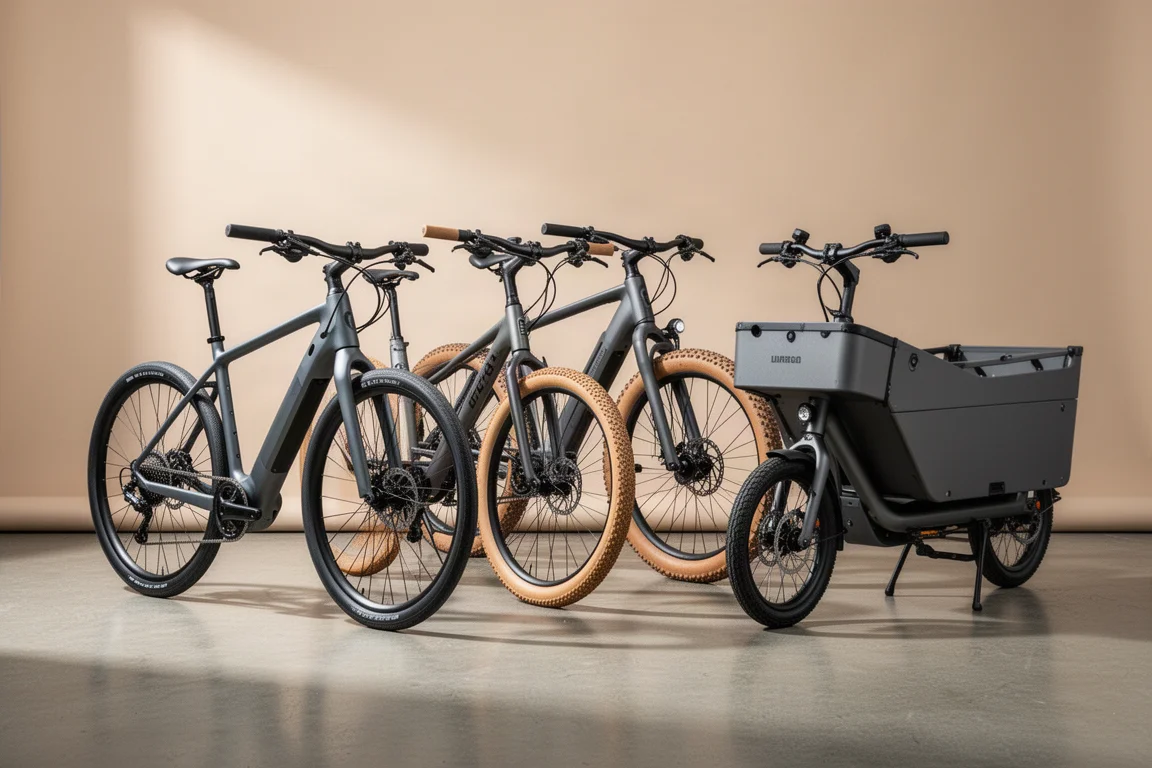
Much of the cycling industry is under real pressure right now, but electric bikes are one of the few corners still growing. Motors have spread across almost every discipline, from endurance road frames to gravel all-rounders and heavy-duty cargo machines, and the newest generation has moved well past the idea of assistance as something reserved for steep climbs.
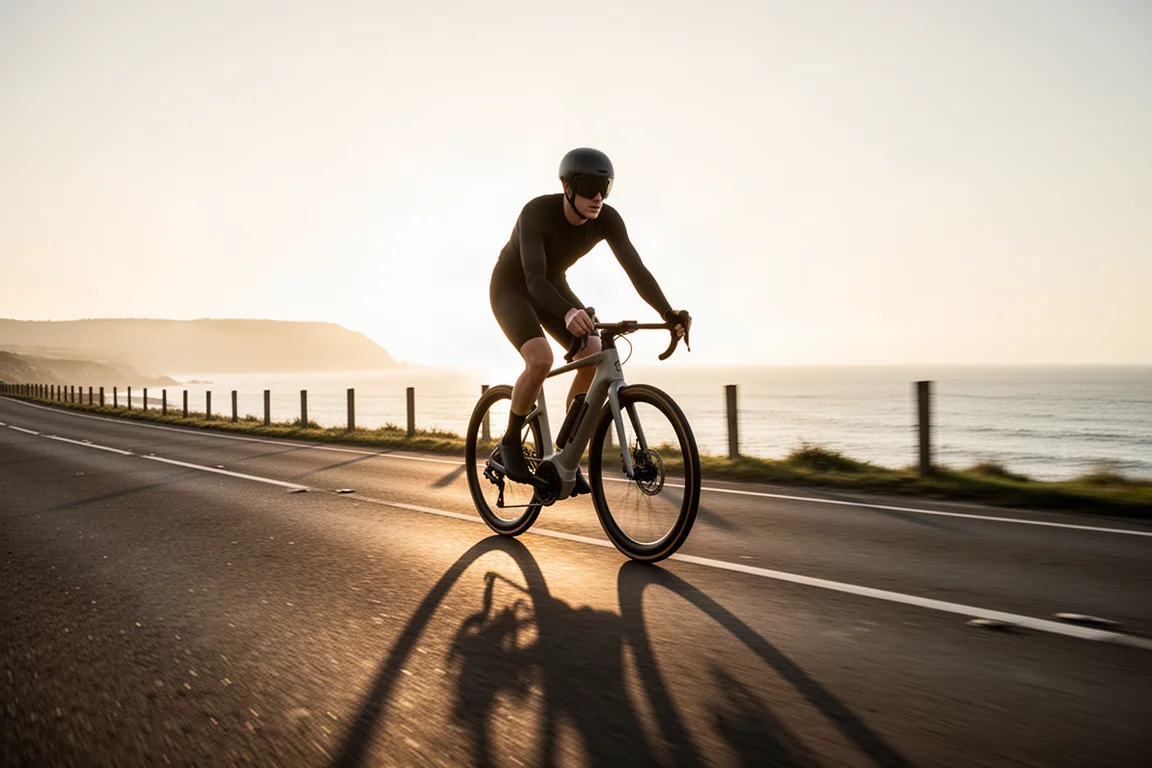
This roundup covers six models that earn attention for very different reasons. Two are endurance and performance road platforms, two are gravel-capable all-roaders, one is a cargo bike built for family and delivery duty, and one is an aerodynamic experiment that is more interesting than it is practical. Each one suits a specific kind of rider rather than winning on a single headline number.
What We Looked For
Weight, motor integration, versatility, and value all carry weight in this selection. A good electric bike should feel like a complete machine rather than a conventional frame with a motor bolted on, and the assist should support the kind of riding the platform was designed for.
We also looked at how each model fits into its range. A platform that spans several price points, or that shares geometry and components with a well-established non-assisted bike, tends to be easier to live with over time. Finally, we considered whether a model still feels current, since a few of these platforms have been on the market long enough that an update may be on the way.
Trek Domane+
The Domane is a stalwart of the road bike category and has long been an extremely popular endurance bike, so it was no surprise to see it appear here once Trek added a motor. Electrifying the platform let Trek serve the same audience in a more diverse way, and a claimed weight of 12.15 kg (26.8 lb) for a 56 cm top-spec build is respectable for an assisted road bike.
That top model costs a serious amount, but the entry-level Domane+ AL5 adds only around 2 kg (4 lb) and saves a considerable sum, which makes it a compelling choice for a much wider group of riders. The range spans all price points, and the top-end bikes use Trek’s OCLV 800 series carbon fiber. All of it sits on one of the most popular endurance platforms on the market.
Scott Addict eRIDE
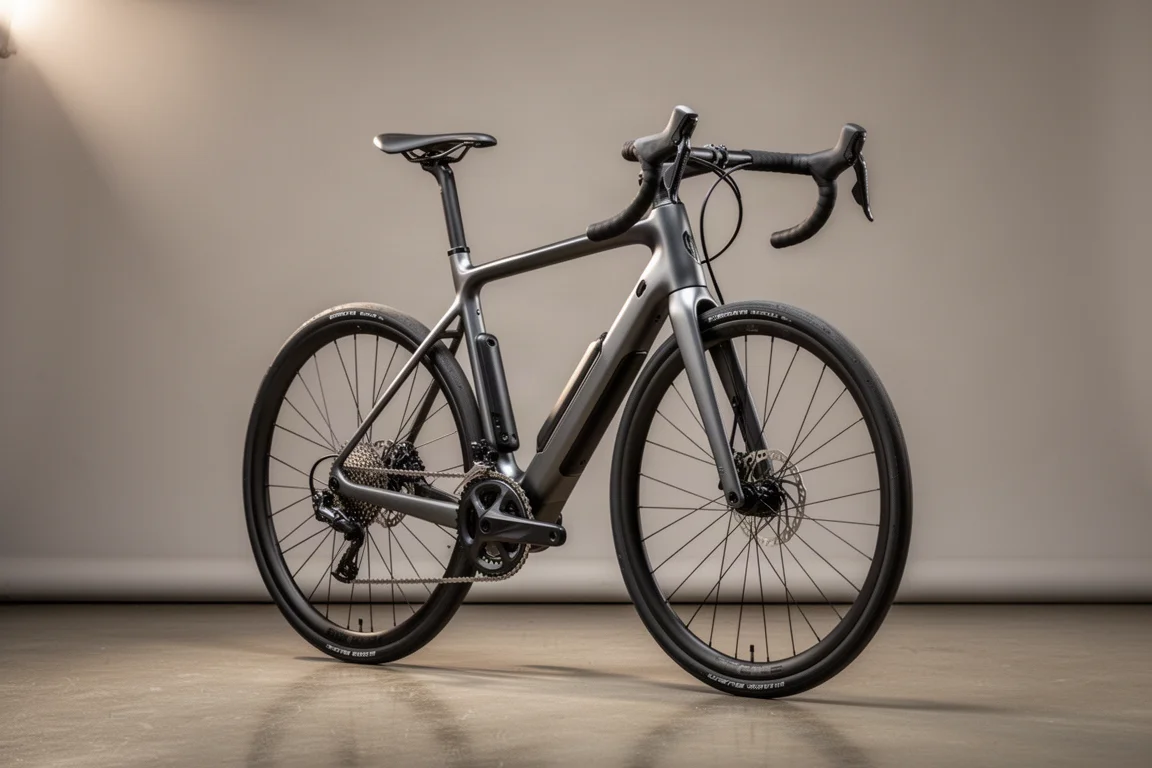
Riders with a performance focus should look closely at the Addict eRIDE. At a claimed 10.6 kg, it is one of the lightest electric road bikes currently available, and Scott’s stated intention was to make cycling tougher rather than easier: the motor exists to help riders cover more miles and stay out for longer.
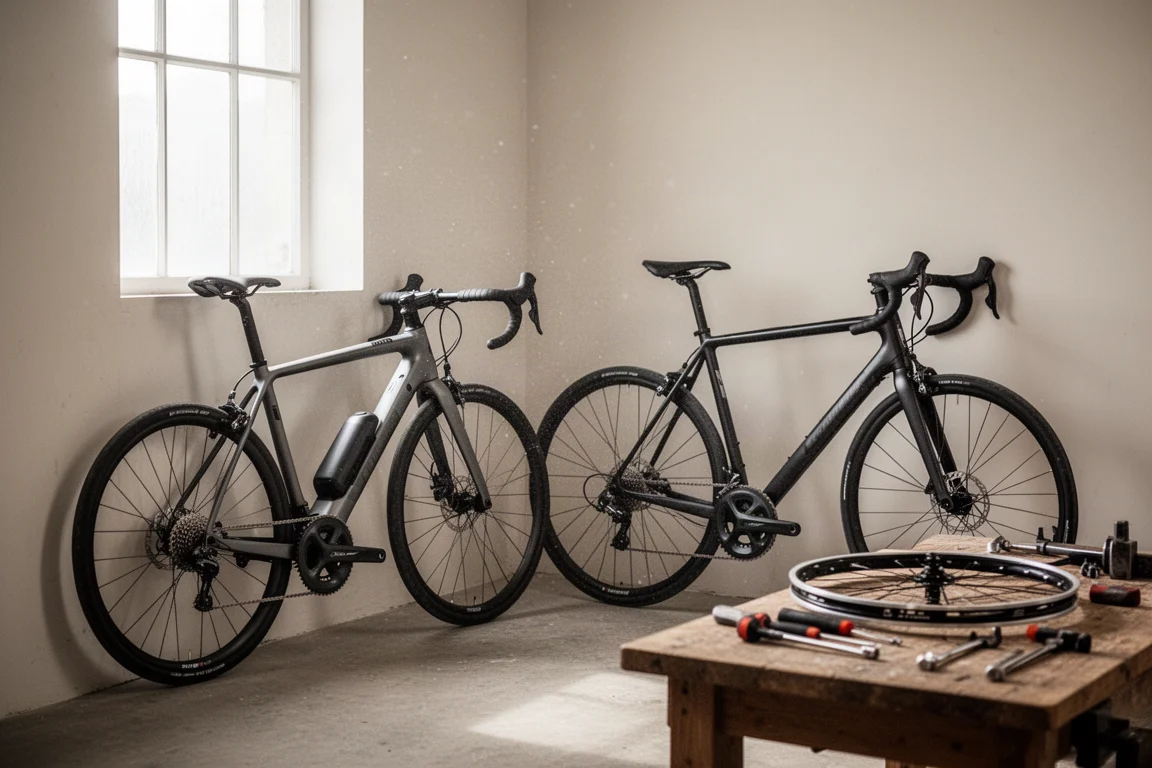
The design also flies under the radar. Placed next to the non-assisted Addict RC Pro, the two are almost impossible to tell apart at a glance, and it is only on much closer inspection that the extra hardware becomes visible. Performance of this kind does not come cheap, but for anyone who wants an electric road bike that stays close to an analogue machine in weight, this is a strong candidate.
The trade-off is straightforward. You pay a premium for the low weight, and the assistance is tuned to extend range rather than to flatten every climb, so the bike still asks something of the rider. For those who want that balance, it is exactly the point.
Cannondale Topstone Neo
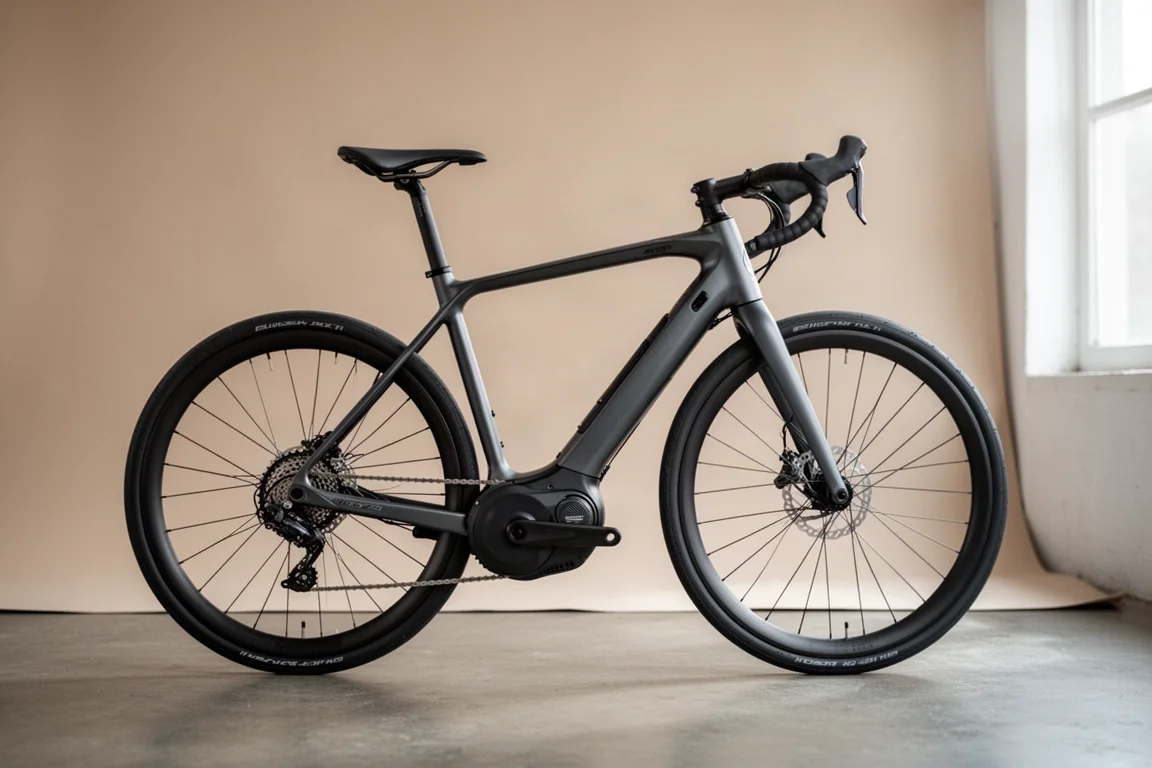
Moving into e-all-road territory, the Topstone Neo has become a fan favorite among gravel riders and is comfortable across a wide range of terrain. It does not carry the Kingpin suspension system used on other Topstone models, which means the motor’s power delivery is felt directly and the bike can be ridden on the road without feeling soft or vague.
Two models are offered, both with Shimano GRX groupsets and alloy frames. The stock tires lean toward gravel, and swapping them for something more road-oriented, such as a Panaracer GravelKing slick, lets you keep the comfort of a wider tire without the usual speed penalty, because the motor covers the difference. In the UK the bikes sit either side of the £3,000 mark, which represents decent value against competitors, and versatility is the real strength here.
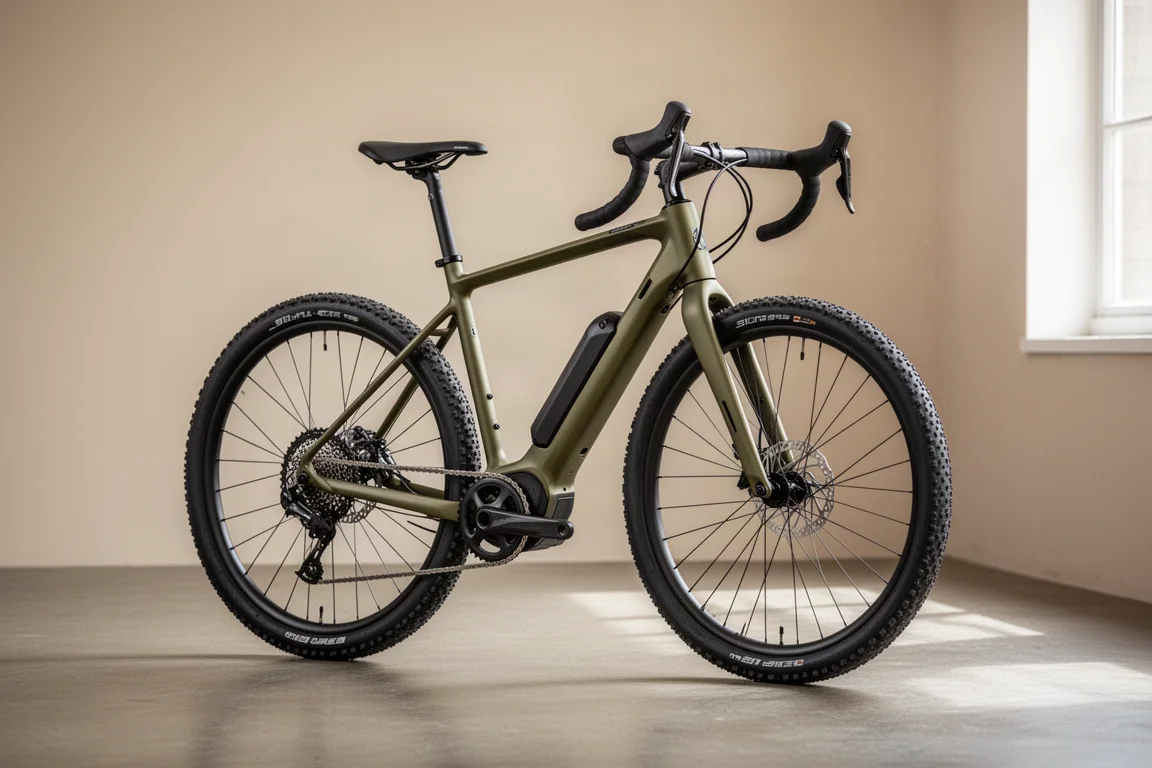
The main caveat is age. Both models have been around for quite some time and look due for an update fairly soon, so it is worth checking what is currently available before committing.
Specialized Creo 2
The Creo 2 launched relatively recently, arriving at a similar time to the latest Roubaix. Just as the Roubaix broadened its horizons into an all-road bike, the new Creo has moved away from pure tarmac in favor of more versatile gravel riding, and the top S-Works version uses the latest 3.3 generation Future Shock along with an AIR dropper seat post.
The result is a highly competent bike. Like other rigid-framed gravel machines, a simple tire swap turns it into a very versatile and comfortable mile-eater, which matters if your routes mix smooth surfaces with pothole-ridden roads.
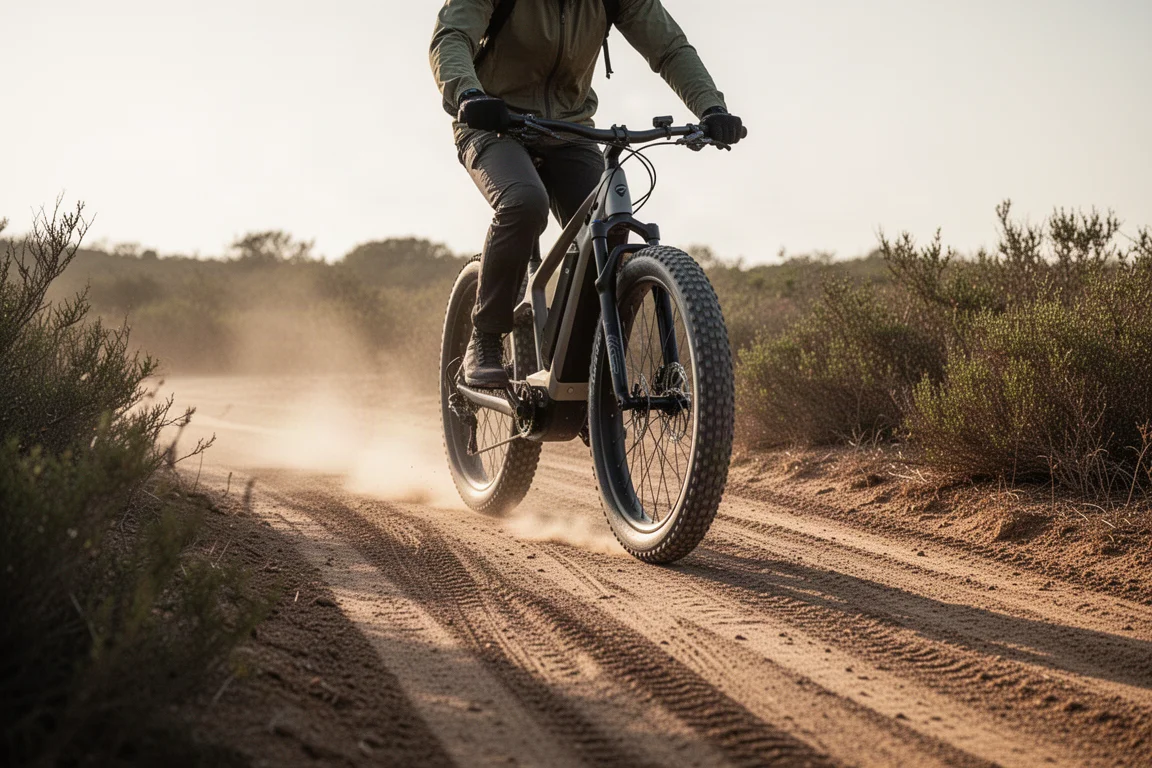
What is undeniable is the cost. There are three Creo models, and the entry-level Creo 2 Comp carries a fairly high entry price of £5,000 in the UK, which is a tough figure to swallow for a bike at this level. The capability is real, but so is the outlay.
Trek Fetch+ 4
No roundup of the best electric bikes would be complete without a cargo bike, and these machines are steadily changing how a growing number of people move their children, their shopping, and increasingly their business deliveries.
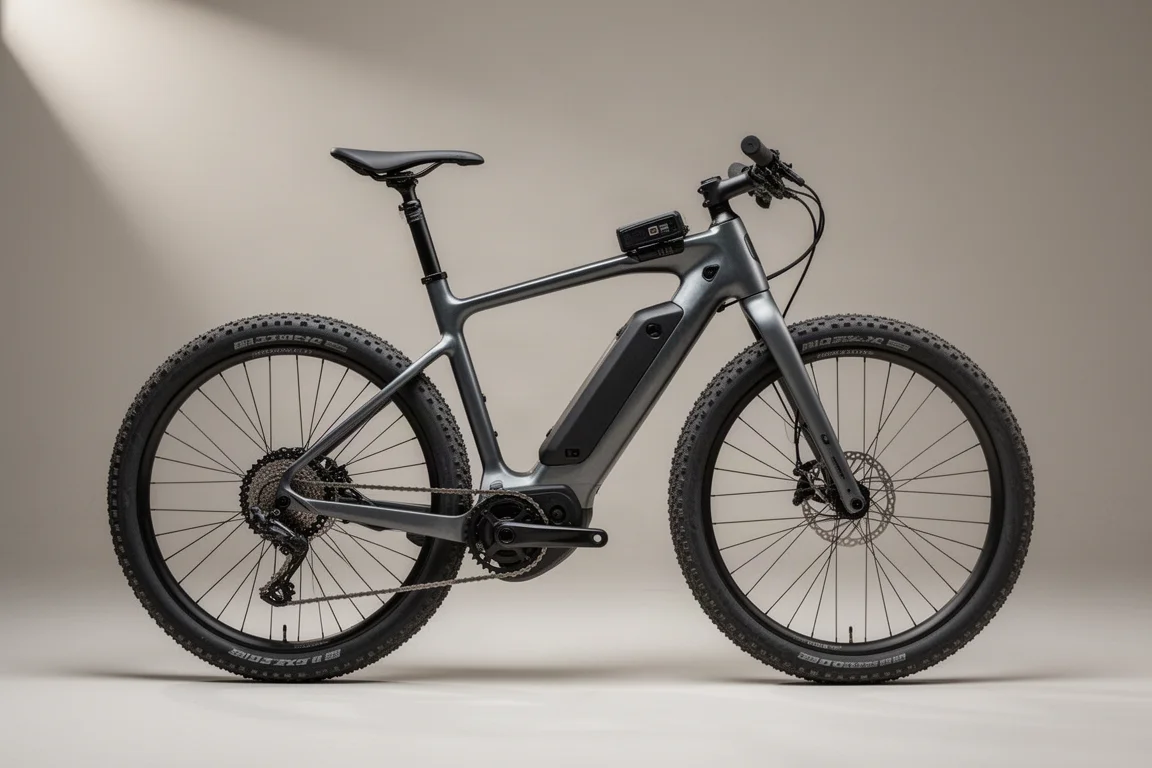
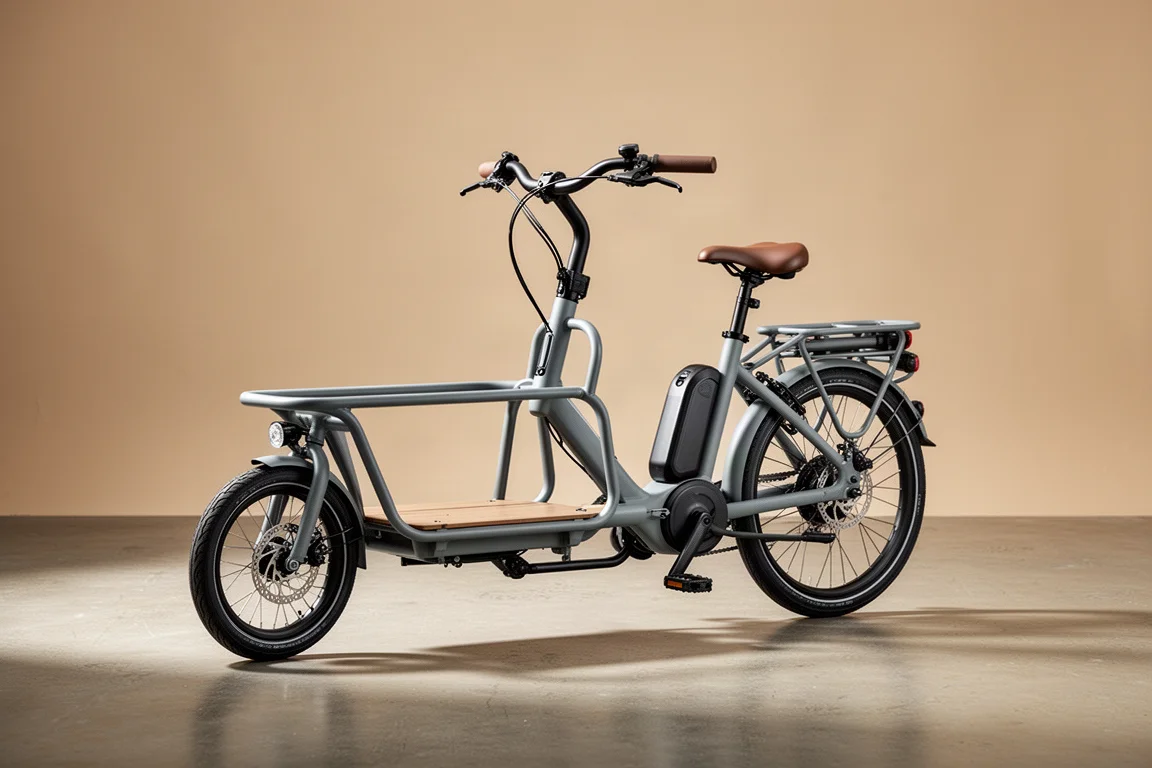
The Fetch+ 4 offers space up front for children or cargo, and the adjustable seat and handlebars make it easy to find a position that feels stable and confident. It also uses Bosch’s largest-capacity integrated battery, which is claimed to add 20 percent extra distance to every charge, while a rear wheel locking ring helps keep the bike secure when parked. It is not a cheap purchase, but for some households it can replace a car, and the savings can stack up considerably over time.
Lotus 136: A Special Mention
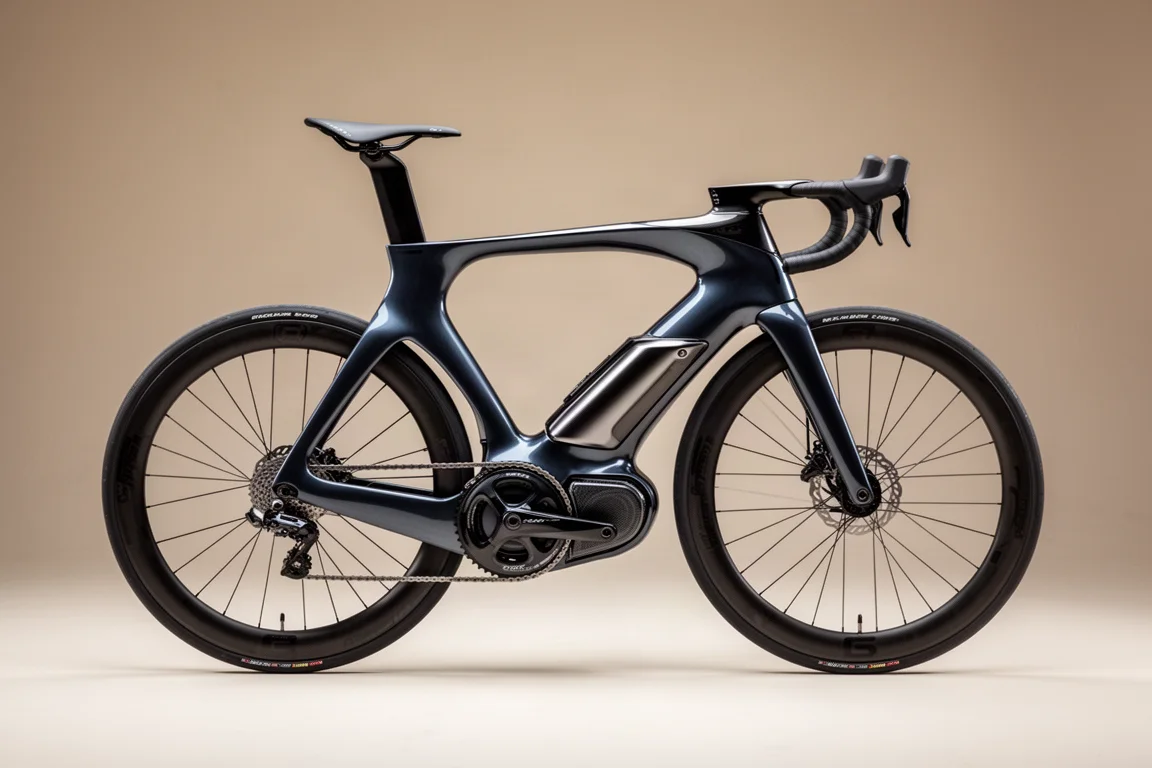
The Lotus 136 deserves a special mention, though not a recommendation. Launched in November, it pairs the aerodynamics of the Lotus-Hope track bike used by the GB track squad with one of the lightest motors found on an electric bike.
The ambition behind the project is easy to applaud, but one detail is hard to get past: the assistance stops before the aerodynamic shapes can actually become useful. On that basis, the concept would arguably make more sense as an acoustic bike aimed at racers, simply branded as a pure aero race machine. Even so, it may well be a sign of what is coming next.
Overall Buying Advice
Match the bike to the riding you actually do. If you want endurance comfort with a motor that blends into a proven platform, the Domane+ range gives you the widest spread of price points, and the entry-level build keeps the weight penalty modest. If low weight and an analogue feel matter most, the Addict eRIDE is the closest thing here to a conventional road bike.

For mixed surfaces, the Topstone Neo is the value option and the Creo 2 is the premium one, with both rewarding a tire swap. If the bike is replacing car journeys rather than training rides, the Fetch+ 4 is built for exactly that job. Two practical checks before you buy: confirm the frame size and fit, since assisted bikes carry more weight, and look at how long a platform has been on sale if you would rather not buy just before a refresh.
Conclusion
There is no single best electric bike here, only the one that fits your riding. Endurance riders get a broad, well-established option in the Domane+, performance-focused riders get a genuinely light machine in the Addict eRIDE, gravel riders get a versatile value pick in the Topstone Neo and a premium all-rounder in the Creo 2, and families and couriers get a purpose-built cargo platform in the Fetch+ 4. The Lotus 136 sits apart as an intriguing glimpse of where aerodynamic e-bikes might go.
Further reading
Related Reviews
Electric Bikes
Best Cargo E-Bikes for Family Use: Three Practical Options for Car-Free Living
Three electric cargo bikes designed for families and everyday transportation, each with distinct strengths for replacing car trips and building community.

Electric Bikes
Best Electric Bikes 2026: The Most Exciting Launches From CES
From lightweight e-motos to compact city commuters, these are the most interesting electric bikes unveiled at CES 2026.
Electric Bikes
Best Electric Bikes 2026: Seven E-Bikes Worth a Closer Look
A practical look at seven electric bikes spanning endurance road, gravel, cargo and experimental designs, with the real strengths and trade-offs of each.