Electric Bikes
Best Electric Bikes: 5 Standout Models for Commuting, Gravel and Everyday Riding
Five electric bikes that span a sub-12 kg carbon road machine, a carbon gravel build, two practical hybrids and a belt-drive city single speed, with the strengths and trade-offs worth checking first.
Introduction
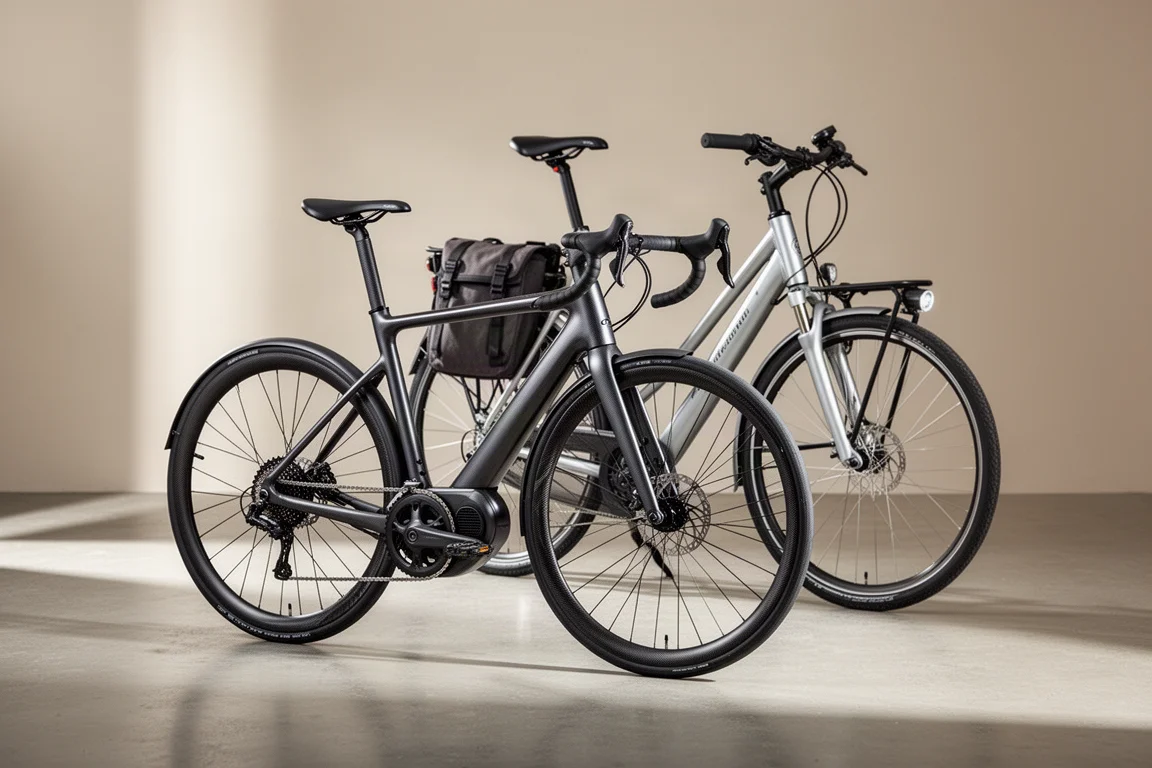
Electric bikes have moved well past the novelty stage. More brands now build road, gravel and hybrid models, and the hardware has become both lighter and far more discreet. On several of the bikes below you would be hard pressed to spot the motor without leaning in for a closer look.
The appeal is straightforward. Pedal assistance adds a modest amount of help that can change how far you ride and how much you enjoy it. That makes an e-bike worth considering whether you are commuting to work, cutting down on car journeys, or simply riding to improve your fitness.
The five models here cover a wide spread: a carbon road bike that weighs just under 12 kg, a carbon gravel machine with a bottom-bracket motor, two practical hybrids built for town use, and a belt-drive city single speed that undercuts everything else on price.
How We Chose These Electric Bikes
Rather than ranking by specification alone, we looked at the things that shape day-to-day ownership. The first is integration: how neatly the motor and battery disappear into the frame, because a bike that still looks and handles like a normal bicycle is easier to live with. The second is weight, which affects how the bike feels to lift, store and pedal without assistance.
We also weighed the character of the assistance. Some systems deliver a gentle push that keeps the ride natural, while others lean harder on torque. Neither approach is wrong, but they suit different riders.
Practical equipment mattered too. Racks, mudguards and integrated lights are genuinely useful on a commuter, and they are far cheaper when they come fitted than when you add them later.
Finally, price relative to what you actually get. The bikes here sit in very different brackets, and the value case changes accordingly.
Ribble Endurance SLE: A Lightweight Road E-Bike With Discreet Assistance
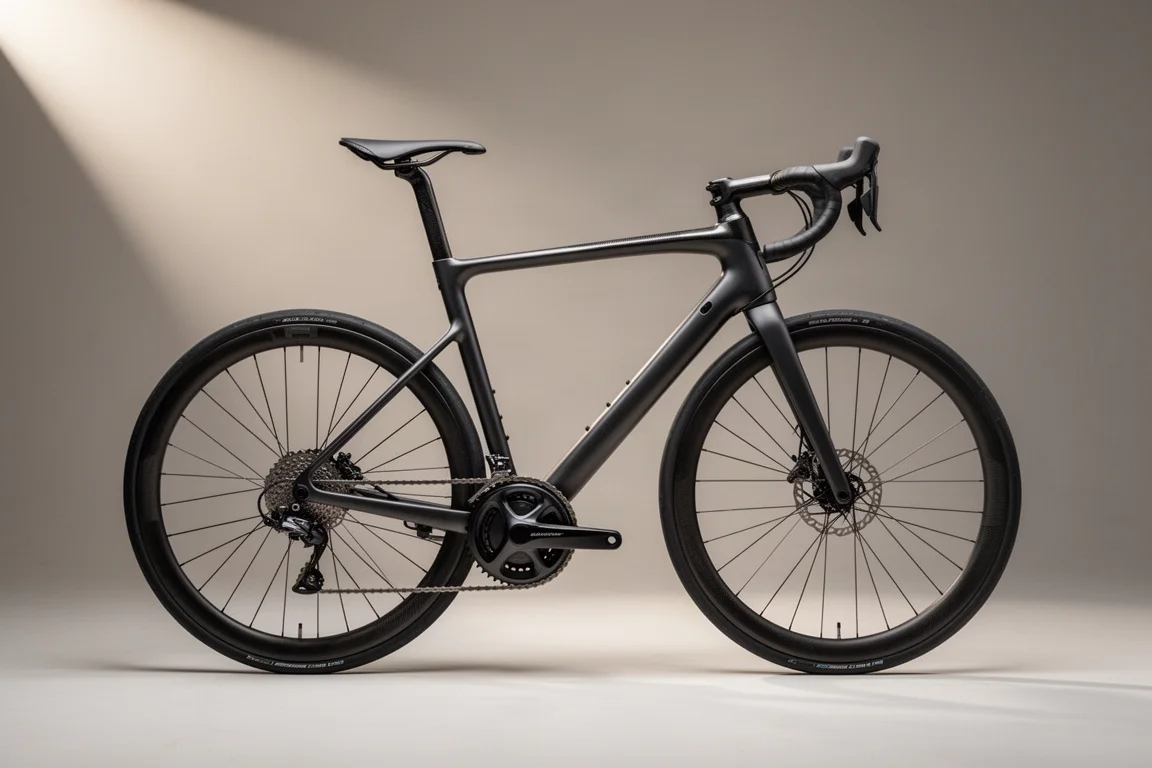
The Endurance SLE is the most road-focused bike in this group. Its frame set is built from high-end T800 and T1000 carbon, which helps it tip the scales at just under 12 kg and makes it the lightest e-bike in its class. That figure is the headline here, because it puts the bike much closer to a conventional road machine than most electric alternatives.
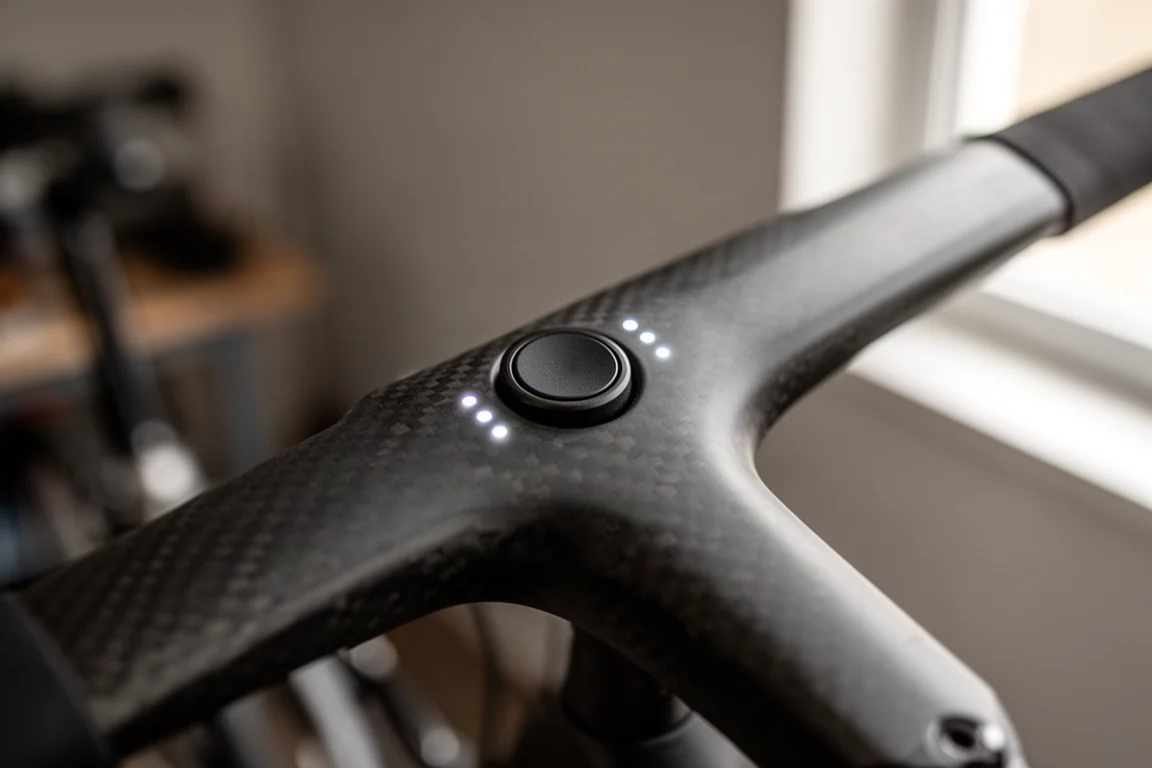
The hub-driven Mahle ebikemotion X-35 M5 250 watt motor is tucked away in the rear wheel, so the frame keeps the sleek lines you would expect from a drop-bar bike. Power comes from an internal Panasonic 36 volt 250 watt battery, and a button on the top tube lets you move between three power settings. Paired with the ebikemotion app, the system also gives access to a range of useful ride data.
Upgrades over earlier editions include Rival level 5 integrated carbon bars and stem, which keep the cables tucked away for a stealthy cockpit and improved aerodynamics. On the road, the Endurance SLE feels comfortable yet agile, with stack and reach similar to the race-ready SLR and head angles maintained.
The assistance is best described as a gentle push rather than a high-torque kick. On longer climbs that extra boost is genuinely beneficial, which is exactly where this bike makes sense: it keeps the enjoyment and feel of a lightweight race bike while offering a little helping hand. At £3,299, it is a serious purchase, and it has previously earned an editor’s choice award.
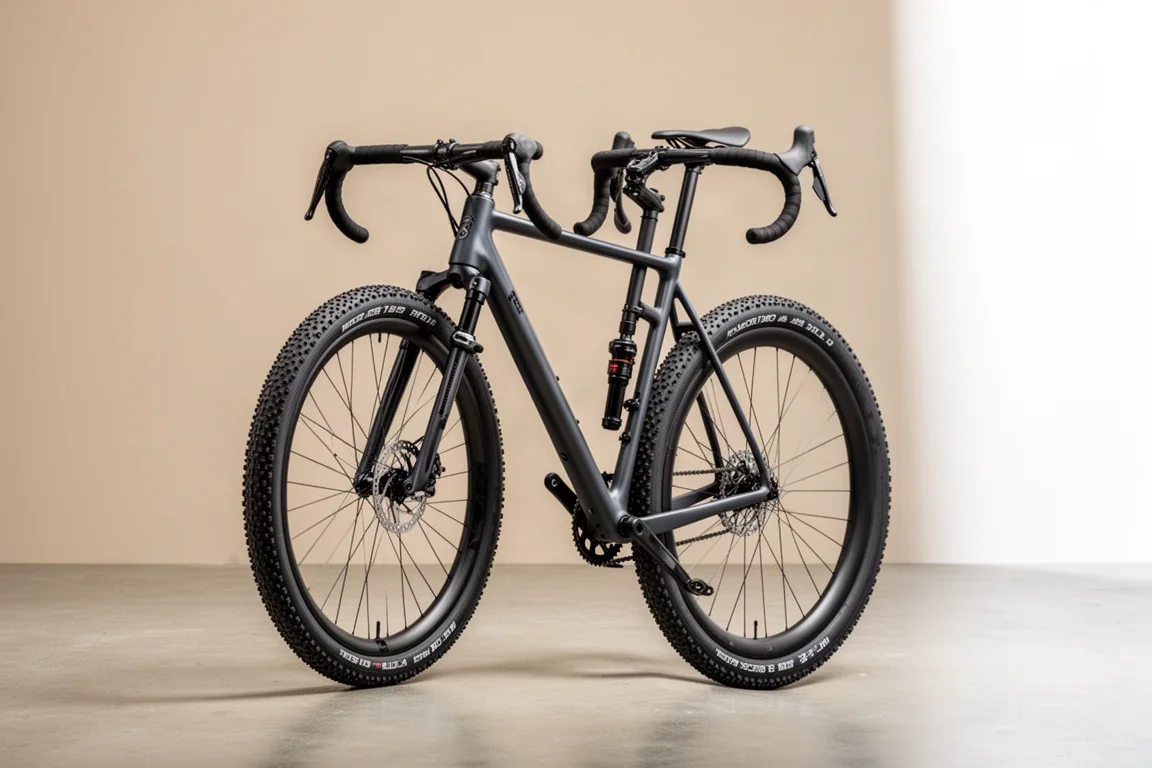
Specialized Turbo Creo Comp Evo: Gravel Capability With Road Manners
Specialized’s first drop-bar e-bike, the S-Works Turbo Creo SL, made a significant splash on launch. It looked like a road bike on steroids, and at £10,999 it was clearly a bike for the few rather than the many. The Comp Evo brings the same design thinking into a more attainable position in the range.
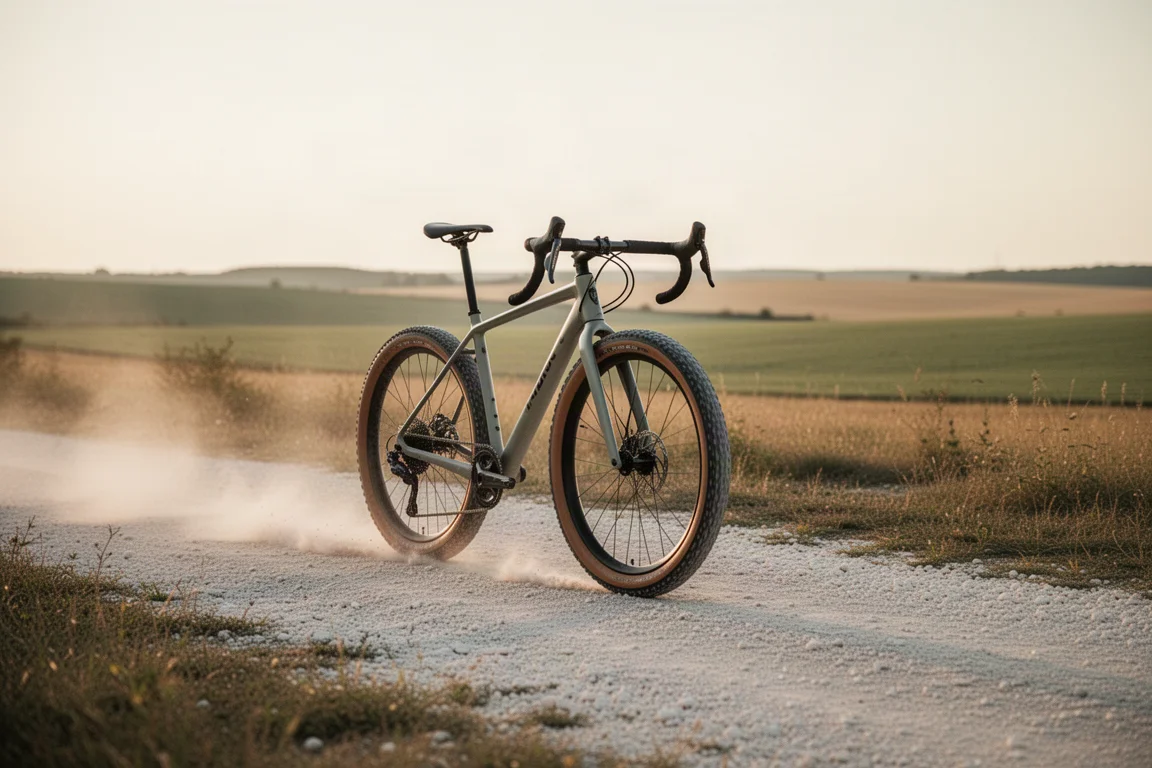
It blends motor assistance with a carbon frame set and components to create one of the lightest e-bikes of its kind. The frame set uses FACT 11R carbon. Although the Comp Evo is marketed as a gravel bike, it shares the same geometry as the road offerings, landing somewhere between the Ruby and the Diverge in terms of numbers. That makes it a mixed-surface machine with road manners rather than a dedicated off-road bike.
Comfort comes from a Future Shock 2.0 fork with a matching stem, which lets you adjust the level of damping via a knob on the top cap. The build pairs a hybrid group set with a dropper post offering 50 mm of travel and Pathfinder Pro tyres in a sensible 38 mm width.
The motor is the brand’s proprietary SL 1.1 unit, neatly integrated into the bottom bracket, providing 240 watts of assistance and 35 newton metres of torque. Battery life is a strong point: the claimed 81 miles on eco mode from a full charge proved pretty accurate in practice. There are three levels of assistance, and the Mission Control app allows full customisation of how the system behaves.
For riders who want a light carbon e-bike that covers gravel and mixed surfaces without losing road efficiency, this is one of the most complete packages available. The carbon frame and motor system do place it firmly in premium territory, so it rewards buyers who will genuinely use the range and the comfort features.
Kinesis Life Equipped: Practicality for Short Trips and Commutes
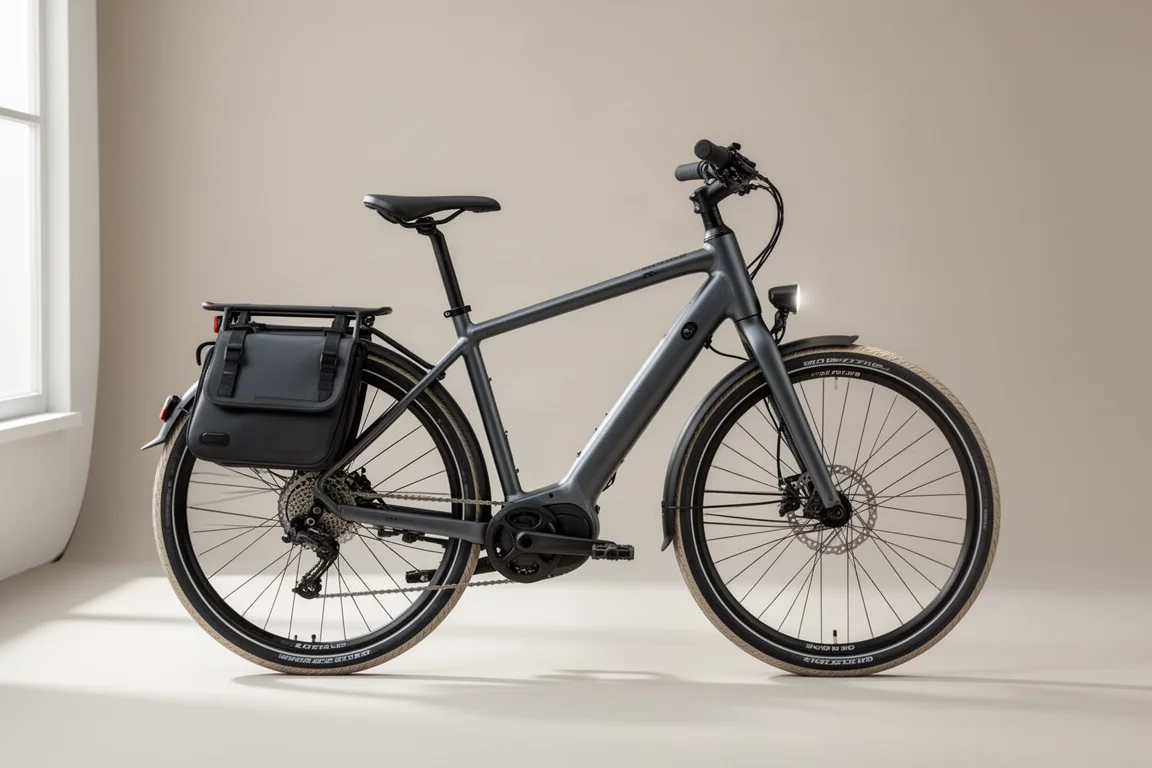
The Life Equipped arrives with a pannier rack, mudguards and integrated lights already fitted, which makes it ideally suited to shorter trips into the office or to the shops and back. For anyone who wants a bike that is ready to use from day one, that equipment list does a lot of the persuading.
Kinesis has built a reputation for lightweight aluminium bikes, and the Life Equipped follows the same approach with a double-butted 6061 alloy frame set. The forks are alloy rather than carbon. A carbon fork might have helped damp some road vibration, but the alloy unit has not adversely affected the bike’s overall weight.
At 16.5 to 17 kg depending on frame size, it is lighter than many other hybrids in the same price bracket. That matters, because it keeps the bike feeling like a bicycle rather than a small vehicle. There is no huge boost on offer here, which means you will still get a workout while riding it.
For £2,300 the specification is solid. A 1x10 drivetrain combines Shimano Deore shifters with a Sunrace 11-42T cassette and an FSA 40T chainset. Elsewhere there are Tektro hydraulic disc brakes and 42 mm Schwalbe Road Cruiser Plus Puncture Guard tyres. The finishing kit comes from Kinesis, including handlebars that suit the bike’s generous stack height and promote the upright position that works so well in town and city traffic.
Ribble Hybrid AL: Streamlined Hybrid Efficiency
The Hybrid AL is a superb example of how much progress brands have made in integrating an electric system so the bike still looks elegant and streamlined. At a glance, you would be hard pushed to know it was an e-bike at all.
The frame set is constructed from 6061 alloy with a carbon fork to keep weight down and comfort levels up. It is a comfortable ride all round, helped by a short reach that promotes a nice upright riding position and by stylishly thin dropped seat stays that add compliance.
Ribble has again opted for the Mahle ebikemotion X35 motor system. It is lightweight at just 3.5 kg all in and promotes a natural feel akin to riding a regular bike. It delivers 250 watts of pedal-assisted power with three available power settings, and Ribble states that the Panasonic battery is capable of delivering 60 miles of assistance over varied terrain.
Because Ribble sells direct to consumers, it can spec its bikes generously without inflating the price. For £2,229 you get a fully loaded edition that is ready for the daily commute and beyond, including a rear pannier rack, mudguards and lights. For £100 less, the standard version omits the rack, mudguards and lights, though equipping the bike with that kit later would cost far more than the difference.
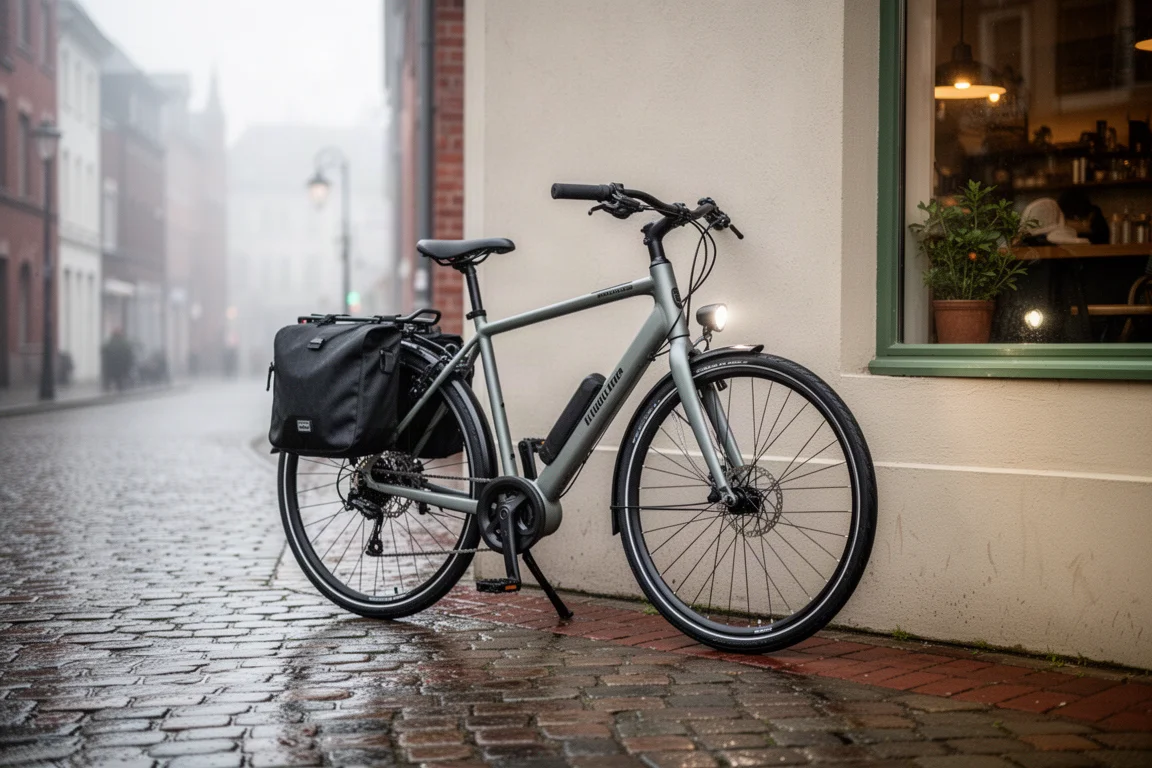
That value calculation is worth thinking through carefully if you plan to use the Hybrid AL as a year-round commuter, since the equipped version bundles in exactly the parts most riders end up buying anyway.
Ride1Up Roadster V2: Belt-Drive Simplicity at a Lower Price
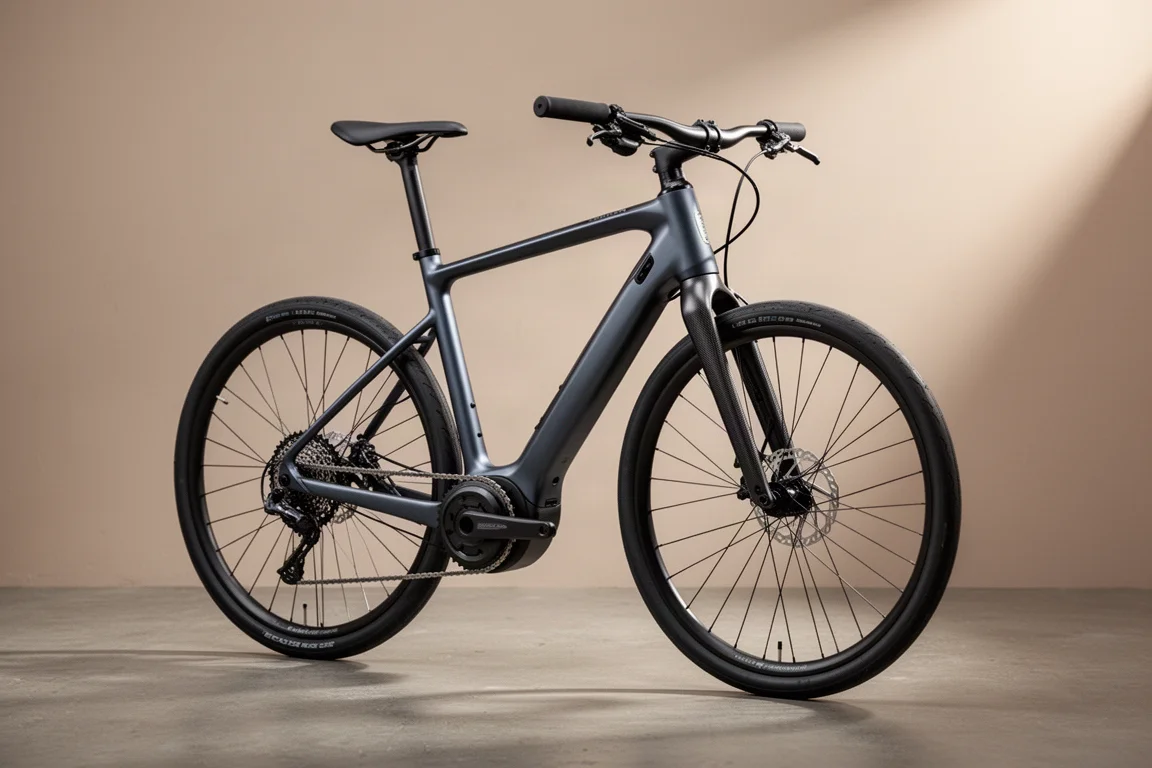
The Roadster V2 earns its place on this list for one simple reason: it costs a fraction of the other bikes here. It is currently only available in the US, where its 350 watt motor, assisting up to 24 miles per hour, is street legal. At $1,095 it is ideally suited to riders working to a tighter budget.
In essence it is a single speed built for the street, albeit with a little more power on tap. You might think the stripped-back aesthetic of an urban single speed would be hard to pull off once you have a motor and battery to consider, but the Roadster manages it through some clever design. The battery hides away in the down tube, while the 350 watt motor is a rear hub affair. The remaining electronics are equally discreet: a small LCD screen sits on the handlebars, and the motor wiring is hidden beneath the rear chainstay.
There are five levels of assistance, selected via the controller, and the motor only works while you are pedalling. Acceleration is smooth and delivers a stable ride even at speed. Ride1Up quotes 20 to 30 miles of battery life, though this varies greatly depending on the assistance level and the terrain you ride.
The other standout feature is the single speed belt drive, which is clean, quiet and hassle free, much like the bike itself.
Buying Advice: Matching an E-Bike to Your Riding
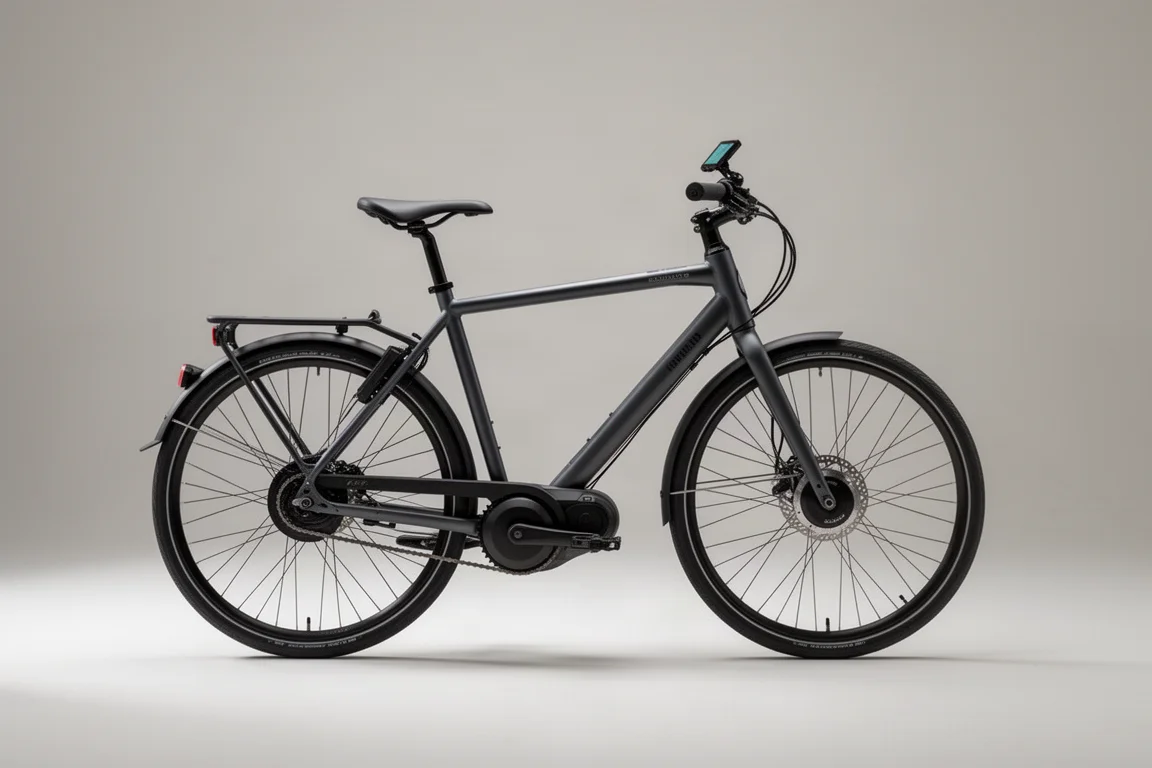
The right choice here comes down to the kind of riding you actually do, because these bikes are built for quite different jobs.
If you want the feel of a lightweight road bike with a helping hand on the climbs, the Ribble Endurance SLE is the closest match. Its sub-12 kg build and gentle assistance keep the ride natural, and the price reflects the carbon frame set and integrated cockpit.
If your riding regularly leaves tarmac, the Specialized Turbo Creo Comp Evo covers gravel and mixed surfaces with road-derived geometry, adjustable fork damping and a long claimed eco-mode range. It sits at the premium end, so it makes most sense for riders who will use that versatility.
For commuting and short town trips, the Kinesis Life Equipped and the Ribble Hybrid AL are the practical picks. Both are upright and comfortable, and both come with racks, mudguards and lights on their equipped builds. Paying for that kit up front is far cheaper than adding it later, which is the single biggest value decision in this group.
If budget is the deciding factor and you ride in the US, the Ride1Up Roadster V2 offers a discreet, low-maintenance single speed for a fraction of the outlay. The trade-off is single-speed gearing and a quoted range that shifts noticeably with terrain and assistance level.
One last check before buying: confirm the assistance character suits you. Some systems feel like a gentle push, others deliver more torque, and the difference shapes how the bike feels over a long ride.
Conclusion
Electric bikes have matured to the point where the best of them no longer look or feel like a compromise. The five models here show how broad that progress has become, from a carbon road bike weighing just under 12 kg to a belt-drive city single speed that costs a fraction as much.
Match the bike to your riding and the decision becomes much simpler: lightweight road assistance, gravel-ready carbon versatility, practical town hybrids with the equipment already fitted, or low-cost urban simplicity. Whichever direction you take, the extra help on offer is enough to change how far you ride and how much you enjoy getting there.
Further reading
Related Reviews
Electric Bikes
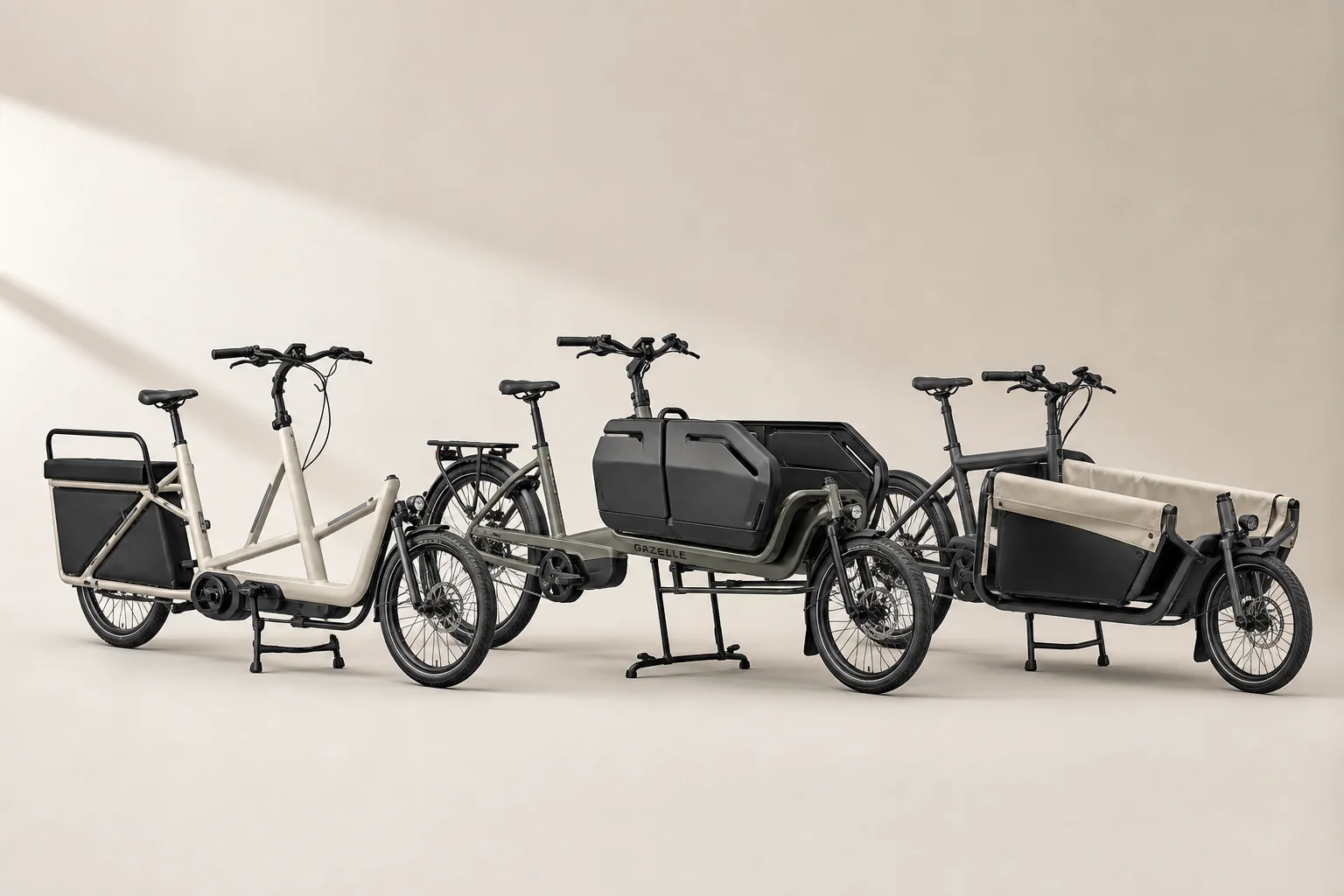
Best Cargo E-Bikes for Family Use: Three Practical Options for Car-Free Living
Three electric cargo bikes designed for families and everyday transportation, each with distinct strengths for replacing car trips and building community.

Electric Bikes
Best Electric Bikes 2026: The Most Exciting Launches From CES
From lightweight e-motos to compact city commuters, these are the most interesting electric bikes unveiled at CES 2026.
Electric Bikes
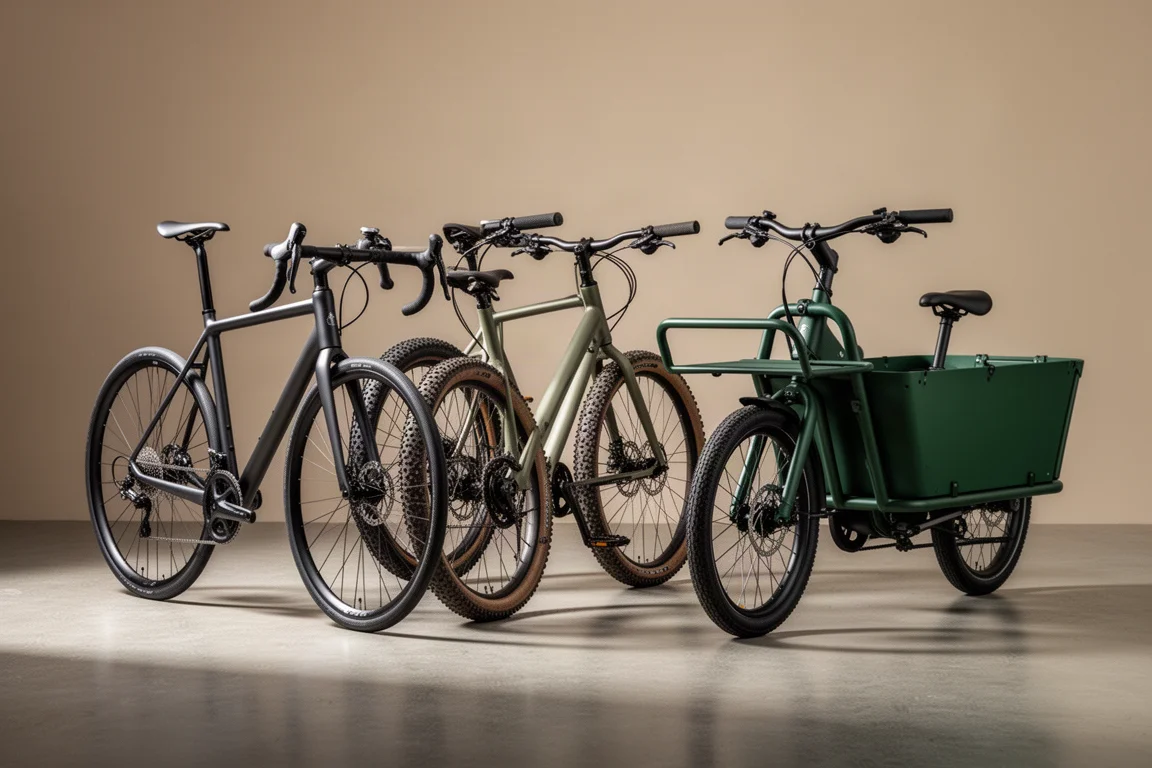
Best Electric Bikes 2026: Seven E-Bikes Worth a Closer Look
A practical look at seven electric bikes spanning endurance road, gravel, cargo and experimental designs, with the real strengths and trade-offs of each.