EDC Flashlights
Best EDC Wedge Lights: Five Pocket Flashlights Tested for Output, Runtime, and Durability
We compare the Streamlight Wedge, Coast Slayer, Olight Arkfeld, Monstrum Tracer, and a Nitecore flat light on real lumens, runtime, and drop survival.
Introduction
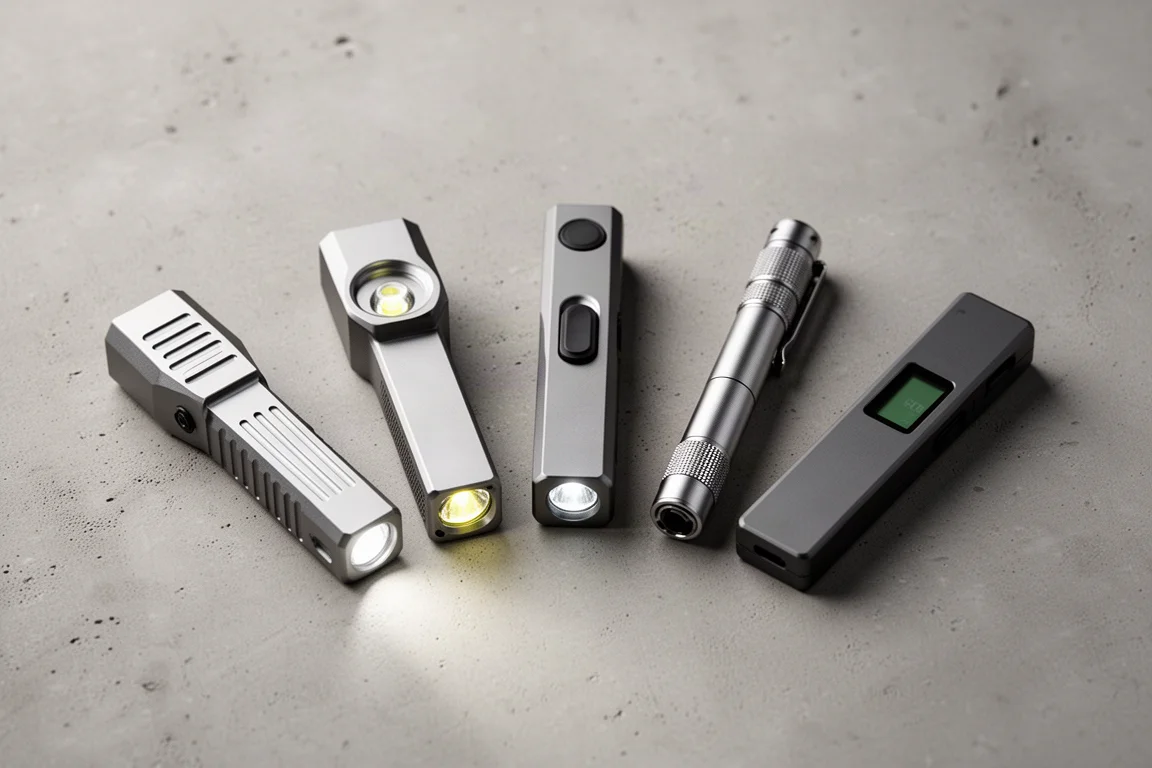
Wedge lights have quietly become their own EDC category. What started with the Streamlight Wedge has grown into a whole family of slim, flat, pocket-friendly lights that somehow all claim 1,000-plus lumens despite looking like penlights. We bought five of the most popular options, measured their real output in an integrating sphere, charted runtime, charged them, and then drop tested them until a winner emerged.
How We Tested
Each light was measured for actual lumen output against advertised claims, checked for candela from one meter, timed through full battery runtimes, and evaluated on charging speed, ergonomics, and water and drop resistance. All five advertise meaningful water resistance, so each was dunked intermittently and then dropped from increasing heights onto pavement.
Why Wedge Lights Became a Category
It is hard to walk into a shop these days without seeing a mechanic carrying one. The wedge format makes sense for inspection work: flat enough for a front pocket, quick to draw, and bright enough to light up an engine bay. The trade-off is that these small bodies run hot and many brands make optimistic claims about both peak output and runtime, which is exactly why we measured everything ourselves.

Streamlight Wedge
The Streamlight Wedge is the angular, pencil-like light with a molded aluminum grip that started the trend. We bought the AAA 11 model for about 90 dollars. It outputs a claimed 300 lumens and toggles forward to 1,000 lumens while held, springing back when released, which suits quick inspection use. The lever switch feels intuitive and the finger grooves genuinely help.
Measured performance impressed us: the 300-lumen mode actually came in closer to 400, and the turbo mode hit roughly 1,200 lumens, holding a steady 1,271 lumens at the ANSI FL1 30-second mark. Candela measured around 3,180 against a 3,000 claim. It charges over USB-C at about 0.4 amps, which is on the slow side for the price, and the port is not covered, though the light is advertised as waterproof. In runtime it was the standout, holding output all the way to 3 hours and 20 minutes and taking the top spot in total lumen-minutes. It survived drops to 6 feet without issue and earned a 6 out of 10 for drop durability after failing on the second 10-foot drop.
Coast Slayer
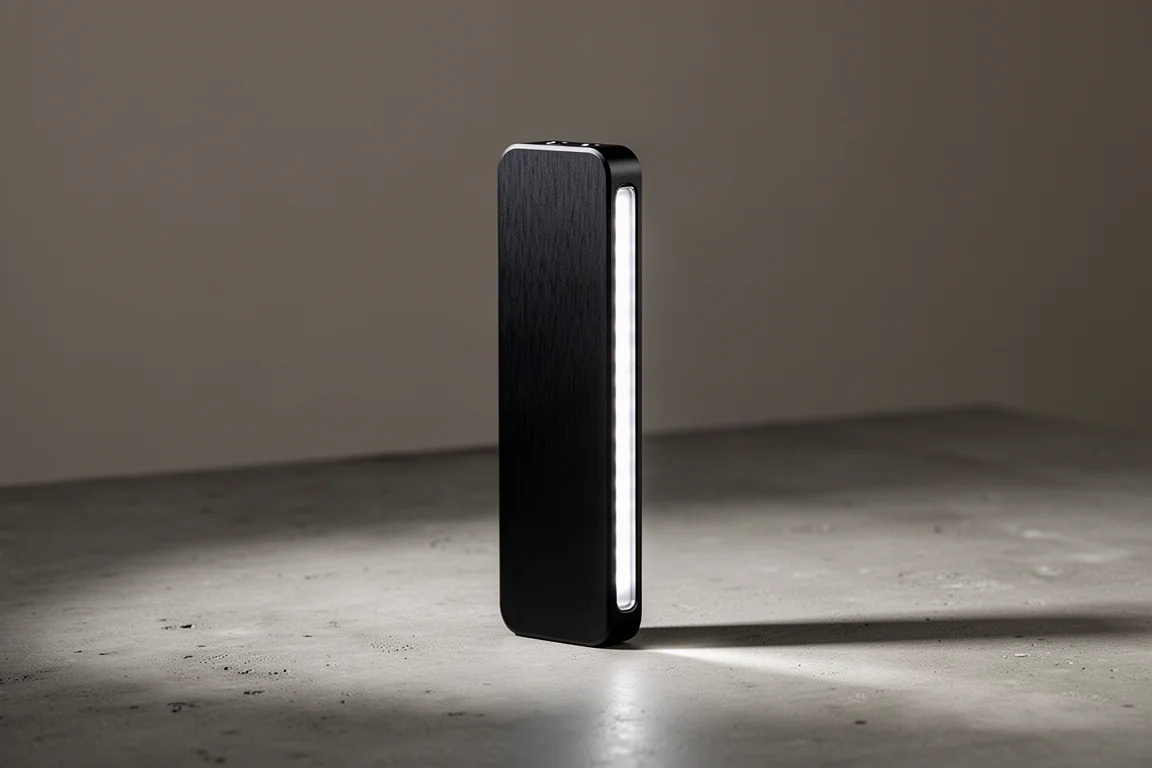
The Coast Slayer costs about 10 dollars less than the Wedge and follows a similar knuckle-cutout shape, but more squared off to fit two bulbs up front totaling a claimed 1,150 lumens. One button cycles modes and the other activates your favorite preset, and you can program the dual turbo mode as that preset, making it surprisingly tactical friendly. It includes a USB-C port cover and charges at 0.85 amps.
In testing it hit 1,400 lumens out of the gate in high and held 1,217 lumens at the FL1 mark, about 106 percent of its claim. Thanks to a center thrower bulb, candela was a strong 4,800, a noticeable step up over the Wedge. Runtime was less flattering: it ran in the mid-100s lumen range while the Wedge and Arkfeld held the mid-300s, and it could not stay above 150 lumens relative to its advertised runtimes. Drop durability was impressive early on, though the lens cover popped off and eventually the LED shroud and wiring emerged, still working, for a 7 out of 10.
Olight Arkfeld
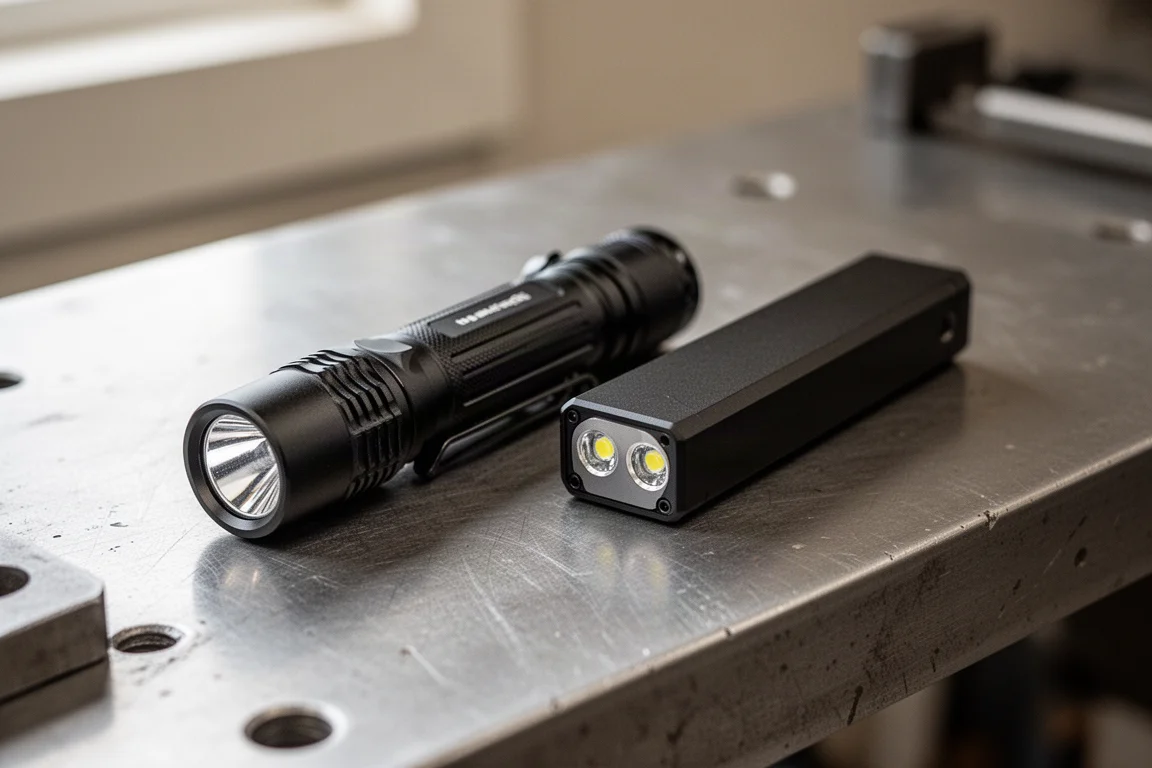
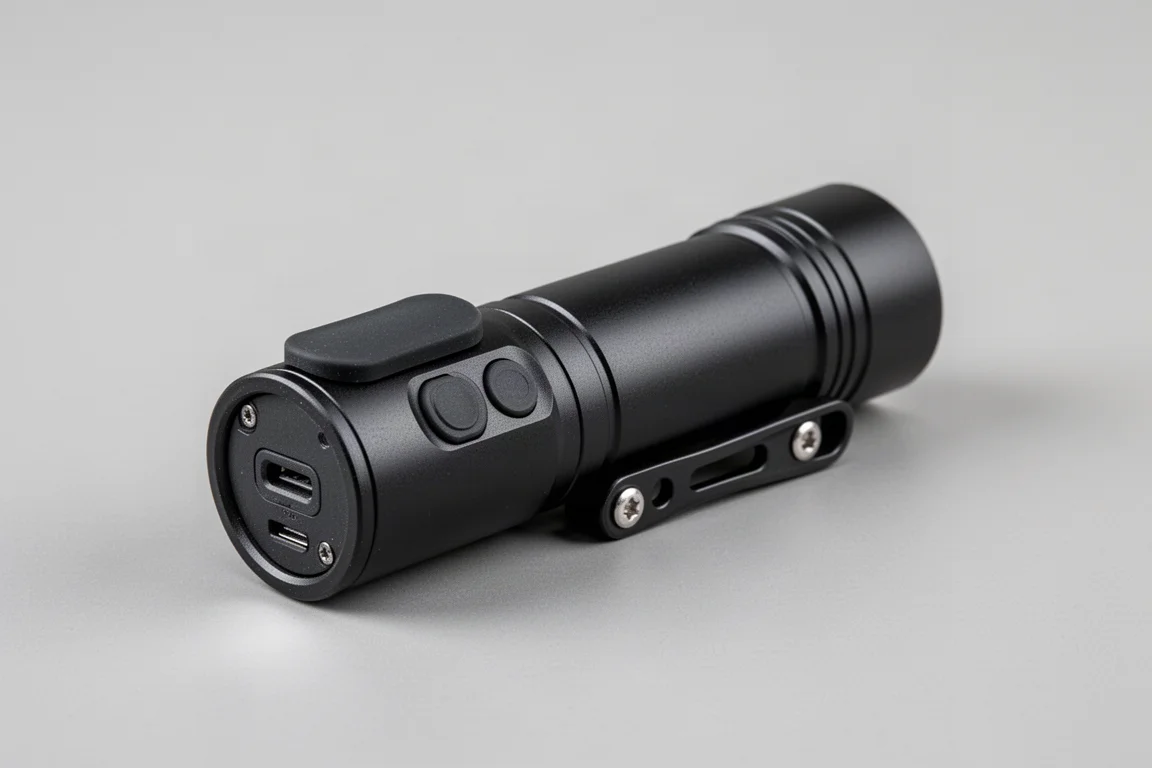
The Olight Arkfeld was the most requested light after the Wedge and costs 80 dollars. It checks a lot of boxes for inspection use, adding a 365-nanometer UV blacklight function that works for UV dye detection, selectable via a nice rocker switch. This model runs a more natural 4,500K light color, which helps with identifying wires. It charges via a magnetic attachment at 0.85 amps, convenient but not as friendly to metal chips and dust as a covered port.
On the sphere it hit its 1,000-lumen claim early and held it rock steady all the way to the finish with 1,067 lumens, about 107 percent of the claim. Its standard mode sits at 300 to 320 lumens, matching the Wedge’s specs. Candela measured around 2,200 against a claimed 1,880. It made it about as far as the Wedge in drop testing, failing on the second 10-foot drop for a matching 6 out of 10, not fragile but not a tank. Note that an Arkfeld Pro exists with extra lumens and battery capacity, and it may be worth a look, but we tested the standard version.
Monstrum Tracer
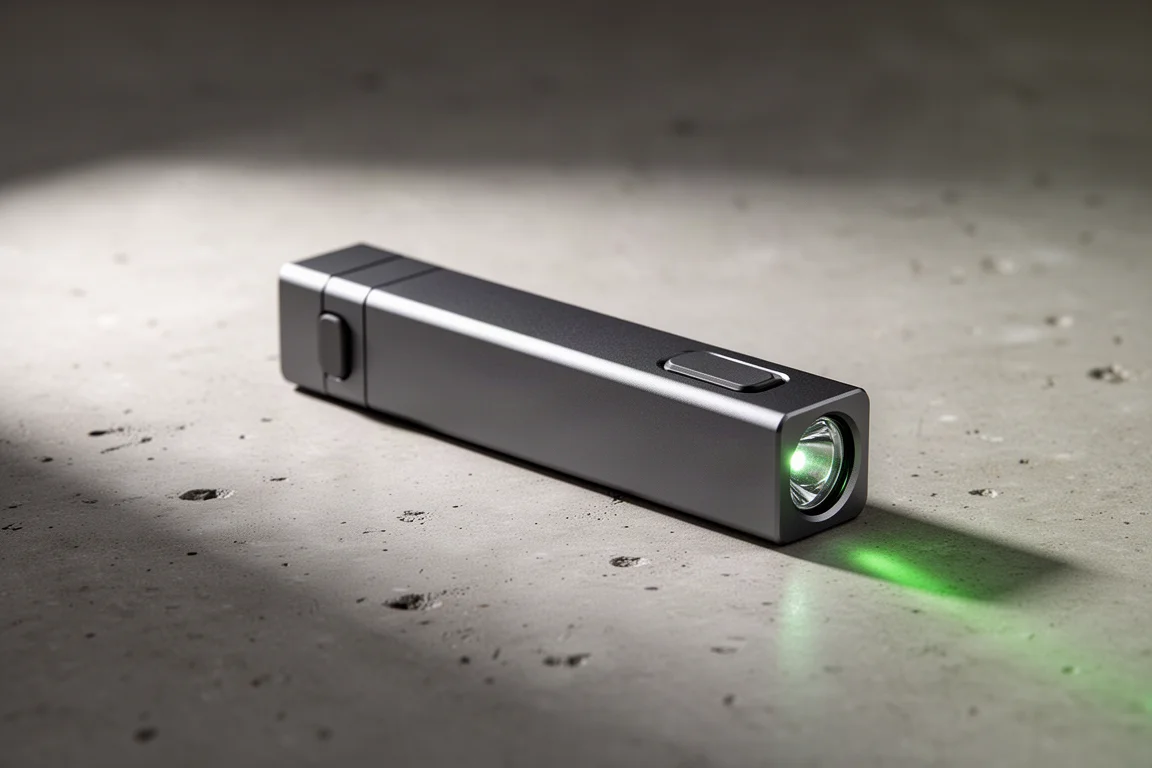
The Monstrum Tracer is an Amazon-brand option at 60 dollars that we included to see whether a lower price means paying for packaging or getting performance. It is aluminum but feels much lighter, more like an extruded tube with end caps than a machined block. It advertises 1,000 lumens, charges at a slow half amp, and requires a long press of the power button to turn on, which prevents pocket activation but is less quick-draw friendly than the Wedge.
The claims did not hold up. We never found a true 1,000-lumen mode; it measured around 630 lumens and finished at just 613 by the FL1 mark. Candela was the lowest of the group at 1,800. Runtime was also weak, retiring around the one-hour mark. The surprise was durability: it survived repeated drops from 6, 12, and 14 feet, and ultimately took five spikes into the ground to kill it, earning a 9 out of 10. For about 75 percent of the price of the others, though, it delivered only about 61 percent of the performance.
Nitecore Flat Light
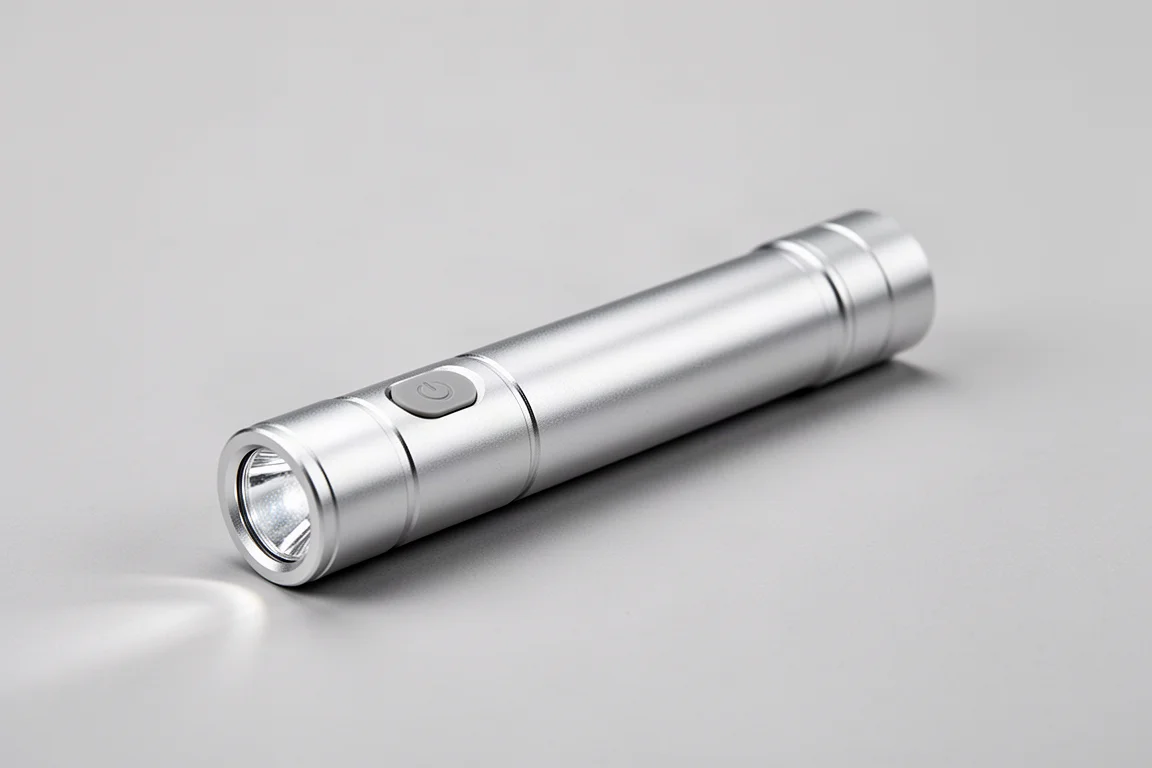
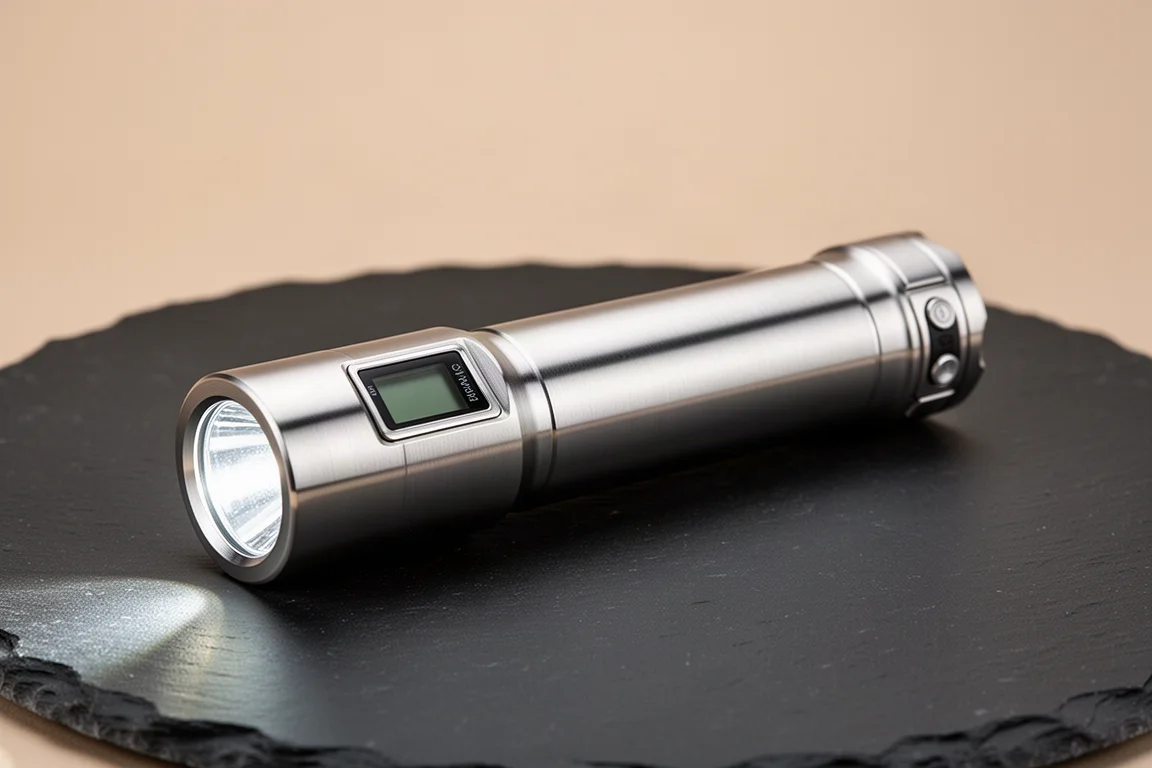
This Nitecore, at roughly the same 90-dollar price point as the Wedge, brings far more on paper: a wider but flat pocket-friendly body, a claimed 3,000 lumens, a digital display showing output and even the time, and a fast 1.75-amp charge rate. It is built from stainless steel with real heft and a copper and aluminum heat fin dissipator.
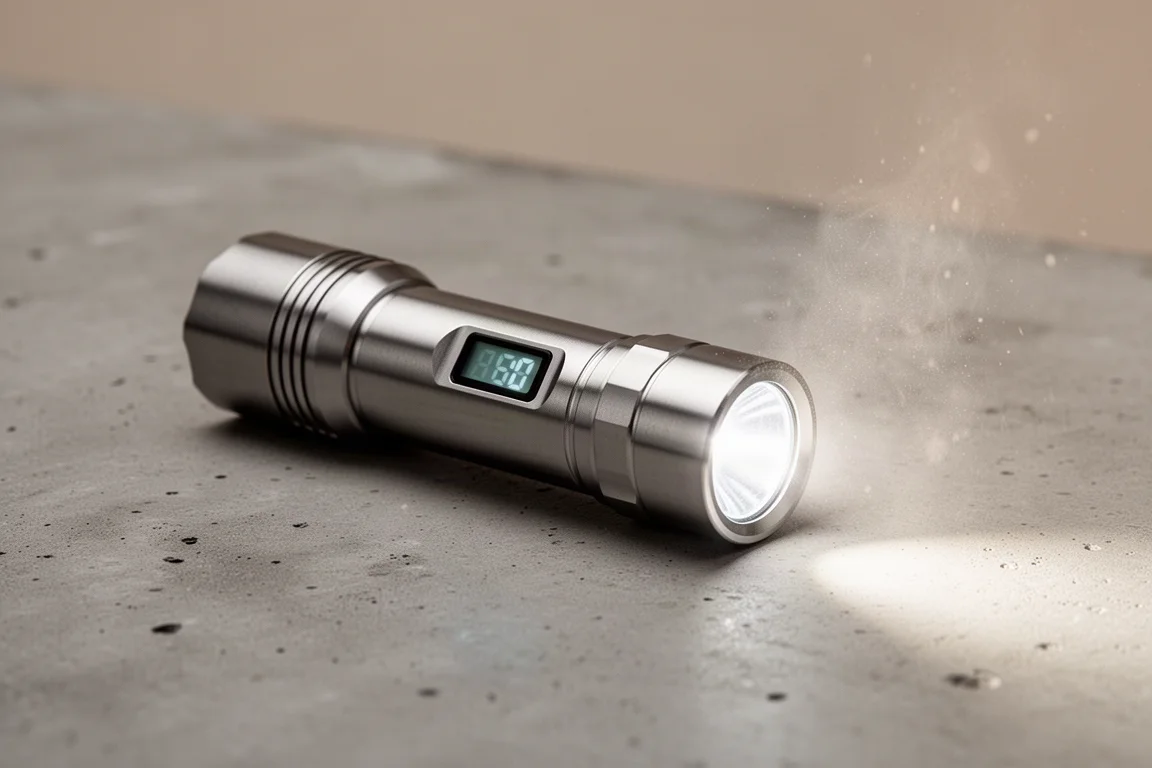
In the sphere it dominated, measuring around 4,000 lumens in its turbo-like mode, peaking at 13,400 candela, though it fell out of that mode by the 30-second ANSI mark to a rating of about 1,524 lumens. Uniquely, it stayed above 1,000 lumens for its entire runtime, something we rarely see even from 18650 and 21700 lights, before retiring early. Charging is rapid, and the advertised runtimes were honest within a few minutes. The drawbacks are the buttons: the tail buttons are easy to bump in your pocket, the switch is vague between half-press and full-press, and strobe appears frequently unless you use the lockout. Water also made it behind the display cover on the first 12-foot drop, and a 14-foot drop disabled turbo mode, for a 7 out of 10.
Drop Testing Results
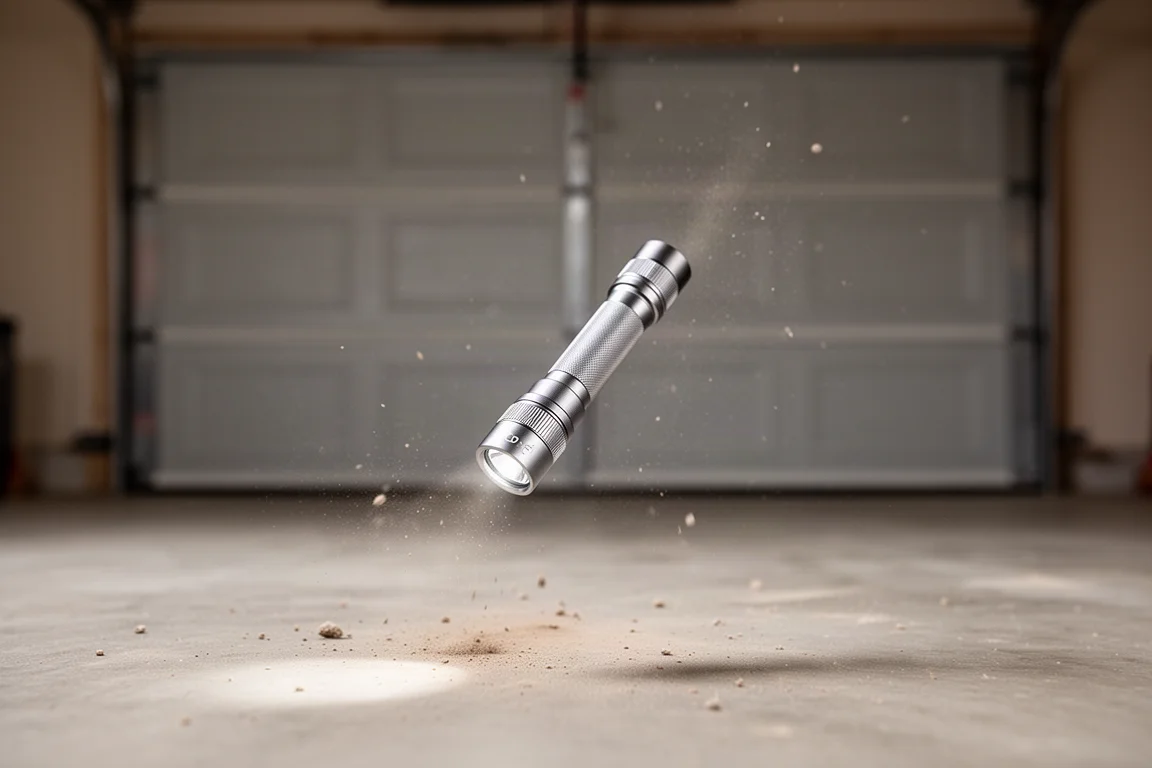
With water dunks and escalating pavement drops complete, the scores settled out. The Streamlight Wedge and Olight Arkfeld each earned a 6 out of 10, failing on their second 10-foot drop. The Coast Slayer earned a 7 out of 10 despite progressively losing its lens cover and LED shroud. The Monstrum Tracer shocked us with a 9 out of 10, refusing to die until it was deliberately spiked into the ground five times. The Nitecore also scored a 7, its stainless frame carrying it higher than the Coast, marred by water ingress behind the display.
Which One Should You Buy
If you prefer a slider switch and the classic wedge shape, the Streamlight Wedge was never really beaten here: it is solid, honest, and has the best total light output over time. If you set tactile preferences aside, the Olight Arkfeld looks like the most obvious direct competition and successor, delivering exactly the specs it claims, better light quality than most here, faster charging, and a UV mode that can save you buying a separate light for leak detection. Either would leave most buyers happy.
The Nitecore is arguably the highest value of the bunch: a stainless body, a useful digital display, a heat sink that actually sustains over 1,000 lumens, and some of the fastest charging we have measured in this size. Its fussy buttons keep it out of our everyday-carry pick, but it dominates on pure performance and remains the coolest light here. The Coast Slayer is a reasonable mid-pack option with strong candela, and the Monstrum Tracer is only worth considering if budget trumps everything else.
Conclusion
The wedge light category has matured fast. The Streamlight Wedge remains the benchmark for balance and runtime, the Olight Arkfeld is the most complete package, and the Nitecore delivers the most raw performance per dollar. Match the light to how you actually work, and any of the top three will serve you well.
Further reading
Related Reviews
EDC Flashlights
Wuben X3 Owl Retail Version: What Changed from the Kickstarter Release
The retail Wuben X3 Owl keeps the same brightness and rotating head while upgrading to an aluminum charging case, terminal charging, and a streamlined red light mode.
EDC Flashlights
Olight Arcfield Review: A Flat EDC Flashlight with a Built-In Green Laser
The Olight Arcfield pairs a 1000-lumen dual-color-temperature LED with an on-the-fly green laser pointer in a slim, pocket-friendly body.
EDC Flashlights
Best EDC Flashlights 2026: Six Compact Picks Worth a Serious Look
From a 2,300-lumen right-angle work light to a surprisingly bright double-A powerhouse, six pocket-sized flashlights that punch well above their size.