EDC Flashlights
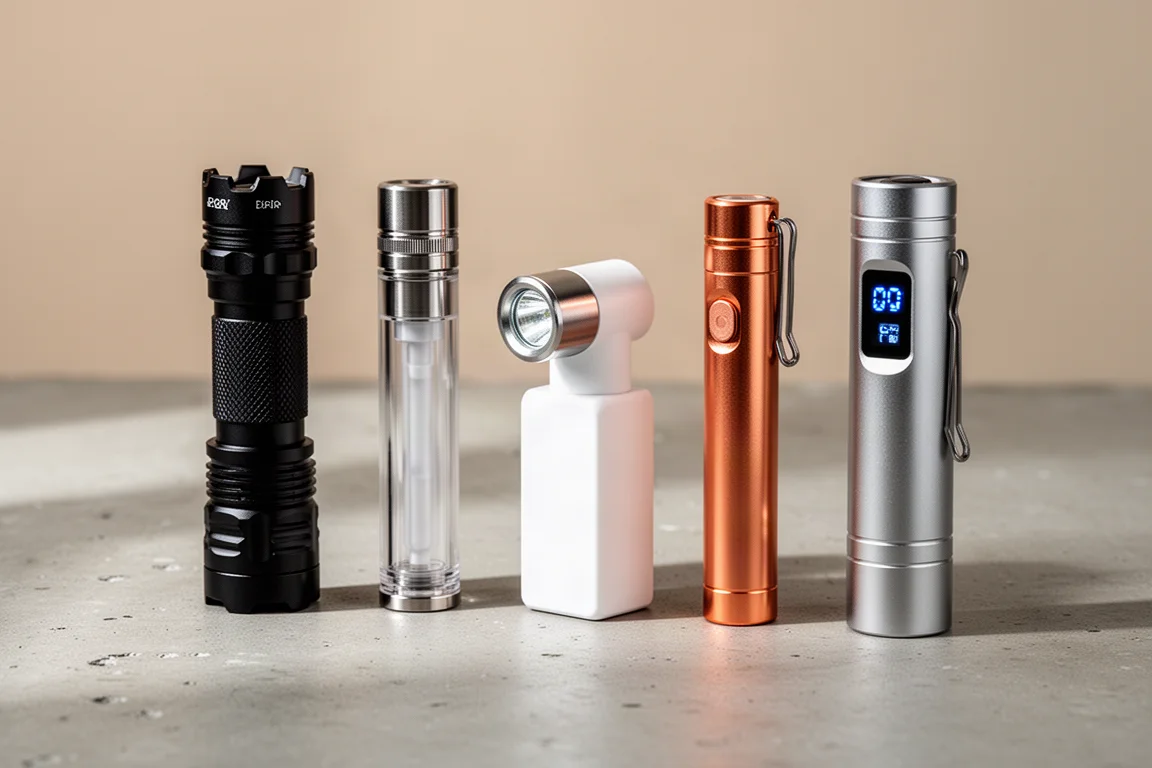
Best EDC Flashlights: Five Compact Torches Worth a Spot in Your Pocket
Five compact EDC flashlights compared on output, battery safety, charging, form factor, and durability so you can pick the right one with confidence.
Introduction
Choosing an everyday carry flashlight gets a lot easier once you separate the marketing from what you actually need. Most common EDC tasks, from finding dropped keys to walking a dim driveway, need far less output than manufacturers love to advertise. Below, we walk through the practical considerations that matter, then line up five compact torches from least to most expensive that all satisfy most people’s everyday needs in output and durability.
Start With Battery Safety
Before comparing brightness or size, it is worth taking batteries seriously, because nearly every serious flashlight injury traces back to them. The most common culprit is multi-cell mishaps, so a sensible first rule is to avoid flashlights that require more than one battery. Just as dangerous is a single-cell light being misused, for example when someone drops two disposable CR123 cells into a light designed for one 18650 lithium cell simply because they fit.
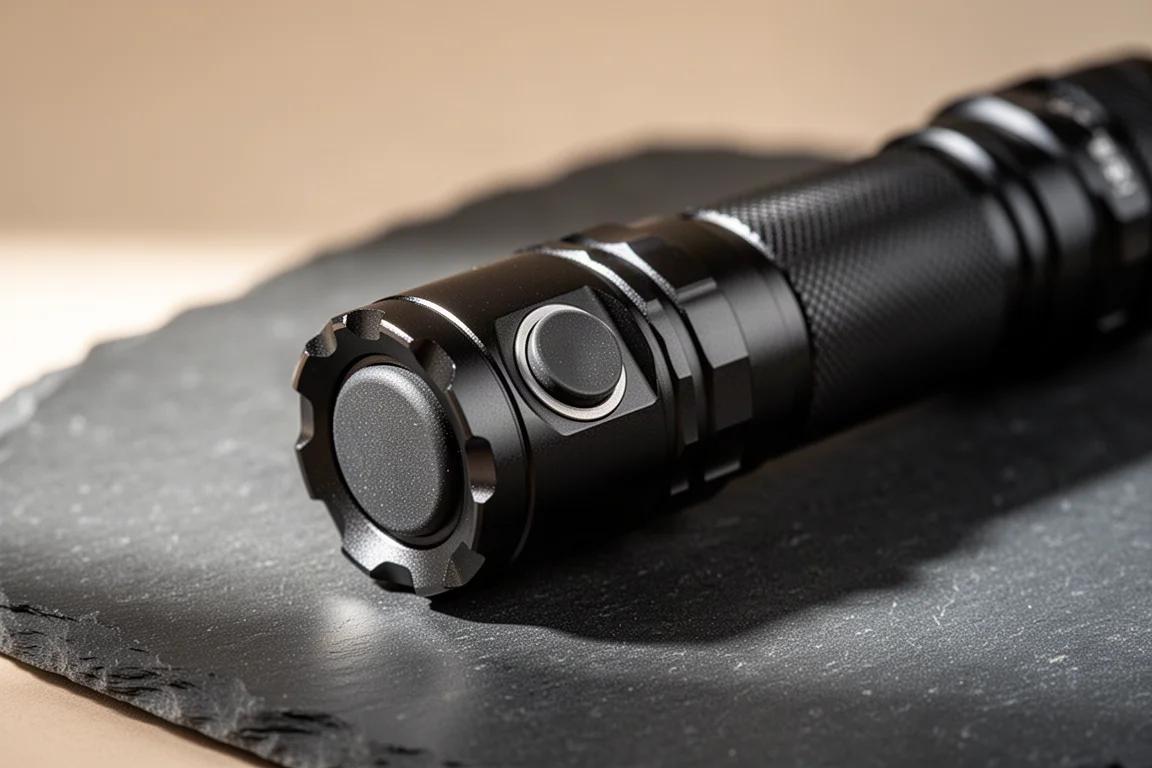
For rechargeable batteries, another useful habit is to stick with reputable manufacturers and cells that carry proper labelling. That labelling typically signals built-in circuitry that helps prevent overcharging and over-discharging, which is exactly what you want in a light that rides around in a pocket.
How Much Output Do You Actually Need?
For most EDC requirements, a maximum output of around 100 lumens is genuinely enough. The 15 to 100 lumen range covers the vast majority of common tasks. On a dark trail, a budget torch at just 5 lumens was enough to clearly see the ground directly ahead, 30 lumens made it easy to search for something dropped in the dark, and its 160-lumen maximum comfortably lit up more than 50 meters ahead.
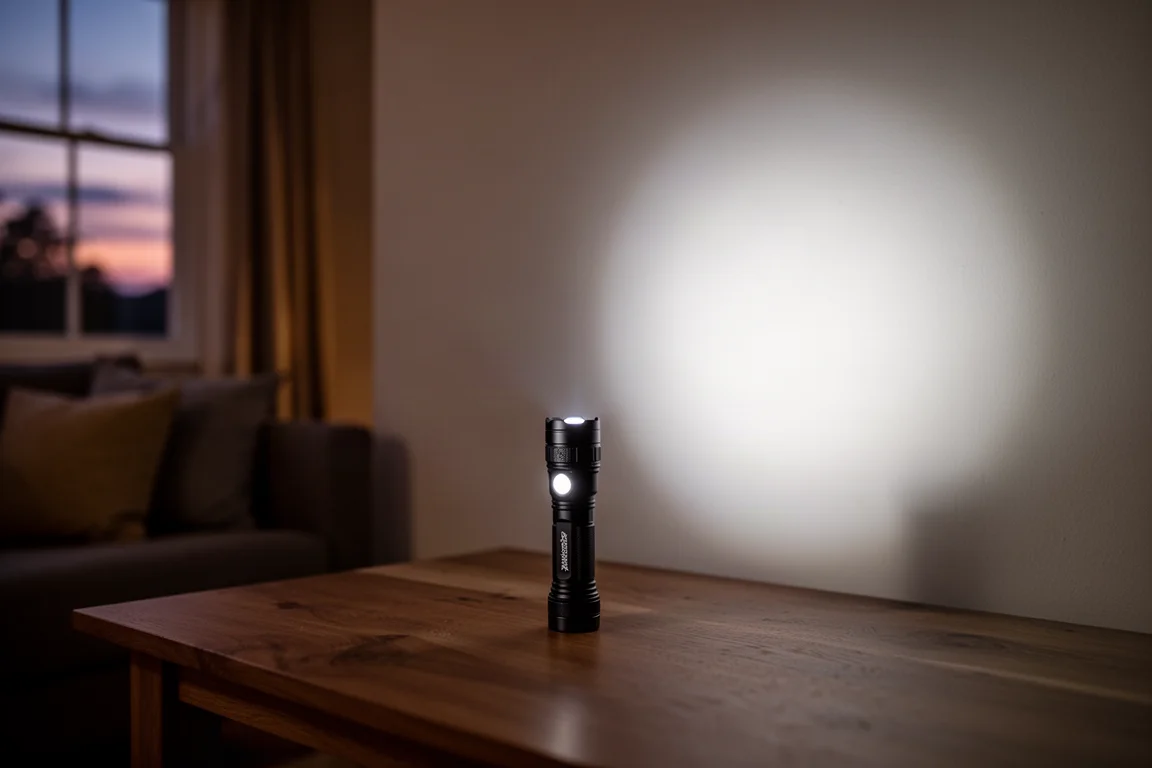
There is one common exception: if you often come home late at night and want a torch that can disorient or draw attention, that is when a light with 1,000 lumens or more starts to make sense.
ThruNite E12: The Budget Workhorse
The ThruNite E12 is a budget-friendly AA torch with three settings: 5, 30, and 160 lumens. In real-world use, that spread handles nearly everything a pocket light should, from close-up navigation to scanning a wide area. Its main trade-off is runtime at the top end: on a full AA battery, the 160-lumen maximum lasts no more than about an hour, a good illustration of why alkaline batteries, while easy to find anywhere, do not push or hold much power.

Olight Baton 3 Pro: The Rechargeable All-Rounder
The Olight Baton 3 Pro pairs a rechargeable 18650 lithium battery with dramatically better runtime, lasting up to 17 hours at roughly the same output the E12 manages for one hour. Lithium cells are also typically rated for around 1,000 discharge and recharge cycles, which makes them the more economical choice over time. Charging happens through Olight’s proprietary magnetic disc interface, which is the least flexible option since you are locked into their cables, though it is a minor complaint if you already own a few of their lights.
RovyVon E-Series Angel Eyes: The Hybrid Design
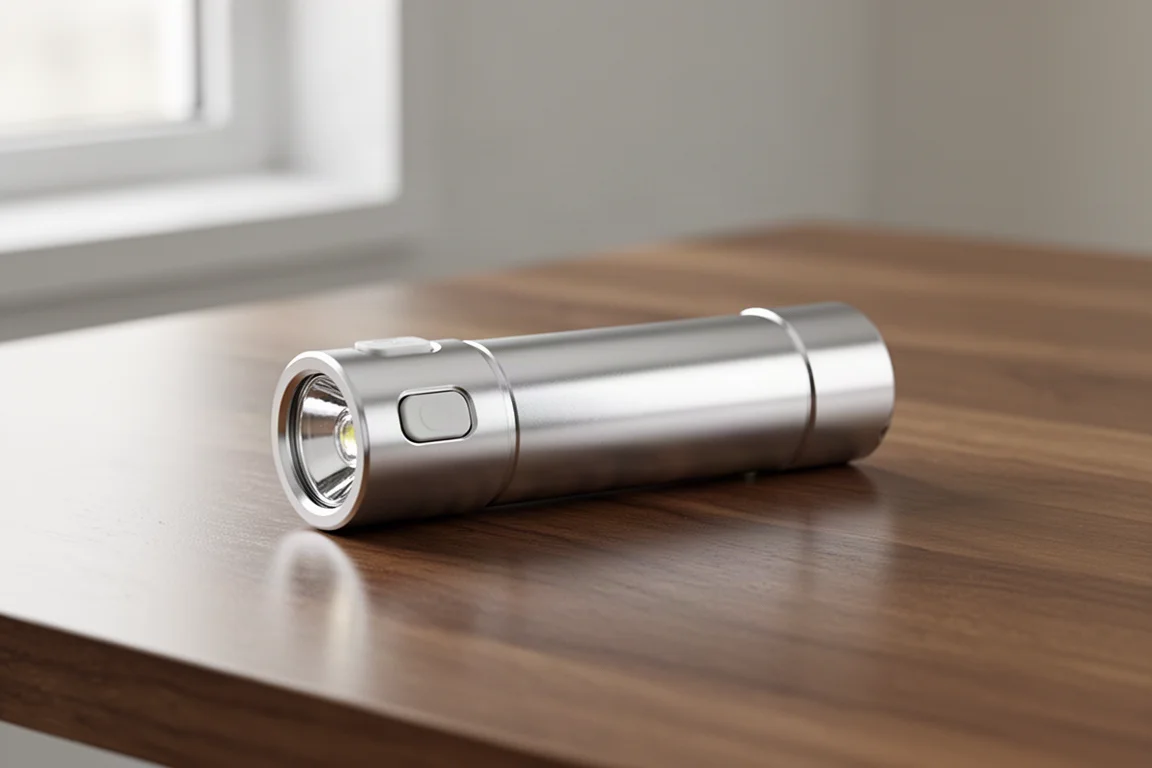
The RovyVon E-Series Angel Eyes takes an unusual approach: a non-user-replaceable lithium battery inside, plus a head that unlatches and pivots to reveal a slot for a AAA battery. That sounds like a two-cell light, but the key safety distinction is that the two power sources sit on completely separate circuits. You have to deliberately swap between them, so there is never more than one cell in a single circuit, which keeps the hybrid design compatible with the single-circuit safety rule.

Olight i1R 2 and Nitecore Tini 2: Tiny Lights That Still Deliver
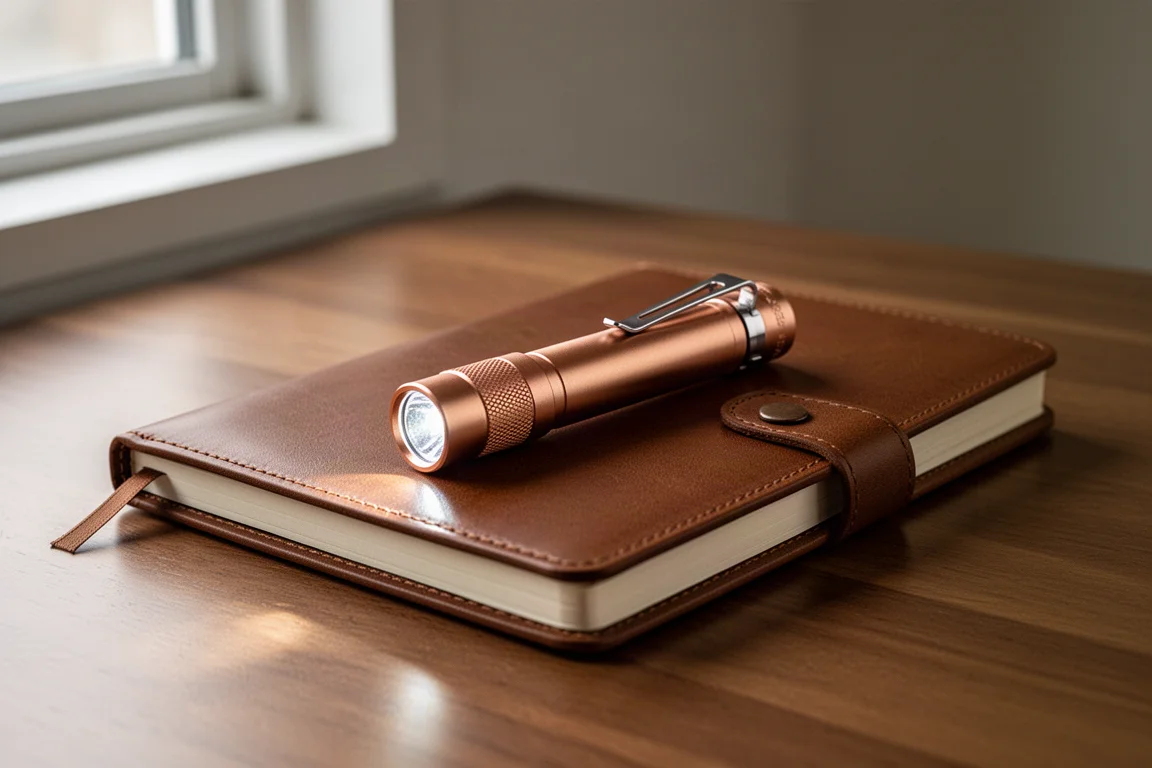
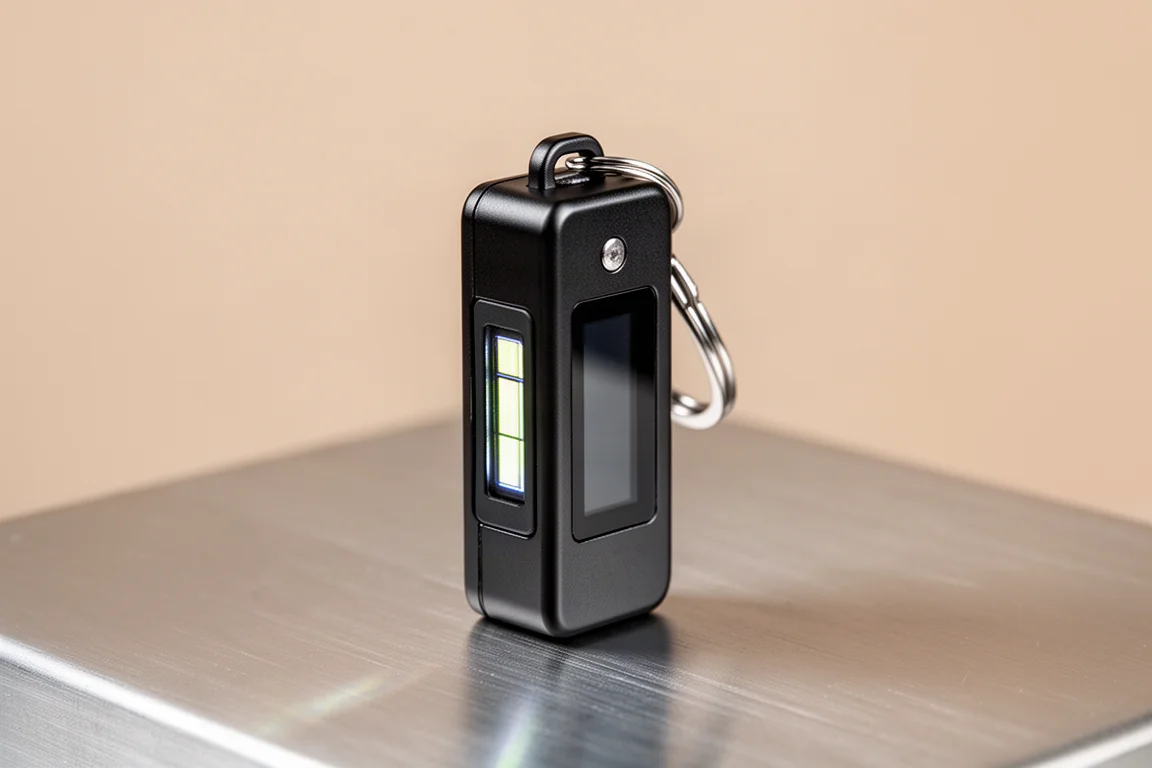
If minimizing pocket bulk is the priority, cuboid and keychain-sized torches are viable options that still provide enough output for most EDC use cases. The Olight i1R 2 is an ultra-compact cylindrical keychain light, while the Nitecore Tini 2 is a small cuboid light with a satisfyingly pocketable footprint. The RovyVon E-Series sits slightly larger but still small. All three maintain a tiny profile without giving up useful everyday output.

Form Factor, Mounting, and Durability
Form factor goes beyond size and shape to include mounting options and button placement. If you always wear a baseball cap, a clip that enables hands-free illumination by attaching to the brim is a genuinely valuable feature. A magnetic tail cap is another useful hands-free option whenever there is an appropriate metal surface nearby.
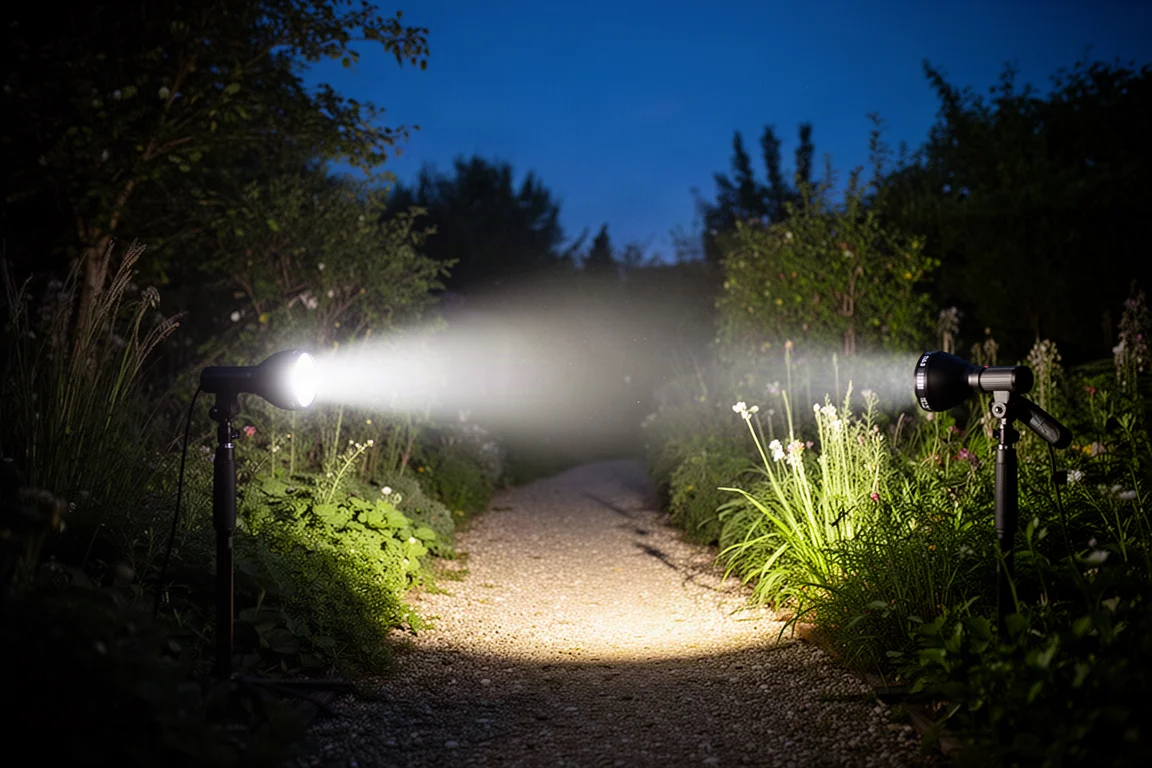
On durability, torches carry two main rating types. Impact resistance is usually expressed as a safe drop height, and a 1.5-meter or 5-foot rating should cover most accidental drops since most lights fall from pocket or handheld height. Water resistance is listed as an IPX rating, where IPX4 means protection from light splashing, so a bit of rain is no problem. Your climate and use cases should drive that decision.
Buying Advice
If battery budget matters most and you are happy swapping AAs, the ThruNite E12 is the easy entry point. If you want the best runtime and do not mind a proprietary charging cable, the Olight Baton 3 Pro is the strongest rechargeable pick. The RovyVon E-Series Angel Eyes suits anyone who likes built-in redundancy in a small package, while the Olight i1R 2 and Nitecore Tini 2 are ideal for those who want the smallest possible footprint. Every one of these will satisfy most common EDC needs in output and durability.
Conclusion
A good EDC flashlight does not need to be big, bright, or expensive. Keep to a single battery circuit, use labelled cells from reputable manufacturers, match your output to your real-world tasks, and pay attention to mounting and durability ratings. Any of the five torches covered here is a dependable pocket companion, so the right choice comes down to battery preference, size, and how you plan to use it.
Further reading
Related Reviews
EDC Flashlights
Wuben X3 Owl Retail Version: What Changed from the Kickstarter Release
The retail Wuben X3 Owl keeps the same brightness and rotating head while upgrading to an aluminum charging case, terminal charging, and a streamlined red light mode.
EDC Flashlights
Olight Arcfield Review: A Flat EDC Flashlight with a Built-In Green Laser
The Olight Arcfield pairs a 1000-lumen dual-color-temperature LED with an on-the-fly green laser pointer in a slim, pocket-friendly body.
EDC Flashlights
Best EDC Flashlights 2026: Six Compact Picks Worth a Serious Look
From a 2,300-lumen right-angle work light to a surprisingly bright double-A powerhouse, six pocket-sized flashlights that punch well above their size.