Stationery
Best Drafting Pencils: Top Picks for Technical Drawing and Precise Sketching
Eight drafting pencils that stand out for build quality, grip design, lead protection, and ergonomics, from iconic metal bodies to budget-friendly options.
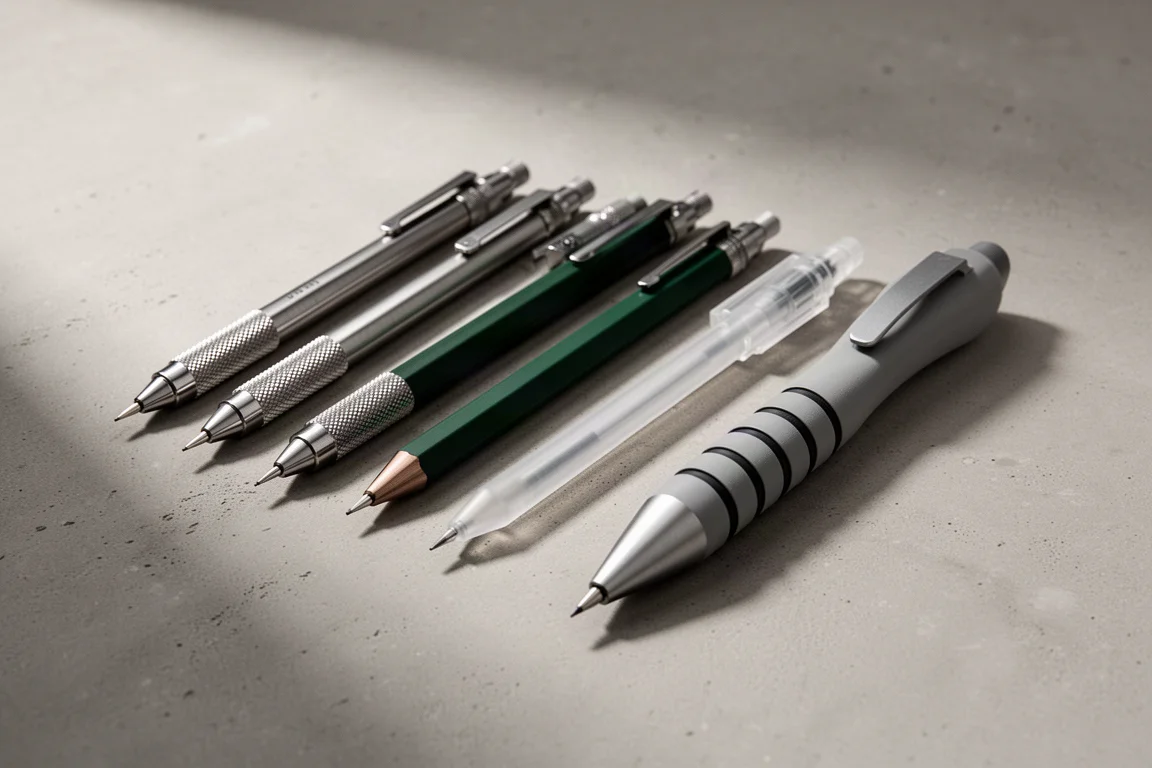
Introduction
Drafting pencils occupy a small but serious corner of the stationery world. They are built for engineers, architects, carpenters, and anyone who works with technical drawings, where accuracy and meticulous detail are the whole point. That purpose shows in their design: durable materials, controlled grips, exposed lead sleeves for use with rulers and stencils, and small, precise erasers.
The good news is that a drafting pencil is not only for professionals. Anyone who wants a high-quality, reliable pencil for writing or sketching can benefit from one. Below we walk through the characteristics that set drafting pencils apart, then highlight eight picks across different needs and budgets.
What Makes a Drafting Pencil Different?
Mechanical pencils can be geared toward students, artists, and professionals alike. Drafting pencils are specifically intended for professions that rely on technical drawings, and they are built to communicate accurate, precise details alongside rulers and stencils. In short, these are pencils with important jobs.
A few characteristics distinguish them:
- Materials. Drafting pencils are made of durable materials such as aluminum, brass, high-quality plastic, or even wood, since they have to endure heavy use. The look is typically industrial, though some come in fun colors if that style feels too severe.
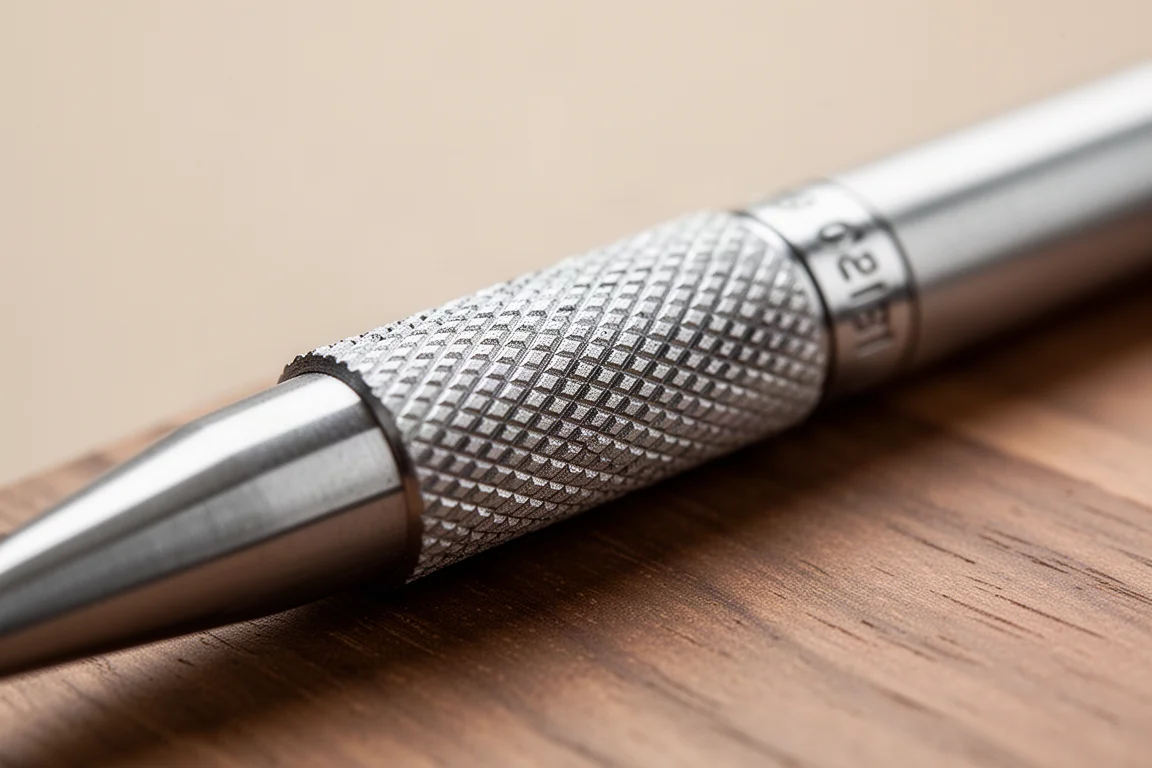
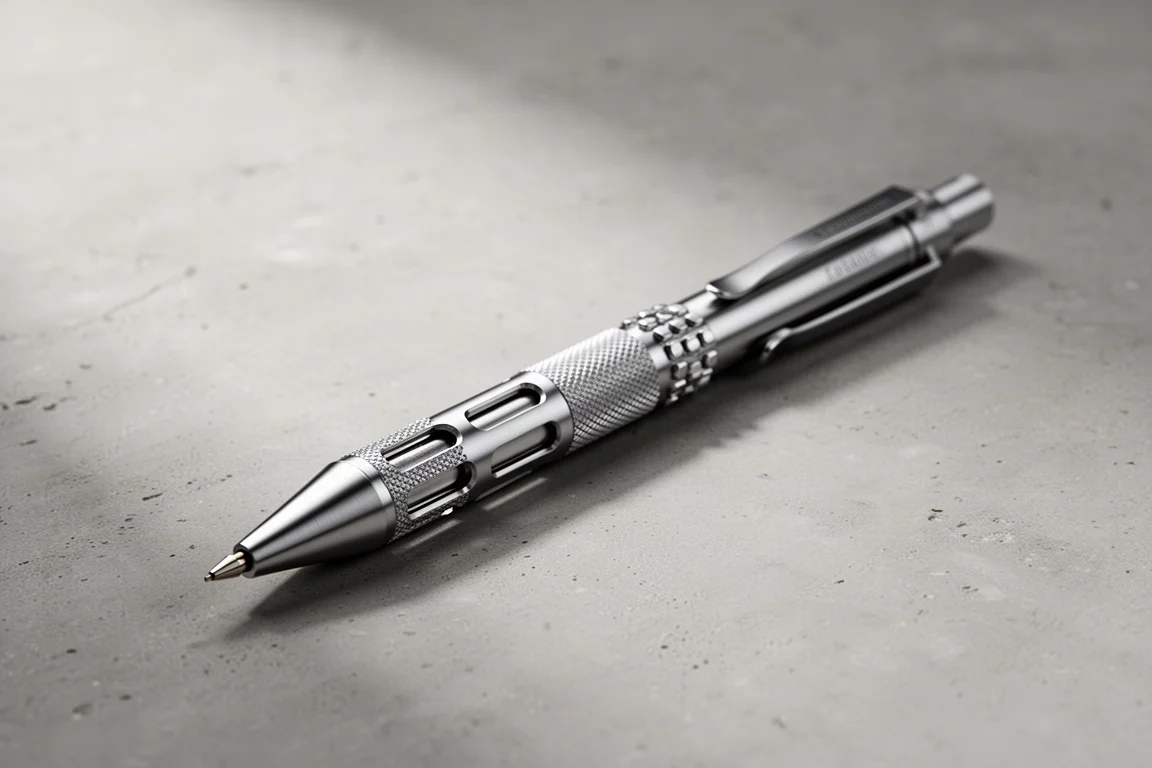
- Grip. Many feature a metal knurled or textured grip section for improved control, while others use rubber for cushioning and grippiness.
- Lead sleeve. Also known as a guide pipe, the lead sleeve provides a clear view of the tip and makes it easy to draw along the edge of a ruler. On some pencils it retracts completely, so it will not poke holes in your pocket or pen case, and it protects the tip from bending.
- Small eraser. Erasers are usually found under the push button cap, sized for precise corrections. A separate eraser is worth having for larger corrections, and some pencils include a clean-out rod attached under the eraser in case of lead jams.
- Lead grade indicator. Since designers and engineers use multiple lead grades across different pencils, many drafting pencils include an adjustable lead grade indicator near or in the top push button.
Top Pick: rOtring 600
The rOtring 600 is an iconic drafting pencil that exemplifies utilitarianism. It has a pleasing weight in the hand, and its hexagonal shape recalls its wooden pencil ancestors. The lead sleeve is fixed, which may give some buyers pause, but replacement tips are available if the sleeve ever takes damage.
This is the pick for anyone who wants the classic drafting pencil experience: solid, purposeful, and built to last.
Upgrade Picks: rOtring 800 and 800+
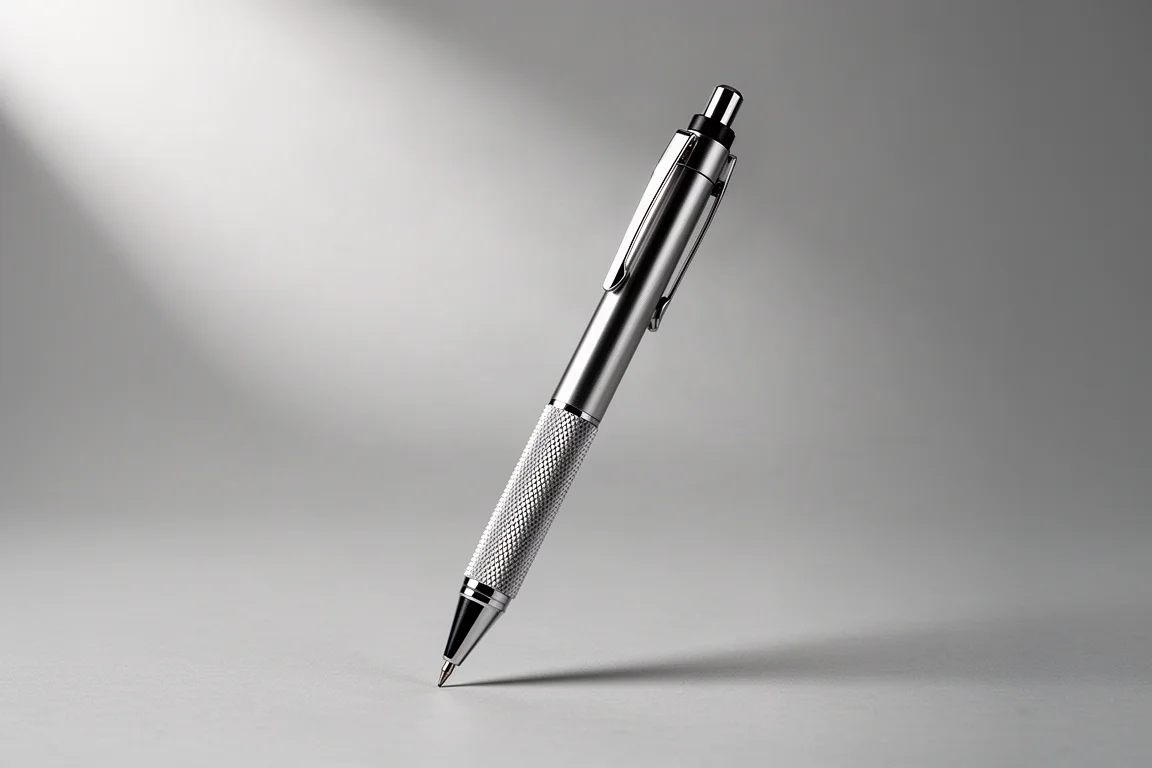
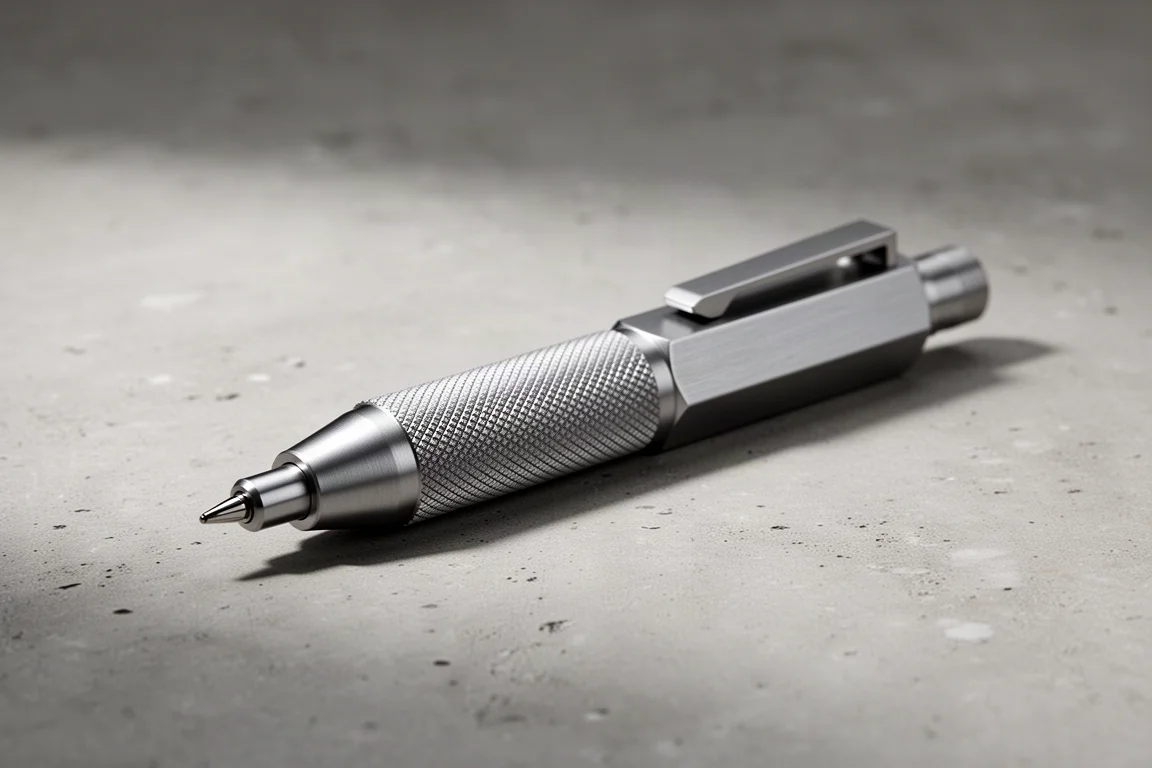
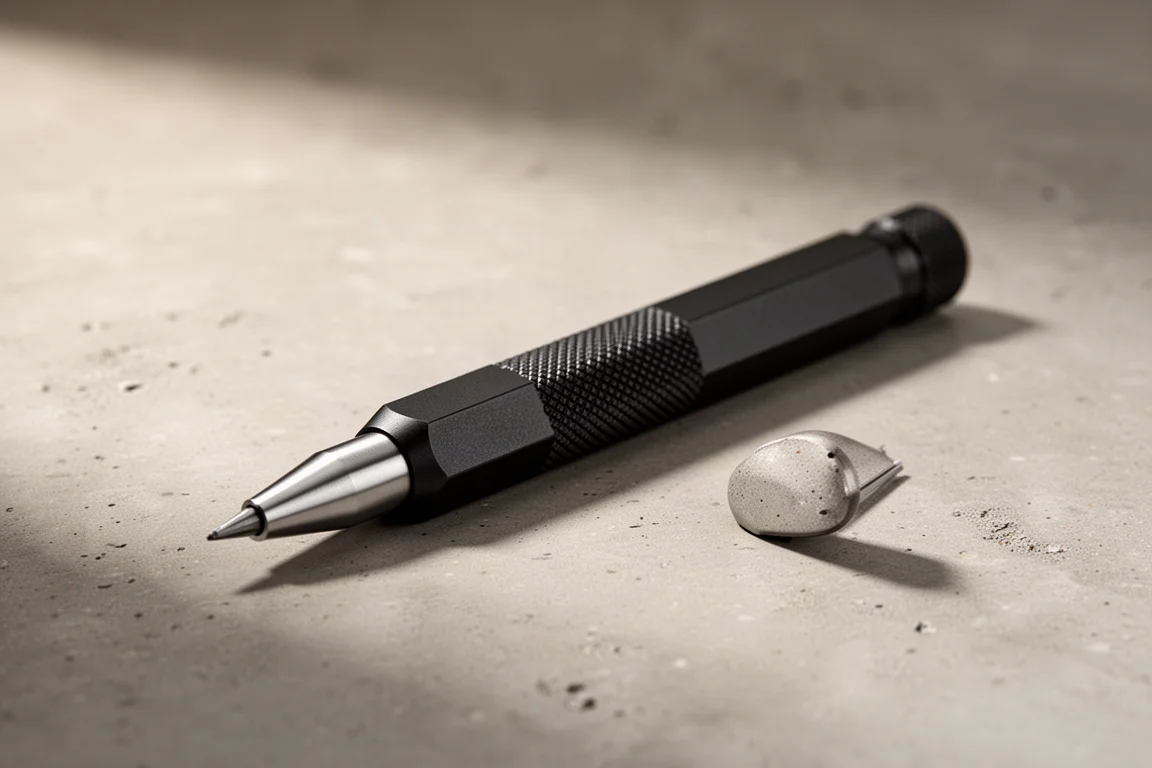
For an even more refined drafting pencil, the rOtring 800 series maintains the solid look and feel of the 600 while adding a key practical upgrade: the lead sleeve retracts by twisting the knurled section near the top push button. That makes it much friendlier for carrying in a pocket or pen case.
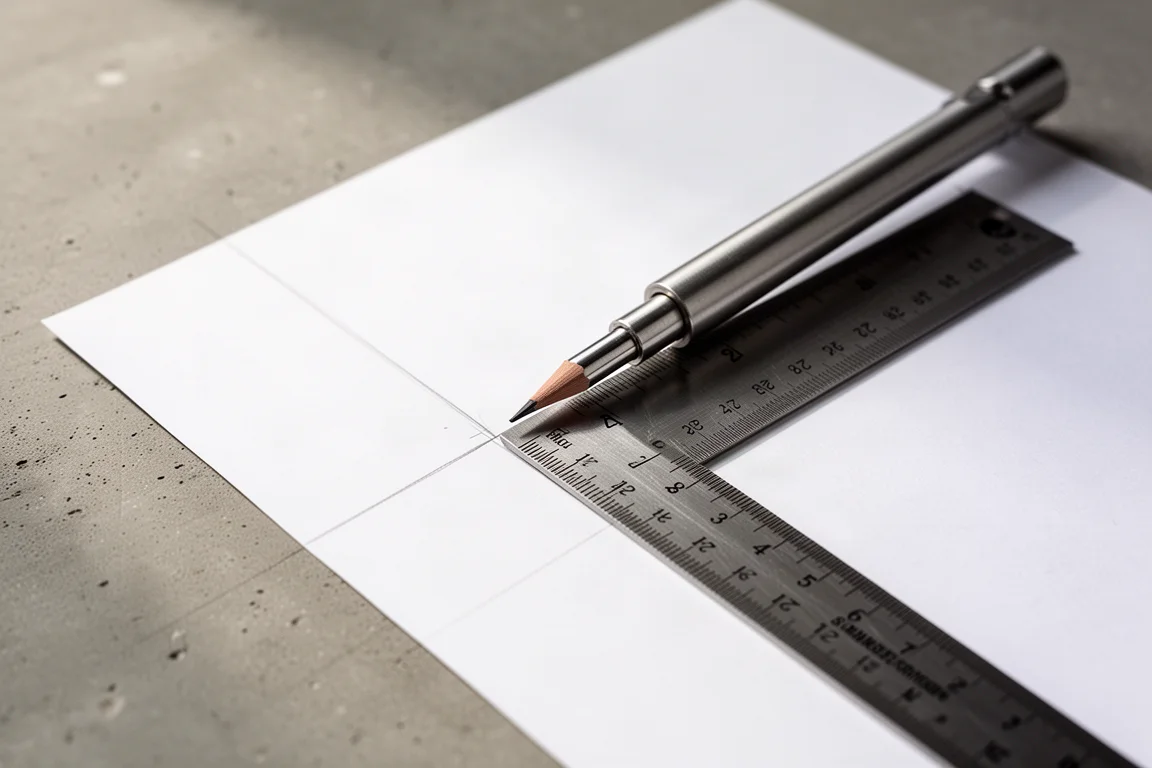
The 800+ goes one step further for people whose work spans both analog and digital. When the lead sleeve is retracted, the 800+ can be used as a stylus.
Best Pressure-Absorbing Tip: Faber-Castell TK-Fine Vario L
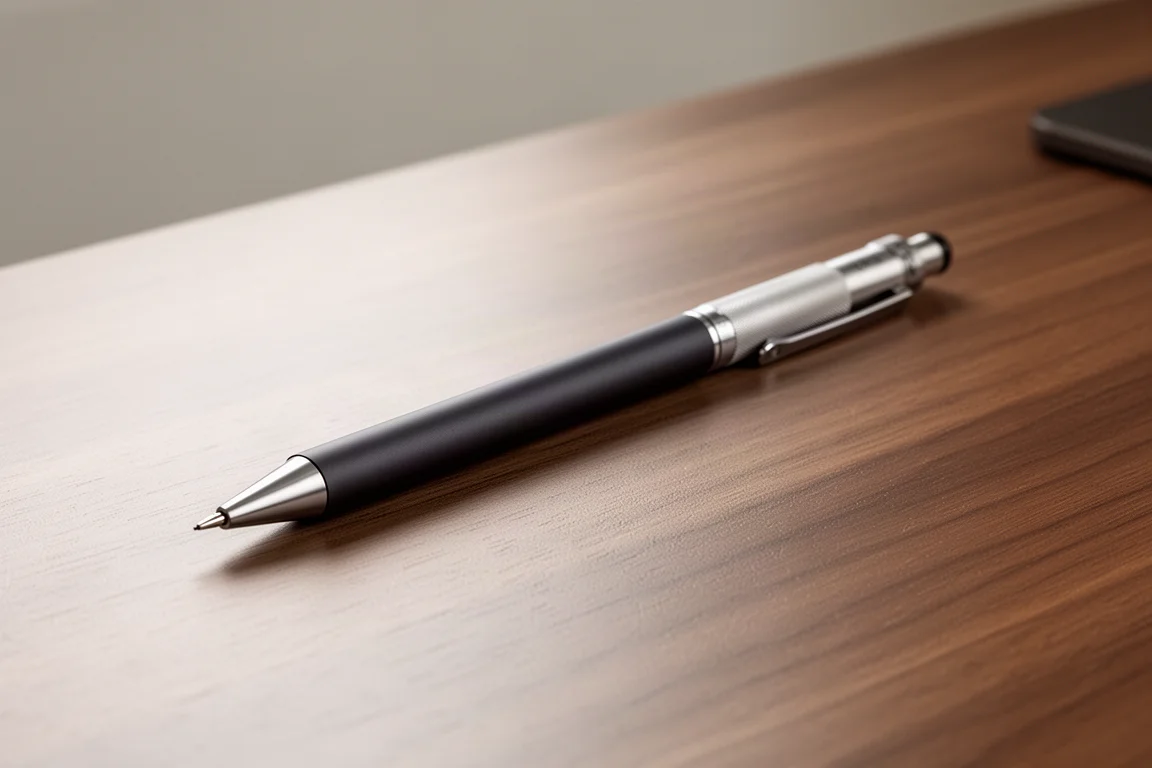
The Faber-Castell TK-Fine Vario L combines form and function, paying homage to the famous Faber-Castell 9000 pencils with its dark green barrel. Its standout feature is a spring-cushioning tip mechanism that lets the lead slide back slightly into the pencil, minimizing the potential for breakage when you press hard.
You can twist the grip section to activate or deactivate the mechanism, so it adapts to how you write rather than forcing a single style.
Unique Grip: Staedtler 925-75 and 925-25
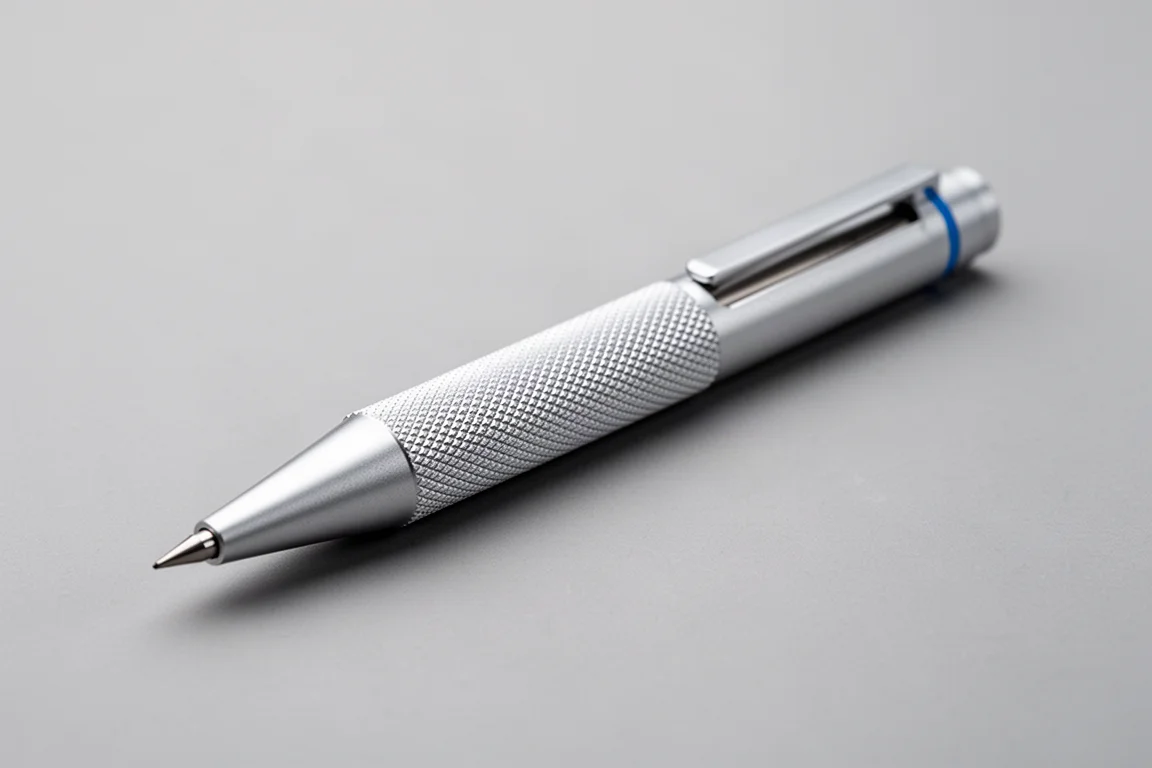
Uniformly knurled metal grip sections may be the norm for drafting pencils, but the Staedtler 925-75 takes a different approach with a groove grip section made of lightweight, impact-resistant ABS plastic. In fact, the whole body is plastic. The pencil is tapered so the weight sits toward the tip, giving you greater control and precision.
The related Staedtler 925-25 series keeps the same family feel but incorporates a grooved pattern into its metal knurled grip section, a nice middle ground between the all-plastic 925-75 and a traditional full-metal build.
Most Ergonomic: Zebra Tect 2Way
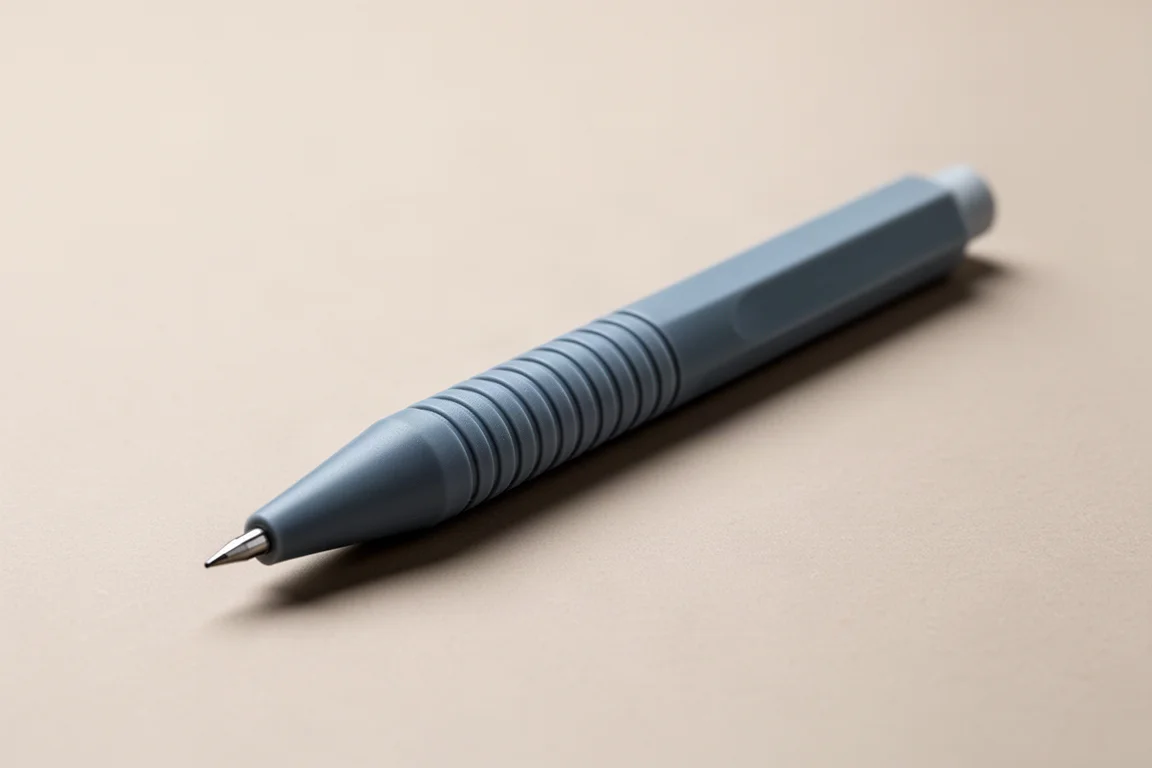
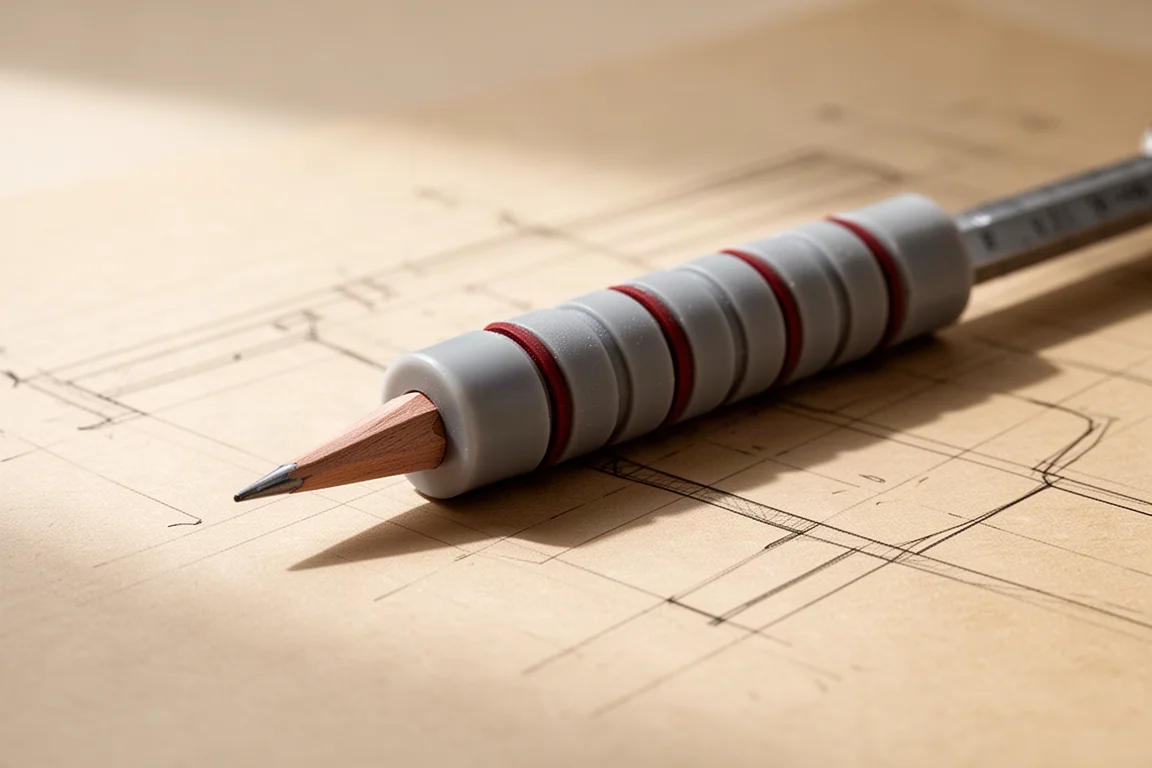
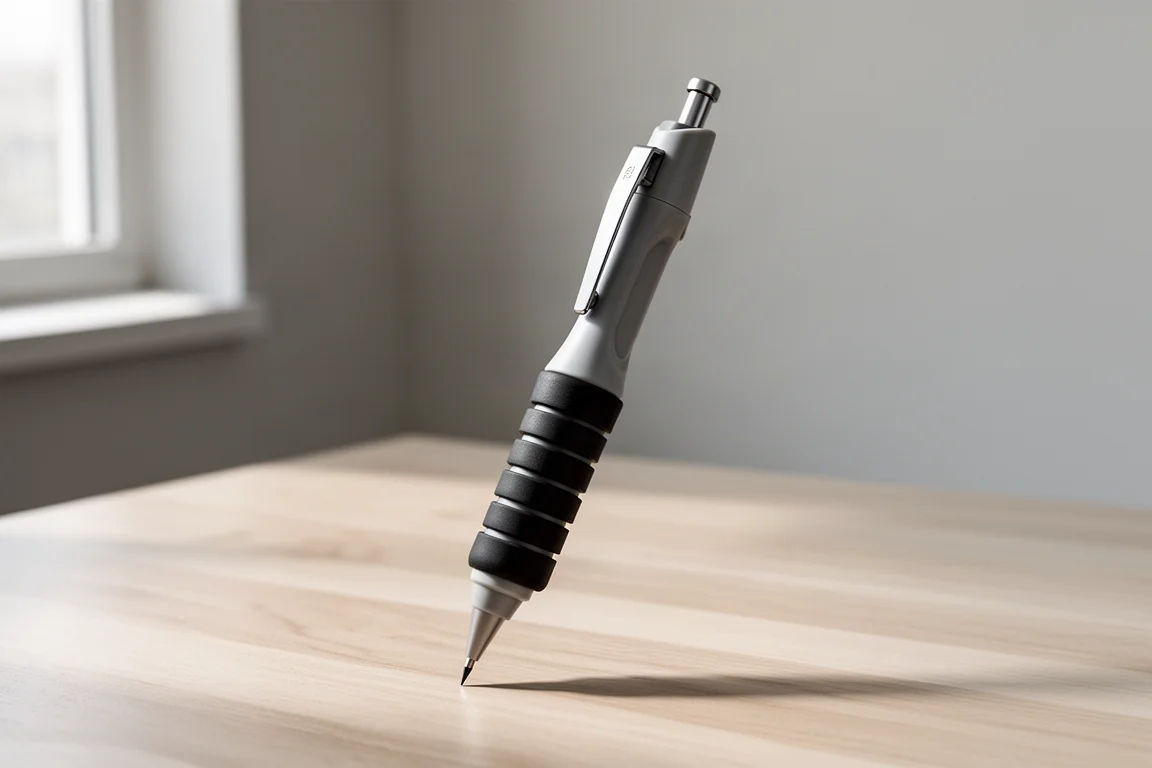
When you are in the middle of a long project, an ergonomic drafting pencil makes a real difference. The Zebra Tect 2Way has a wide plastic grip section with rubber rings that encourage you to loosen your grip and keep your fingers from slipping.
It also incorporates a shaker mechanism, so you can dispense lead without re-gripping the pencil. If that sounds too easy to trigger by accident, the shaker can be locked to keep lead from extending unintentionally, or you can simply use the top push button instead.
Budget Friendly: Pentel GraphGear 300
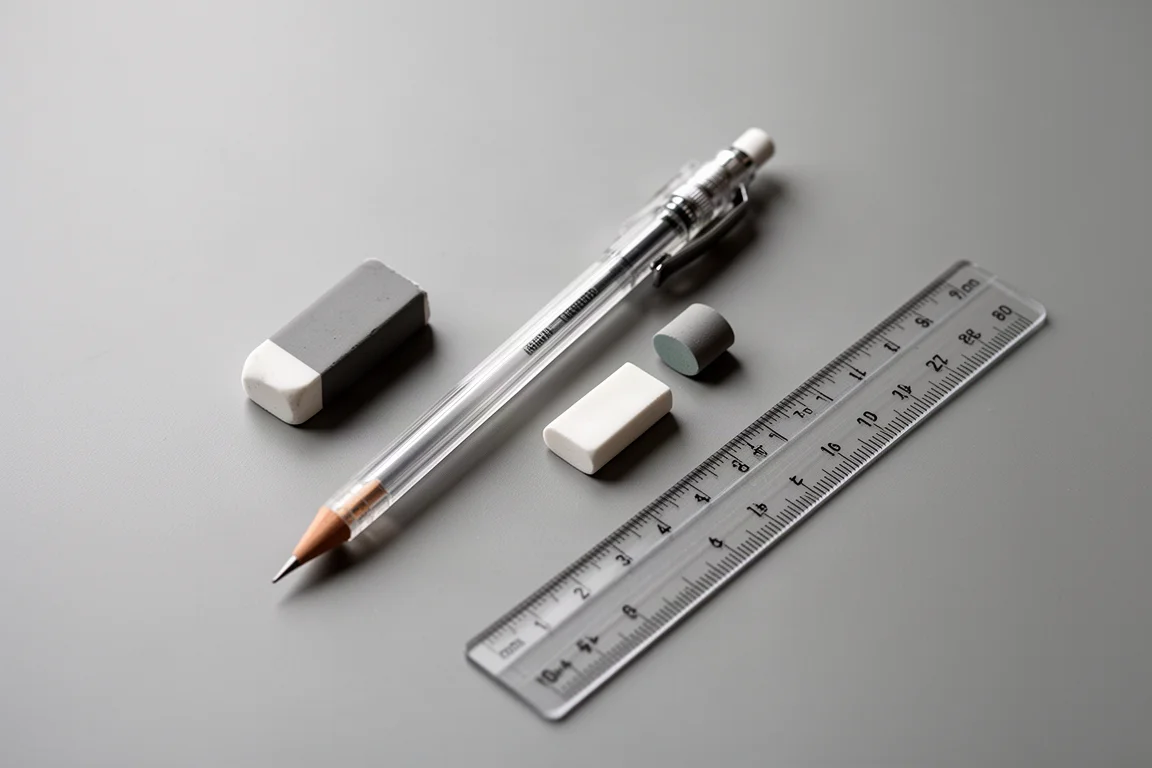
The Pentel GraphGear 300 proves that an excellent drafting pencil does not have to break the bank. Its metal grip section combines cutouts and raised metal pieces, so you can position your hand wherever it feels most natural.
The translucent body comes in four different colors, which makes the pencil easy to spot in a pen case and also easy to identify which lead size you are using at a glance.
Buying Advice
If you want the definitive drafting pencil, start with the rOtring 600. If you carry your pencil daily, the retractable sleeve of the rOtring 800 is worth the step up, and the 800+ adds stylus functionality for mixed analog and digital work. The Faber-Castell TK-Fine Vario L suits anyone frustrated by lead breakage, the Staedtler options cover lightweight and metal-grip preferences, the Zebra Tect 2Way is the comfort pick for long sessions, and the Pentel GraphGear 300 is an easy recommendation on a tighter budget.
Conclusion
Drafting pencils reward a little thought about how you actually work: where you carry them, how tightly you grip, how hard you press, and what kind of detail your projects demand. Match the pencil to those habits and any of these eight picks will serve you well for years of precise writing and drawing.
Further reading
Related Reviews
Stationery
Musgrave Pencils Review: Four Classic Pencils from Tennessee's Last Pencil Factory
We put four Musgrave pencils to paper, from the classic Harvest to the Unigraph 1200 drawing pencil, to see what a century-old Tennessee workshop can still do.
Stationery
Fountain Pen Tiers Explained: From Starter Pens to Luxury Grails
A practical overview of the different levels of fountain pens and inks, from a sub-$20 starter setup to Italian piston fillers and retractable gold-nib everyday carries.
Stationery
HP Premium 32 lb Copy Paper Review: A Fountain Pen Friendly Everyday Printer Paper
A heavy, smooth 120 GSM copy paper that handles fountain pens far better than standard printer stock, with only minor trade-offs in shading and sheen.