Spatial Audio
Best Dolby Atmos Spatial Audio Mixes to Stream: Nine Standout Releases
Nine spatial audio mixes worth streaming, spanning jazz, classic rock, progressive rock, electronic music, and pop, with notes on what each mix does well.
Introduction
Dolby Atmos music is now easy to queue up on a normal streaming subscription, but mix quality varies enormously. Some spatial versions lift the low end far beyond the original balance, some push the lead vocal so far back that the lyrics stop making sense, and some barely use the height channels at all.
This roundup covers nine spatial audio releases that get the fundamentals right: a vocal that stays anchored in the center, bass that supports the arrangement instead of dominating it, and effects placed around the room with a clear purpose. The picks span jazz, classic rock, progressive rock, electronic music, and pop. Most are available in Atmos on Apple Music, while one entry has been available on Tidal.
A few of the entries are single tracks rather than full albums, which is worth knowing before you start searching. Each section below explains what the mix does well and what to check before you press play.
What Makes a Strong Atmos Mix
Three things separate a convincing spatial mix from a disappointing one.
The first is vocal placement. In a good mix the lead vocal stays anchored in the center channel where a listener expects to find it. In a poor one it drifts behind the seating position or gets buried under the instruments, which is disorienting rather than immersive.
The second is bass discipline. Spatial audio gives engineers an extra place to put low-frequency information, and some use it to add far more bass than the original recording contained. A well-judged mix keeps the low end tight and proportionate to everything else.
The third is intent. Height and surround channels work best when they support the arrangement, whether that means backing vocals, strings, or effects that genuinely belong in the space. When every element is thrown around the room at once, the result stops sounding like music and starts sounding like a demonstration.
Harry Connick Jr.: It Had to Be You
Harry Connick Jr. is a vocalist and multi-instrumentalist whose material suits immersive treatment well, and this track shows why restraint works. The vocal stays anchored in the center channel where it belongs, the arrangement keeps its natural balance, and nothing is pushed forward just to prove the format is doing something.
That matters, because the most common spatial audio problems are easy to hear once you know what to listen for: a center channel too quiet to follow the singing, bass lifted well beyond the original mix, or lyrics placed behind the listener for no musical reason. None of that happens here.
It is a good entry point if you are new to spatial audio and want something that sounds natural rather than showy. The track is available in Atmos even if the surrounding album is not.
Queen: Another One Bites the Dust
Older multitrack recordings can be a gamble in Atmos, but this one comes off well. The bass has real weight, the lead vocal stays strong and centered, and there is genuine activity to the sides and above the listener rather than a simple widening of the stereo image.
It also makes an effective demonstration track. If you want to show someone what a spatial mix can do, a well-known song with an unmistakable groove is far easier to appreciate than an unfamiliar test tone.
The track sits on a spatial audio rock playlist, so it is straightforward to find. The full album has not been as easy to locate in Atmos.
Porcupine Tree: Harridan
Harridan arrived as the band’s first new material in roughly eight or nine years, and it is also the first Porcupine Tree track to appear in Atmos. The band’s earlier catalog has largely lived in 5.1 surround, so this is a genuine first for the group.
The mix makes the most of the arrangement. It opens with a low, insistent bass riff, then the guitars arrive and spread around the listener rather than stacking up in front of the speakers. The drumming is a highlight throughout, with a level of detail that rewards a capable system.
If you are a hard rock listener who has not yet tried spatial audio, this is a strong place to start, and it works just as well for anyone who simply wants to hear a well-built immersive mix.
The Beatles: Sgt. Pepper’s Lonely Hearts Club Band
The full album is available in Atmos, and the result is remarkable. Everything you hear was drawn from the original analog masters with nothing newly recorded, which means the additional instruments, textures, and sound effects were already on tape, waiting for a format that could present them properly.
The effect is that a record cut in the late 1960s sounds far more contemporary than its age suggests. For longtime listeners it is an emotional experience as much as a technical one.
One practical note: spatial audio browsing categories are not always reliable. If you search for the album directly and the first version you open plays in stereo, go back and look for another listing of the same album, which should carry the Atmos mix.
Coldplay: Coloratura
Coloratura runs close to ten minutes, and the album around it feels written with immersive audio in mind rather than adapted to it afterward. The result is one of the most coherent spatial presentations on this list.
Chris Martin’s voice is easy to follow from the center channel, the bass is well judged rather than inflated, and the immersive effect is used to support the arrangement. The album works best as a front-to-back listen, including the quieter tracks that would never turn up on a radio playlist.
If you only have time for one track, Coloratura is the one to queue. If you have an evening to spare, the whole record is worth the time.
Yello: Point
Yello is a duo many listeners first encountered through film, and Point is a full album built for immersive playback. The mix is active and confident, with effects placed all around the listening position rather than confined to the front of the room.
The one thing to know before you press play is the low end. Bass levels are pushed high, and at least one passage reaches deep enough to physically resonate objects in the room. That is thrilling on a system with a capable subwoofer and considerably less welcome in a thin-walled apartment.
If your setup can handle serious low-frequency output and you enjoy electronic music, this is one of the more entertaining Atmos albums available.
Billie Eilish: No Time to Die
This Bond theme is available in Atmos and it holds up well. The bass is deep and tight without being overdone, and the production detail is high enough that the mix works as a demonstration of what spatial audio can do.
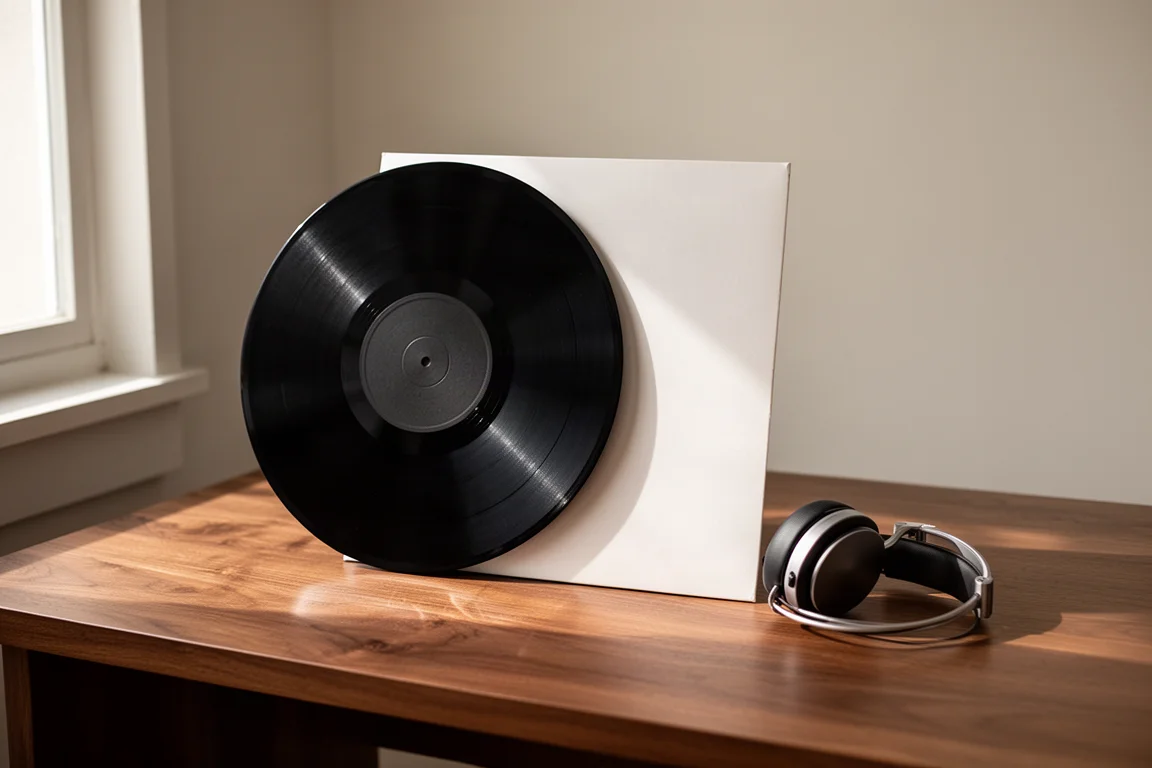
Her studio albums are also worth checking for spatial audio versions. Listeners who know the music mainly from vinyl may find the comparison striking, because the Atmos presentation adds a sense of space that a two-channel pressing cannot reproduce.
The Weeknd: After Hours
Pop is often assumed to be over-compressed and poorly suited to serious listening, and this album is a good counterexample. The production quality is high, the vocal stays dead center and clearly intelligible, and the spatial channels are used to add width and depth rather than to relocate the singer.
That is the right approach. Where some spatial mixes of pop material push bass levels up and leave the lyrics sounding distant, this one keeps the balance intact from start to finish.
If the version that plays first sounds flat, check that you have opened the Atmos version rather than the stereo one.
Steven Wilson: The Future Bites
The honorable mention goes to Steven Wilson, whose solo work turned toward pop on this album. Elton John appears on Personal Shopper, and the record was Wilson’s first to be mixed in Atmos.
There is one complication. The Atmos version has been available on Tidal rather than on Apple Music. Tidal also runs at a noticeably lower output level than Apple Music, so if you switch services and forget you turned the volume up, the change can be startling. It is not his most demanding work, but it is a genuine pleasure to hear in an immersive format.
How to Choose and Listen
A few habits make spatial audio much easier to live with.
First, confirm you are actually hearing the Atmos version. Streaming apps do not always surface the spatial mix first, and the stereo and Atmos versions of the same album can look nearly identical in a search result.
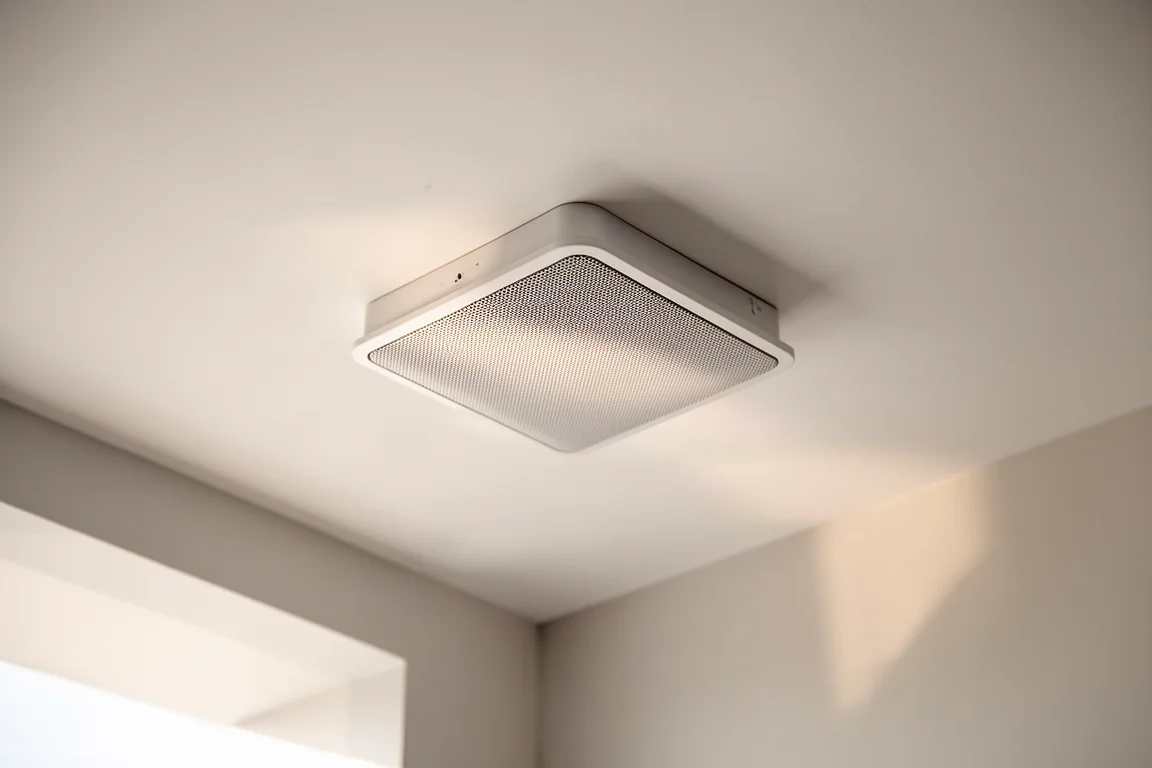
Second, height channels matter. A setup with at least two overhead or upward-firing speakers delivers the vertical dimension that gives the format its name, though headphones can still convey a convincing sense of space.
Third, watch your volume when moving between services, because output levels are not matched.
Finally, treat spatial audio as a format rather than a guarantee. Plenty of catalog titles do not translate well, particularly recordings that were not especially well captured to begin with. The releases above are the ones that do.
Conclusion
Spatial audio is at its best when it disappears into the music. The nine releases here share a common trait: each one uses the extra channels to serve the song rather than to advertise the technology.
Start with the track that matches music you already love, whether that is a jazz standard, a classic rock staple, a progressive rock epic, or a pop album. Confirm you are playing the Atmos version, give your system a moment to adjust, and the difference should be obvious within the first minute.
If you want a short demonstration, a single track will do. If you want the full experience, an album-length listen is where the format shows what it can really accomplish.
Further reading
Related Reviews
Hi-Fi Audio
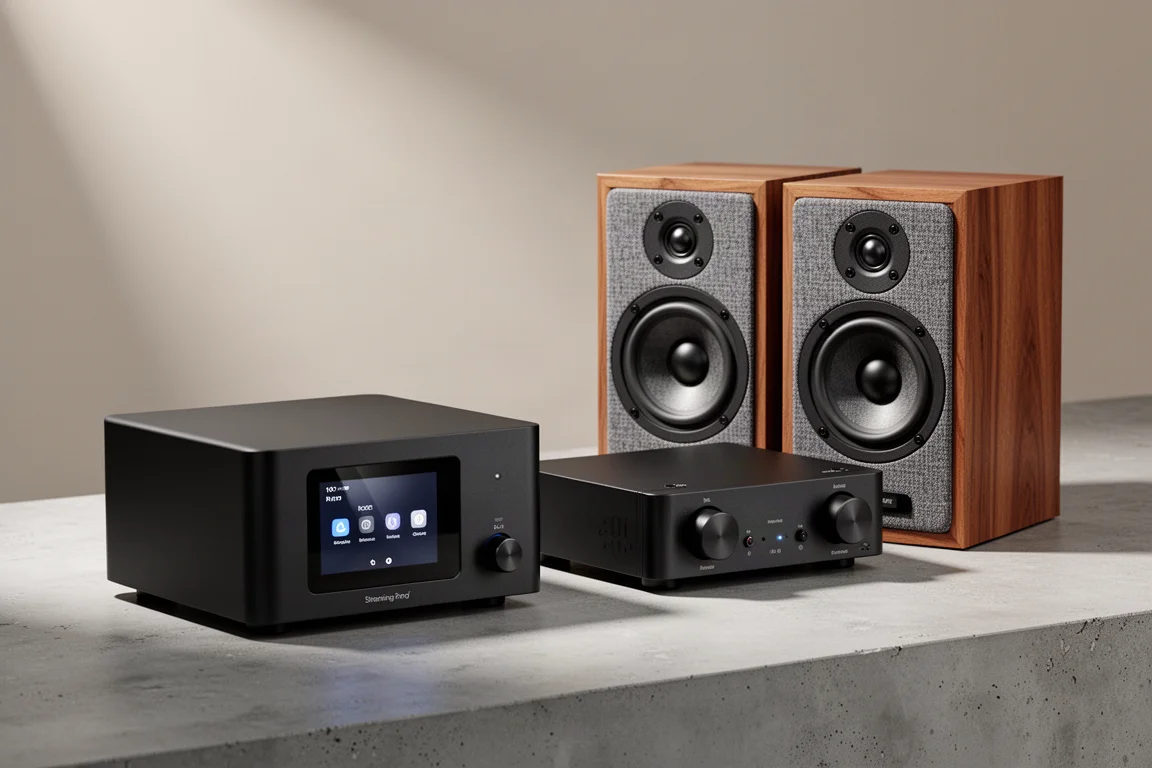
Affordable Hi-Fi Worth Knowing: WiiM Ultra, WiiM Amp and Q Acoustics 3000c
Three affordable hi-fi releases, each filling a different role in a system: a touchscreen streaming preamp, a one-box streaming amplifier, and a new entry-level speaker line.
AV Processors
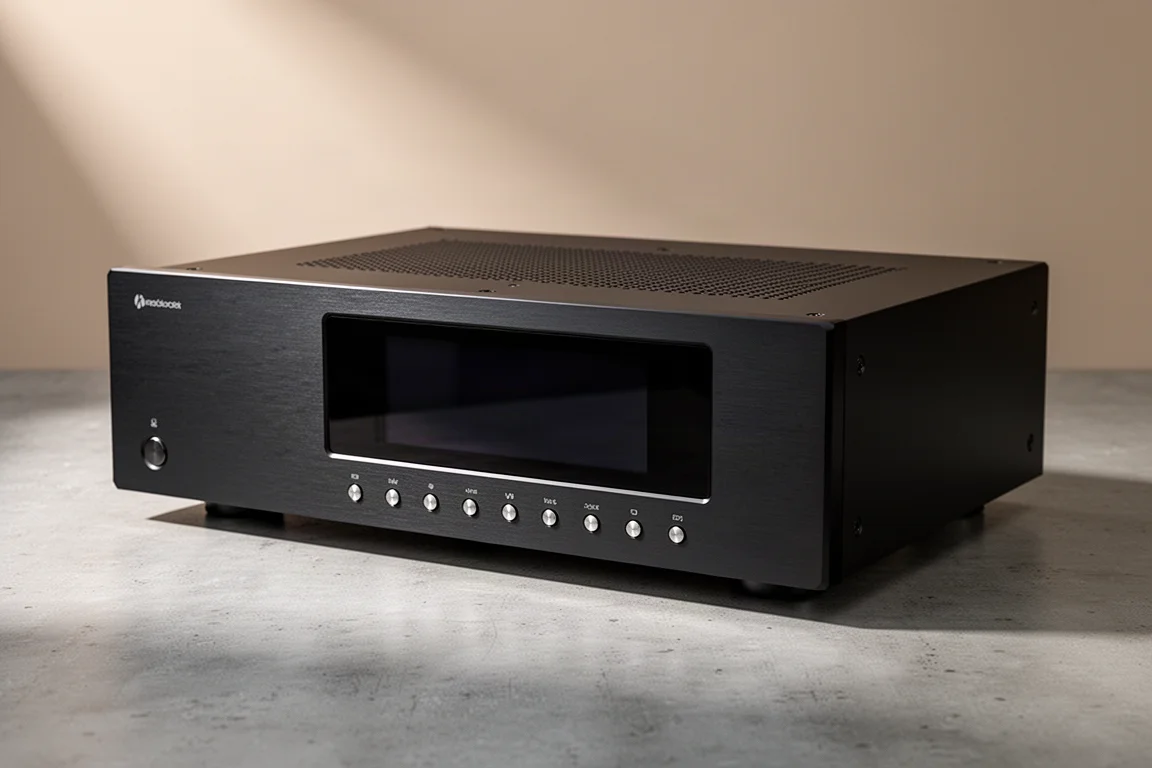
Anthem AVM 90 8K Review: A Reference-Grade AV Processor for Music and Movies
A close look at the Anthem AVM 90 8K AV processor: measured performance, two-channel and immersive listening notes, bass control, and what to weigh before buying.
AV Receivers
Anthem MRX 740 8K Review: Composed Home Theater Sound With a Few Rough Edges
A close look at Anthem's mid-tier MRX 740 8K receiver, covering its sound, ARC Genesis room correction, HDMI 2.1 features and the daily quirks worth knowing before you buy.