Aquarium Equipment
Best DC Return Pumps for Reef Tanks: Five Picks Worth Considering
A practical look at five DC return pumps for reef aquariums, plus what to check on flow rate, plumbing compatibility, dry-run safety, and power-outage protection before you buy.
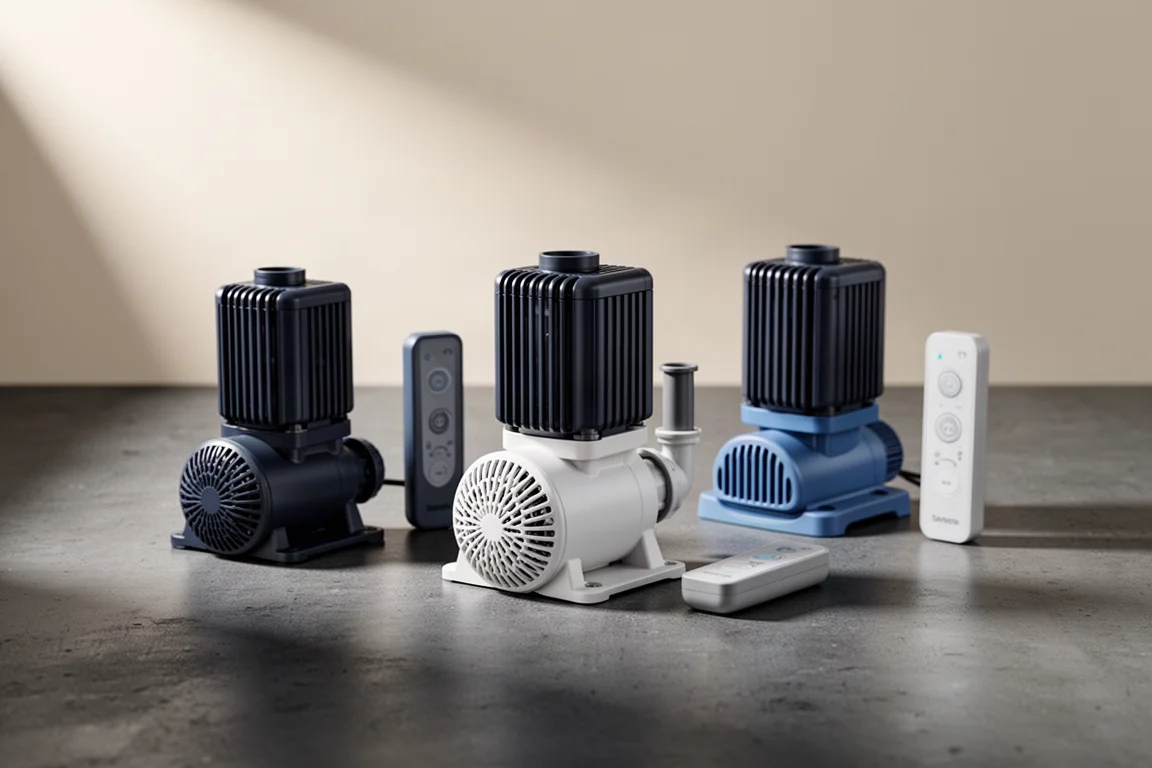
Introduction
A return pump is the heart of a reef system. It moves water through the sump, drives surface agitation, and keeps oxygen entering the tank. If it stops, fish and corals can be lost in as little as 12 hours, which makes it one of the few pieces of equipment worth choosing carefully rather than cheaply.
Direct current pumps have largely taken over from alternating current models, and the reasons are practical rather than fashionable. This guide covers five DC return pumps and walks through the factors that actually decide whether a pump suits your system.
Why DC Pumps Beat AC Pumps
The first argument is running cost. A DC pump uses considerably less electricity than an AC counterpart of similar output, and because a return pump runs around the clock, that difference accumulates over the life of the tank.
The second is variable speed. Because output can be adjusted, you can tune flow without reworking plumbing. On a return pump, that is what lets you dial in the weir water height and make Herbie and Bean Animal style overflow systems genuinely quiet.
The third is control. DC pumps ship with a controller of some kind, which means you can switch the pump off for maintenance and run a feed mode of roughly 10 to 60 seconds at the press of a button.
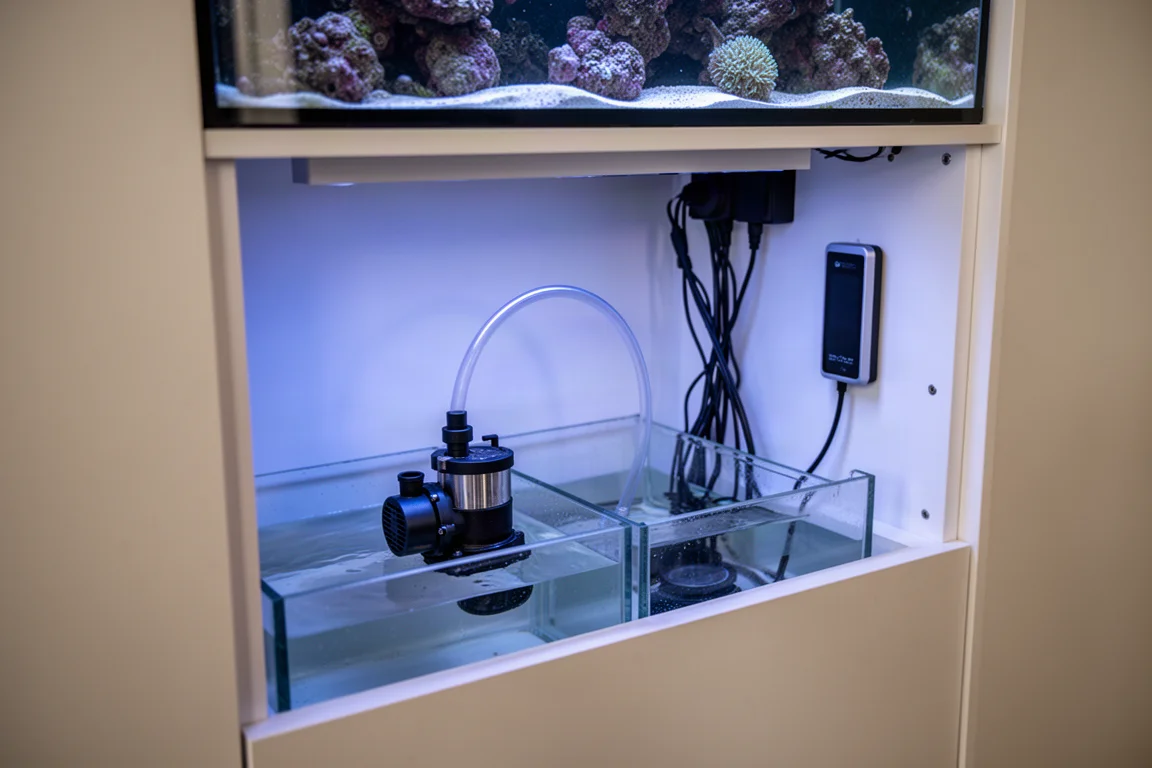
Noise is the fourth advantage, and it is the one most people notice immediately. AC pump vibration can carry through a house into a bedroom, while a DC pump generally runs without an audible hum.
Finally, some DC pumps include built-in wifi, so flow rates, feed modes and alerts can be handled from an app on a phone. Taken together, lower running cost, adjustable flow, simpler maintenance and quiet operation explain why DC is the sensible default today.
How to Choose a DC Return Pump
Five factors matter more than anything else in the spec sheet.
Purpose comes first. Most reefers buy a DC pump to replace a noisy AC return pump, but the same pump family can drive a protein skimmer, a media reactor, a seawater mixing station, an external manifold, or a UV sterilizer. Each of those jobs has different flow requirements.
Flow rate is next. The goal is to turn over the entire water column about three times per hour, which heats and filters the full volume roughly every 20 minutes. A 100 gallon tank therefore needs about 300 gallons per hour at a water height of five feet, which means the rating that matters is output at head height, not at zero head. A larger pump paired with a controller can simply be turned down to hit the target.
Fitting size is the third check. The Vectra S2, for example, uses a one inch input coupling and a three quarter inch output coupling, two of the most common sizes in the hobby. If your tank uses something different, bushings and reducers can bridge the gap with a little plumbing know-how.
The fourth factor is the plumbing you already have. Most systems run flexible tubing between the return pump and the display, which calls for a barbed fitting. Not every pump includes one: the Ecotech Vectra ships without a barb in the box, though a barb and screen kit is available separately, while the Reef Octopus VarioS and the Sicce Syncra SDC include barbed fittings.
Safety rounds out the list, and it comes down to three questions. What happens if the pump runs dry? At some point you will forget to refill an auto top-off reservoir or leave the pump switched off during a water change. The Vectra has an internal sensor that detects a dry run and shuts itself off, while the Reef Octopus VarioS relies on installing its included float valve.
How will you know if the pump fails or stops? The return pump is the heart of the system, so wifi enabled models such as the Neptune Cor and the Sicce Syncra SDC send a push notification through their apps as soon as they detect a problem.
And how will you keep livestock alive during a power outage? Oxygen enters the tank only through the surface, so the agitation created by the return pump and wave maker is what keeps fish and corals breathing. Unless you plan to run a generator, the Ecotech Marine Vectra is the DC pump with an integrated battery backup system.
Best Overall: Ecotech Marine Vectra
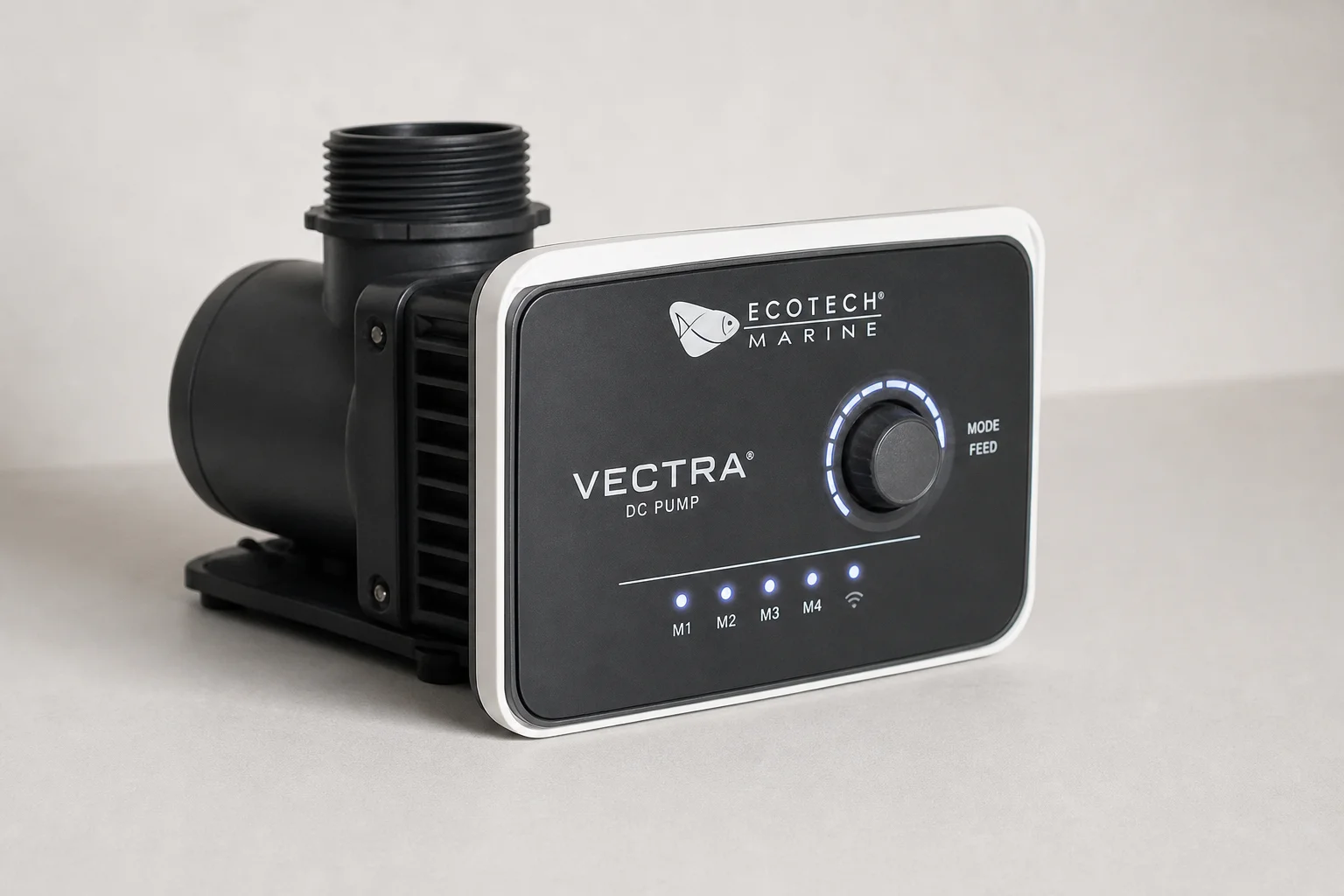
The Vectra makes the strongest all-round case because it covers the features that are hardest to add later. It includes a controller and can also be programmed through the Mobius app, with built-in feed modes and settings that simulate the flow patterns of an actual reef. It is available in three sizes, from a maximum output of 1,400 gallons per hour up to 3,100 gallons per hour, so there is a version for most tank volumes.
The smallest of the three, the Vectra S2, is rated at 1,400 gallons per hour and still produces around 850 gallons per hour at five feet of head, which is more capacity than a 100 gallon system needs. Because it is a DC pump with a controller, that surplus is simply dialled down. Its one inch input and three quarter inch output couplings match two of the most common plumbing sizes found on reef tanks.
Two safety details set it apart. An internal sensor shuts the pump down automatically if it runs dry, and it is the one DC pump with an integrated battery backup system for power outages. The trade-off is that no barbed fitting is included, so flexible tubing setups need one purchased separately.
Best for Skimmers and Reactors: Reef Octopus VarioS
The VarioS is a strong pick for anyone who wants adjustable flow in more than one place. Its five speed settings cover a useful range, and it includes a feed timer that can be set to 15 or 60 minutes, which is a good fit for longer maintenance sessions or feeding routines that need the pump to stay off.
That adjustability is what makes it so useful outside the return chamber. Tuning a protein skimmer is really a matter of finding the right water height, and variable flow gets you there without swapping parts. Reactors benefit in the same way, since flow can be matched to the media or macroalgae inside. UV sterilizers are the strictest case of all, because they need a specific flow rate to kill the free-floating bacteria and organisms you are targeting.
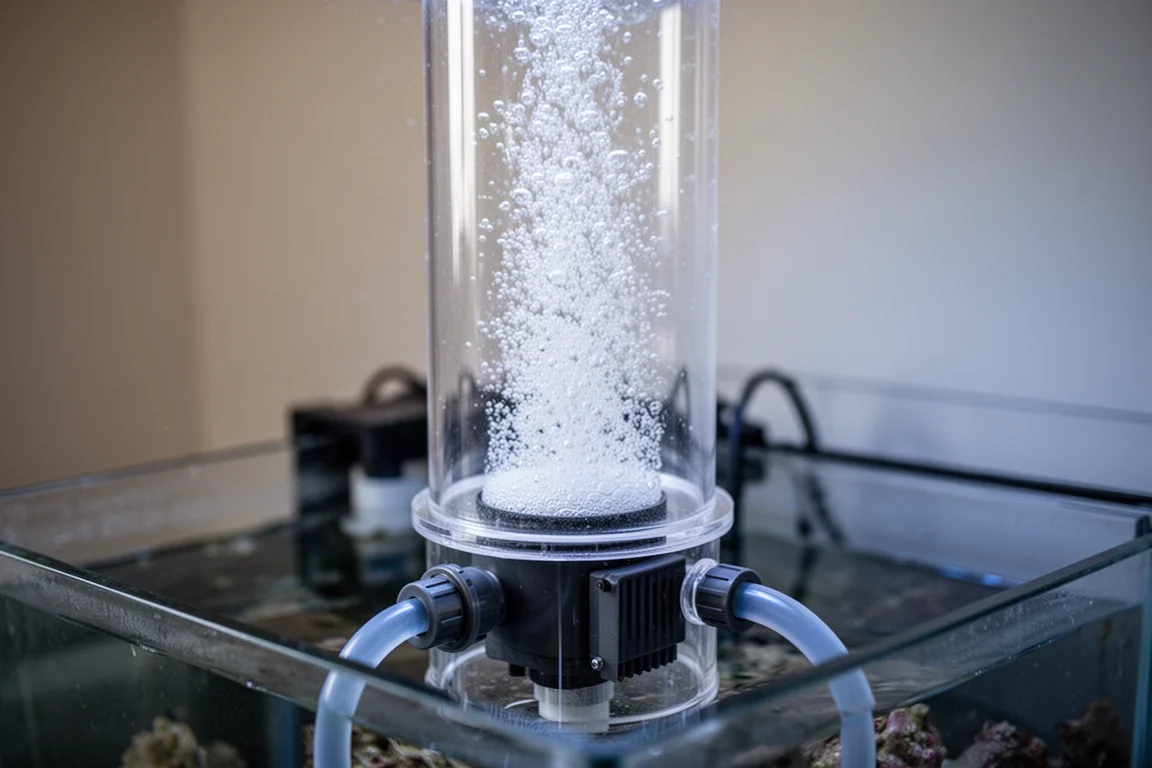
On the safety side, the VarioS ships with a float valve for dry-run protection, which needs to be installed rather than relying on an internal sensor. A barbed fitting is included in the box, which saves a step for anyone running flexible tubing.
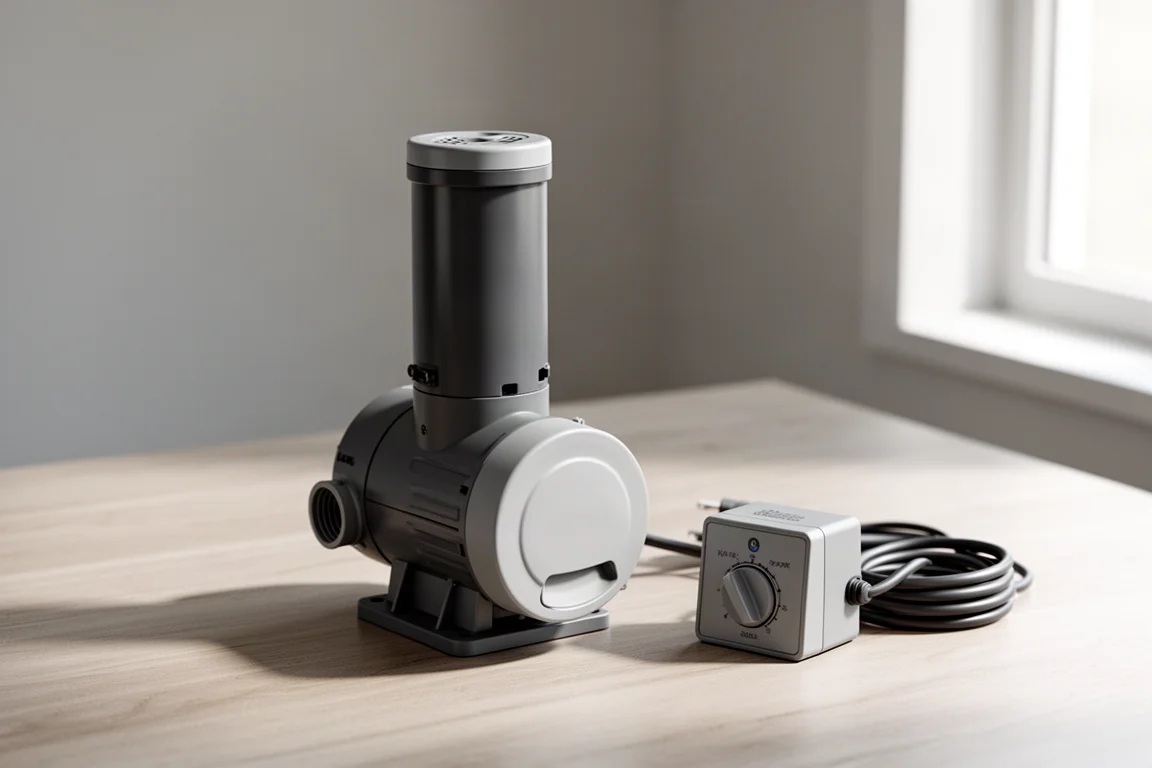
Best Wifi Monitoring: Sicce Syncra SDC
Sicce is an Italian pump manufacturer known for building some of the highest quality pumps on the market, and the Syncra SDC pairs that reputation with the most complete monitoring package of the group.
It is wifi enabled and can be controlled either through its app or the included controller. An internal thermometer watches operating temperature, and the pump sends a push notification immediately if it detects a problem, which is a meaningful safeguard when a silent failure could cost you livestock. A barbed fitting is included, so flexible tubing installations stay straightforward.
For reefers who travel, or who simply want confirmation that the heart of the system is still running, this is the most reassuring option here.
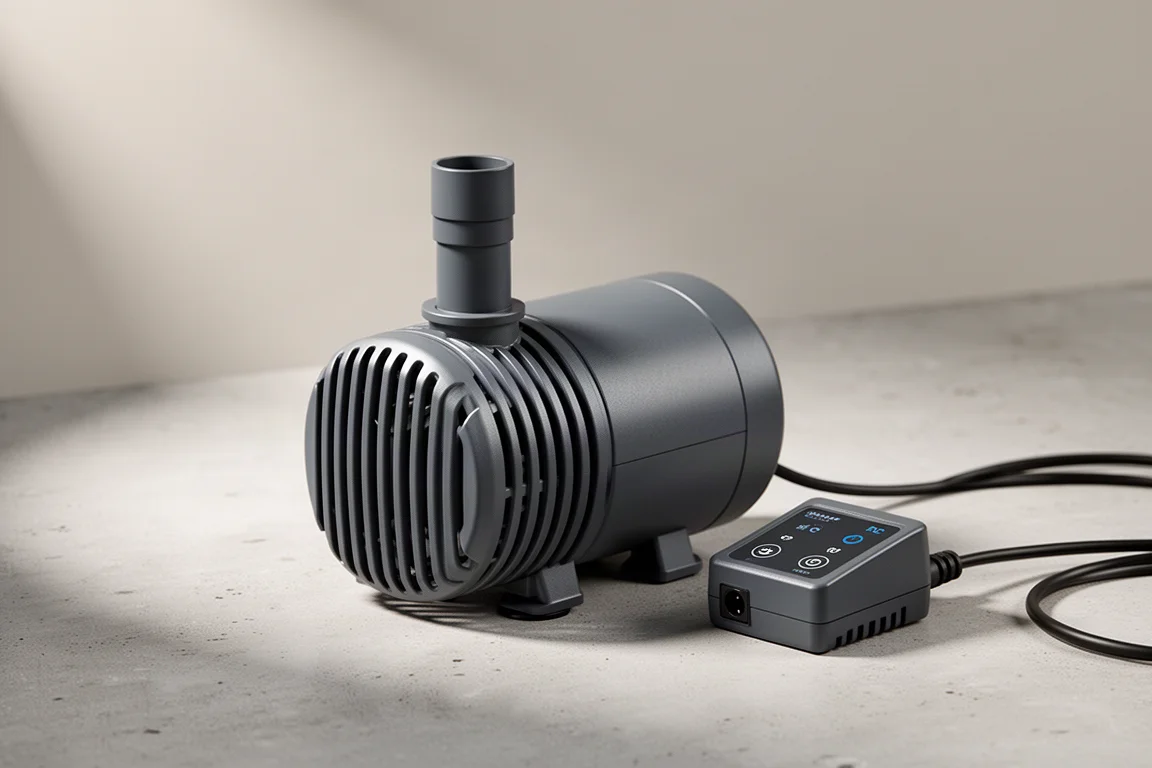
Best for Apex Systems: Neptune Cor
If you already run a Neptune Apex controller, the Cor is the natural match. Staying inside one ecosystem means fewer apps, fewer control interfaces, and one place to look when you want to check on the tank.
It is wifi enabled and sends push notifications through its app as soon as it detects a problem, which covers the question of how you will know if the return pump has stopped. The case for it is strongest for existing Apex owners, since that is where the integration pays off most.
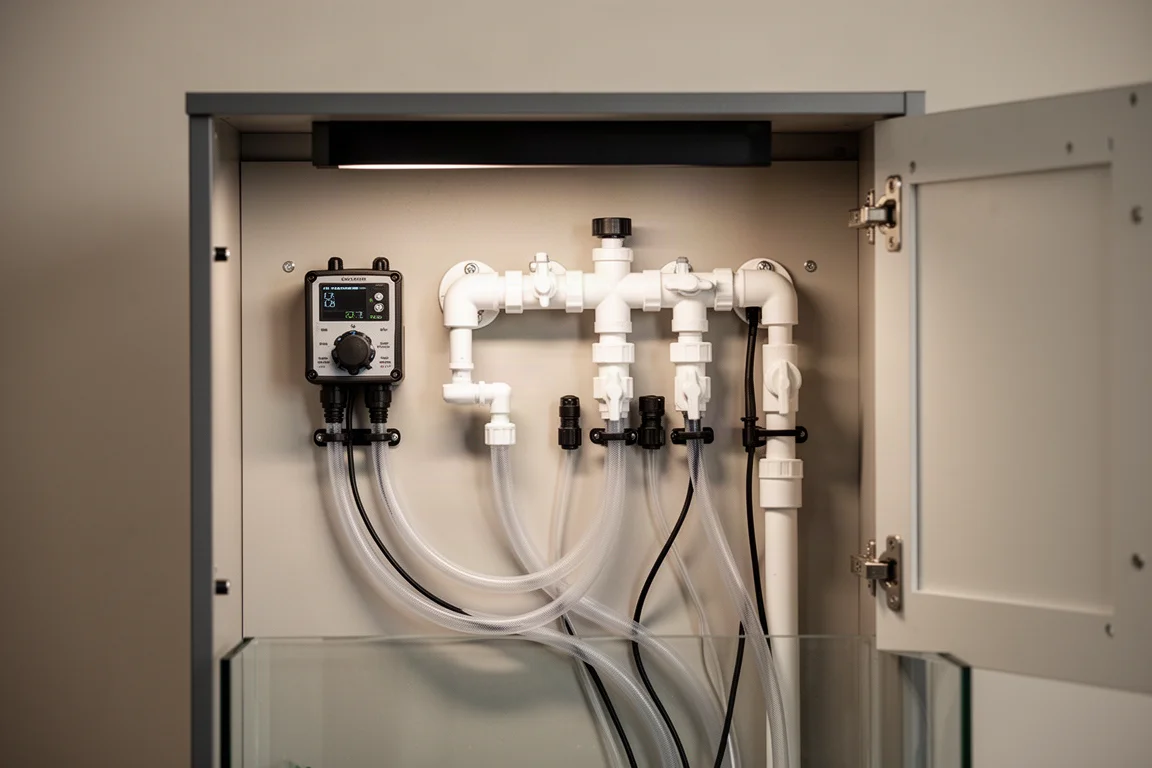
It is worth planning around a power outage separately, because an integrated battery backup is not part of this pump’s feature set.
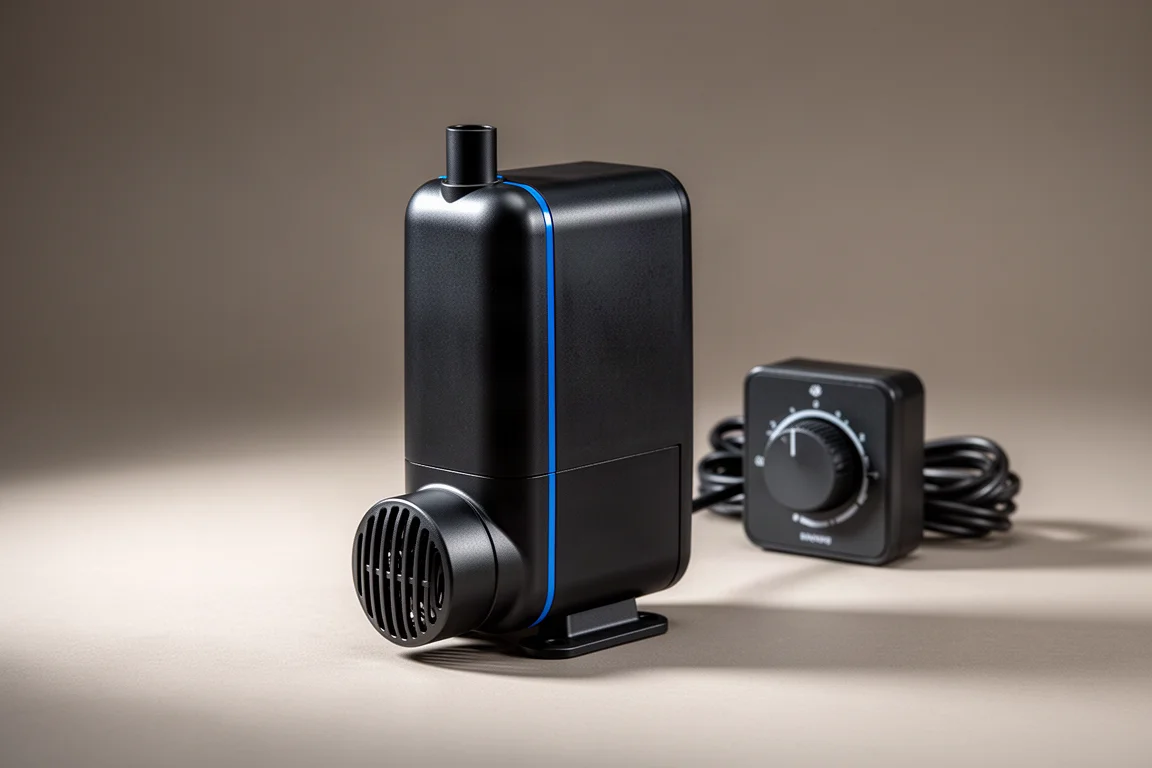
Best Budget Pick: Current USA eFlux
When budget is the primary concern, the Current USA eFlux will get the job done. It is the simplest route into DC pumping: lower running costs than an AC model, adjustable output, and controller-based on and off operation for maintenance and feeding.
It does not carry the extended feature set of the picks above, so it suits a straightforward return pump duty on a system where flow tuning matters more than monitoring.
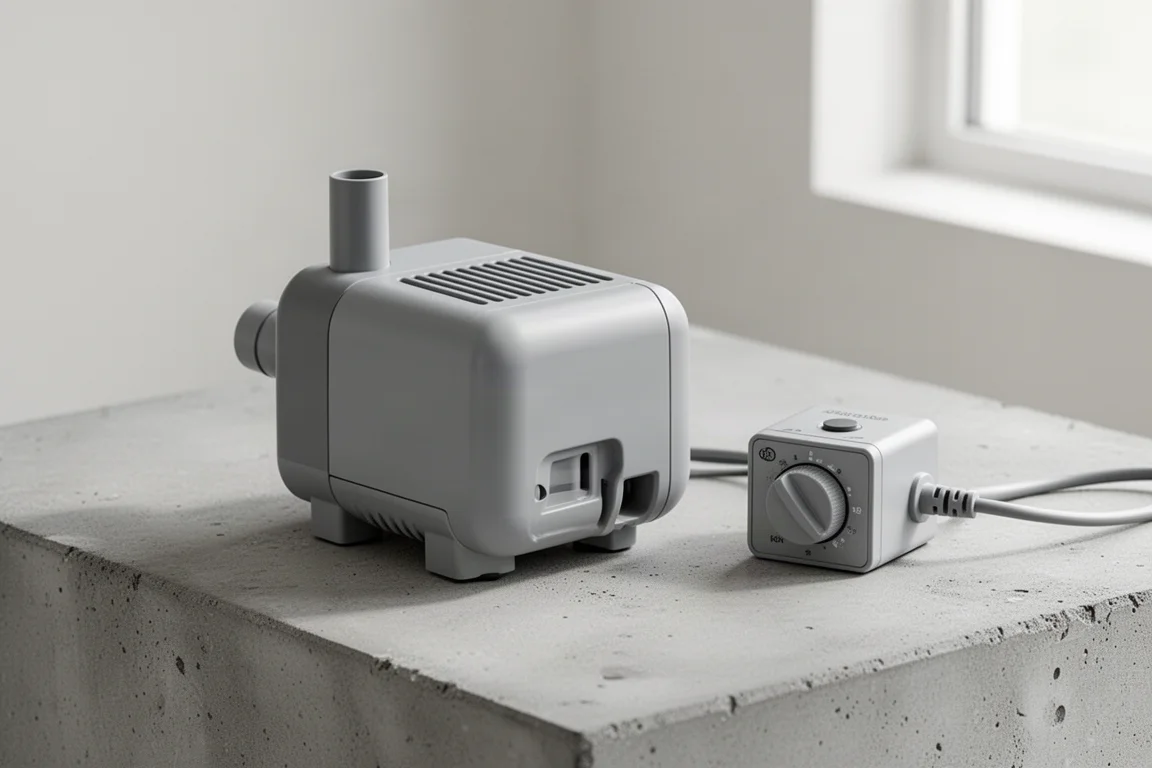
Setting Up a DC Return Pump
Installation is easier than most people expect, and the Vectra is a useful example.
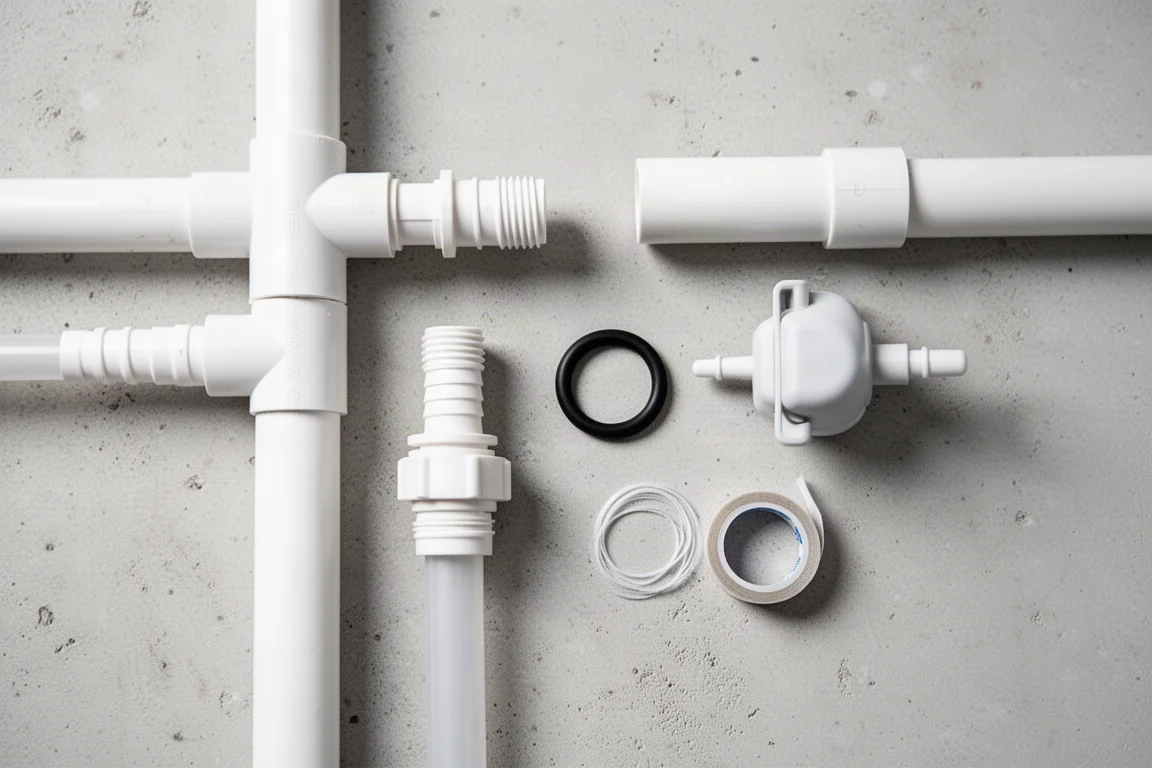
To attach hard plumbing, unscrew the union collar from the output and remove the coupling. Leave the orange O ring in place on the pump. Slide your three quarter inch PVC through the union collar, apply clear PVC primer and glue to the inside of the coupling and the outside of the PVC, then push the pipe into the coupling with a quarter turn and hold it for 30 seconds. Once the cement has dried, screw the collar tightly back onto the pump, checking again that the orange O ring is seated.
Flexible tubing is simpler still. Unscrew the union collar, remove the coupling, and push the barbed fitting through the collar. From there you can mount the controller using the included brackets, or a couple of pieces of Velcro if that suits your cabinet better. Plug it in, connect the pump, and use either the controller or the app to set the flow to suit your system.
Overall Buying Advice
Start with the job the pump has to do. If you are replacing a noisy AC return pump, any of these five will quiet the cabinet and cut electricity use. Match the flow rating to your tank at head height rather than at zero head, check that the fittings work with the plumbing you already have, and decide how much safety you want built in.
From there, the choice is mostly about priorities. Existing Neptune Apex owners get the cleanest experience from the Cor. If cost is the deciding factor, the eFlux is the sensible starting point. For the most complete mix of control, quiet running and safety, the Reef Octopus VarioS, the Sicce Syncra SDC and the Ecotech Marine Vectra each make a strong case, and which one wins depends on whether you value a longer feed timer, app-based monitoring, or an integrated battery backup most.
One last point worth weighing: the pump is the component that keeps oxygen moving into the tank, so the features that protect it during a dry run or a power cut are not luxuries. They are the reason a return pump is worth buying well the first time.
Conclusion
DC return pumps earn their place on running cost, adjustable flow, quiet operation and simple maintenance control. Any of the five pumps here will deliver those basics. The differences show up in flow range, fitting compatibility, and how much protection you get when something goes wrong, and those are the details worth matching to your own system before you buy.
Further reading
Related Reviews
Aquarium Equipment
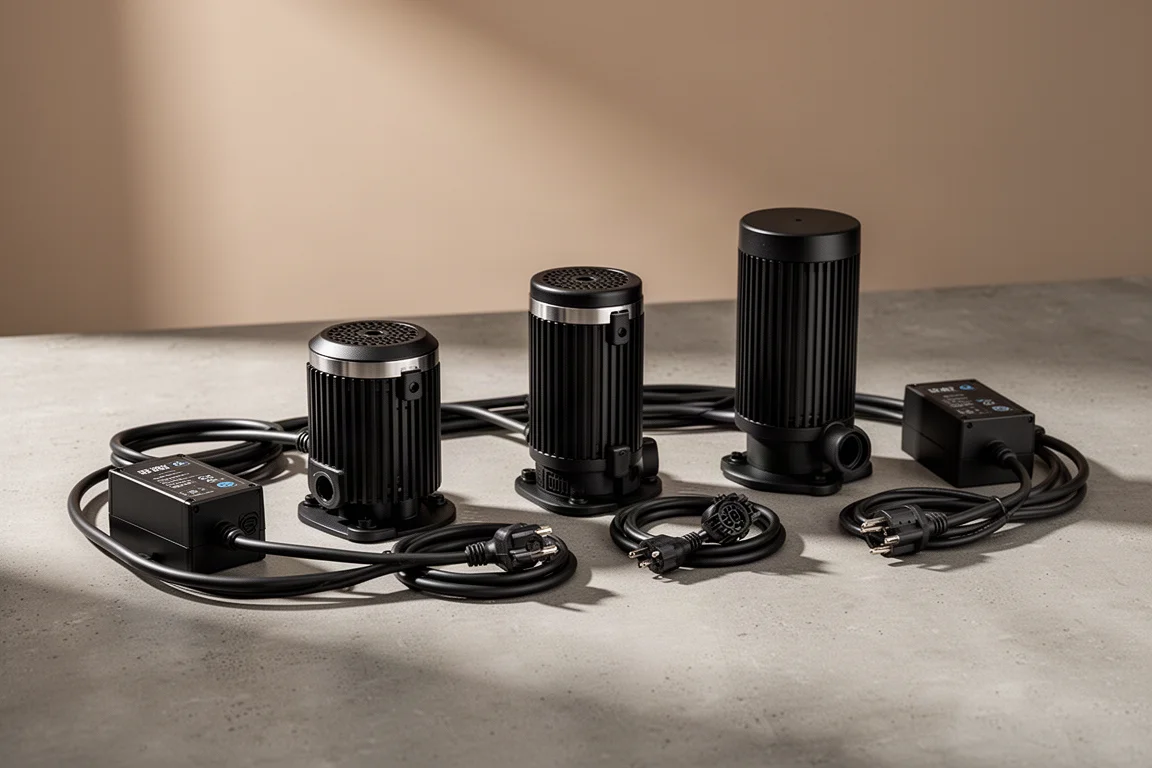
Abyzz Professional DC Pumps: A100, A200, and A400 Reviewed
A closer look at three German-made DC return pumps built for large reef systems, with titanium internals, fine flow control, and a 10-year warranty.
Aquarium Equipment
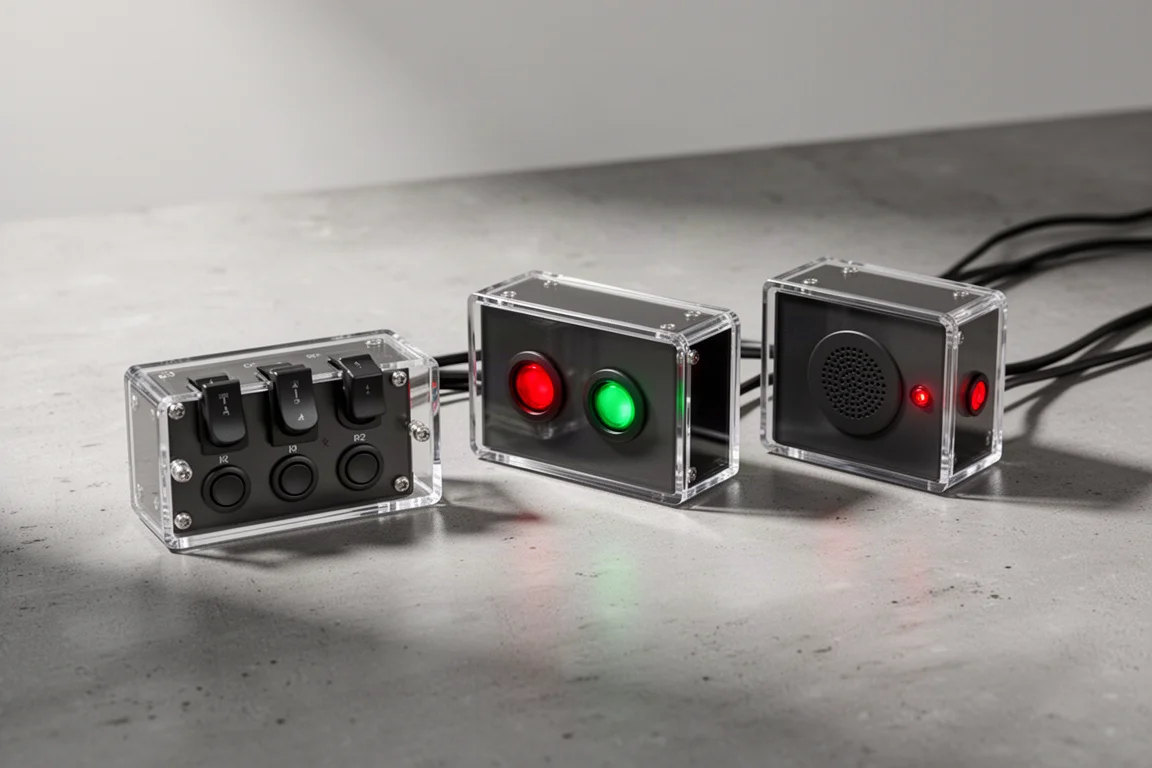
AdaptiveReef Controller Accessories: Three Tactile Upgrades for Your Reef Controller
A practical look at three AdaptiveReef add-ons that put physical switches, at-a-glance status lights, and a loud alarm within arm's reach of your reef tank.
Aquarium Equipment
Adaptive Reef Controller Boards: Basic vs Deluxe for Cleaner Aquarium Gear
A practical look at the Adaptive Reef Basic and Deluxe controller boards, what each one includes, and how to choose the right size for your tank gear.