Cycling Gear
Best Cycling Upgrades 2026: 13 Premium Components and Accessories Worth the Money
A tested roundup of 13 high-end cycling upgrades, from 12-speed groupsets and carbon wheels to 3D printed saddles, power meter pedals and van racks.
Introduction
The upgrades that earn a permanent place on a bike are rarely the flashiest ones. They are the parts that quietly remove friction: a groupset that shifts without drama after six months, a wheelset that feels fast without making rough roads miserable, a saddle that stops you shuffling around at hour four.
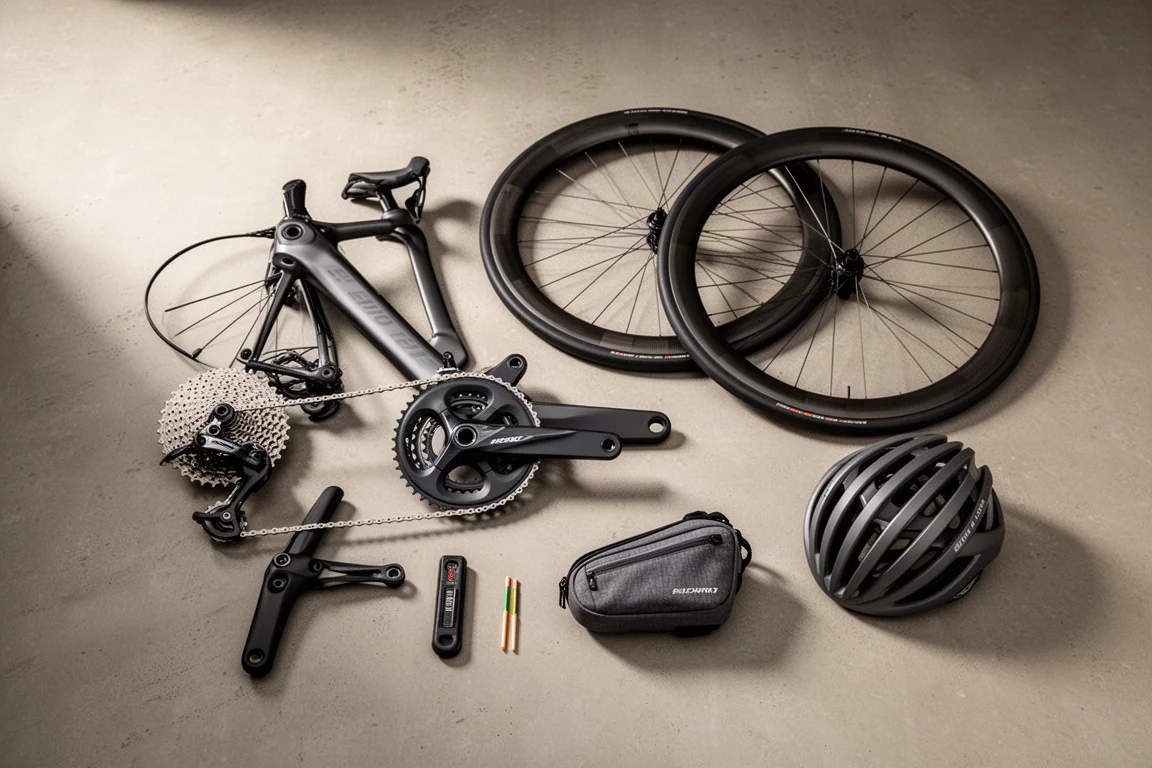
This roundup covers 13 premium cycling products that were ridden and tested over the past 12 months, from 12-speed drivetrains and carbon wheels to tyres, saddles, helmets, power meter pedals, repair tools and a van rack. Some are pure performance, some are comfort, and a few simply make riding easier to live with. Prices range widely, so each entry notes where the money actually goes.
How These Upgrades Were Selected
Every product here earned its place through real riding time rather than a spec sheet. Priority went to parts that delivered a noticeable performance or comfort change, held up over months of use, and did not introduce new maintenance headaches. Ease of living with the product mattered as much as outright speed: how simply it installs, how well it tolerates rough tarmac and gravel, and how little attention it needs once fitted.
Price was weighed against what the upgrade actually returns. A £3,000 wheelset and a £1,000 wheelset can both be excellent purchases, but they suit different riders. Where a cheaper option delivered most of the benefit, that is noted. Where a premium price is genuinely justified, that is noted too.
Two groups of buyers will find the most value here: riders chasing performance gains on a bike they already love, and riders who simply want their equipment to be more comfortable and more reliable over long distances.
Shimano Ultegra 12-Speed
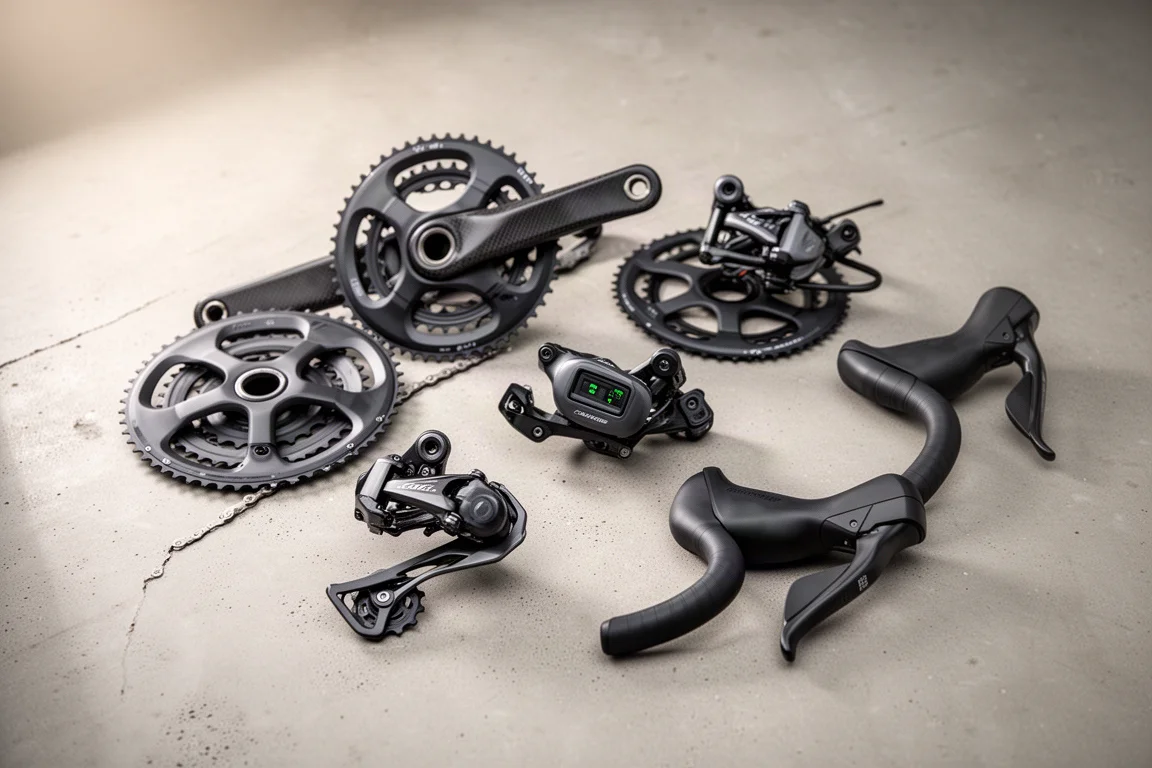
The most convincing groupset of the year is Shimano Ultegra 12-speed. It moves to 12 speeds, runs semi-wireless, and keeps the value argument that has always made Ultegra the sensible choice next to the flagship option: broadly the same performance for less money. Six months of riding on it produced no missed shifts, no dropped battery and no reliability trouble at all.
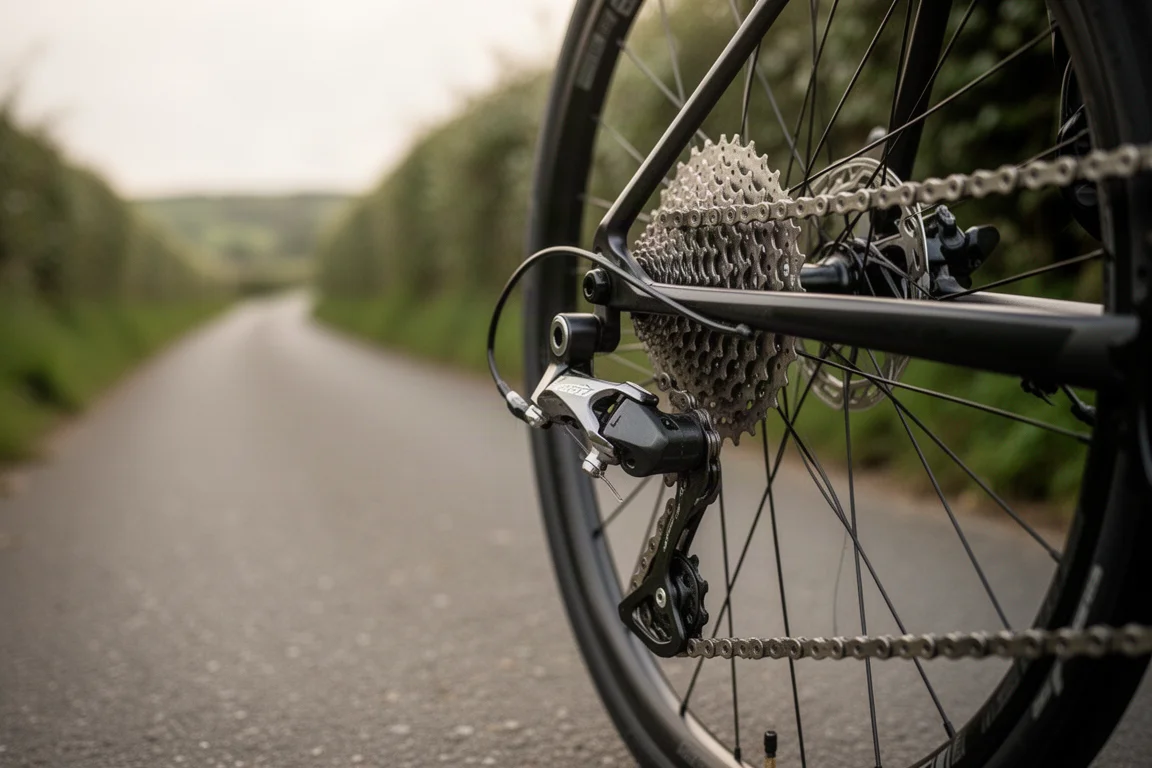
The smaller details are what make it pleasant to own. A charge port on the rear derailleur and Bluetooth integration with a smartphone app make it easy to adjust settings, check battery life and keep track of the system. The hoods are the standout feature, ergonomic and comfortable in the hand over long distances. The step from 11 to 12 speeds is not dramatic, though the extra 16-tooth sprocket on an 11-30 cassette is noticeable in some situations. Improved braking feel and faster shifting round out the package.
Classified PowerShift
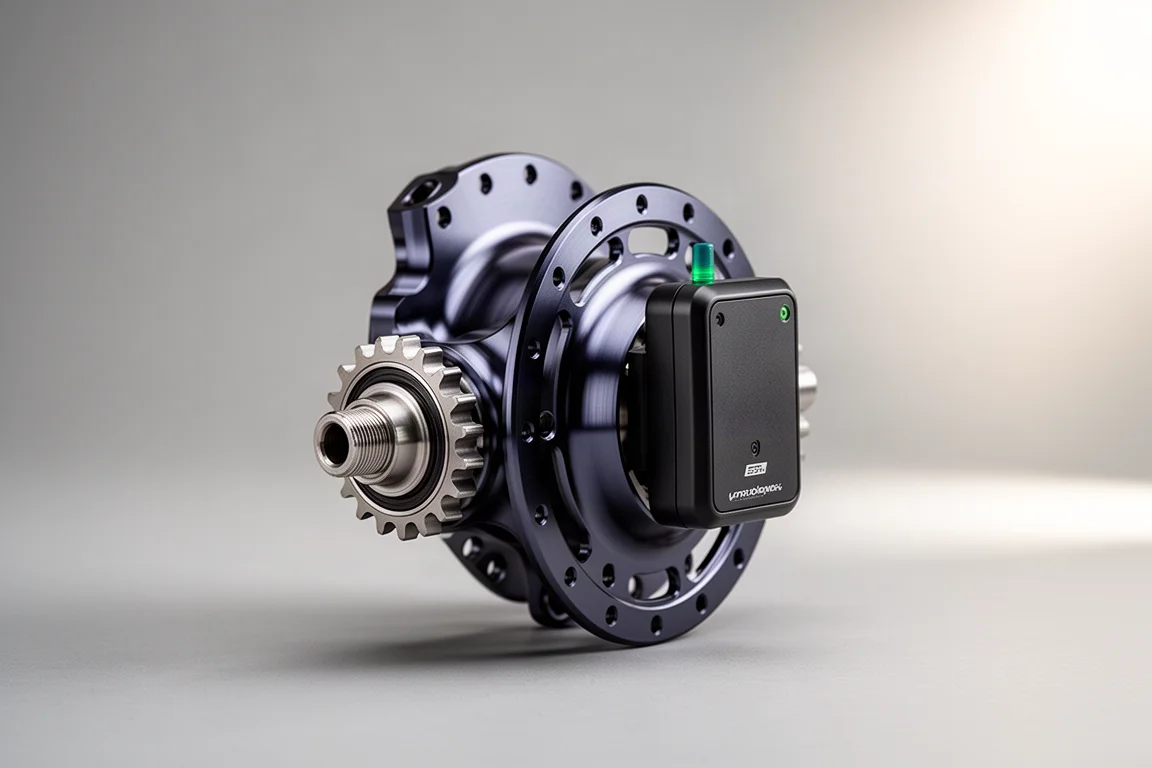
Classified PowerShift takes a different approach to gearing: a two-speed hub gear system that removes the front derailleur entirely. Hub gears have historically been held back by weight and drag, and this system avoids both. After two weeks of riding there was no drag to feel and the weight penalty is genuinely small, which makes the concept far more appealing than older internally geared designs.
The practical benefits are a cleaner front end with no front derailleur, tidier lines on a race bike and a small aerodynamic advantage, plus the range of a two-by setup condensed into one system. It is an exciting product with real potential to change how road and gravel bikes are built. Longer term durability data is still developing, so this is one to watch if you are an early adopter rather than a first-generation avoider.
Roval Alpinist CLX II
At 1,265g, the Roval Alpinist CLX II is one of the lightest carbon disc brake wheelsets currently available at a reasonable, if still substantial, price. The construction is shallow and light, and thanks to revisions to the carbon fibre layup the wheels are now fully tubeless compatible. Just as importantly, they use a normal bead, so riders who prefer tubes can run an inner tube without issue while tubeless users get the same benefit.
On the road they feel immediately responsive. Acceleration is sharp, climbing feels easier and the bike turns in with noticeably more agility than it does on deeper section wheels. Attention to detail across the build is impressive, and the wheels cost less than the Enve SES 2.3. For riders who value climbing feel and a hooked rim over aerodynamic depth, this is the most complete lightweight option of the year.
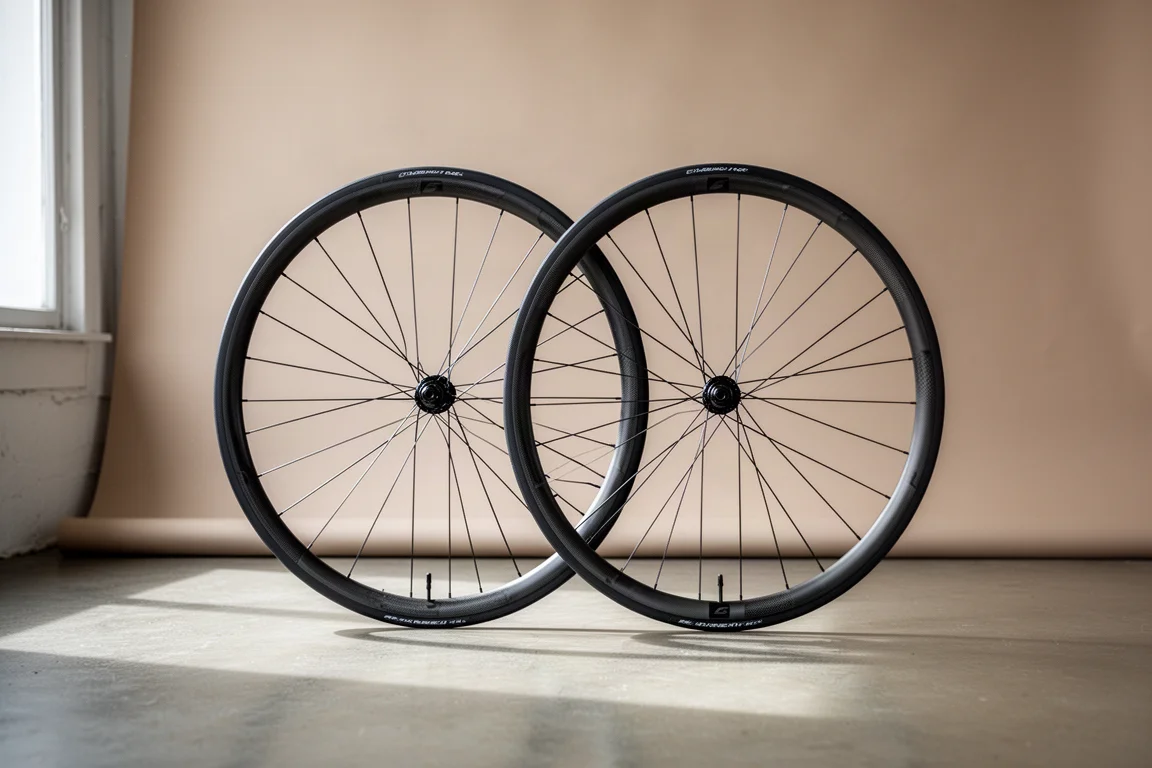
Enve SES 2.3
The Enve SES 2.3 joined the lightweight carbon wheel market in the same period and occupies a similar brief: shallow, light and built for riders who prioritise climbing and response over aerodynamic depth. It sits above the Roval Alpinist CLX II on price, which makes it the more premium choice of the two for riders who specifically want the Enve build.
If a low weight, shallow section carbon wheelset is the goal, the SES 2.3 deserves a place on the shortlist alongside the Roval option. Riders who want maximum value in this category should compare the two closely before deciding.
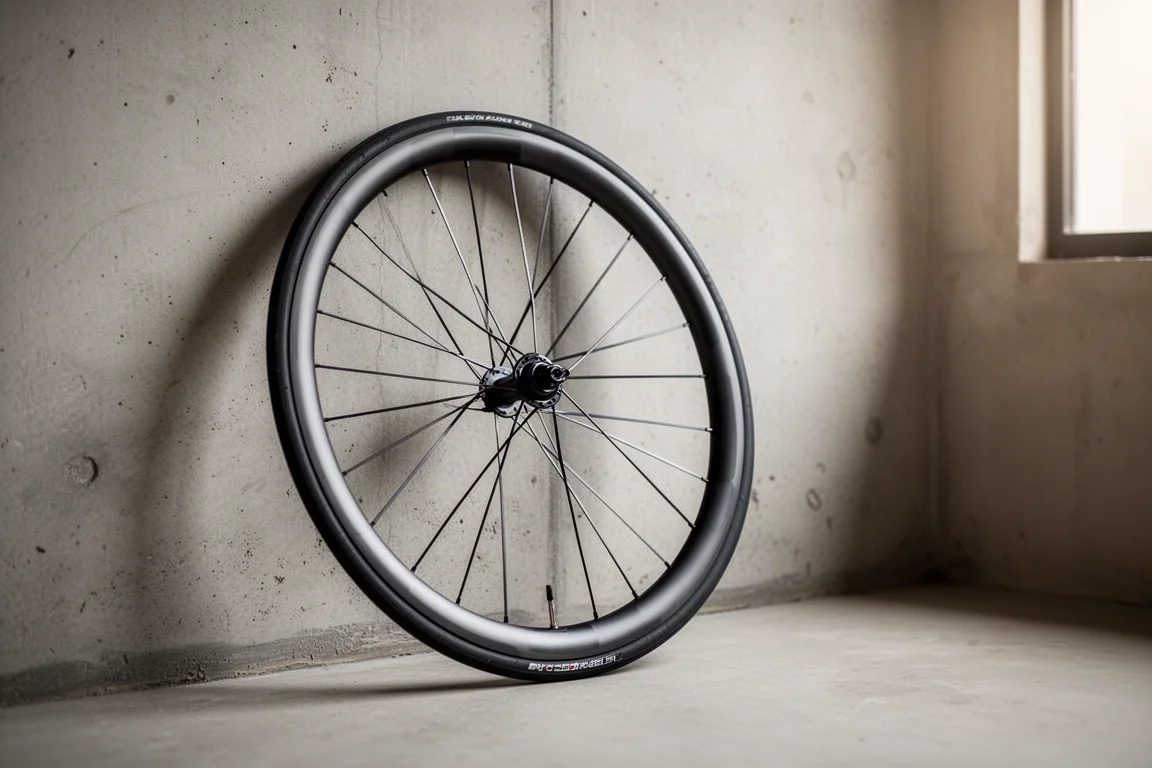
Winspace Hyper 50
If you want an aerodynamic wheelset without spending a fortune, the Winspace Hyper 50 is a strong pick. It uses a 50mm deep carbon aero rim, carbon fibre spokes and hubs with ceramic bearings, details that are rarely found at this price point. Weight comes in at 1,455g, only a few hundred grams more than the lightweight climbing wheelsets above, while adding real aerodynamic depth. Pricing sits at roughly £1,000 or $1,200, a popular and competitive price bracket with plenty of alternatives.
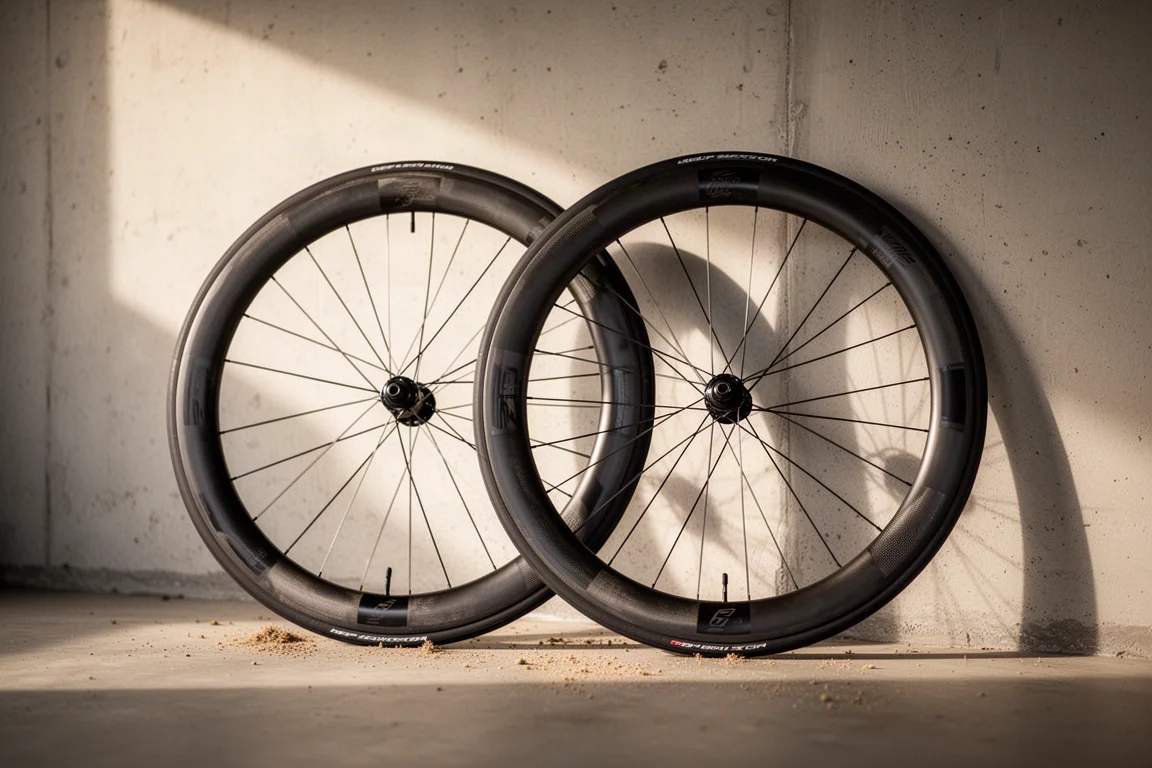
The trade-off is ride quality, which is a little firmer than a shallow rim, particularly on rough roads. On smoother surfaces that stiffness translates into speed rather than discomfort, and the component specification is hard to argue with at the price.
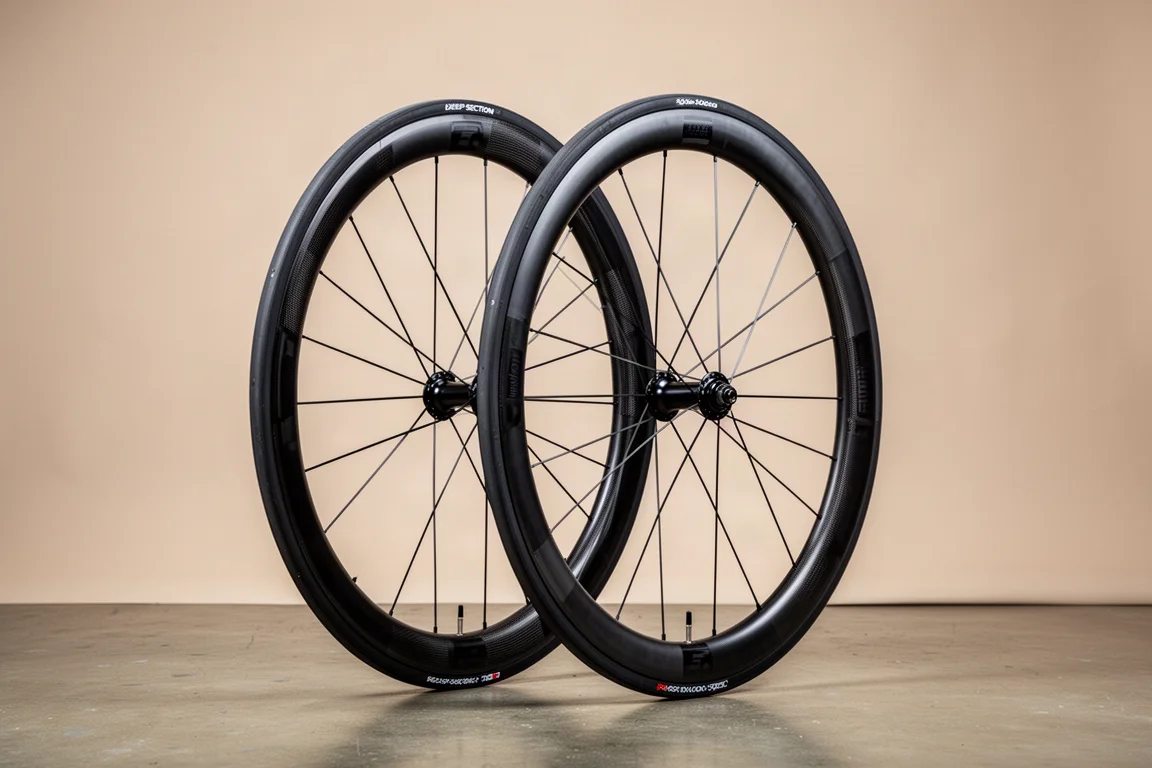
Enve SES 6.7
For outright speed, the Enve SES 6.7 is difficult to beat. On a road bike the jump in pace over a standard carbon wheelset or a shallow alloy set is dramatic, and the wheels hold speed in a way that changes how a fast group ride feels. Historically, rims this deep carried penalties in weight and crosswind stability. Neither applies here: weight is around 1,500g despite the deep section, and crosswind behaviour is noticeably better than comparable deep rims from previous generations.
They are designed around wider tyres in the 27mm to 28mm range, which suits most riders, and the hookless rims caused no trouble when mounting tyres, with tubeless setup and maintenance both straightforward. The obvious downside is the price, which sits above £3,000. For riders with the budget and a genuine need for speed, few wheels come close.
Vittoria Corsa Next
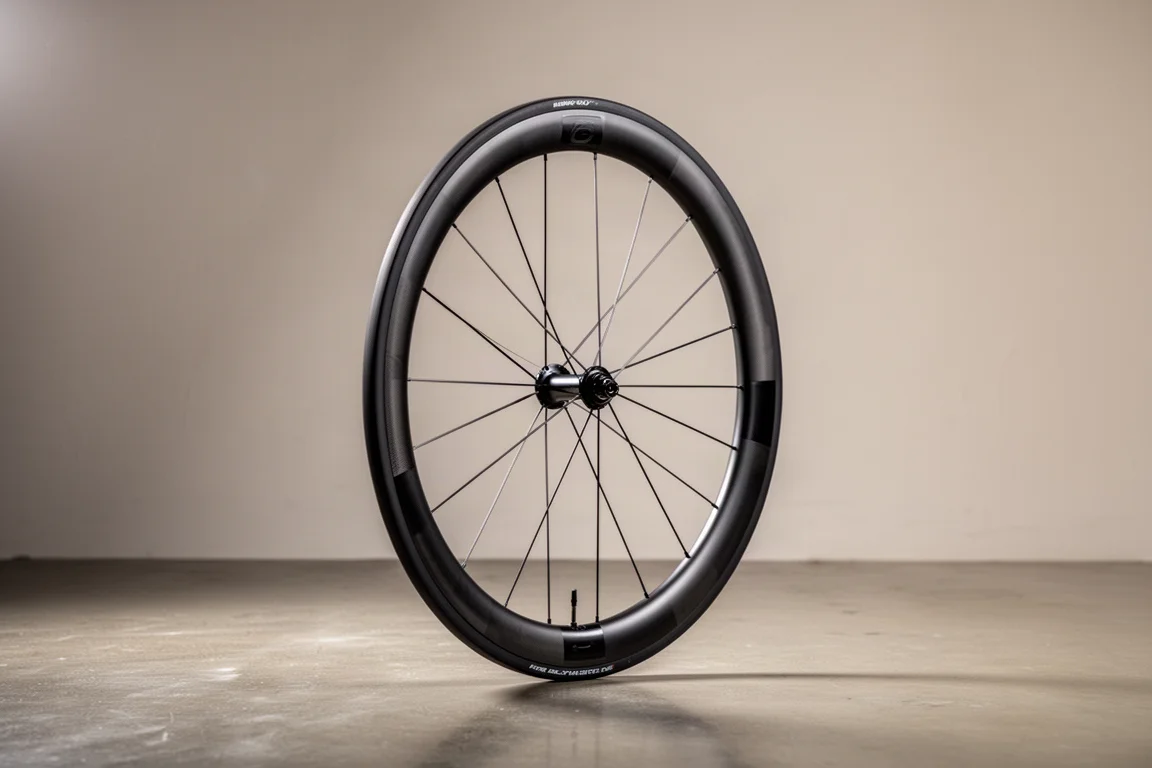
The Vittoria Corsa Next is one of the best new tyres of the year. It sits one tier below the company’s cotton-cased race tyre, but it is a proper tubeless compatible design built for modern hookless rims, which makes it far easier to set up and maintain than its more delicate sibling. It compares well with the best tyres in the category, and in use the ride quality is excellent, rolling resistance is low, and grip in both dry and wet conditions is strong.
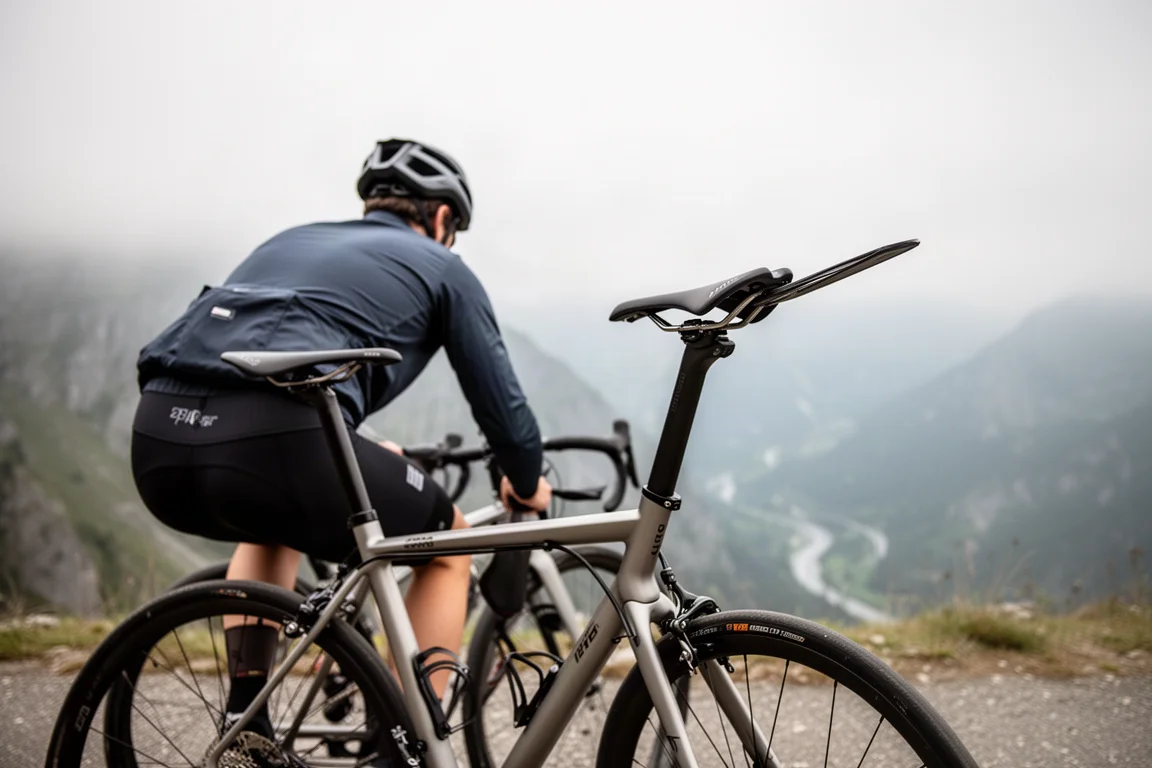
Durability has also been impressive, with no punctures during testing. The design brief is clear: race tyre speed and performance with more real-world durability, reliability and puncture protection. That makes it a sensible choice for riders who want fast tyres they can leave on the bike all season.
Specialized S-Works Romin Evo Mirror
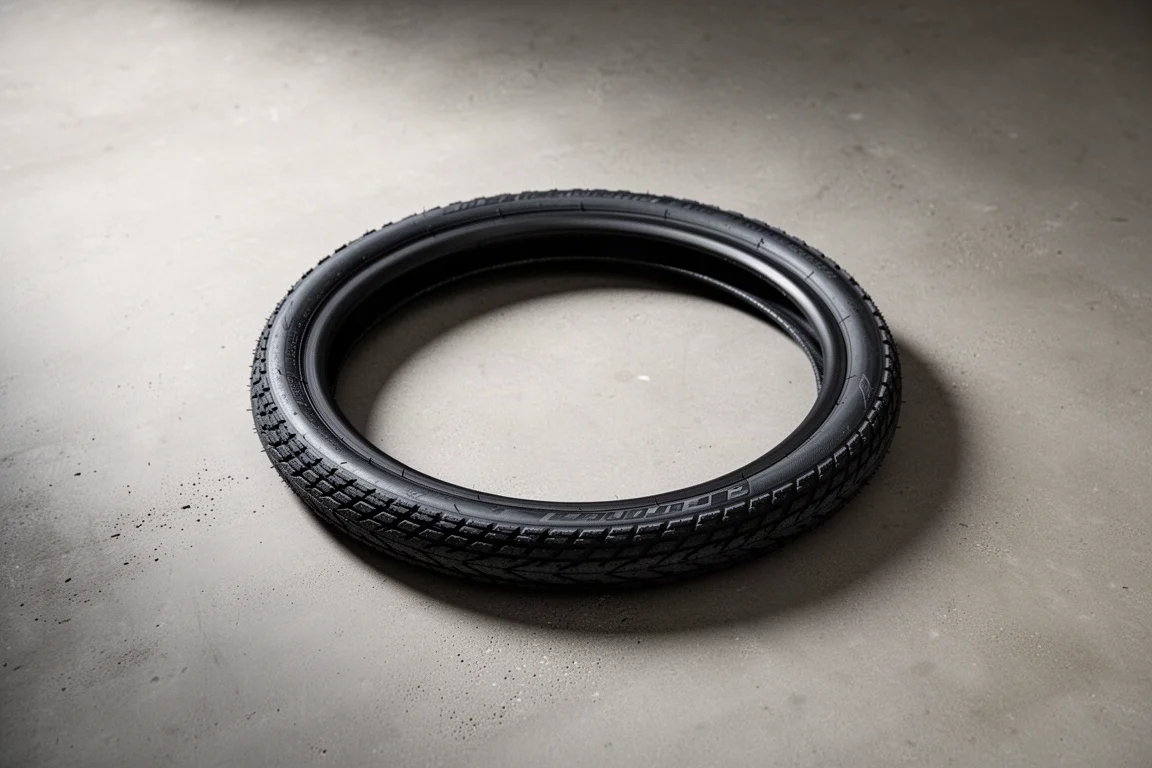
3D printed saddles have become a genuine upgrade over traditional foam, and the Specialized S-Works Romin Evo Mirror is the strongest example of the category so far. The printed lattice structure can be tuned for firmness in different zones, which translates into noticeably better comfort, especially late in a long ride when a foam saddle typically starts to fade. The longer nose is useful when climbing, letting you pull forward onto the rivet, and the kicked-out tail gives you something to push against under power.
The rounded, smooth sides remove pressure hotspots, and once positioned correctly the saddle largely disappears underneath you. Durability has held up well, with only light polishing on the sides from rubbing. Despite common concerns about printed saddles, there has been no extra wear on bib shorts, and keeping it clean is simple since mud washes straight out of the structure.
HJC Ibex 2
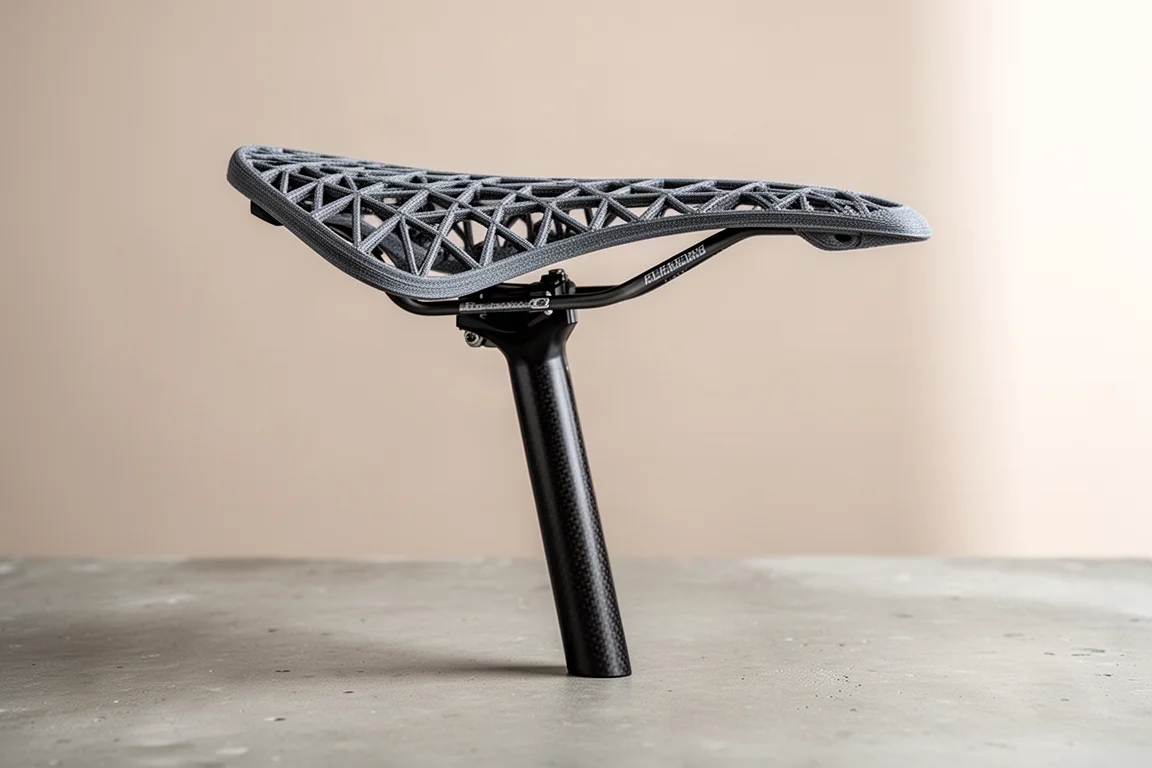
Top-end helmets offer plenty of choice, and the HJC Ibex 2 has become one of the most likeable options. It is very light for the money and well ventilated, but the standout feature is a self-adjusting retention system with no dial to fiddle with. You put the helmet on and it adapts to your head size automatically, producing an excellent fit and a genuinely comfortable result with no pressure points.
Comfort is excellent and the helmet effectively disappears on your head once it is on. It is available in a wide range of colours. The price is fairly high, but it is in line with other helmets of comparable weight, performance and specification, and the automatic retention system gives it a clear point of difference.
Wahoo Powrlink Pedals
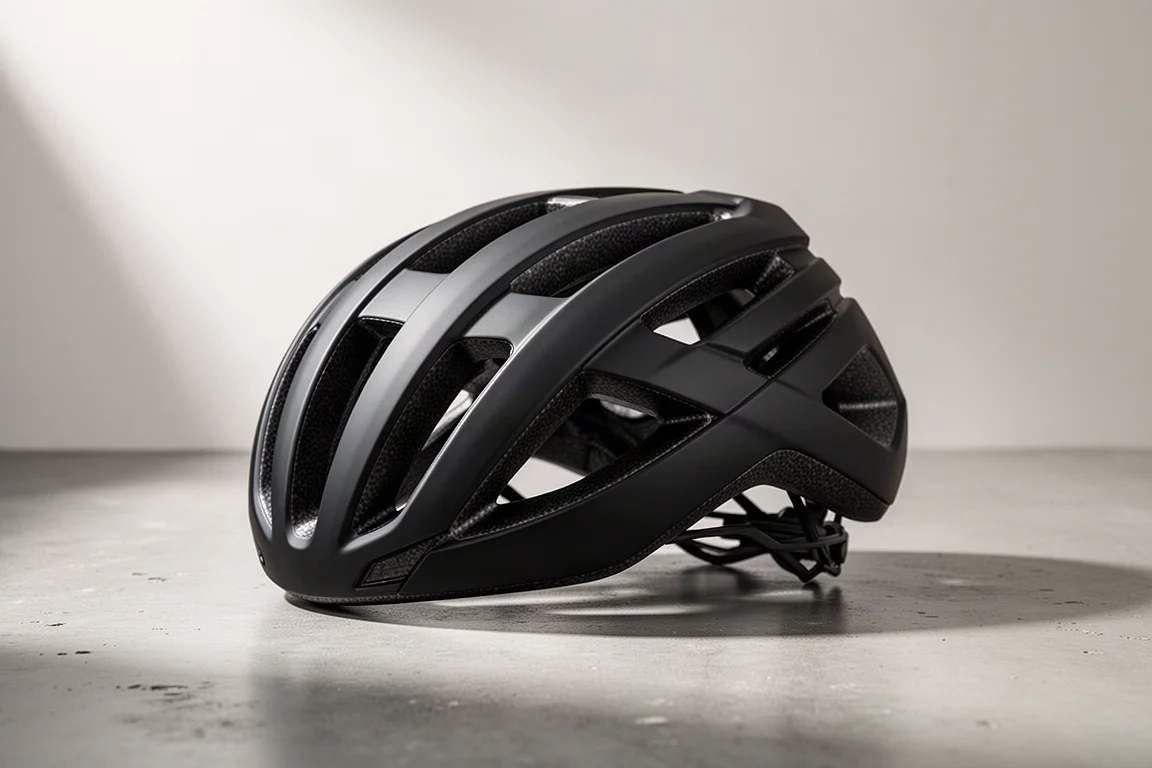
A Speedplay-based power meter pedal has been a long time coming, and the Wahoo Powrlink pedals deliver on the wait. Data has been consistent throughout testing with no fluctuating readings or wonky pedal axles, and the system has been rock solid on the bike and in the numbers sent to the head unit. The real appeal is portability: swapping the pedals between bikes means you always have power available, which makes component, wheel and tyre testing far more meaningful because you always have a power reference point.
For riders who already like Speedplay, the range and freedom of float remains the biggest draw compared with more locked-in systems. The pedals were also used to structure training for a tough sportive, where focused climbing efforts made a clear difference. They are not the cheapest option available, but for riders ready to make use of power meter training, this is a reliable and flexible system.
Silca Mattone
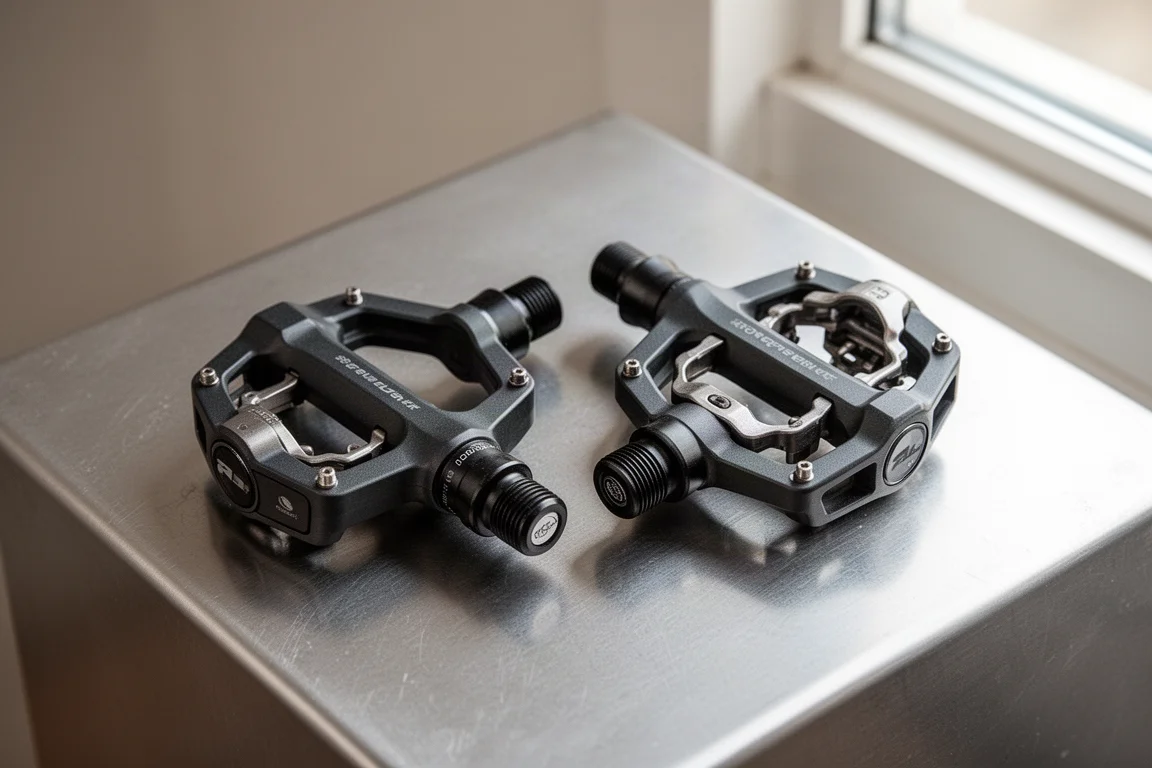
A saddle pack is a small purchase, but a good one is harder to find than it should be. The Silca Mattone has proved durable, waterproof and genuinely reliable, with contents staying dry in wet conditions. The closure uses a Boa dial with Velcro, which makes it easy to cinch down tightly so it does not sway beneath the saddle, and the mounting is simple enough that it can be moved between bikes regularly without the mechanism degrading.
There is plenty of room inside for a chunky multi-tool, a few spare tubes and a CO2 inflator, and the layout keeps everything organised without rattling on rough roads or gravel. For riders who want a saddle pack that stays quiet, stays dry and lasts, this is a straightforward recommendation.
Dynaplug Racer
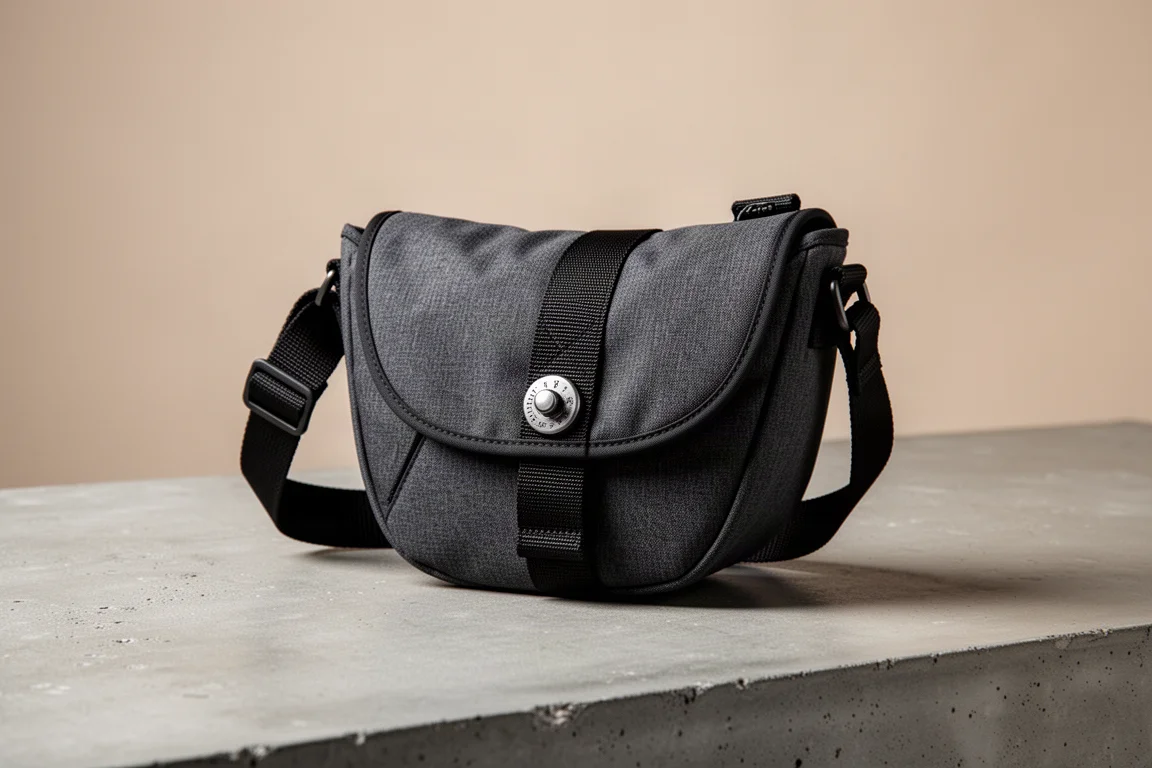
Tubeless setups handle most punctures without intervention, but when a hole is too large for sealant to close, a plug kit is the only practical fix on the road. The Dynaplug Racer is the best of the options tested: slim and lightweight, it takes up almost no space in a saddle pack or handlebar bag. The pointed insertion tip drives into the tyre quickly, so there is no messing about trying to work a worm into the hole.
It is the most expensive option in its category, but the speed and simplicity of the repair make the price worthwhile for riders who run tubeless and want a tool they can rely on when a puncture actually stops them.
BikeStow Rack
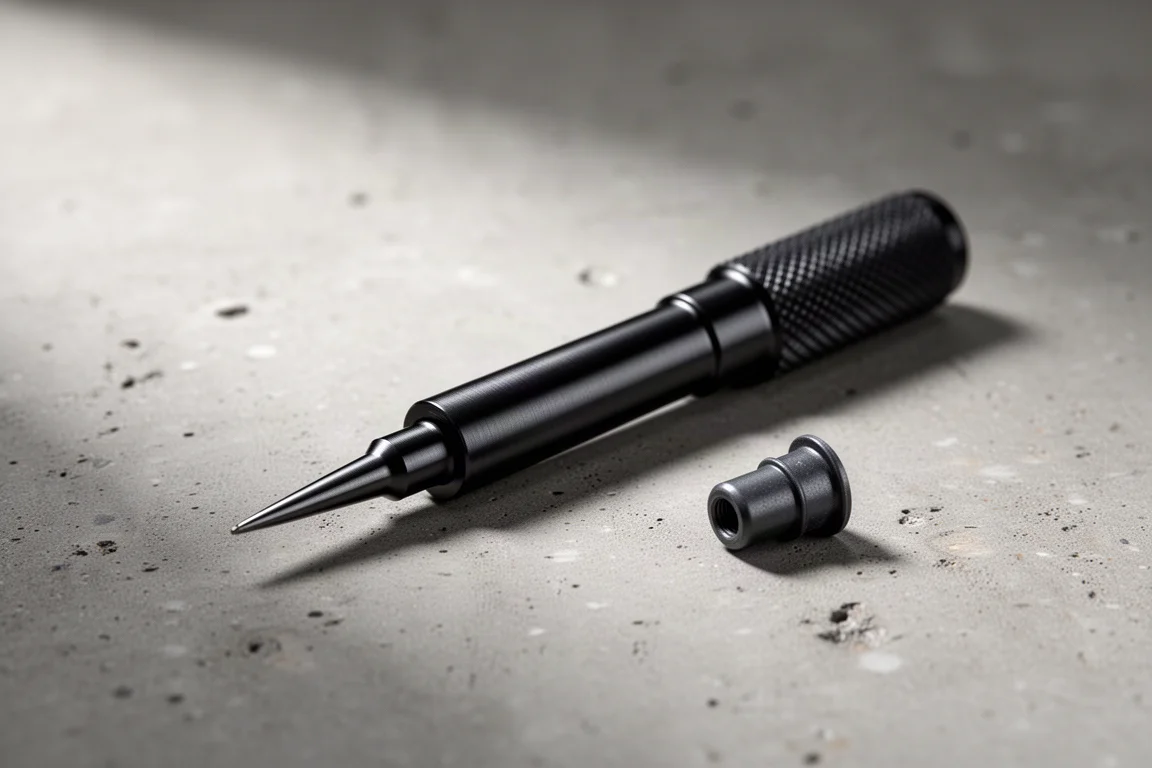
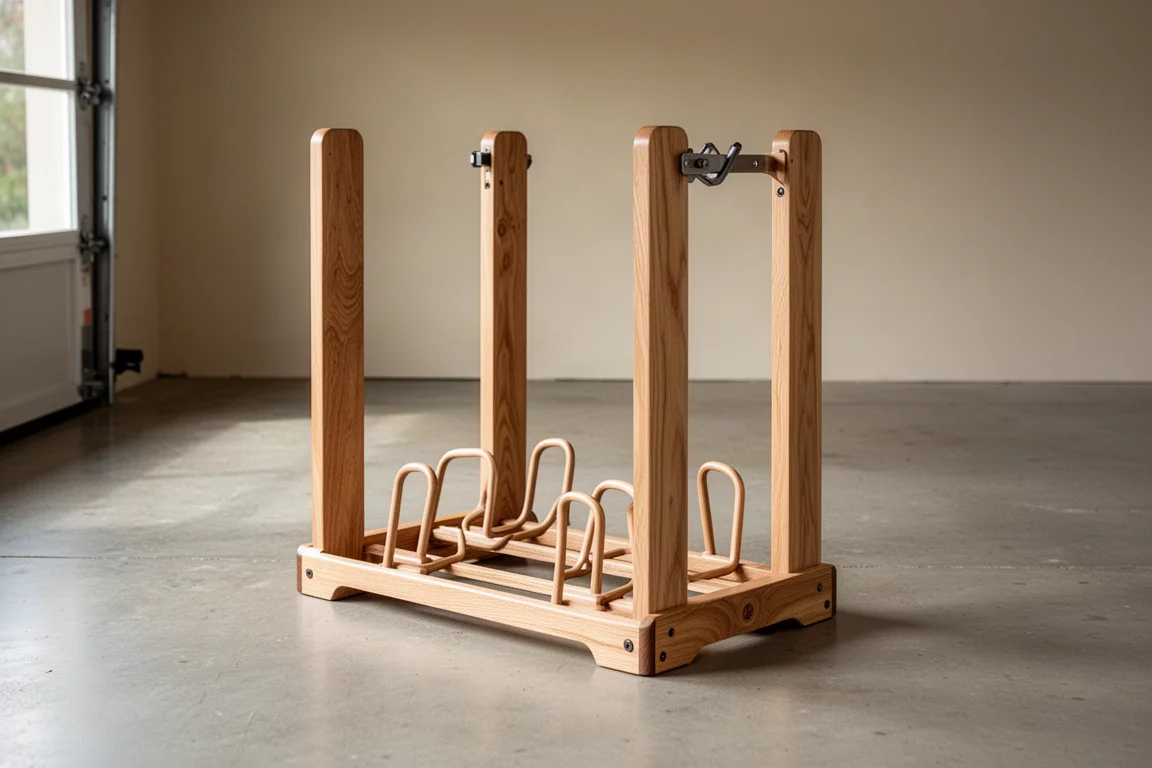
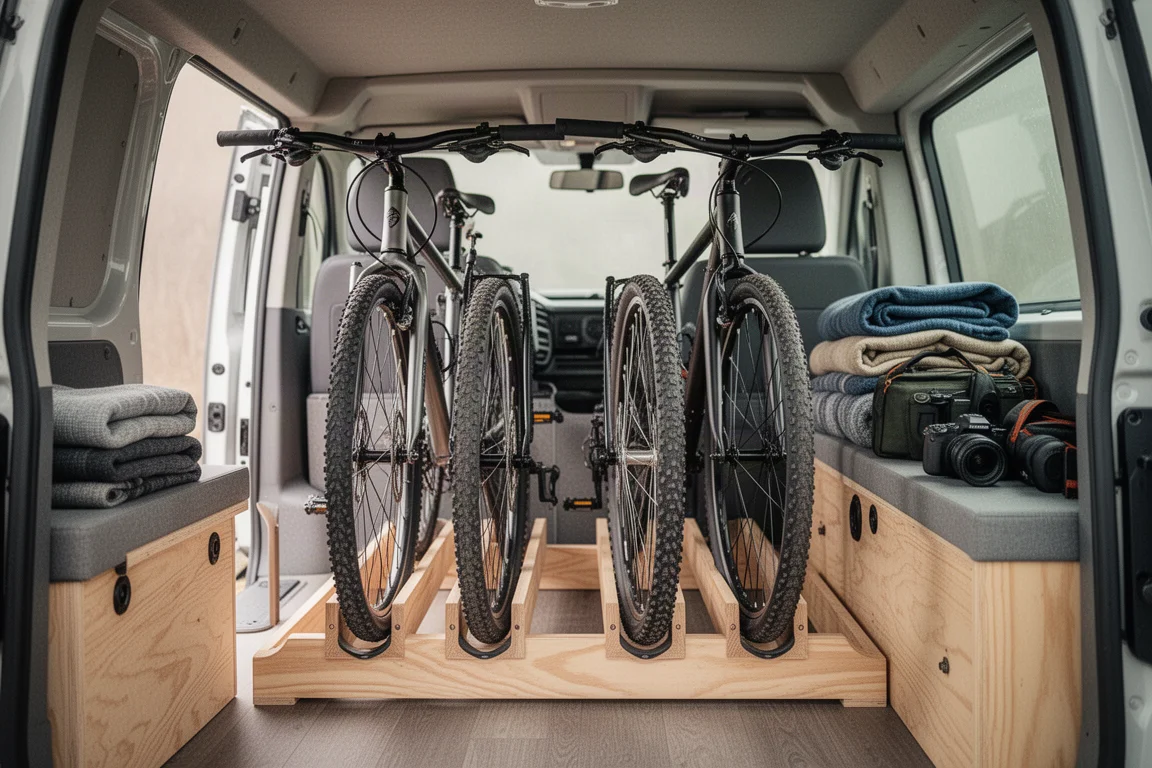
The BikeStow Rack solves a specific problem extremely well: carrying bikes securely inside a van. BikeStow is a small Birmingham company that builds these racks in two, three and four bike versions, and the two bike model holds both bikes side by side with room to spare for other equipment. The rack is handmade in the UK, uses solid wood construction and employs a simple guillotine-style device that holds each wheel securely in place.
It folds flat when not in use and works with road, gravel and mountain bikes as well as large e-bikes. It does not cost a fortune for what it is, and for anyone using a van to move bikes regularly, it is exactly what you want in the back.
Overall Buying Advice
The right upgrade depends on what is currently holding your riding back. If shifting and reliability are the weak point, a modern 12-speed groupset delivers the biggest day-to-day improvement. If climbing feels sluggish, a lightweight wheelset like the Roval Alpinist CLX II or Enve SES 2.3 transforms acceleration and response. If you ride fast group rides or race, a deep section set such as the Enve SES 6.7 or the value-focused Winspace Hyper 50 offers more speed per pound.
Comfort upgrades deserve equal weight, especially for riders covering long distances. A 3D printed saddle like the Specialized S-Works Romin Evo Mirror and a well-fitting helmet such as the HJC Ibex 2 both pay off over hours in the saddle, while a tubeless-compatible tyre like the Vittoria Corsa Next reduces rolling resistance and puncture risk without constant maintenance. For riders training seriously, the Wahoo Powrlink pedals add structure that no component upgrade can replicate.
Small items are worth budgeting for as well. A durable, waterproof saddle pack and a fast tubeless plug kit cost little relative to the rest of the bike, but they prevent two of the most annoying things that can happen on a ride. Finally, if you transport bikes regularly, a rack like the BikeStow keeps expensive equipment safe and stable inside the vehicle.
Conclusion
The 13 products here share a common trait: they deliver a benefit you can feel, not just a benefit you can read about on a spec sheet. The Shimano Ultegra 12-speed and Classified PowerShift push drivetrain design forward in different directions, the wheel options cover lightweight climbing and deep section speed, and the saddles, helmets, pedals and tools make long rides more comfortable and less prone to interruption.
Start with the upgrade that addresses the weakest part of your current setup, buy at the price point that matches how often you ride, and the result will be a bike that is faster, more comfortable and easier to live with.
Further reading
Related Reviews
Cycling Gear
8 Cycling Products Riders Keep Coming Back To
Eight cycling components and accessories with clear strengths, honest trade-offs and long-standing reputations among riders and mechanics.
Cycling Gear
Aero Helmets and Bottle Setups Tested: Six Options Ranked by Measured Watt Savings
Wind tunnel data on six aero helmets and bottle setups, with real watt savings, practical trade-offs, and guidance on what is worth buying first.
Cycling Gear
Aero Road Bikes and Fast Tires Worth Watching in 2026
Four aero road bikes and one fast road tire, with the real strengths, the open questions, and what to check before you buy.