Cycling Gear
Best Cycling Products: Nine Upgrades Riders Keep Using
A practical roundup of the cycling products that earned a permanent place on the bike, from tires and saddles to groupsets, computers, eyewear and riding kit.
Introduction
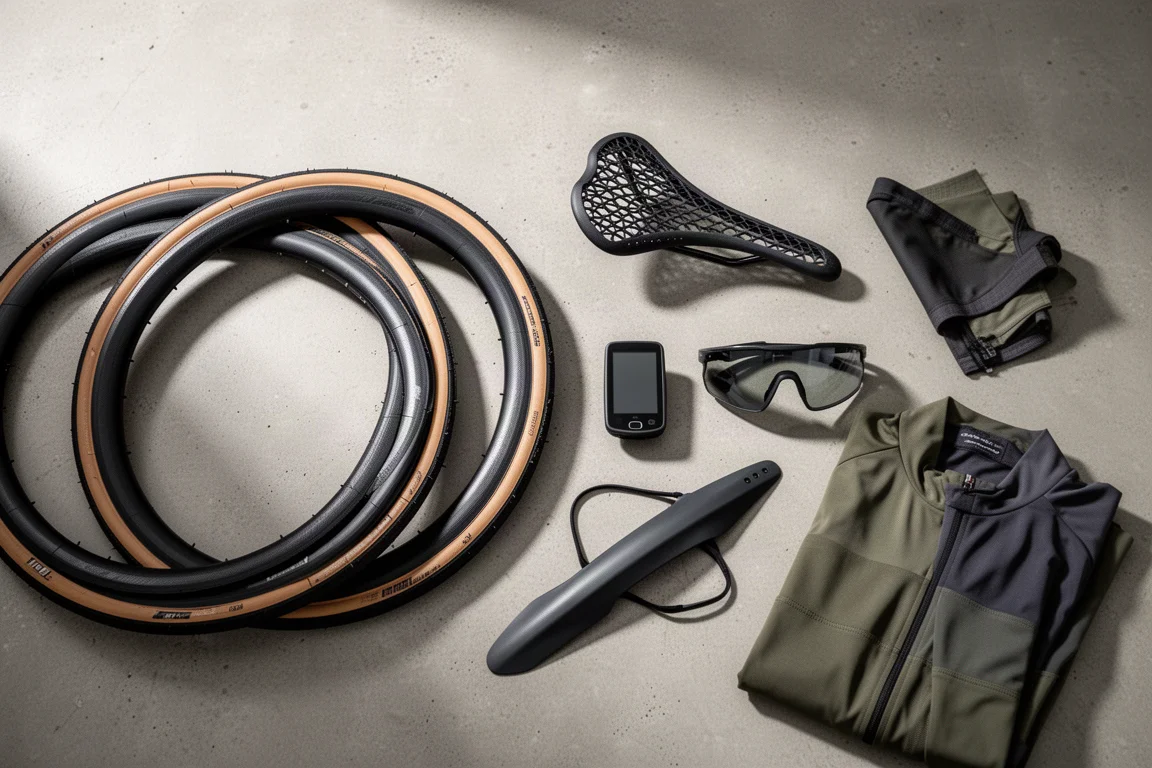
Some gear earns a place on the bike and stays there. The products in this roundup were used regularly over the past year, across long road rides, rough lanes, gravel trails and multi-day trips with luggage. None of them are novelty picks. Each one solves a specific problem, and each has been ridden long enough to show whether the appeal survives the first few weeks.
The selection covers a wide spread: tires, a saddle, a groupset, a bike computer, a suspension stem, eyewear, a mudguard and riding kit. Some are premium choices, others are inexpensive additions, and a few carry trade-offs worth knowing before you spend.
How These Products Were Chosen
The criteria were deliberately practical. First, real-world durability. Gear had to survive months of use without falling apart, and tires and saddles had to keep performing well beyond the first few rides. Second, ease of use. Installation, setup, charging, cleaning and daily operation all counted, because fiddly products tend to get left at home.
Third, honest trade-offs. Several of the products here have a genuine drawback, whether that is a higher price, a battery that eventually runs flat or a fitting limitation. Those are noted in each section rather than glossed over.
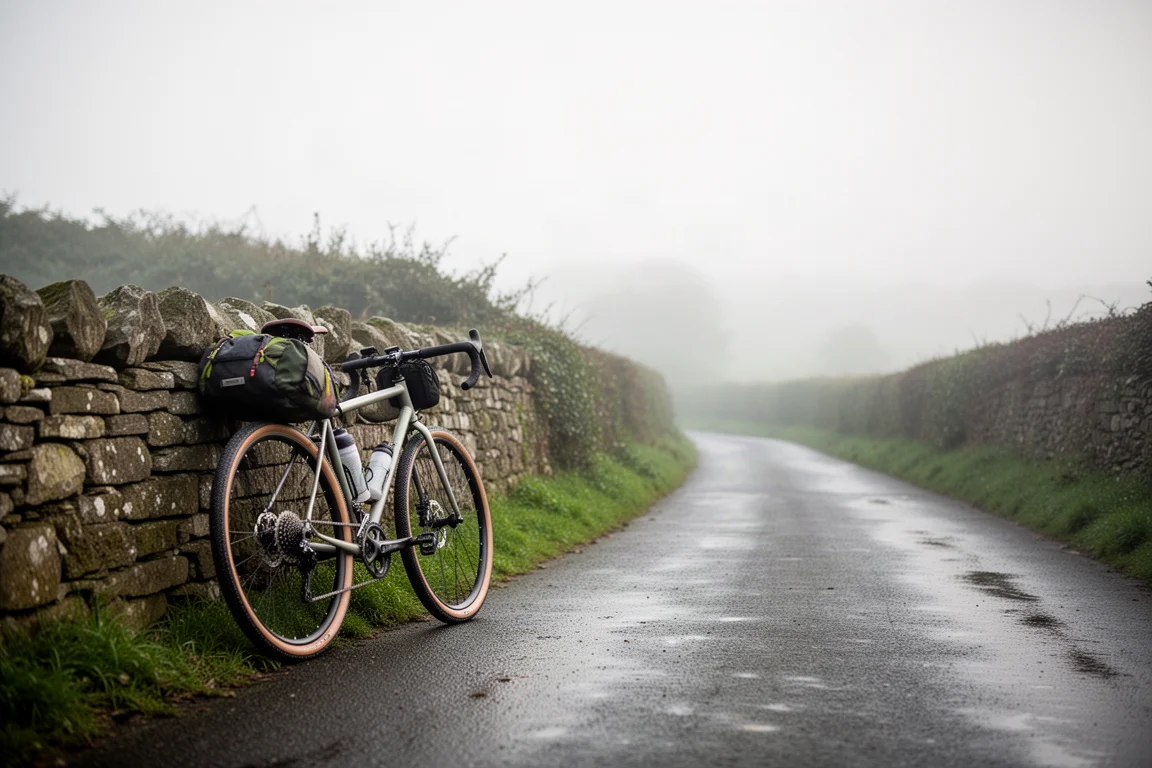
Finally, relevance. A product had to make a ride better in a way most riders would notice, not simply look good in a specification table. Value mattered too, so the roundup mixes inexpensive items with premium ones.
Best Road Tire: Pirelli P Zero
The Pirelli P Zero earned its place through a combination of durability and feel. Across a year of riding on rough, chipped surfaces, it produced fewer punctures than the benchmark race tire it is usually measured against, and the wear rate stayed reasonable even on the racier version. For a top-end tire, that pairing of long life and low puncture frequency is unusual.
Installation is straightforward on both hooked and hookless rims, so tubeless setup does not turn into a fight. The tires also hold air well even without sealant, which means fewer pre-ride top-ups.
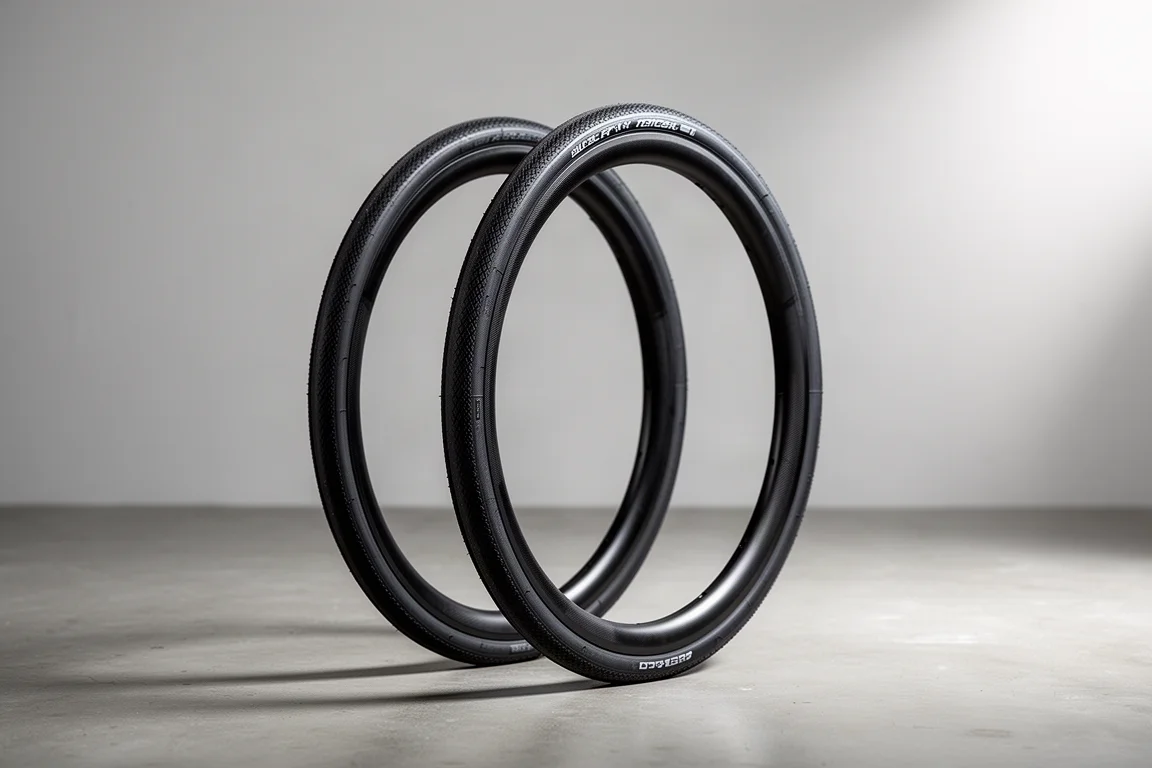
On the road, the P Zero is quick and notably supple, with good feedback from the surface underneath and grip that holds up in the wet as well as the dry. Widths run from 28 mm through 30, 32 and 35 mm, with a 40 mm option that can turn a gravel bike into something more road-oriented, or add comfort and traction where frame clearance allows. The main consideration is price, which sits at the top of the tire market.
Pirelli P Zero RS: The Lighter, Faster Version
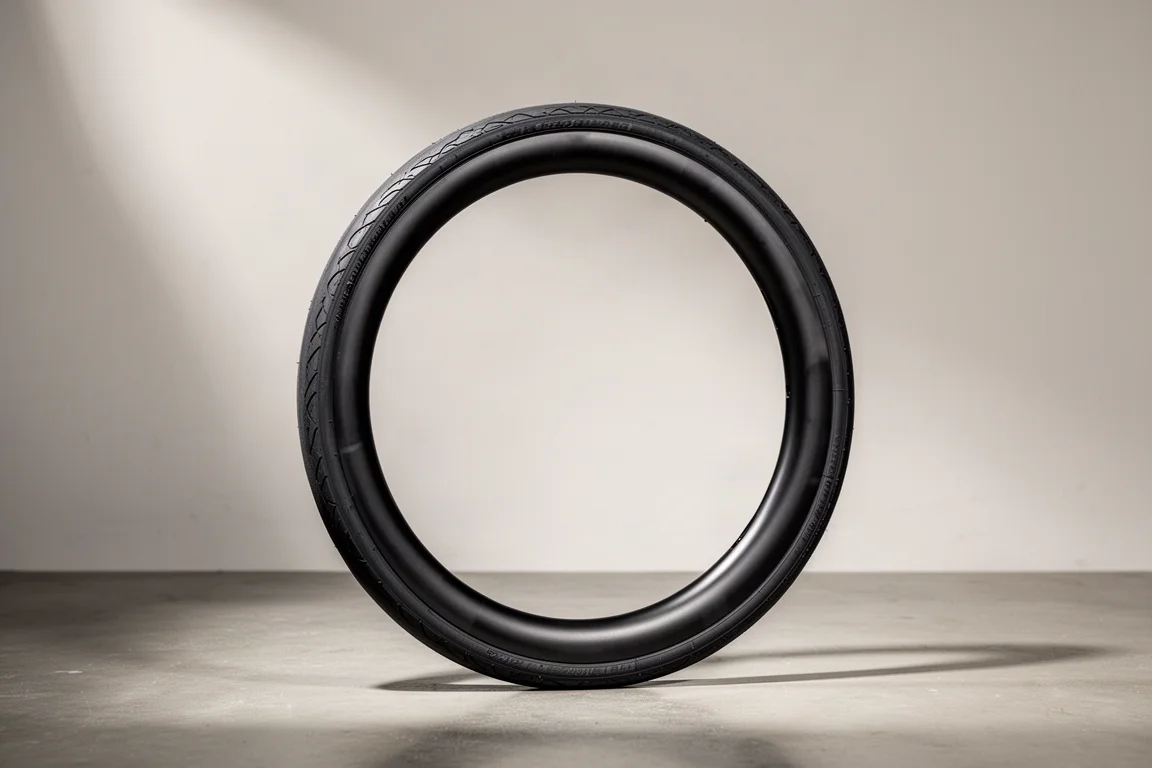
The RS sits alongside the standard P Zero as the lighter, racier option, aimed at riders who want the sharpest version of the same formula. It uses the same width range, so the choice between the two comes down to priorities rather than fit.
What stands out is that the RS does not give up much in the way of longevity. Wear has stayed good despite the lighter construction, and grip and ride quality are close enough that the difference is more about outright speed than about comfort or confidence. Riders who want one tire for fast training and racing can run the RS, while those who prefer maximum durability and a slightly broader comfort margin may lean toward the standard version.
Both versions are expensive, which is normal at this end of the market, but the combination of easy tubeless installation, strong puncture resistance and a supple ride makes them a defensible long-term purchase rather than a disposable race-day item.
Fizik Argo Adaptive: A Saddle Built for Long Rides
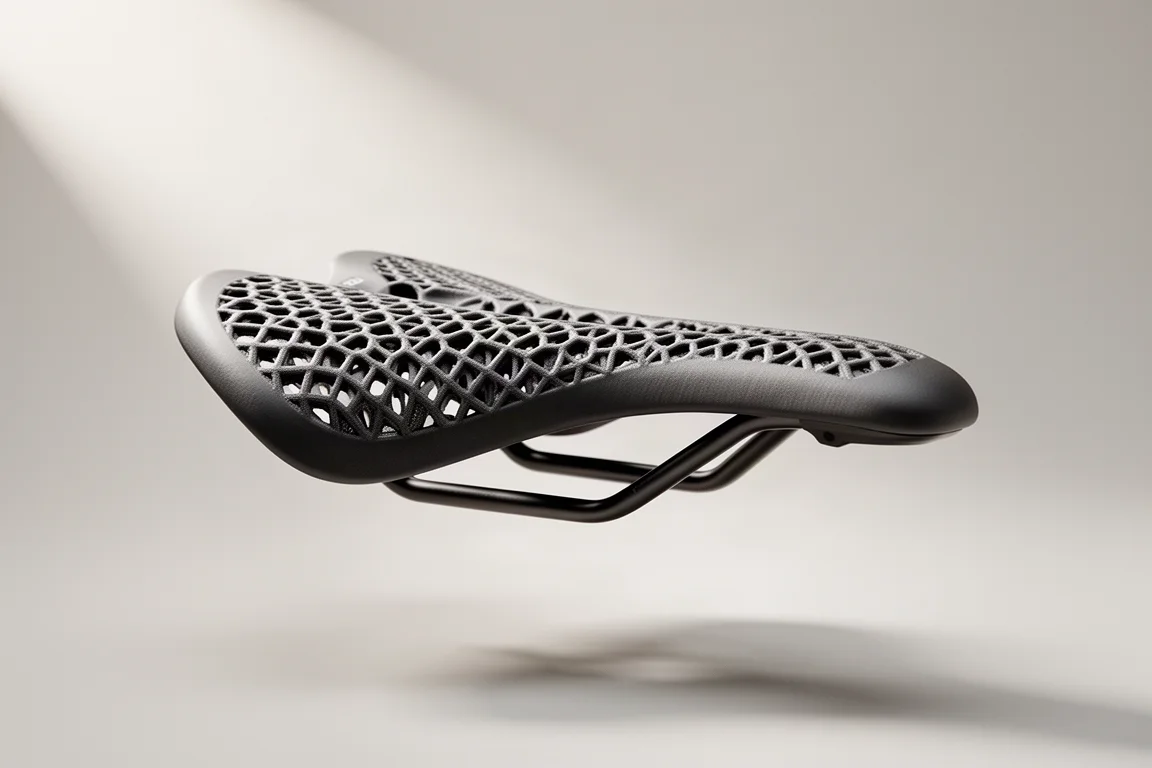
Saddle choice is personal, and no single shape suits everyone. That caveat aside, the Fizik Argo Adaptive has become a default choice for long days because of two things: its shape and its 3D-printed honeycomb upper.
The shape is broad at the rear, which gives plenty of support for the sit bones when cruising on the tops, and it carries that width forward into a wide nose. That matters when you move onto the front of the saddle during harder efforts, because the extra cushioning there avoids the pressure that narrower saddles can create. A small relief channel through the middle keeps pressure off sensitive areas.
The honeycomb structure is the other half of the story. Conventional foam compresses and stays compressed over the course of a long ride, which gradually reduces comfort. The printed lattice stays more supportive and produces a floating feeling over the saddle, which translates into noticeably better comfort on century-distance rides.
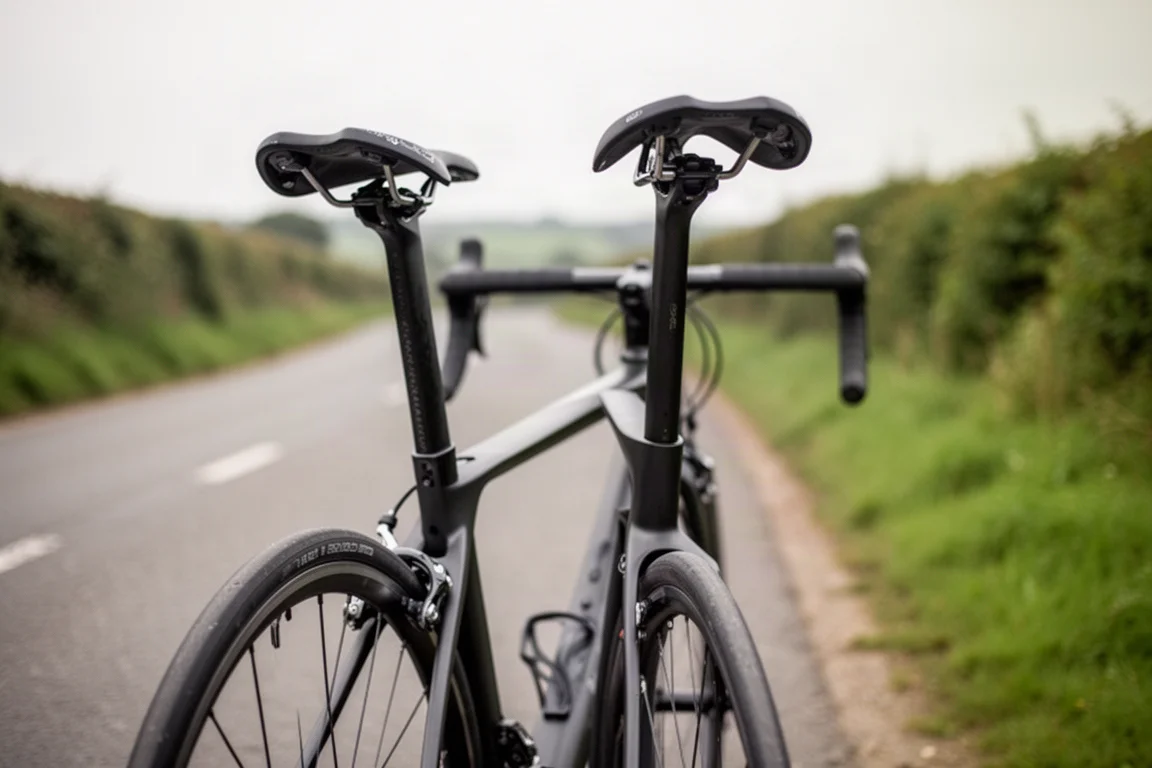
Durability has been strong over more than a year and a half of regular use, with only light wear along the sides, and the saddle cleans up more easily than its channeled surface suggests. It is available in several base and rail configurations. The version with standard rails is heavier but fits more bikes and costs less, and carbon rails are largely a weight-saving choice rather than a comfort upgrade. The main drawback is the price, though 3D-printed saddles have been getting cheaper.
SRAM Rival AXS: Electronic Shifting Without the Flagship Price
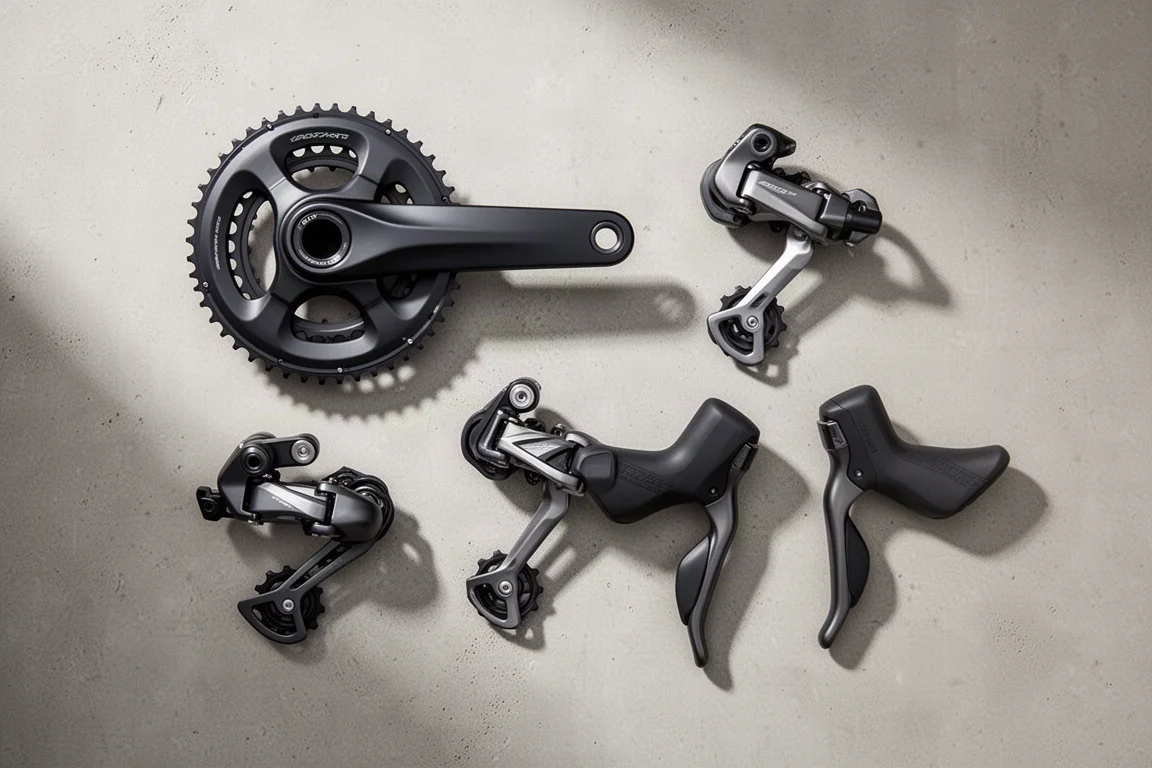
Flagship groupsets get the attention, but the more interesting developments happen further down the range. The updated SRAM Rival AXS is the clearest example, bringing electronic shifting, hydraulic braking and a wide gear range to a much lower price point than the top-tier groups.
The biggest improvement is at the levers. The hoods have been reshaped for a much better hand feel, and the brake levers require noticeably less effort, which makes one-finger and two-finger braking from the hoods or the drops easier on long rides. Ergonomics were previously the weak point of the range, and that is no longer the case.
Two configurations are available: a 2x12 setup with a double chainset, and a 1x13 option aimed at gravel and endurance road riding. On the 2x12 side, the gear ratios are a real strength. Larger cassettes paired with smaller chainrings produce easier climbing gears than many comparable setups, which suits riders doing sportives and long days rather than racing, where the steep pitches are the part of a ride most people struggle with. Performance, range and price come together here in a way that makes electronic shifting genuinely practical.
Wahoo ELEMNT ROAM 3: The Daily Driver Bike Computer
Screen size is the reason the Wahoo ELEMNT ROAM 3 works so well as an everyday computer. It is large enough to read power, average speed or a navigation prompt at a glance, without dominating the handlebar the way a bigger unit can.
Controls are a mix of touchscreen and physical buttons, which is the right combination: buttons for menus and quick changes, touch for maps and scrolling. Navigation has been excellent in practice, both for loading a route and for following it, including an 800 km race without a single missed turn.
Battery life is a standout. Twenty hours of riding with heart rate, power and route guidance is more than enough for the longest days, and the unit has otherwise been reliable and simple to operate.

One flaw is worth knowing. When the computer ran completely flat during an event, the activity remained locked on the device and could not be transferred to the companion app or an external training platform. It is a known issue that is being looked into, and it is the only real blemish on an otherwise dependable computer.

Redshift Suspension Stem: Comfort for Gravel and Bikepacking
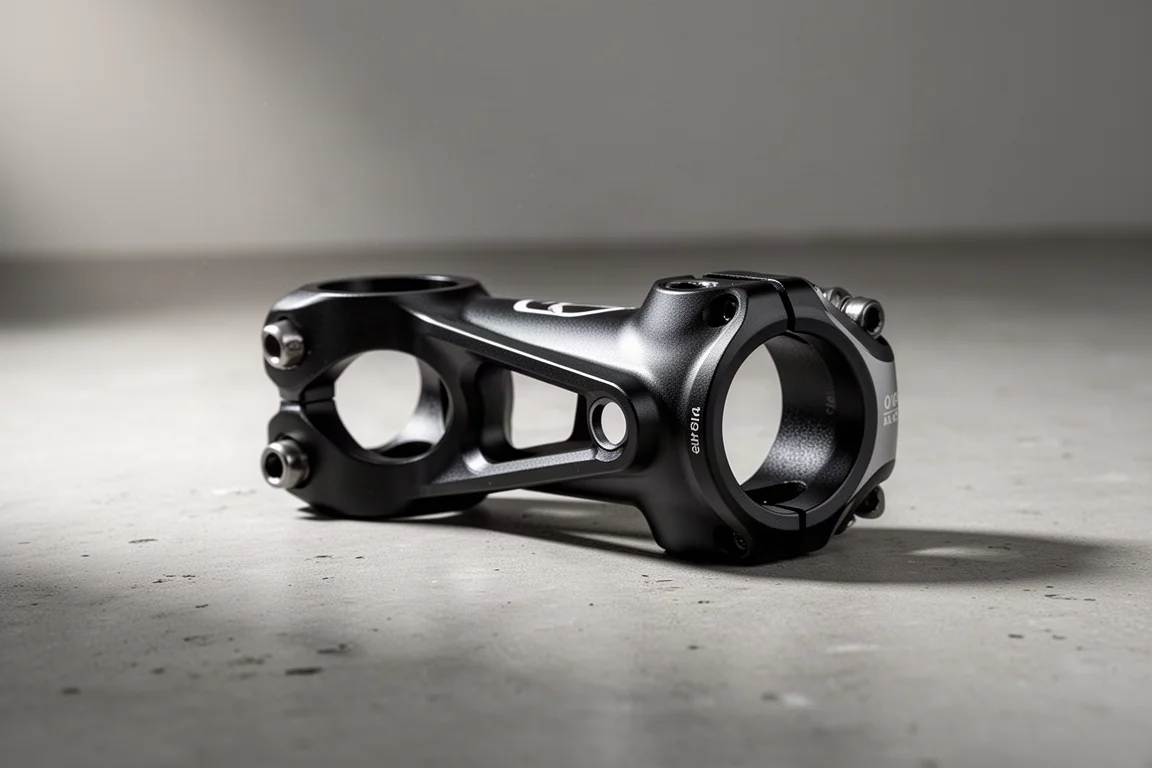
A stiff carbon gravel bike transmits a lot of chatter through the bars, and the Redshift suspension stem is one of the simplest ways to soften that. It allows the handlebar to move up and down through a small range, which takes the edge off rough trails and long days on broken surfaces.
The movement takes a little getting used to, and it is worth tuning. Elastomers inside the stem can be swapped to suit body weight and to make the action softer or firmer. A firmer setting is the better choice for most riders, so the stem only reacts to larger impacts instead of floating constantly, which can feel unsettled.
It looks reasonably clean for a suspension stem, and the weight penalty is modest, though weight-conscious riders will notice it. The Pro version has a more premium finish, and there is a standard version as well. Two limitations matter: it is not cheap, and it cannot be fitted to a one-piece handlebar and stem, so a conventional bar with external routing is required. For long bikepacking trips over rough terrain, it is an easy recommendation.
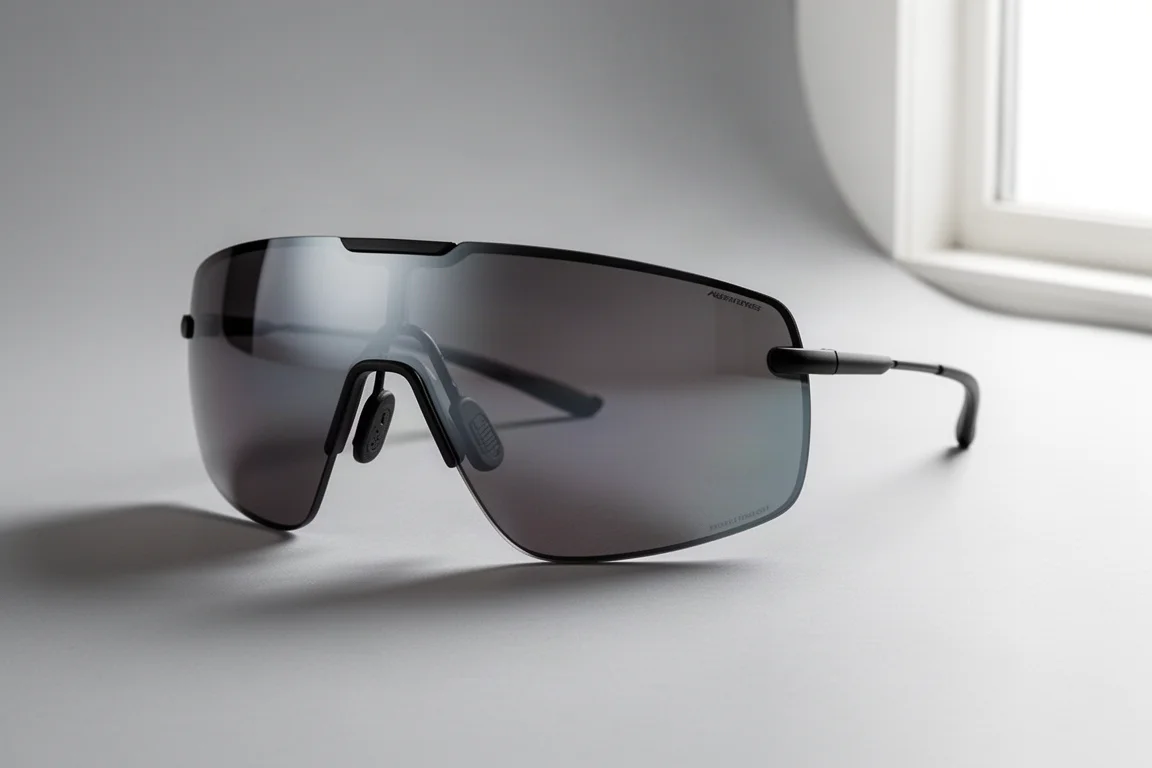
Rudy Project Spinshield Pro: Wide Lens Clarity
The Spinshield Pro has become the go-to pair of riding glasses because of how much it stays out of the way. The large single-lens design leaves nothing obstructing the field of view, which is most noticeable when you are low over the bars and looking far up the road.
They are light, and the build quality shows in the absence of the creaks and rattles that cheaper glasses develop. Lens quality is excellent, with strong clarity and contrast, and there is a wide choice of frame colours and tints. The nose piece is grippy and stays put, and the thin arms sit comfortably under a helmet, with grippy material on the inside to hold them in place.
Ventilation along the top of the lens keeps fogging under control on long sunny climbs. The one drawback is the hooked arm design: it holds the glasses securely on the head, but it makes them awkward to stash in a helmet vent. That is a small complaint about an otherwise excellent pair of glasses.
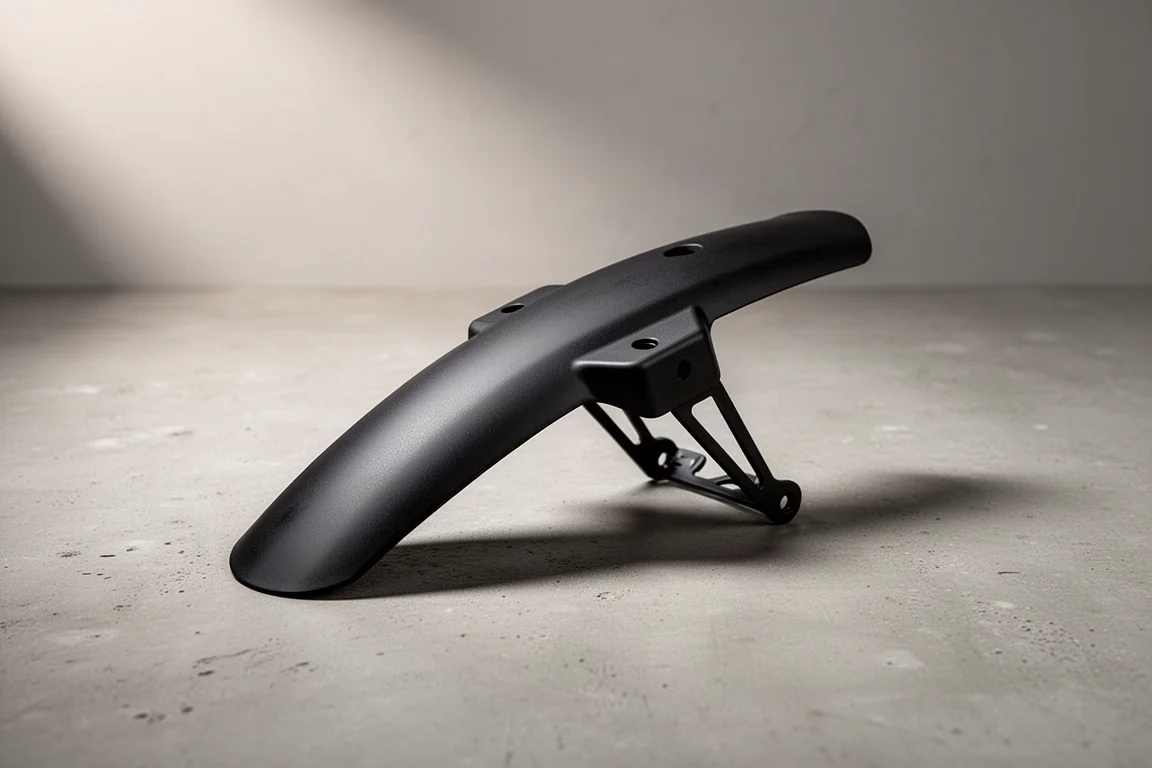
Ass Saver Win Wing: Small Mudguard, Big Difference
Mudguards are not glamorous, but a wet, gritty stripe up your back is worse. The Ass Saver Win Wing is a rear mudguard available in road, mountain bike and gravel versions, and it fits any bike in seconds and comes off just as quickly.
It is light and inexpensive, and it blocks a surprising amount of spray and mud thrown up by the rear wheel. It is not a substitute for full-length mudguards, and it will not keep everything off your lower back, but it stops the worst of it, which is enough to arrive at a cafe stop without a brown stripe up your jersey.
The case for it is simple. If there is any chance of rain, or the roads are wet and grimy, it takes seconds to fit and it makes the ride more pleasant. It looks acceptable on the bike, and for the money there is very little to argue with.
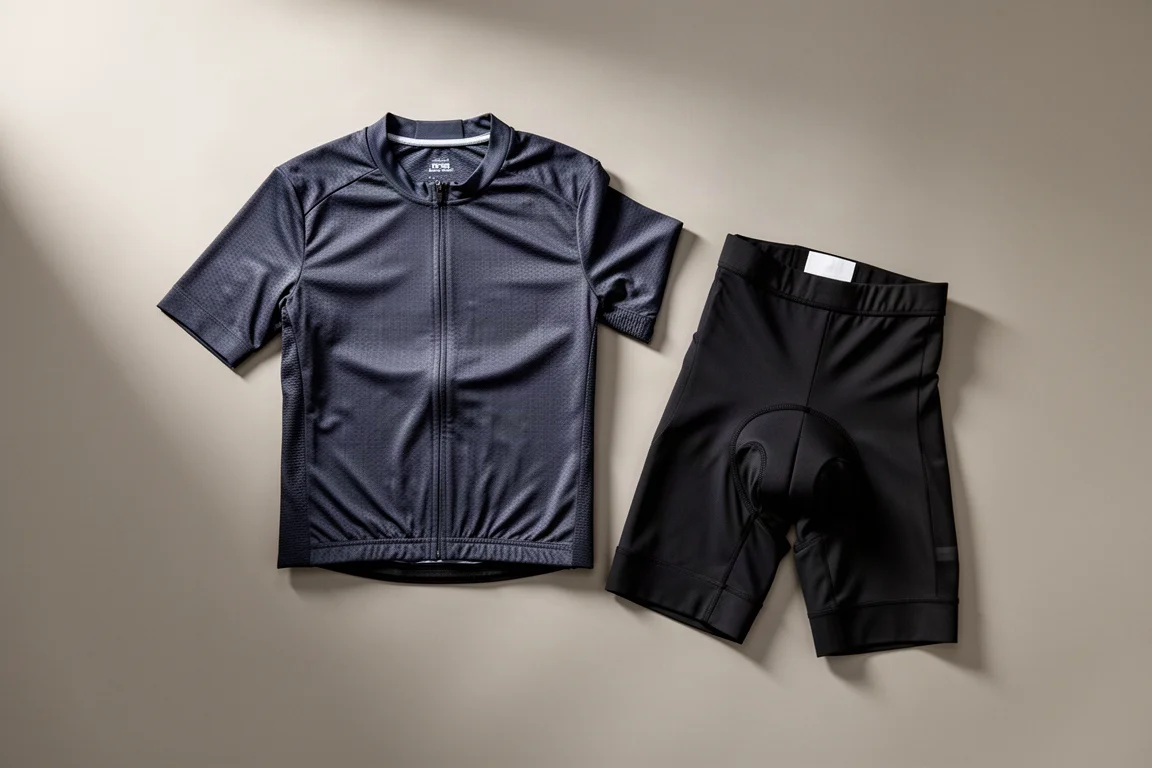
Castelli Espresso: Kit That Disappears When You Ride
The Espresso range is the clothing that gets reached for most often, and the reason is restraint. There are no loud logos or slogans, just clean panels and well-chosen fabrics. The fit is close without being restrictive, and the seam and panel placement is first class, which is what makes the kit comfortable over long distances.
The shorts are the highlight. The padding is top quality, and comfort held up across two and a half days of continuous riding without any issues. Fabric choice and construction are backed by a long history of developing race-proven clothing, and the result is kit that simply works: it disappears in the background while you ride rather than demanding attention.
There is a good range of colours, so tops and bottoms can be matched to taste, and the functional details are all where they should be. For riders building an everyday wardrobe rather than chasing the latest design, this is the range to look at first.
Buying Advice: Building a Sensible Upgrade Plan
With a list this varied, the useful question is where to spend first. Tires are usually the highest-value upgrade on any bike, because they change speed, grip, puncture resistance and comfort at the same time. A saddle comes next if long rides are the goal, and it is worth accepting that saddle choice is personal.
Groupsets and computers sit in a different category. Electronic shifting at the Rival AXS level makes sense for riders who want better braking ergonomics and a wider climbing gear range, and a computer with a clear screen and long battery life pays off on every ride. Comfort items like a suspension stem or a mudguard are inexpensive by comparison and easy to justify if they get used.
Eyewear and clothing are worth buying well, because they are worn on every ride, but they are also the categories where personal fit matters most. If budget is limited, prioritise the parts that touch the road and the parts that touch you, then add the accessories as the need appears.
Conclusion
None of these products are novelties, and that is the point. The tires, saddle, groupset, computer, stem, eyewear, mudguard and kit in this roundup all earned their place through months of use, and each one has a clear job to do. Several carry a genuine drawback, from premium pricing to a fitting limitation or a known software quirk, and those are worth weighing against the benefits.
For riders deciding where to start, tires and a saddle remain the two upgrades most likely to change how a bike feels. Everything else here is a sensible addition once the basics are sorted.
Further reading
Related Reviews
Cycling Gear
8 Cycling Products Riders Keep Coming Back To
Eight cycling components and accessories with clear strengths, honest trade-offs and long-standing reputations among riders and mechanics.
Cycling Gear
Aero Helmets and Bottle Setups Tested: Six Options Ranked by Measured Watt Savings
Wind tunnel data on six aero helmets and bottle setups, with real watt savings, practical trade-offs, and guidance on what is worth buying first.
Cycling Gear
Aero Road Bikes and Fast Tires Worth Watching in 2026
Four aero road bikes and one fast road tire, with the real strengths, the open questions, and what to check before you buy.