Cycling Gear
Best Cycling Gear Picks: Eight Standout Upgrades Worth Considering
Eight cycling products that earned their place this year, from a budget aero helmet and armored locks to power meter pedals and a rotor-based ebike conversion kit.
Introduction
Cycling gear spans a huge range of prices, and the most interesting products are rarely the most expensive ones. This roundup gathers eight items that stood out for different reasons: a flagship-level aero helmet that undercuts almost everything else in its class, a pair of armored locks built to survive power tools, a rear light that mounts where few others fit, power meter pedals that read accurately without fuss, a conversion kit that turns almost any bike electric in minutes, a dependable bike computer, and a bottom bracket designed to outlast the frame it sits in.
Each entry explains what the product does, who it suits, and the compromises worth knowing before you buy.
What Ties These Eight Picks Together
There is no single theme here beyond usefulness. Some of these products save money, others save time, and a few remove an annoyance that riders have tolerated for years. What they share is a clear reason to exist: each solves a specific problem rather than adding features for their own sake.
Prices run from around £100 for the helmet up to £1,495 for the conversion kit, so the list is deliberately broad. If you are working to a tight budget, the helmet, the rear light and the X1 lock deliver the most value per pound. If you are chasing performance or convenience, the power meter pedals, the conversion kit and the bottom bracket are the ones worth stretching for.
Van Rysel FCR Aero Helmet: Flagship Aero at a Budget Price
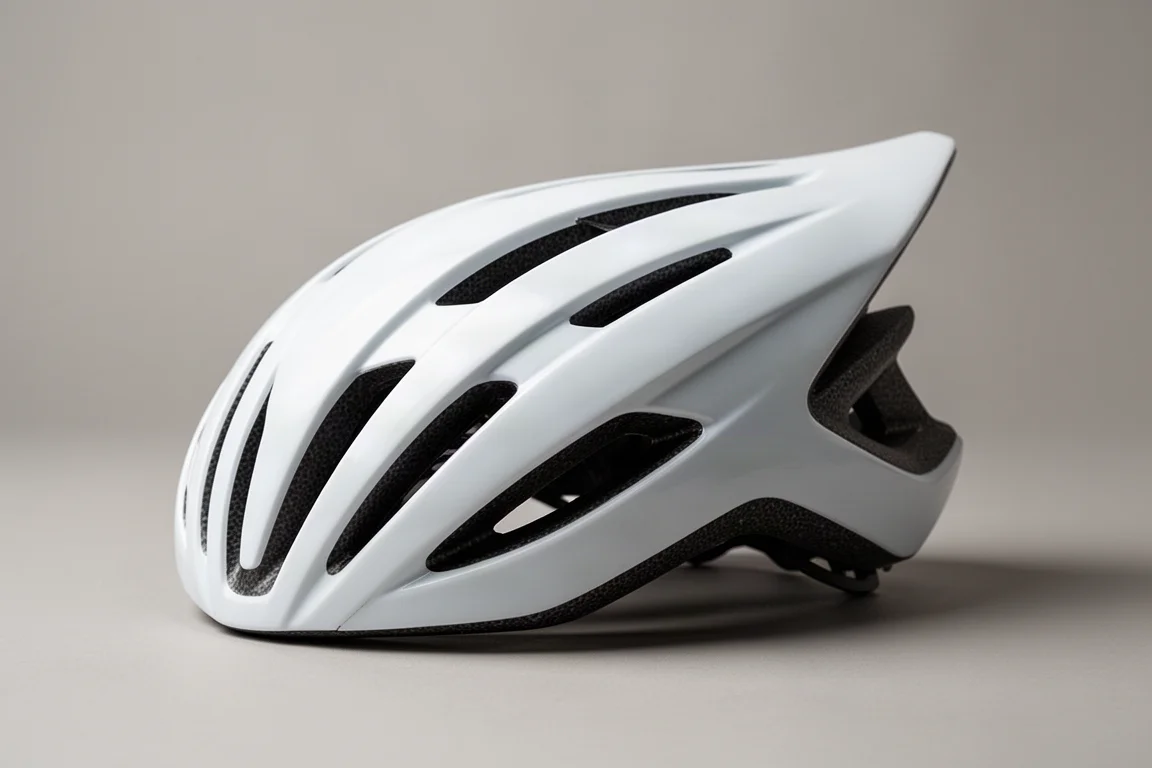
The FCR Aero is the rare aero helmet that sits at an entry-level price while borrowing the development of a flagship. Van Rysel states that the helmet was developed in the wind tunnel alongside its FCR aero bike and RCR Pro road bike, and it is raced at World Tour level. At roughly £100, it costs a fraction of the £250 and above that most flagship aero helmets command.
The details hold up well for the money. A Fidlock magnetic clasp is easy to fasten with gloves on, and the shell wraps around the bottom edge of the EPS foam, which is the sort of construction detail usually reserved for pricier lids. MIPS is available as an option for a small extra charge, roughly the cost of the licence itself, so you can decide whether you want it.
The compromises are predictable. The ear dividers are glued on rather than integrated, and the internal channeling is less complex than on premium helmets. Ventilation is the biggest one: the FCR Aero runs stuffier than open-vented flagship designs, so it suits cooler conditions and riders who prioritise speed over airflow. Van Rysel also sells the RCR, a vented version, for around £70 more, and buying both still costs less than a single top-end aero helmet.
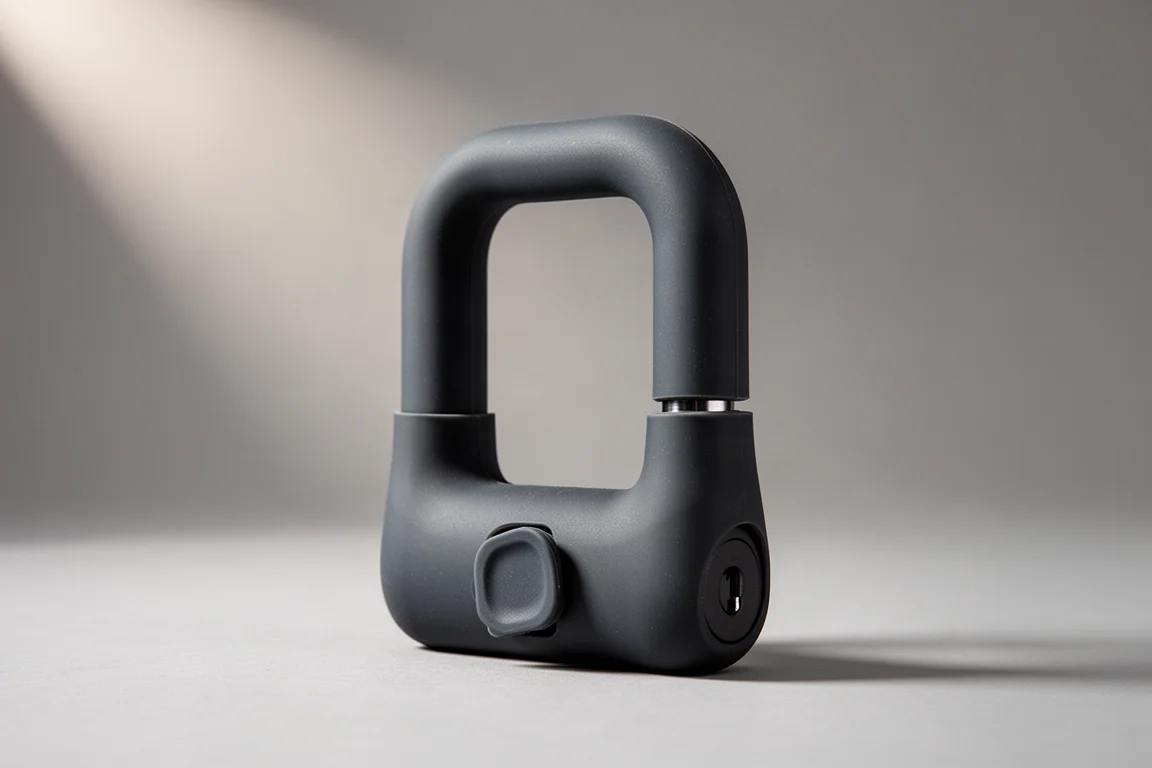
Litelok X1: Armored Protection for Everyday Locking
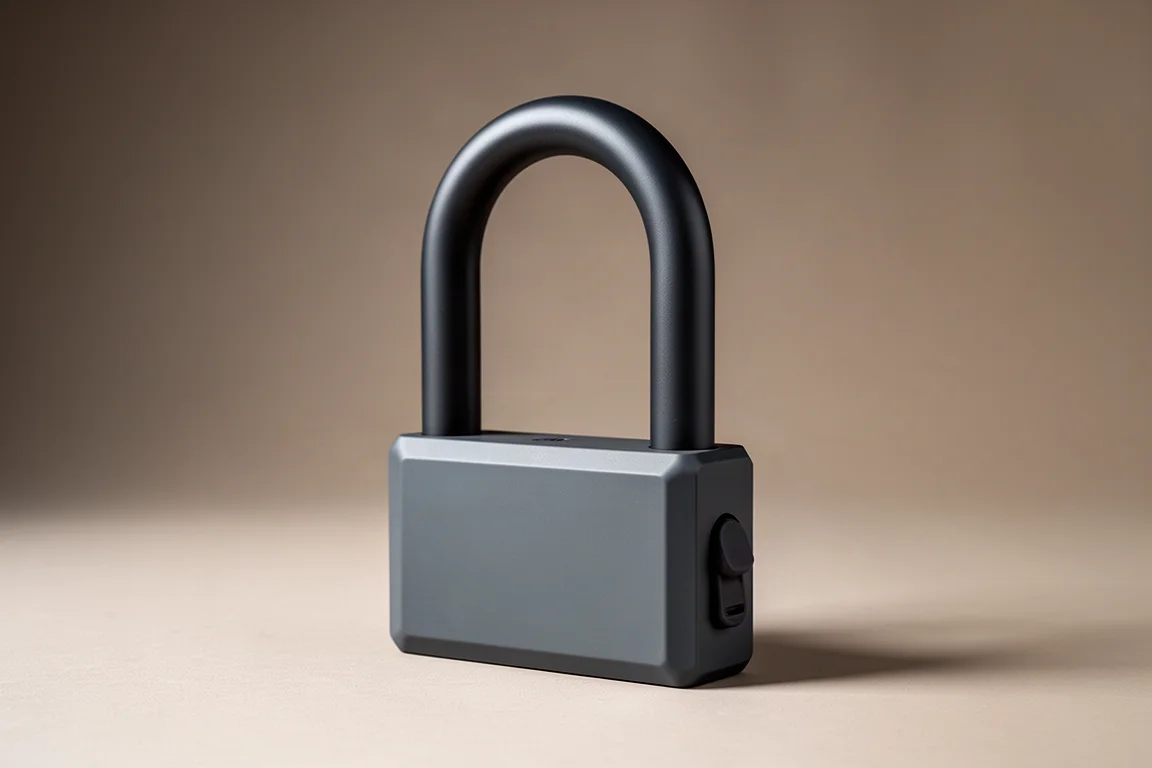
Portable angle grinders changed bike theft. Older premium locks carrying the highest security ratings could be cut apart in seconds once a grinder appeared. The X1 belongs to a newer generation of armored locks, designed specifically to make that attack slow and awkward rather than quick.
The X1 sells for around £150 and uses an armored coating across its surface. It carries a Diamond rating, and the Diamond Powered designation indicates that the lock has been tested against power tools rather than hand tools alone. The practical effect is that a determined thief needs roughly ten minutes of noise, sparks and blade changes instead of a few seconds of work. No lock survives an unlimited attack with the right tools, but making the job difficult is the point.
For context on value, a cheap lock can be defeated by a portable grinder in under ten seconds, which is why spending more on security makes sense for anyone locking up a commuter bike or an ebike worth a couple of thousand pounds. It is also worth remembering that many bike thefts happen at home, from a shed or garage, so the same lock earns its keep overnight.
Litelok X3: The Top-Tier Armored Lock
The X3 is the flagship of the range at around £250, and it follows the same armored approach as the X1 with more material and more resistance. It is aimed at riders protecting expensive bikes, whether that is a high-end commuter, an ebike, or a road bike that sits outside a workplace through the working day.
Choosing between the two comes down to how much risk you carry. The X1 covers the vast majority of everyday situations at a lower price. The X3 makes sense when the bike it protects is worth several times the cost of the lock, or when it is parked somewhere a thief has time and privacy to work.
Both carry the same Diamond rating, so the difference is about how long the lock holds up rather than which certification it meets.
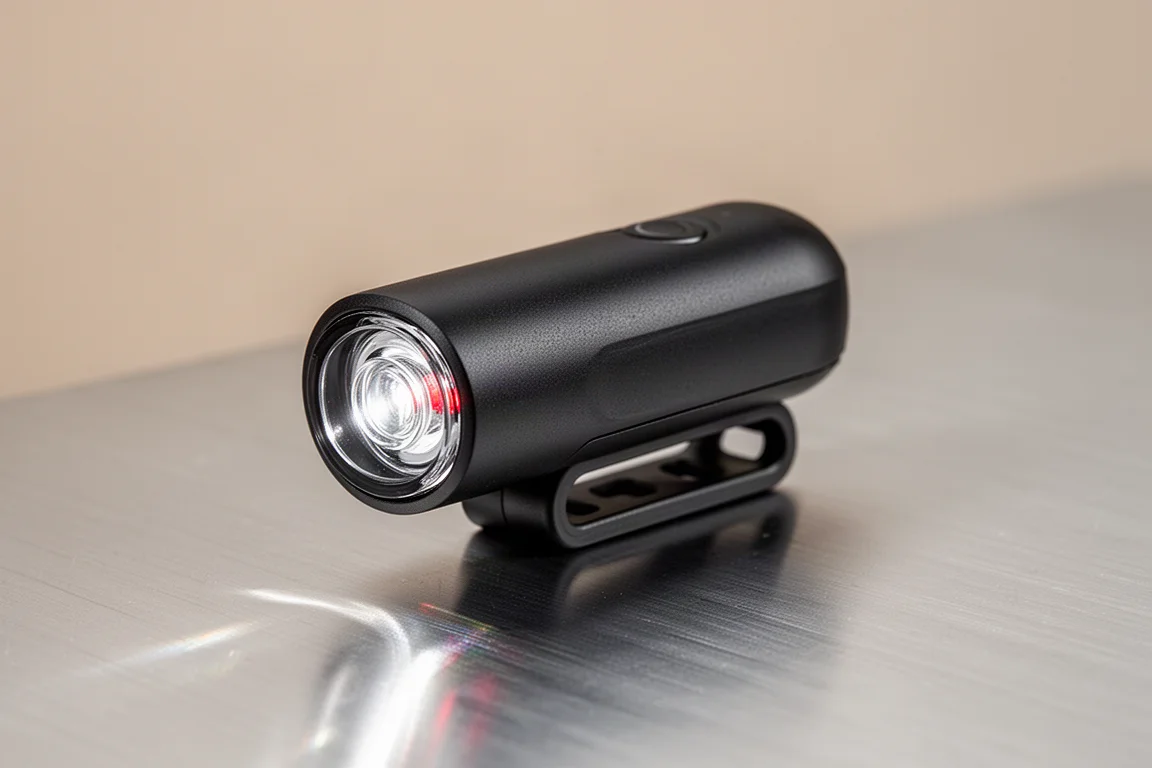
Lezyne Saddle AI Alert 250: A Smarter Rear Light
Rear lights are rarely exciting, which makes the Saddle AI Alert 250 a genuine standout. It mounts to the saddle rails rather than the seatpost, and it can be fitted hanging down or flipped up into the cavity under the saddle. That second position is the useful one: it leaves room for a saddle bag, which is the usual reason riders avoid saddle-rail lights altogether.
Output is 250 lumens, unusually bright for a rear light, and the higher mounting position puts it closer to drivers’ eye level. Inside is an accelerometer that detects braking and boosts the light output. The sensor can now be switched off, which was not possible on earlier Lezyne lights and means you are no longer guessing when the battery will run down. In its lowest flashing mode the light runs for around 60 hours.
The one annoyance is charging. The USB-C port is tucked away and awkward to reach once the light is mounted, particularly when you are working underneath a saddle. It is a small trade-off for a light that stays on the bike permanently and does its job without being noticed.
The price is around $75, or roughly £60, which is reasonable for a light this bright with a sensor built in. It suits riders who want a set-and-forget rear light rather than one they charge every few days.
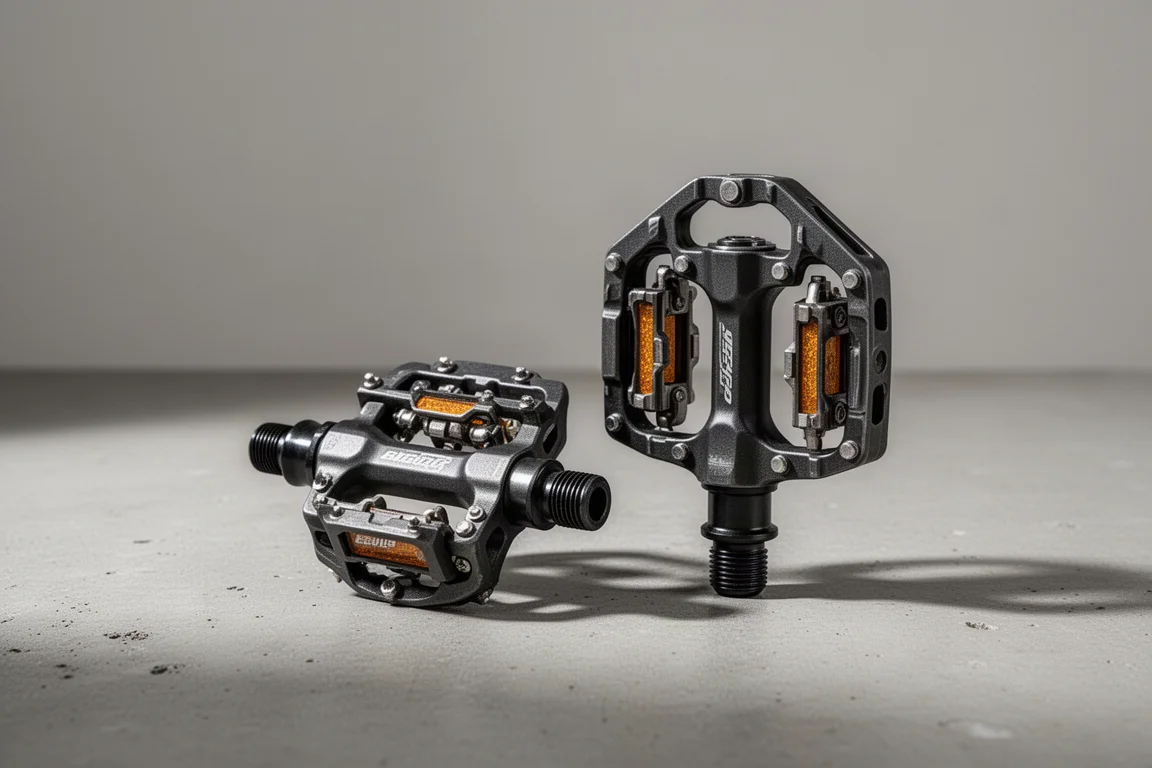
Favero Assioma Pro MX SPD: Power Meter Pedals Done Right
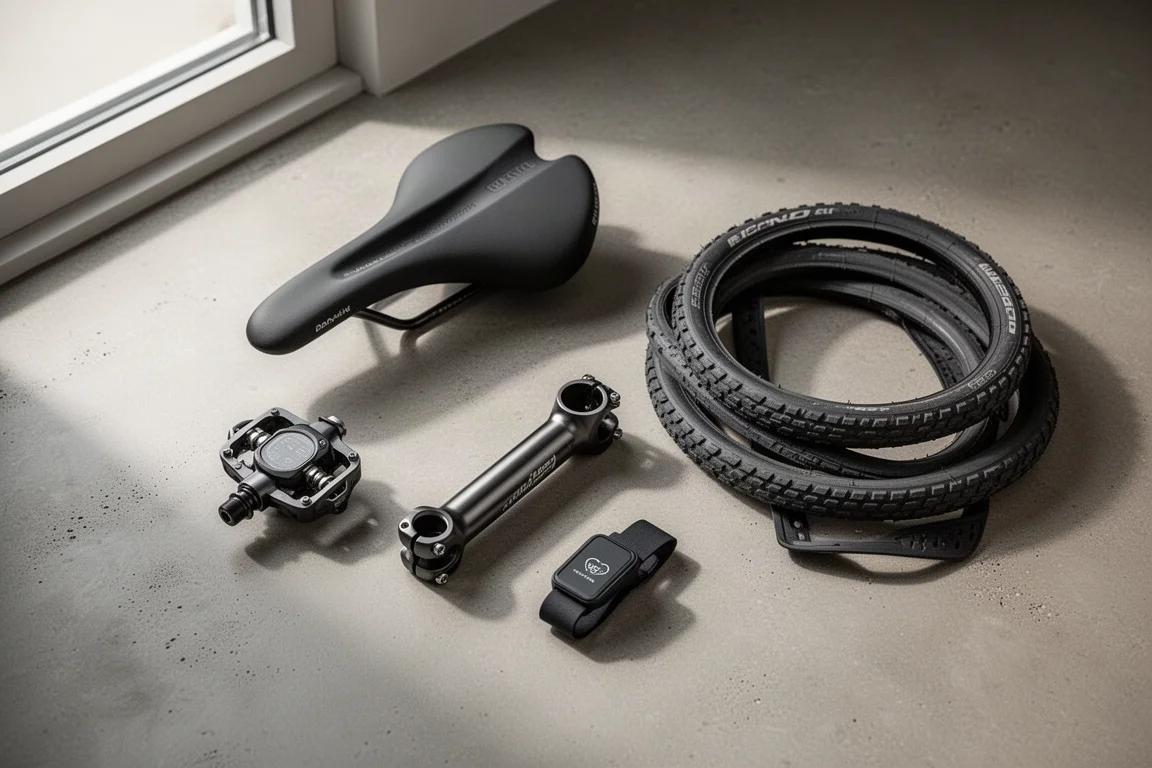
The Assioma Pro MX is an SPD power meter pedal, which makes it relevant to gravel and off-road riders who have been poorly served by road-focused options. Each pedal weighs 192g, so the power meter adds very little to a bike that would otherwise run standard pedals. Battery life is around 60 hours, and charging happens through a small magnetic connector.
Accuracy is the part that matters, and the pedals hold up against crank-based meters, smart trainers and other power sources without drifting. Just as importantly, they feel like normal pedals. Riders switching between these and a standard off-road pedal notice the power numbers appearing on the head unit and little else.
The design decision that separates them from the competition is the battery. It is integrated into the spindle and not user replaceable, which avoids the cross-threading and inconsistent connections that affect pedals using removable coin cells. At €750, or around $760, they are not cheap, but they undercut comparable power meter pedals that cost closer to $1,000 and carry a higher stack height, which reduces pedalling clearance. A road version built on the same spindle would be a logical next step.
Skarper Ebike Conversion Kit: A Premium Route to Electric Assist
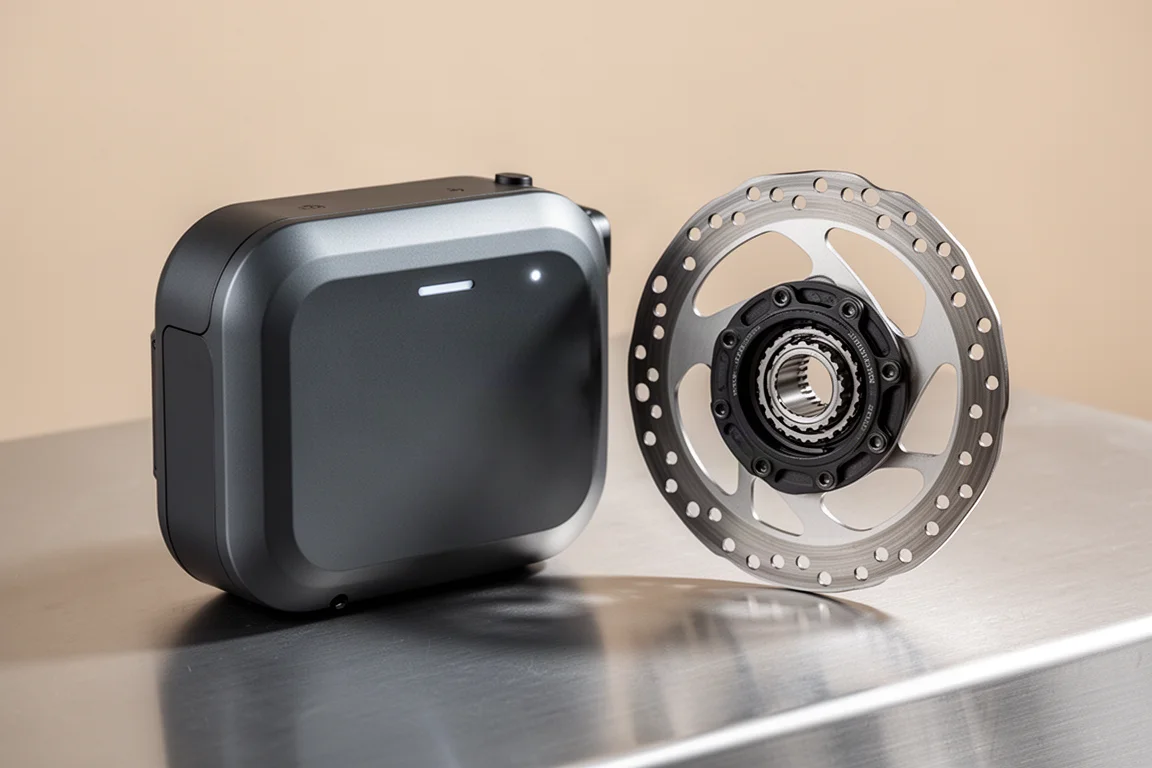
Conversion kits usually demand compromises: a wheel build, cabling, a battery strapped somewhere, and a system that becomes effectively permanent once fitted. Skarper takes a different route. The only part of the bike that changes is the rear disc rotor, which is swapped for a unit containing a geared drive. A small T-shaped bracket goes on the chainstay, a cadence sensor clips to the crank arm, and the system pairs over Bluetooth. Fitting takes about as long as mounting a light.
The result is a bike that behaves like a normal bike once the system is removed. The only permanent weight penalty is 120 to 130 grams, the difference between the Skarper rotor and a standard one. Range is around 70 to 75 miles off-road on a single charge, and power delivery is comparable to good rear hub motor systems. The controls are simple: wireless touch input on the unit, and a double back-pedal to put it to sleep at the top of a climb. Smart programming matches your effort rather than requiring you to manage power modes.
The engineering behind the rotor gearbox involved input from Red Bull Formula One and from Chris Hoy, who contributed to development and testing. At £1,495 the kit is a serious purchase, and it comes from a young company that has struggled to keep pace with demand. An app and a handlebar remote are in development, a rim brake version is planned, and extra rotors mean one system can electrify several bikes.
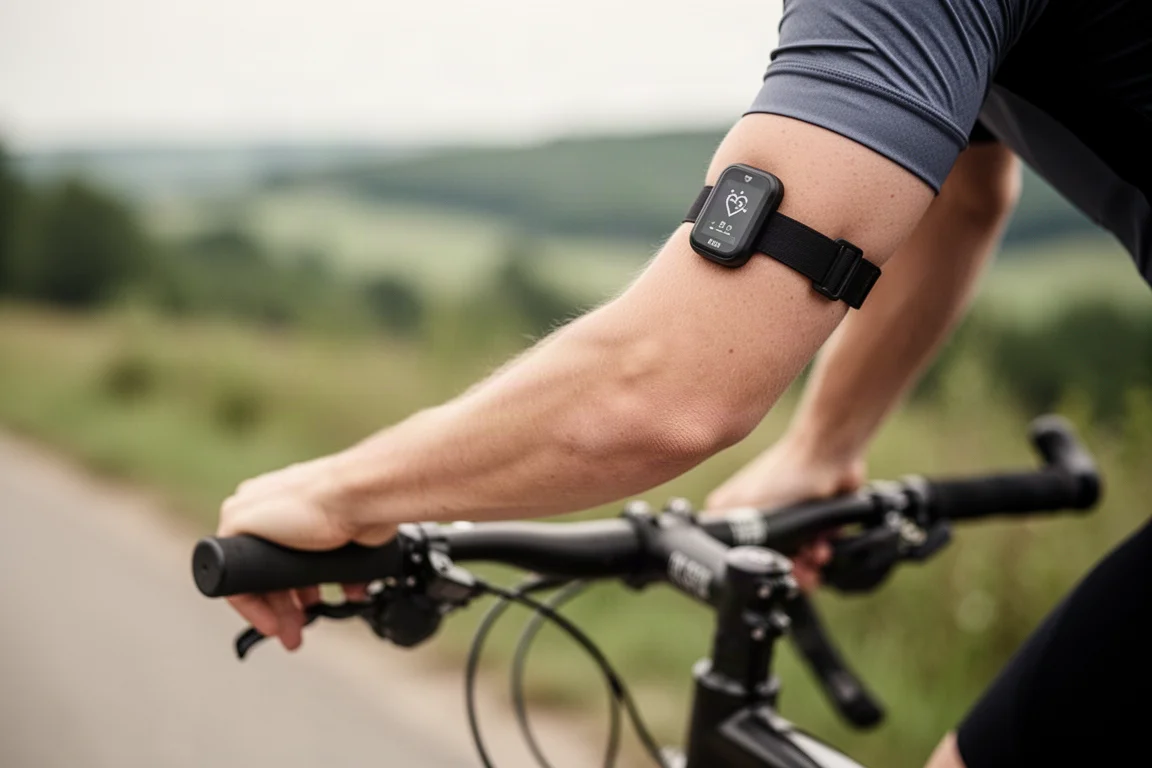
For anyone who wants to keep commuting on a bike they already love, the kit is a genuinely different option rather than another version of the same idea.
Garmin Edge 830: Still the Sensible Bike Computer
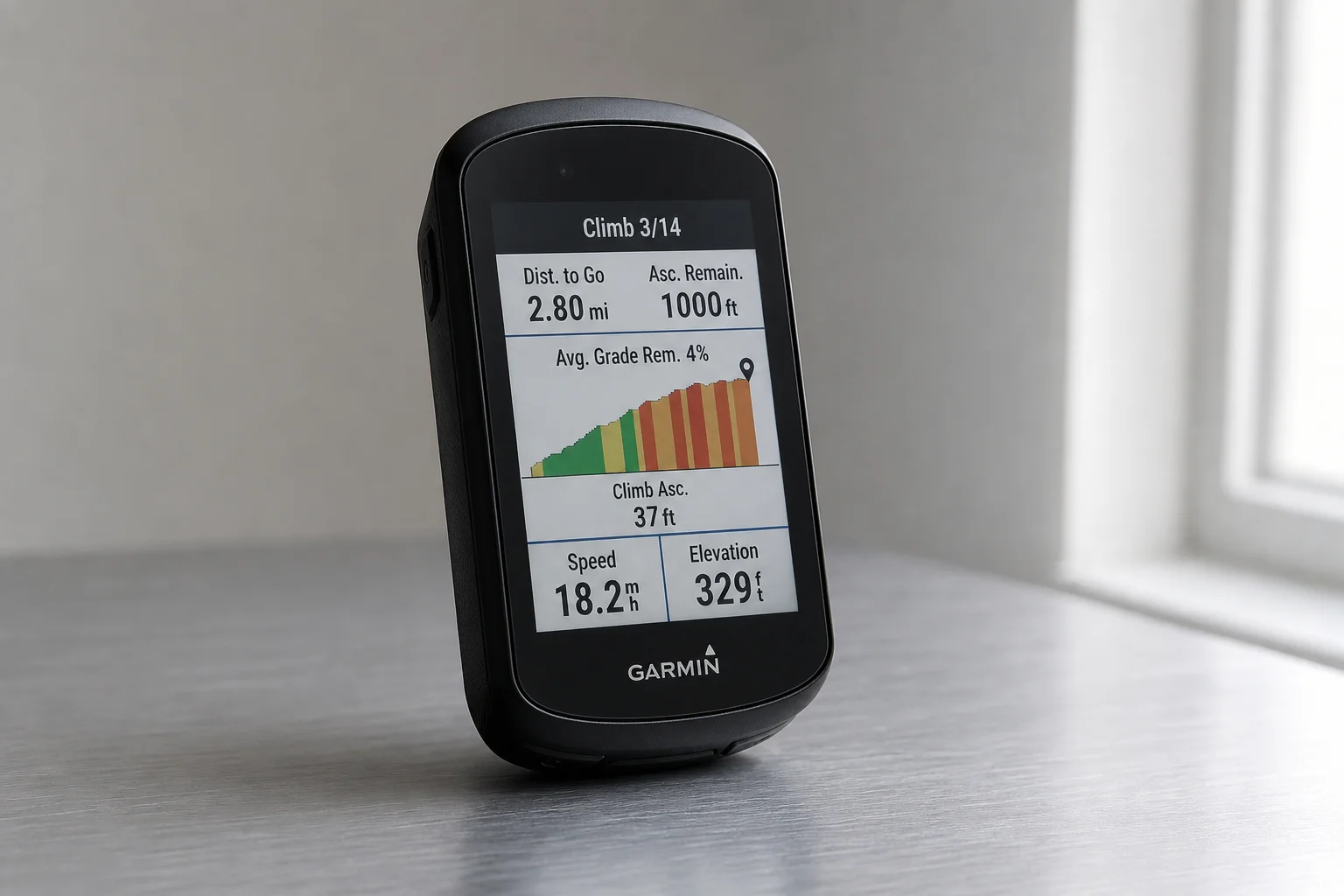
The Edge 830 is two generations old, and that is part of its appeal. It was the last model in the line to use a genuinely slim body; the 840 grew thicker to accommodate a solar panel, and the newest flagship is larger again. For riders who do not want a tablet on their handlebars, the 830 remains the most pleasant shape to live with.
It covers the essentials reliably. Mapping is clear enough for following routes on and off road, it connects to electronic groupsets, it supports Bluetooth and ANT+ sensors, and it syncs to a phone without the flaky behaviour that affected older units. Battery life is good enough that charging is an occasional task rather than a routine. At around £250 it also costs far less than the newest flagships.
The obvious compromise is the screen size and the bezel, which looks dated next to current models. Riders who need a larger display for visibility reasons have options, but for everyone else the 830 does what a bike computer needs to do without asking for more money or more handlebar space.
Enduro Bearings MaxHit Bottom Bracket: A Long-Term Investment
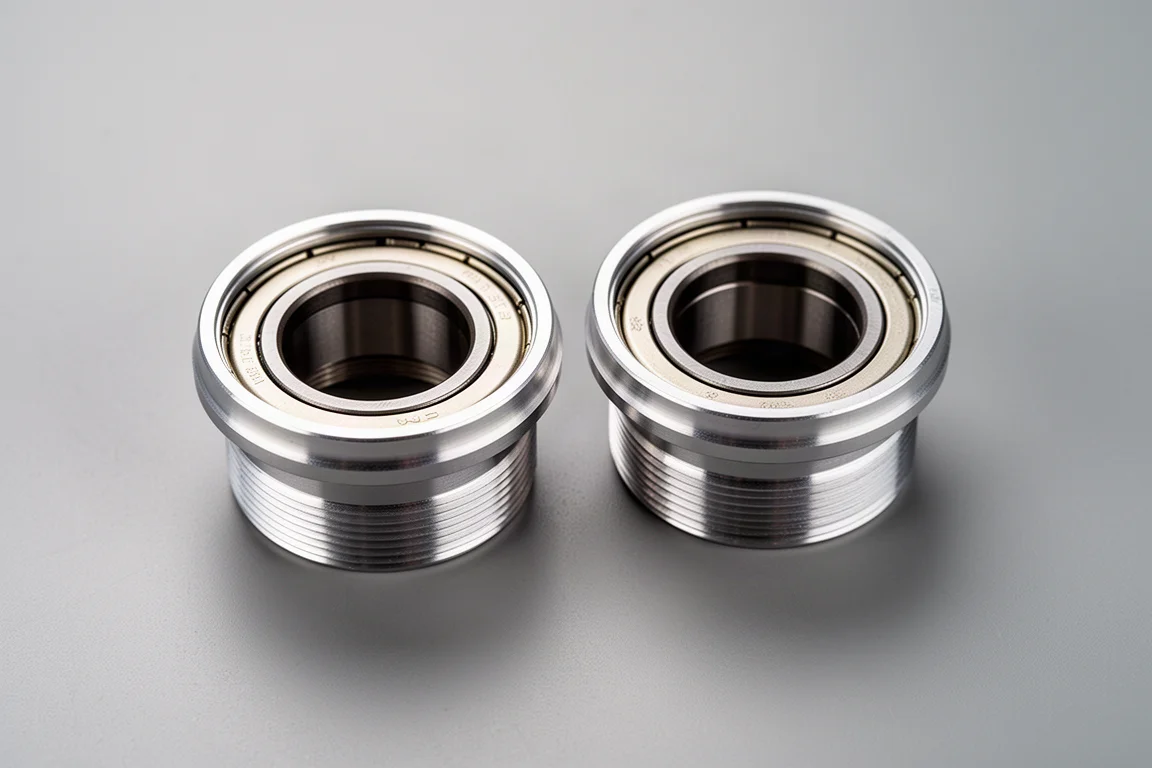
This is the least glamorous product in the roundup and arguably the most satisfying to own. Threaded bottom brackets were long optimised around 24mm spindles. When 30mm spindles arrived, threaded shells had to use smaller bearings to fit, and those bearings wear quickly, particularly when the shell is not perfectly aligned.
The MaxHit takes a different approach. The outer cup of the bottom bracket is the outer race of the bearing itself, which allows much larger ball bearings inside. The larger bearings cope far better with real-world conditions, and Enduro backs the design with a lifetime warranty that includes corrosion. It is available for BSA 30 threaded shells, T47 and press-fit frames. At £180 it is expensive for a bottom bracket, but the maths changes when cheap bearings are failing every few hundred kilometres.
The same principle applies elsewhere on a modern bike. Internal cable routing sends water past headset bearings, and replacing those on a fully integrated front end means disconnecting and bleeding brakes. Choosing better bearings up front is cheaper than paying for that service repeatedly.
Overall Buying Advice
Start with the problem you actually have. If your rides are short and your bike lives indoors, a bright rear light and a good lock will improve your experience more than any performance upgrade. If you are chasing speed, the aero helmet offers flagship-adjacent design at a price that leaves room for other purchases.
Riders who train seriously should look at power meter pedals before almost anything else, because consistent data changes how you plan and measure effort. Commuters with a bike they already like should consider the conversion kit, particularly if the alternative is buying a second bike for the same journeys. And if you are replacing worn components every season, spending more once on a bottom bracket or a set of bearings is usually the cheaper path over several years.
Whatever you choose, match the spend to the value of the bike and the amount of use it gets. A £250 lock on a £2,000 commuter is sensible. A £1,495 conversion kit makes sense when it replaces car journeys rather than occasional weekend rides.
Conclusion
None of these eight products is the obvious flagship choice in its category, and that is deliberate. Each one offers a clear, specific benefit: value in the helmet, resistance in the locks, visibility in the rear light, data in the pedals, convenience in the conversion kit, reliability in the computer, and longevity in the bottom bracket. Picking the ones that match your riding will serve you better than buying the most expensive option on the shelf.
Further reading
Related Reviews
Cycling Gear
8 Cycling Products Riders Keep Coming Back To
Eight cycling components and accessories with clear strengths, honest trade-offs and long-standing reputations among riders and mechanics.
Cycling Gear
Aero Helmets and Bottle Setups Tested: Six Options Ranked by Measured Watt Savings
Wind tunnel data on six aero helmets and bottle setups, with real watt savings, practical trade-offs, and guidance on what is worth buying first.
Cycling Gear
Aero Road Bikes and Fast Tires Worth Watching in 2026
Four aero road bikes and one fast road tire, with the real strengths, the open questions, and what to check before you buy.