Cycling Gear
Best Cycling Gear Picks: Nine Standout Products From a Year of Testing
Nine cycling products that earned a permanent place in our kit, from a budget aero helmet and an angle-grinder-resistant lock to a carry-along ebike conversion kit.
Introduction
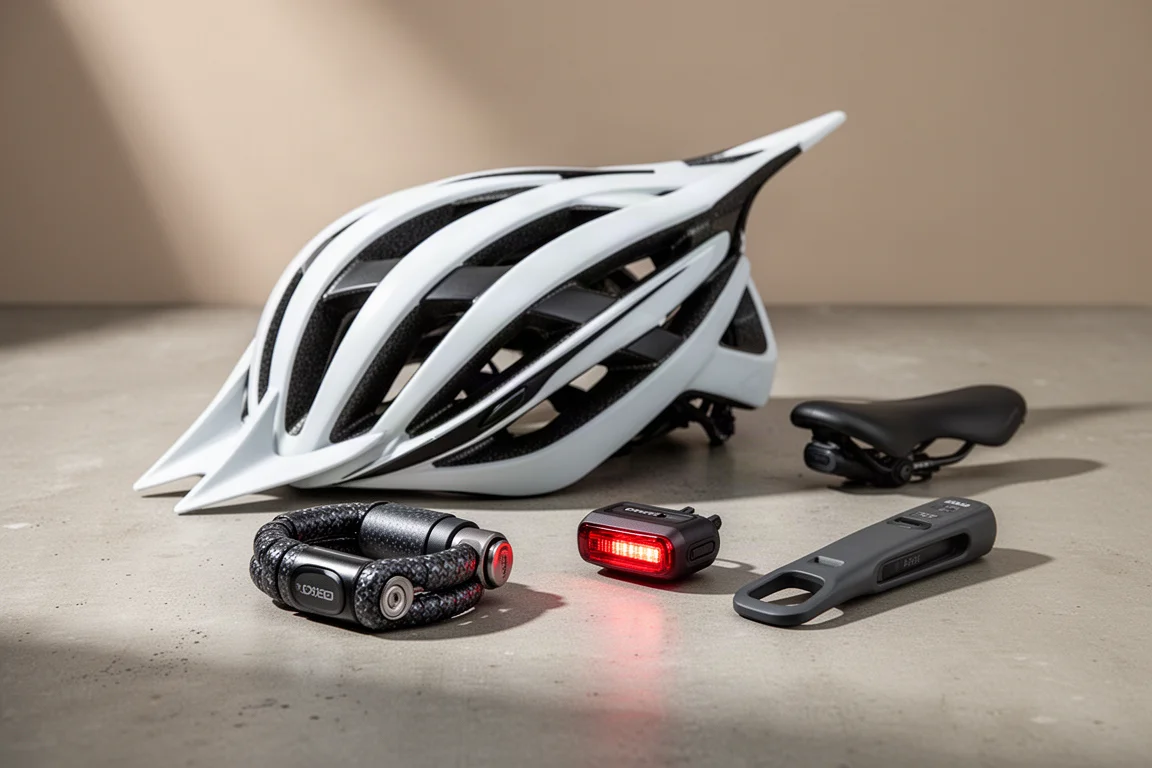
A year of testing covers a lot of ground, and the products that stay on a bike are rarely the most expensive ones. A budget aero helmet that performs close to flagship models, a small saddle-mounted rear light that solves a fit problem nobody else has addressed, and a shoe dryer that costs about as much as a couple of inner tubes all made a bigger difference to everyday riding than anything with a headline price tag.
This roundup collects nine products that earned a permanent place in our kit. They range from a sub-£25 accessory to a £1,495 conversion kit, and each one is here because it solved a specific problem well rather than because it was new or loud.
A note on how to read this list: prices move, availability varies by region, and the right choice depends heavily on what you already own. The sections below explain what each product does well, where it makes compromises, and who it suits best.
How We Evaluated These Picks
Four things decided whether a product made the cut.
First, does it solve a real problem? The strongest picks removed a recurring annoyance: wet shoes the morning after a ride, a rear light that would not fit alongside a saddle bag, or bearings that wore out within a few hundred kilometres.
Second, how does it perform against its price? Value is not the same as cheap. A £150 lock that resists an angle grinder for around ten minutes is better value than a £40 lock that opens in seconds, and a £180 bottom bracket that outlasts several cheap replacements is cheaper over five years.
Third, does it hold up? Every pick here was used hard, in bad weather, on gravel, and on daily commutes. Durability mattered more than any specification sheet.
Fourth, would we buy it again? A small number of products earned our highest score this year, which is a rare outcome. Most of the picks below came close.
Van Rysel FCR Aero Helmet: Flagship Speed at a Budget Price
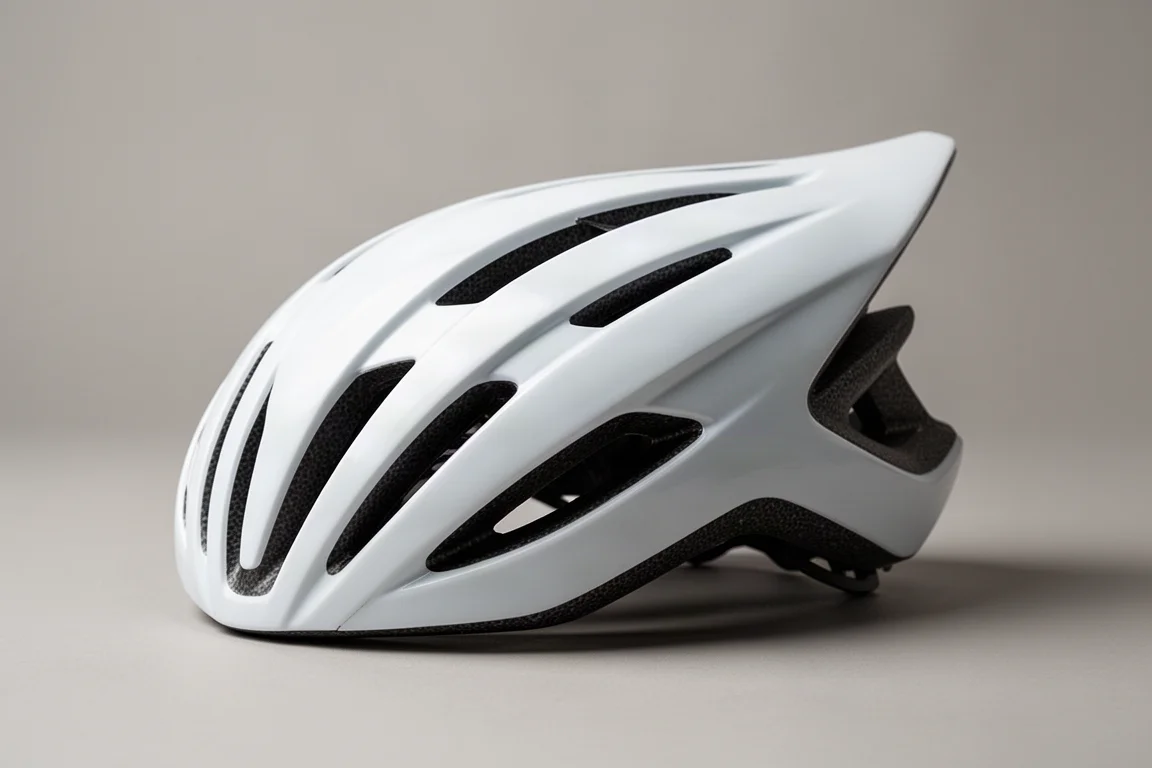
The Van Rysel FCR is the value story of the year. It costs around £99.99, roughly €100, which is about £10 more than it was when first tested, and it delivers the kind of aerodynamics usually reserved for helmets costing two and a half times as much.
It was developed in the wind tunnel alongside Van Rysel’s FCR aero bike and RCR Pro, and it is being raced at World Tour level. The shell wraps all the way around the bottom of the EPS foam, which is a detail that helps it look far more expensive than it is, and the Fidlock clasp is a genuinely nice touch at this price. It also earned a full five-star score in testing, which is not handed out lightly.
The compromises are small but real. The internal channelling is simpler than on premium aero helmets and the venting is less open, so it runs a little stuffier on hot days. The ear dividers are glued on rather than integrated. MIPS is available as an option for around £20 more, roughly the cost of the licence itself. If you want more airflow, the vented RCR helmet costs about £70 more, and the pair together still comes in under the price of most flagship aero helmets.
Litelok X1: Armored Protection That Wins Tests
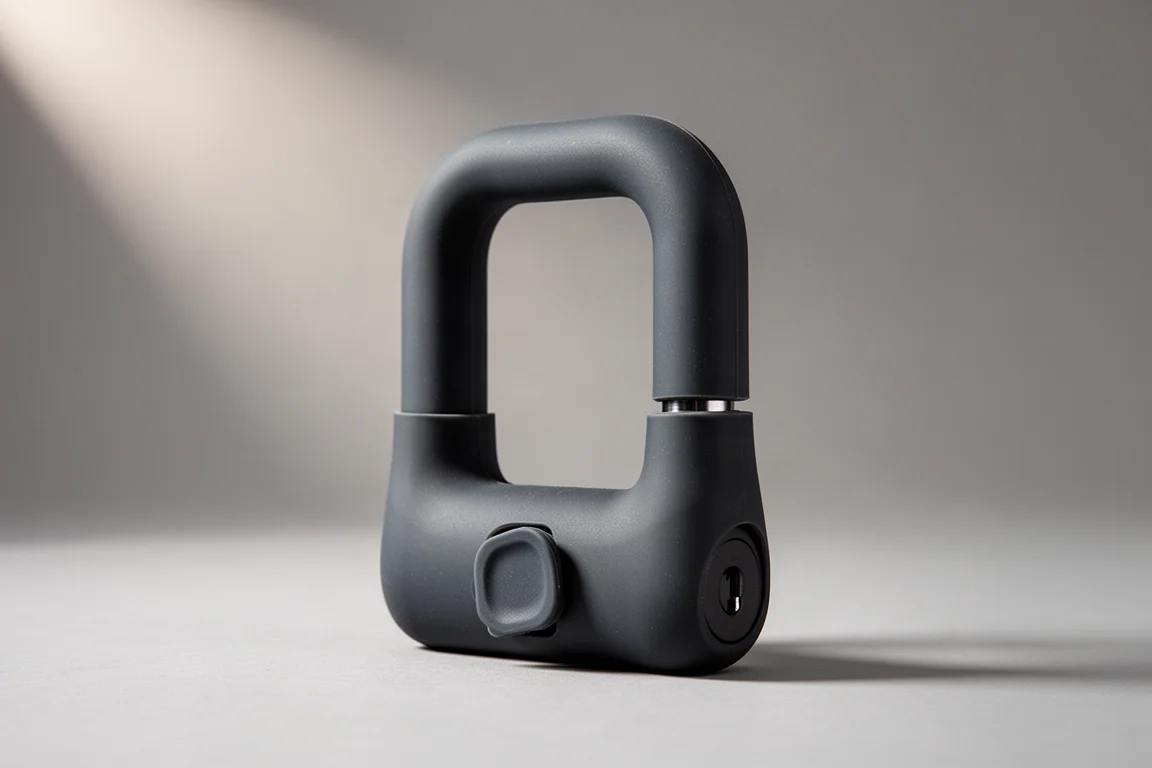
Portable angle grinders changed bike theft more than any other tool, and the previous generation of premium gold-rated locks simply fell apart when faced with one. The Litelok X1 belongs to the new wave of armored locks built specifically to resist that attack.
The X1 uses Boanium, a coating developed by Litelok founder Neil Barron and named after him, applied across the lock body to blunt grinder contact. It won a recent comparative lock test, and it carries a Diamond rating, with Diamond Powered certification covering power tools specifically. In practice, a determined thief with the right equipment will eventually get through almost anything, but the X1 turns a few seconds of cutting into something closer to ten minutes of sparks, noise, smoke and blade changes.
At £150 it sits at the accessible end of the armored category. For anyone locking up a commuter or an ebike worth a few thousand pounds, that is a sensible ratio of lock cost to bike value.
Litelok X3: The Top-Tier Armored Lock
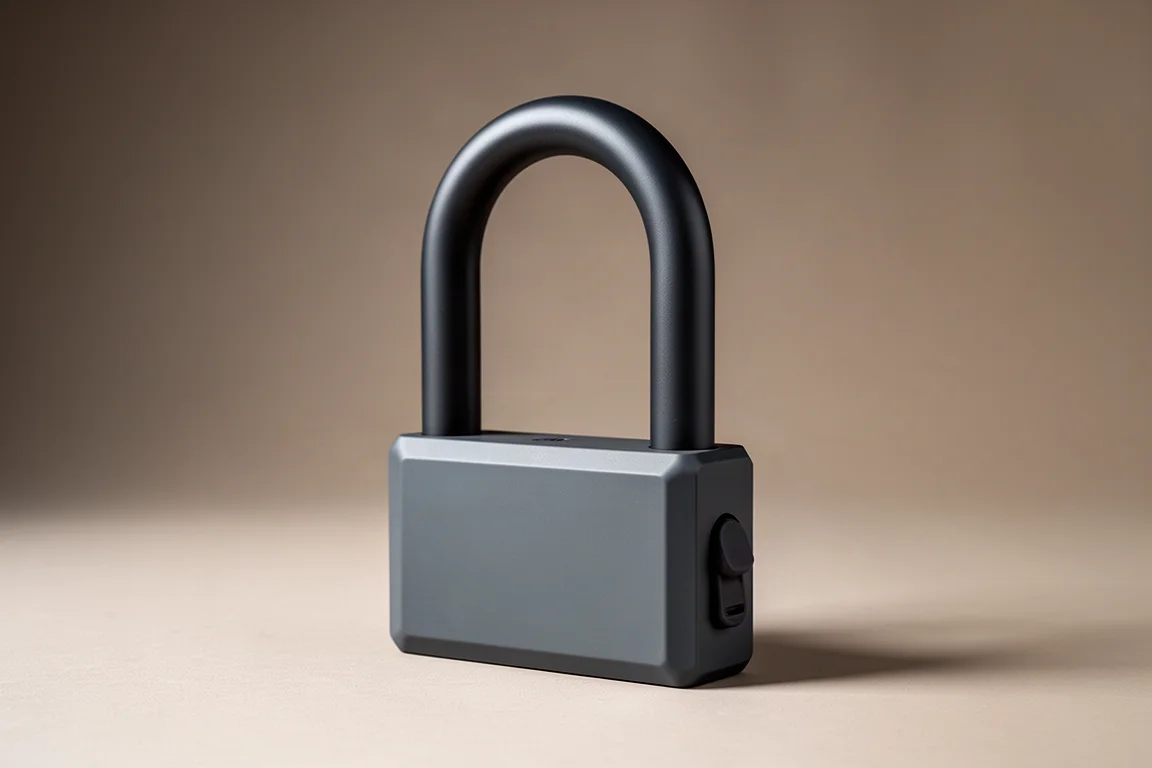
The Litelok X3 is the flagship of the range at £250, and it is the one to consider if your bike is expensive, frequently parked in the same place, or serves as a genuine car replacement.
It shares the same armored philosophy as the X1, with a hardened coating over the lock body and Diamond Powered certification against power tools. The extra spend buys more material and more resistance, which matters most in high-risk locations where a thief has time, privacy and a spare battery for the grinder.
It is worth remembering that most bike thefts happen at home, from a garage or a shed, so a lock at this level makes just as much sense on the wall of your own storage as it does on a rack in town. If you ride a two-thousand-pound ebike, £250 stops feeling excessive.
Lezyne Saddle AI Alert 250: A Rear Light That Fits Where Others Cannot
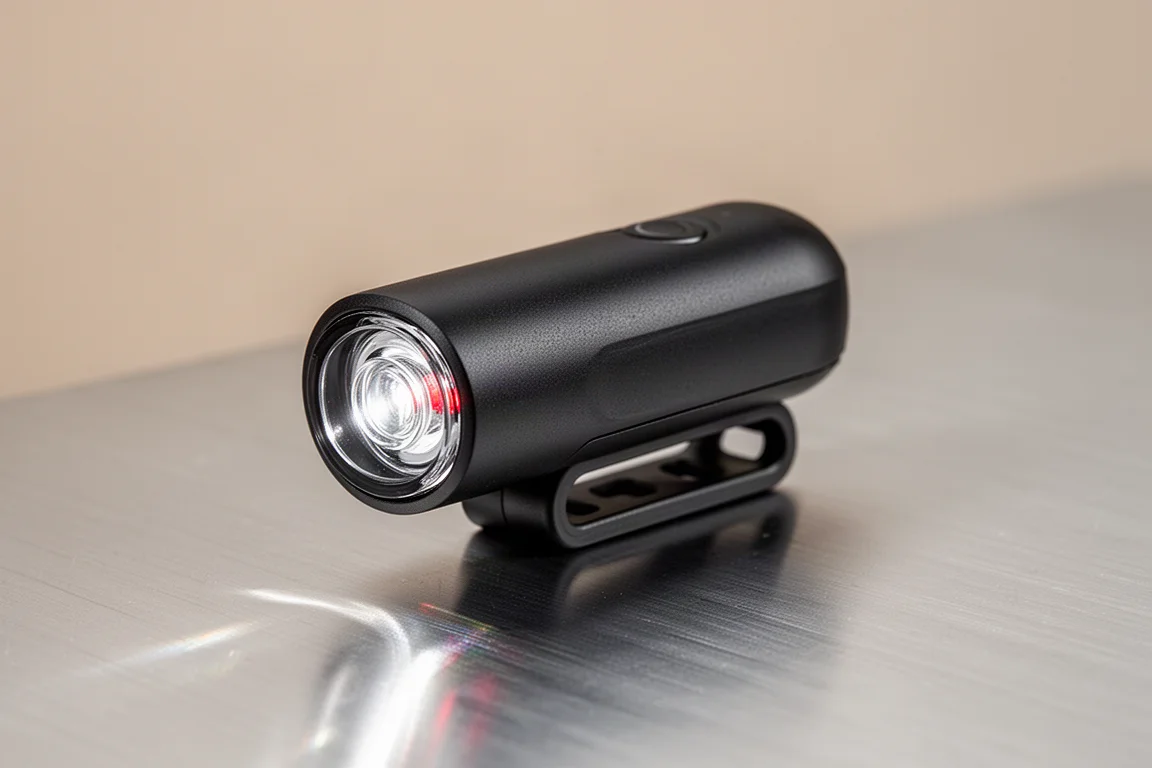
Most saddle-rail rear lights force a choice between a saddle bag and a light. The Lezyne Saddle AI Alert 250 sidesteps that entirely. It can hang below the rails in the conventional way, or sit inverted inside the cavity of the saddle, which leaves room for a saddle bag underneath. It was the only permanent fixture changed on a bike this year, and the only one that stayed.
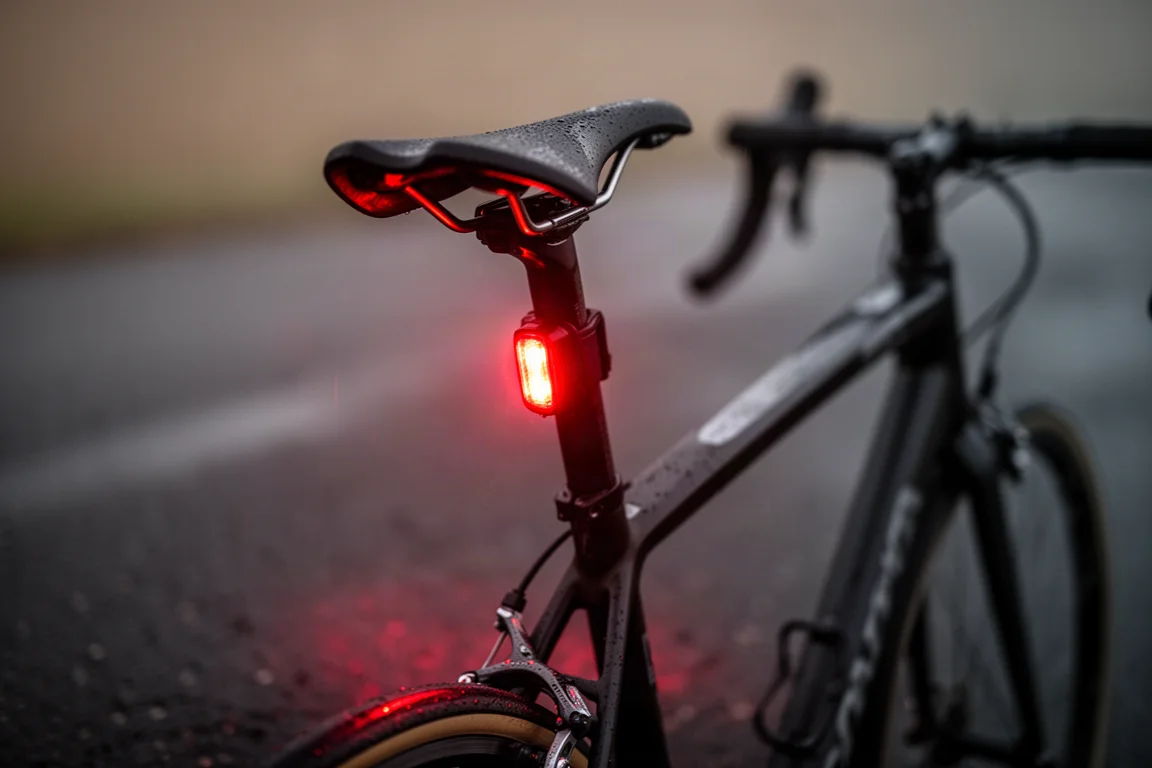
Output is 250 lumens, which is unusually bright for a rear light, and because it sits higher than a seatpost-mounted unit it lands closer to driver eye level. An accelerometer detects braking and briefly increases brightness, and unlike earlier Lezyne lights with the same sensor, it can now be switched off so you always know what runtime you have left. In the lowest flashing mode, around 10 lumens, it runs for roughly 60 hours and charges quickly over USB-C.
The one irritation is access to the charge port when the light is mounted, which is awkward even with the textured grips built into the body. At around $75, or roughly £60, that is a fair trade for a light this bright and this neatly packaged.
Snow Peak Shoe Dryer: The Small Accessory That Changes Winter Riding
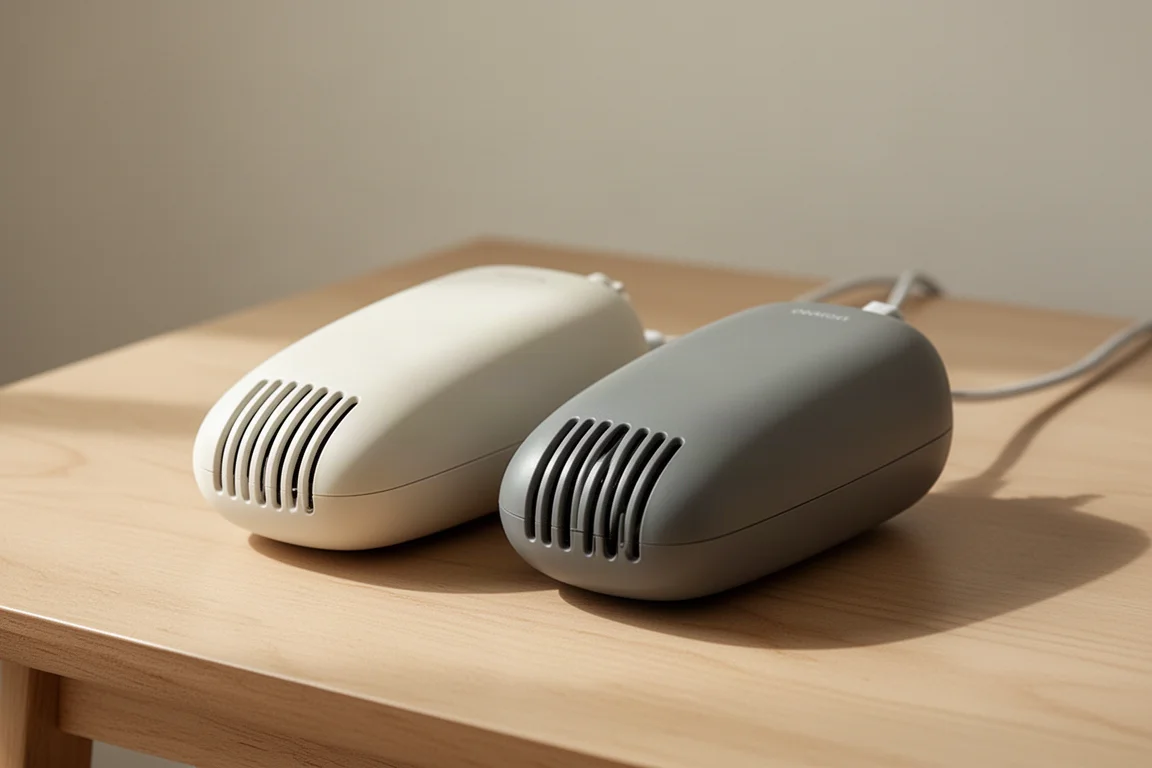
Wet cycling shoes are one of the quiet miseries of winter. They take days to dry, they smell terrible in the meantime, and no amount of newspaper really fixes it. The Snow Peak shoe dryer costs $24.99, around £25, and it solves the problem completely.
The units slide into a pair of shoes after a ride and use a ceramic heating element inside a fireproof body. They run at just 55 degrees Celsius, which is warm rather than hot, so there is no risk to mouldable soles or glued construction. A pair of heavy mountain bike style shoes will take roughly nine hours, so overnight is the natural routine, and thinner road shoes dry faster.
For anyone riding through winter, this is the cheapest genuinely transformative upgrade on this list.
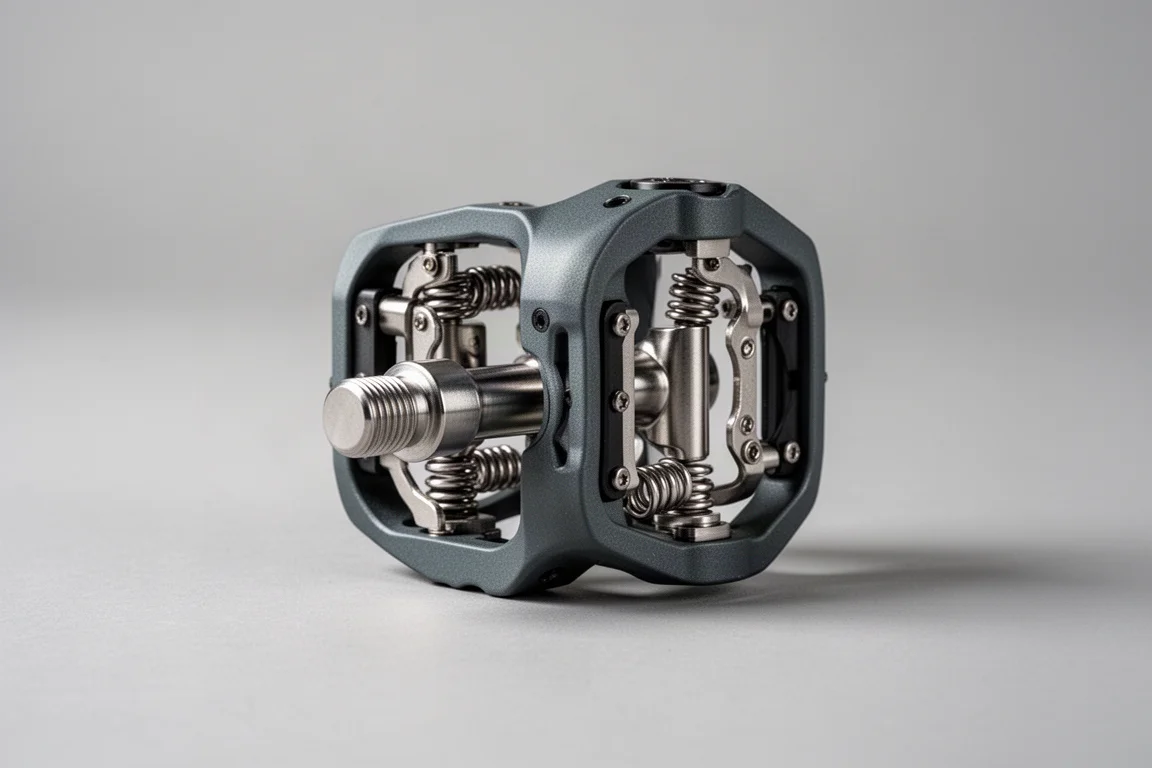
Favero Assioma Pro MX: Power Meter Pedals Done Right
The Favero Assioma Pro MX is one of the few products this year that was genuinely hard to fault. These are SPD-compatible off-road power meter pedals that measure power accurately and consistently, verified against crank-based meters and a smart trainer, and they never missed a beat.
Just as importantly, they work as pedals. Each one weighs 192 grams, and swapping between these and a set of Shimano Deore XT pedals, the only difference is that power numbers appear on the head unit. Battery life is around 60 hours, recharged through a neat magnetic connector. The all-in-one spindle design integrates the battery rather than using a user-replaceable coin cell, which avoids the hatch removal and cross-threading problems that have plagued some rival pedals.
At €750, or around $760, they are not cheap, but they undercut the main competition. Garmin’s Rally XC200 pedals cost closer to $1,000, and their off-road pedal has a higher stack height, which means less pedalling clearance. The trade-off with the Favero design is that the battery is not user-replaceable, which is a reasonable compromise for the reliability it buys. A road version has not been confirmed, but the platform clearly has room to grow. These earned a five-star score.
Skarper: An Ebike Conversion Kit You Can Carry in a Bag
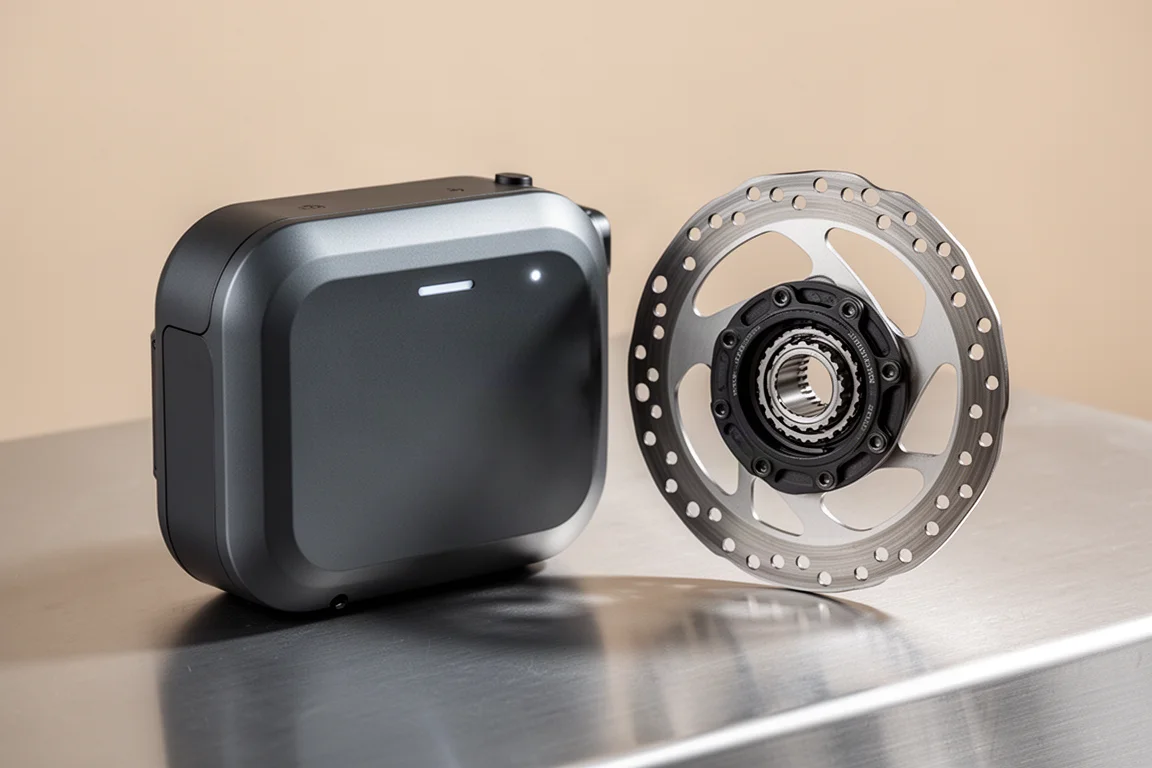
Most ebike conversion kits are permanent. They need a wheel built, cabling run to the bars, and a battery bolted somewhere on the frame. Skarper takes a completely different approach: the only thing that changes on your bike is the rear disc rotor.
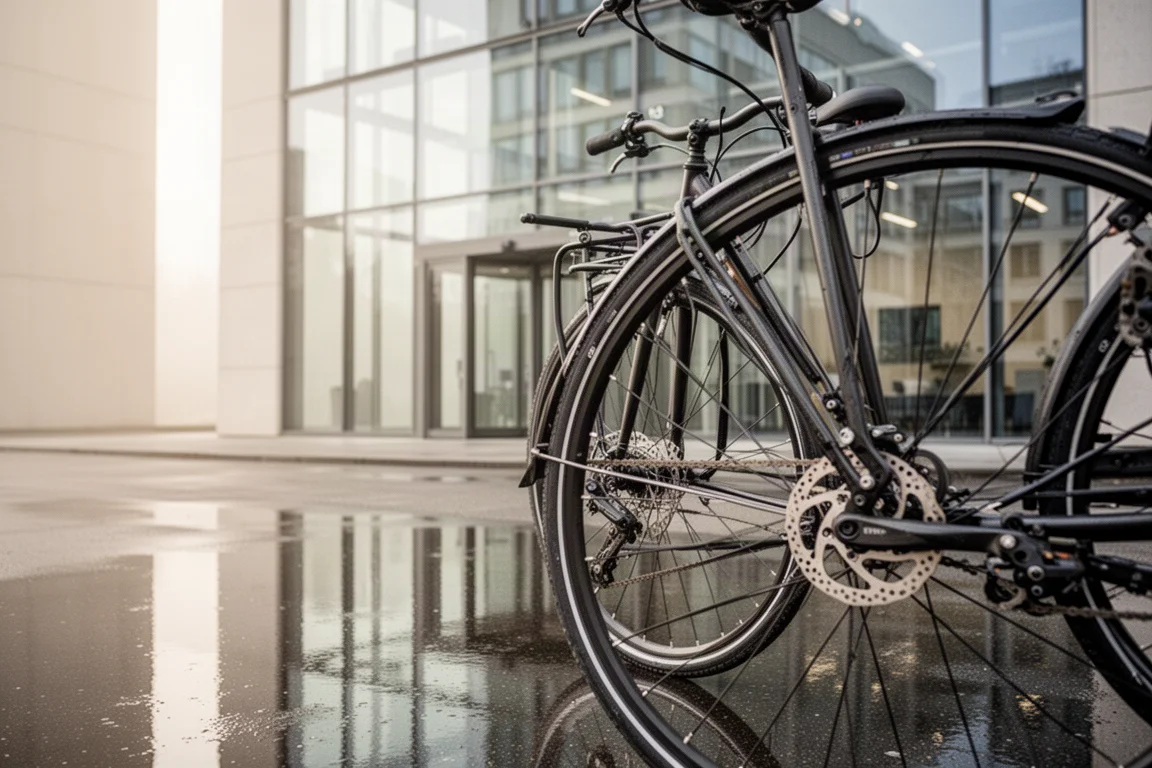
Fitting is no harder than fitting a light. You swap the rotor, fit a small T-shaped bracket to the chainstay using the measuring guide in the box, add a cadence sensor to the crank arm that looks like an accessory light, click the drive unit into place, and pair it over Bluetooth. The gearbox inside the rotor is a planetary design developed with engineering input from Red Bull Formula One, and Chris Hoy was involved in its development and is an investor in the company.
In testing across gravel, bad weather and routes the makers advised against, it never put a foot wrong. Power delivery is comparable to the better rear hub motor systems, and range runs to roughly 70 to 75 miles on a single charge off-road. Controls are wireless and touch based, and pedalling backwards twice puts the system to sleep. The only permanent weight penalty is 120 to 130 grams over the original rotor.
At £1,495 for the system including the rotor, Bluetooth controller and accessories, it is a serious outlay, and the company is a start-up that has pre-sold its production. An app is in development, a rim brake version is planned, and extra rotors are sold separately so one system can power several bikes. If you already own a good bike you rarely ride, this turns it into a genuinely capable commuter.
Garmin Edge 830: A Compact Computer That Still Makes Sense
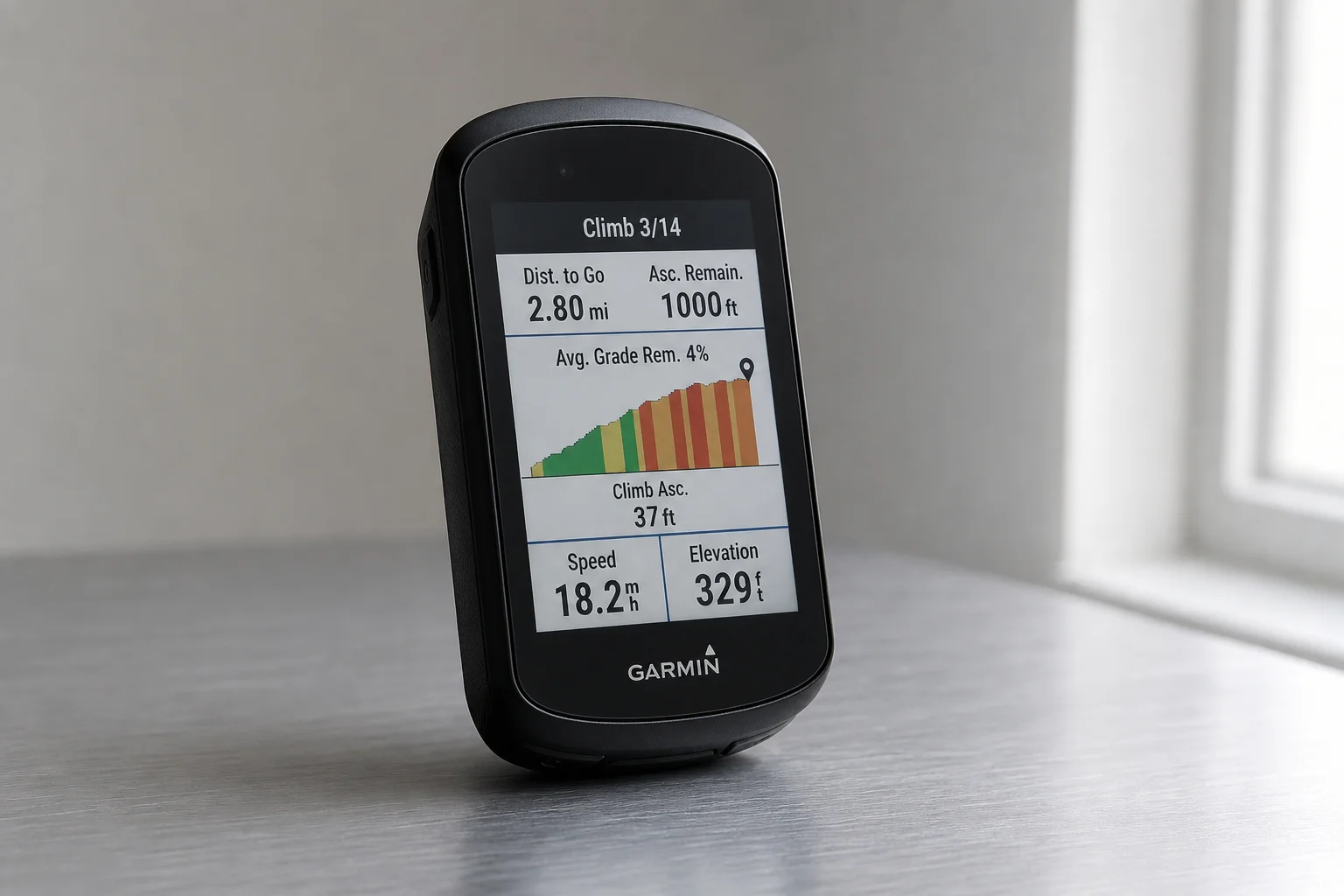
The Garmin Edge 830 is two generations old and still around $250, and it remains the computer many riders should buy. It was the last model in the range with a genuinely slim body, because the generation that followed grew thicker to accommodate a solar panel, and the thickness stayed even in the non-solar version.
It does everything almost anyone needs from a bike computer, and it does it reliably. It connects over Bluetooth and ANT+, pairs with electronic groupsets, syncs cleanly with a phone, and offers enough screen for following maps even off-road. Battery life is good enough that charging is a rare event rather than a routine.
Newer flagships, including larger units from Garmin, Wahoo and Hammerhead, are impressive, but none of them makes a compelling case for replacing an 830. A bigger screen is a genuine benefit for riders with sight difficulties, and there are cheaper large-screen options for that specific need. For everyone else, the smaller form factor is an advantage, particularly on narrow bars, and the feature list on the newer units is far longer than most riders will ever use.
Enduro Bearings Max Hit: A Bottom Bracket You Fit Once
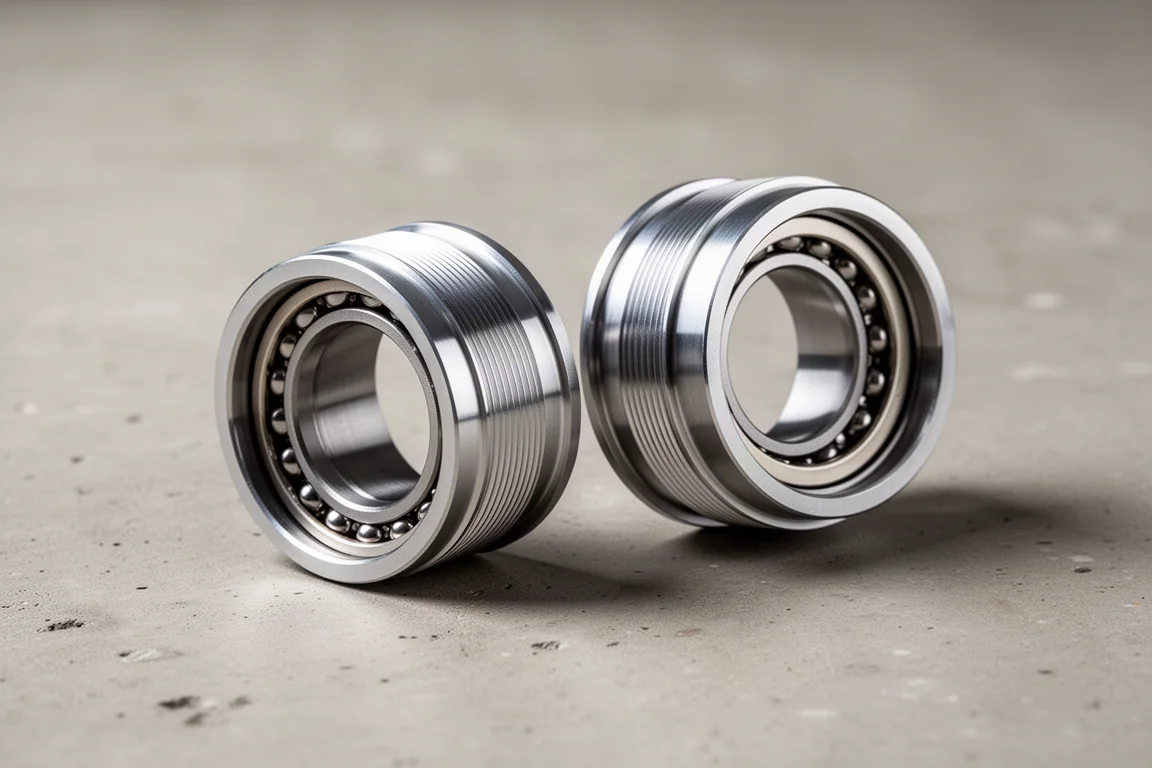
Threaded bottom brackets were designed around 24mm spindles, and they worked well. The arrival of 30mm spindles created a problem: in a standard 68mm threaded shell there is only so much room, so a 30mm spindle forces smaller bearings, and those bearings wear out fast. One set of premium cranks went through bearings every 5,000 to 6,000 kilometres, and cheap replacements lasted around 300 kilometres.
The Enduro Bearings Max Hit solves this with a clever piece of engineering. The external cup of the bottom bracket is itself the outer race of the bearing, which allows much larger ball bearings inside. Larger bearings are less tolerant of misalignment, so a properly faced shell matters, but when set up correctly the assembly should last indefinitely. It comes with a lifetime warranty that includes corrosion.
At £180 it is expensive for a bottom bracket, and it is available in T47 and press-fit versions as well as BSA 30. Enduro also makes headset bearings, which is worth noting on modern internally routed bikes, where brake hoses and cables carry moisture straight into the bearings. Replacing a corroded integrated headset means stripping the front end and bleeding the brakes, so the servicing cost dwarfs the price of the bearing itself.
Buying Advice: Matching the Pick to the Rider
The pattern across all nine picks is that the best purchases solved a specific, recurring problem rather than chasing a specification. If your shoes are wet every morning in winter, a $25 dryer will do more for your riding than a new wheelset. If you lock your bike in the same place every day, an armored lock changes your risk profile far more than a lighter frame.
For locks, the sensible rule is to spend in proportion to what you are protecting. A £150 lock on a £400 bike is hard to justify, but a £150 or £250 lock on a two-thousand-pound ebike is straightforward arithmetic, particularly if that bike replaces a car or a season ticket. Remember that most thefts happen at home, so the lock matters in your shed as much as on the street.
For computers and power meters, ecosystem matters more than any single feature. If your training history and your watch already live in one platform, switching costs are real and rarely repaid by a bigger screen. If you are starting fresh, choose the platform that fits the rest of your riding, then buy the model that fits your bars.
For helmets, the sensible question is whether you need the last five percent of ventilation or the first ninety percent of the aerodynamics. The budget option here covers the second part remarkably well.
Conclusion
None of these nine products is the most expensive thing in its category, and that is the point. The Van Rysel FCR proves that wind tunnel development and World Tour pedigree can reach a three-figure price. The Litelok X1 and X3 show what the current generation of armored locks can do against a portable angle grinder. The Lezyne Saddle AI Alert 250 and Snow Peak shoe dryer fix small daily problems for the price of a couple of tubes and a chain. The Favero Assioma Pro MX, Skarper kit, Garmin Edge 830 and Enduro Bearings Max Hit cover the more serious end of the market, each one earning its place through reliability rather than novelty.
If you are weighing up a purchase, start with the problem you actually have. The right pick usually costs less than the one with the longest feature list.
Further reading
Related Reviews
Cycling Gear
8 Cycling Products Riders Keep Coming Back To
Eight cycling components and accessories with clear strengths, honest trade-offs and long-standing reputations among riders and mechanics.
Cycling Gear
Aero Helmets and Bottle Setups Tested: Six Options Ranked by Measured Watt Savings
Wind tunnel data on six aero helmets and bottle setups, with real watt savings, practical trade-offs, and guidance on what is worth buying first.
Cycling Gear
Aero Road Bikes and Fast Tires Worth Watching in 2026
Four aero road bikes and one fast road tire, with the real strengths, the open questions, and what to check before you buy.