Commuter Bikes
Best Bike for Commuting: Ribble Gravel SL vs CGR vs Ultra SLR
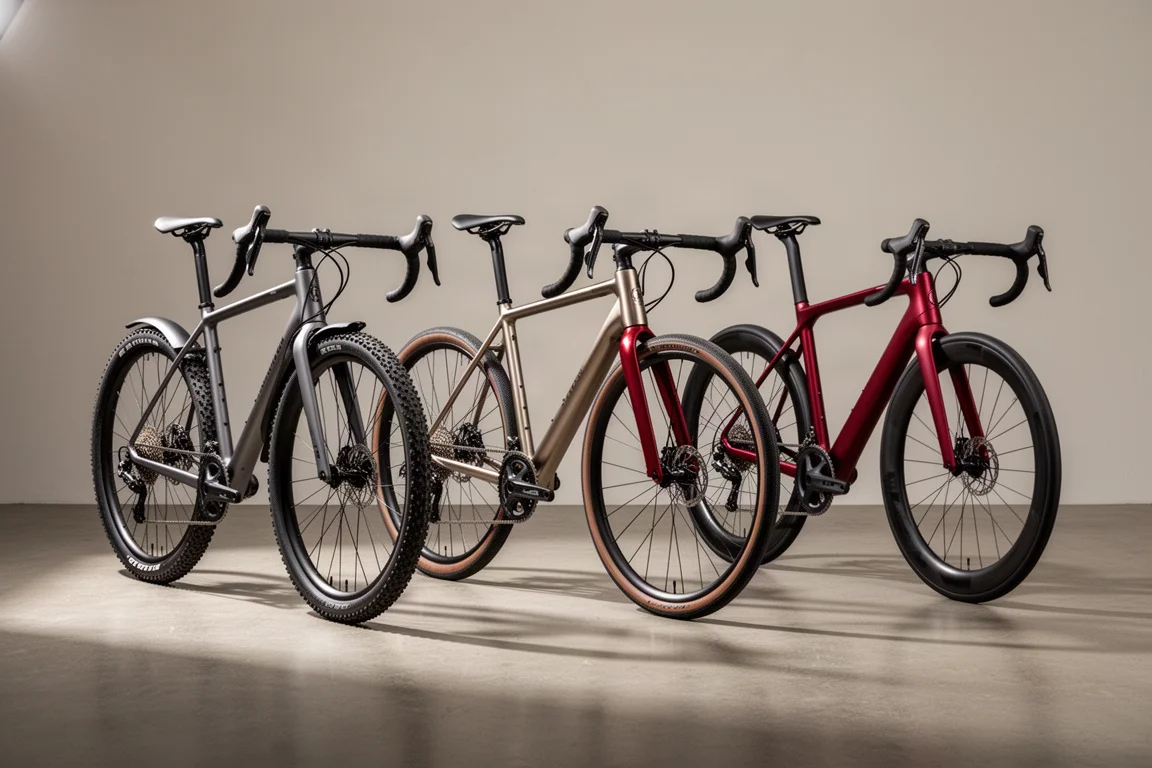
Three Ribble commuter options compared: a fast gravel bike for off-road routes, a do-it-all all-rounder, and an aero road machine built for speed.
Introduction
Cycling to work is cheaper than driving, better for your health, and better for the environment, and most people who try it keep doing it. The difficult part is not deciding whether to commute by bike, it is deciding which bike to buy for the job. A 20 km commute can be ridden on almost anything, but the bike you choose shapes how the journey feels every single morning.
Ribble builds across most of the categories that matter here, which makes the brand a useful place to compare options. Three of its models cover three very different commuting philosophies: the Gravel SL, a fast gravel bike that is comfortable on tarmac and off it; the CGR, an all-rounder that changes character depending on the tyres fitted; and the Ultra SLR, an aero road bike built for speed above all else.
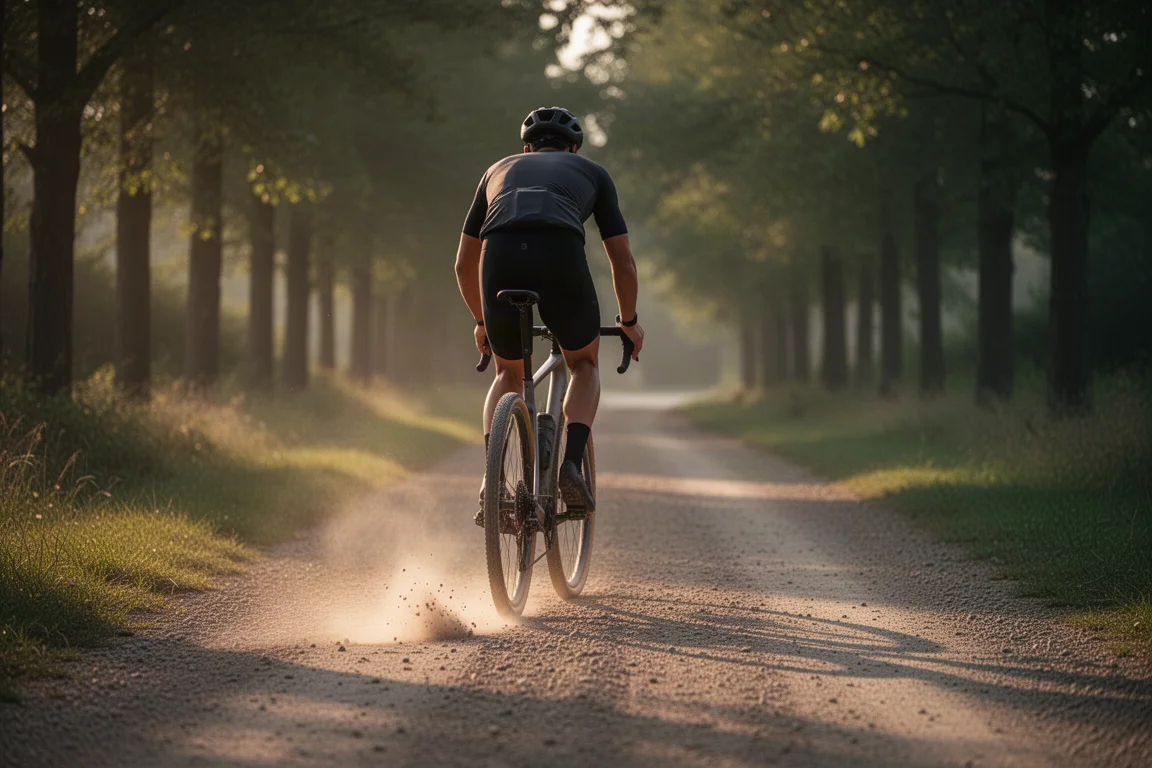
Each of those bikes was chosen by a rider with a genuinely different route in mind: a traffic-free off-road line, a mixed surface route that avoids the worst roads, and the fastest tarmac line available. That is the honest way to judge a commuter bike, because the best bike for one commute is rarely the best bike for the next one.
How We Chose These Commuter Bikes
The three bikes were each ridden to work on a route of roughly 20 km from start to finish, with every rider free to pick their own way there. On a bike, unlike in a car, the same journey can be ridden a dozen different ways depending on time, weather, or simply your mood that morning. Any useful comparison has to account for that freedom rather than pretend it does not exist.
Practicality came first. A commuter bike needs to work properly in the rain, keep your back and feet dry, and stay comfortable for the length of the ride. Versatility came next, because the surface you ride on decides how much of the journey is enjoyable and how much is simply endured. Speed matters as well, but it is not the only measure of a good commute. Arriving relaxed, in ordinary clothes, without needing a shower is worth a great deal, and it is the reason a slower route can still be the better route.
Ribble Gravel SL: A Gravel Bike for the Daily Ride
The Gravel SL is a lightweight gravel bike that stays quick on tarmac and remains capable once the surface turns rough. Drop handlebars keep it efficient over longer distances, there is generous tyre clearance for wider rubber, and mudguards are part of the package. That combination makes it a genuine all-weather commuter rather than a fair-weather toy.
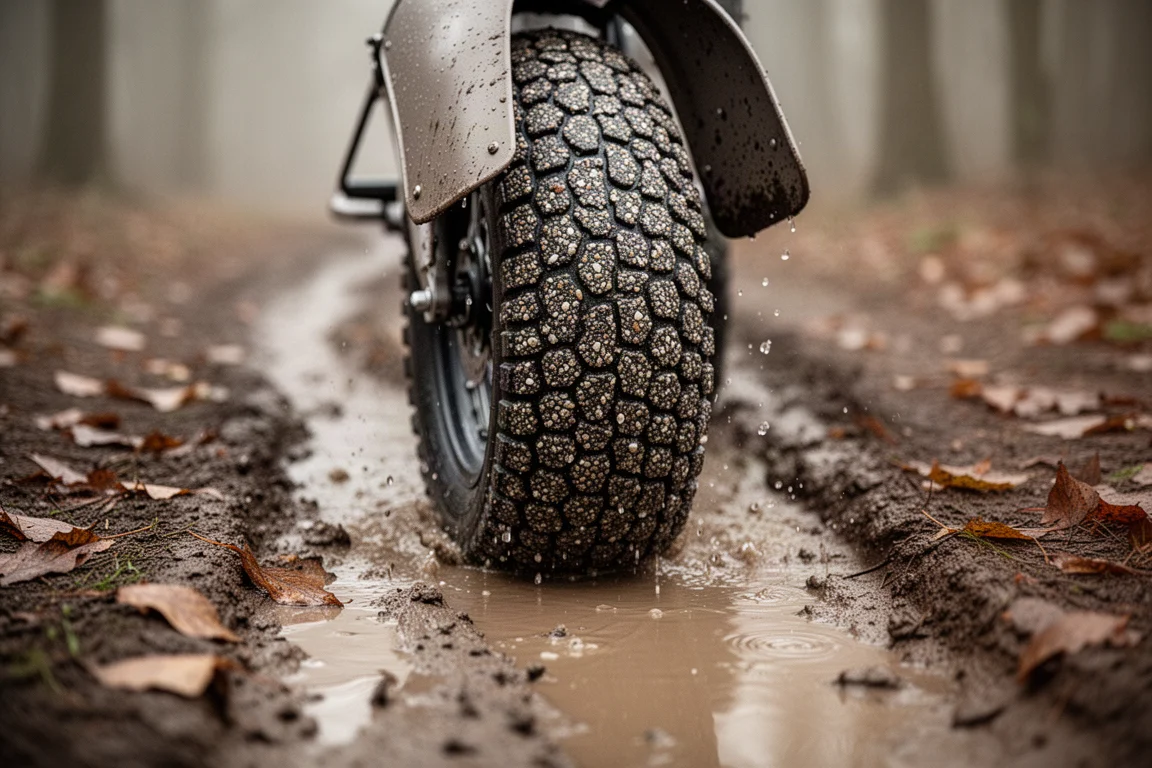
Riding it off-road changes the character of a commute entirely. A route through fields and tracks takes longer than the direct line and usually means leaving the house half an hour earlier, but it removes almost all contact with traffic and delivers you to work with a much calmer head. Mudguards matter more than most riders expect: a bike that keeps your back and feet dry is the difference between commuting in ordinary clothes and needing a full change at the other end.
The trade-offs are straightforward. The off-road line is slower than the road route, and on rocky descents a mountain bike would be the better tool, though it would then be a drag across the preceding road miles. For a rider who wants one bike that can do a fast road commute on Monday and a gravel commute on Tuesday, this is a strong answer.
Ribble CGR: The Do-It-All Option
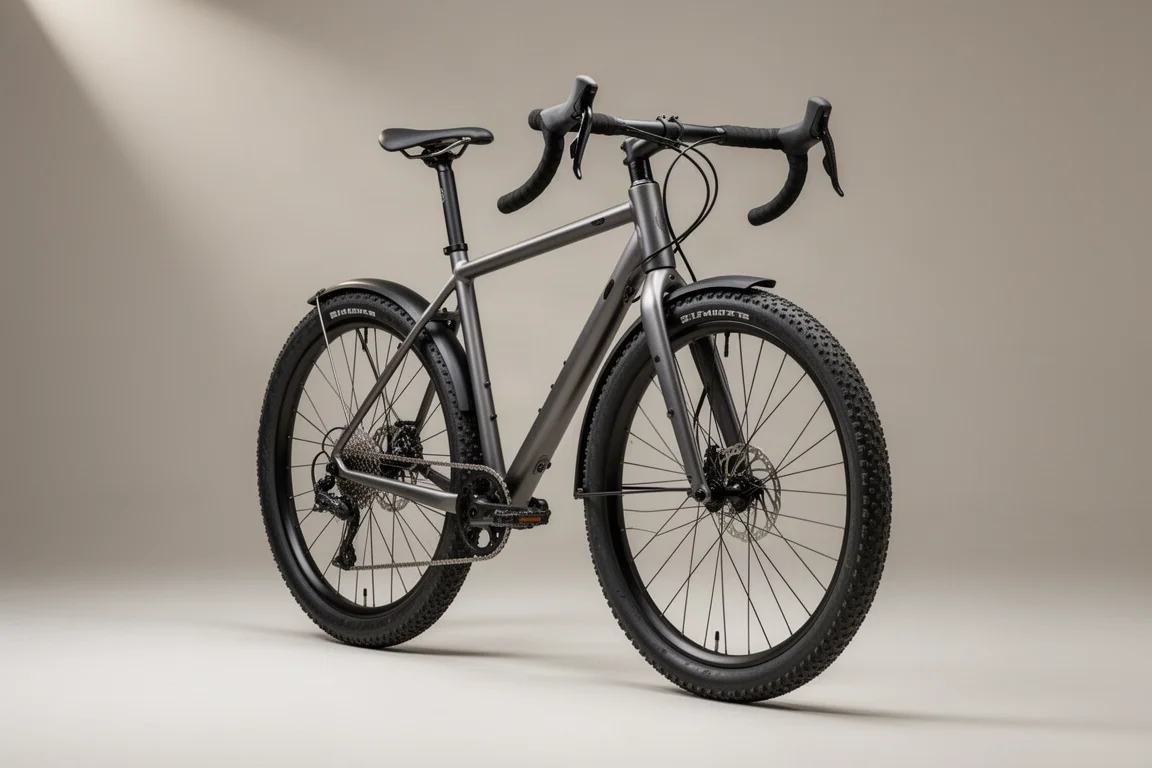
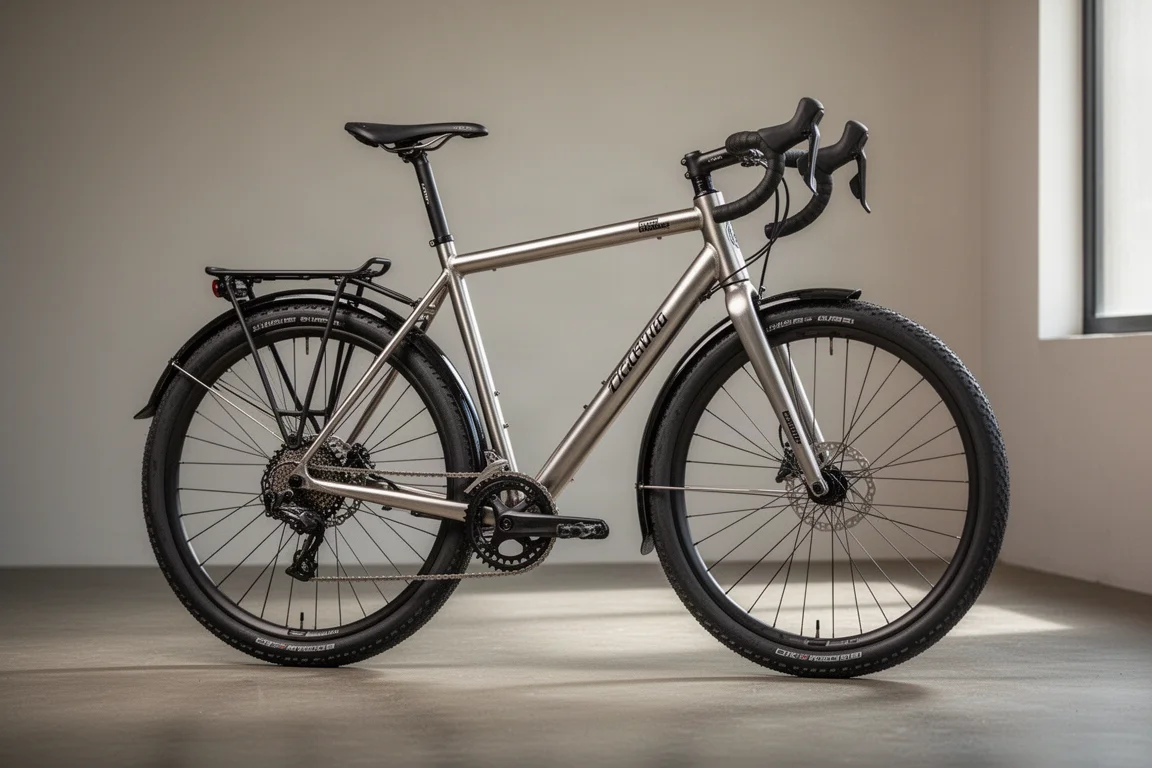
The CGR is the versatile one. Fit narrow tyres and it behaves like a road bike; fit wider, chunkier tyres and it becomes a gravel bike. That flexibility is the whole point, and it is the reason this model suits the largest number of commuters. If you only want to own one bike and you are not certain what your commute will look like in a year, this is the sensible place to start.
Year-round usability is where it earns its place. Mudguards are part of the setup, titanium was called out as a plus, and the bike can be whatever the day requires. On a commute where the shortest route matters, it stays efficient on tarmac without giving up the option of a mixed surface detour when the weather is good and you have time to spare.
The compromises are the usual ones for an all-rounder. It is not as quick as a dedicated aero road bike, and it will not match a purpose-built gravel bike on the roughest descents. What it does is cover both jobs competently, which is exactly what most riders actually need from a bike they ride five days a week.
Ribble Ultra SLR: Aero Speed for the Road
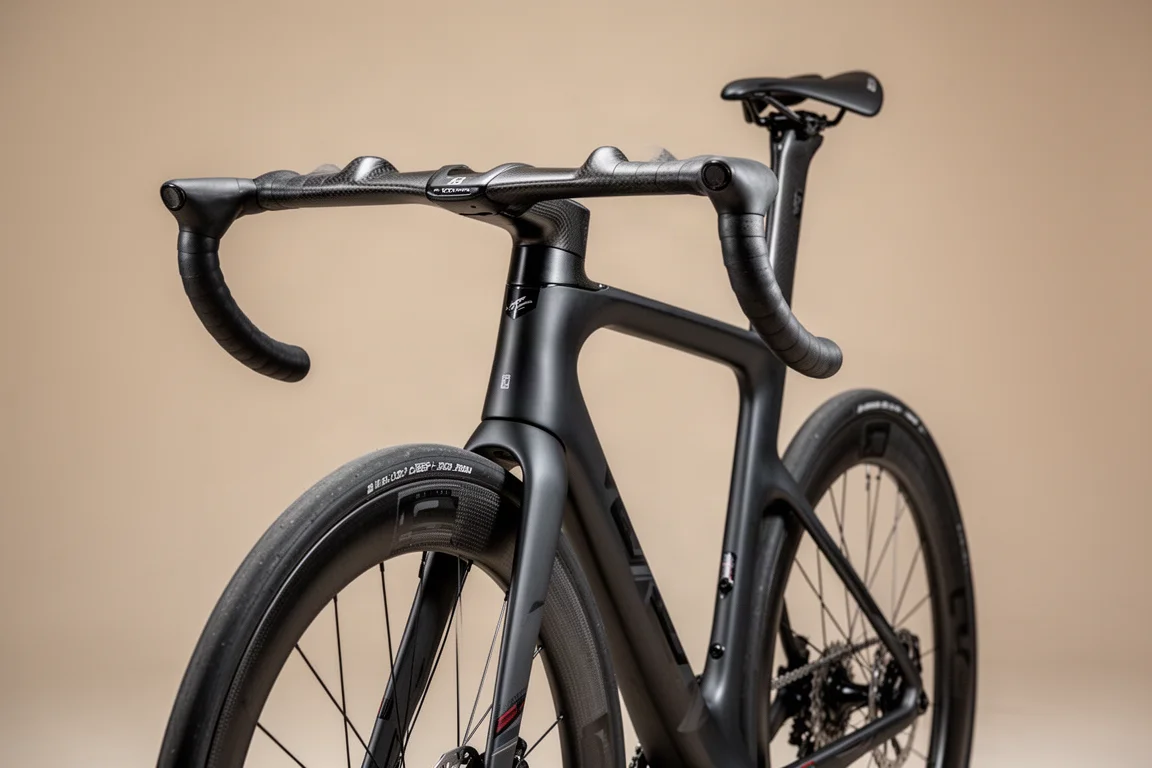
The Ultra SLR is an aero road bike built for pure speed. It carries the aero features and the design thinking of the top-spec model in the range, and the custom paint finish makes it look as quick as it feels under power. On smooth tarmac it is the most efficient way to cover a fixed distance, and that efficiency is what makes a longer, quieter route viable on the way to work.
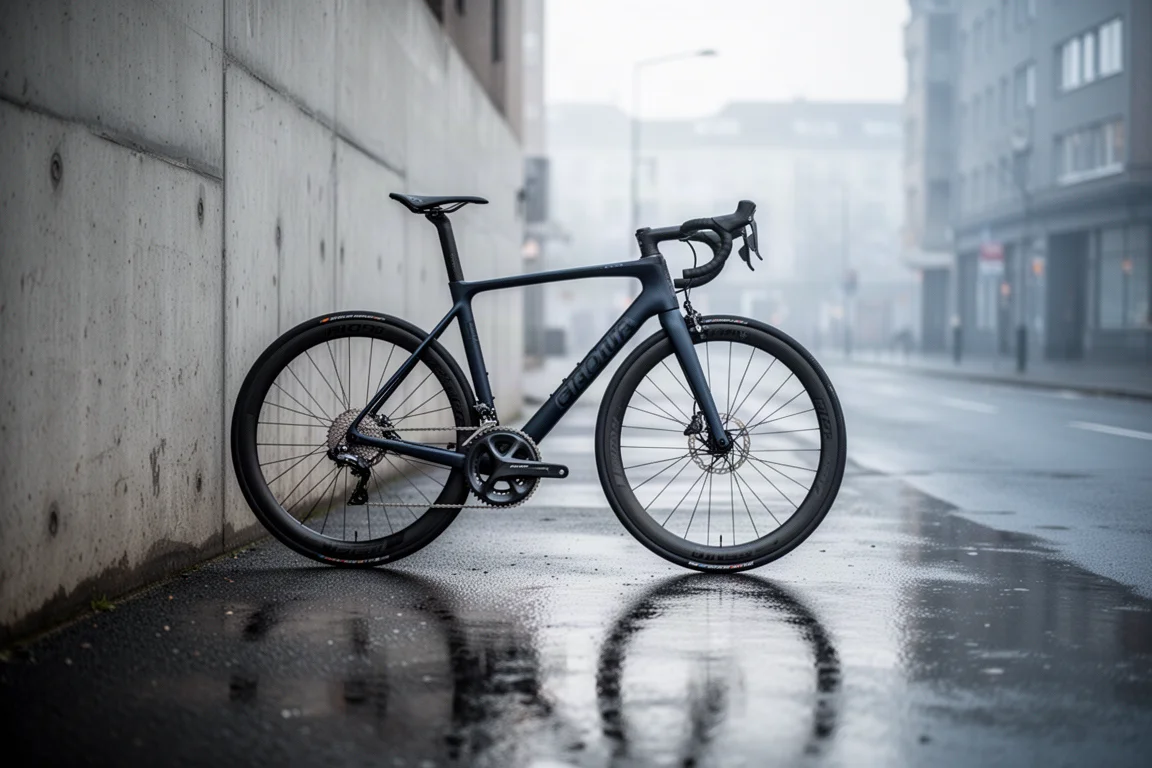
An entry build with those aero features was quoted at £4,400, which sounds like a great deal of money for a bicycle until you compare it with a used car. Set against fuel costs and the price of a train ticket on a short route, the numbers stop looking unreasonable, and the ride is considerably more enjoyable than sitting in traffic in the rain.
The one honest reservation is that a bike this special can feel too good for a wet Monday. Some riders will prefer to keep it for weekend rides and use something more utilitarian for the daily grind. That is a preference rather than a limitation, because it can be ridden to work every day and maintained at a fraction of the cost of running a car.
Practical Considerations for Any Commuter
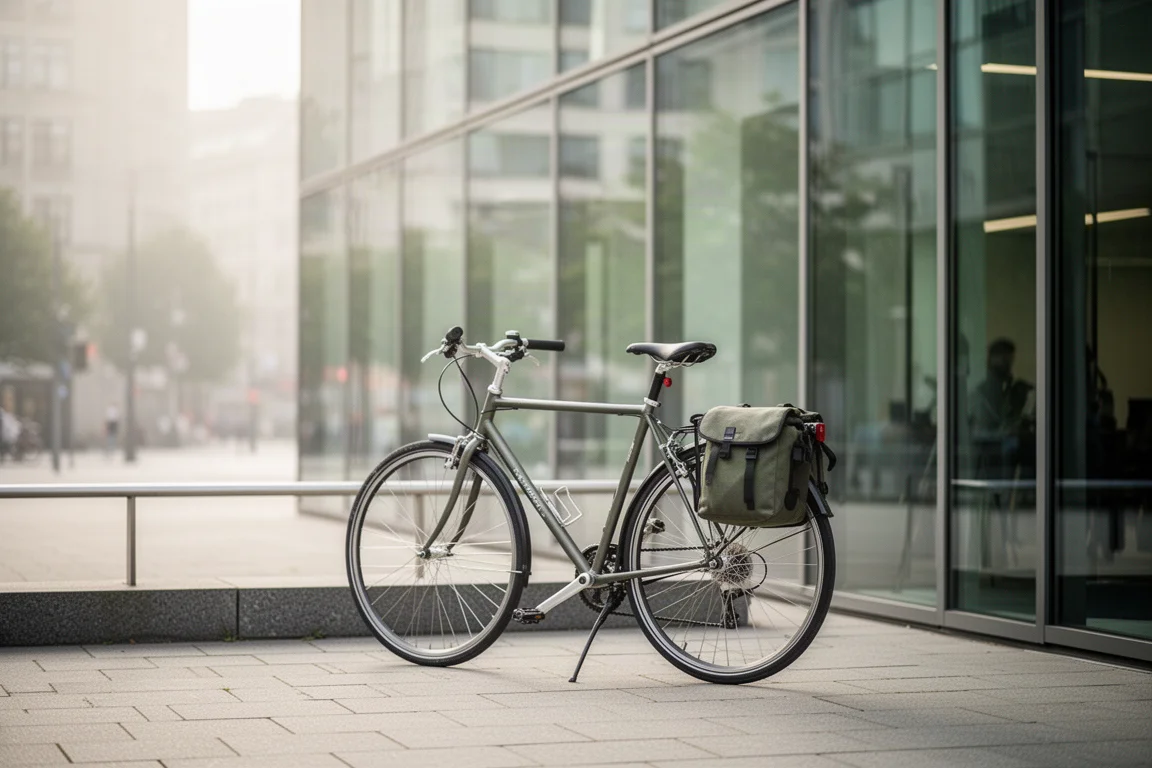
Luggage decides more commutes than frame material does. Carrying a load on the bike rather than on your back makes a 20 km ride noticeably more comfortable, and rack or pannier mounts are worth checking before you buy. The alternative is arriving with a sweaty back, which is fine if your office has a shower and considerably less fine if it does not.
Motor assistance is the other practical route. A bike with a motor lets almost anyone cover 20 to 25 km at a steady pace without turning up exhausted, and the health benefits of gentle assisted riding are still real. Cruising a bike path at a relaxed 25 km/h is a very different experience from racing traffic, and for plenty of riders it is the version of commuting that actually sticks.
Overall Buying Advice
The right answer depends on how much effort you want to put in and how many bikes you are prepared to own. If the goal is to cover a longer commute without arriving in need of a shower, motor assistance is the most accessible option, and it opens up commuting to riders who would otherwise rule it out entirely.
If you want a single bike that handles almost everything, the CGR is the safest choice. Most riders spend the majority of their time on tarmac and a minority on rougher surfaces, and an all-rounder matches that split without asking you to commit to one discipline. It also keeps working through winter, thanks to mudguards and the freedom to change tyre widths as the seasons change.
If you are in the fortunate position of owning two bikes, the split becomes simple: the Gravel SL for the days when you want to leave the traffic behind altogether, and the Ultra SLR for the days when you want to get there as quickly as possible. Both are excellent at their own job, and neither is trying to be the other.
Conclusion
There is no single best commuter bike, only the best bike for the commute you actually ride. The Gravel SL rewards riders who can trade a little time for a calmer, traffic-free route. The CGR is the pragmatic choice for one bike that covers both road and gravel. The Ultra SLR is for riders who want every ride to feel fast. Match the bike to your route and your mornings, and the rest of the decision becomes easy.
Further reading
Related Reviews
Commuter Bikes
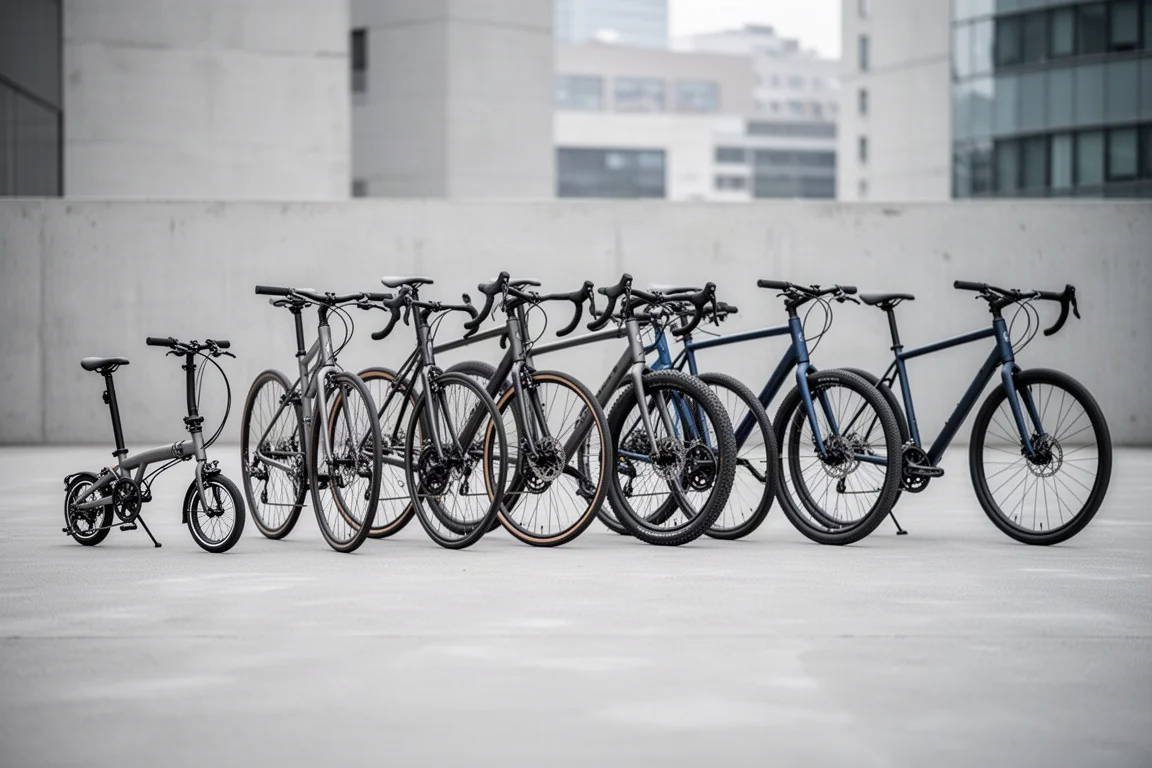
Best Commuter Bikes 2026: Seven Practical Options for Every Kind of Ride
From folding portability to all-weather gravel capability, seven commuter bikes matched to different daily routines and terrain.

Backpacking Gear
Building a 10 lb Base Weight: An Ultralight Backpacking Gear List
A practical walkthrough of the ultralight pieces behind a 10 lb base weight, from a 765 g pack and a roomy one-person tent to a full camp chair and a dependable water filter.

Road Bikes
10 New Road Bikes Worth Watching: Aero, Titanium, Steel and Endurance Standouts
A practical roundup of 10 new road bikes, from aero flagships chasing single-watt gains to titanium, steel and endurance platforms built for real roads.