Cycling
Best Commuter Bike Guide: Long Haul, Short Haul, and Two Bikes That Show the Difference
A practical guide to choosing a commuter bike, with a closer look at the Ora DM electric town bike and the Brompton folding bike.
Introduction
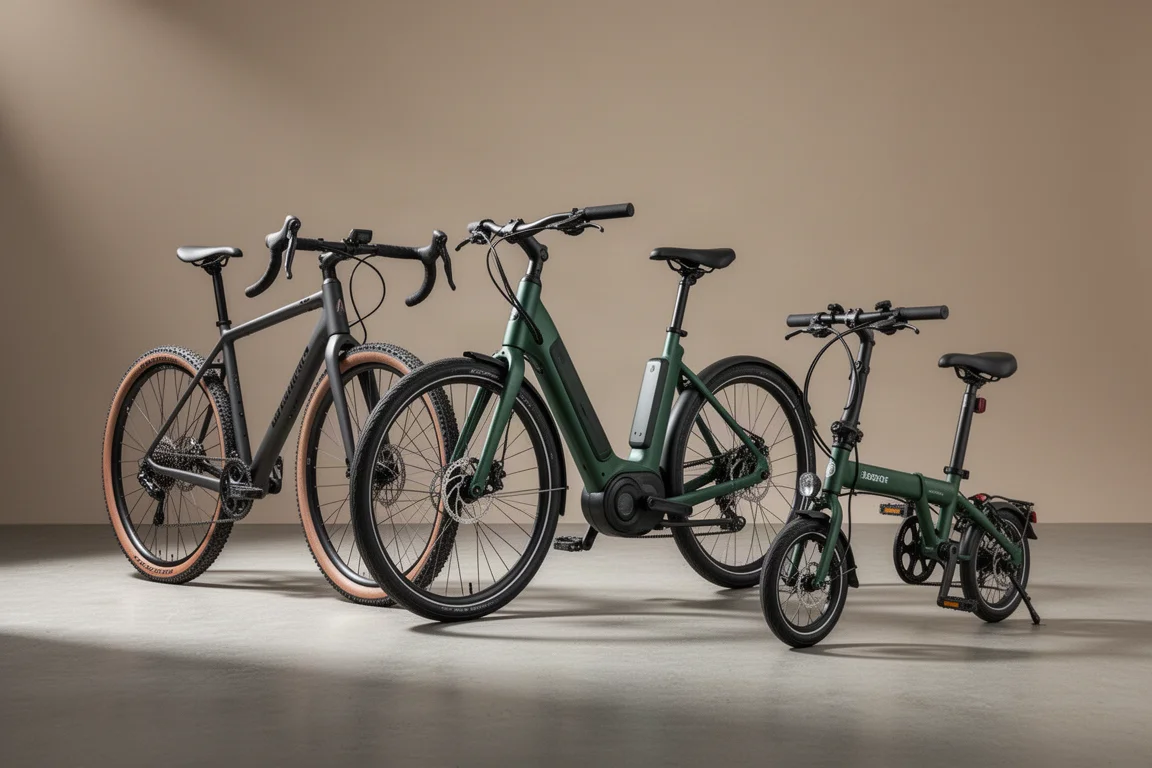
Choosing a commuter bike can feel like an impossible question, because there is no single correct answer. A town bike, an ebike, a cargo bike, a gravel bike, a folding bike, a fixie, and a reconditioned vintage mountain bike can all be the right bike for someone. The deciding factor is not which design is objectively best, but which bike fits the way you actually travel.
This guide splits commuter bikes into two broad groups: long haul bikes that suit longer journeys, and short haul bikes that suit zipping around a town or city. From there, it looks at which designs tend to work best in each group, and at two specific machines that show the strengths of the electric town bike and the folding bike.
How to Choose the Right Commuter Bike
Before looking at frame styles, it helps to answer a few practical questions. What is your budget? How far do you need to ride, and is the route flat or hilly? What do you need to take with you? And what kind of riding do you actually enjoy?
Those answers do most of the work. If your commute is long, efficiency and comfort over distance matter most. If it is short, comfort, practicality, and style become far more important than outright speed. Budget shapes how much technology you can bring in, and carrying requirements decide whether a rack, a pannier, or a much larger platform is needed.
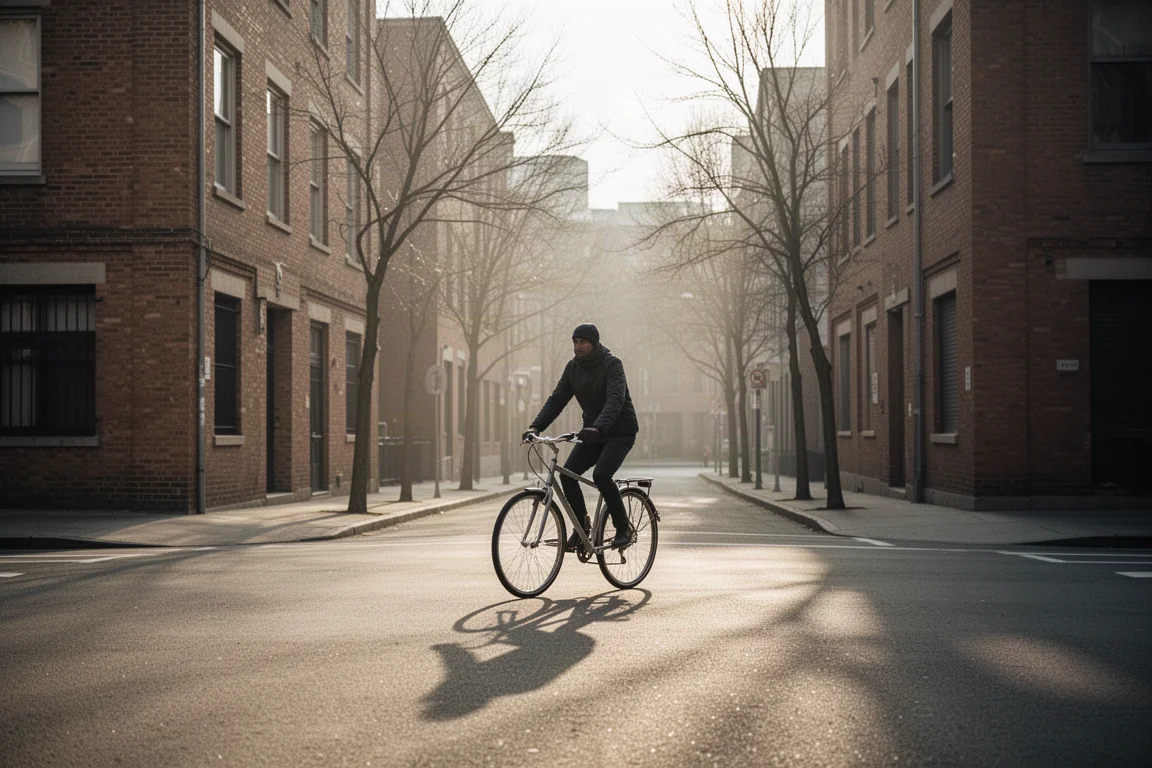
A useful rough dividing line is around 30 minutes of riding, which for many riders equates to roughly 10 km or 6 miles. That line is blurred and arbitrary, and your own version of it might sit higher or lower. It is still a helpful way to start narrowing the field.
Long Haul Commutes: Road, Gravel, and Hybrid Bikes
Setting ebikes aside for a moment, the fastest and most efficient commuter bikes are usually the least comfortable, or at least the ones that take the most getting used to. That trade-off tends to matter less on a long commute, partly because riders covering longer distances are often more experienced, and partly because anyone who is not experienced will become experienced fairly quickly.
A road bike makes sense here. A gravel bike often makes even more sense, because it allows wider and more comfortable tires, and usually leaves room for mudguards or fenders and a pannier rack. Both use drop handlebars, which are the most efficient option, though they are not strictly necessary.
A hybrid bike with a straight handlebar gives most of the benefits of a road or gravel bike while placing the rider in a more upright and comfortable position. It is still less efficient, so a 10 km commute will feel slightly harder. For the majority of riders covering 10 km or more, a gravel bike is the sensible middle ground: slightly slower than a road bike, noticeably more comfortable, and far more versatile.
There is also a simple point worth remembering. Bikes are fun and riding is fun, so choosing a bike because you like it is a perfectly valid reason to commute on it. There are very few rights and wrongs here, only what works for you.
Short Haul Commutes: Town Bikes and City Bikes
If your commute is 30 minutes or less, a much wider range of bikes becomes practical. This is where comfort, ease of use, and looks can take priority over efficiency.
A traditional town bike is comfortable, easy to ride, and relatively inexpensive, and there is always a large supply available secondhand. The catch is that this type of bike is slower. Put in the same effort and you get less out, distances feel harder to cover, and they really do not like hills. For short, flat rides they are excellent, and for anything else an electric version changes the picture entirely.
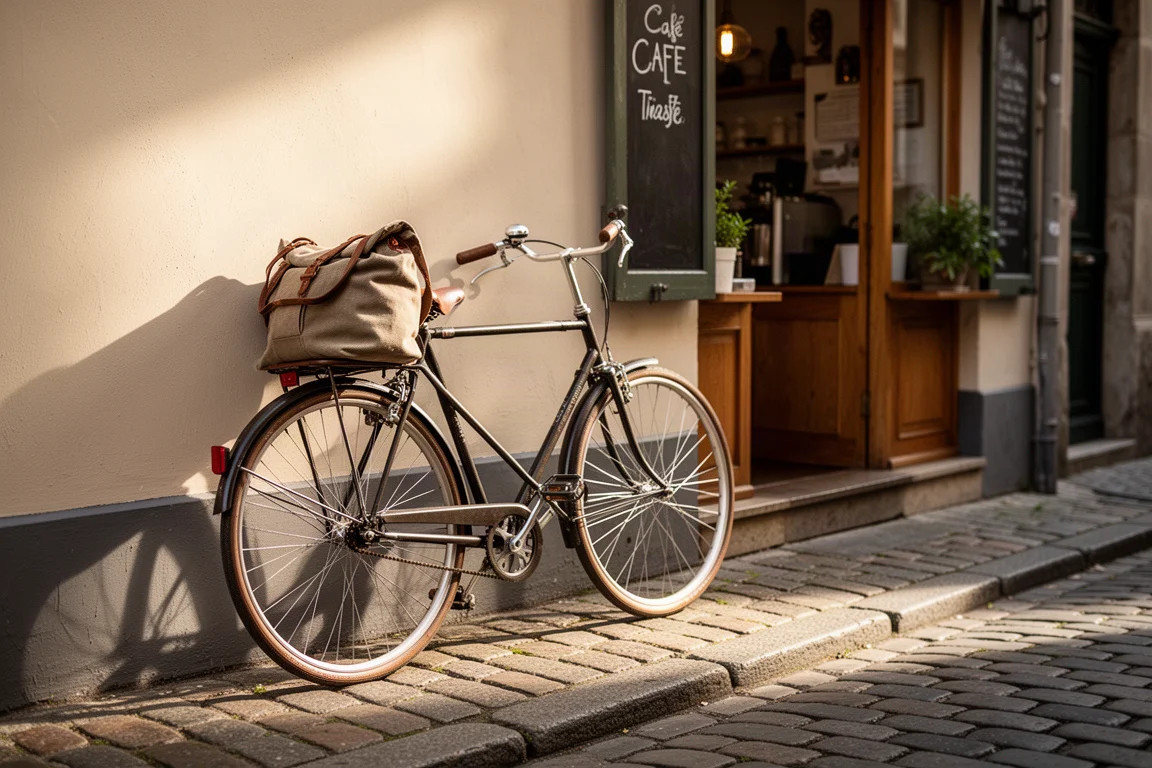
Fixies and reconditioned vintage mountain bikes are inexpensive, reliable, and cheap to run. A fixie is not the most beginner-friendly choice, but for many riders these simple bikes are the ultimate way to flit around a city. They are fast and a lot of fun. Compared with an ebike they ask for more fitness, so they are not the most accessible option, though a vintage mountain bike is about as accessible as it gets.
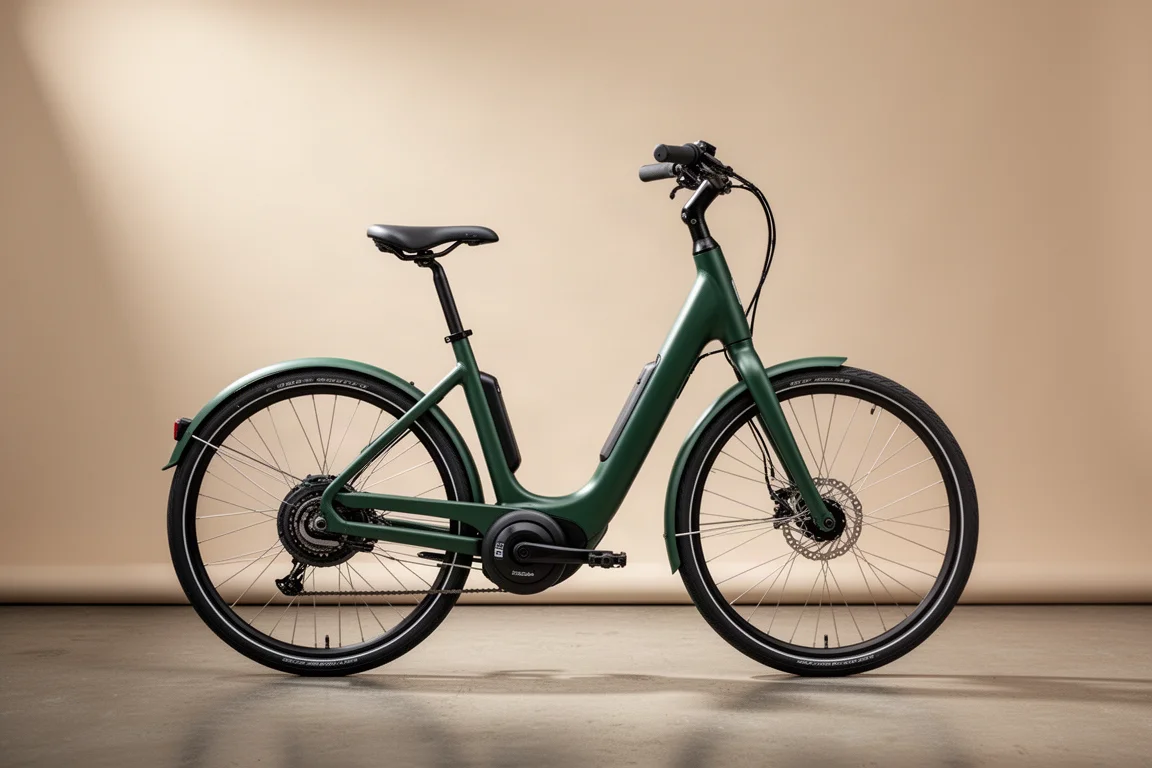
Best Electric Town Bike: Ora DM
The Ora DM is an electric town bike, and it shows what a motor does for this whole category. It keeps the style, comfort, and ease of use of a traditional town bike, but the motor lets you ride quickly and sail up hills that a conventional town bike would struggle with. You can still put effort in if you want to, or you can sit back, let the motor do the work, and arrive as fresh as you left.
The technology brings practical details worth knowing. This example uses internal hub gears and a belt drive instead of a chain, which makes sense because weight matters less when the bike is assisted. There is a legal consideration too: in Europe and many other parts of the world, ebike motors must cut out once the bike exceeds 25 km per hour. You can still pedal faster under your own steam, but on some commutes the motor will help less than you might expect.
The main downsides are cost and complexity. Ebikes carry a premium because there is more technology and more material in them, and there is more to maintain over time. Prices are coming down, though, and for a hilly route or a rider who wants to arrive without getting hot and sweaty, the trade-off is often worth it. Long term reliability can be good: one owner reported two and a half years of riding with no issues with the battery, the motor, or any other part of the bike.
Best Folding Bike: Brompton
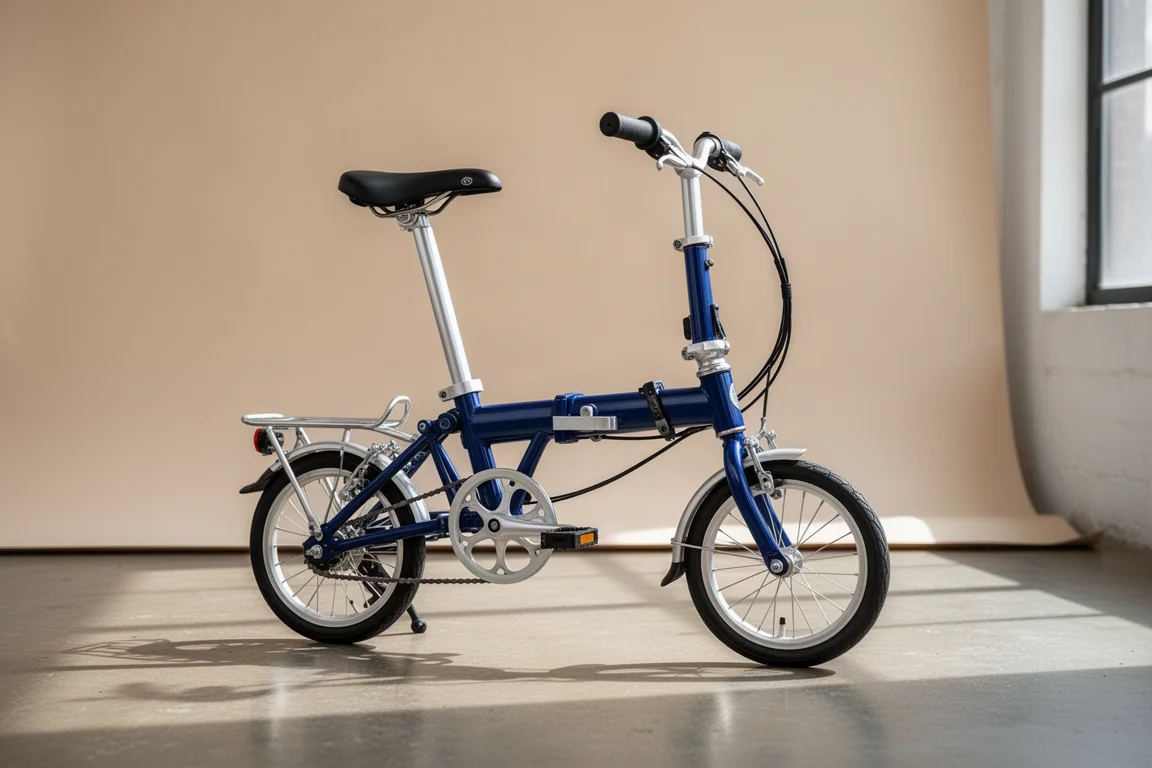
The Brompton is a folding bike and a modern-day icon of the format. It suits a commute of 30 minutes or less particularly well, although plenty of people ride much further on them every day. Where a folding bike becomes an obvious choice is a commute that mixes riding with public transport. Folding down quickly and compactly means it can go on a bus or a train without drama.
Storage is the other strong argument. A folding bike takes up very little room at home, which matters if space is tight or if carrying a bike up and down stairs is part of the daily routine. That last point deserves careful thought, because ebikes are always heavier and often larger than other types of bike, and a daily flight of stairs will make that difference obvious.
Cargo Bikes and Everyday Practicality
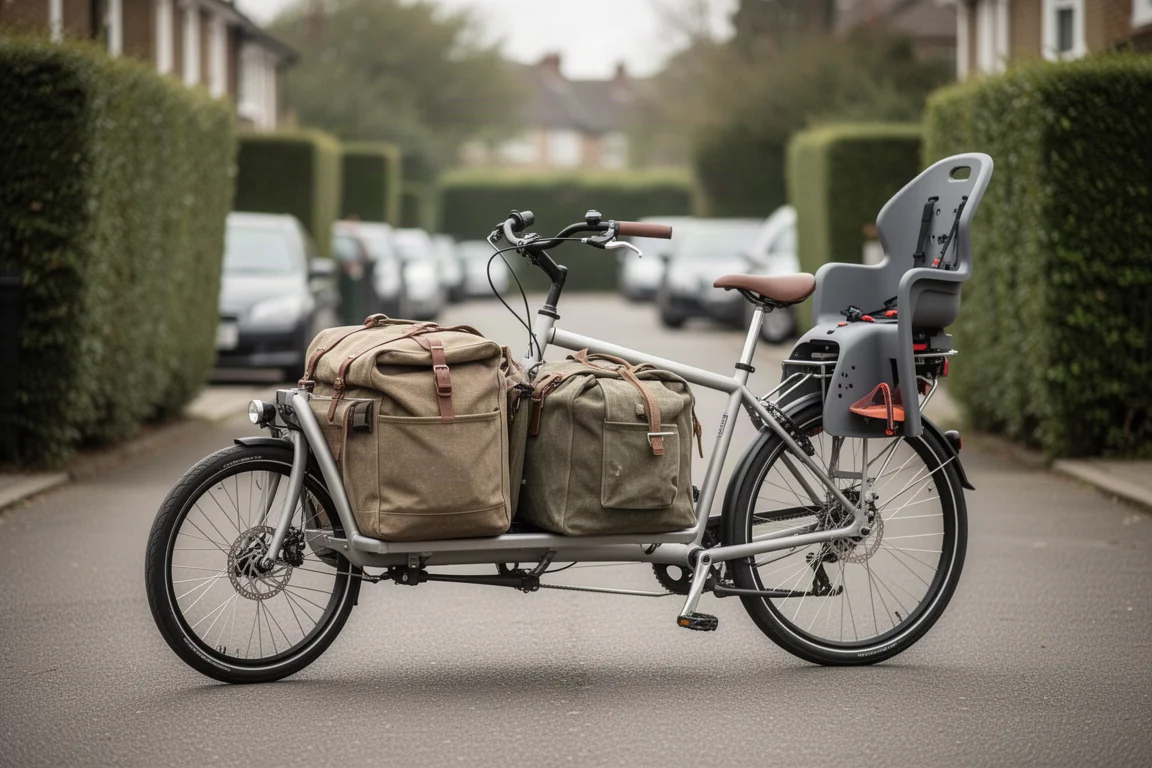
A cargo bike is the answer when you need to carry a lot of things or a lot of people. Two children can fit on the back of a cargo bike, and it is possible to carry children and luggage at the same time. Even a compact cargo bike is big, however, and they do not appreciate small storage spaces. Nor are they cheap, because there is a great deal going on.
Despite the motor, a cargo bike is not the most comfortable machine for rides longer than about 30 minutes at a time, although plenty of people do ride them for longer. If you have the money and the space, a cargo bike is a genuinely capable option.
Storage, Security, and Insurance
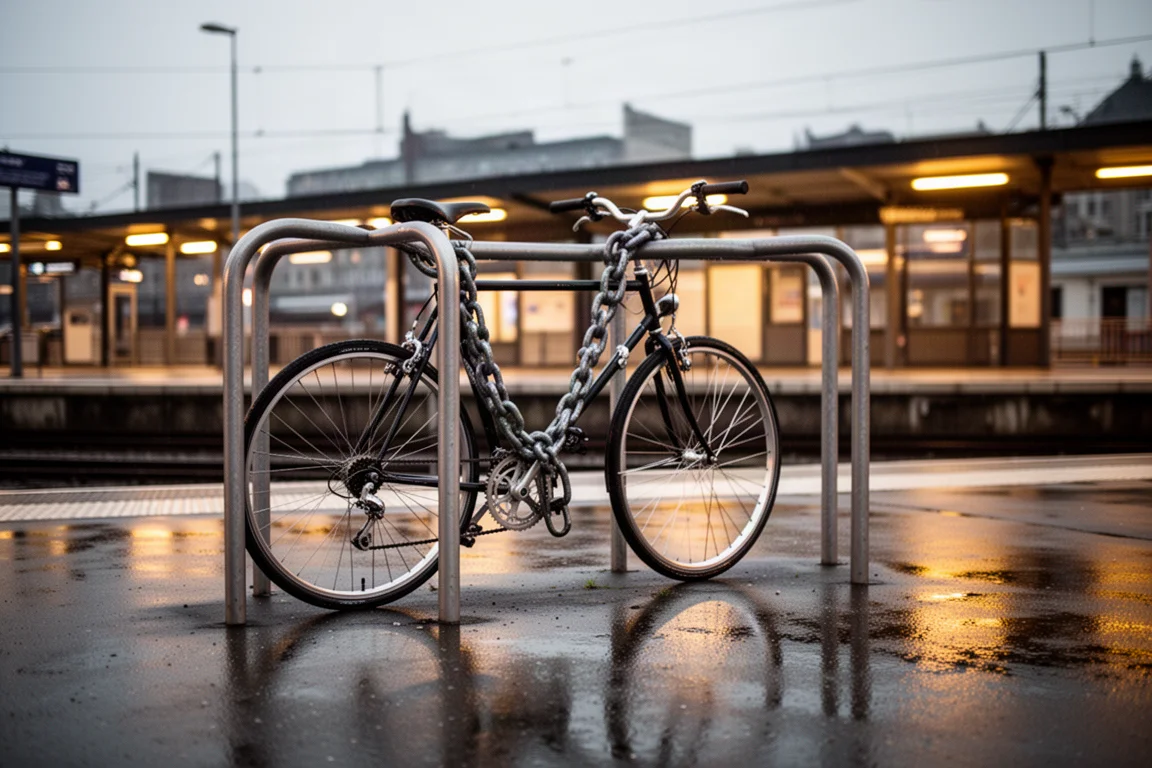
There is no point owning the perfect commuter bike if you cannot do anything with it when you arrive. Secure storage matters at both ends of the journey, at home and at your destination, and if you have an expensive bike, paying for insurance is a worthwhile investment that buys peace of mind when you leave it locked up.
This is also where inexpensive bikes earn their place. There is something genuinely brilliant about owning a bike you are not afraid to leave locked outside a pub or a shop, and a cheap fixie or vintage mountain bike can be worth far more than its asking price for exactly that reason.
Overall Buying Advice
Start by deciding whether your commute is long haul or short haul. If it is long haul, make efficiency the priority. A road bike is good, a gravel bike is even better for the added practicality and versatility, and drop handlebars are the most efficient option even though a flat handlebar is perfectly acceptable if comfort matters more to you. If your route is particularly hilly, an ebike is a strong option even on a longer commute.
If your commute is short haul, the field is wide open. Choose based on comfort, versatility, practicality, or simply style, and if your area is hilly or your budget allows, an ebike remains an excellent choice. You may not think you need a motor until you have one, and the effect is often that you ride more because it is that bit easier.
That leads to the most useful principle of all. The ultimate commuter bike is probably the one that gets you riding it the most.
Conclusion
There is no single best commuter bike, only the bike that fits your distance, terrain, budget, and carrying needs. Long haul riders should lean toward efficiency, with gravel bikes offering the strongest balance of speed, comfort, and versatility. Short haul riders can choose far more freely, and a motor makes real sense for anyone dealing with hills. Above all, pick the bike you will actually want to ride.
Further reading
Related Reviews
Cycling
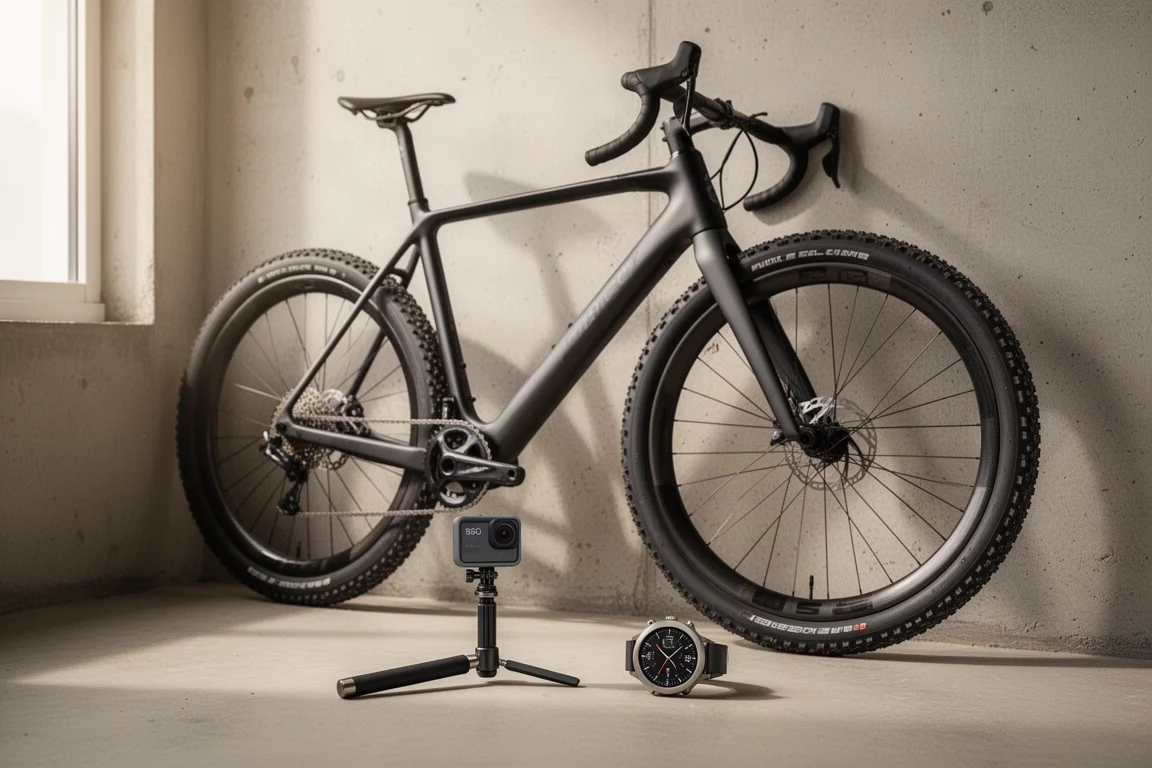
2026 Bike of the Year and the Cycling Gear Worth Watching
A drop bar roundup for 2026 covering the Ridley Kanzo Fast 2.0, Shimano Dura-Ace Di2 R9300, Trek Checkpoint ALR Gen 3, Specialized Tarmac SL9, Garmin Fenix 9 and Insta360 X6.
Cycling
Best All-Road Bikes 2026: Six Versatile Endurance Road Bikes Worth Considering
A practical look at six all-road and endurance road bikes, from lightweight carbon speed machines to steel all-rounders and comfort-focused mile eaters.
Cycling
Best All-Road Bikes 2026: 8 Endurance Bikes for Road and Light Gravel
Eight all-road bikes that blur the line between endurance road and light gravel, compared on tire clearance, ride character, practicality, and value.