Road Bikes
Best Climbing Road Bikes: Seven Lightweight Builds Worth Knowing
Seven lightweight road bikes built for going uphill fast, with the real weights, handling traits, and trade-offs to weigh before buying.
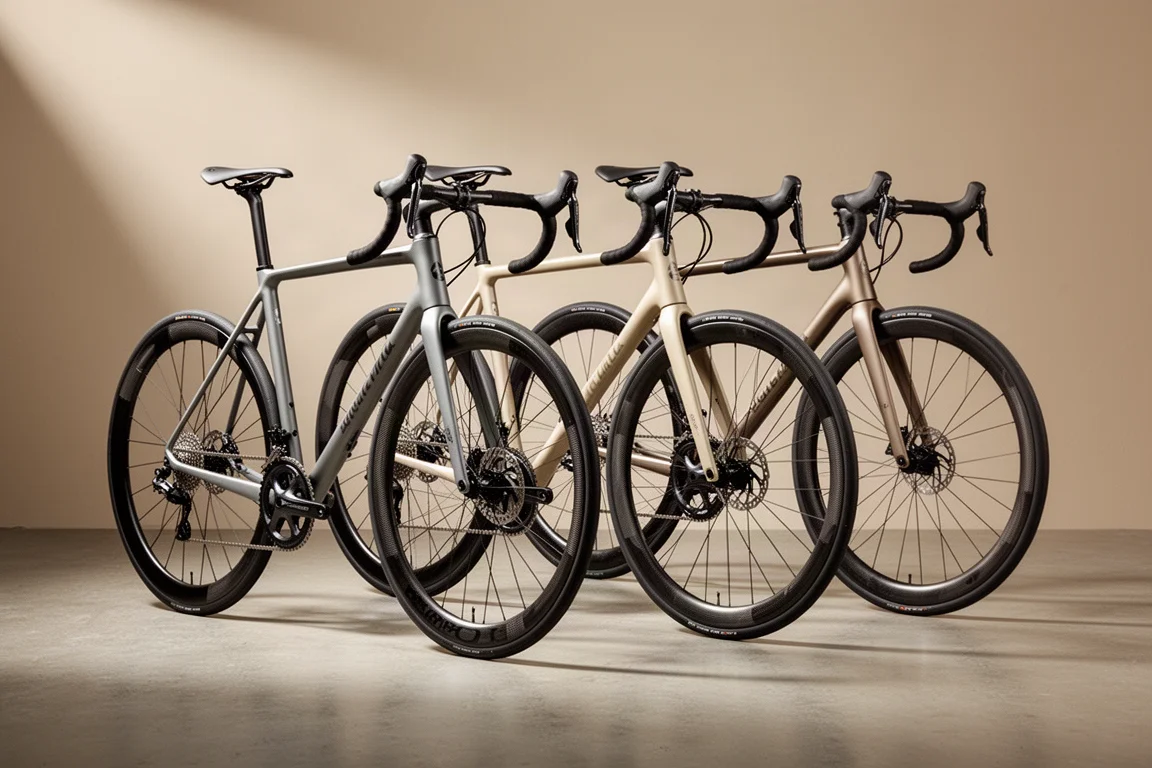
Introduction
Climbing bikes exist to do one thing well: go uphill fast. That means a stiff, agile frame and, above all, low weight. It is that last quality that also makes them expensive, so most riders will not be buying one this week. There is still plenty to learn from the current crop, though, because the lightest road bikes on the market show where frame design, components, and tyre choice are heading.
The seven bikes below all make credible claims about weight. Some chase outright grams, others balance low weight with aerodynamic shaping and descending confidence. Here is what each one does well, and where you should think carefully before committing.
What Separates a Great Climbing Bike
Every bike in this group starts with the frame. Manufacturers strip weight through new carbon layups, redesigned tube profiles, and in some cases in-house components such as wheels, handlebars, and seatposts. The result is a claimed build weight that can dip below the UCI minimum, which is why several of these bikes are described as UCI illegal rather than UCI legal.
Weight alone is not enough. A climb-focused bike that feels nervous on the way back down is a hard bike to live with. Handling, stiffness at the head tube and bottom bracket, and tyre clearance all matter, because they decide whether the bike is fun only on the ascent or on the whole ride.

Tyre choice has become part of the weight story too. Several of these bikes ship with lightweight rubber, and some arrive with tyres that are not yet widely available. It is worth checking what you are actually getting, since swapping tyres later changes both grip and weight.
Scott Addict RC Ultimate
The Addict has a long-standing reputation as a lightweight climbing bike, and in its fourth generation Scott set out to cement that title by releasing what it claims is the lightest production road bike in the world. The top Addict RC Ultimate build carries a claimed weight of 5.9 kg, which is remarkably light straight out of the box.
That figure comes from stripping weight out of the frame and components as far as possible. Scott designed an all-new carbon layup and redesigned parts to save grams, and its in-house component brand Syncros developed a new wheelset to keep weight down. The bike is also fitted with new tyres that are yet to officially reach the market, but are likely to appeal to hill climbers.
Low weight does not mean poor composure. Handling is planted and confidence inspiring, changing direction quickly without feeling skittish, which makes descending as enjoyable as climbing.
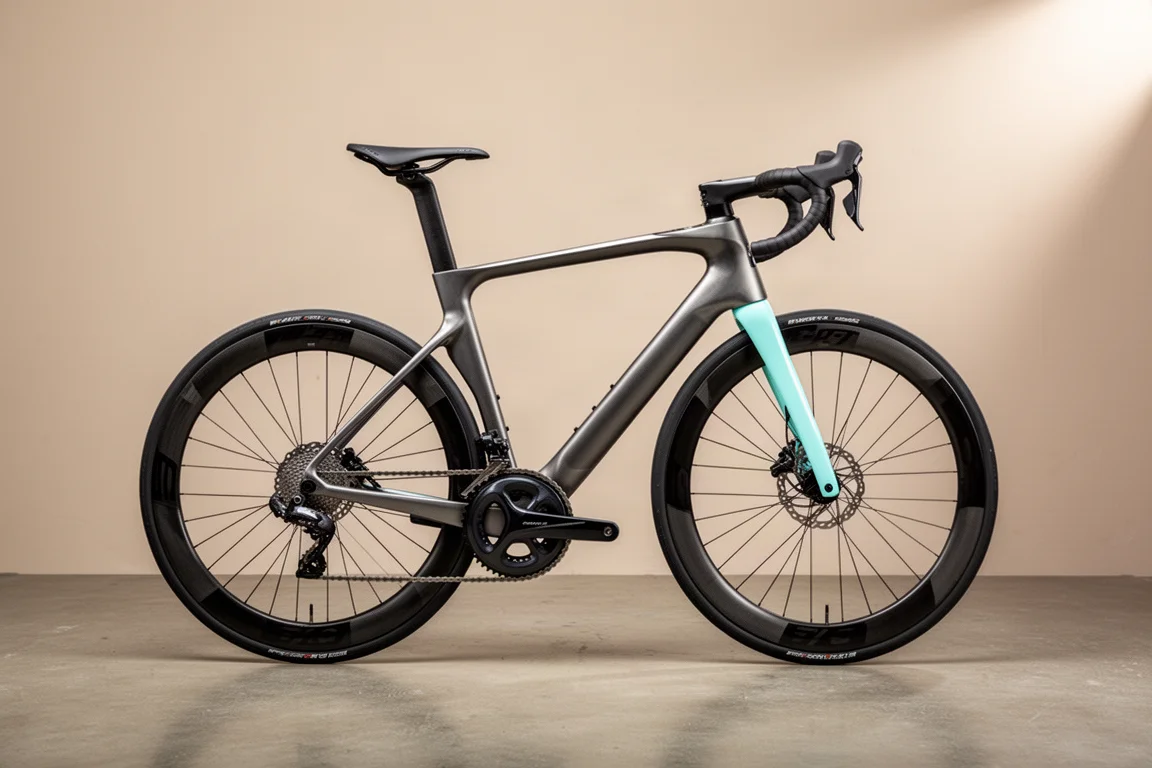
Wilier Verticale SLR
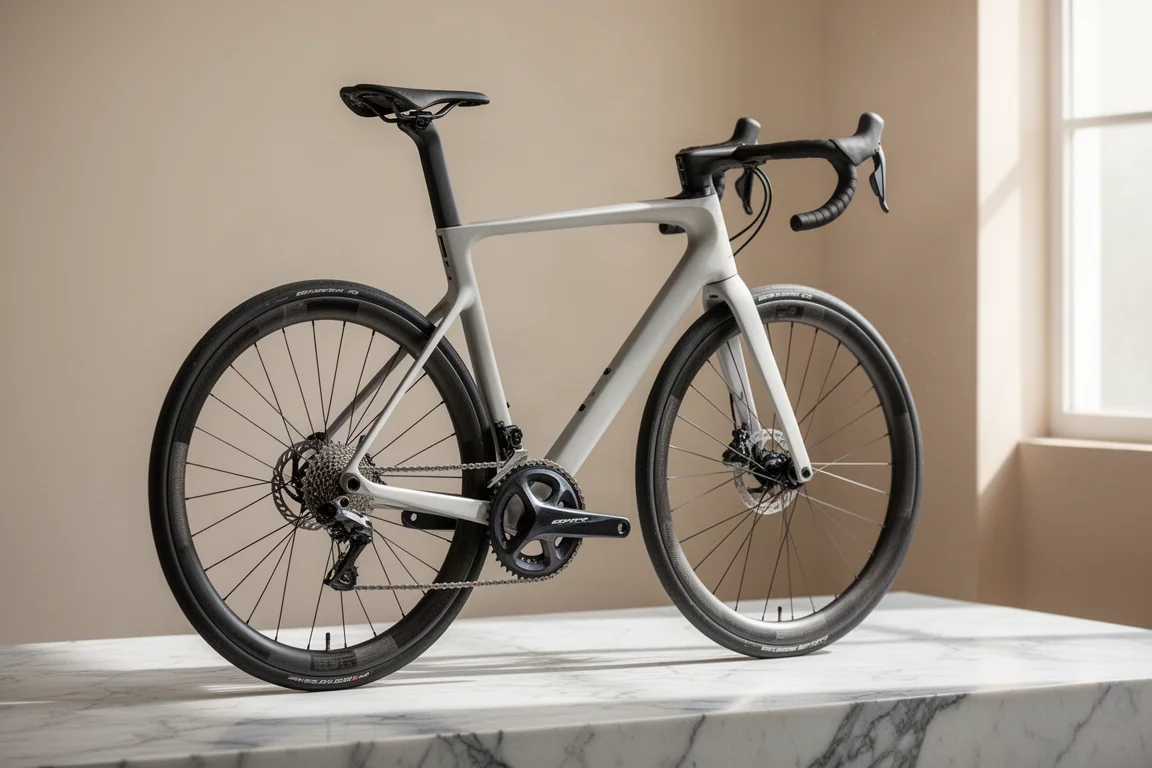
Launched just ahead of the 2024 Tour de France, the Verticale SLR replaces the Zero SLR and is claimed to have a frame around 10 percent lighter. It brings a new integrated handlebar, 32 mm tyre clearance, and revised geometry, with reach reduced on the smallest sizes and increased on the largest.
The standout feature is the new V-bar, which uses flared drops. The extra 30 mm of width at the drops should make descending more stable and controlled, while riders can still stay aerodynamic on the hoods. Combined with a slacker than usual head angle, this is a climbing bike that leans toward confidence and control on the way down.
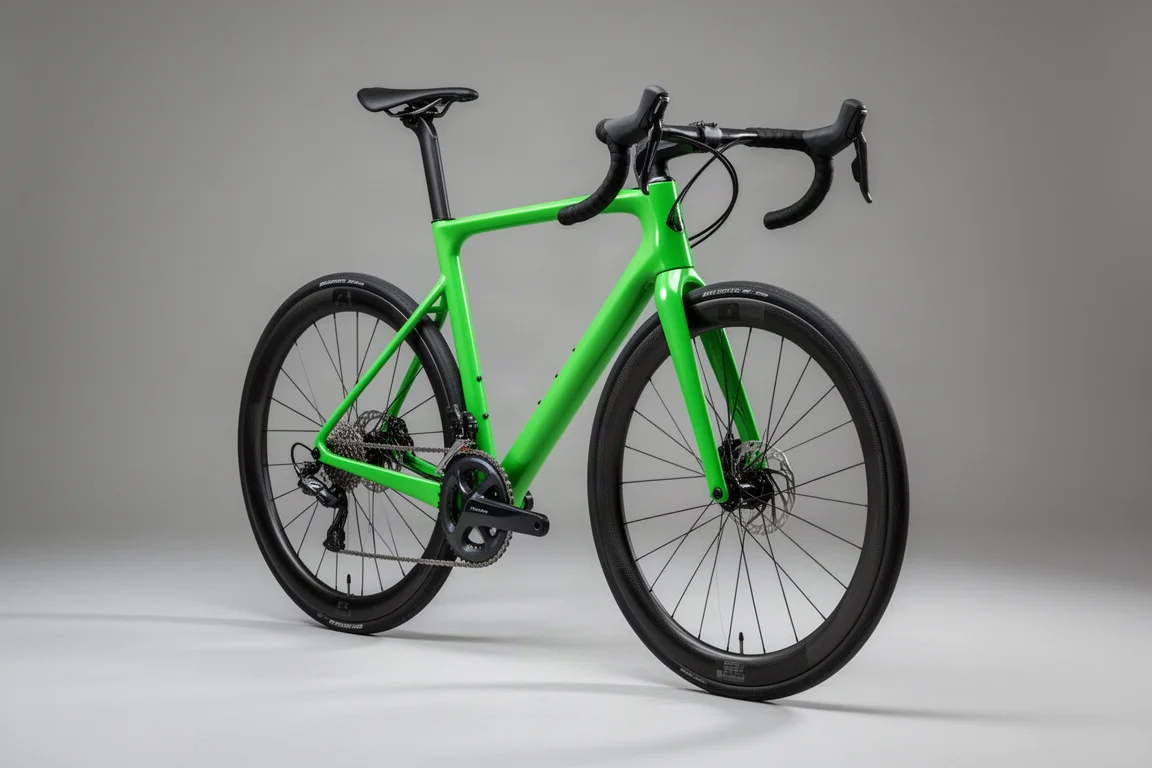
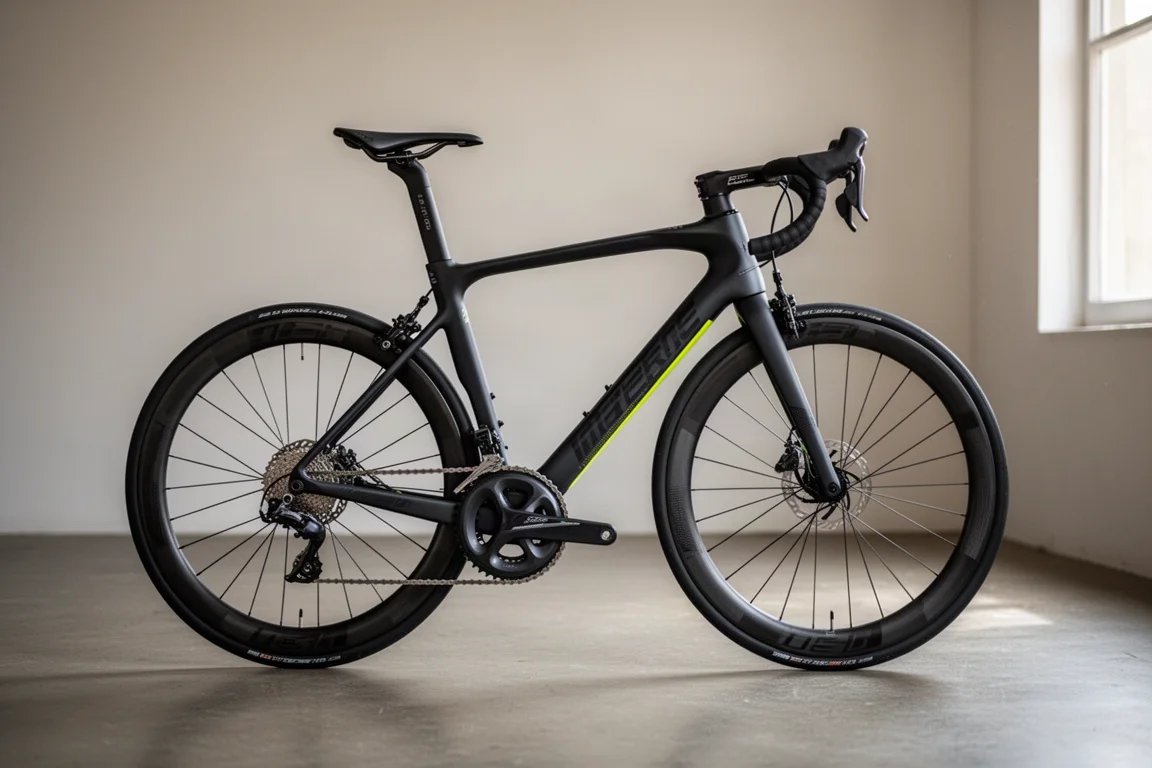
The top Dura-Ace build is finished in a bright green colourway that is hard to miss. If you want something that stands out and is a little easier to ride than the out-and-out race machines here, the Verticale SLR is worth a closer look.
Bianchi Specialissima
Still early in its product life cycle, the Specialissima carries a claimed weight for a size 55 cm frame that sits below the UCI limit. What makes that figure more impressive is that the bike also includes a set of aerodynamic features, so it is not purely a climbing machine.
The deeper tubes, sculpted shapes, and dropped seat stays mean it should also perform well on shallower gradients, and it can hold its own in a sprint. The look is more divisive than most, with unusual tube shapes and a Reparto Corse logo on the non-drive side down tube, but it holds the eye and avoids the usual cookie cutter road bike silhouette.
The Dura-Ace Di2 model is priced at the punchy end of the market. Some riders may also want to swap the stock tyres for something grippier, such as a pair of Continental GP 5000s. Overall, the Specialissima is as fast in the mountains as it is off them, which suits riders who want variety.
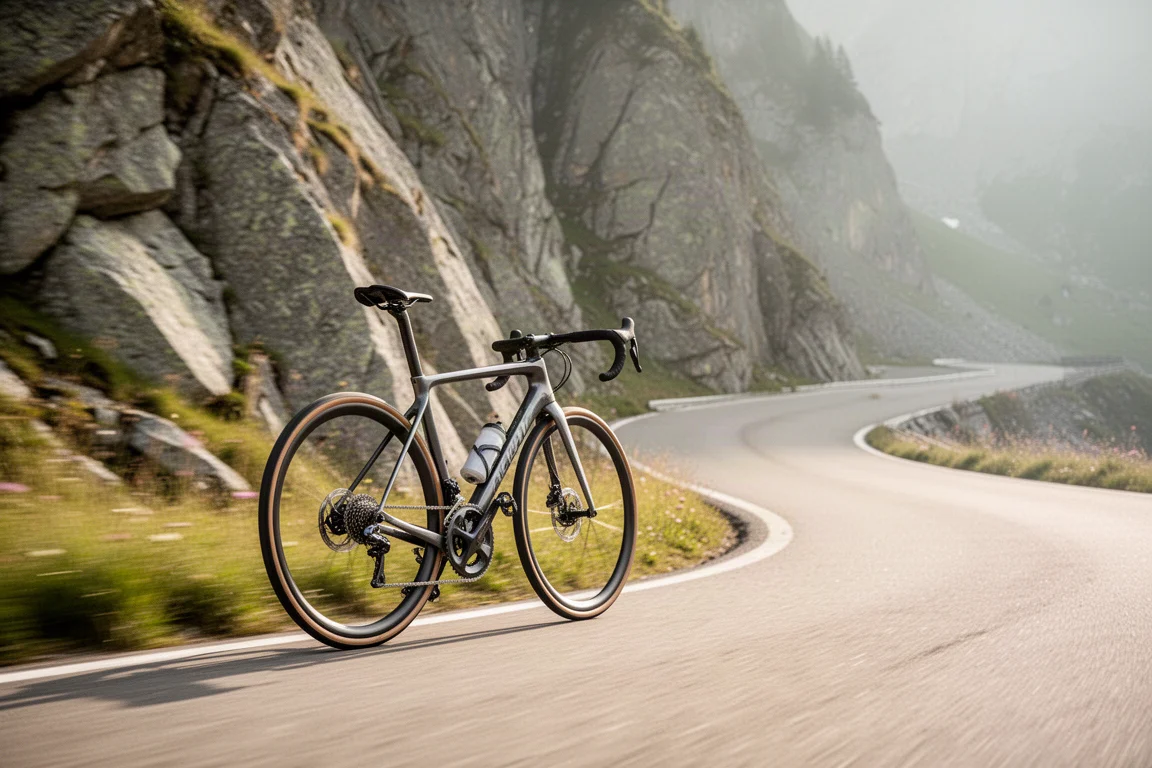
That blend of low weight and aerodynamic shaping makes this one of the more versatile options in the group, particularly for riders who split their time between long climbs and rolling terrain.
Specialized Aethos
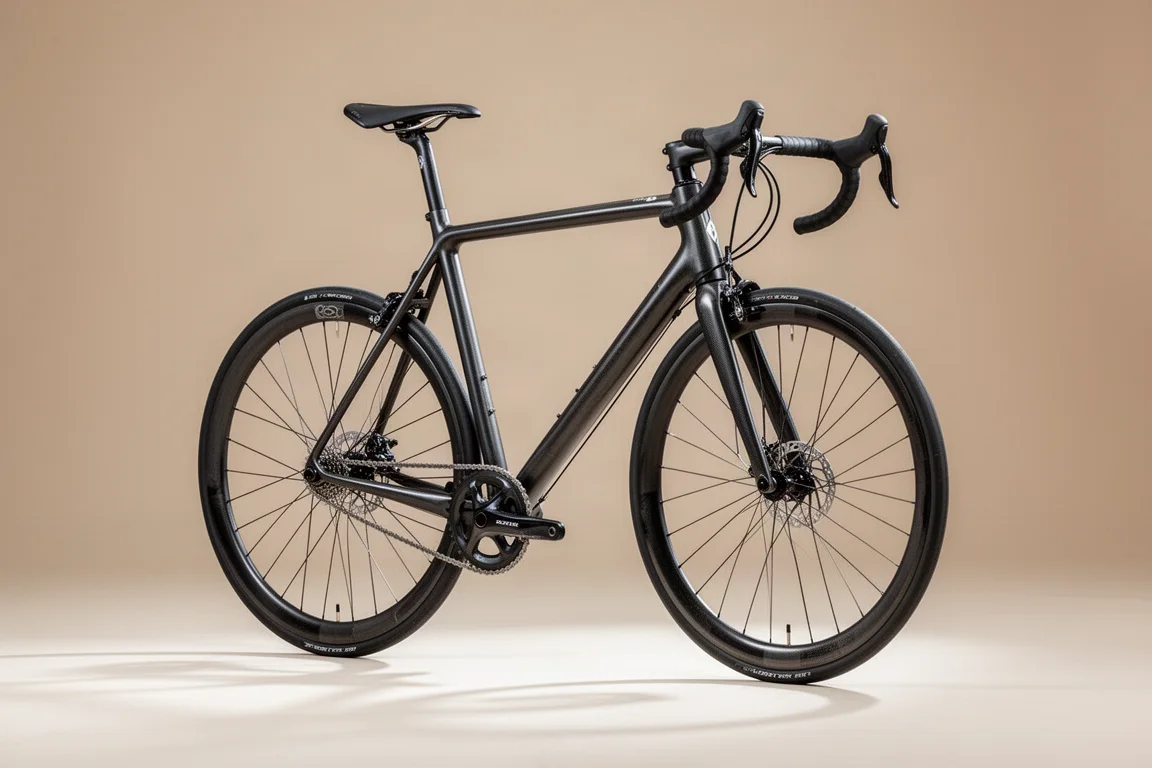
A stalwart of the climbing category, the Aethos has built a devoted following thanks to a sub-600 g frame, rounded tubes, and a classic double diamond shape. It sits at the heart of some genuinely inspiring custom builds, and even the stock versions impress.
Handling is a big part of the appeal, and so are the externally routed cables at the cockpit, which make maintenance easy. In effect, it is a modern take on a classic road bike, built on an if it ain’t broke approach. Light weight and simple servicing are strong reasons to like it, but do not underestimate its versatility: long distances, short climbs, fast group rides, and town sign sprints are all within reach.
Across the range, Aethos builds rank well on specification versus weight, often making them the lightest bike available in their price band. Weight-obsessed riders will look at the S-Works model with the SRAM Red groupset, which carries a claimed 6.34 kg weight and a price of around £12,000.
Giant TCR
Launched in March, the update to the much-loved TCR arrived with the usual claims of being lighter, stiffer, and the fastest TCR yet. There is little reason to doubt them: this version has been called the best climbing bike of its year, with exceptional frameset quality and razor-sharp race bike handling.
Small aerodynamic improvements help it keep pace across a range of terrain. The new bike is slightly stiffer and around 10 percent lighter than the outgoing model, and the short rear end makes it handle with real intent. Now in its tenth generation, the TCR shows how long Giant has been refining the same formula.
One point to plan around: the bike uses an integrated seatpost, so a proper bike fit matters. That can make the platform slightly harder to sell on later, though Giant provides a small amount of adjustability to add height back if needed. Performance is considerable, and so is the nearly £12,000 price tag on the top build.
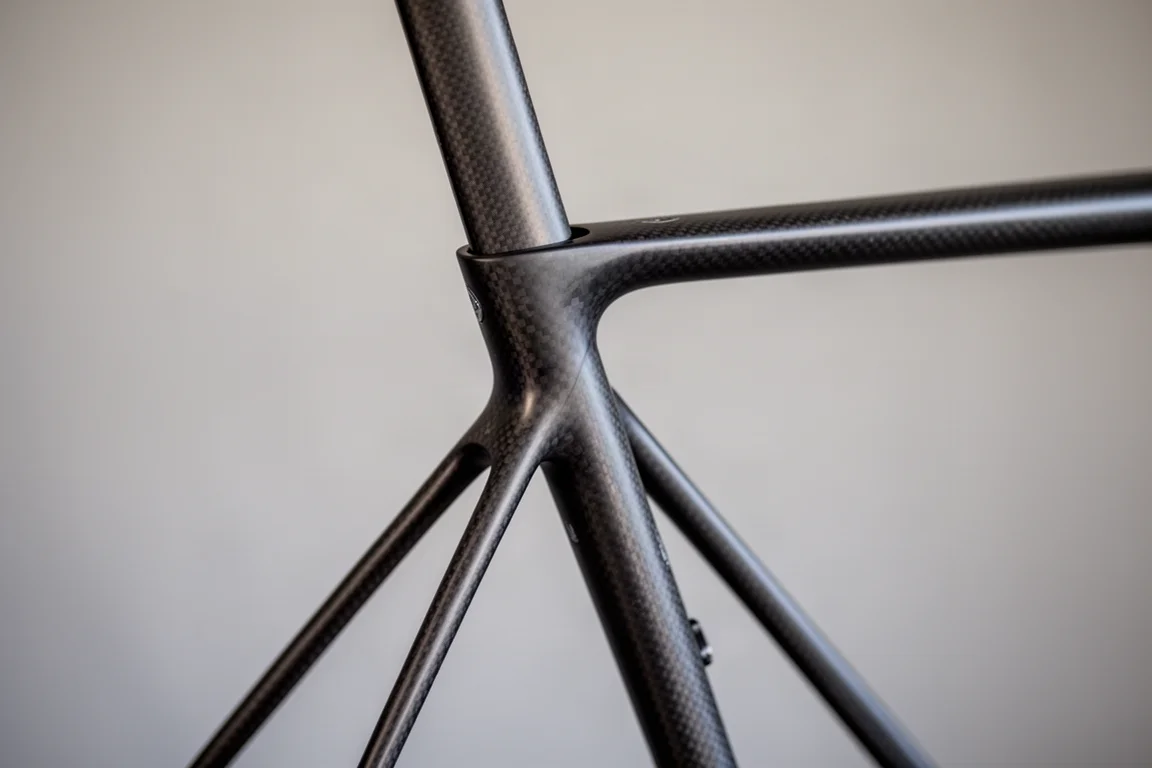
Frame detail like this is where the weight savings are won, and it is also why fit and sizing deserve more attention on bikes with integrated seatposts.
Factor O2 VAM
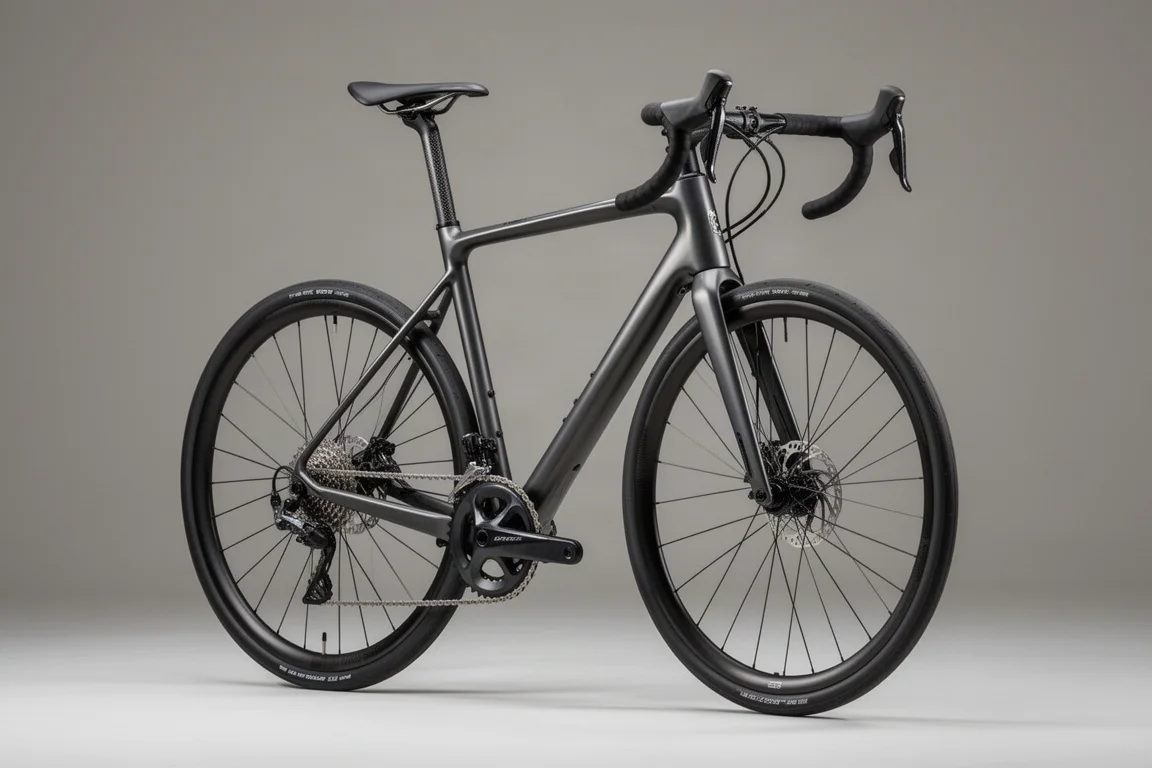
The O2 VAM looks almost skeletal, with surgically thin seat stays and a barely there top tube. It carries a claimed weight of 6.3 kg, achieved partly through Factor’s in-house component brand Black Inc, whose wheels and cockpit give the brand complete control over the final build.
Those wheels stand up on their own merits. A 28 mm deep front wheel paired with a 33 mm deep rear balances aerodynamics and low weight, for a claimed wheelset weight of 1,146 g. The frame clears 32 mm tyres, so wider rubber for grip and comfort is an option.
On the road, a stiffer head tube gives the bike a confident feel when climbing and ascending. Because it is so clearly tailored to going up or down, it does suffer on the flats, though in a group of climbing bikes that is a fair trade.
Canyon Ultimate
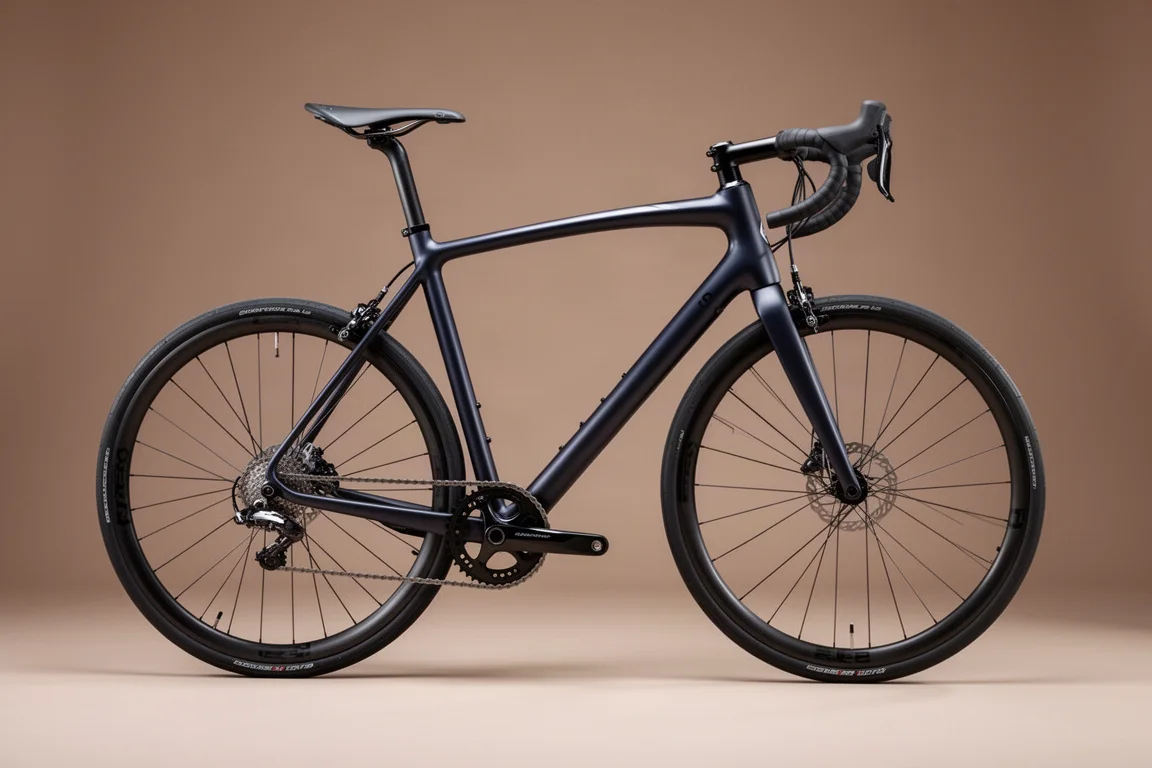
The Ultimate is the only bike here offered in its full top-tier CFR build with SRAM Red for under £10,000, with the flagship version priced at £9,749 and a claimed weight of 6.74 kg, which is just about below the UCI limit. Canyon’s direct to consumer model removes middleman costs and passes those savings on.
When it launched, the Ultimate received a number of small improvements, including a new geometry that matches its aerodynamic stablemate. The result is a bike that feels racy, dynamic, fast handling, and agile across all sorts of terrain. The CP18 cockpit makes it easy to adjust bike setup and lets riders reduce handlebar width for a more aerodynamic position.
There is a lot to like here, and the four-figure price tag is a breath of fresh air in a category where five figures is common.
Buying Advice
Start with the frame and the fit, not the claimed weight. A bike that puts you in the right position will be faster on a climb than one that saves a few grams but leaves you uncomfortable. On models with integrated seatposts, such as the TCR and the O2 VAM, sizing deserves extra care because adjustability is limited.
Then look at what the build actually includes. In-house wheelsets, cockpits, and seatposts are how several of these brands hit their numbers, and they can be genuinely good rather than simply light. Tyres are the other easy win: a swap to a grippier, well-known model can transform descending confidence at a small weight cost.
Finally, be honest about the terrain you ride. If your riding is almost entirely uphill and you chase personal bests on long climbs, the lightest frames here make the most sense. If your routes mix climbing with fast flats and technical descents, a bike with aerodynamic shaping and more stable handling will serve you better over a full season.
Conclusion
The current crop of climbing bikes shows how far lightweight road design has come. The Scott Addict RC Ultimate and Factor O2 VAM chase grams with purpose-built components, the Bianchi Specialissima and Giant TCR blend low weight with all-round pace, the Specialized Aethos and Wilier Verticale SLR prioritise handling and versatility, and the Canyon Ultimate delivers top-tier performance at the most accessible price of the group.
Pick the one that matches your terrain, your fit, and your budget, and any of these seven will make the road tilt up feel considerably more inviting.
Further reading
Related Reviews

Road Bikes
10 New Road Bikes Worth Watching: Aero, Titanium, Steel and Endurance Standouts
A practical roundup of 10 new road bikes, from aero flagships chasing single-watt gains to titanium, steel and endurance platforms built for real roads.
Road Bikes
2026 Tour de France Road Bikes: Six Race Machines Worth a Closer Look
Six race bikes from the 2026 Tour de France grid, reviewed for paint, silhouette, wheels and the specification details that matter to buyers.
Road Bikes
3T Strada Italia Review: A Radical Aero Road Bike That Rides Smooth
A made in Italy carbon aero road bike with a deep head tube, wide tire clearance and a genuinely comfortable ride. Here is what to know before buying.