Tools & Automotive
Best Car Jump Starters Compared: Ryobi, Fanttik, Topdon and Vitaman
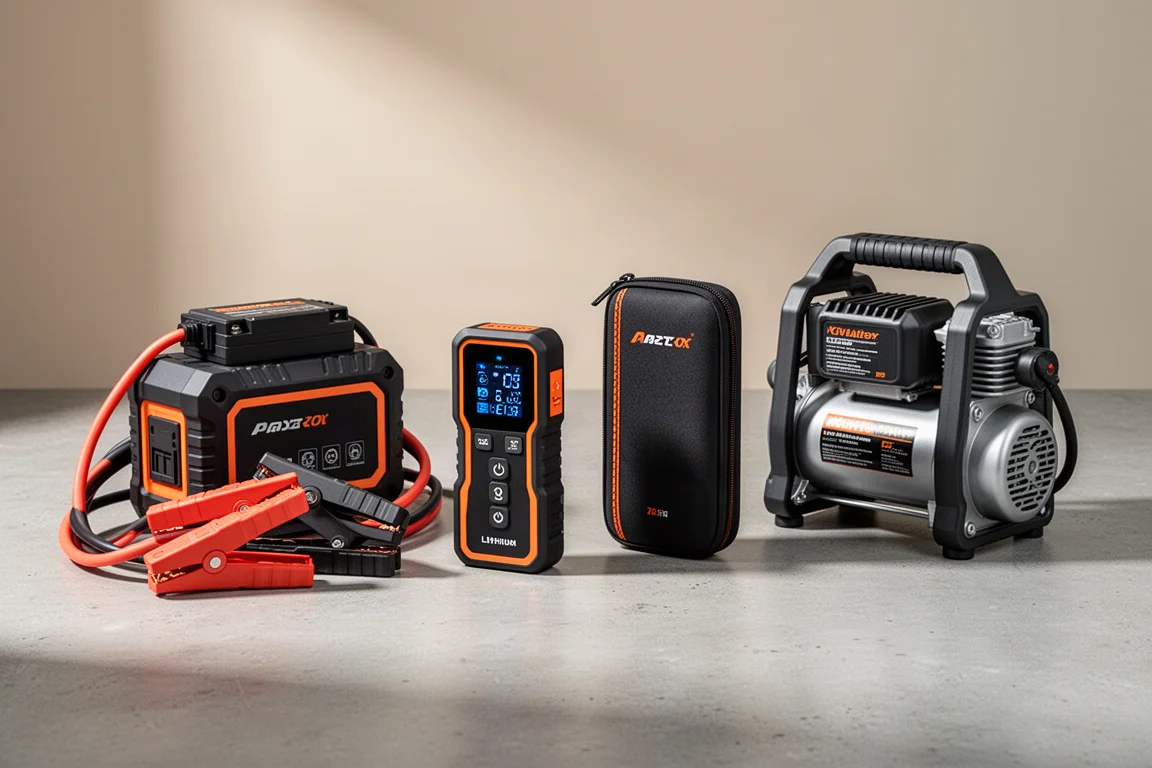
Four jump starter options compared, from a battery-shareable platform design to compact lithium packs and an old-school jump starter with a built-in air compressor.
Introduction
Jump starters have quietly become one of the most popular car accessories on the market, and for good reason. A dead battery never happens at a convenient time, and being the person who can get a car moving again is genuinely useful. Luggable lead-acid boosters have been around for years, but modern lithium packs have shrunk the category down to something you can toss in a glovebox.
This comparison covers four very different approaches: a platform-style unit that borrows batteries from a tool system, a premium heavy-duty pack, a value-focused everyday choice, and a combo unit with a built-in air compressor. Each has a clear use case, and the right pick depends more on how you live with the thing than on raw specs.
Quick Take: What Matters in a Jump Starter
Before diving in, it helps to remember how these get used in real life. Most jump starters spend their days sitting in a vehicle, waiting. When the moment comes, you are usually out somewhere, not in your own garage, so size, storage, and reliability matter as much as peak amperage. Reverse polarity protection and simple LED indicators are standard across nearly all of these, so the real differences come down to build quality, engine capacity, price, and extras.
Ryobi 18V One+ Jump Starter: The Platform Play
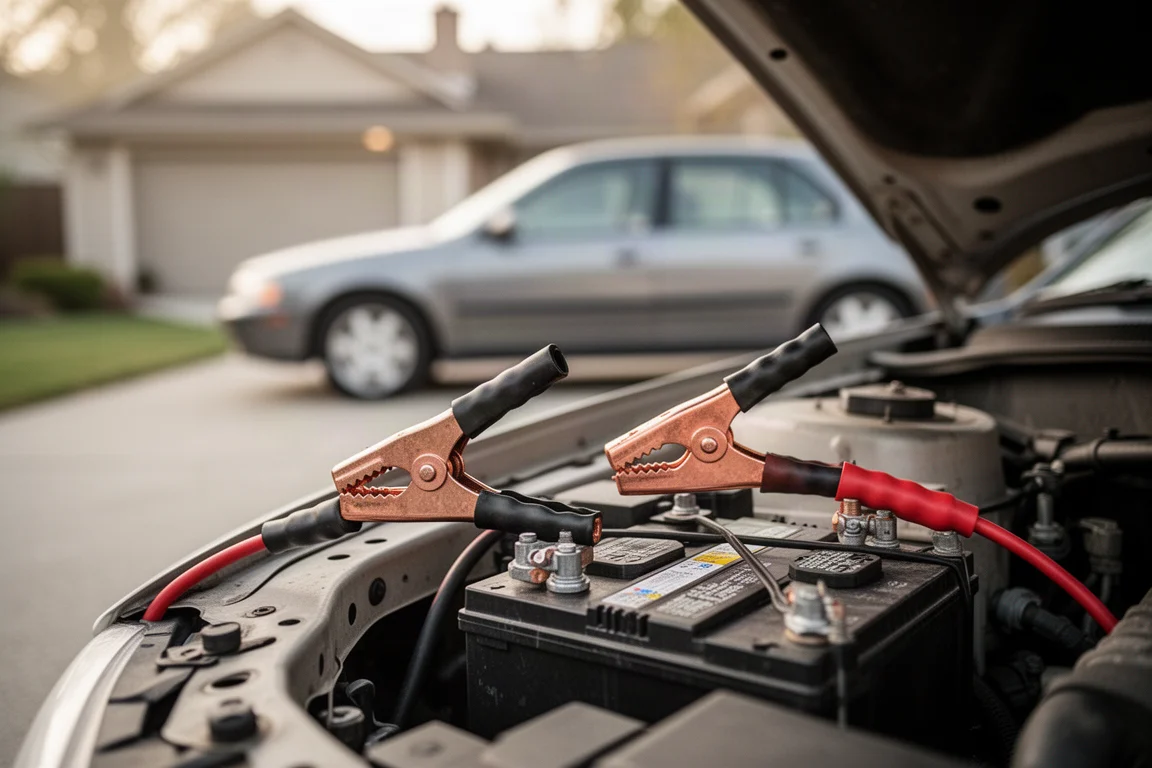
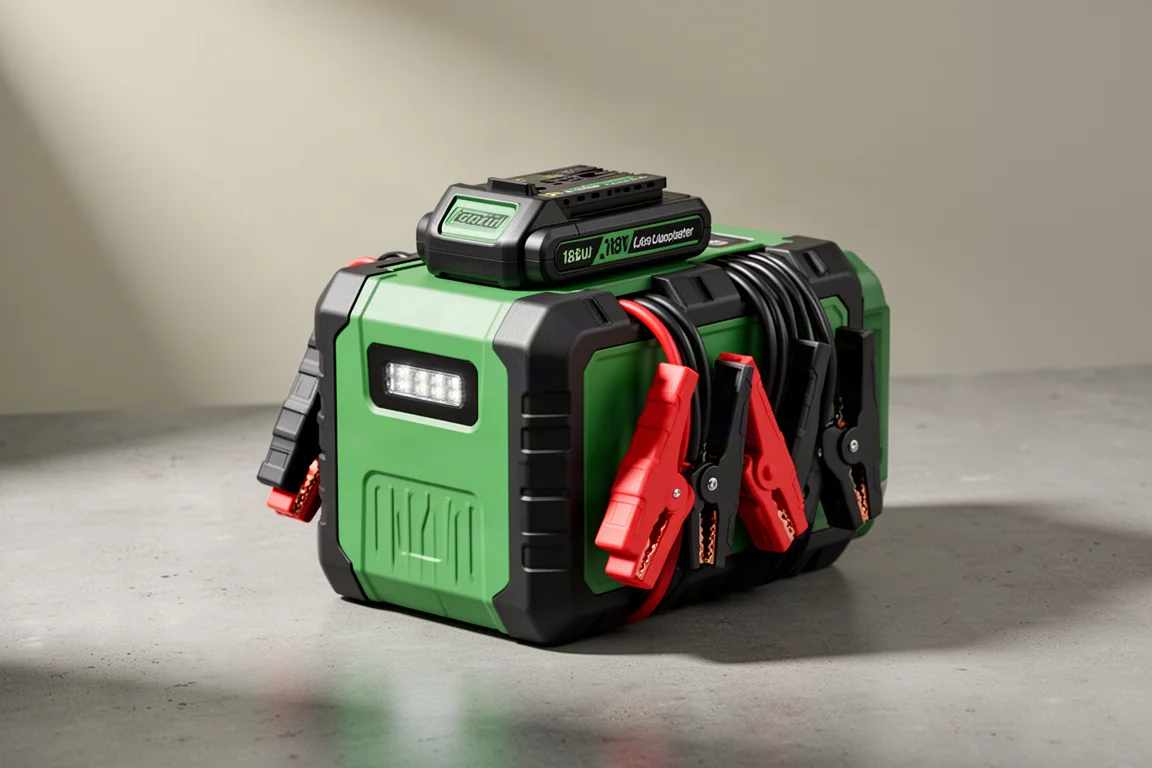
The Ryobi 18V One+ Jump Starter is the newest entry and the most unusual. It accepts any standard Ryobi One+ battery, turning a battery you may already own into a traditional jump starter. Ryobi claims up to 16,000 peak amps, the ability to jump a 6-liter V8, and up to 20 jumps per 2Ah battery.
The design is tidy. The jumper cables are wired into the unit, clip into side holders so they do not go missing, and the battery bay is covered by a sealed casing. There is also an onboard LED work light, though in practice the work lights on jump starters rarely prove all that useful. Compatibility is listed for 12V lead-acid batteries, which leaves some ambiguity about other battery chemistries.
The catch is size and price. The kit with a 2Ah battery and charger runs around $200, and the standalone unit without a battery is about $180. That is a lot for a jump starter when compact lithium packs do the same job for less money and take up far less space. The larger One+ batteries also will not fit, since the case closes over smaller packs only. It is a neat idea, but at this size and price it feels like a solution in search of a problem for most buyers.
Fanttik T8: The Premium Tank
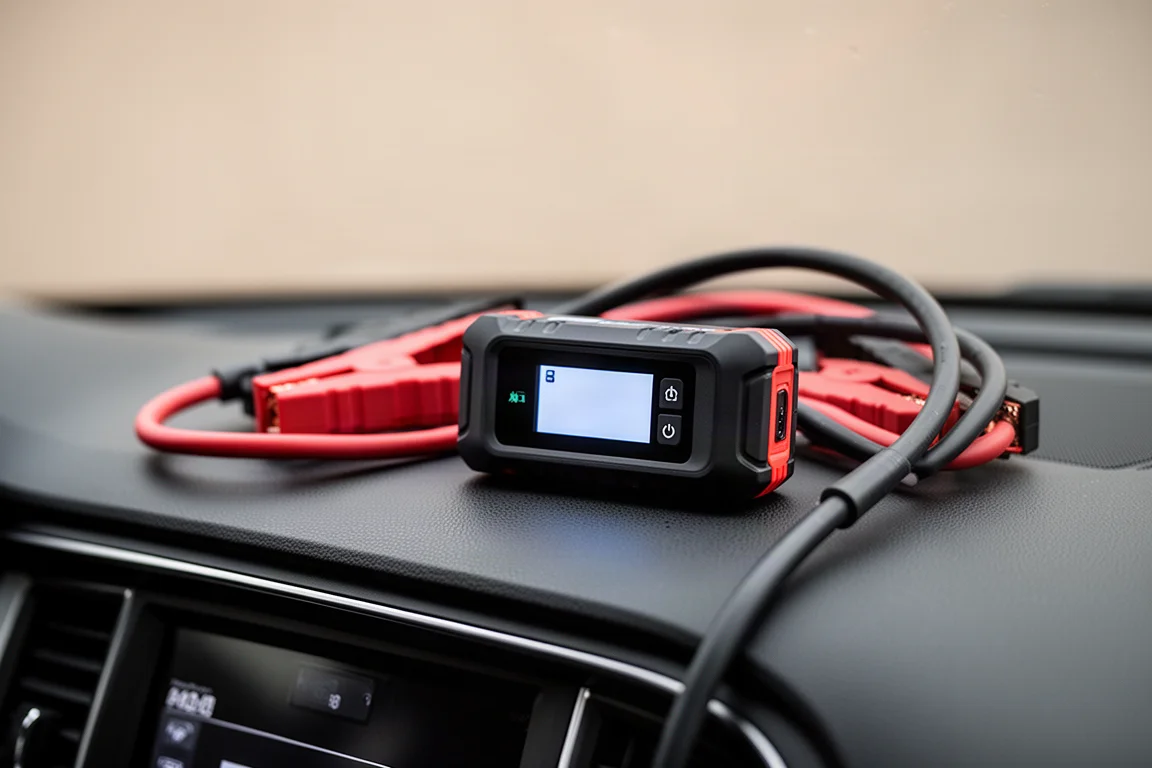
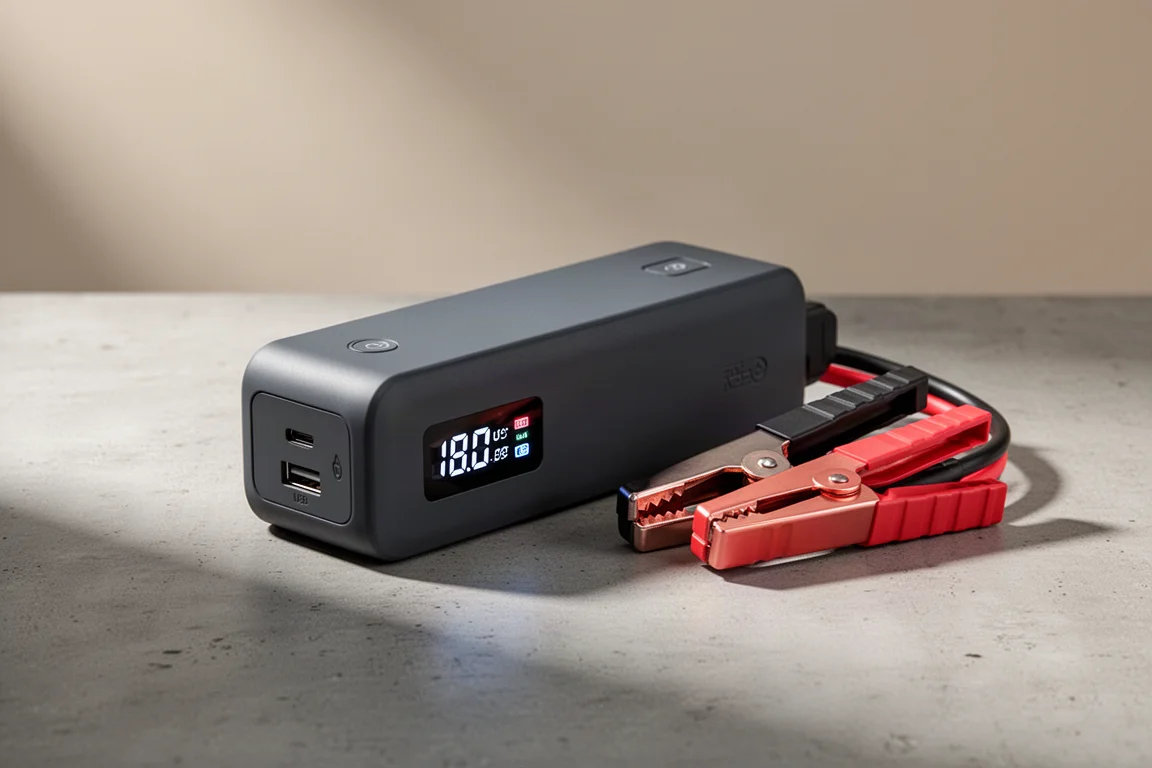
If build quality is your priority, the Fanttik T8 is arguably the most robust unit in this class. It is rated at 13,000 amps and is branded to jump 7-liter gas engines and 5-liter diesel engines. The clamps are heavy-duty, the cables are among the thickest you will find on any system, and the case itself feels seriously solid. A digital display shows exactly how much power is left, which removes the guesswork.
The only real complaint is that it does not come with a carrying case, which would be a nice touch at this level. Pricing sits at $99.97, and a 5% coupon currently brings it to roughly $95. For that money you get a jump starter built like a small tank, and it is easily one of the strongest values on this list.
Topdon 2000A: The Practical Everyday Choice
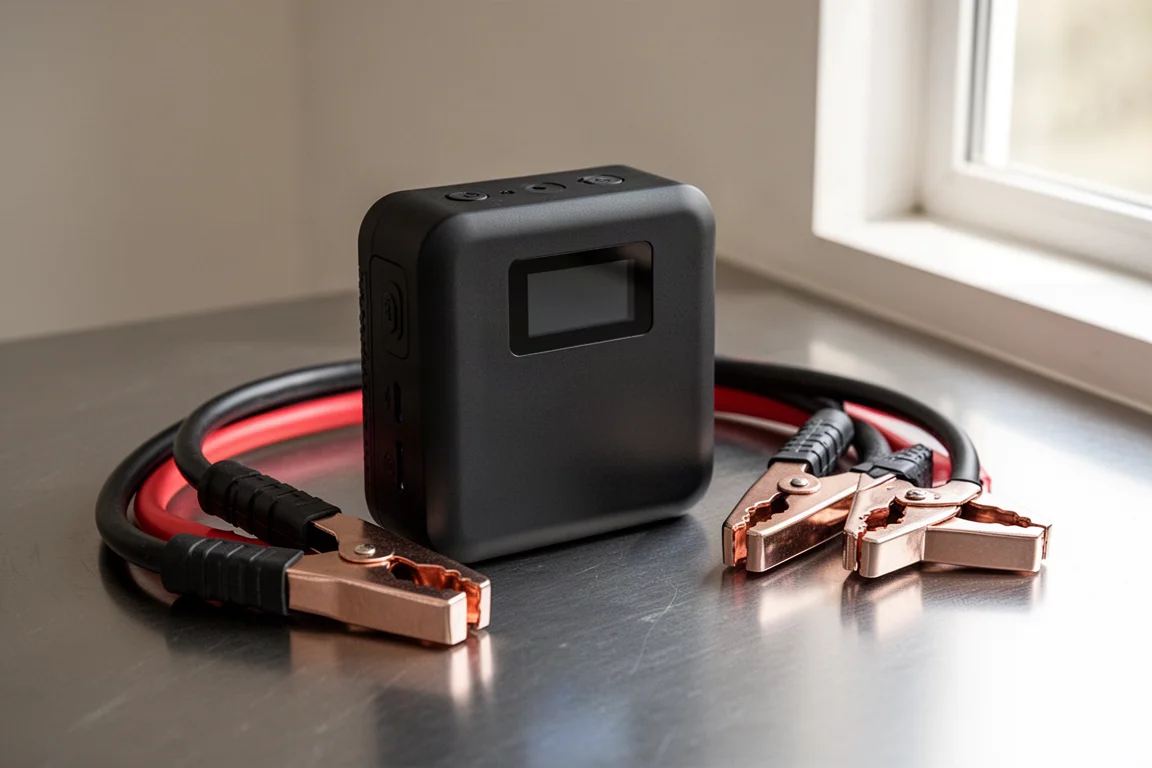
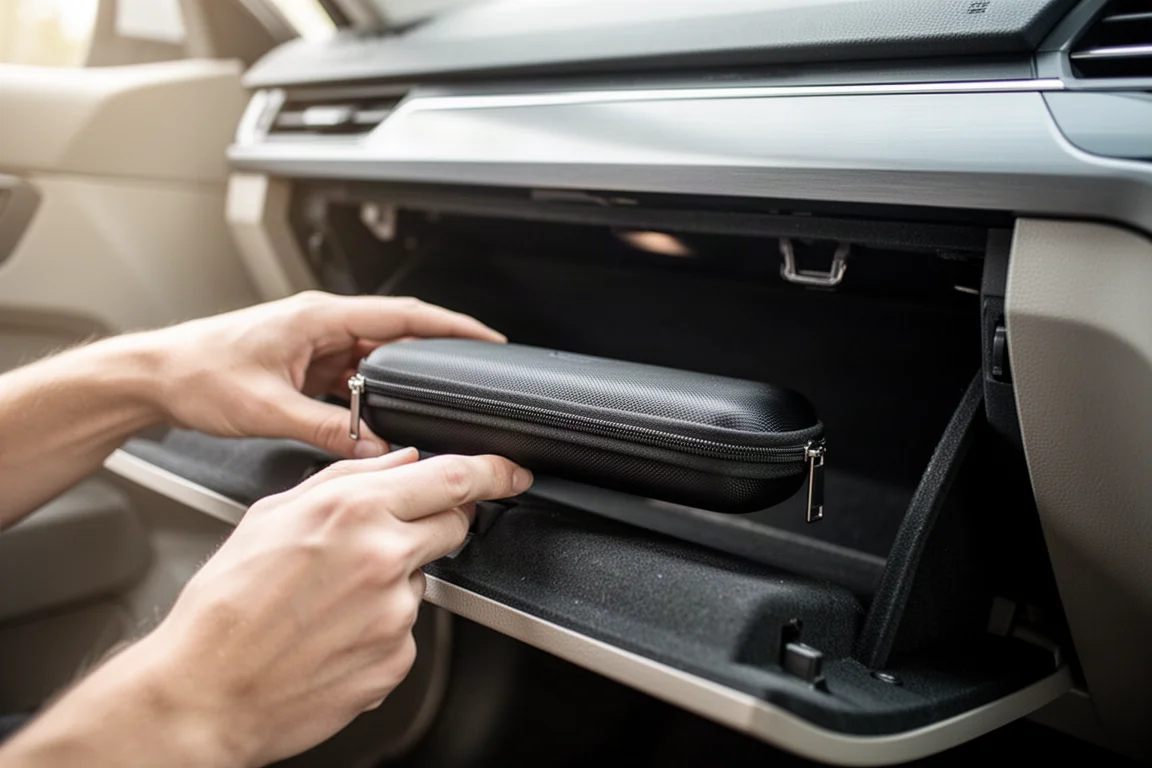
The Topdon 2000A is the sensible middle ground. It is rated at 2,000 peak amps and handles up to 8-liter gas or 6-liter diesel engines. The cables are robust without being overbuilt, and unlike the Fanttik it includes a case, which is often a $20 add-on elsewhere. The interface is simple, there is no digital display, and it simply works, which is exactly what most people want from a unit that lives in a car.
It is a popular pick for a reason, and at around $85 it is easy to recommend as a dedicated unit for any vehicle. Keep in mind that deal pricing like this is often time-limited, so the current price may not last.
Vitaman Jump Starter with Air Compressor: The Combo Option
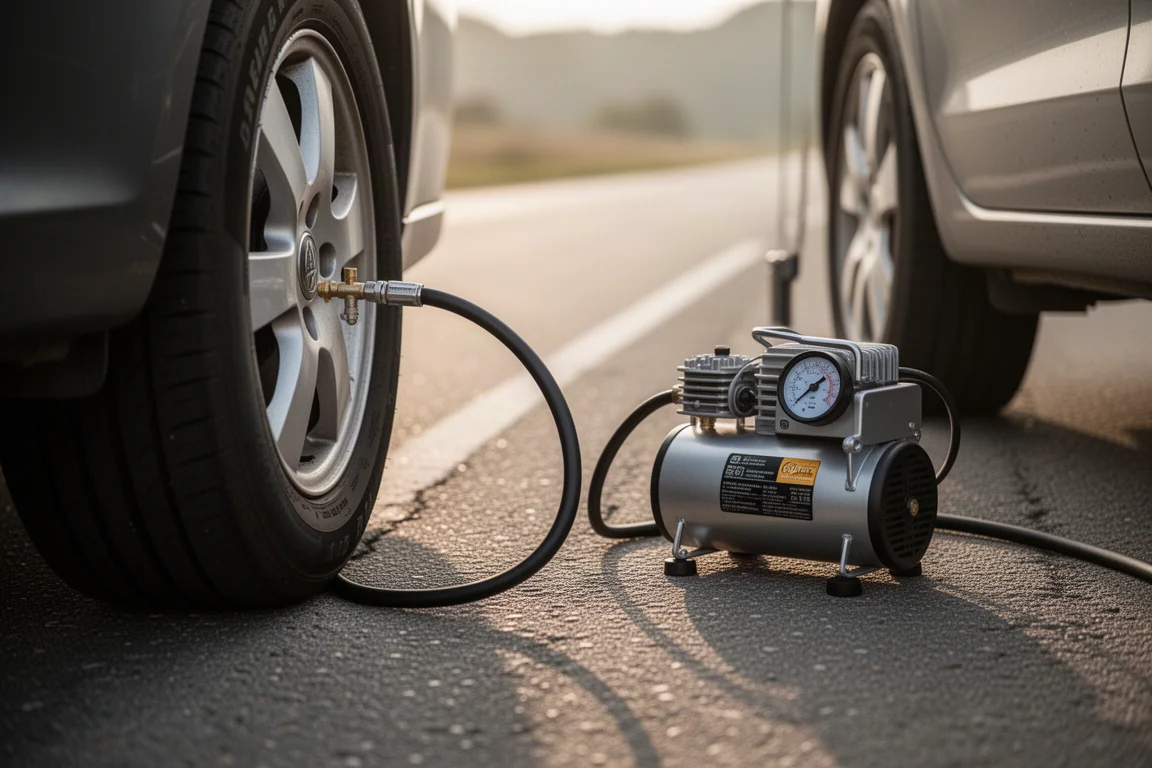
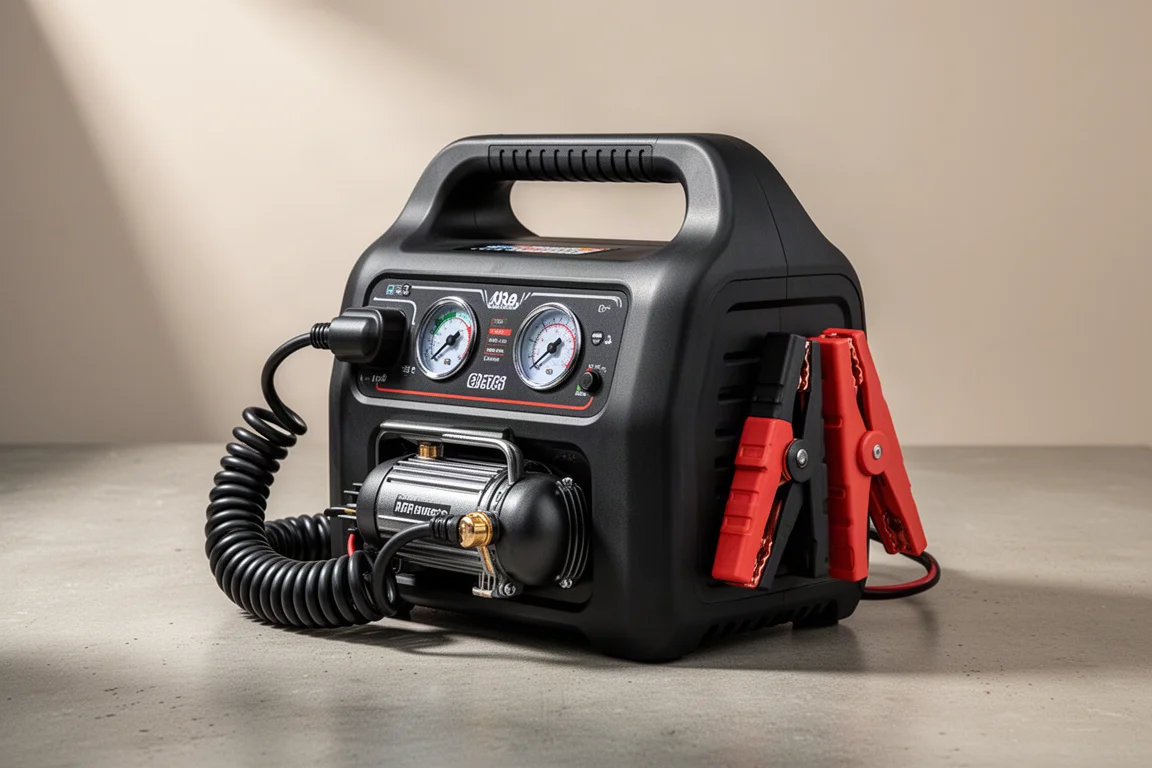
For those who miss the old-school combo units, Vitaman makes a jump starter with a built-in air compressor, currently around $80. The appeal is obvious: one box that can both jump a car and inflate tires. The quality is decent rather than heavy-duty, but the gear has a track record of continuing to work, even after being hauled around in a truck for over a year.
The trade-offs are real, though. It is big and chunky and eats a lot of storage space in a vehicle. Because it is something you keep in the car for emergencies, any spare battery you buy for it becomes dedicated to the unit rather than shared with other tools, which adds to the total investment over time.
Overall Buying Advice
For most people, a compact dedicated lithium pack like the Topdon 2000A is the smartest buy: strong performance, simple operation, a case included, and a reasonable price. If you want the most robust build and thickest cables available, the Fanttik T8 justifies its modest premium. The Vitaman combo makes sense if inflating tires matters as much to you as jumping batteries. The Ryobi unit is the hardest to recommend at its current size and price, unless you are already deep into the One+ ecosystem and value the shared-battery idea more than compactness and value.
Conclusion
There is no single best jump starter, only the best match for your situation. A dedicated compact unit is almost always the more practical choice for keeping in a vehicle, while the Ryobi’s platform design remains an interesting idea that has not quite found its ideal form yet. Whatever you pick, having one in the car beats calling for help.
Further reading
Related Reviews
Tools & Automotive
Tools and Twisties: Wesling Machine Socket Trays and the 1985 Porsche 911 Turbo (930)
Precision billet aluminum socket trays from Wesling Machine, plus a look at the 1985 Porsche 911 Turbo (930) that makes garage time worth the effort.

Backpacking Gear
Building a 10 lb Base Weight: An Ultralight Backpacking Gear List
A practical walkthrough of the ultralight pieces behind a 10 lb base weight, from a 765 g pack and a roomy one-person tent to a full camp chair and a dependable water filter.

Road Bikes
10 New Road Bikes Worth Watching: Aero, Titanium, Steel and Endurance Standouts
A practical roundup of 10 new road bikes, from aero flagships chasing single-watt gains to titanium, steel and endurance platforms built for real roads.