Camping Electronics
Best Camping and Backpacking Electronics: A Practical Gear Roundup
A practical roundup of camp electronics, from headlamps and lanterns to power banks, GPS watches, satellite communicators, portable power stations, and a 12V fridge.
Introduction
Camping electronics are one of those topics where the right answer depends entirely on how you camp. Some people head into the backcountry to leave as much gear behind as possible. Others find that a few well-chosen devices make the trip easier, warmer, and safer, and that is the case this roundup is built around.
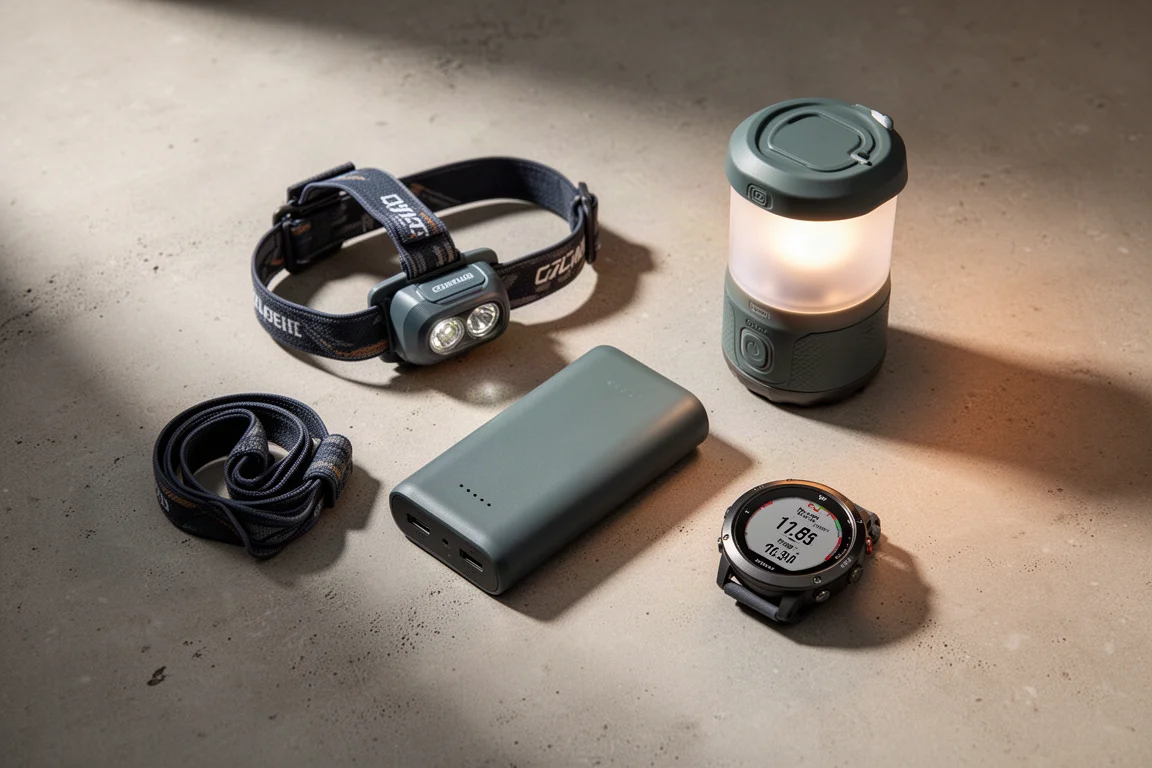
The items below are the electronics that come along most consistently on backpacking and car camping trips, grouped by what they actually do: light, power, navigation, communication, and comfort. Each one has a clear job, and none of them is on the list simply because it is clever.
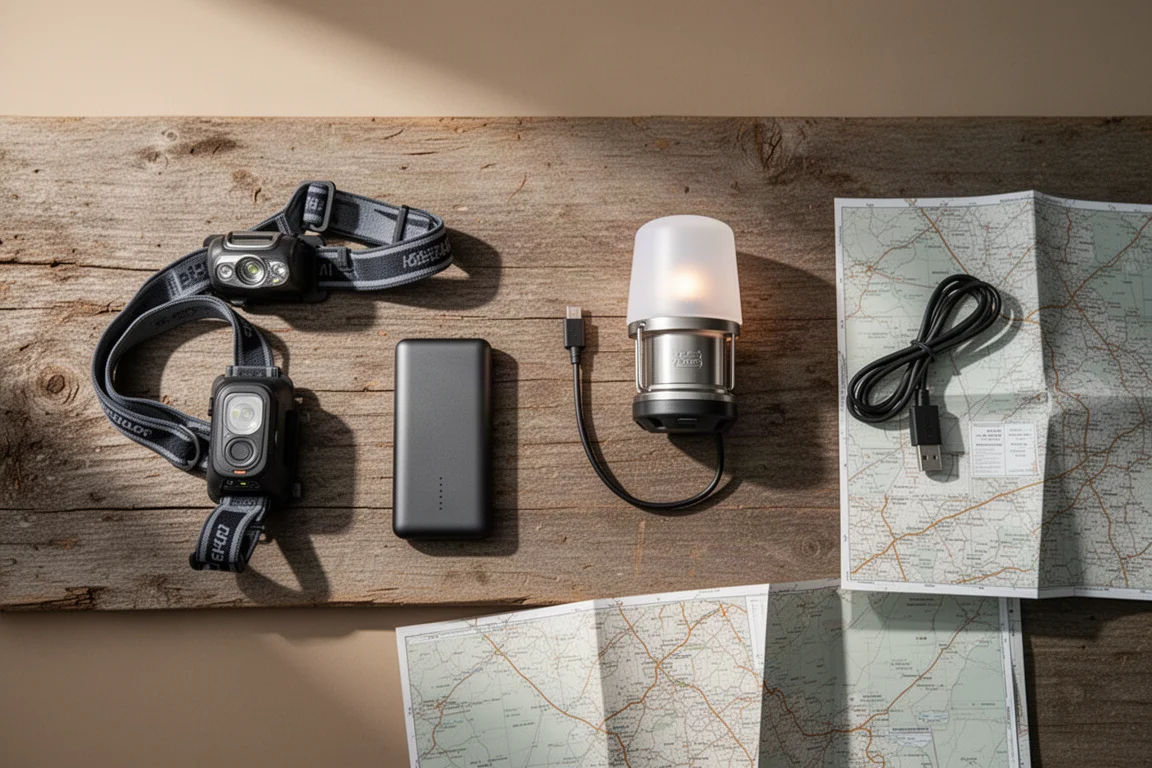
The goal is not to argue that more electronics belong in a pack. It is to show what each device is for, so you can decide which ones earn a place in yours.
What to Look For in Camp Electronics
Three questions sort useful camp electronics from dead weight.
The first is whether the device replaces something you would otherwise carry or worry about. A headlamp that keeps both hands free, a power bank that keeps a phone alive for navigation, or a lantern that lights a whole tent all answer that question well.
The second is weight and pack volume relative to the benefit. Small, light devices that serve one critical purpose tend to stay in the pack, while bulky gear that duplicates something else usually gets left at home.
The third is how the device is powered and recharged. Anything running on a battery needs a plan for keeping it charged, which is why power banks and portable power stations often matter as much as the devices they feed.
Headlamps: Black Diamond Spot R
A headlamp is the one electronic item that earns a place on almost every list, backpacking or not. It is a safety device first and a convenience second, and it matters for night hiking, moving around camp after dark, and finding things inside a tent without waking anyone else.
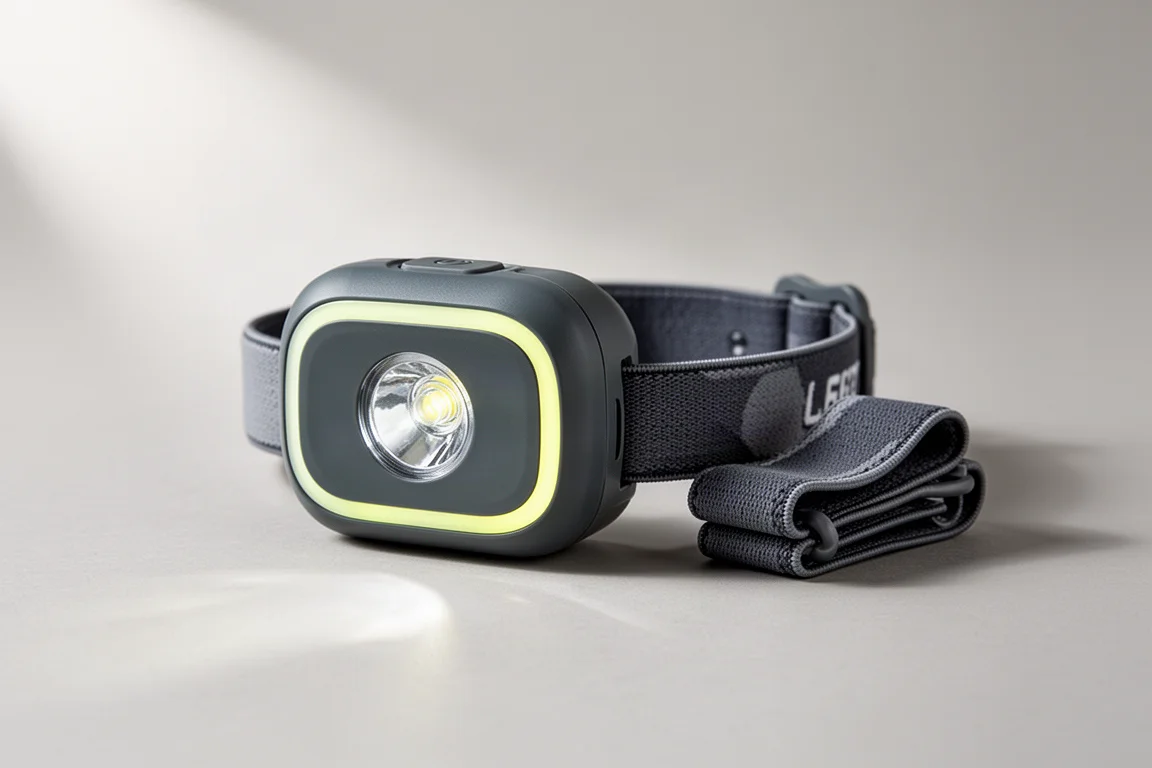
The Black Diamond Spot R is a lightweight option that provides enough light for moving down a trail at night. It is not an expensive headlamp, which makes it easy to justify keeping one in a pack, a glovebox, and a daypack at the same time.
Headlamps: Petzl Bindi
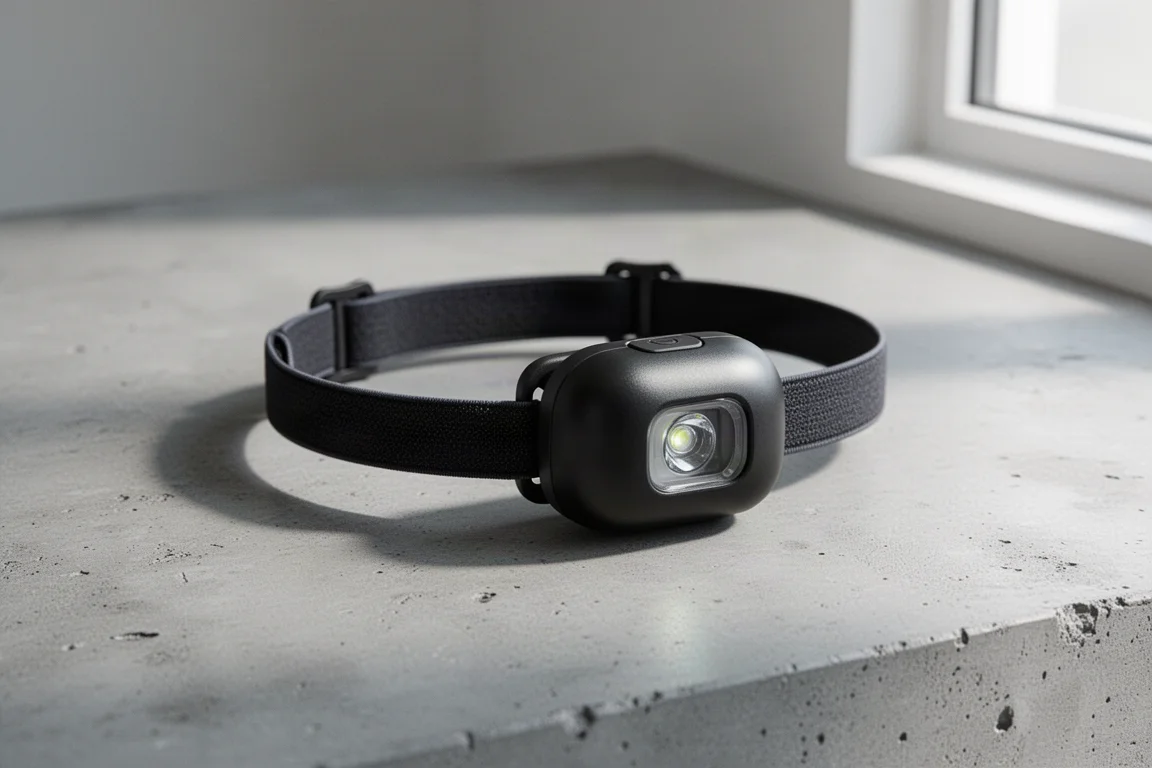
The Petzl Bindi is the other headlamp that gets used most often. It follows the same philosophy as the Spot R: light enough to disappear into a pack, bright enough for trail and tent use, and reasonably priced.
For backpackers counting grams, the appeal is straightforward. A headlamp this small covers the essential job of seeing where you are going after sunset without adding meaningful weight.
Lanterns: BioLite AlpenGlow 250
Headlamps are personal lighting. Lanterns are shared lighting, and for car camping they change how a site feels after dark.
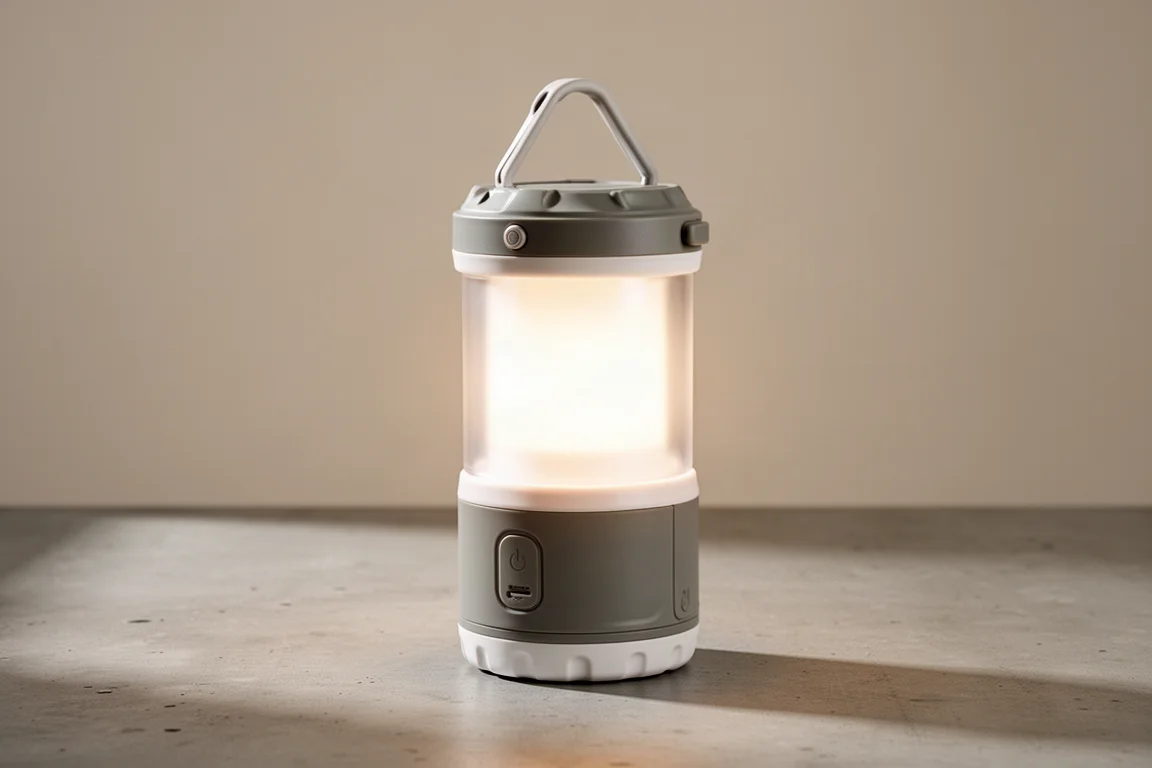
The BioLite AlpenGlow 250 is a rechargeable lantern that can hang inside a tent and puts out enough light to fill a large family tent. Getting kids changed, sorting out sleeping bags, and settling in for the night are all easier with a lantern lighting the whole space rather than a beam pointed at one corner.
Lanterns: Black Diamond Moji
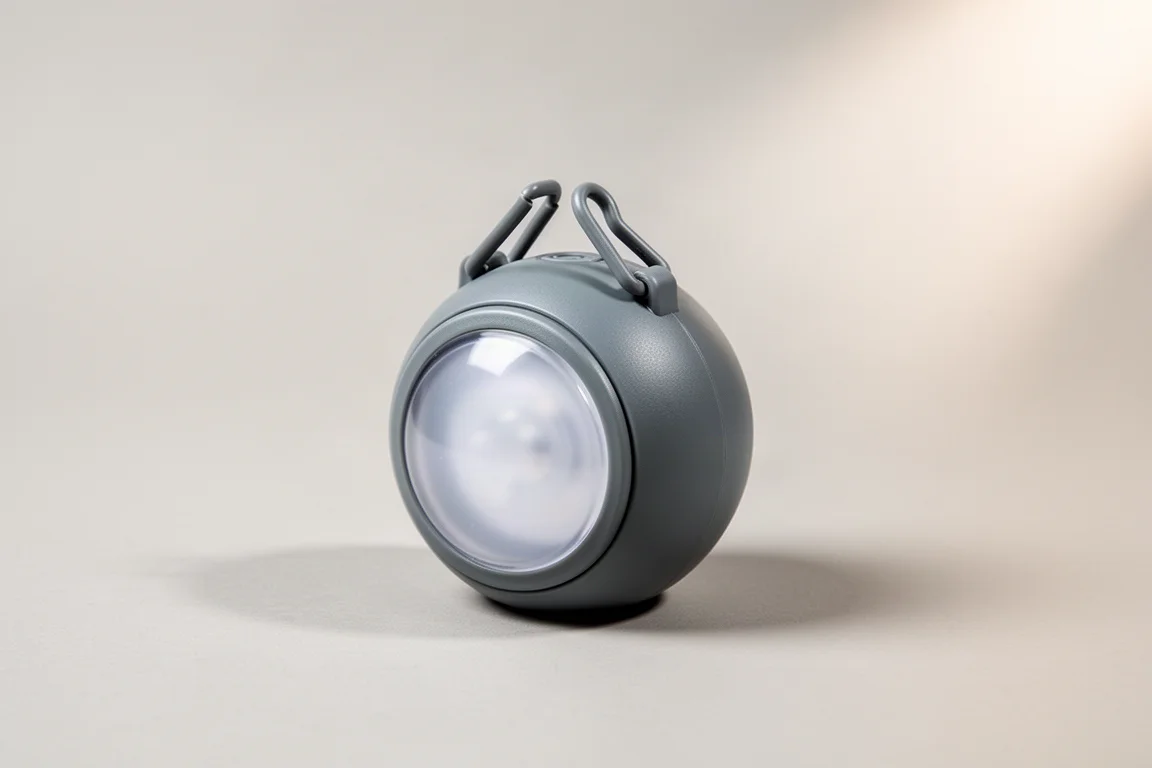
The Black Diamond Moji takes the opposite approach. It is tiny, with small hooks at the top that let you loop it through tent loops, hang it from a branch, or clip it wherever light is needed.
That size makes it a realistic backpacking item as well as a camping one. On winter trips, when darkness arrives early, a small hanging lantern is a simple way to make a tent more livable.
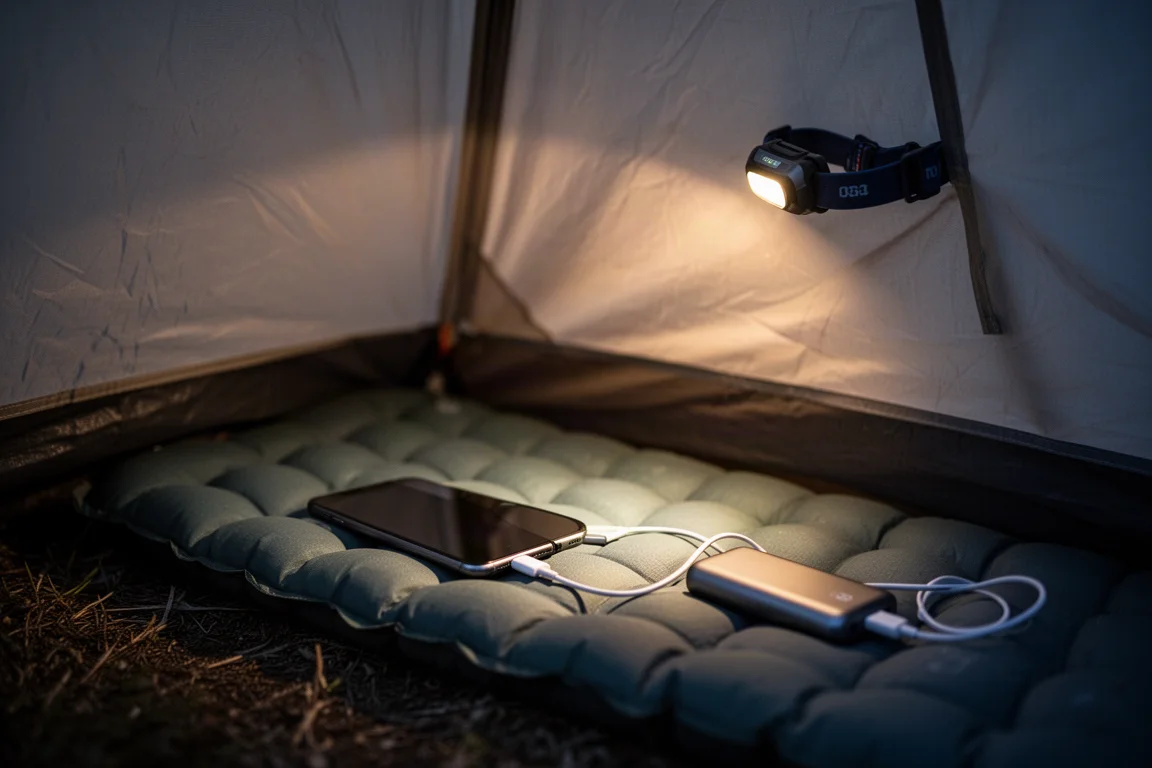
It is not trying to light a whole campsite. It is trying to make a small space comfortable, and it does that while weighing almost nothing.
Battery Banks: Nitecore NB10000
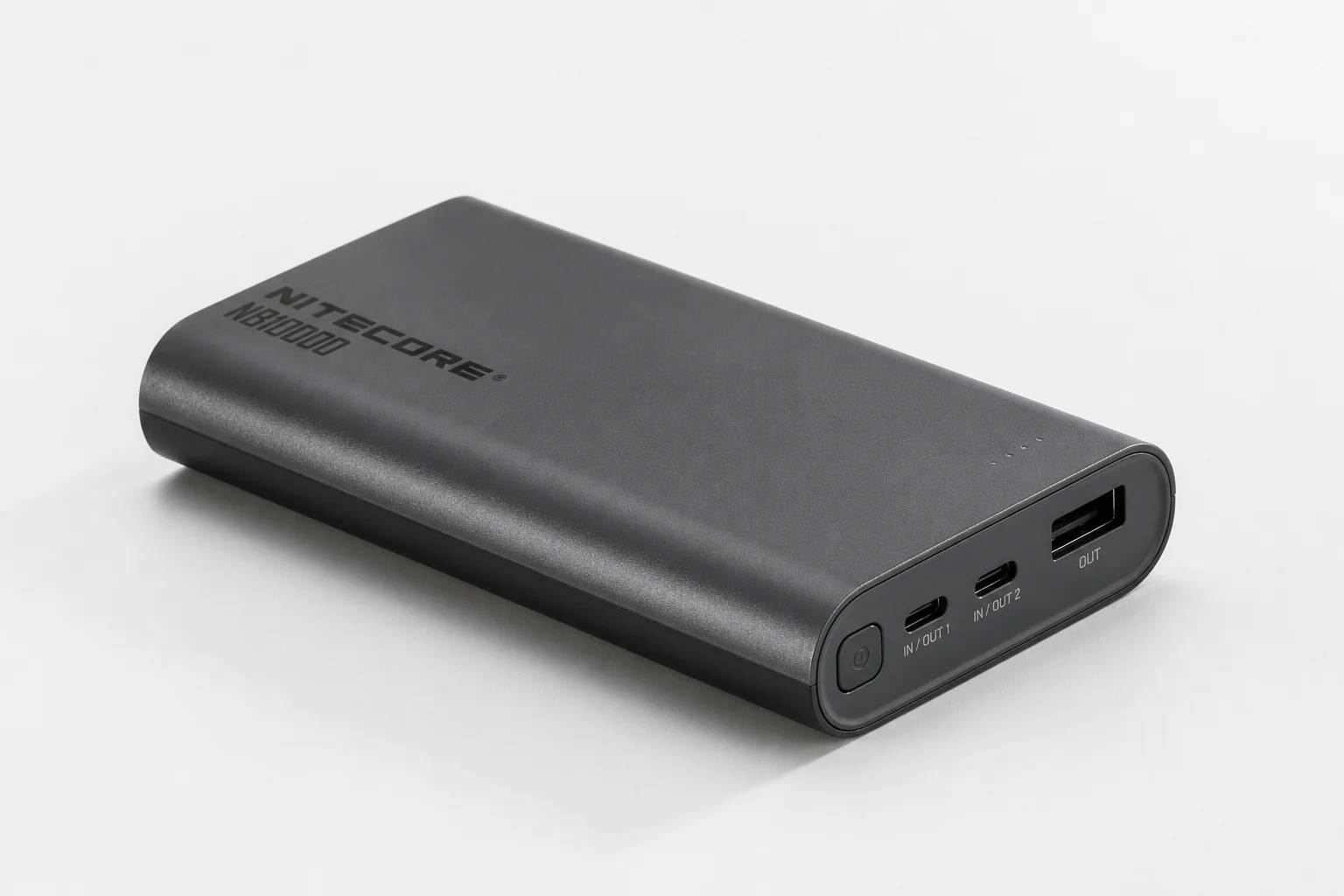
Most people carry a phone into the backcountry, and that phone usually does double duty as a camera and a navigation device. A power bank is what keeps it alive.
The Nitecore NB10000 is one of the lightest power banks available, and it is small enough that comparing it to the phone it charges is genuinely surprising. It keeps a phone topped up without trouble, and it can also recharge a satellite communicator, a headlamp, or a watch on a longer trip.
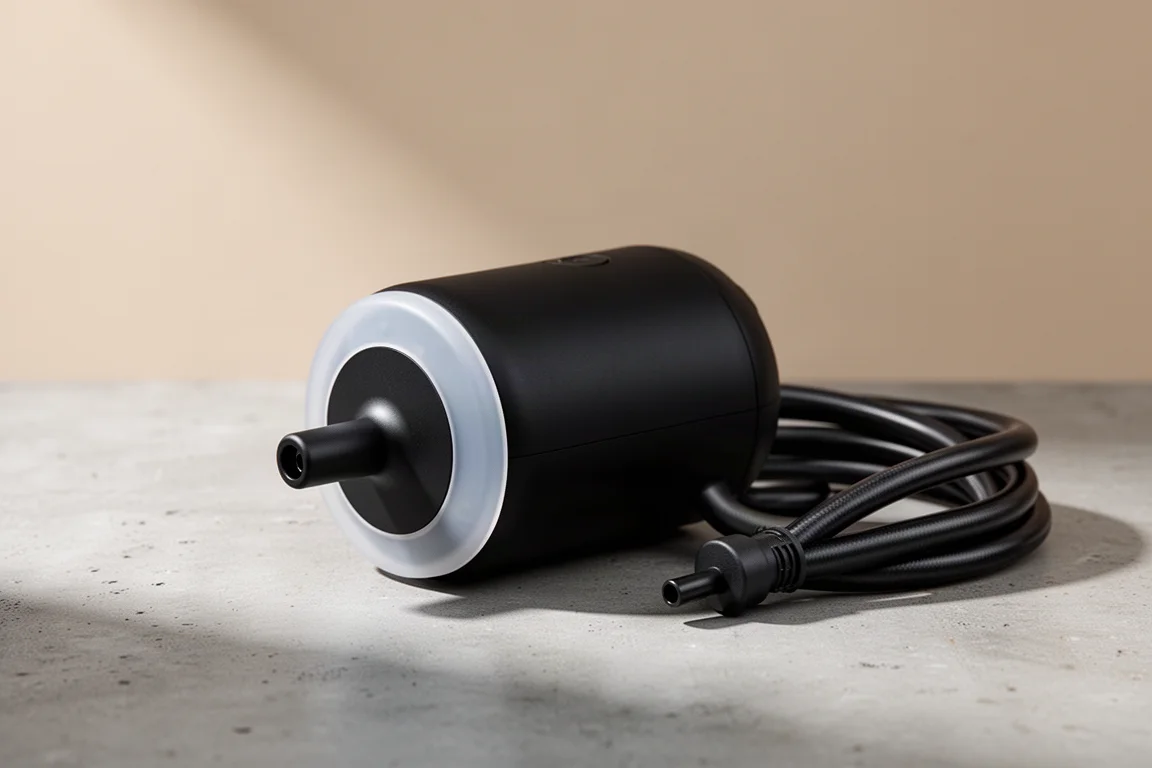
Air Pump and Lantern: Flextail Gear Tiny Pump X
An electric pump for sleeping pads used to sound like a luxury. At elevation it is closer to a necessity, because inflating a pad by lung power is the fastest way to feel lightheaded.
The Flextail Gear Tiny Pump X handles that job and then keeps working. It doubles as a lantern rated up to 400 lumens, so a single lightweight device covers two needs. Anyone who has carried a separate pump and a separate lantern will understand the appeal of that combination.
GPS Watches: Garmin Instinct 2S Solar
A GPS watch is the item on this list that most often gets described as expensive and worth it in the same breath.
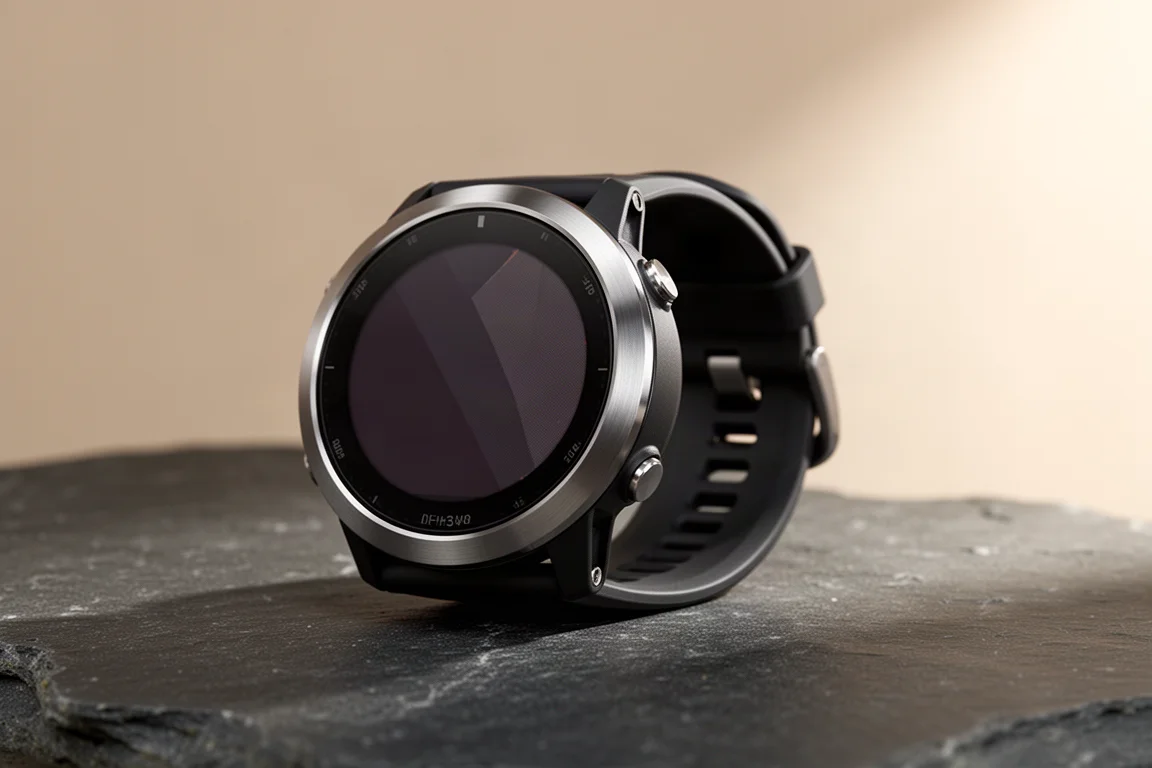
The Garmin Instinct 2S Solar tracks heart rate, elevation, GPS position, and blood oxygen, which gives a clearer picture of how the body is responding on the trail. It also handles navigation, so checking your position does not require waking up a phone and draining its battery.
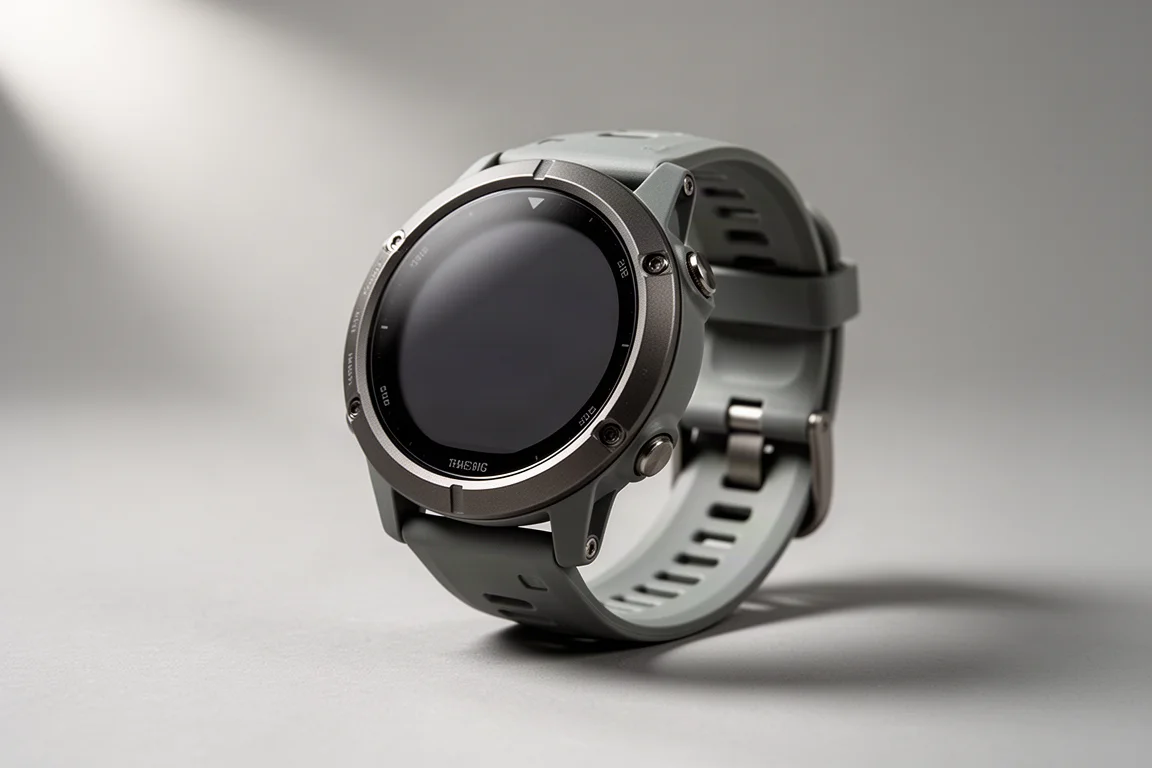
GPS Watches: Garmin Fenix 7S
The Garmin Fenix 7S covers the same ground: heart rate, elevation, GPS location, blood oxygen, and on-wrist navigation. For anyone who wants a single device to track effort and confirm they are still on route, it is a serious piece of kit.
Both watches are a real investment. The case for them is not novelty. It is that navigation and body data stay available without leaning on a phone, which matters most on the days when the phone is the backup rather than the primary tool.
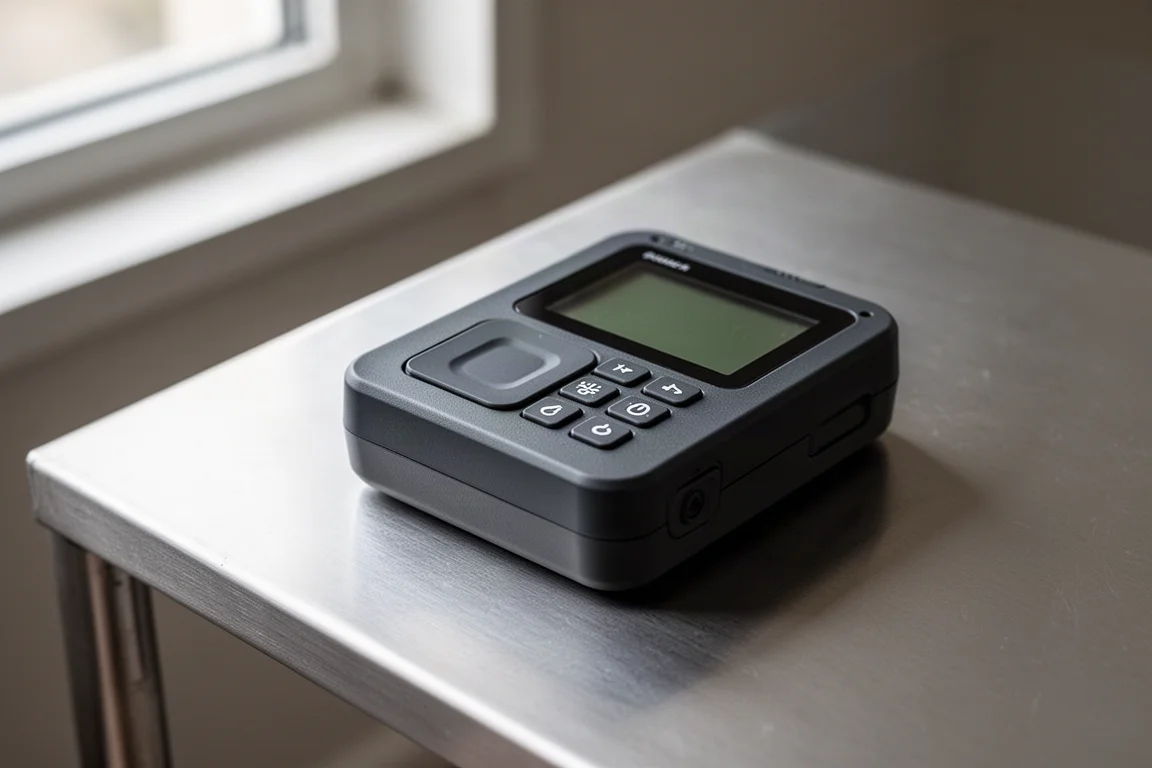
Satellite Communication: ZOLEO Satellite Communicator
Ten or twenty years ago a satellite communicator was a niche device. Today it is closer to a headlamp in terms of importance: something that provides reassurance to the people at home as much as to the person on the trail.
The ZOLEO Satellite Communicator pulls weather reports, sends messages to friends and family, and can call for search and rescue in an emergency. That combination of everyday convenience and emergency capability is what makes it feel like a genuine must-have rather than a gadget.

For anyone who travels beyond reliable cell coverage, the value is easy to understand. It turns a remote trip from a question mark into something with a clear line back to help.
Insect Repellent: Nitecore EMR10
Bug protection is not usually filed under electronics, but the Nitecore EMR10 makes a reasonable case for it.
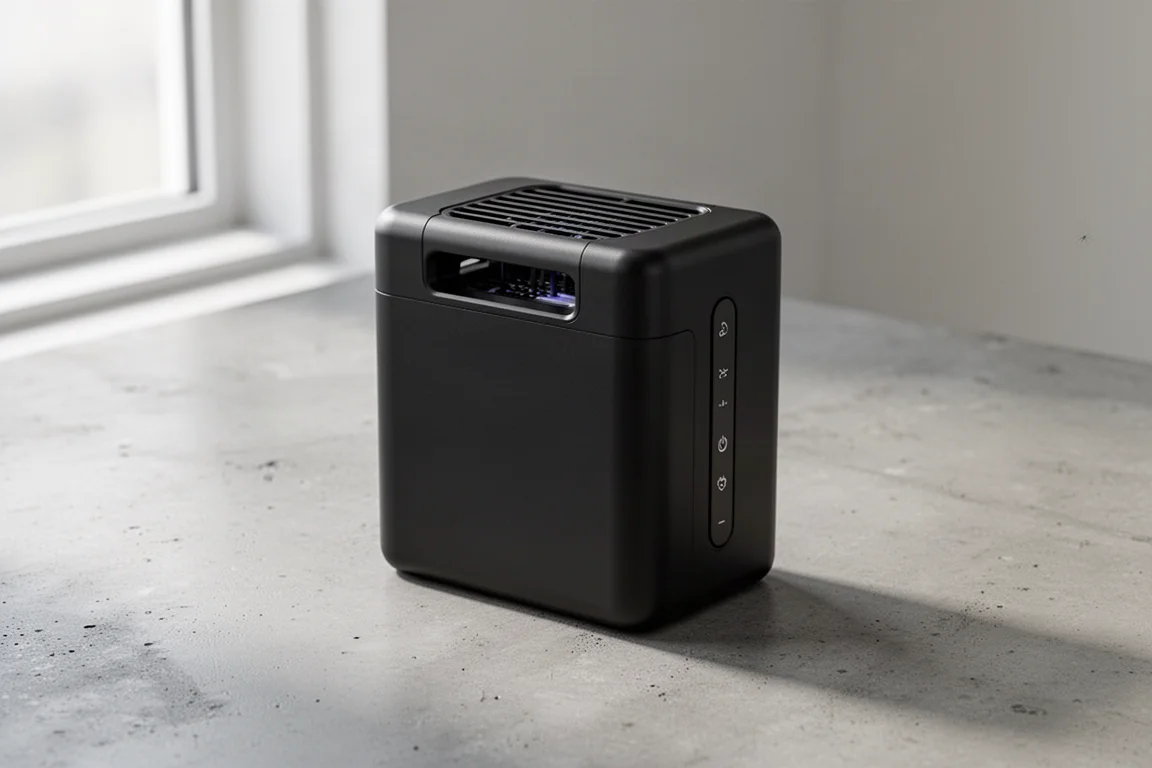
It is a battery-powered insect repellent device, an alternative to butane canister repellents that heats a repellent pad without gas. It also emits an ultrasonic sound intended to deter mice and rodents. It is not especially heavy or bulky, which means carrying it during peak mosquito season is a trade worth making when the bugs are at their worst.
Portable Power Stations: EcoFlow River Pro
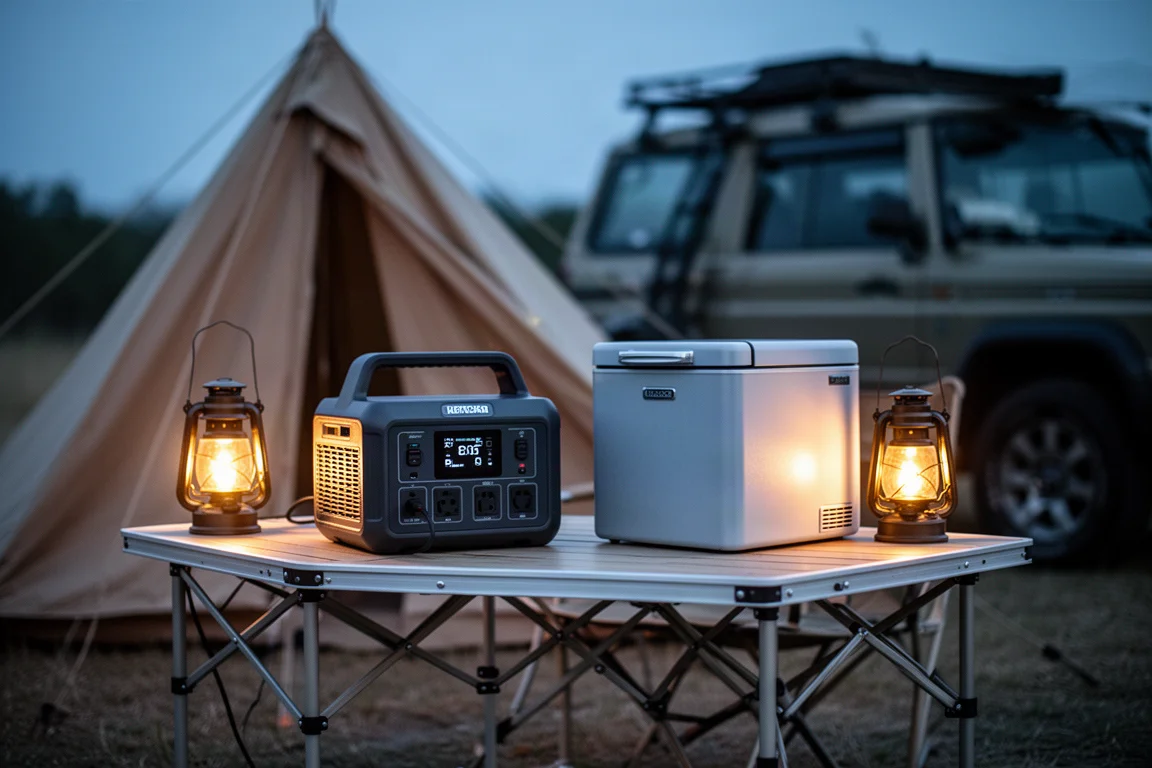
Portable power stations have changed car camping more than any other item here. The reason is simple: a 12 volt fridge running on a power station replaces the cooler and the ice run.
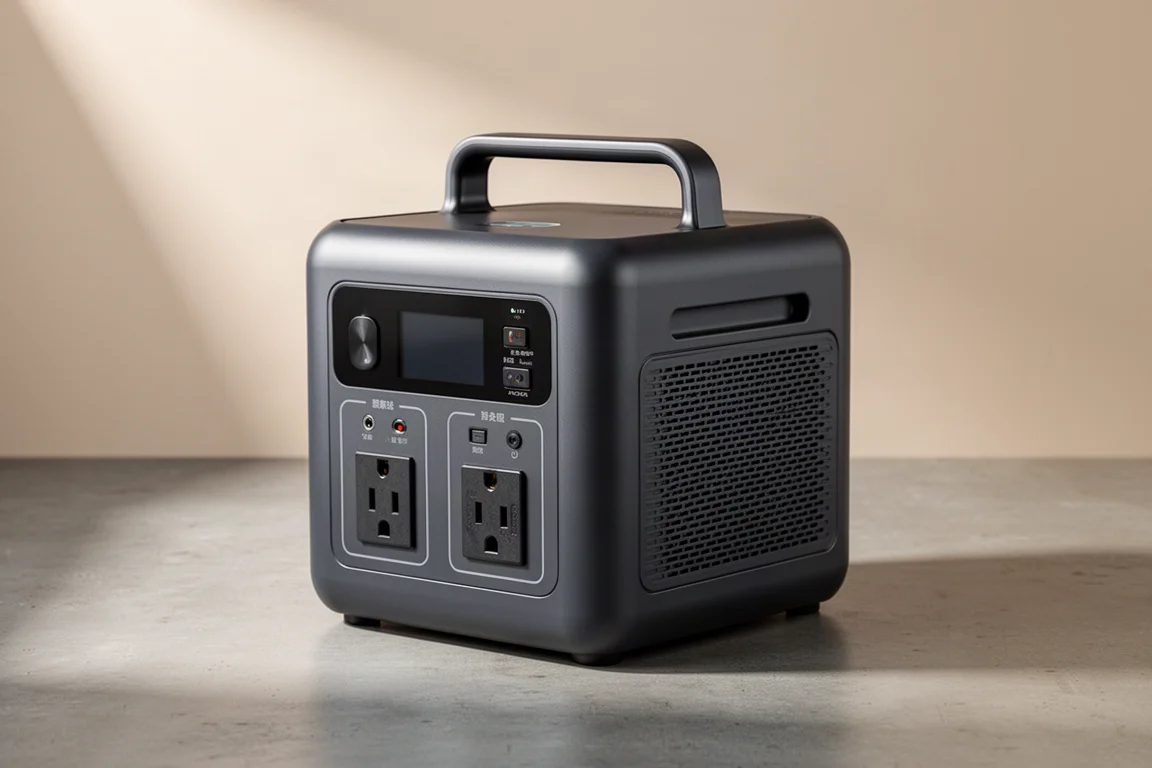
The EcoFlow River Pro is a 700 watt hour power station. It is compact enough to move around camp easily and provides enough capacity to run a fridge, charge tablets for a movie in the tent, and top up camera or drone batteries. Paired with a 100 to 200 watt solar panel, the setup can stay charged without drawing on the vehicle.
Portable Power Stations: Bluetti EB55
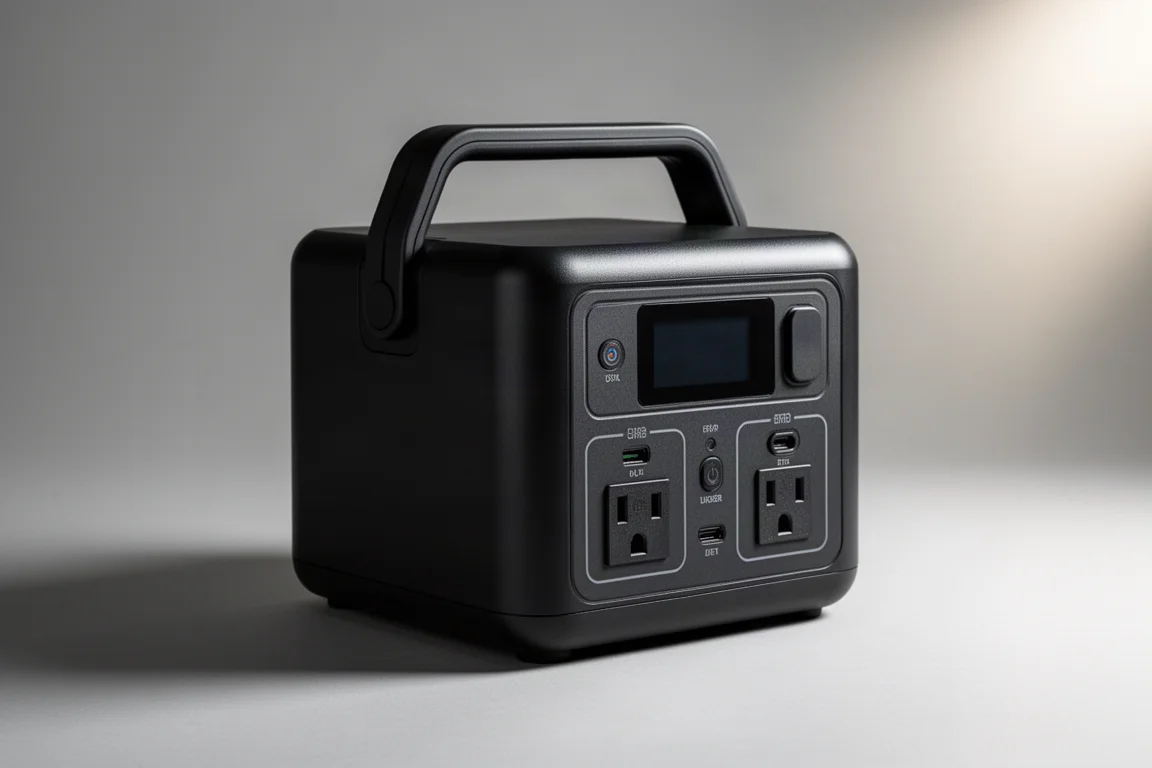
The Bluetti EB55 takes the same idea and scales it down. It offers roughly 500 watt hours in a compact, easy-to-carry package, which is plenty for a shorter trip or a smaller setup.
Choosing between the two comes down to how much you need to run and for how long. Either way, the appeal of an off-grid power source at a campsite is the same: everything that needs charging has somewhere to go.
12V Fridges: ICECO GO20
A 12 volt fridge is not a backpacking item, and it is not trying to be. For car camping, though, it solves a problem that ice coolers never really solve.
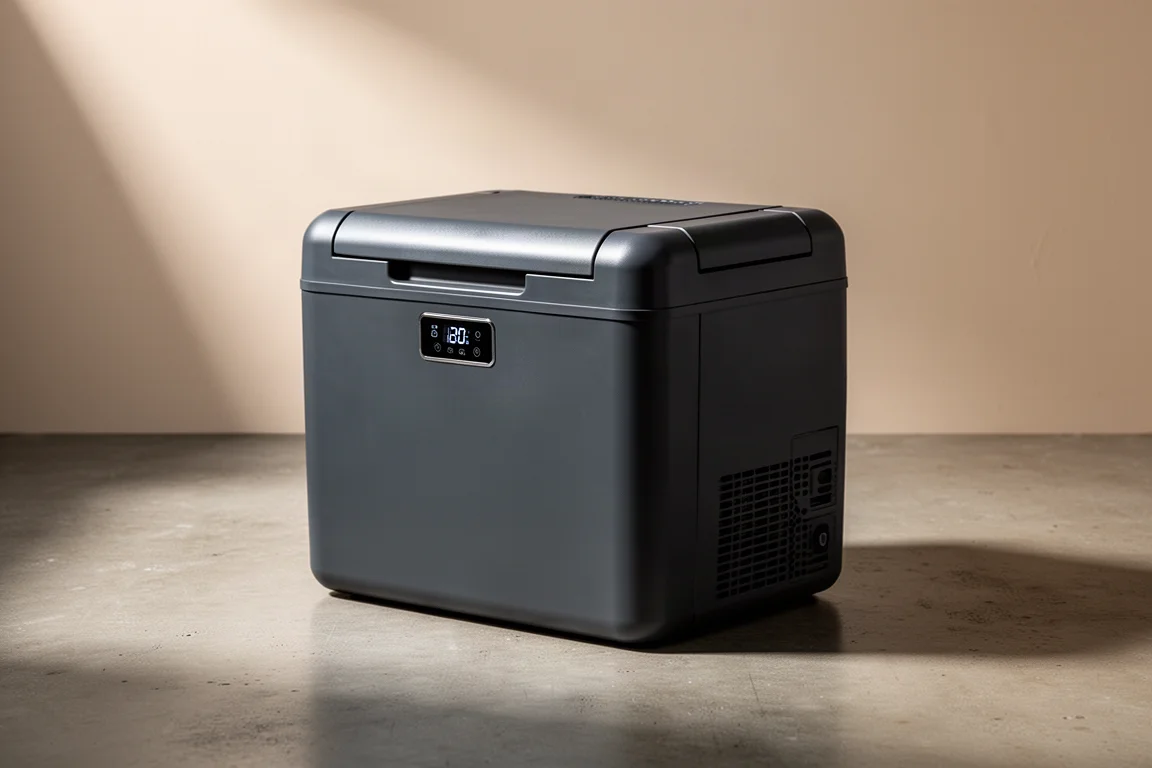
The ICECO GO20 uses a compressor system to hold a consistent cold temperature for as long as the power station feeding it has charge. That means no guessing whether the ice has melted, no mid-trip run for more ice, and no food going bad because the cooler did not hold temperature. This one is sized for a weekend for two or three people, which covers a lot of real trips.
Buying Advice
The most useful way to build a camp electronics kit is to start with the items that solve a problem you have actually had.
Light comes first, because a headlamp is a safety item and a lantern makes a tent livable after dark. Power comes second, because almost everything else depends on it, whether that is a slim power bank for backpacking or a portable power station for car camping. Navigation and communication come next for anyone heading beyond reliable coverage, where a GPS watch and a satellite communicator reduce dependence on a phone.
Small extras are worth considering once the core is settled. A digital thermometer makes it easier to plan for overnight temperatures, and a two-way radio is genuinely useful on group trips when people spread out on four wheelers or head off fishing.
Nothing here needs to be bought at once, and not everyone needs all of it. A minimalist backpacker can carry a headlamp, a power bank, and a satellite communicator and be well equipped. A family car camper will get far more value out of a lantern, a power station, and a 12 volt fridge.
Conclusion
Camp electronics are worth carrying when each item has a clear job and the weight is proportionate to what it delivers. A headlamp earns its place every time. A power bank protects the devices you already rely on. A lantern, a power station, and a 12 volt fridge make car camping noticeably easier. A GPS watch and a satellite communicator add capability that is hard to replace once you are out of cell range.
Pick the ones that match the trips you actually take, and the kit will pay for itself in comfort, convenience, and peace of mind.
Further reading
Related Reviews
Camping Electronics
Camping and Backpacking Electronics: 13 Devices Worth Packing
A practical guide to 13 camping and backpacking electronics, from headlamps and lanterns to power banks, GPS watches, satellite communicators, and car camping power.

Backpacking Gear
Building a 10 lb Base Weight: An Ultralight Backpacking Gear List
A practical walkthrough of the ultralight pieces behind a 10 lb base weight, from a 765 g pack and a roomy one-person tent to a full camp chair and a dependable water filter.

Road Bikes
10 New Road Bikes Worth Watching: Aero, Titanium, Steel and Endurance Standouts
A practical roundup of 10 new road bikes, from aero flagships chasing single-watt gains to titanium, steel and endurance platforms built for real roads.