Road Bikes
Best Budget Road Bikes: Three Aluminium Options Around £1,000
A close look at three aluminium road bikes around the £1,000 mark, covering frames, gearing, brakes, comfort and how much each one can be upgraded later.
Introduction
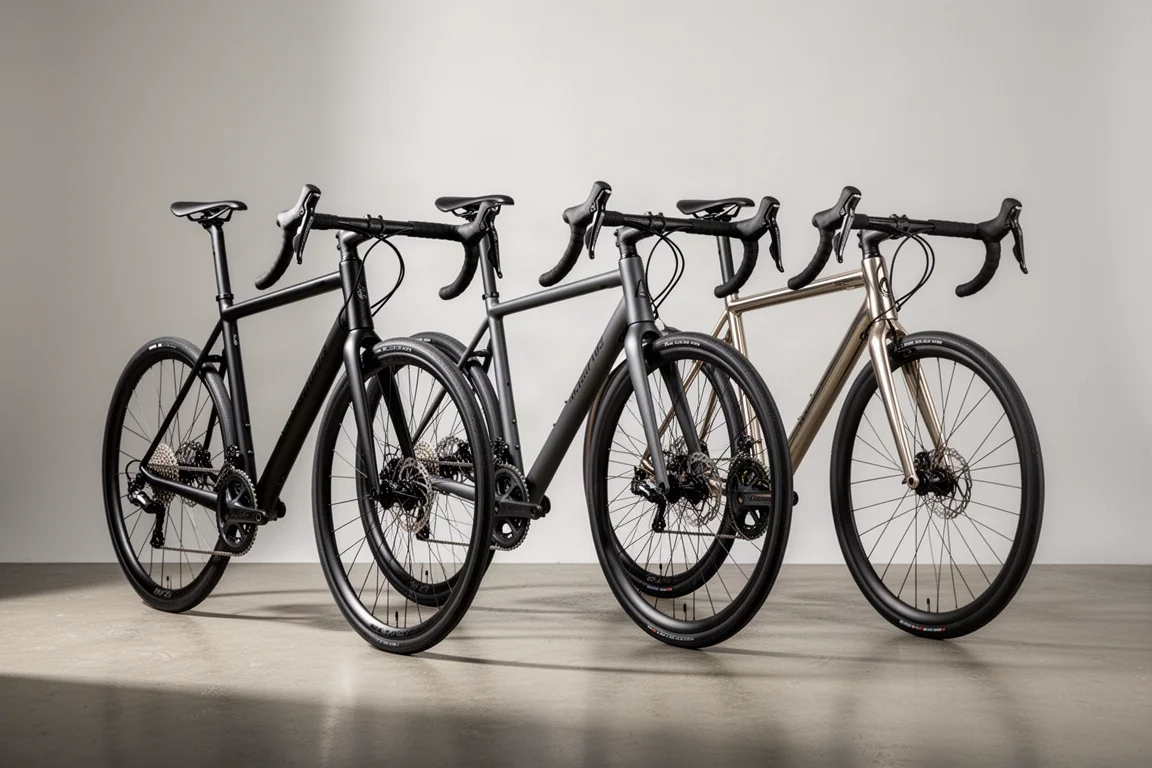
Road bikes around the £1,000 mark have quietly become some of the most sensible purchases in cycling. Aluminium frames paired with carbon forks keep weight reasonable, eight-speed drivetrains cover almost any terrain a new rider will meet, and each of these bikes leaves room to grow as fitness and ambitions do.
Three machines define that price bracket particularly well: the Specialized Allez E5, the Trek Domane AL 2 Gen 4 and the Pinnacle Laterite 2. They share a great deal underneath, including Shimano Claris drivetrains and alloy finishing kit, but they diverge on brakes, tyre width and the way they feel under a rider. That divergence matters far more than a specification sheet suggests.
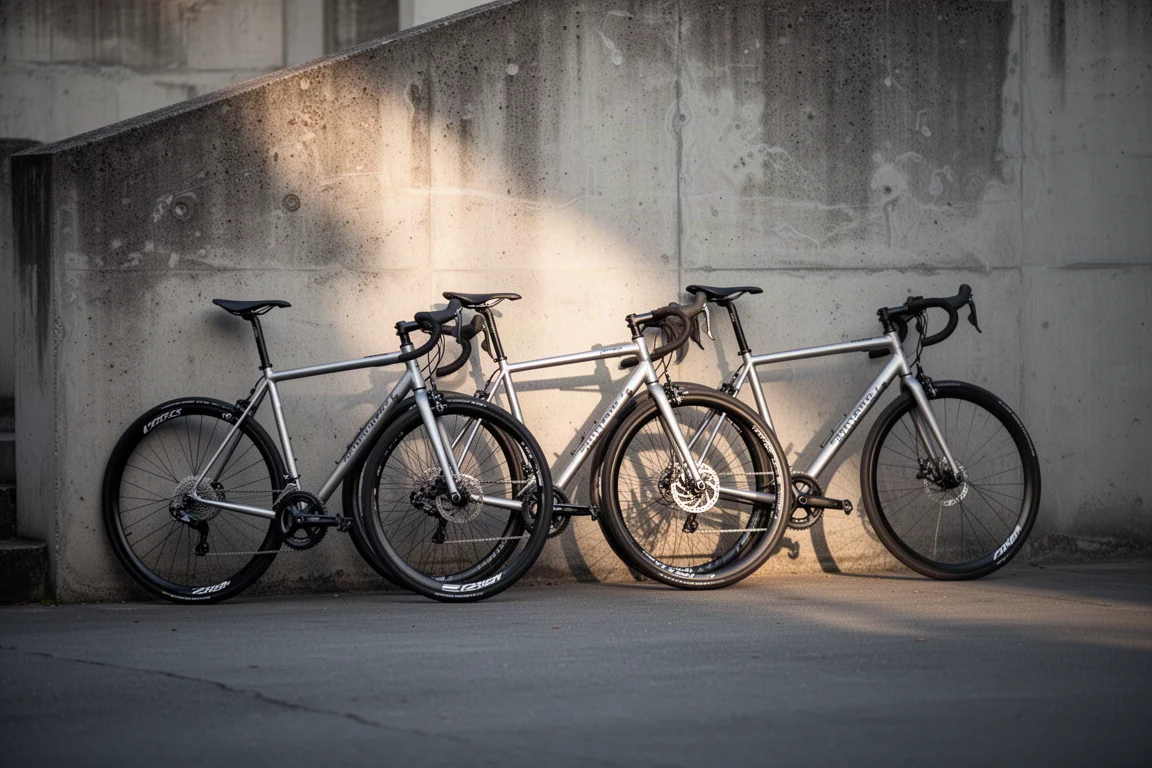
This guide walks through what each bike does well, where each one asks for compromise, and which type of rider each is likely to suit. It is aimed at newcomers to road cycling, at riders replacing an older bike on a sensible budget, and at anyone who wants a dependable machine with genuine upgrade potential.
What to Expect From a Budget Road Bike
All three follow the same broad formula. The frames are aluminium and the forks are carbon, which keeps overall weight in check while taking some of the buzz out of rough tarmac. Complete builds land between 10.28kg and 10.71kg, which is respectable at this price.
Finishing kit is functional rather than flashy: alloy wheels, alloy handlebars and stems, 27.2mm seat posts and saddles with alloy rails. Nothing here is difficult to replace further down the line.
Gearing comes from Shimano Claris R2000 across all three, an eight-speed setup with two chainrings at the front. Cassettes and chains vary slightly between the bikes, but those differences make no discernible difference on the road. Mudguard and rack mounts are present on every frame, which matters if the bike will double as a commuter.
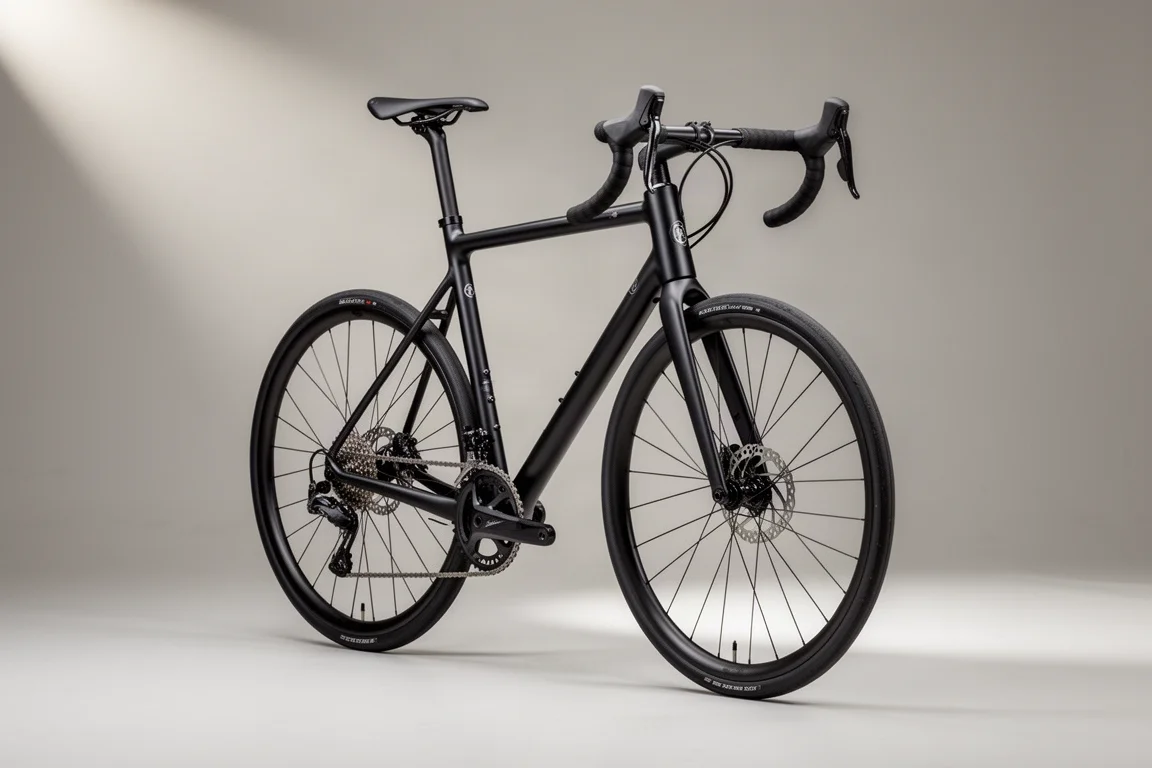
Specialized Allez E5
The Allez E5 uses E5 premium aluminium, described as the lightest frame in its class, with a claimed frame weight of 1,375g in a size 56cm. A full carbon fork is paired with it, and a complete build in a size 58cm weighs 10.28kg, the lightest of the three here.
The ride character is the main draw. The Allez has retained much of the sharp, sporty feel of the race bikes it descends from, with a frame that is stiffer and more rigid than the Domane’s. Handling is confidence inspiring, and it blends keen responses with enough stability to feel easy to live with. Riders who want something close to a race bike experience, including fast sportives or even racing, will find the most to like here.
Braking is handled by Tektro C550 mechanical disc brakes with six-bolt rotors, and the bike rolls on 30mm tyres. Clearance is a little tighter than the Domane at roughly 35mm, which is still generous enough for wider rubber later. At £1,000 in the UK and around $1,200 in the US, it is a very direct rival to the Trek.
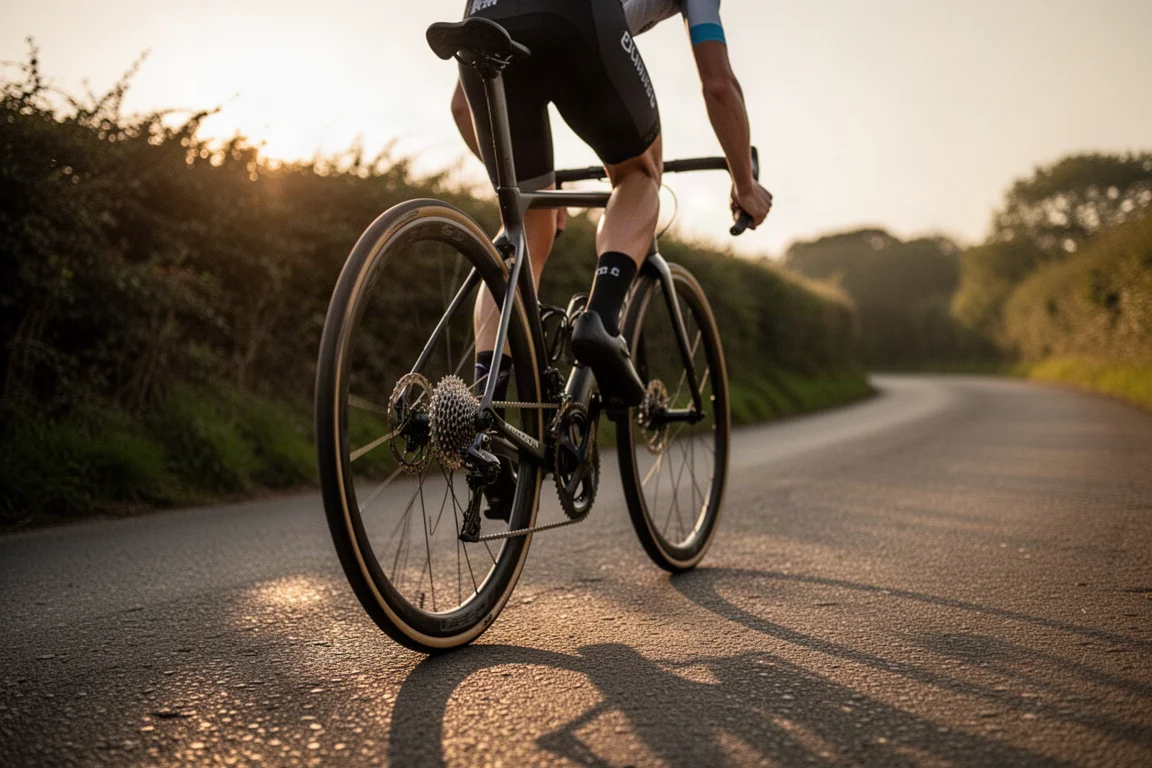
Two details are worth weighing up. The stiffer frame that makes the Allez exciting also makes it slightly less smooth over broken surfaces than the Domane, and the mechanical disc brakes need a little more planning than hydraulic systems when it comes to stopping distances.
Trek Domane AL 2 Gen 4
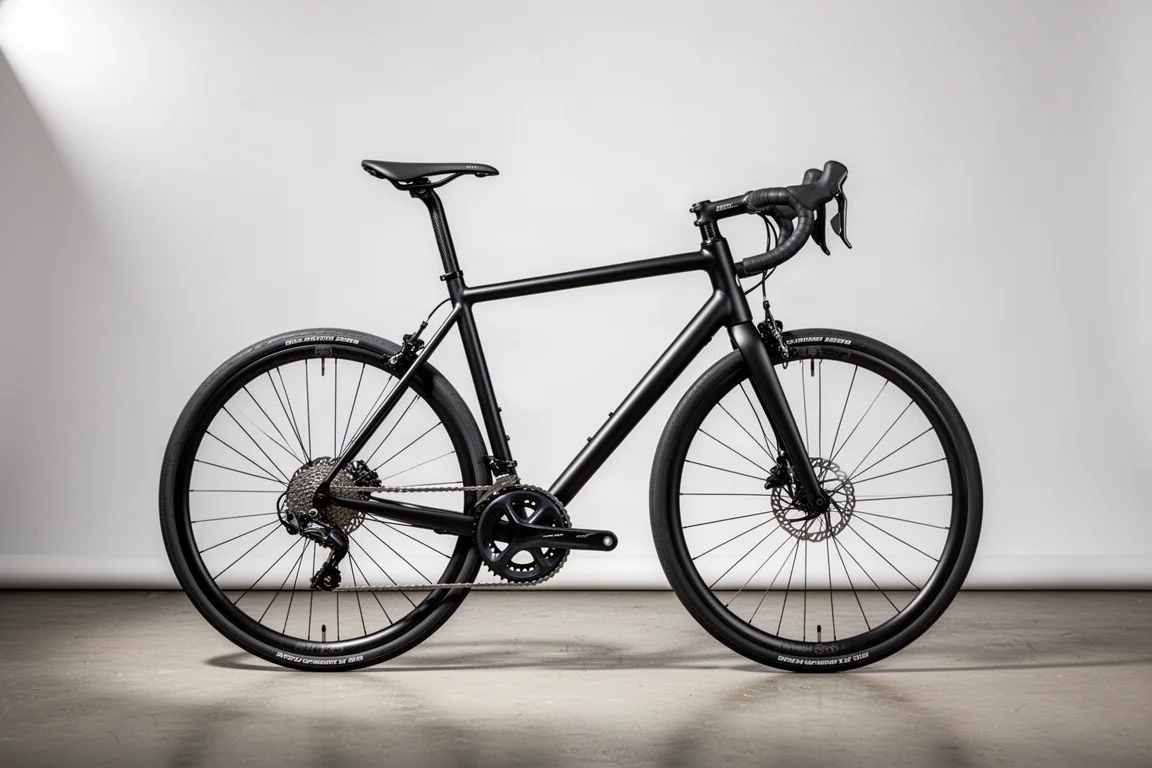
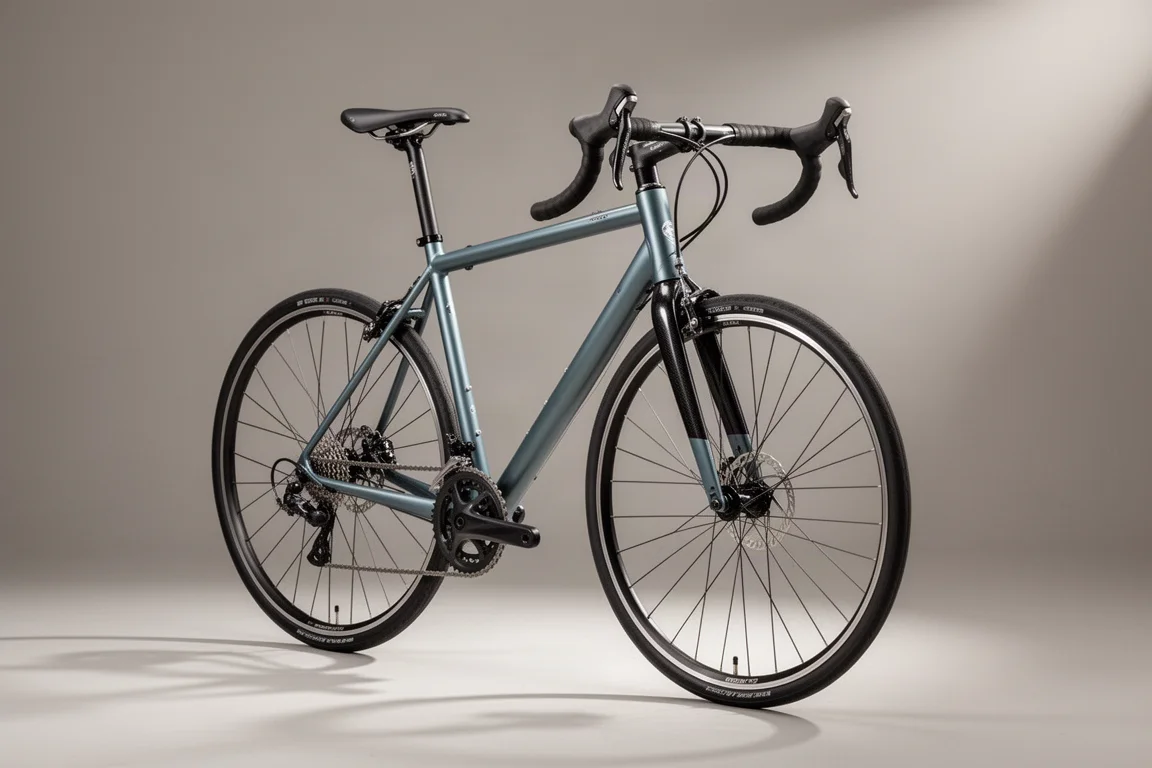
The Domane AL 2 Gen 4 is built from 100 Series Alpha aluminium, with a fourth generation frame and fork claimed to be around 225g lighter than the version it replaced. A full carbon fork comes as standard, and a complete build in a size 58cm weighs 10.6kg.
Comfort is where this bike separates itself. It runs 32mm tyres, the widest of the three, and the more relaxed ride position makes it the calmest and easiest of the group to handle. Wider rubber carries more volume and can be run at lower pressures, which pays off in grip and composure on rough, broken tarmac. It is the most comfortable of the three by a clear margin, and the frame set feels like the most versatile and polished of the group.
Practical touches back that up. There is room for 38mm tyres without mudguards, the widest clearance here, and top tube mounts add a useful spot for a bento box on longer rides. Cables are routed into the headset for a tidier look, which adds a small amount of work at service time but nothing that should put anyone off. Braking is Tektro mechanical disc, again with six-bolt rotors.
Pricing is £1,050 in the UK and around $1,200 in the US, making it the most expensive of the three on average.
Pinnacle Laterite 2
The Pinnacle Laterite 2 takes a slightly different route. The frame is aluminium and the fork is carbon, but with an alloy steerer, and the dropouts are built around traditional quick-release skewers rather than through axles. A complete build in a size XL weighs 10.71kg, which is not far behind the other two.
Where it differs most is braking. The Laterite 2 uses Tektro R315 rim brake calipers, a specification that looks dated next to the disc brake bikes but does not perform like it. Paired with alloy rims, the rim brakes proved more powerful and a little more controllable than the mechanical discs on the Allez and Domane, including in the rain.
Tyres are 25mm, the narrowest here, and clearance is around 32mm, so there is less room to move to wider rubber. The reach is longer than on the other two bikes, which puts the handlebars further from the saddle for a more stretched position, though not an extreme one. Handling is well balanced and slightly sharper than the Domane’s. Comfort is the weakest of the three, not to the point of fatigue, but this is the bike that would benefit most from a wheel and tyre upgrade.
At £800 in the UK it is comfortably the cheapest of the three, though in the US it lands at around $1,200 alongside the others.
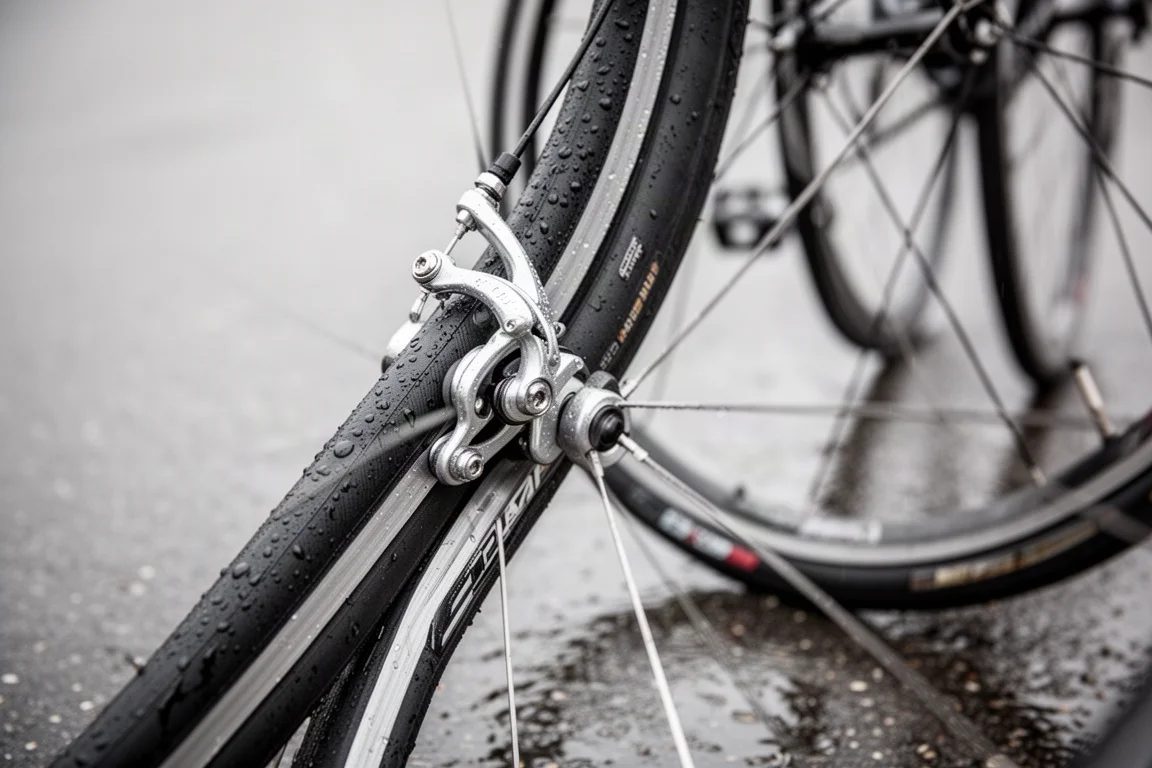
The trade-off is the upgrade ceiling. Better rim calipers exist, but the frame cannot accept hydraulic disc brakes, so the path the other two bikes offer is closed here. For riders who simply want a low cost way into road cycling and have no plans to rebuild the bike later, that matters much less.
Rim Brakes or Disc Brakes at This Price
This is the decision that shapes everything else. Both disc brake bikes run Tektro mechanical systems, which are adequate but noticeably less powerful than hydraulic brakes. Riders used to hydraulic stopping power will need to adjust their expectations and allow longer distances.
Mechanical disc brakes also come with an upgrade path. Both the Allez and the Domane can be moved to full hydraulic brakes later, though that means jumping up two tiers to Shimano Tiagra level, which is a meaningful extra investment. Both frames should take that kind of upgrade well.
The Laterite 2 goes the other way. Its rim brakes are genuinely strong for the money, but the frame cannot accept hydraulic discs, so the ceiling is lower. If you are not interested in upgrading, that constraint costs you nothing. If you are, it is the single biggest difference between these bikes.
One further detail: the disc brake wheels on the Allez and Domane use six-bolt rotors rather than the simpler Center Lock format found with higher tier groupsets, which slightly narrows the choice of replacement wheels.
Buying Advice: Which of the Three Should You Choose?
Start with the kind of riding you actually do. The Domane AL 2 Gen 4 is the easiest recommendation for most people. It has the widest tyres, the most relaxed handling, the greatest clearance and the most practical frame, and the price gap to the others is small. Newcomers and riders who want one bike for commuting, longer weekend rides and occasional rough surfaces will get the most from it.
The Allez E5 is the pick for riders who want a sharper, more reactive bike. It is the lightest build here, the handling is confident, and there is enough of a race bike edge to keep faster riding interesting. The compromise is a firmer ride and a little less tyre clearance.
The Pinnacle Laterite 2 makes the most sense on price. At £800 in the UK it undercuts the others by a wide margin, and its rim brakes are stronger than the specification suggests. Buy it if you want a dependable entry point and are happy to leave the bike largely as it is.
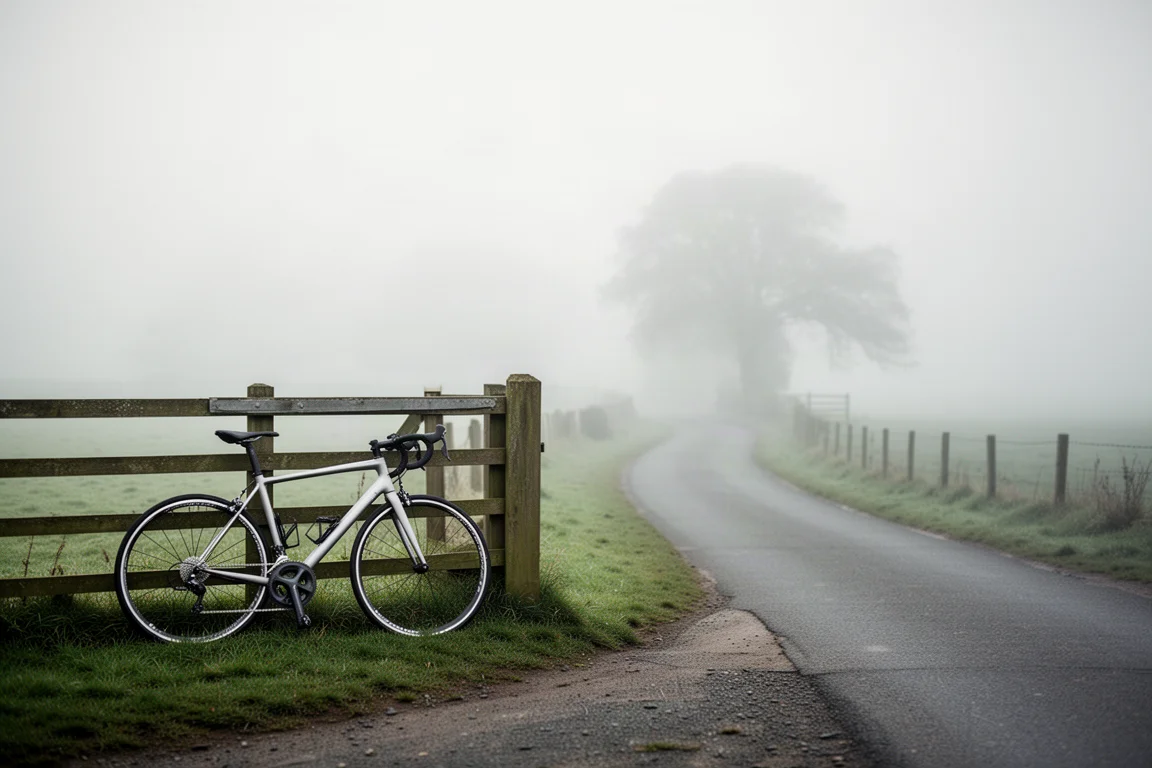
Whichever you choose, budget for two things. First, a proper setup: gear shifting on eight-speed Claris is reliable when the cables and derailleurs are adjusted correctly. Second, tyres. Moving to wider rubber, 28mm or more, is the single most effective comfort upgrade on any of these bikes, and it is the change most riders will notice immediately.
Conclusion
All three of these bikes deliver far more than their prices suggest. The Trek Domane AL 2 Gen 4 takes the win for its comfort, versatility and practical design. The Specialized Allez E5 runs it very close and suits riders who prioritise a sharper ride. The Pinnacle Laterite 2 is the value option, with strong rim brakes and a lower price, provided you are content with narrower tyres and a lower upgrade ceiling.
Further reading
Related Reviews
Road Bikes
10 New Road Bikes Worth Watching: Aero, Titanium, Steel and Endurance Standouts
A practical roundup of 10 new road bikes, from aero flagships chasing single-watt gains to titanium, steel and endurance platforms built for real roads.
Road Bikes
2026 Tour de France Road Bikes: Six Race Machines Worth a Closer Look
Six race bikes from the 2026 Tour de France grid, reviewed for paint, silhouette, wheels and the specification details that matter to buyers.
Road Bikes
3T Strada Italia Review: A Radical Aero Road Bike That Rides Smooth
A made in Italy carbon aero road bike with a deep head tube, wide tire clearance and a genuinely comfortable ride. Here is what to know before buying.