DIY & Garden Tools
Cheap DIY Gems: A £10 Wall Detector and Two Cordless Secateurs Compared
Three budget-friendly finds for the DIY season: a multi-purpose wall detector, a lightweight cordless secateur, and a heavy-duty DeWalt alternative.
Introduction
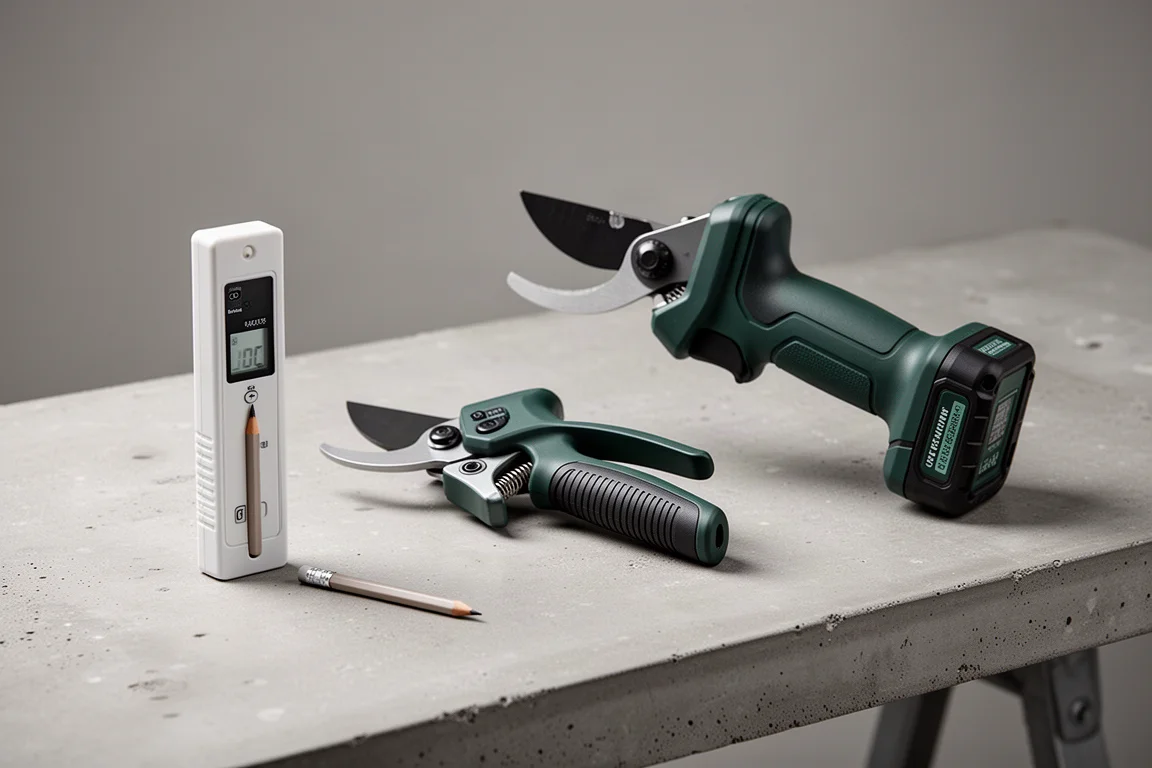
As the DIY season rolls back around, it is a good moment to look at a few genuinely cheap tools that could earn a permanent spot in your kit. This time the spotlight is on three finds: a multi-purpose wall detector that costs about the same as a takeaway, a lightweight cordless secateur for light pruning, and the far more expensive DeWalt equivalent that puts the budget option in perspective.
One thing is clear up front: cheap does not always mean compromised, but it does mean knowing exactly what a tool is for before you buy.
Parkside Multi-Purpose Detector
At £9.99, this detector promises to do the same job as premium models from brands like Bosch, which start around £70-80 and climb to roughly £150. For anyone who ever drills into walls, that claim is worth testing, because going through a pipe or a live cable is an expensive mistake.
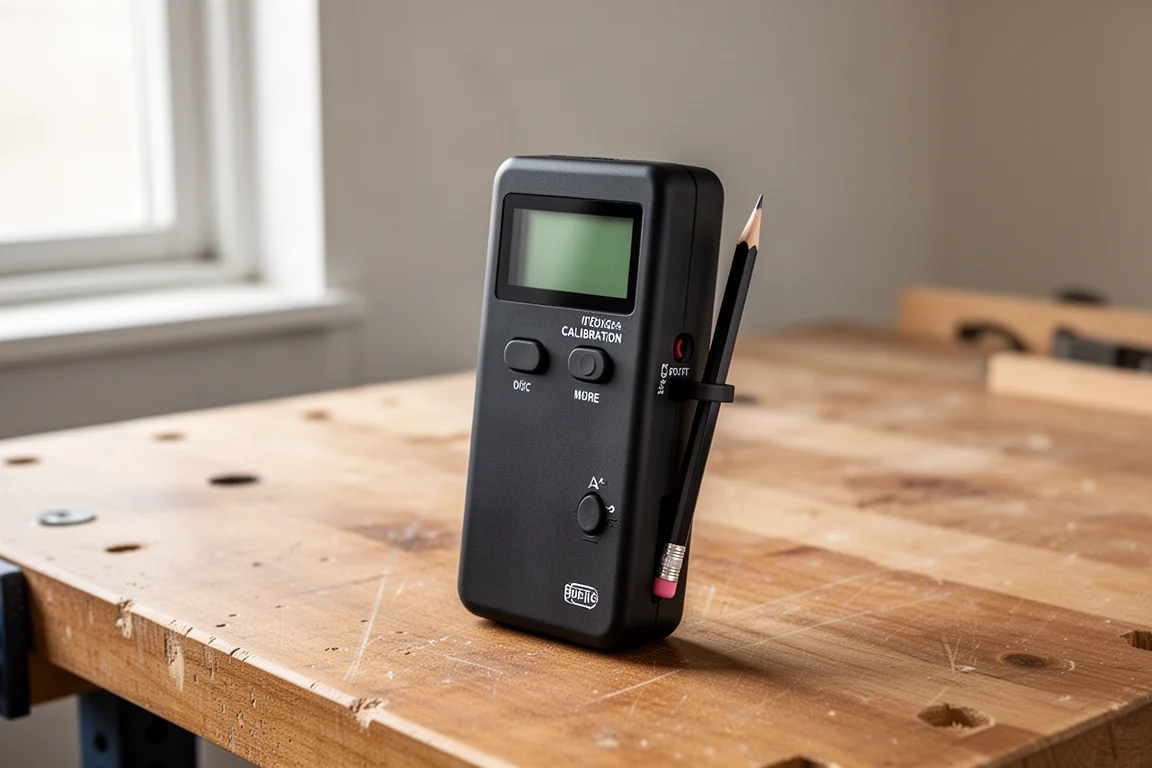
The unit is lightweight and simple. It comes with two small batteries, has on/off and sensitivity buttons (the sensitivity control only works for electrical detection), and a mode button that cycles between studs, voids, metal, and electricity. A calibration button on the side is important: you need to recalibrate regularly, ideally on a section of wall with no studs behind it. There is even a pull-out pencil built into the side for marking what you find, and felt pads on the back let it slide across surfaces without scratching them.
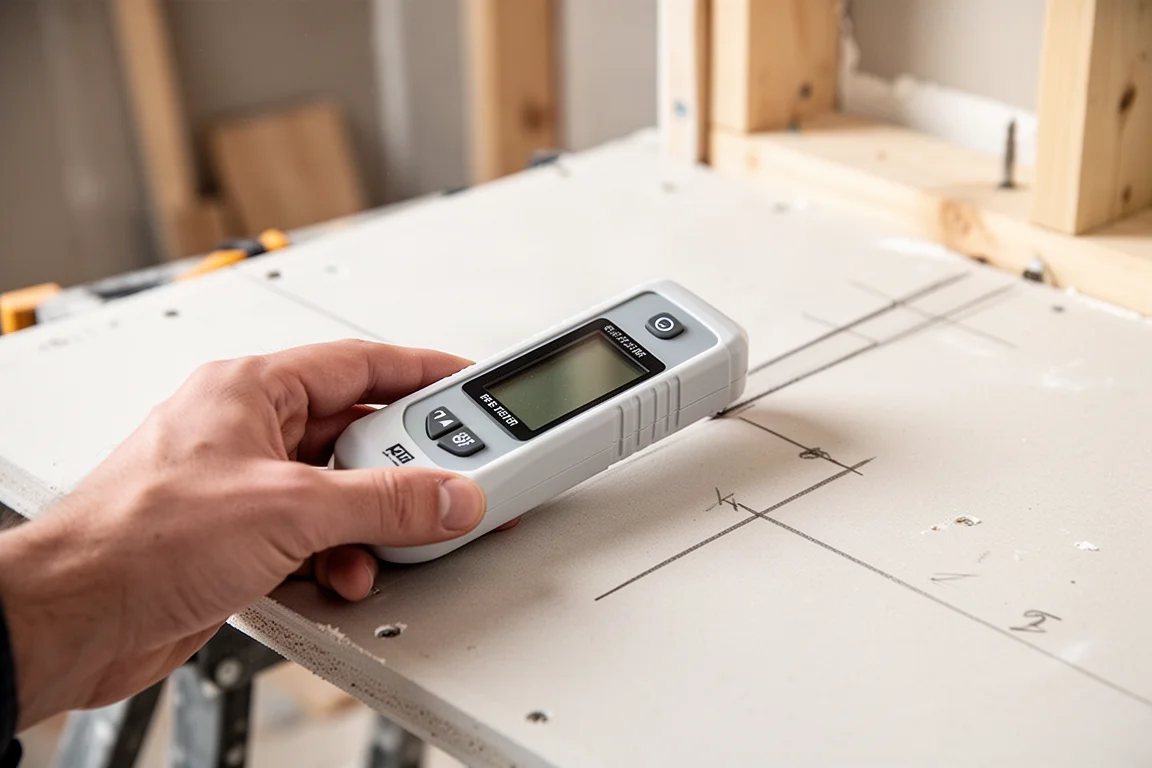
In testing on a plasterboard panel with known studs behind it, the detector picked up studs reliably and accurately enough to mark their centres, even if it does not tell you exactly how wide they are. The metal mode also worked well, finding screws and giving a slight reading on a buried cable.
The big letdown was AC detection. Even on maximum sensitivity, with a powered cable behind the panel, the unit either registered nothing or triggered inconsistently in the wrong places. Repeated attempts off the record did not fix it. For 240 volt detection, it simply failed.
That said, for stud and metal detection it performed as well as detectors costing considerably more. At this price, if you spot one in store and do not already own a detector, it is an easy recommendation, as long as you accept the electrical detection is unreliable.
Parkside Cordless Secateurs
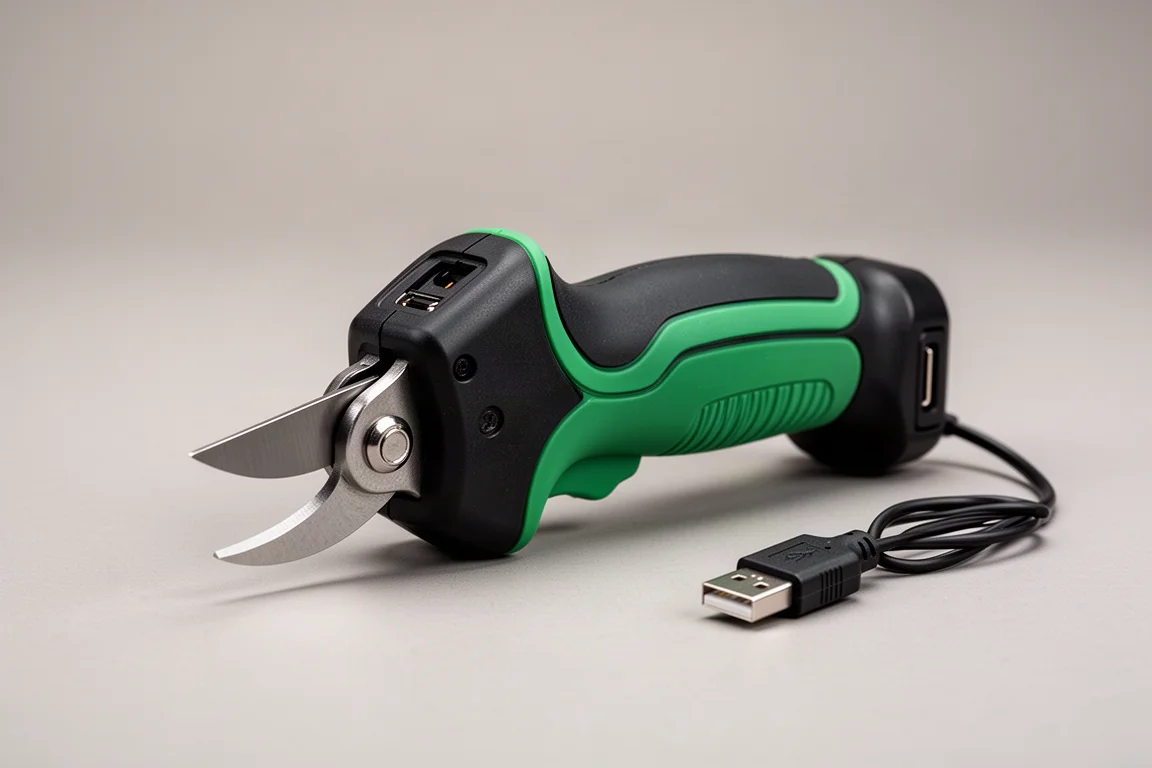
The second standout find is a set of cordless secateurs for £13, dropping to £10.39 with the store’s loyalty card. It is lightweight and fits the hand nicely with a rubberized grip, and the battery lives inside the handle where it cannot be removed. Charging is via USB-A rather than USB-C, which feels a generation behind, and once the built-in battery dies you cannot swap in a fresh one.
Operation is simple: a charging port on the back, an on/off switch, and a double-click to make the blades live, which acts as a safety measure. The blades are either opening or closing, nothing in between, and one blade set can be pulled out and replaced if needed.
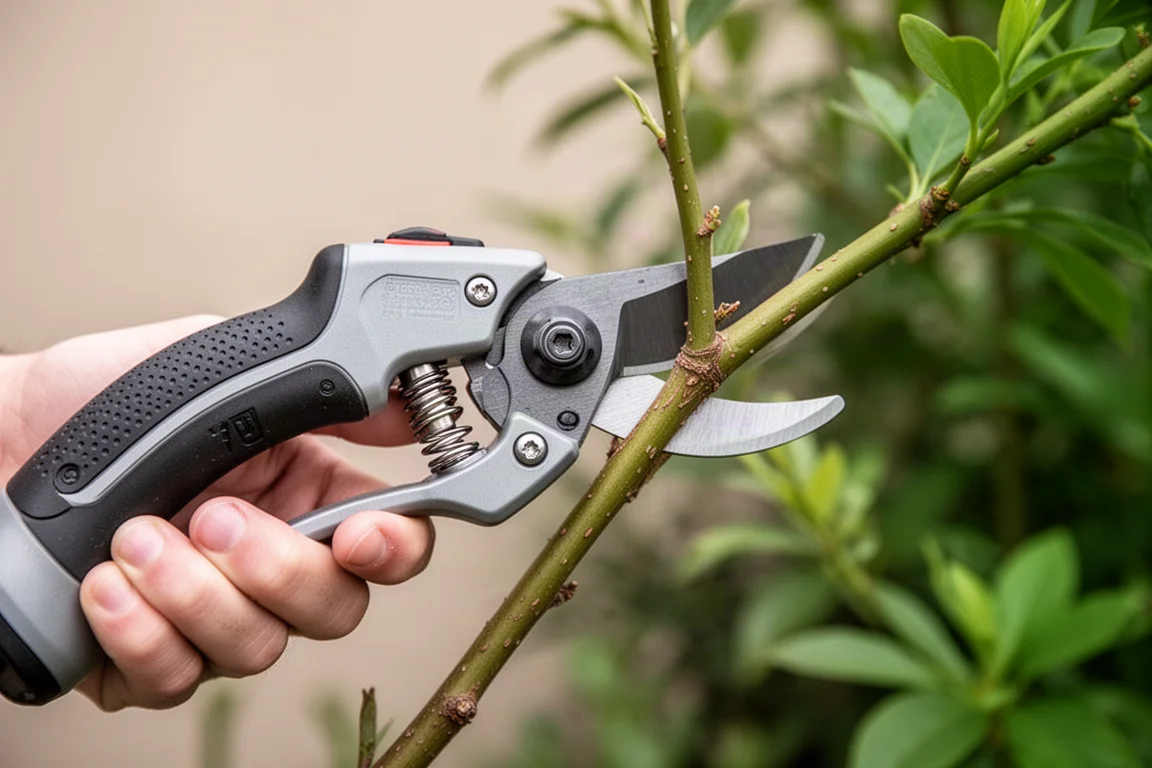
In the garden, it handled roughly half-inch branches without much fuss, though a quarter-inch maple branch made it struggle slightly. Anything around an inch, roughly 27mm, was beyond it: the blades would not even open wide enough to get around the branch properly, and while it kept trying, it was clearly not designed for that.
For light pruning duty, standing in for ordinary hand secateurs, it makes a lot of sense. Battery life seems generous too, remaining fully charged after a good amount of on-and-off cutting, and you would likely need to prune all day to drain it.
DeWalt Cordless Secateurs
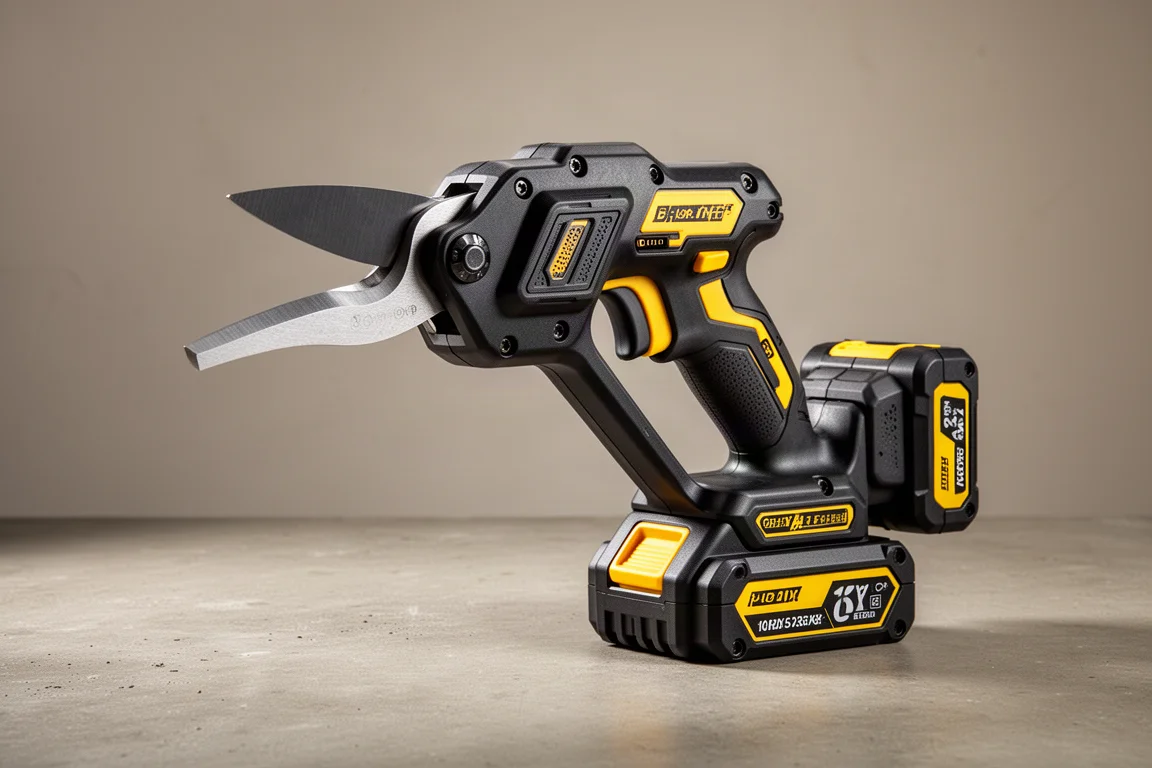
The DeWalt version of the same tool category sits in a completely different league, at roughly £140-160. It uses a removable XR battery, so when the charge runs out you simply swap packs instead of waiting on a cable, and the whole machine is significantly larger and heavier, around 13 lbs without the battery.
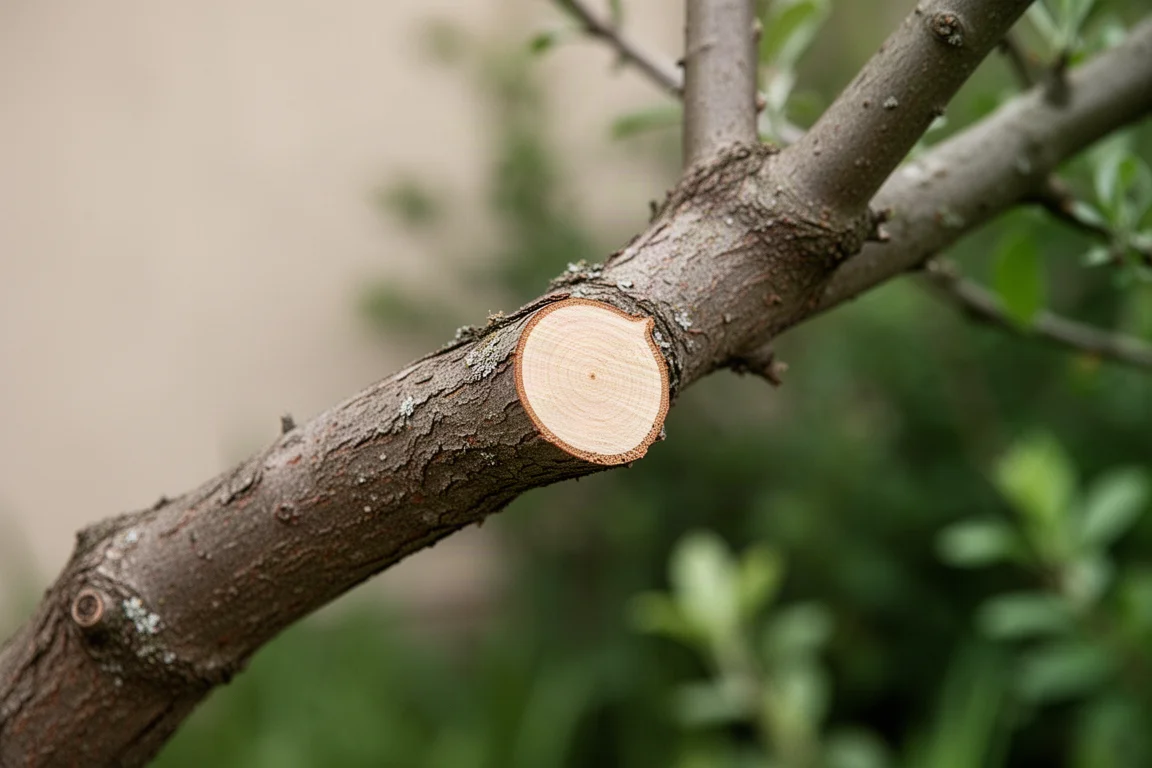
On the same branch that made the budget model struggle, the DeWalt cut straight through without hesitation. It takes on thick, woody growth that no hand tool could manage, and does so with authority.
The trade-off is size and weight. This is not a machine for snipping a few roses; it is a heavy-duty pruning tool for serious cutting work. If your garden jobs are mostly light trimming, the bigger tool is overkill.
How They Compare in the Garden
Side by side, these are two totally different machines. The Parkside is a lightweight alternative to manual secateurs, easy to handle and best for small branches and routine tidying. The DeWalt is for heavy pruning, thick branches, and users who need serious cutting power and swappable batteries.
The right choice depends entirely on your garden. For casual upkeep, the budget model is hard to beat at £13. For demanding, regular cutting of thick growth, the DeWalt’s price starts to look justified.
Other Bargains Worth a Look
Beyond the headline tools, the middle aisles had plenty else for the DIY-minded. Metal incinerators at £15 undercut other shops, digital angle finders and digital calipers were £8 each, and a set of four ratchet straps was £9. Three by four metre tarpaulins came in at £5.60, and SDS plus drill bits, pointed or chisel, were just 75p for anyone with a compatible drill.

Safety and organization were covered too: a small fire extinguisher for £10 is a sensible workshop addition if you do not already have one, a tap and die set was £13, and a £14 wall organizer helps get clutter off your surfaces and onto the wall.
Conclusion
The lesson from this haul is that a small budget can still buy real capability, provided you match the tool to the job. The Parkside detector is a genuine bargain for stud and metal finding despite its electrical detection failing the test. The Parkside secateurs are an easy win for light garden pruning at £13 or £10.39 with the loyalty card. The DeWalt remains the tool for heavy-duty cutting, and its price reflects that. Buy for the work you actually do, and each of these can earn its place.
Further reading
Related Reviews
Power Tools
Impact Driver vs Drill: Key Differences and When to Use Each
Understand the mechanical differences between impact drivers and drills, and learn when to reach for each tool based on your specific task.
Tools & Equipment
Next-Generation Tools 2026: 13 Innovations Rewriting the Workshop
A curated selection of 13 advanced tools and accessories that bring precision, power, and efficiency to professional and DIY workflows.
Garden Tools
4 Garden Power Tools Worth a Look: Ryobi Patio Cleaners and DeWalt XR Garden Tools
Two Ryobi patio cleaners and two DeWalt XR garden tools put through real springtime work, with honest strengths and trade-offs for each.