Power Tools
Impact Driver vs Drill: Key Differences and When to Use Each
Understand the mechanical differences between impact drivers and drills, and learn when to reach for each tool based on your specific task.
Introduction
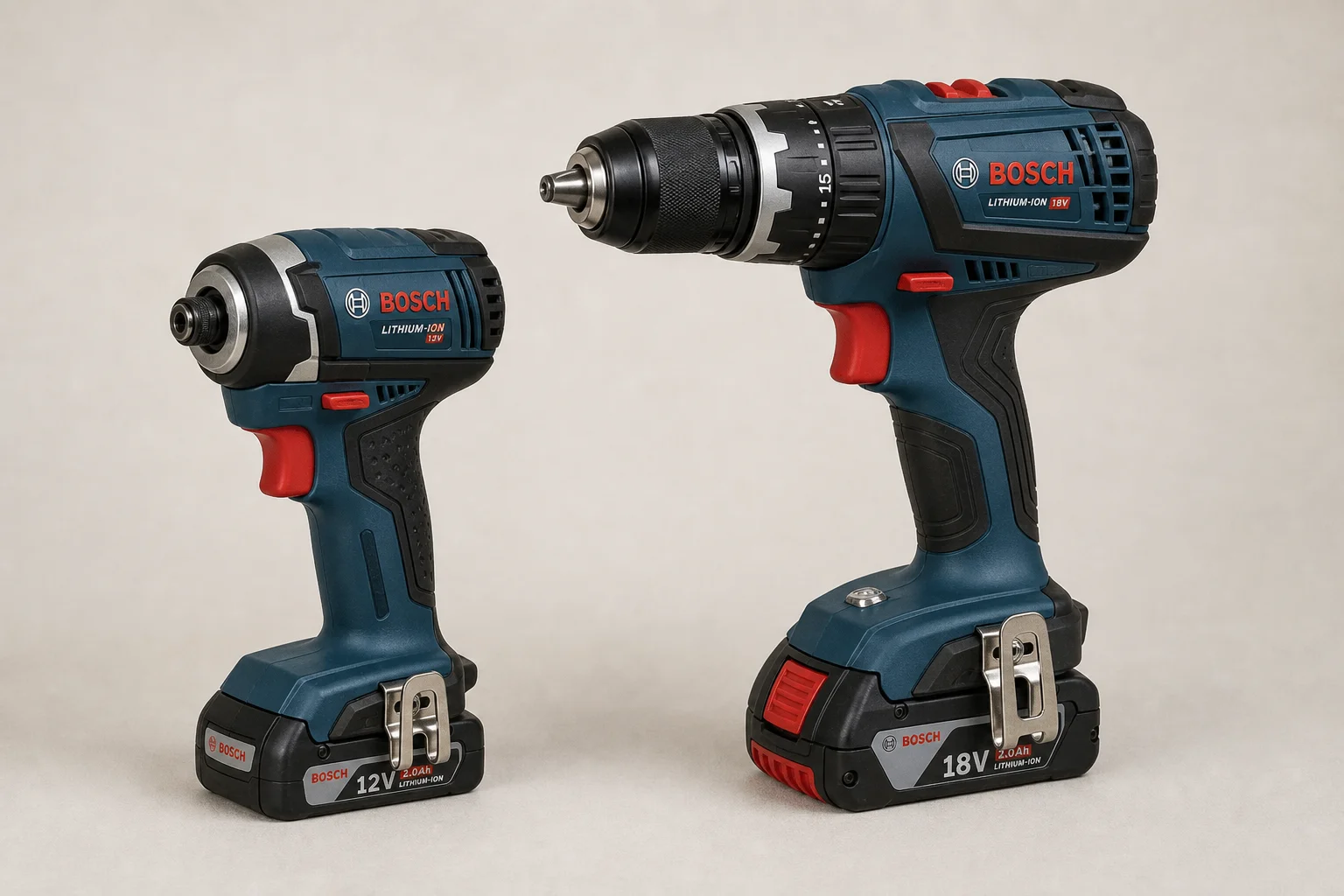
Impact drivers and drills are often sold together in combination sets, but they serve different purposes and work in fundamentally different ways. Understanding the mechanical differences between these two tools helps you choose the right one for each job and use them more effectively.
Chuck Design and Bit Compatibility
The most obvious difference between a drill and an impact driver lies in their chucks. A drill features a traditional three-jaw chuck that can accept bits of various sizes, from 1/16 inch up to 1/2 inch or larger. This flexibility makes drills versatile for many applications.
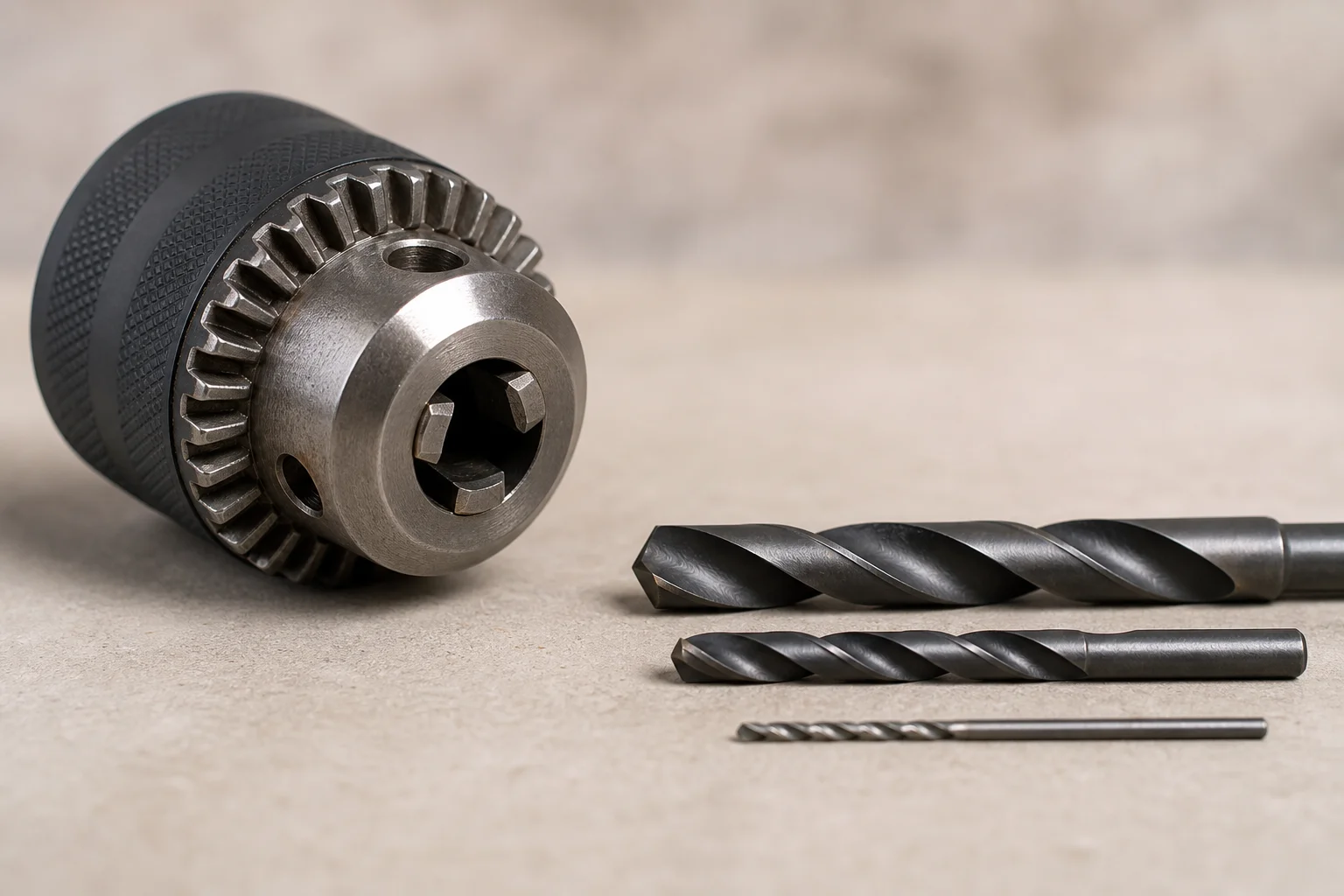
Impact drivers, by contrast, require 1/4 inch hex bits. These bits have a distinctive shape with a small indentation and a thinner torsion zone that allows them to flex slightly and absorb the impacts from the driver. This design is essential for the tool to function properly and safely.
Clutch and Precision Control
Drills include a clutch mechanism that controls how much torque is applied before the chuck stops spinning. This clutch has numbered settings, typically ranging from 1 to 21, allowing you to set the exact resistance level. Setting the clutch to a low number is crucial when driving fasteners into delicate materials or thin-walled components, where over-driving would strip out the holes or damage the work.
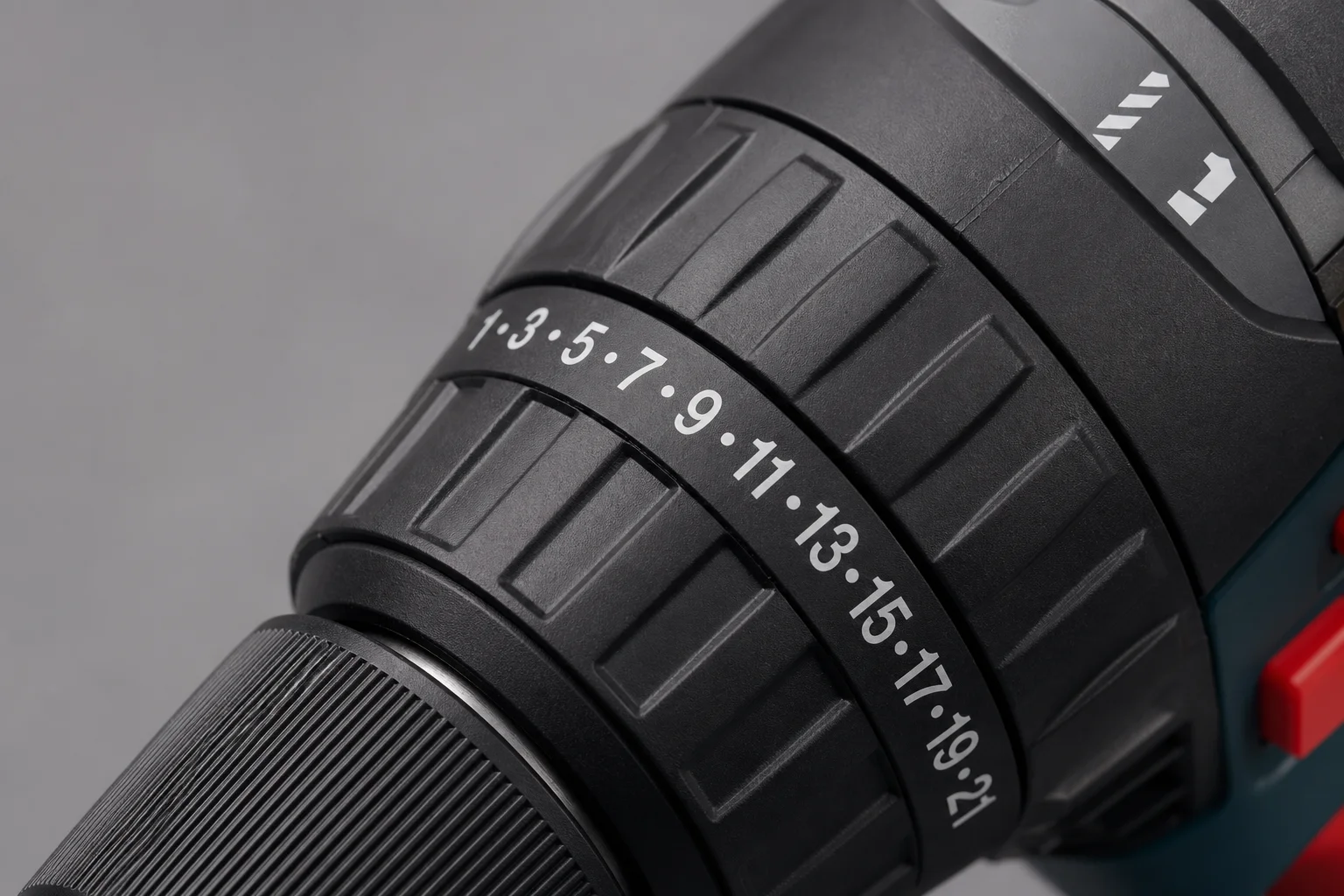
You can also switch a drill to full-power drill mode, which bypasses the clutch entirely for maximum torque when drilling through hard materials. Impact drivers lack this clutch feature entirely. They will continue driving until the fastener is fully seated or the bit strips out the hole, making them less suitable for delicate work.
Hammer Mode for Masonry
Many drills include a hammer mode designed for drilling into hard materials like concrete, cement, stone, or rock. When activated, this mode causes the drill bit to receive impacts in the same direction as the drilling motion, similar to a hammer or mallet striking the back of the bit. This feature significantly improves drilling speed and efficiency in masonry applications.
Impact drivers cannot perform this function, as their impact mechanism is designed purely for rotational impact to drive fasteners, not for percussion drilling.
Gear Selection and Torque Control
Drills typically feature one or two gears, with some models offering three or four. The lower gear provides slower rotation but higher torque, making it ideal for driving into hard materials or when maximum power is needed. The higher gear delivers faster rotation with less torque, suitable for lighter fastening tasks.
Impact drivers do not have gears in the traditional sense. Some models, like the Milwaukee M12 Fuel Surge and Ridgid models, offer multiple speed settings, but these function as limiters on maximum speed and impact frequency rather than true torque adjustments.
How Impact Drivers Work: The Rotational Impact Mechanism
The defining feature of an impact driver is its internal rotational impact mechanism. Inside the tool are three key components: a hammer, a spring, and an anvil. When you squeeze the trigger without resistance, the entire chuck spins normally, just like a drill.
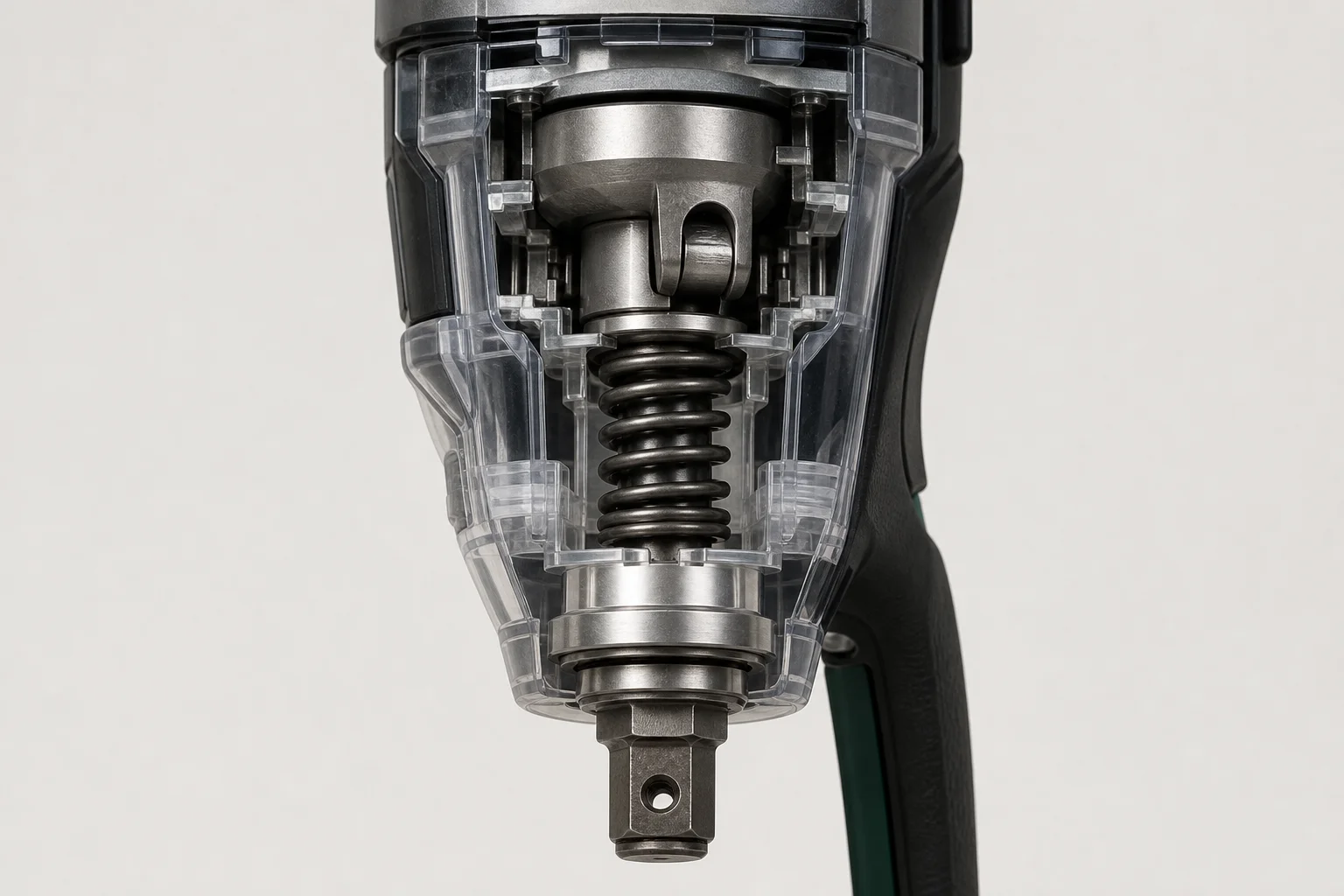
When the bit encounters resistance, the spring compresses, pushing the hammer into the anvil repeatedly in the same direction as the bit’s rotation. This creates a series of rapid impacts that drive the fastener forward with tremendous force. The same mechanism works in reverse, making impact drivers excellent for loosening stubborn or rusted fasteners.
The torque difference is dramatic. A typical drill might produce 530 inch-pounds of peak torque, while an impact driver can deliver 1,500 inch-pounds or more in a much smaller package. This efficiency also means impact drivers drain batteries more slowly than drills when performing the same fastening tasks.
Size and Maneuverability
Impact drivers are noticeably more compact than full-size drills, and even compact drill models are longer than impact drivers. This size advantage makes impact drivers ideal for working in confined spaces, tight corners, or overhead positions. The lighter weight also reduces fatigue during extended use.
Compact drill sets, like the DeWalt compact drill-driver set, offer a middle ground between full-size drills and impact drivers, providing better maneuverability than traditional drills while retaining more versatility than impact drivers alone.
Kickback and Safety
Kickback occurs when a bit binds in the material and the tool suddenly rotates in the opposite direction, potentially causing wrist or arm injuries. Drills are more prone to kickback, though some newer models include anti-kickback features.
Impact drivers are inherently safer in this regard. The rotational impact mechanism prevents the tool from suddenly reversing direction, eliminating the kickback hazard.
Noise Considerations
Impact drivers are significantly louder than drills due to the repeated hammer-anvil impacts. The Milwaukee M12 Fuel Surge uses a pneumatic impact mechanism rather than a traditional rotational impact system, making it quieter than conventional impact drivers while still delivering strong performance. However, even the quietest impact drivers remain louder than standard drills.
Practical Applications: When to Use Each Tool
For most general drilling tasks, a standard drill is the better choice. Drills provide consistent rotation, better control, and the ability to use a wide variety of bit types, including spade bits, hole saws, and metal drilling bits.
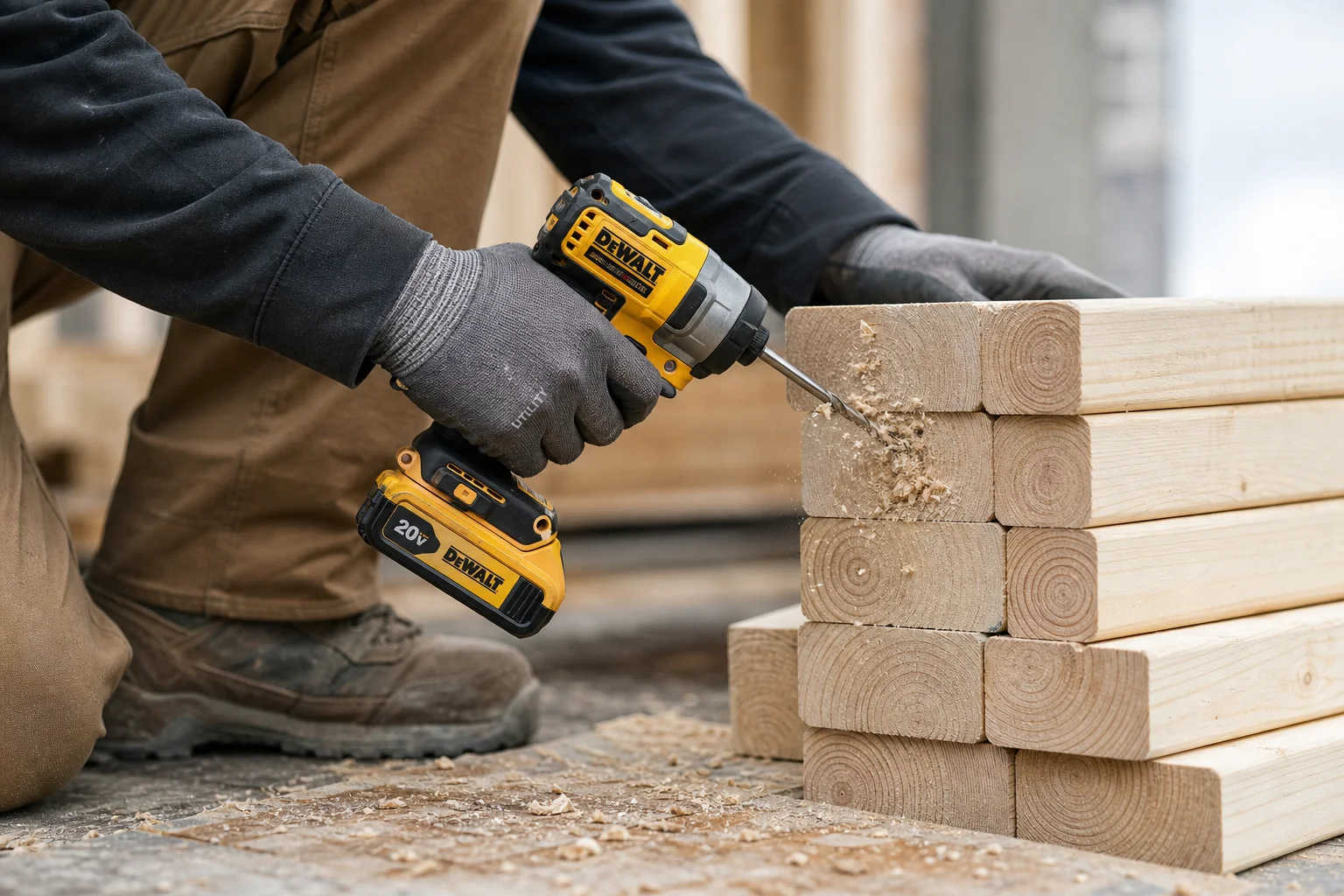
However, impact drivers excel in specific applications. For driving large lag bolts, long deck screws, and other heavy fasteners, an impact driver’s superior torque makes the job faster and easier. When drilling holes through wooden studs with self-feeding bits like Diablo bits, an impact driver’s compact size and speed make it the tool of choice for electrical work.
If you must choose only one tool, a drill offers greater overall versatility. If you do fastening work regularly, having both tools creates an ideal combination: use the drill to create holes and handle delicate work, then switch to the impact driver for driving fasteners.
Some manufacturers offer a three-jaw chuck adapter that allows you to use standard drill bits in an impact driver, though this compromises the tool’s impact capability and is best reserved for occasional use when the right bits are unavailable.
Conclusion
Impact drivers and drills are complementary tools, each with distinct strengths. Drills excel at precision work, delicate fastening, and drilling various hole sizes. Impact drivers dominate heavy fastening tasks and work in confined spaces. Understanding these differences helps you select the right tool for each job and work more safely and efficiently.
Product link
View more details for Milwaukee M12 Fuel Surge
This product is mentioned in the review. Check the specifications, options, and compatibility before buying.
View more details for Milwaukee M12 Fuel SurgeFurther reading
Related Reviews
Power Tools
Best 1-Inch Pistol Impact Wrenches: Three Heavy-Duty Options Compared
We compare three 1-inch pistol impact wrenches, from a budget-friendly Harbor Freight model to a premium Caterpillar unit, to help you choose the right one.
Power Tools
Best 3/4-Inch Impact Wrenches 2026: Five Contenders Compared
We compare five 3/4-inch impact wrenches across price and performance, from a budget Amazon option to Snap-on's most powerful model yet.
Power Tools
Best Budget Cordless Tools 2026: Walmart Finds That Punch Above Their Price
We tested five cordless tools from Walmart, including a high-torque impact wrench that trades blows with Milwaukee and a $35 duster that outperforms its price class.