Garden Tools
4 Garden Power Tools Worth a Look: Ryobi Patio Cleaners and DeWalt XR Garden Tools
Two Ryobi patio cleaners and two DeWalt XR garden tools put through real springtime work, with honest strengths and trade-offs for each.
Introduction
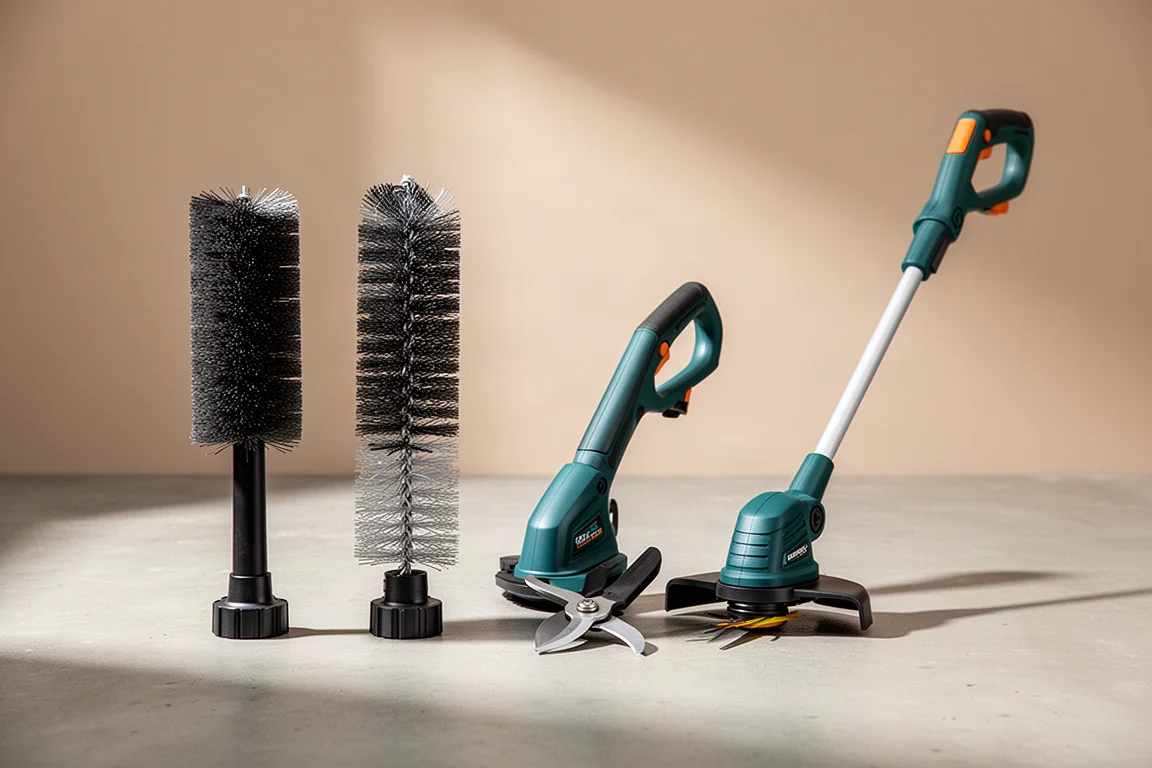
Spring and summer put a lot of demands on a garden, and the right power tool can turn a weekend chore into a quick job. This roundup covers four cordless garden tools that have each been put through real work: two Ryobi patio cleaners with different brush types, a DeWalt cordless pruner, and a DeWalt brushless grass trimmer. All four do what they promise, but each suits a slightly different situation.
Ryobi Patio Cleaner with Nylon Brush
Ryobi’s patio cleaner with a nylon brush worked reasonably well in testing on patios and decks. It is priced at £120 on Amazon in the UK, and interestingly it costs more on the Ryobi UK website, so it pays to check where you buy.
Beyond the included nylon brush, Ryobi sells alternative heads for this machine: a steel brush, an artificial turf brush, and a timber brush designed for decks. The timber brush is slightly softer than the coarse nylon brush and worked really well, getting into all the little nooks and crannies on a deck.

Both patio cleaners are medium weight and offer just over 100mm (4 inches) of shaft adjustment. That is not much, but the setup felt comfortable in use. Running on a 4Ah battery, expect roughly two charges for an average-size patio, depending on how hard you push the brush. When the brush wears out, replacement options matter: a three-pack from Amazon costs around £8, a better deal than the single £15 replacement from Ryobi.
Ryobi Patio Cleaner with Wire Brush
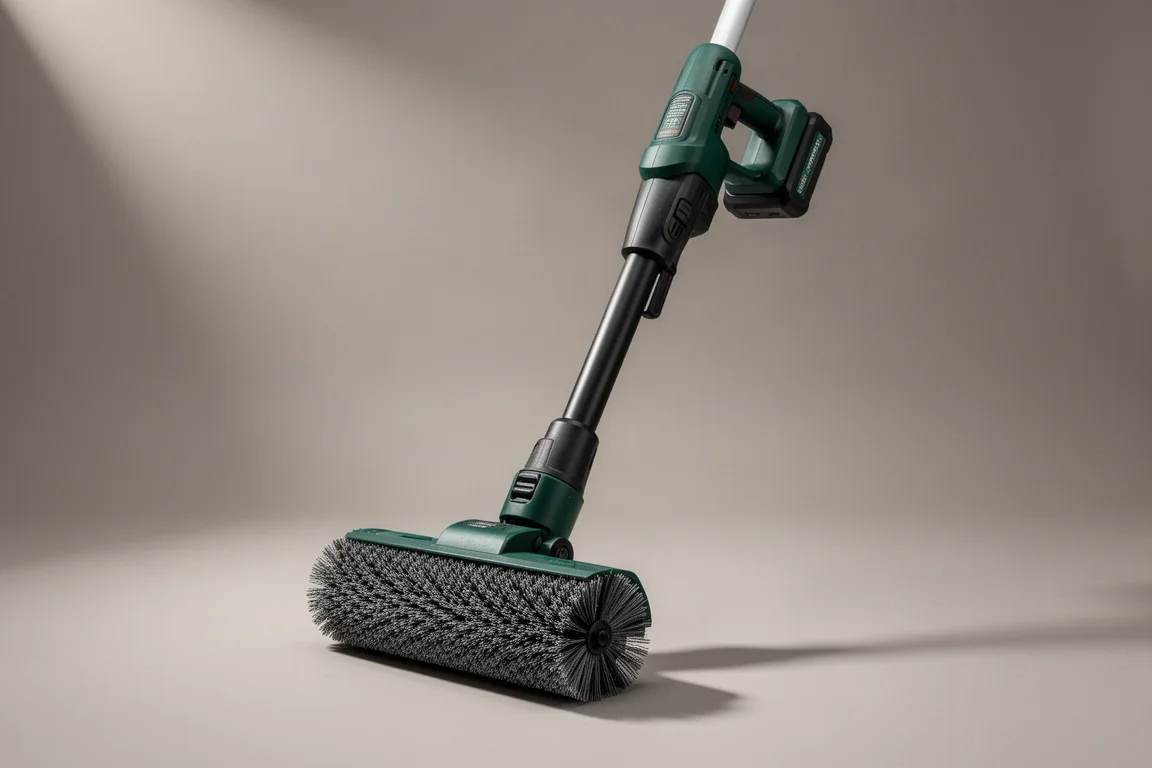
The wire brush version costs £89, making it the cheaper of the two patio cleaners. It also worked reasonably well, and it is the heavier of the two machines. A nylon brush can apparently be bought separately for this model, which makes it a little softer and possibly more suitable for patios.
The key point with both machines is that they do what they promise, and the right choice depends entirely on what surfaces you have around your property. Whichever you pick, one thing is certain: powered scrubbing makes life a lot easier than doing it manually on your hands and knees.

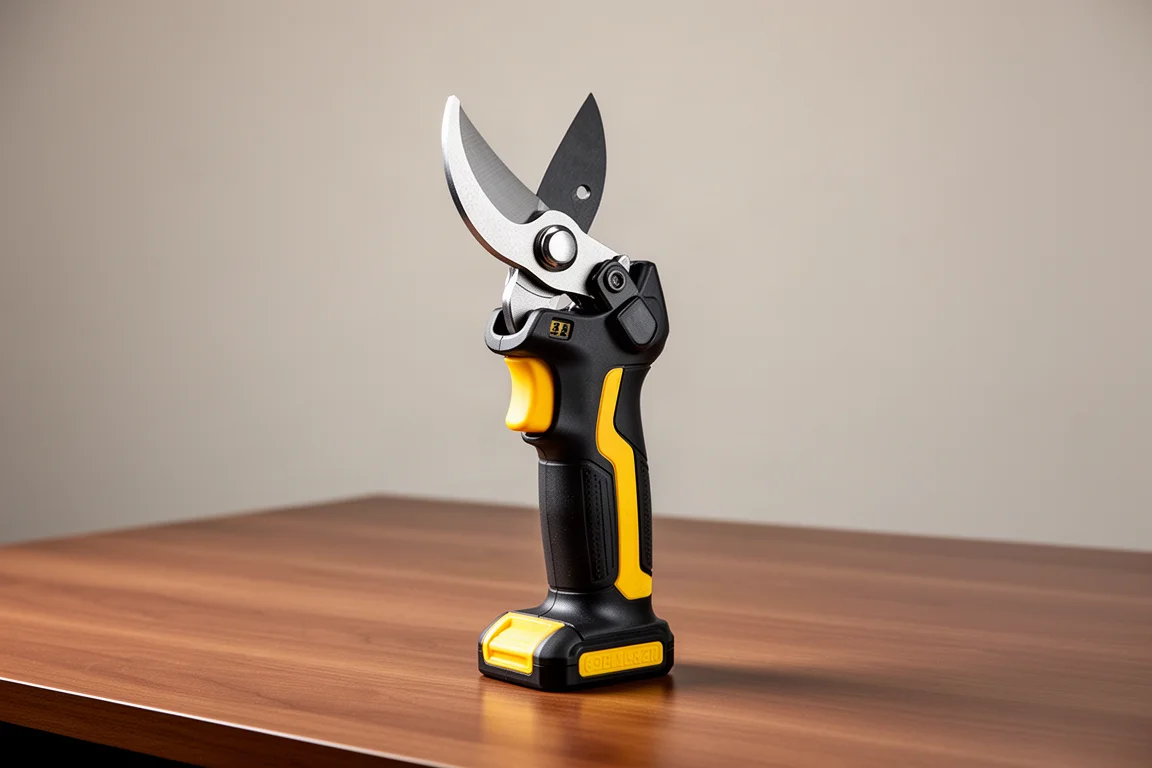
DeWalt DCMPP568N Pruner
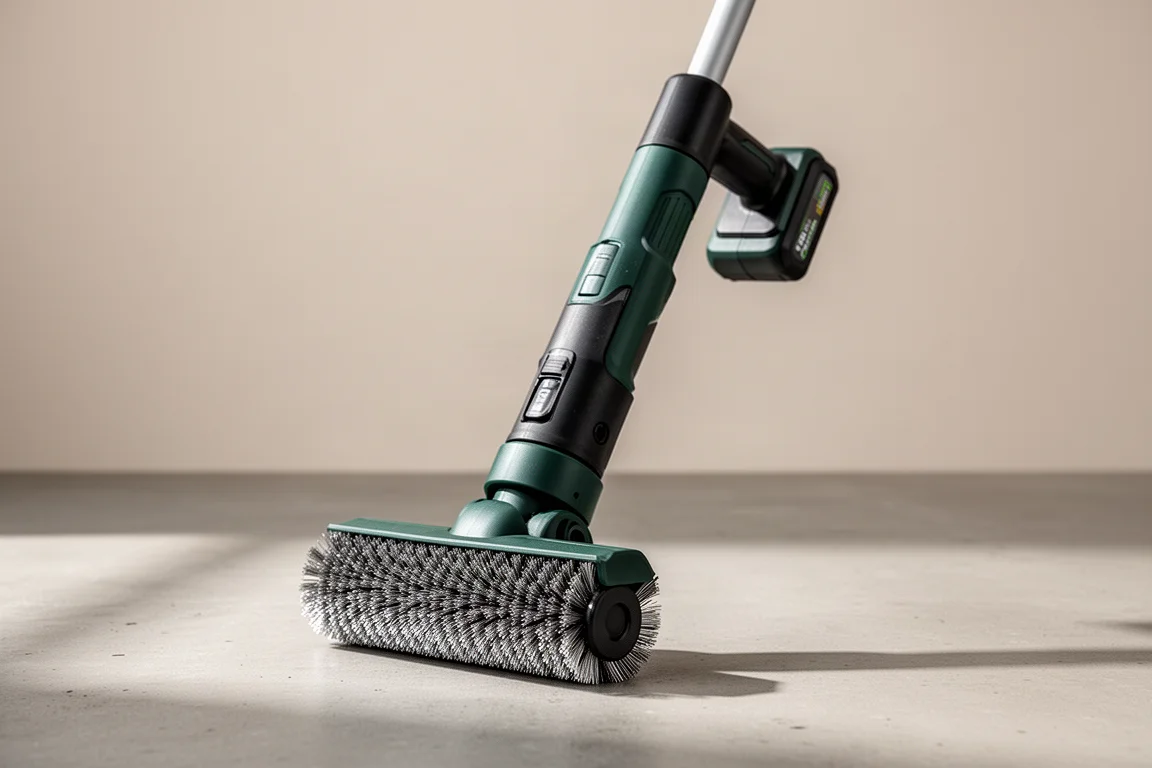
The DeWalt DCMPP568N is the only pruner DeWalt makes, and it is part of the XR range running on a standard battery. It costs £120 for the bare unit, which is not cheap, but it looks like a tool that will last for many years. DeWalt claims it cuts branches up to 38mm (an inch and a half), and in real use it handled a 35mm branch without hesitation. It does not take any prisoners.
The trigger mechanism is deliberately staged for safety: a flap must be depressed first, then the trigger, which closes and opens the shears. One design quirk is that the trigger is binary, either fully on or off, with no partial opening or closing like some other brands allow. In practice this did not affect real-world use at all. There is also a safety shutdown after roughly 10 seconds of inactivity, which requires re-arming but barely matters during regular pruning.
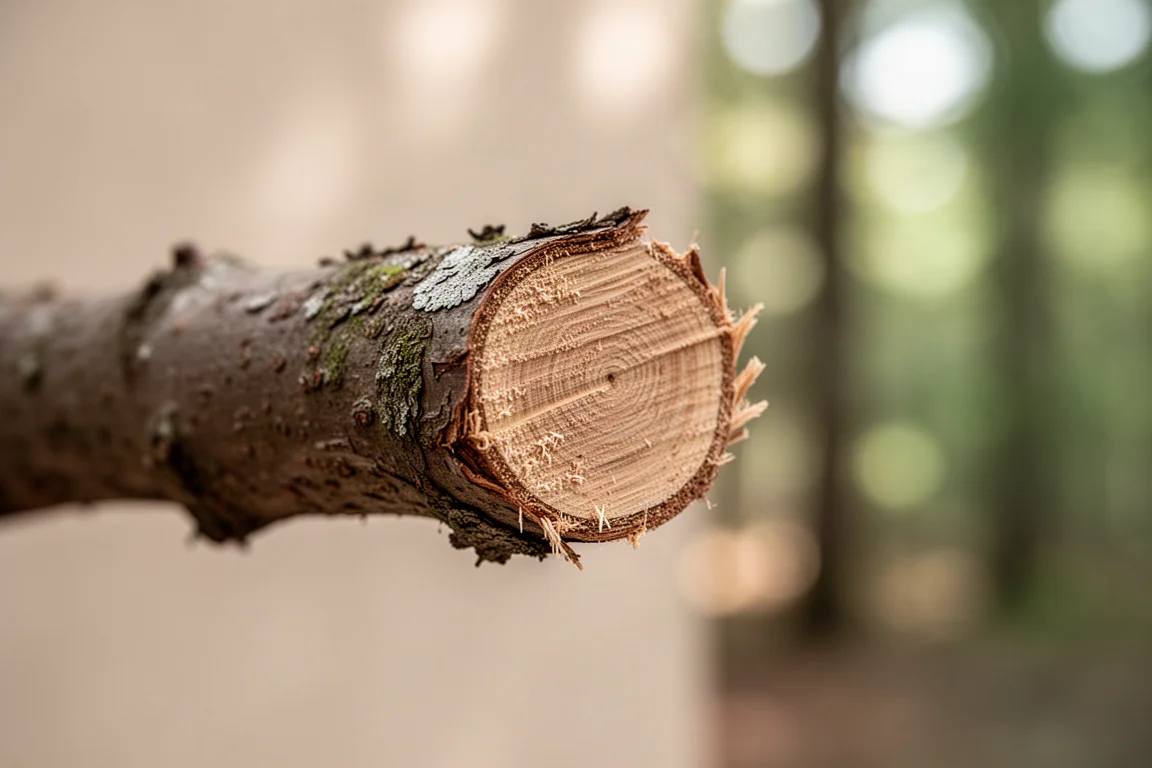
The shears are around 5mm thick and can be replaced with the included Allen key, though most owners will likely never need to. A small light sits on top of the head, of limited use for daytime pruning. For anyone tackling spiky shrubs, brambles, or nettles, decent leather gauntlets are essential. The reviewer’s tip: skip the £25 garden centre gloves and buy welding gloves from Screwfix for just over a fiver.
This pruner makes the job dramatically easier and even adds a bit of fun to a chore most people dread.
DeWalt DCM561PBS Grass Trimmer
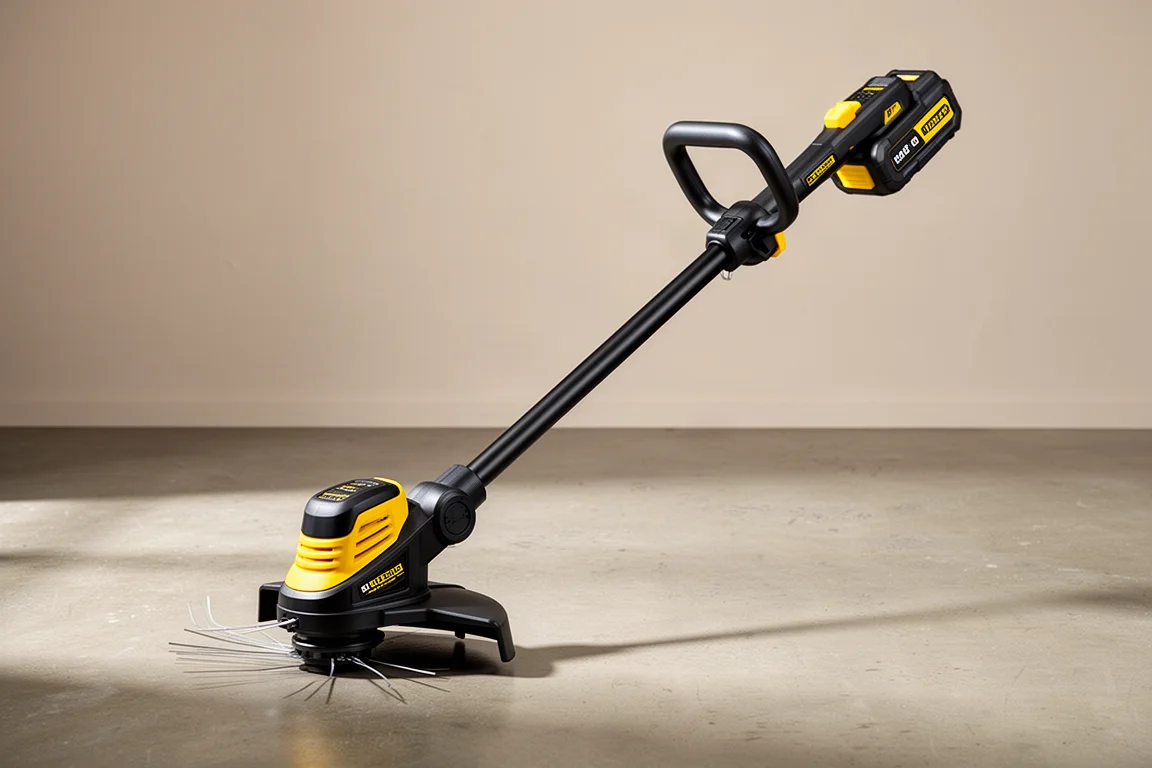
The DCM561PBS is a brushless grass trimmer running on the standard DeWalt XR battery platform, bought for £145 bare from Amazon. It has a bump feed line, a wide 33cm (13 inch) cutting radius, and unusually, a high and low speed switch.
The low speed setting offers noticeably more control, ideal for fine grass around and under fences, and the top-mounted battery counterbalances the motor at the bottom for a well-balanced, comfortable feel. Switch to high speed and it rips through longer, tougher grass without slowing down. The power output on a standard XR battery is genuinely impressive for a non-petrol machine.
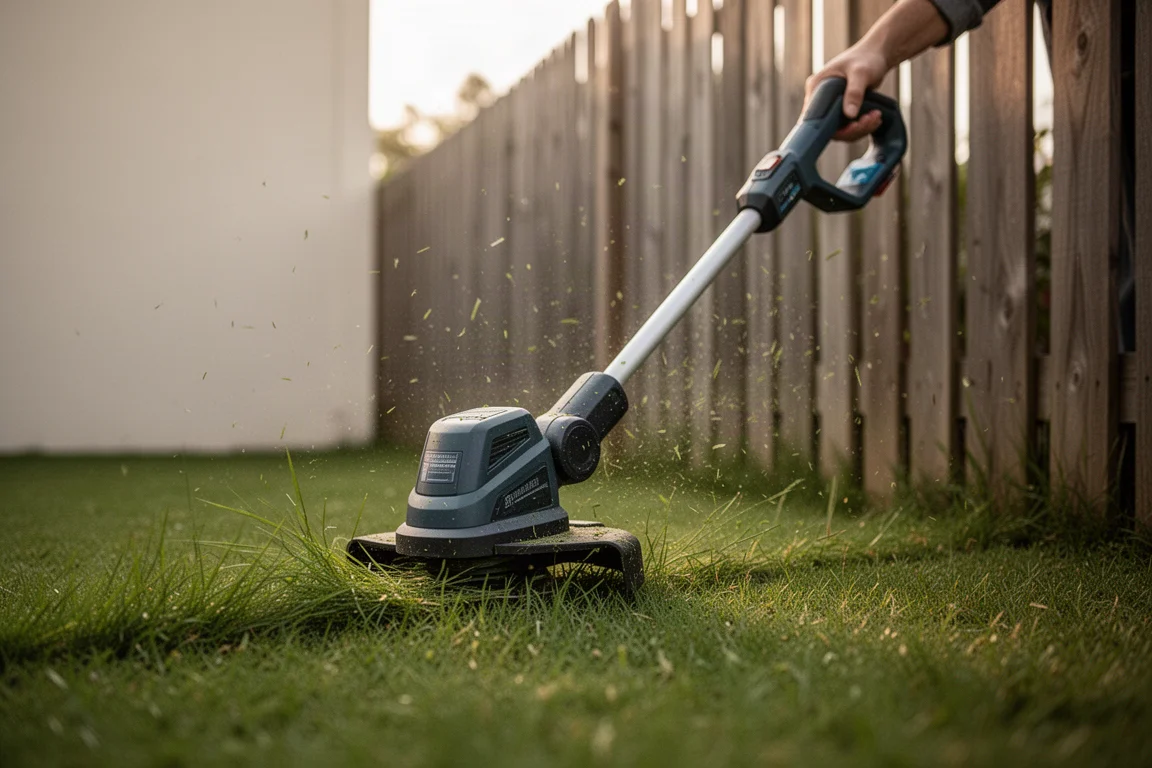
There is one significant caveat: the bump feed line system. After deliberately shortening the line to test it, running the trimmer to speed and bumping released line unevenly, and eventually one side disappeared entirely into the head, creating a bigger problem. Just like many trimmers before it, the bump feed did not deliver in practice.
As for the controls, the forward-pushing trigger gives excellent variable speed, and the low/high switch is a first for this kind of tool. Overall, DeWalt has struck a strong balance of performance and cost for the DIY market here.
Buying Advice
Choosing between these four comes down to your garden. If you have patios or decking covered in grime, a Ryobi patio cleaner saves your knees, and the cheaper wire brush version plus a three-pack of £8 replacement brushes is a sensible setup. For overgrown trees and spiky shrubs, the DeWalt pruner is expensive but built to last and cuts thick branches effortlessly. For lawn edges and fence lines, the DeWalt trimmer delivers strong power and great control, as long as you accept that the bump feed line mechanism may frustrate you.
Conclusion
All four tools did what they promised on the box, with one notable exception in the trimmer’s bump feed. The Ryobi cleaners make powered scrubbing far easier than manual work, and the DeWalt pruner and trimmer offer impressive performance from standard XR batteries. Match the tool to your surfaces and tasks, and each one has a clear place in a spring and summer garden routine.
Further reading
Related Reviews
Garden Tools
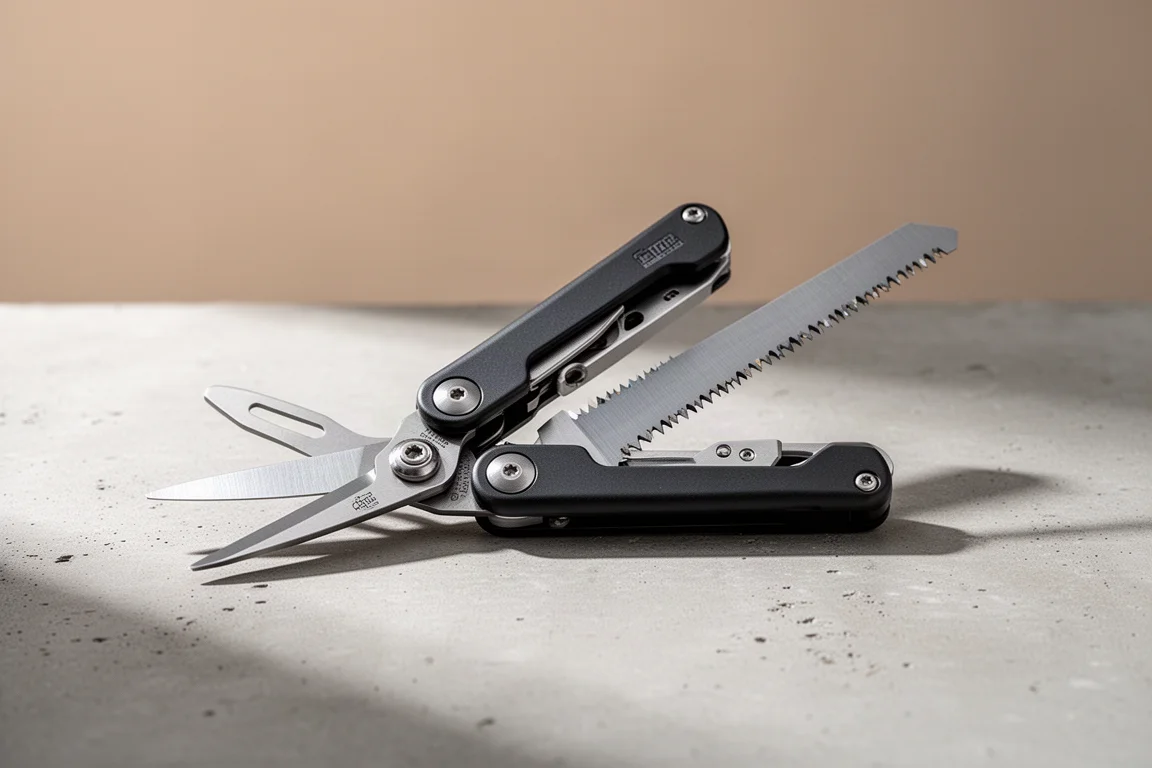
Bibury Folding Trimming Multi-Tool Review: Shears, Saw, and Blade in One
An inexpensive folding trimming multi-tool with shears, a surprisingly capable saw, and a blade we would not rely on. Here is how it held up on real overgrown branches.
Garden Tools
AEG ALP18 Pruning Shears Review: A Cordless Pruner With Real Muscle
The AEG ALP18 cordless pruning shears cut up to 30mm soft wood, keep operation easy on the hands, and add more torque than rival pruners, with a few quirks to know first.
Garden Tools
AEG Earth Auger Review: Cordless Hole Digging That Actually Holds Up
A hands-on look at AEG's cordless earth auger: three speeds, a 250mm auger bit, and enough torque for clay, with a few quirks worth knowing first.