Dirt Bikes
Best Budget Dirt Bikes: Apollo RFZ, X-Pro and Kayo Compared
Three budget-friendly 125-class dirt bikes for casual trail riding, with honest notes on build quality, maintenance and resale.
Introduction
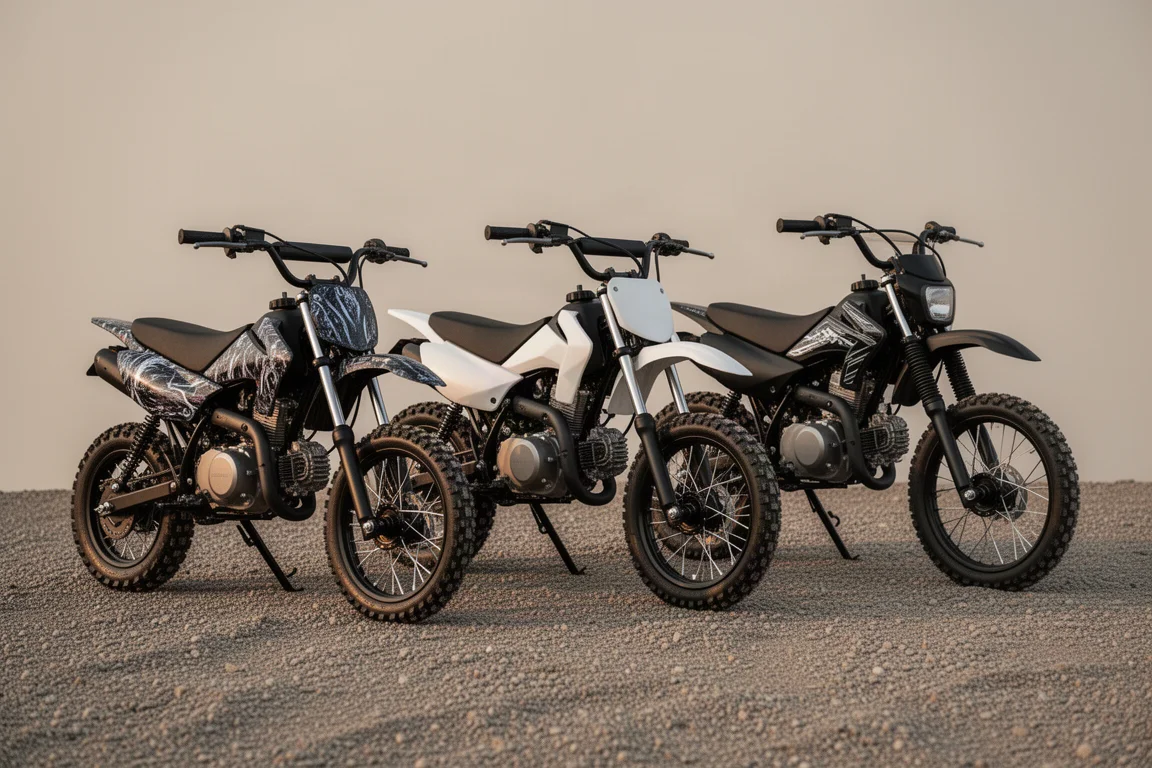
Online forums and social media groups love to repeat the same advice: buy a Japanese bike, buy a 250 or a 450, or don’t bother. For most casual riders, that advice is overkill. If your goal is fun trail riding on a few acres or light local trails, a smaller budget bike can deliver more smiles per dollar than a full-size motocross machine.
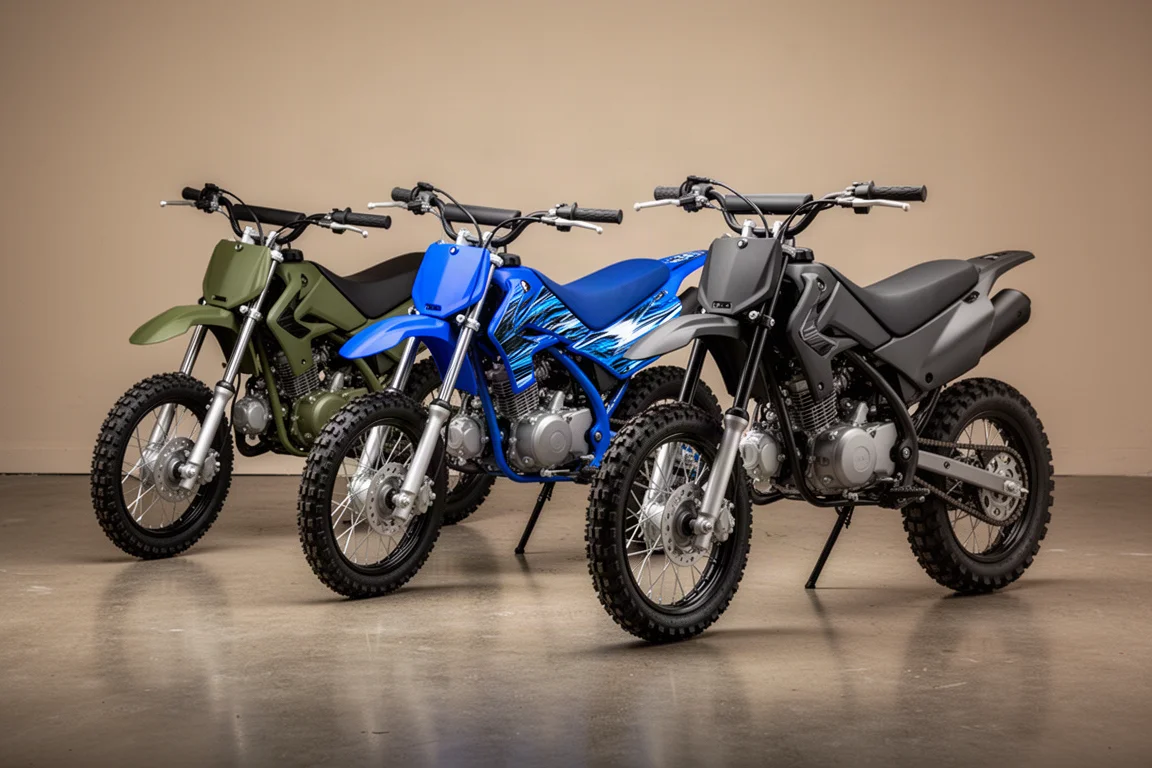
This guide looks at three budget-friendly options: the Apollo RFZ, the X-Pro and the Kayo. None of them are race bikes, and none of them pretend to be. But for relaxed trail use, they cover the spectrum from ultra-budget fun to a surprisingly well-built mid-range machine.
Do You Actually Need an Expensive Bike?
Here’s a practical way to think about it. A new Japanese 250 or 450 can run close to $5,000 from a dealer, and even used examples hold value in the $3,000 to $4,500 range. If you buy one and sell it within a year, you can easily lose $500 or more.
Compare that with a used budget bike picked up for around $700. Keep it maintained and clean, and you can resell it a year later for roughly $600 to $700, losing perhaps $100 to $300 at most. For someone testing whether trail riding is even their thing, the cheaper bike makes the math easy.
The real question is honest: are you doing 50-plus miles of rough trail every weekend, through water, mud and hill climbs? If yes, spend on a Japanese bike. If you’re cruising 20 to 30 mph around your property or on light trails for 30 to 40 minutes after work, a budget 125 will genuinely do the job.
Apollo RFZ: The Fun First Bike
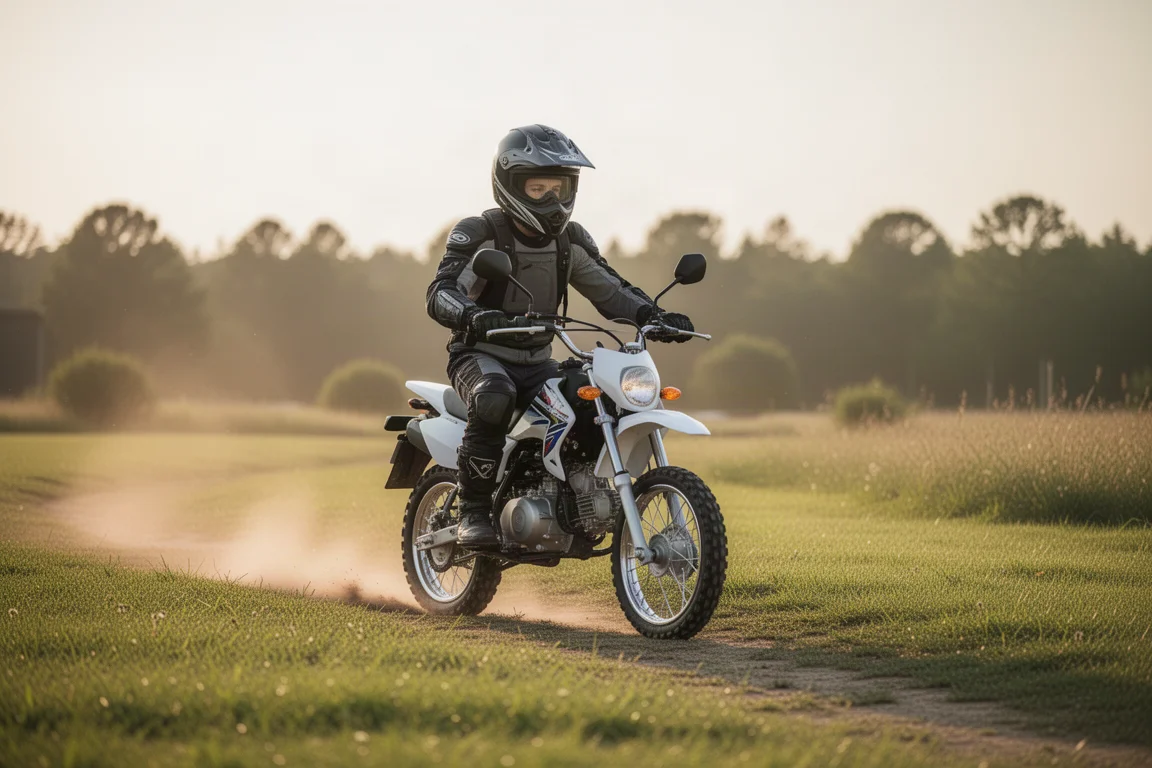
The Apollo RFZ is the definition of a low-cost fun machine. One nicely wrapped example was worth roughly $1,000 to $1,200 with the wrap included, and could be picked up used for around $700. Keep it maintained and it should hold that value well enough that you get your money’s worth of riding out of it.
If it’s an automatic single-speed 125, it’s an especially easy bike to live with: kick it, go, no clutch. That makes it ideal for casual riding where you just want to hop on and cruise, not manage gears and clutch control.
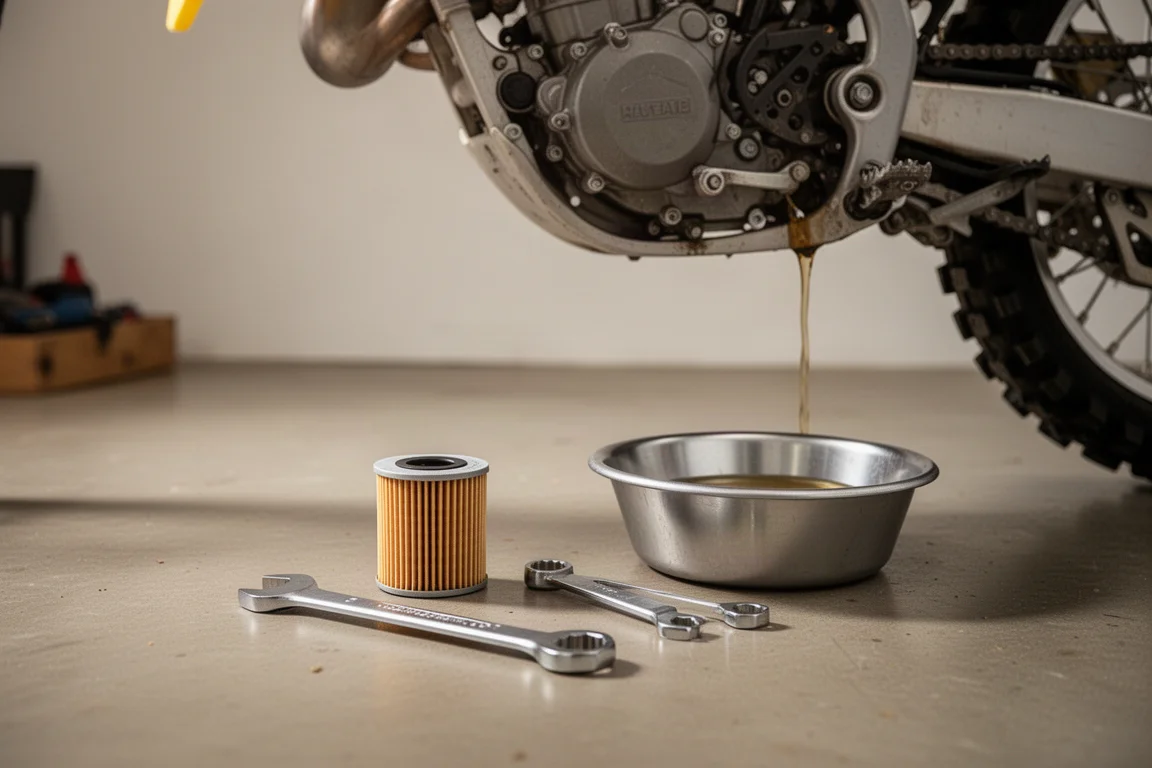
Parts availability is better than people expect, and basic jobs like oil changes and fuel filters are straightforward. The only slightly more involved task is the oil screen during a drain, which takes a couple of bolts and roughly an hour.
X-Pro: The Simple Jump-On-And-Go Bike
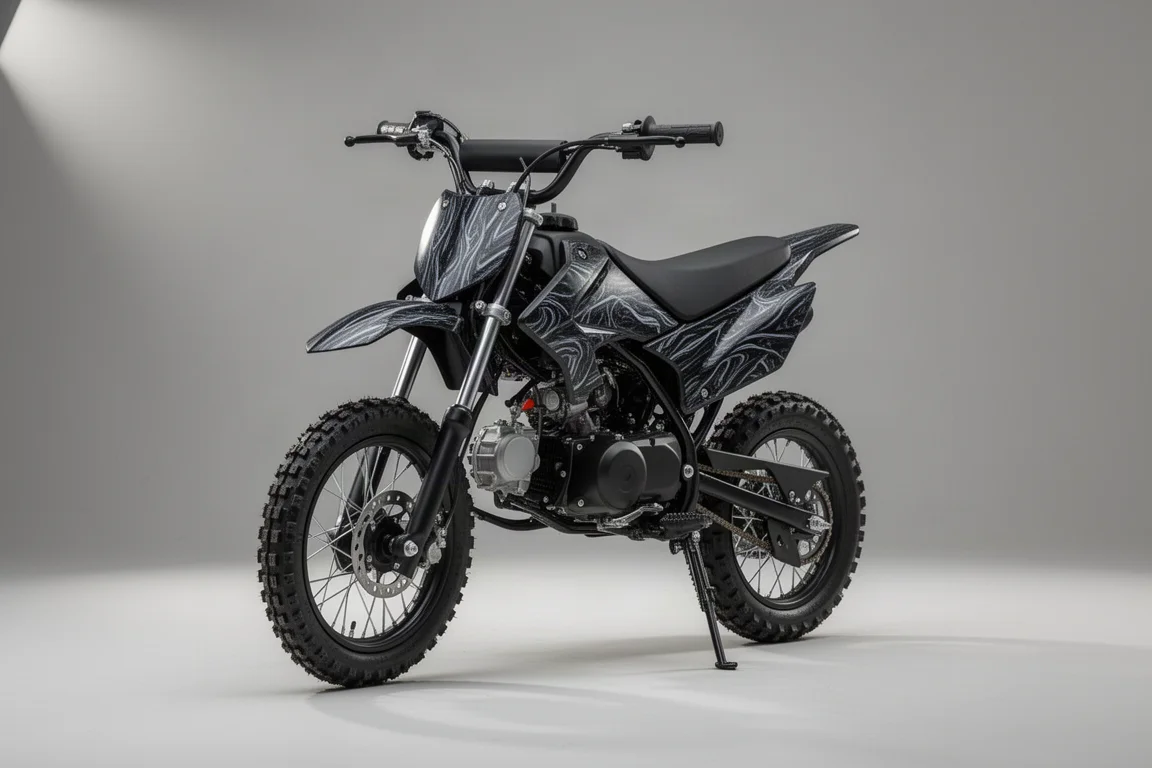
The X-Pro sits in the same budget bracket as the Apollo. It’s a mid-size bike, meaning you don’t get the tiny-wheeled feel of a kids’ bike but you also skip the intimidating bulk of a 250 or 450. If you want something you can simply jump on and ride without chasing top speed, this is that kind of machine.
It’s not built to compete with Honda, Kawasaki, Yamaha or KTM, and it isn’t designed for hardcore riding. For mild to moderate trails and relaxed property riding, it does exactly what it’s meant to do.
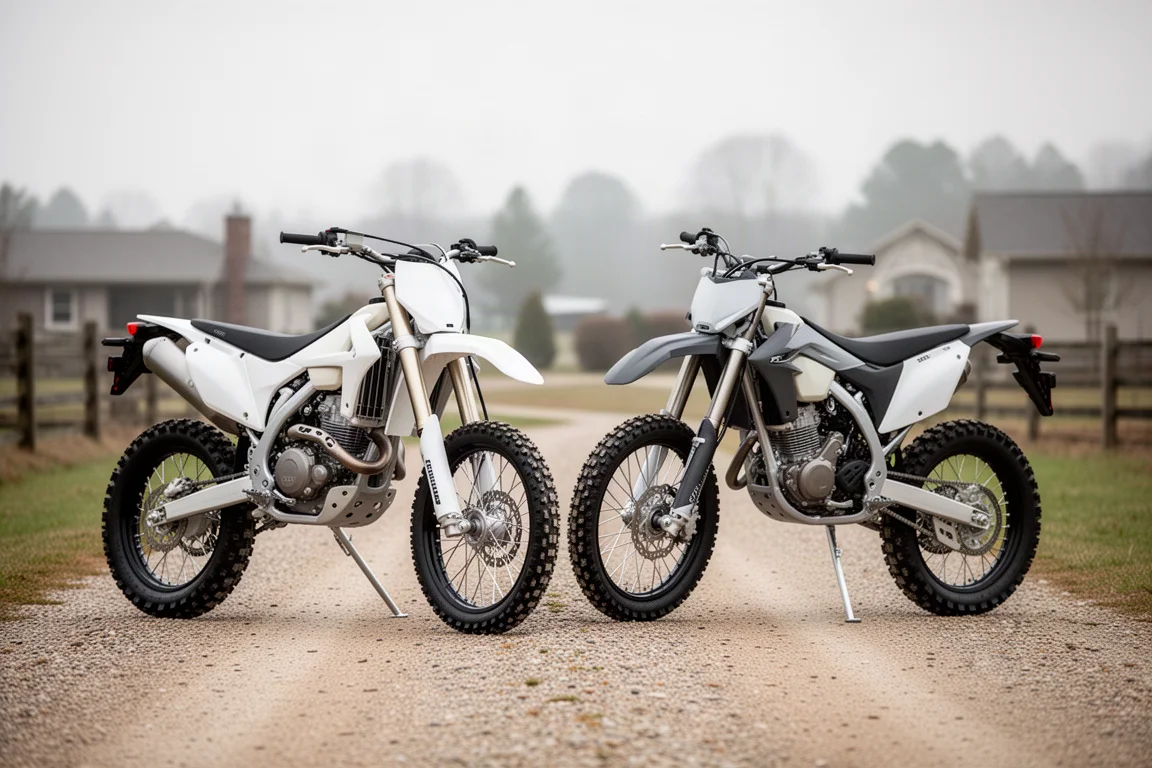
The X-Pro shares the same size class as the Kayo, so if you want a regular mid-size bike without the higher price of the more refined option, this is the value play.
Kayo: The Step Up in Build Quality
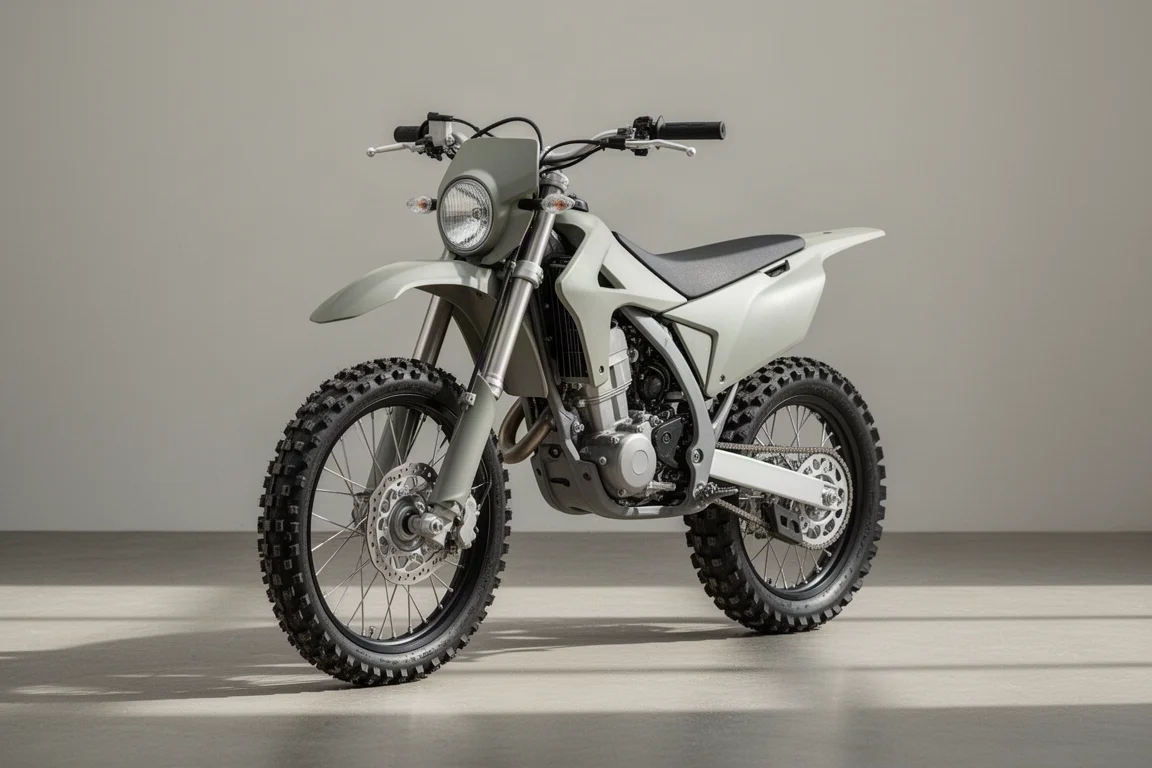
The Kayo is the odd one out in this trio, and in a good way. While the Apollo and X-Pro are pure budget bikes, the Kayo sits a little more mid-range. It is noticeably better built: electric start, better quality tires, better quality chain, and an overall finish that makes it feel like a far more expensive bike than it is.
One example was picked up used for around $900, which is a genuinely cheap deal for the brand. It’s the most expensive of the three, but the extra money shows up in better components and a bike that feels more comfortable with slightly harder trail riding.
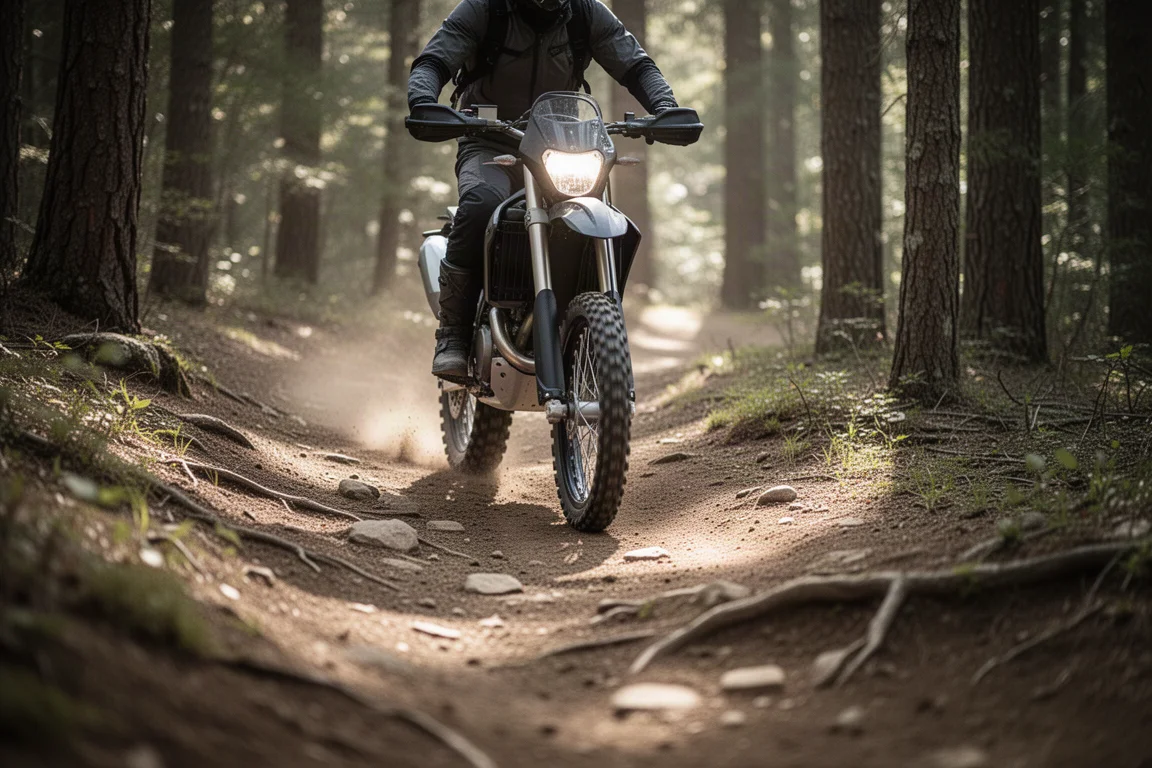
It’s still not Japanese quality, and it’s not a race bike. But for riders who want a bit more confidence on moderate trails without paying dealer prices, the Kayo is the standout of the three.
Buying Advice for First-Time Buyers
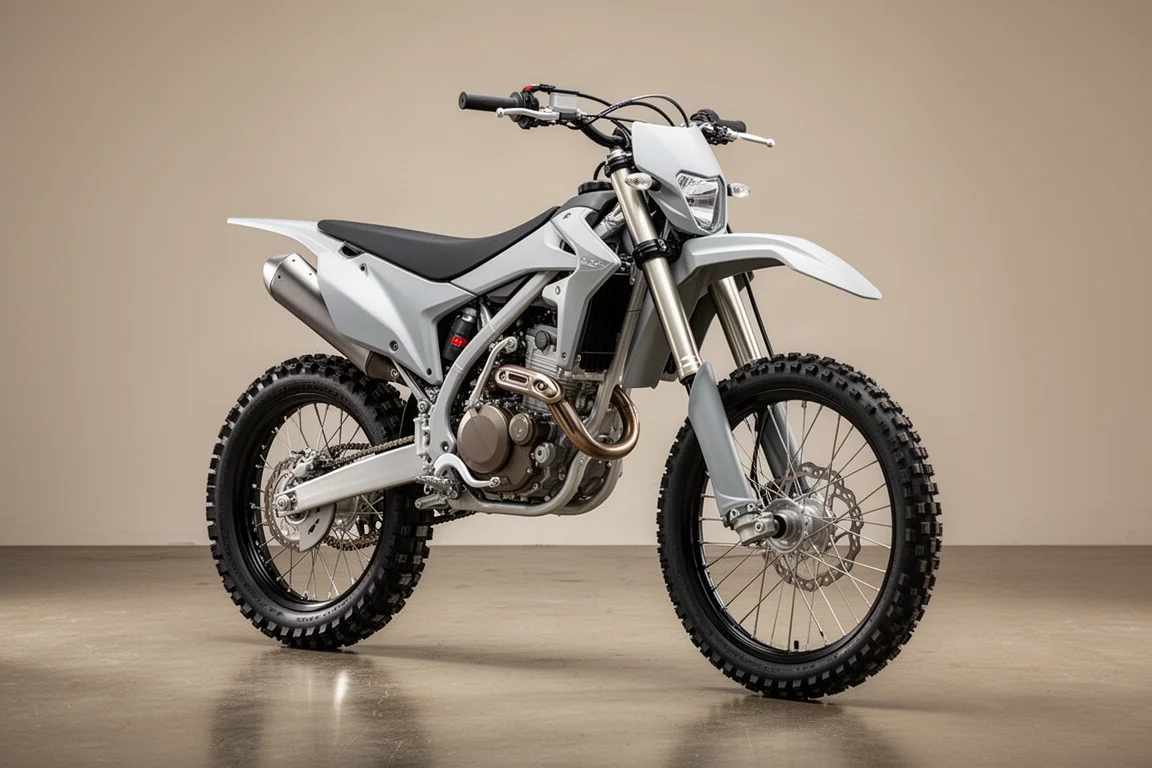
Match the bike to the riding you actually do. If you’re racing motocross or riding hardcore trails every weekend, none of these bikes are the right tool and a Japanese machine is worth the money. If you’re trail riding for fun, staying within sight of home and cruising at 20 to 30 mph, a budget bike is a perfectly good choice.
A few practical tips:
- Buy used, inspect the bike, and check that it runs clean before handing over money.
- Keep up with oil changes and basic maintenance. These bikes are simple to service.
- Don’t plan on reselling for a profit. Ride them until they’re done, and enjoy the low cost of entry.
- Always wear proper gear and a helmet, no matter how casual the ride.
Conclusion
The Apollo RFZ is the cheapest ticket to casual fun, the X-Pro is the simple mid-size all-rounder, and the Kayo is the step-up option with noticeably better build quality for slightly more money. None of them replace a Japanese race bike, but none of them need to. For relaxed trail riding, any of these three can be an absolute blast without breaking the budget.
Further reading
Related Reviews
Dirt Bikes
Best Budget 125cc Dirt Bikes 2026: Three Value Picks That Deliver Real Fun
We compare three affordable 125cc four-stroke dirt bikes on price, rideability, and upkeep to show you can have fun on two wheels without a five-figure budget.

Backpacking Gear
Building a 10 lb Base Weight: An Ultralight Backpacking Gear List
A practical walkthrough of the ultralight pieces behind a 10 lb base weight, from a 765 g pack and a roomy one-person tent to a full camp chair and a dependable water filter.

Road Bikes
10 New Road Bikes Worth Watching: Aero, Titanium, Steel and Endurance Standouts
A practical roundup of 10 new road bikes, from aero flagships chasing single-watt gains to titanium, steel and endurance platforms built for real roads.